Hi-Fi Audio
Six Hi-Fi Components Worth Building a System Around
Six hi-fi components with distinct voices, from a low-power tube integrated to a class D monoblock, plus what each one demands from the rest of the system.
Introduction
Some components stay in a system because they measure well. Others stay because they do something to the music that is difficult to quantify and almost impossible to replace. The six pieces in this roundup belong firmly to the second group.
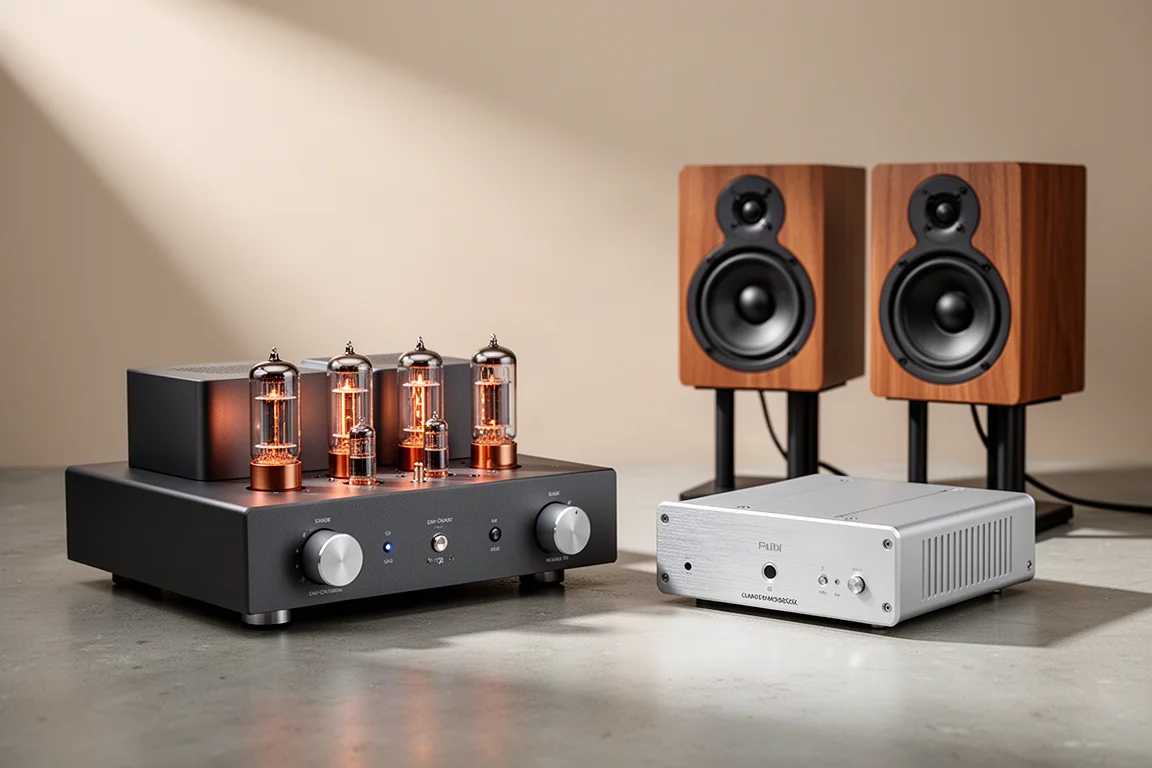
They come from different corners of the hobby: a low-power tube integrated amplifier built in small numbers in Korea, a long-serving CD player, two pairs of compact speakers, a class D monoblock, and a floorstander with a two-decade production run. What they share is a strong personality and a clear set of requirements.
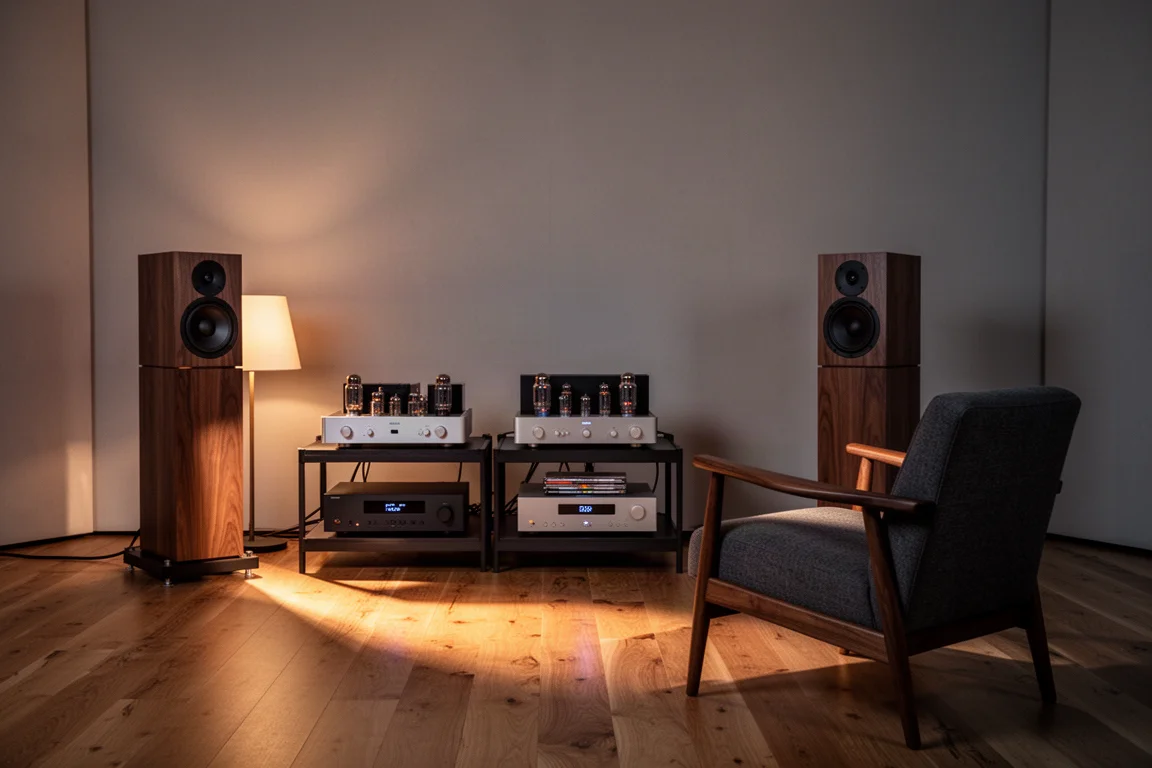
That combination matters when real money is involved. A component with a distinct point of view can be the most rewarding purchase in a system, as long as you understand what it asks for in return. Each entry below covers what the piece does well, where it can go wrong, and the listener it tends to suit.
How These Components Were Selected
The selection here is not a ranking of measured performance. It is a list of components that have earned long-term use in real listening rooms, often across several years and through many changes of partnering equipment.
Two themes repeat across all six. First, character counts: several of these pieces are deliberately not neutral, and that coloration is the reason they are kept. Second, matching matters. Speakers and amplifiers that reward careful pairing can sound ordinary when paired carelessly, and that is a genuine cost of ownership.
Where a component has a practical limitation, such as low power output or discontinued parts, it is called out directly rather than smoothed over.
BruCo Terra Integrated Amplifier
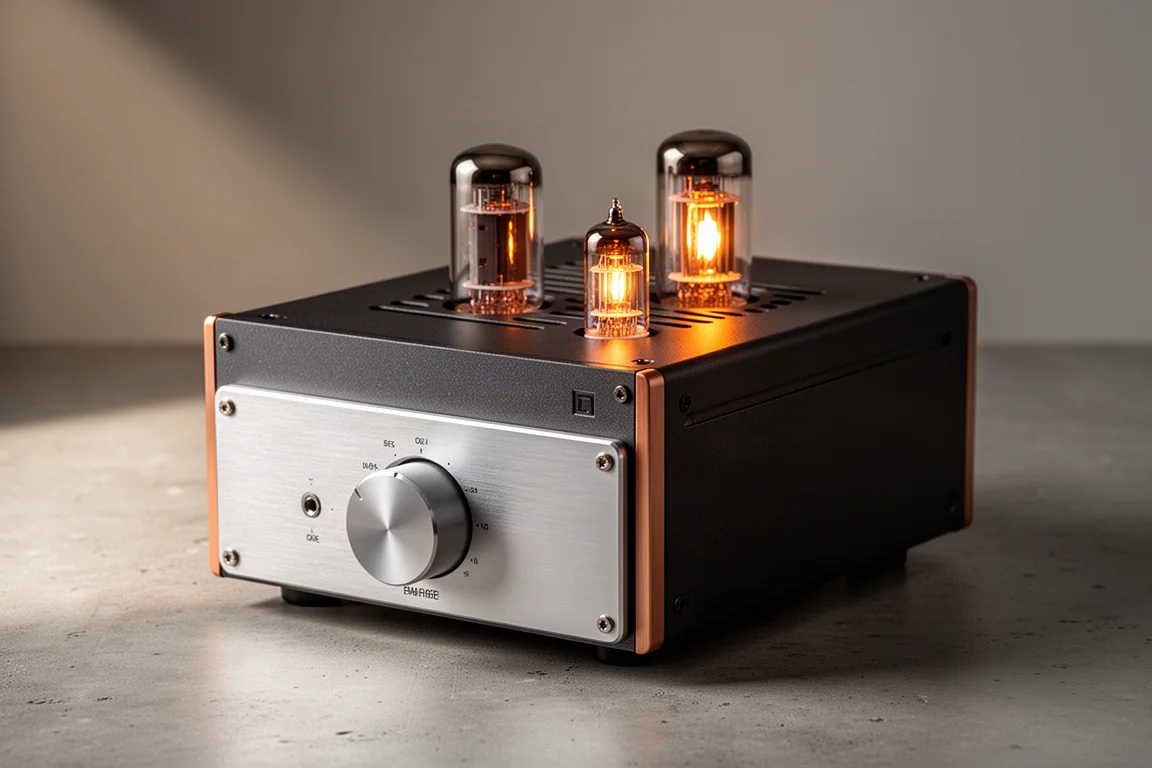
The BruCo Terra is a low-power tube integrated amplifier built in Korea, and it began as a private project rather than a commercial product. It was designed to partner a specific large speaker in a small audio cafe, after more than a hundred amplifiers were tried without finding one that suited the room.
The result is a design with a deliberately short signal path and transformers wound in house. In use, the Terra stands out for a spacious, airy presentation that opens up a system in a way that is unusual for a tube integrated, along with solid bass and a real sense of drive. Vocals, particularly female voices, come across as sweet and delicate, and the overall effect is emotionally engaging rather than analytical.
It is not a linear amplifier, and it is not low-powered in name only. The Terra needs reasonably sensitive speakers to perform at its best, and its voicing tends to divide listeners cleanly into two camps. Buyers who want neutrality and measurement-first behavior should look elsewhere; buyers who want a distinctive, musical signature will find few alternatives quite like it. Build quality is excellent, and the production version adds a single volume control, a remote, and more inputs and outputs than the original unit.
AMR CD-777 SE CD Player
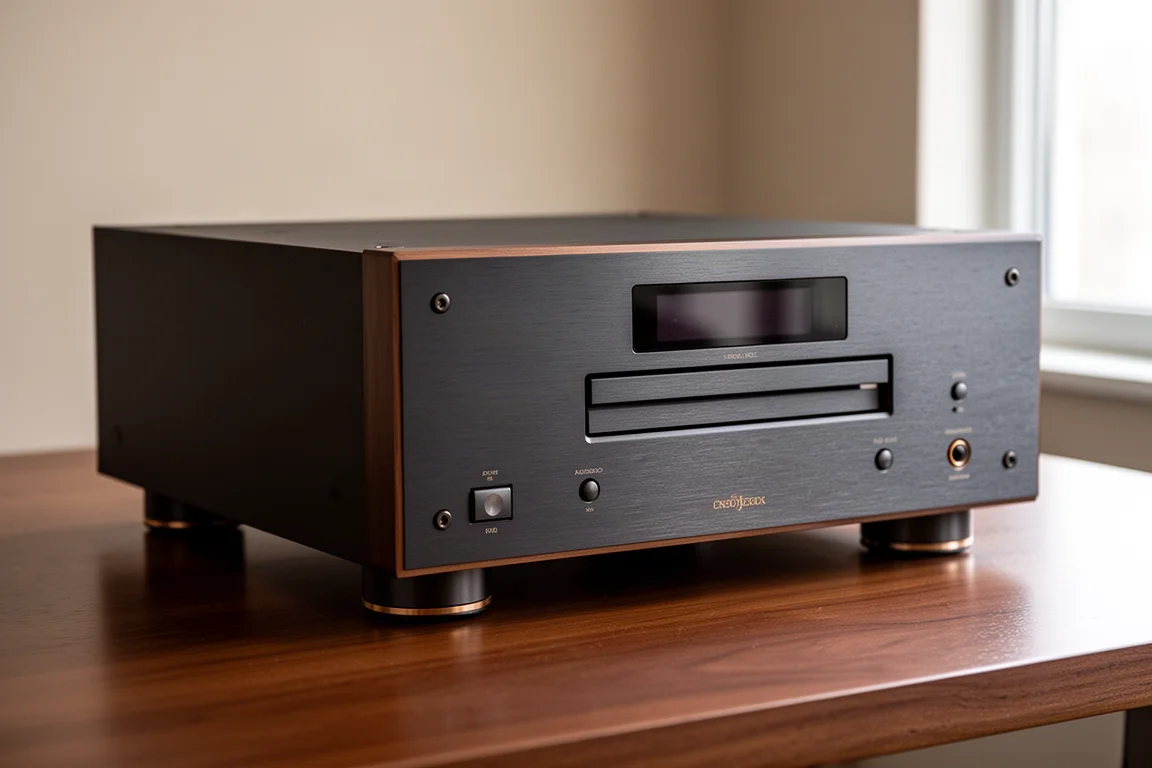
The AMR CD-777 SE is a CD player that has remained in service for the better part of fifteen years, which is a long run for any digital source. It descends from the brand’s first CD player, a heavyweight design built around a highly regarded Philips converter chipset, and it takes a more restrained approach than that over-engineered original.
The 777 SE uses a different Philips chipset chosen to emulate the character of the earlier design, along with transformers and multi-in-one capacitors made exclusively for this player. That exclusivity is the main risk: if a critical proprietary part fails, replacement is difficult, and parts have been hard to source for years.
Sonically, the appeal is a vinyl-like three-dimensional body and a touch of warmth, without the rolled-off treble and heavy midrange lift that usually accompany an analog-style tuning. It keeps digital clarity while adding the solidity many listeners associate with records. It is not the most refined player available, and it will not satisfy anyone chasing the widest possible soundstage or the most airy, detailed treble. For listeners sensitive to the natural timbre of instruments, it remains a compelling reference. It is also no longer in production, so any purchase happens on the secondhand market.
M Acoustics Platimon Speakers
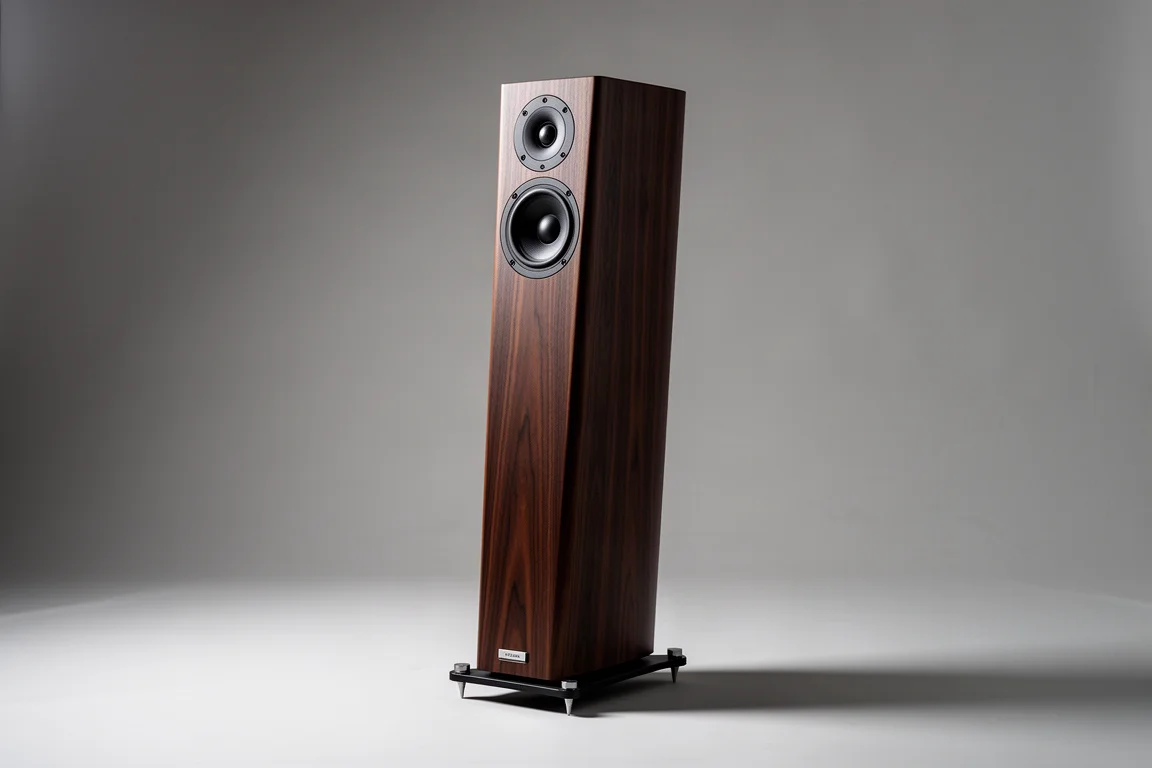
The Platimon is a floorstanding speaker from a Korean maker and has served as a long-term reference for around three years. It is also the clearest example in this list of a component that demands matching.
Early versions of the speaker sounded clinical, bright, and thin. The final revision changed that: the midrange gained body and muscularity, the high frequencies stayed spacious, and real bass appeared, producing a combination of warmth and transparency that is genuinely uncommon. Transparency here means subtle detail that often sits buried in a mix becomes easy to hear, without the brightness that usually accompanies that kind of clarity.
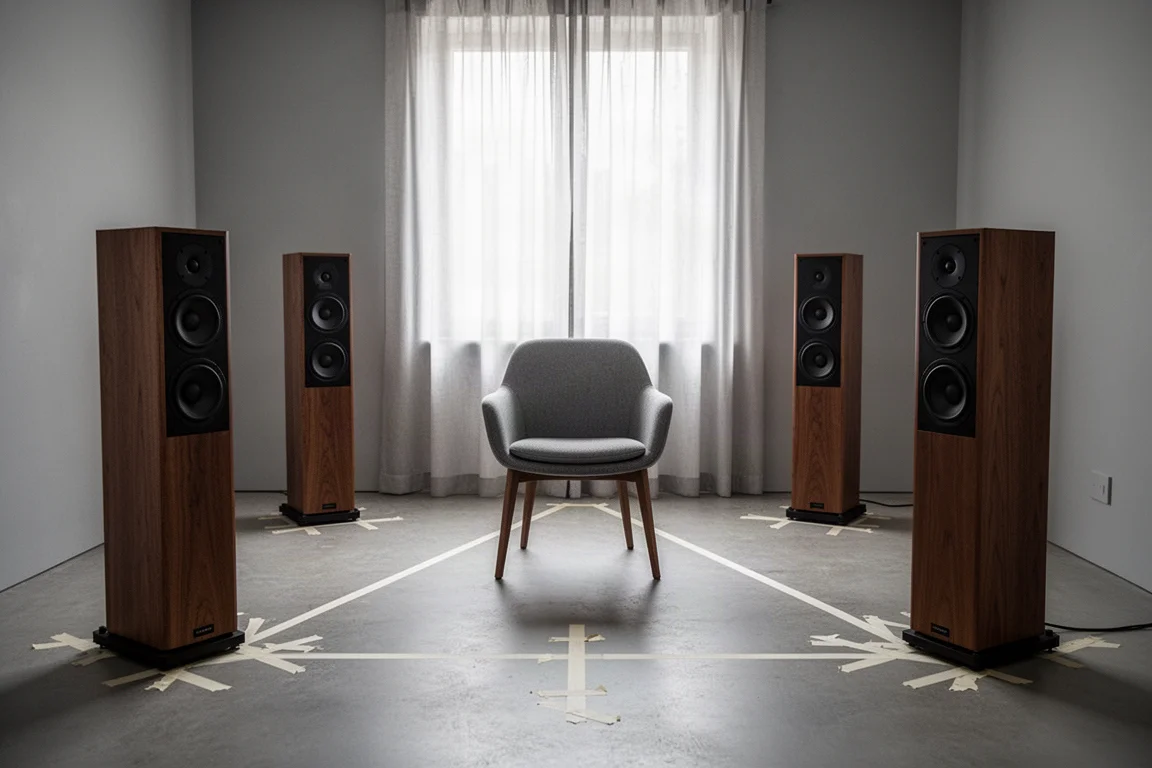
That balance is fragile. Paired with thin-sounding amplification, the Platimon reverts to a lean character from the midrange upward, and the bass can feel disconnected from the rest. Warmer, richer amplifiers bring out the inviting side of the design, and the speaker also responds strongly to careful placement. It uses a super tweeter and a separate bottom module, and it is not the most linear or neutral design on paper. Set up well, though, the transparency becomes the quality owners miss most when the speakers leave the system.
Harbeth P3ESR Speakers
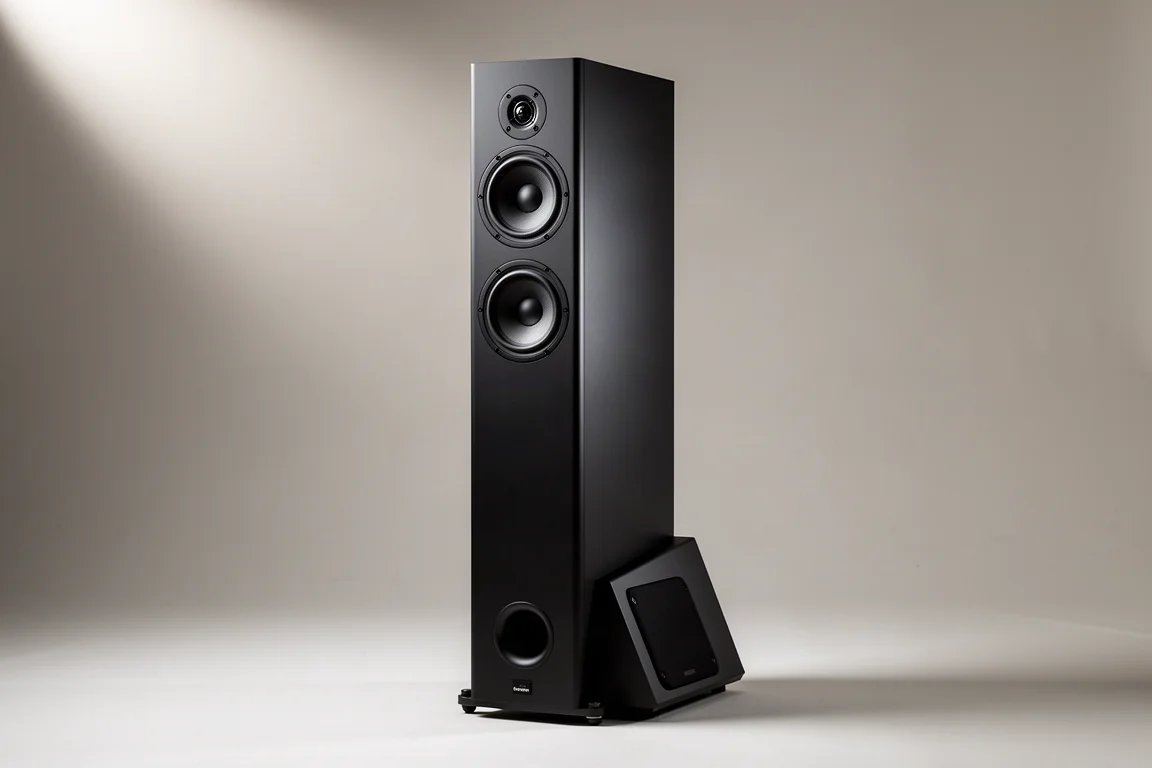
The Harbeth P3ESR is a small sealed bookshelf speaker, and the original version has been in continuous use for well over a decade. It is also the most application-specific product here.
This is a nearfield speaker. In a small room, or on a desktop where the drivers sit only a couple of feet from the listener, the usual compromises of a small sealed cabinet largely disappear, because high volume and full-range output are not required. In that setting the natural midrange voicing handles human speech beautifully and works just as well with metal, electronic, hip-hop, classical, and jazz.
Amplifier matching is refreshingly simple. A modest receiver will drive them, and while better electronics can refine the sound, the speakers do not fall apart with budget amplification. The catch is that this is not a speaker to recommend for most living rooms or large spaces, where the same design would struggle. Buyers who want a compact, unfussy desktop or small-room system will find very little to fault.
AGD Audion Monoblock Amplifier
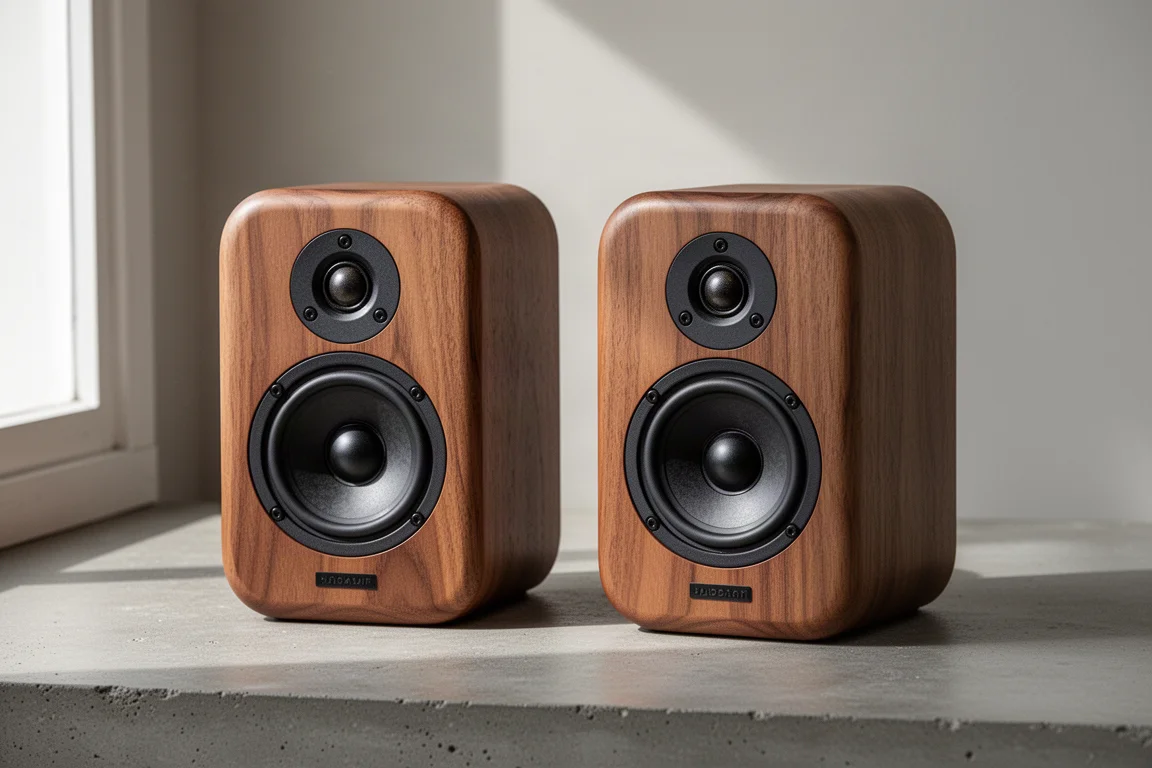
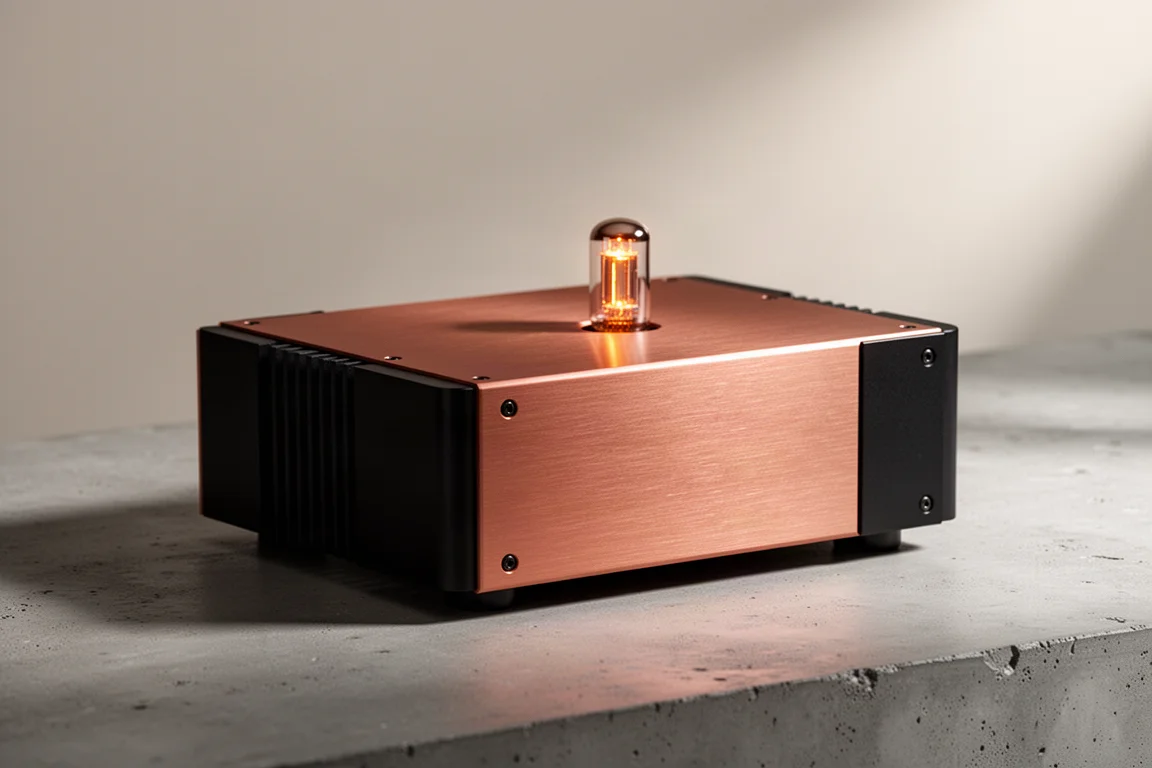
The AGD Audion is a class D monoblock that avoids the characteristics usually used to criticize class D. Many switching amplifiers present a glassy, slightly forward upper midrange; the Audion does not, and its high frequencies come across as refined rather than dry. The overall result resembles a good class A or class AB amplifier in a much smaller and lighter chassis.
The design uses a modular tube stage that can be upgraded later, and non-tube versions are available for buyers who prefer a different approach. Power output is high, low-impedance loads are handled well, and the measured performance is neutral, which makes the Audion a useful reference for evaluating unfamiliar speakers. It has been in regular service for around three years and behaves as a reliable workhorse rather than a specialist piece.
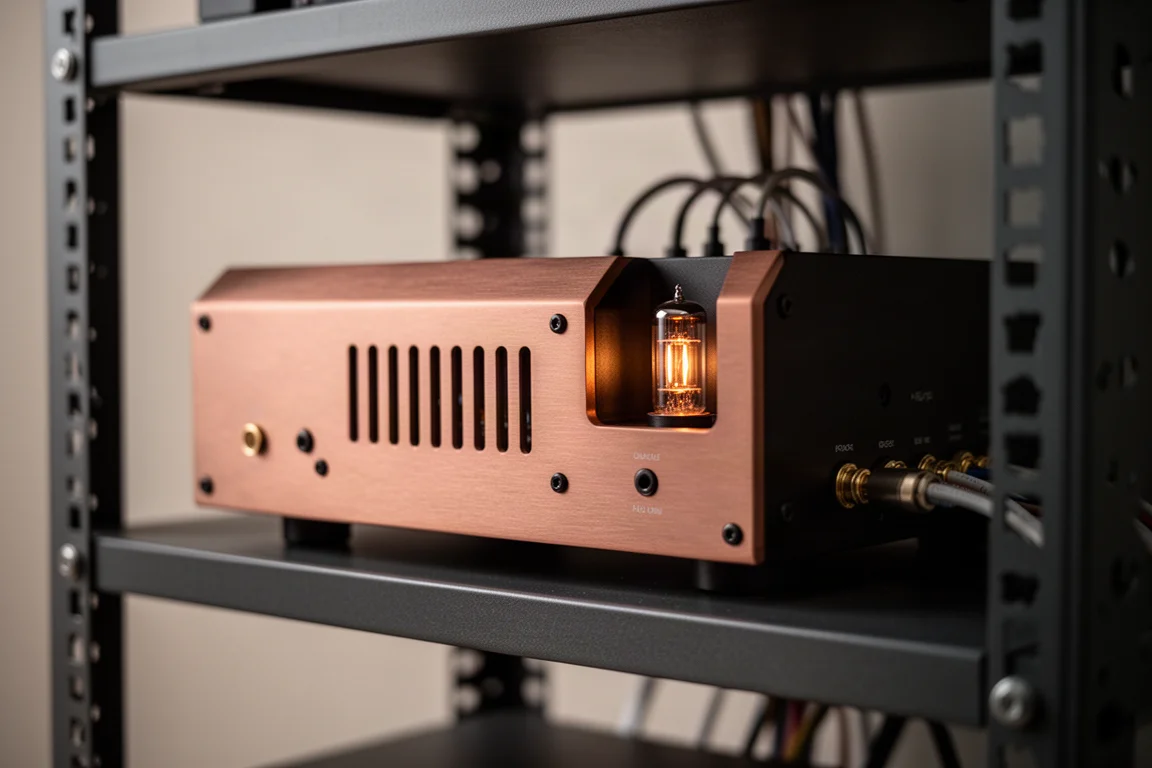
The main obstacle is cost, since these monoblocks sit at the higher end of the class D market, and a pair is a serious investment. A copper-on-black finish is now offered directly, and the build quality justifies the asking price for buyers who want neutral, low-distortion power without the bulk of a large linear amplifier.
Totem Acoustic Sttaf Speakers
The Totem Acoustic Sttaf first appeared in the late 1990s and stayed in production for roughly twenty years across about seven revisions. It is a discontinued design now, which makes it a secondhand purchase rather than a current one.
It is also the least neutral speaker in this group. The Sttaf had a distinctly quirky, colored voice and needed patient setup before it worked in a room. Once it did, it delivered some of the most emotionally involving listening sessions of any speaker, to the point where the music could feel overwhelming. For many owners it was a first serious audiophile speaker, and it stayed in service for around twelve years before being sold on.
The lesson the Sttaf teaches applies to several products here: a speaker can be imperfect and still be irreplaceable, provided the system around it is built to suit. Buyers considering one today should expect to spend time on placement and partnering equipment, and should accept that replacement parts and service support will be limited.
Buying Advice
The right choice depends less on the price of each component than on the system and room it will join. Start with the speaker and the space, then choose electronics that suit both.
The BruCo Terra needs sensitive speakers and rewards listeners who value character over neutrality. The Platimon also needs warm, rich amplification and careful placement, and it will punish a careless match. The Harbeth P3ESR works best in a nearfield setup, where it is remarkably easy to live with and undemanding about amplification. The AGD Audion is the most flexible amplifier of the group and will drive almost anything.
On the digital side, the AMR CD-777 SE is a long-term keeper for listeners who prize natural timbre, but its proprietary parts make it a considered purchase rather than an impulse buy. The Totem Sttaf is a vintage option for buyers who enjoy tuning a system by ear and are comfortable with a discontinued product. In every case, confirm that the component suits the room before committing, and budget for the partnering gear it will need to sound its best.
Conclusion
None of these six components is a plug-and-play purchase, and that is precisely why they are worth knowing. Each one asks for a sensible match, whether that means sensitive speakers, warm amplification, a nearfield setup, or patience with placement.
For listeners willing to build a system around a component’s strengths, the reward is a level of musical engagement that neutral, all-purpose gear rarely delivers. Choose the piece that matches your room and your priorities, and the rest of the system will follow.
Further reading
Related Reviews
Hi-Fi Audio
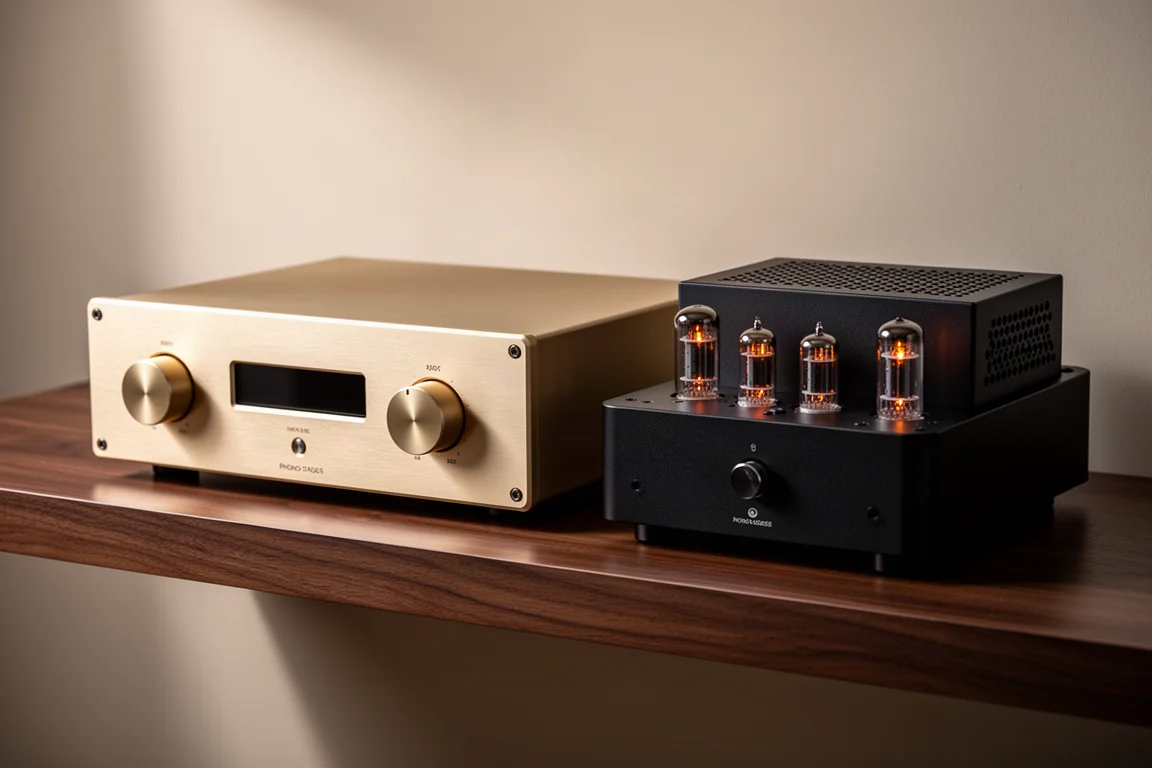
Accuphase C-57 vs Allnic H-7000V: Two High-End Phono Stages Compared
A fully balanced solid-state phono stage with a pitch-black noise floor meets a tube design built for well-loved records. Here is how to choose between them.
Hi-Fi Audio
Active vs Passive Hi-Fi: Five Components for a Modern System
Five components that define modern active and passive hi-fi systems, with the strengths, trade-offs and setup details worth weighing before you buy.
Hi-Fi Audio
Advance Paris A10 Apex Review: A Hybrid Integrated Amplifier That Covers a Lot of Ground
A French hybrid integrated amplifier with a class A tube preamp stage, analogue power meters, and an internal DAC and phono stage good enough to make extra boxes unnecessary.