Digital to Analog Converters
Six Favorite DACs Across Six Price Points: A Practical Roundup
Six digital to analog converters spanning roughly 100 euros to 10,000 euros, with the strengths, trade-offs, and system matches that matter most.
Introduction
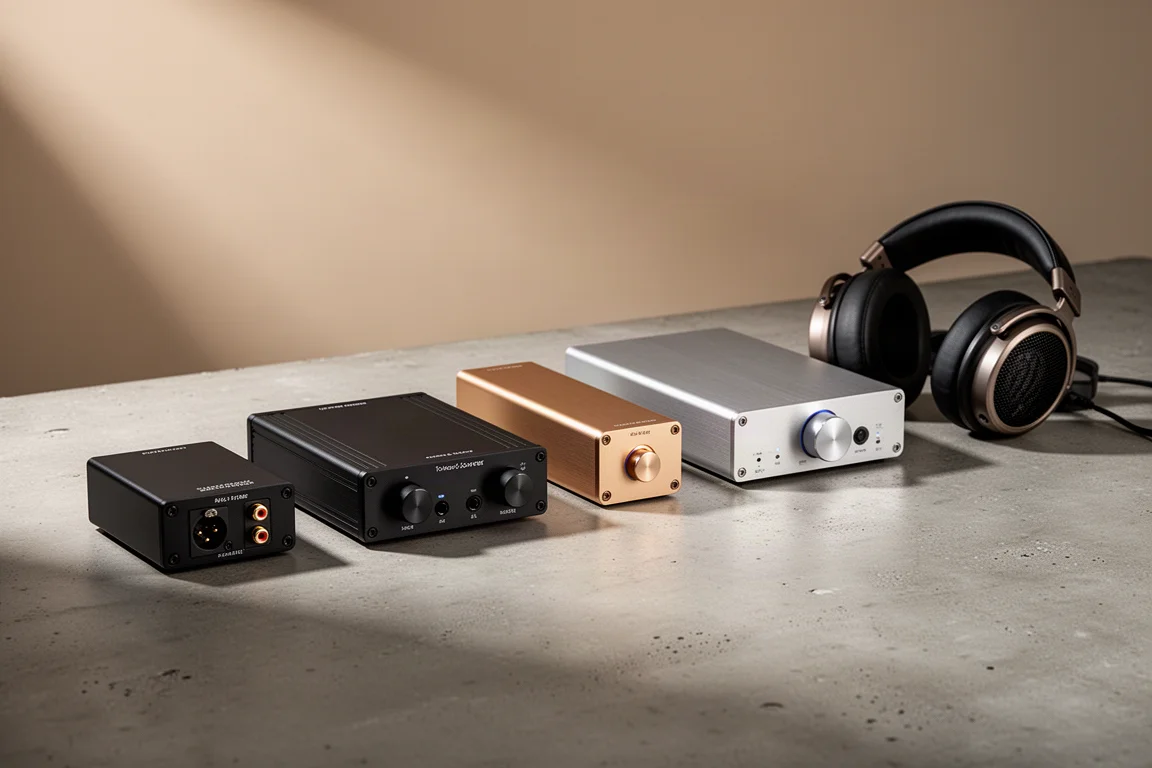
There is no single best DAC. The right choice depends on your taste, your needs, and how much you want to spend, which is why a set of six favourites across a very wide price range makes more sense than a single winner. The picks here run from a roughly 100 euro desktop converter to a 10,000 euro flagship, and each one earns its place by doing something specific well.
Six is also, by definition, not exhaustive. This is a collection of options at different price points rather than a definitive ranking, and the notes below focus on what each converter does, where it fits, and what to accept as a trade-off.
What Matters Most in a DAC
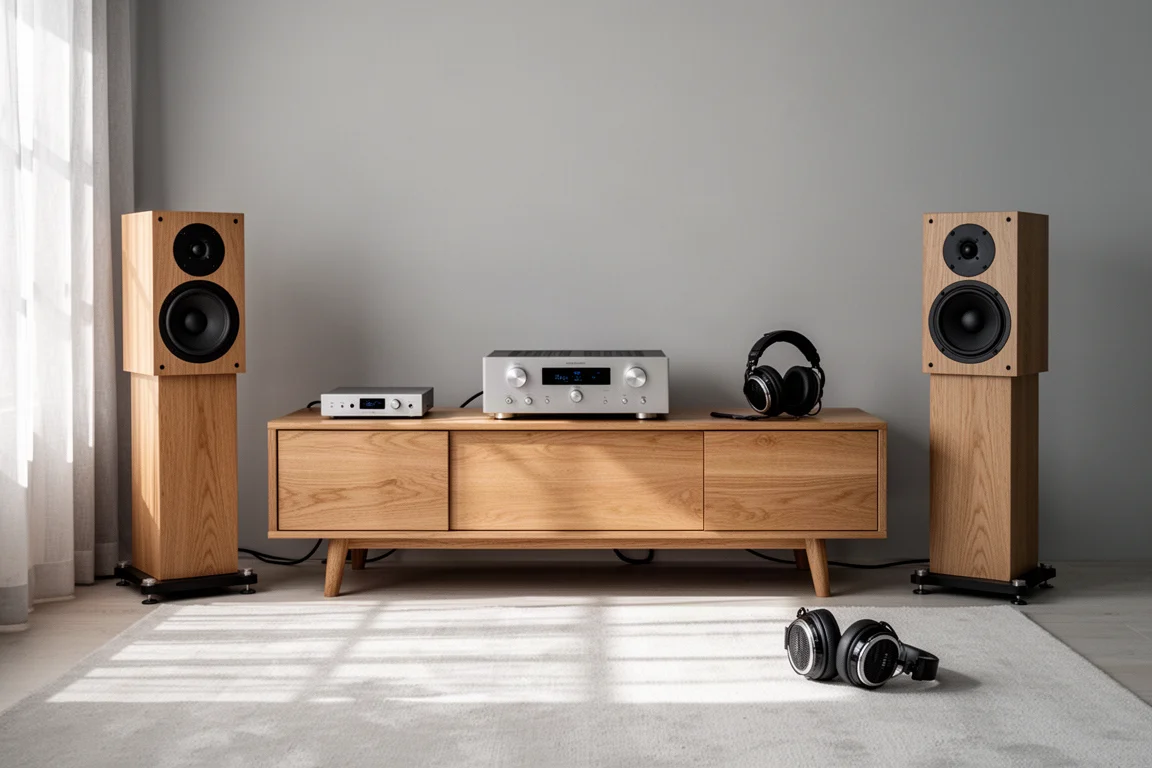
It helps to keep expectations in proportion. The audible differences between DACs are small. They are smaller than the differences between amplifiers, and considerably smaller than the differences between speakers and rooms, where the largest sonic differences of all live.
External DACs remain interesting because they sit at the point where two very different kinds of listening converge. Headphone listeners and loudspeaker listeners rarely choose the same amplifiers, but both can use an outboard converter.
It is also worth ignoring the idea that a DAC’s sound can be predicted from the chip inside it. Implementation matters far more than model numbers: how the conversion stage is built into the circuit, how the analogue output stage is designed, and the quality of the power supply feeding both. Some designs use off-the-shelf chips, others use an FPGA running custom code, a resistor ladder, or an algorithm, and the result depends on the whole package rather than any single part.
Topping D10s: The Entry Point
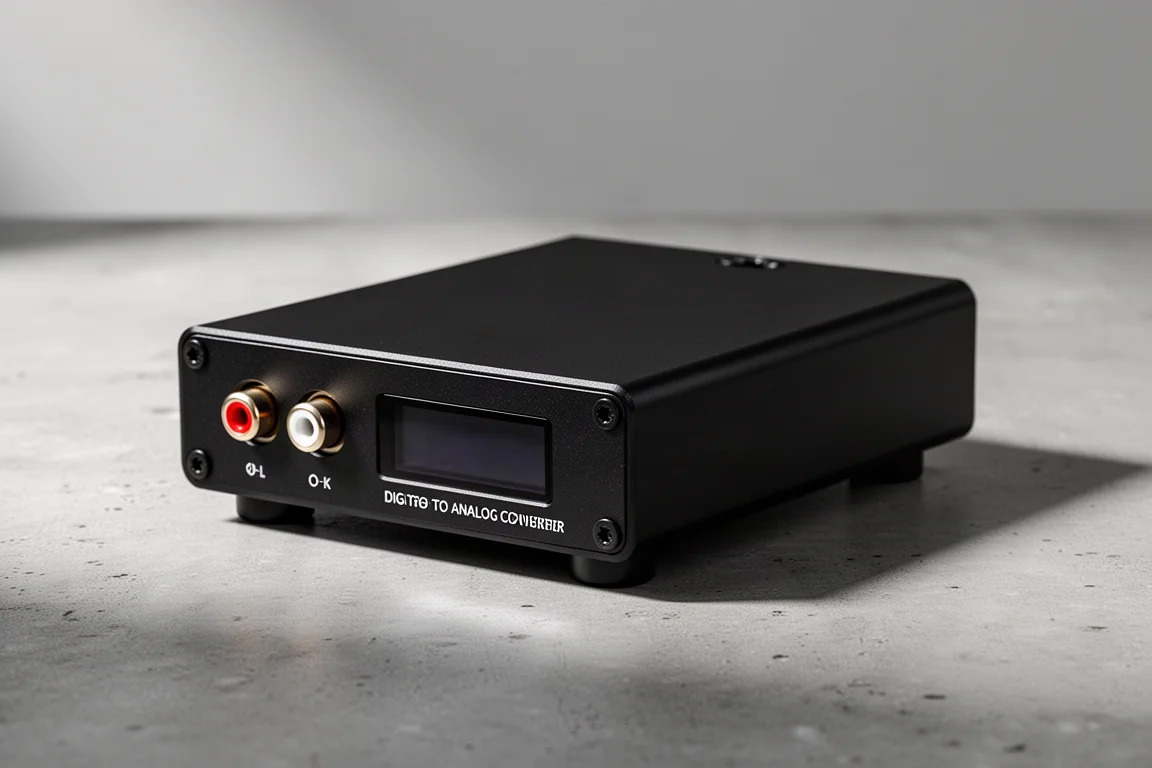
The Topping D10s costs around 100 euros and keeps things simple: one USB digital input, twin RCA analogue outputs, and an ESS Labs converter chip between them. Connected to a laptop, it resolves more detail than a built-in headphone socket and lets you hear further into a mix.
The compromise is tonal. The D10s can sound a little thin, so it rewards careful matching with fuller sounding amplifiers, speakers, or headphones. It also sits below the converter built into the Eversolo DMP-A6 streaming DAC, which is reasonable given the price difference.
Two features stand out at this price. The front panel has a sample rate display, which shows what the host device is actually sending, so a CD quality file should read 44.1 rather than an upsampled 192. The twin S/PDIF outputs, coax and optical, also let the D10s work as a USB converter for another DAC that has no USB input of its own.
Chord Mojo 2: Portable Value
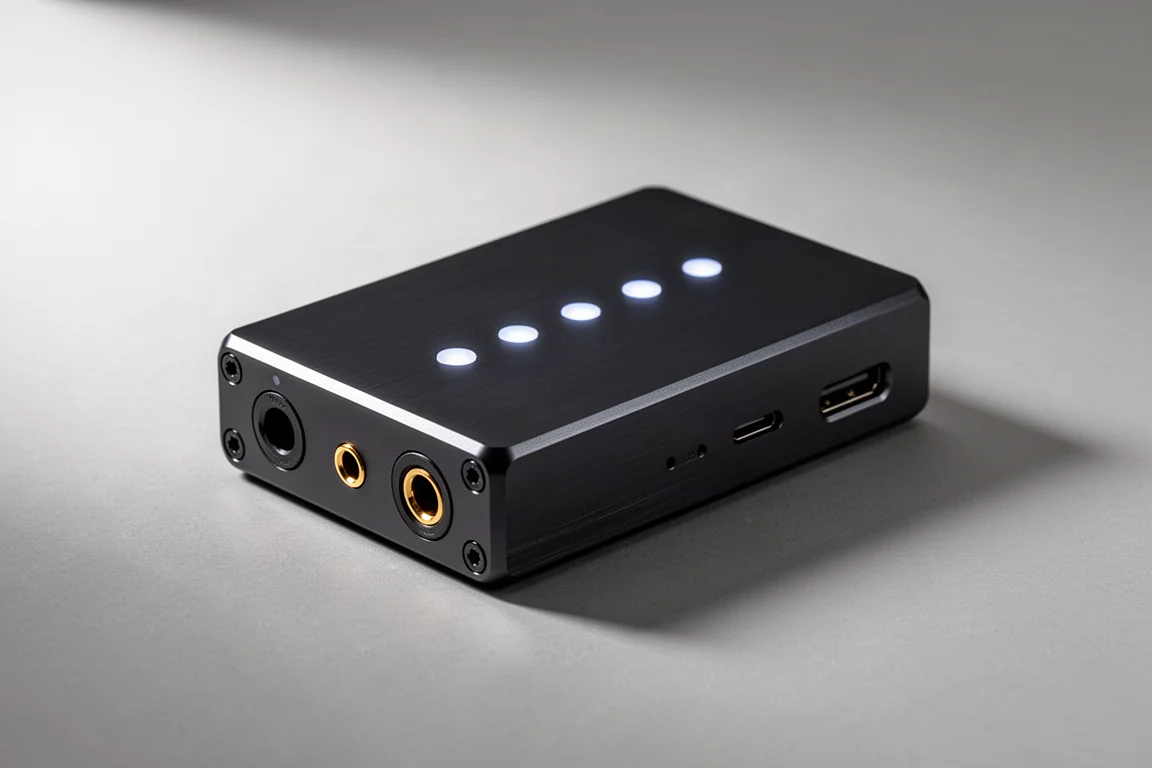
The Chord Mojo 2 sells for around 500 euros and does not use an off-the-shelf converter chip at all. Conversion is handled by an FPGA loaded with custom code, which is one reason chip-based predictions fall apart here.
Its power comes from a rechargeable battery, and it can run for up to about eight hours away from a mains socket. That matters when the Mojo 2 is paired with a smartphone for portable headphone listening, a setup that few phones can match on their own now that headphone outputs have largely disappeared. The 3.5 mm output, EQ, and crossfeed options make it easy to tune the sound to taste.
Dropped into a home system, it is remarkably strong for the money, with more detail and dynamic punch than the converter built into the Eversolo DMP-A6 streaming DAC. The main limitation is connectivity: there are no balanced outputs, and single-ended runs are best kept short, since longer cables can introduce noise and hum.
Denafrips Ares II: The R2R Alternative
The Denafrips Ares II takes a different route, using an in-house R2R ladder implementation instead of an off-the-shelf chip. The result is not better or worse than the Mojo 2, just different, and the choice comes down to priorities.
Where the Ares II gives more is weight. It offers more substance and more meat on the bone, though it is not quite as detailed. Think of the difference in character rather than outright quality: one favours texture, the other favours fine resolution.
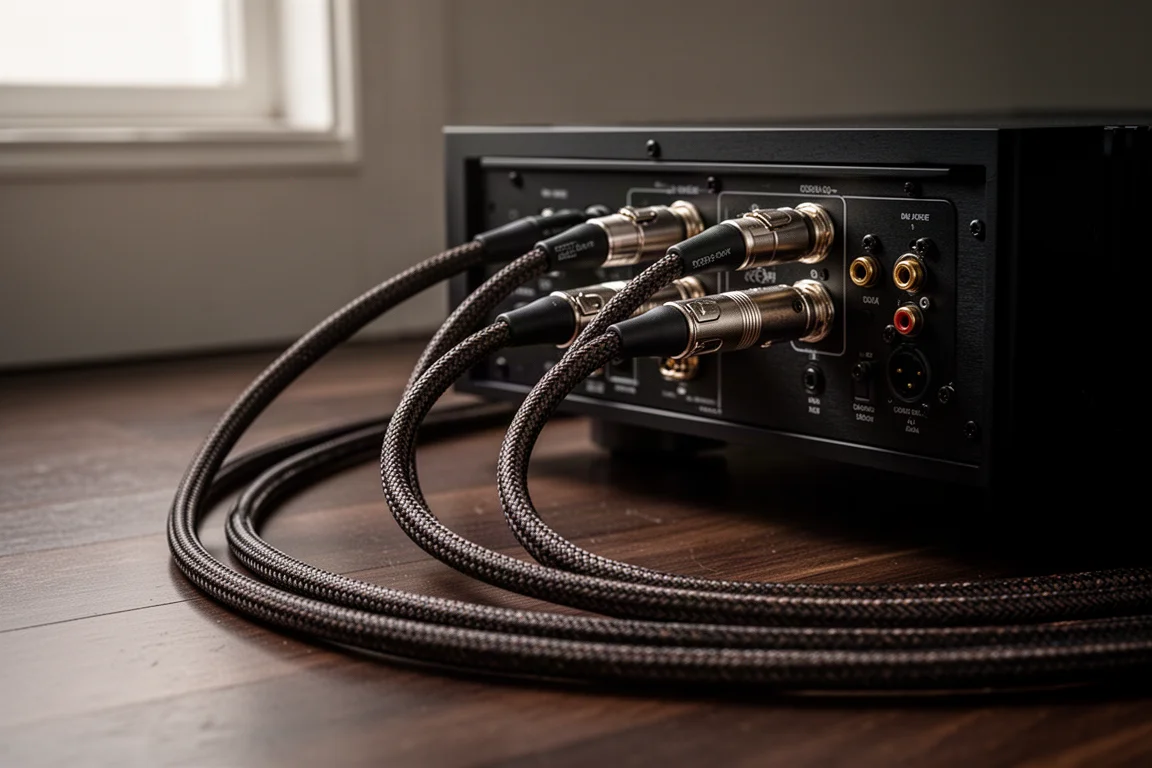
The other reason to consider it is its balanced outputs. If the converter sits across the room from the amplifier, balanced interconnects can run long distances without the noise and hum that single-ended cables can pick up beyond two or three metres. That flexibility costs more than the Mojo 2, so it is worth paying for only if you actually need it.
Chord Hugo 2: The Portable Step Up
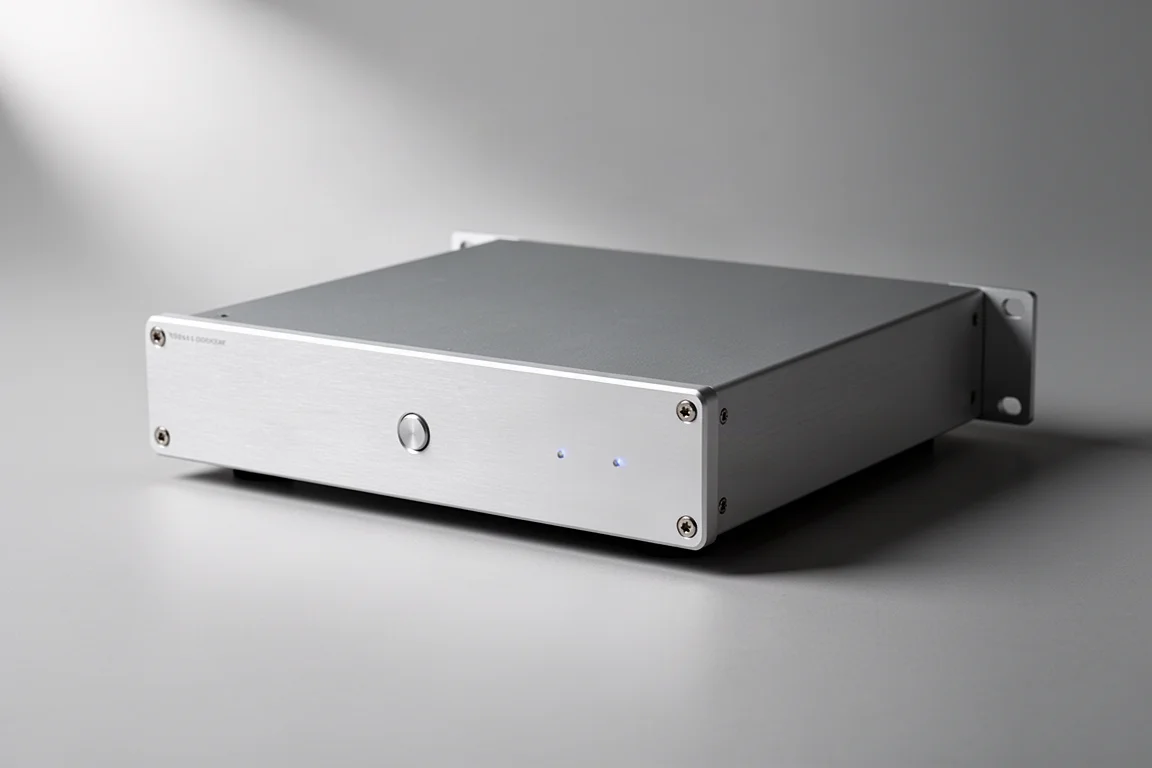
The Chord Hugo 2 sits above the Mojo 2 in both price and ambition. It is battery powered and uses an FPGA running custom code for conversion, and it can be paired with a portable streamer module for a self-contained setup. The RCA sockets on the chassis also make clear that it is intended for high-end loudspeaker systems as well as headphones.
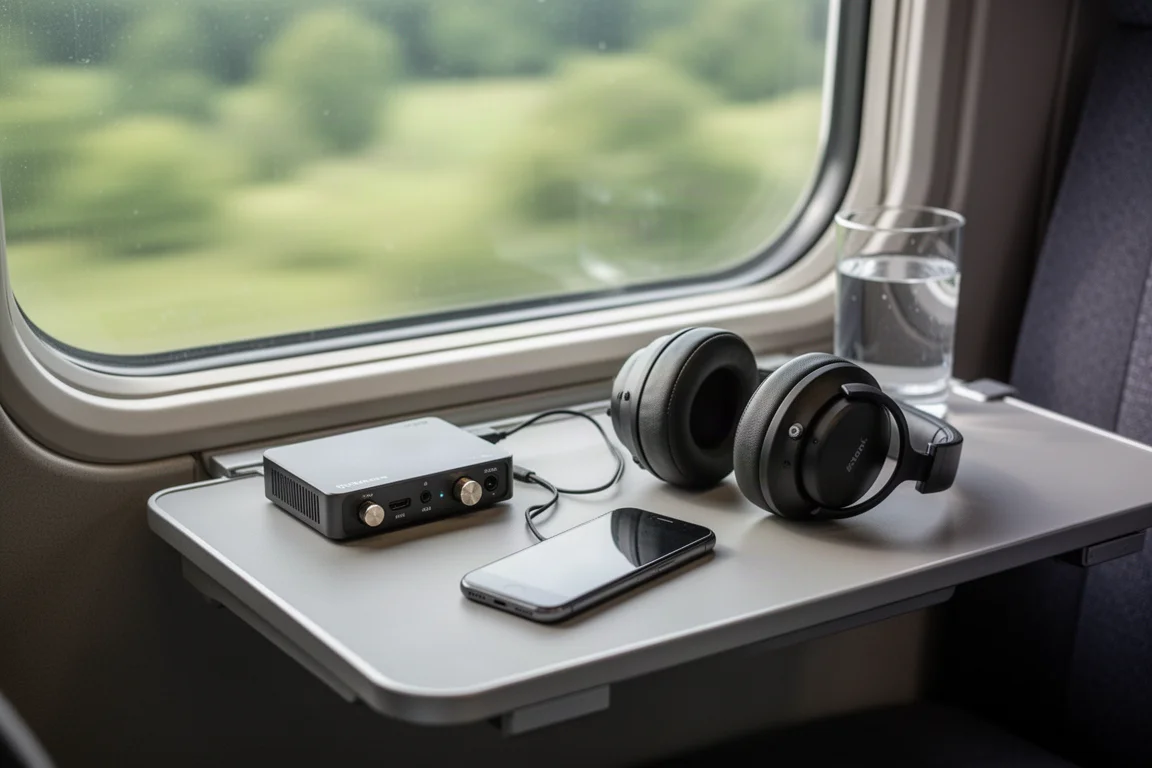
The audible step up over the Mojo 2 is real but modest: a little more detail and slightly better separation between layers. The stronger argument for the Hugo 2 is versatility. Battery power means it can leave the house with a smartphone or feed a home system, and few converters at this price combine both roles.
It is also a product for listeners who have already sorted their speakers or headphones and their amplification. If the room and the rest of the chain are not settled, the extra spend is hard to justify.
Lyngdorf TDAI-3400: A Room-Correcting DAC
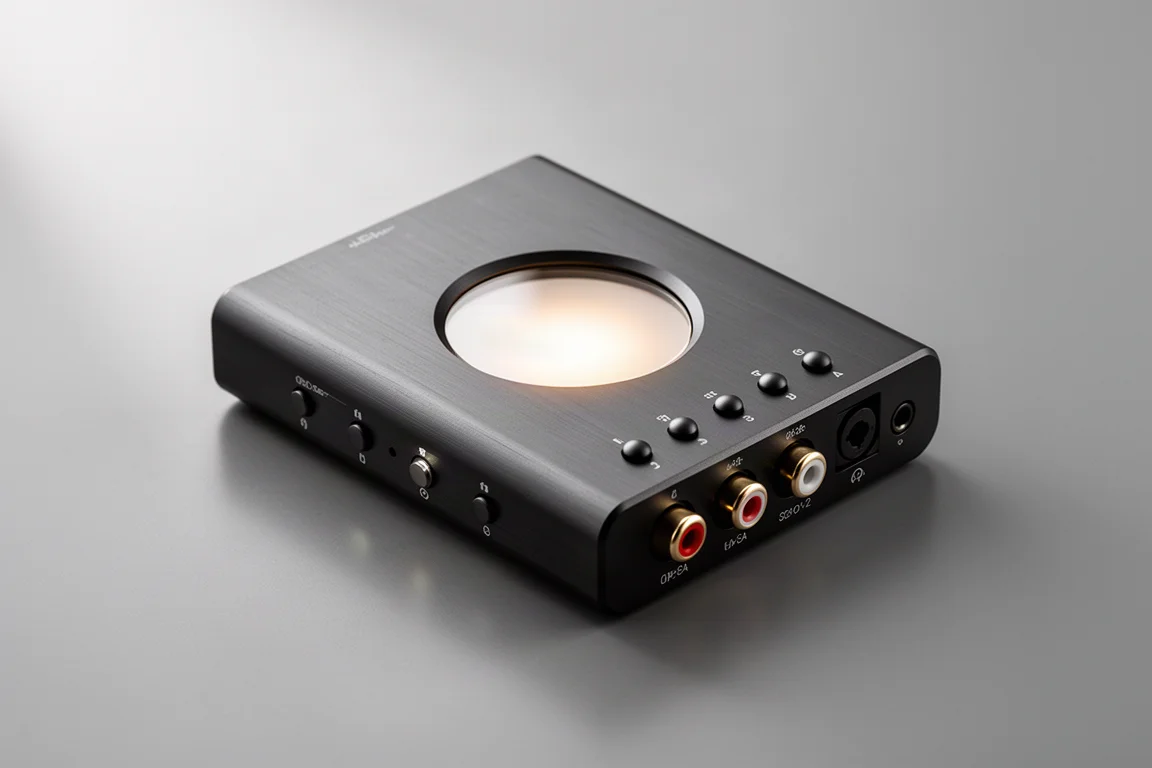
The Lyngdorf TDAI-3400 is an integrated amplifier with loudspeaker connections, but it can also run as a standalone DAC with RCA and balanced outputs, configurable in software to send a line-level signal to an external amplifier.
As a plain converter it is roughly on par with the Hugo 2. What changes everything is RoomPerfect, the room correction software that can still be applied in this mode. A microphone measures the room, and the unit adjusts its output so that what arrives at the amplifier and speakers is optimised for the space. In practice, that will do more to change the sound of a loudspeaker system than any other converter in this list.
Mola Mola Tambaqui: The Flagship
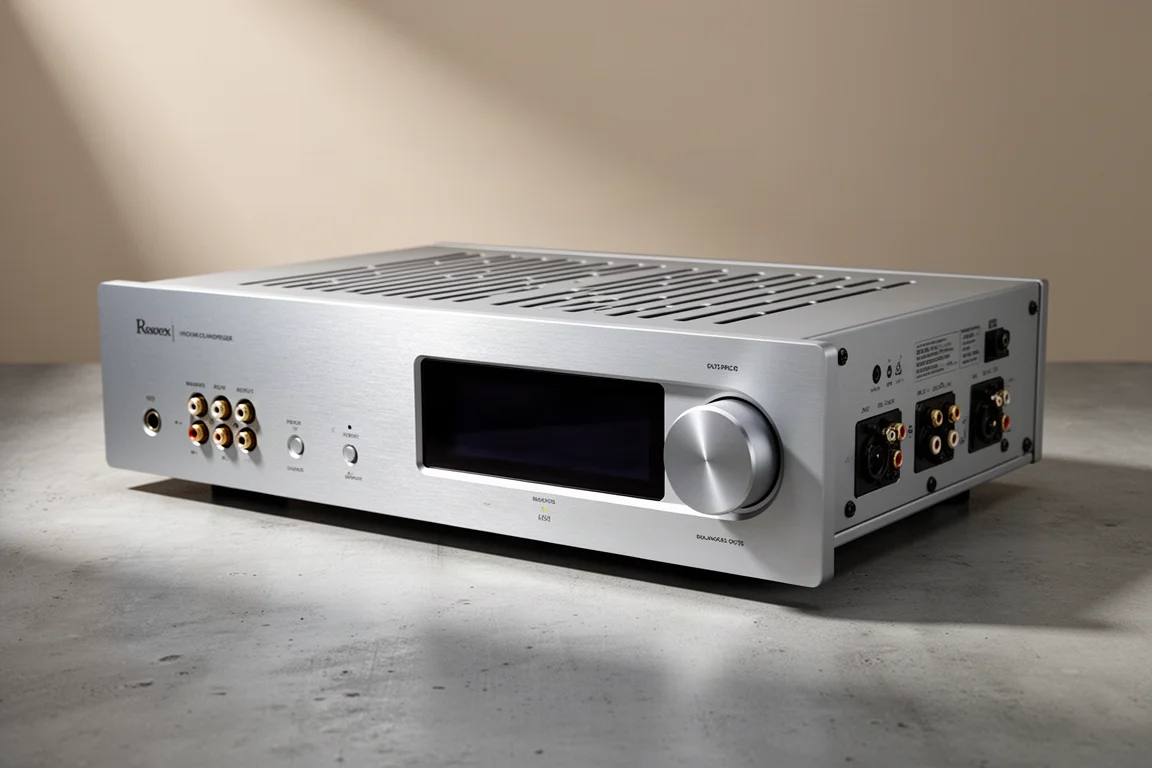
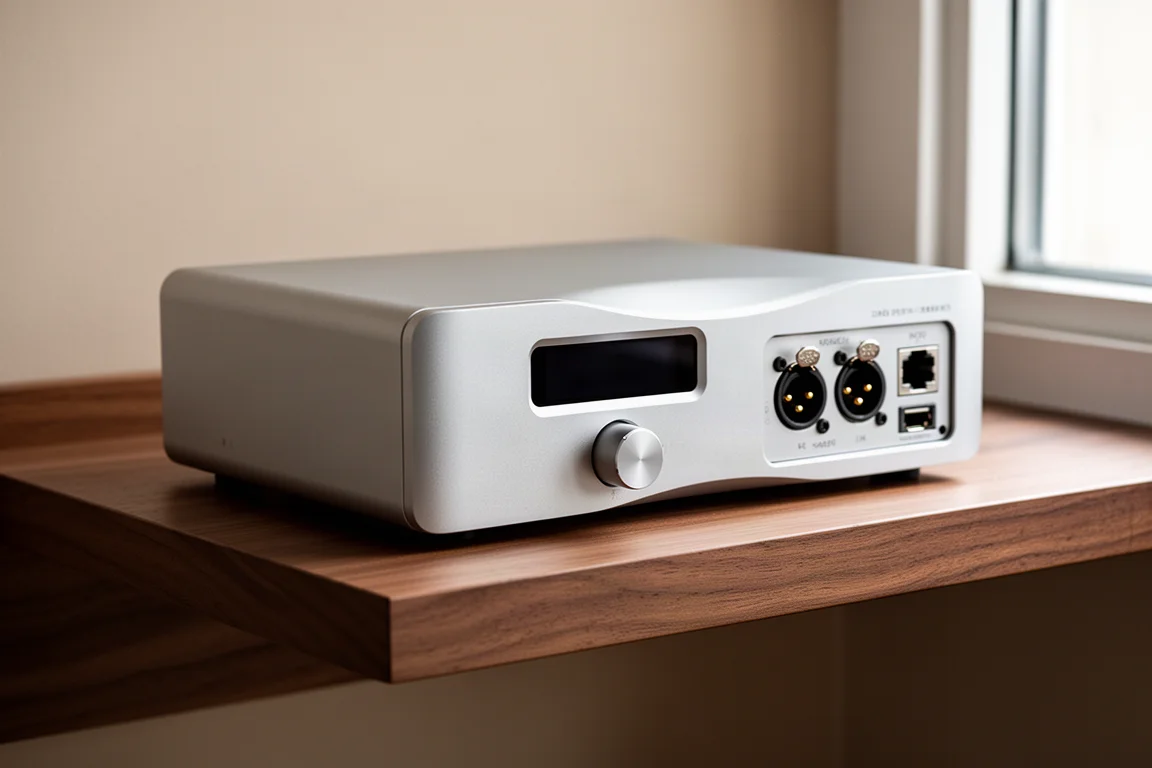
At around 10,000 euros, the Mola Mola Tambaqui is the most expensive pick here, and it follows the pattern of the others by avoiding an off-the-shelf converter chip in favour of an algorithm. It offers balanced XLR outputs only, along with an inbuilt Roon Ready streamer for listeners who would rather not rely on wired digital inputs.
The back panel also carries a balanced XLR headphone socket and a quarter-inch headphone socket. Setting it up for headphones is refreshingly simple: power, network, headphones, and you are listening. That single-box approach suits anyone who wants high-end sound without a rack of separate components.
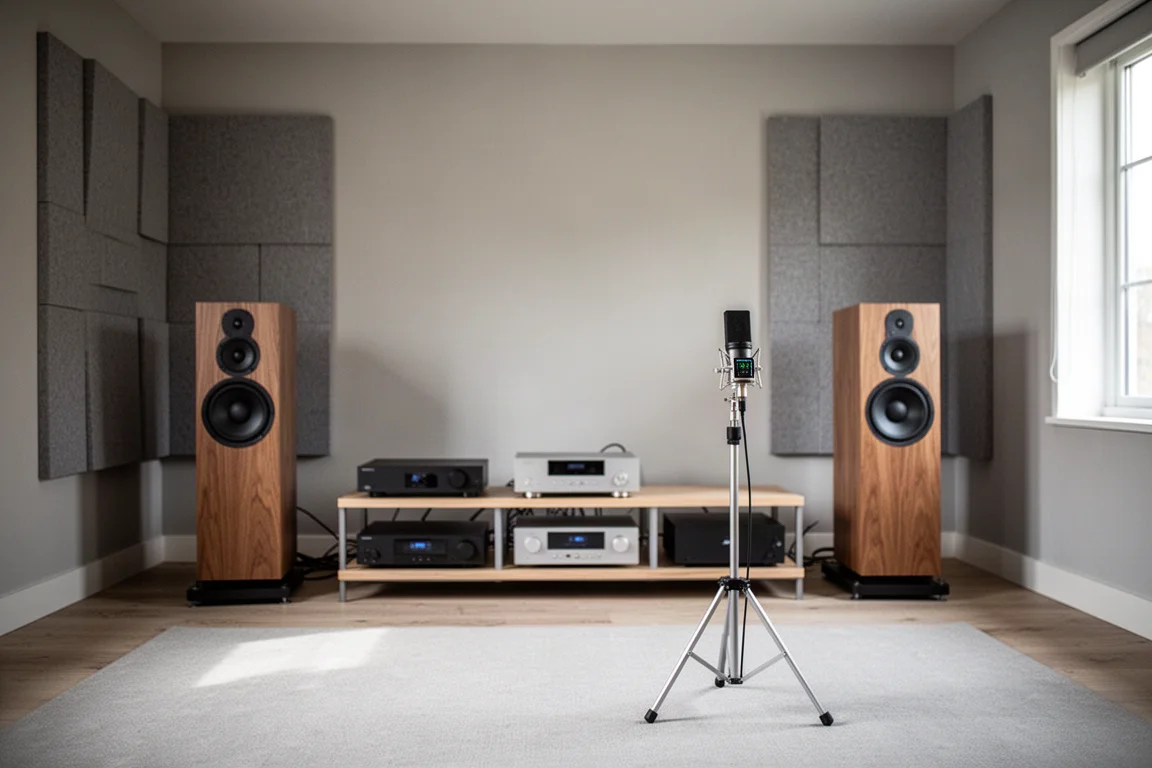
It is unambiguously a converter for a system that already has high-performing speakers, a high-performing amplifier, and ideally acoustic treatment in the room. Given the choice between spending this kind of money on a DAC or on room treatment, treatment is the better investment unless you listen mainly on headphones. As for the sound, it is the finest and most vivid converter in this group, and next to the entry-level Topping D10s there is no contest at all.
How to Match a DAC to Your System
The order of priority is worth repeating: the room comes first, then the speakers, then the amplifier, and the DAC comes after that. If the room and the speakers are not sorted, a converter is rarely the best place to put the next chunk of budget.
Within that framework, the right pick depends on how you listen. Headphone listeners should weigh portability, EQ and crossfeed features, and output quality. Loudspeaker listeners should weigh output options, balanced connections, and whether room correction is available, since a converter that can address the room is doing something the others cannot.
Matching matters too. A lean sounding converter pairs well with fuller sounding amplification and transducers, while a weightier converter can suit a system that is already warm. Being honest about your priorities will save more money than chasing small differences between converters.
Conclusion
Six converters, six price points, and six different jobs. The Topping D10s is the affordable entry with a sample rate display and S/PDIF outputs. The Chord Mojo 2 is the portable value pick with battery power, EQ, and crossfeed. The Denafrips Ares II brings ladder conversion and balanced outputs. The Chord Hugo 2 adds a little more refinement and a lot of versatility. The Lyngdorf TDAI-3400 brings room correction that changes loudspeaker sound more than any converter alone. The Mola Mola Tambaqui is the flagship, with a streamer, headphone outputs, and the most vivid sound of the group.
None of them is universally right. Match the converter to the room, the speakers, and the way you actually listen, and the choice becomes much easier.
Further reading
Related Reviews

Backpacking Gear
Building a 10 lb Base Weight: An Ultralight Backpacking Gear List
A practical walkthrough of the ultralight pieces behind a 10 lb base weight, from a 765 g pack and a roomy one-person tent to a full camp chair and a dependable water filter.

Road Bikes
10 New Road Bikes Worth Watching: Aero, Titanium, Steel and Endurance Standouts
A practical roundup of 10 new road bikes, from aero flagships chasing single-watt gains to titanium, steel and endurance platforms built for real roads.

Bikepacking Gear
11 Bikepacking Essentials for Long-Distance Cycling
Eleven bikepacking essentials for long-distance cycling, from a steel gravel frame and a two-person tent to helmet lights, packable gloves, and a frame bag that puts weight in the right place.