Backpacking Gear
Six Backpacking Gear Swaps for a Lighter Kit: What Changed and Why
Six practical backpacking gear changes, from a lighter satellite communicator to a foam pad that replaces a camp chair, with the trade-offs worth knowing before you buy.
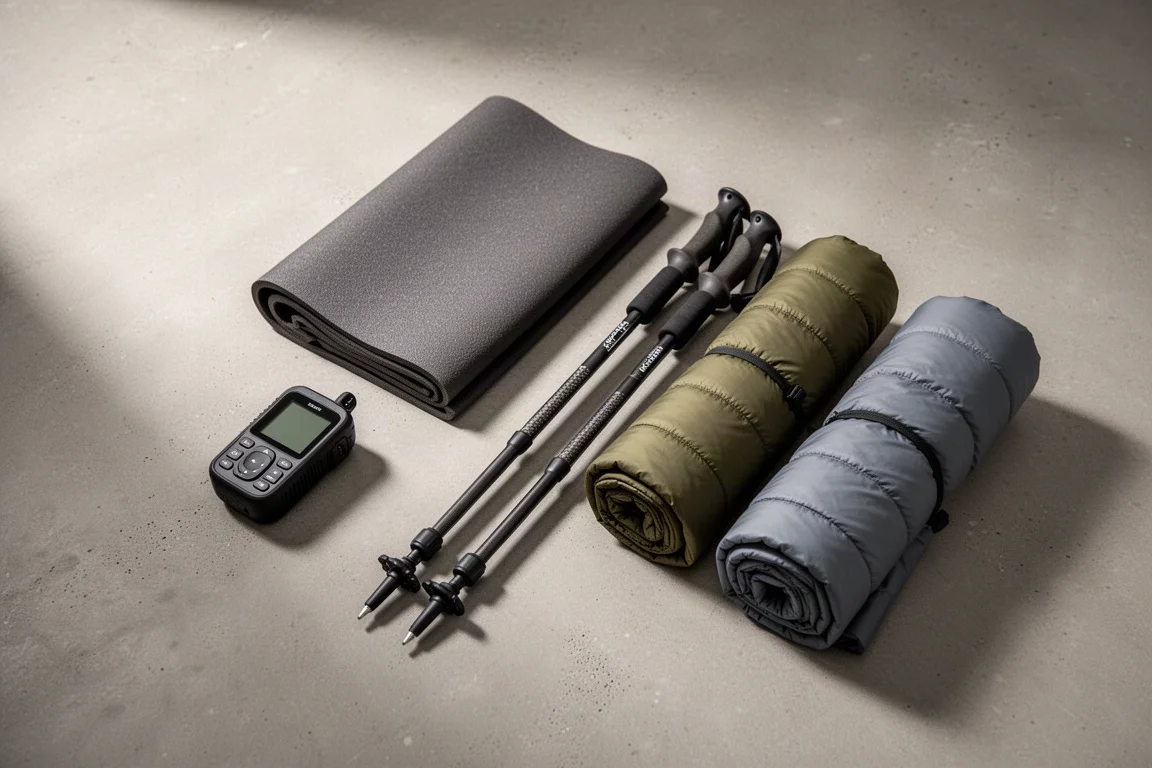
Introduction
Most backpacking kits settle into a groove, and then one season a handful of items get swapped out at the same time. The pack feels different on every trip afterward, and the reasons behind each change turn out to be more interesting than the gear itself.

Some of these swaps are about weight, some are about versatility, and one is about a piece that has been central to a gear lineup for years. None of them are dramatic on their own, but together they add up to a lighter, simpler pack. Here is what changed, why it changed, and what each item is genuinely good for.
What Changed in My Kit This Year
The pattern behind these swaps is fairly consistent. Weight that sits on your hands or your feet costs more than weight carried in the pack, so trekking poles and footwear get scrutinized first. Single-purpose items that only earn their place on a few trips tend to lose out to pieces that do several jobs. And a piece only keeps its spot if it actually comes out of the pack on most trips, not just on the ones with enough daylight left to sit around camp.
That same logic moved footwear away from heavy hiking boots and toward trail runners, with boots kept for winter conditions where insulation matters. The rest of the changes follow the same reasoning, and each one comes with a trade-off worth naming honestly.
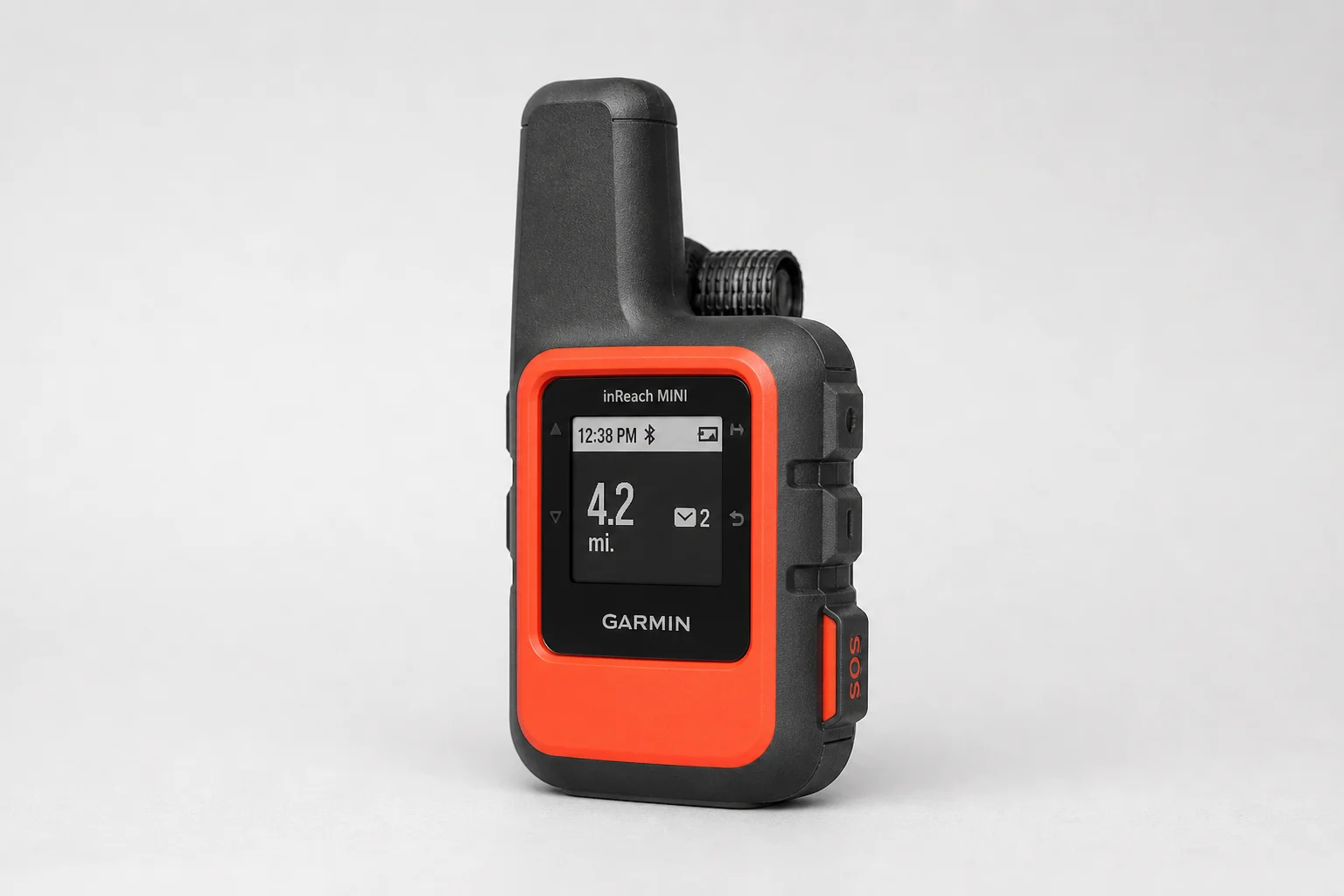
Garmin inReach Mini
The inReach Mini replaced a larger satellite communicator after several seasons with the bigger model. It weighs roughly half as much, and battery life has stayed excellent. The concern going in was the smaller screen and the reduced on-device navigation, but in practice that has not been a problem: messages can be sent from a paired phone or a paired watch, or typed directly on the device itself.
For anyone weighing the two, the trade is straightforward. The Mini gives up screen real estate and some on-device navigation in exchange for a meaningful weight saving and a smaller footprint in the pack. For a device that is carried on every trip and rarely looked at, that has worked out well.
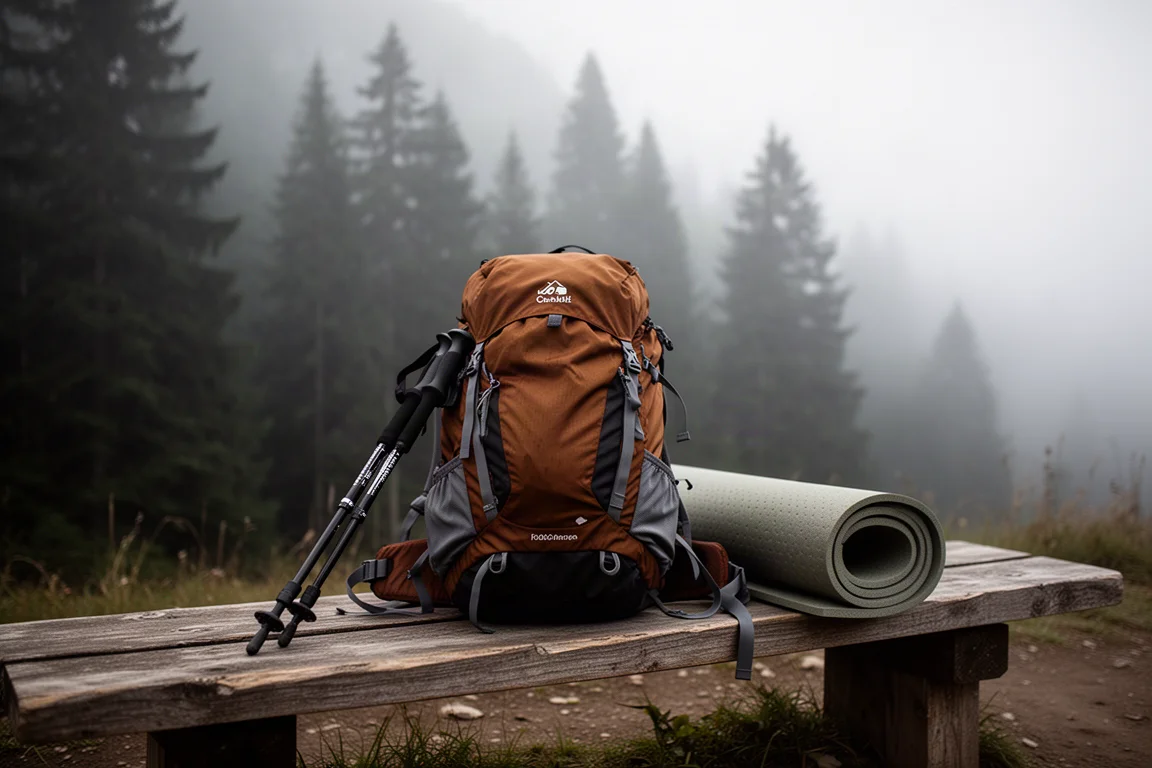
Outdoor Vitals 1/8 Inch Foam Pad
This one replaced an ultralight backpacking chair that had been in the kit for a year or two. The chair was a genuinely nice piece, but it added weight, it took time to set up, and on most trips it stayed behind because the hiking mattered more than the lounging. The foam pad covers more situations for a small fraction of the weight.
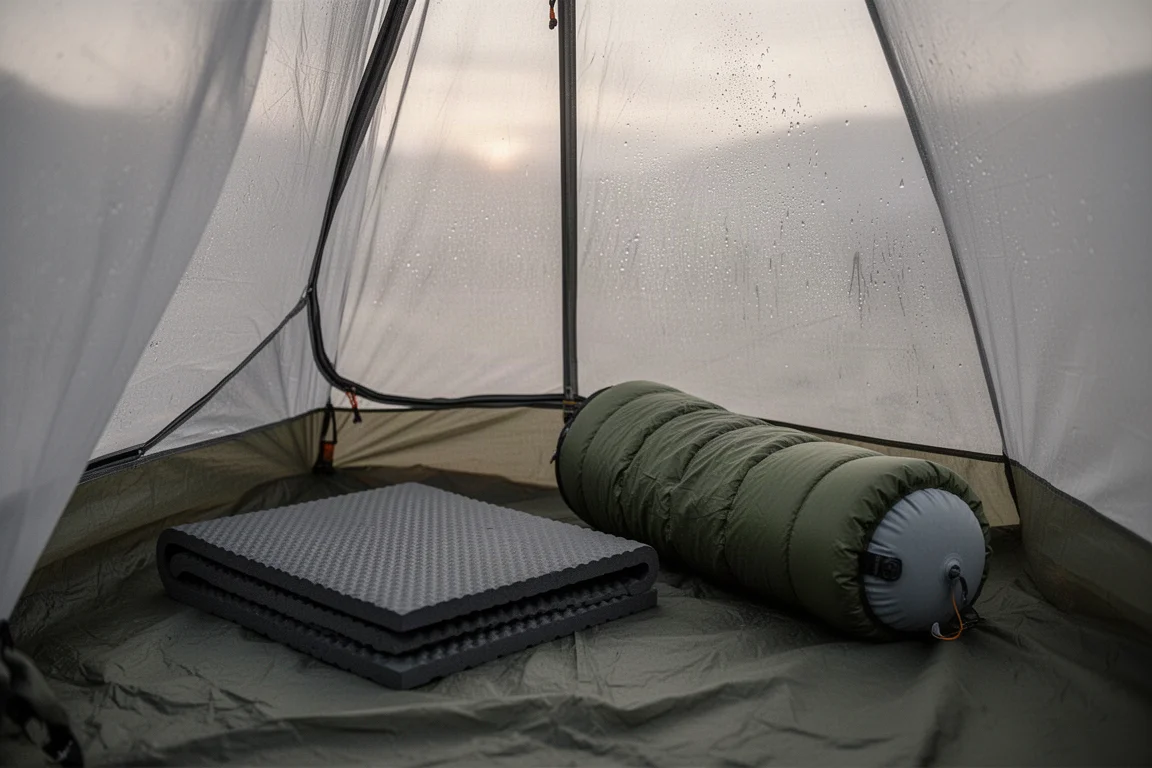
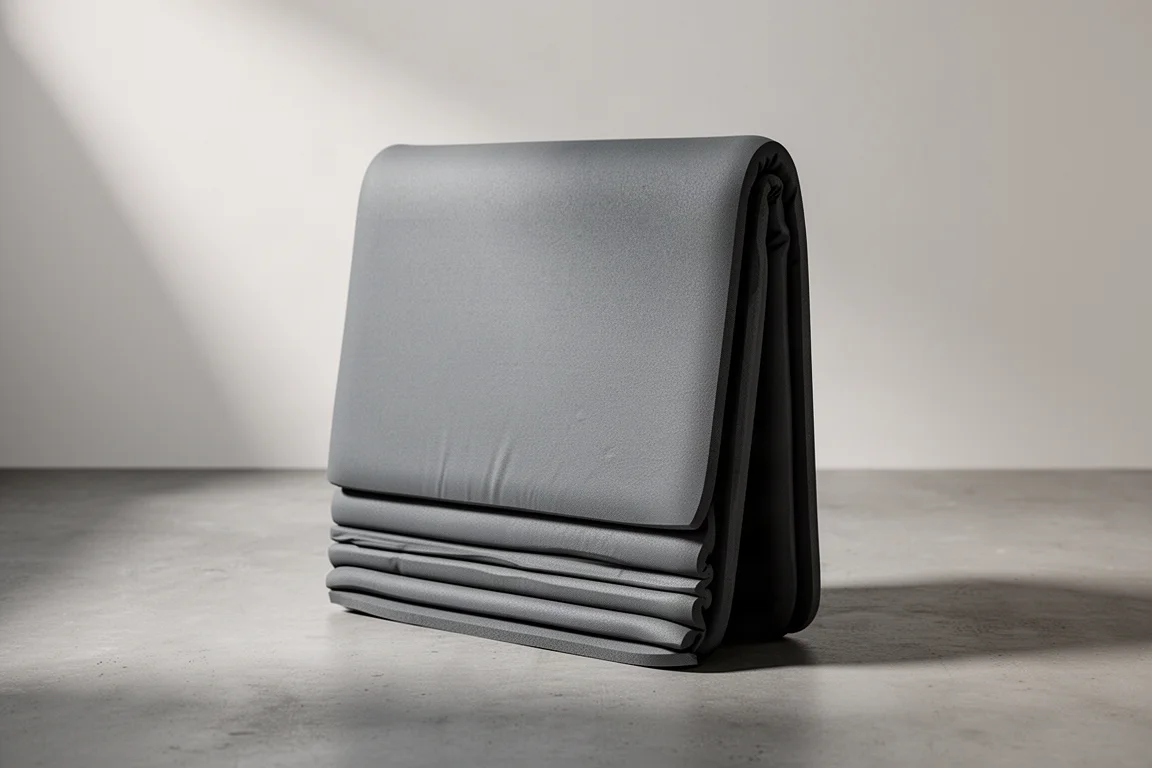
The pad is extremely light, and it folds down to whatever size is convenient, which means it can be packed into gaps a chair never could. It works as a stretching mat, as ground cover for a quick nap, and as an extra layer of padding when you want it. Most usefully, it goes under an inflatable sleeping pad inside the tent, where it adds protection and keeps the pad from sliding around. Folded up, the stack is dense and thick enough to be genuinely useful, and that versatility is why it now comes on every trip.
Komperdell Carbon Cloud Trekking Poles
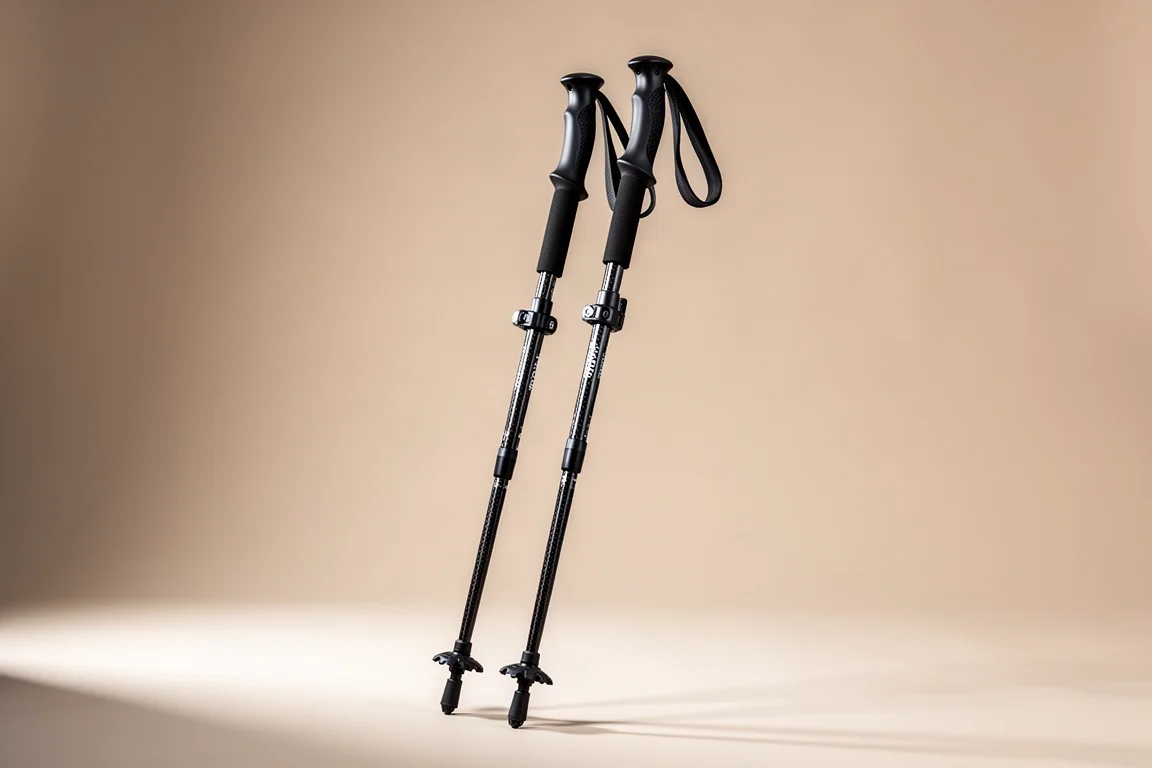
The poles being retired were entry-level and heavy, with locking mechanisms that loosened over time and slipped under load. Tightening them harder only created a new problem. The Carbon Cloud poles are far lighter, and more of their weight sits up near the grip rather than down at the tip, which makes them feel considerably better balanced in use.
The locking mechanisms are robust and stay in place, and the tapered shaft design is part of what moves weight higher up the pole for more efficient use. The fatigue argument matters too: the comparison offered by the pole maker was that hauling heavier poles over an eight-hour day is like moving the same extra weight piece by piece, all day long. Whether or not you accept an exact figure, the principle is easy to feel, and it applies just as much to what you carry on your feet.
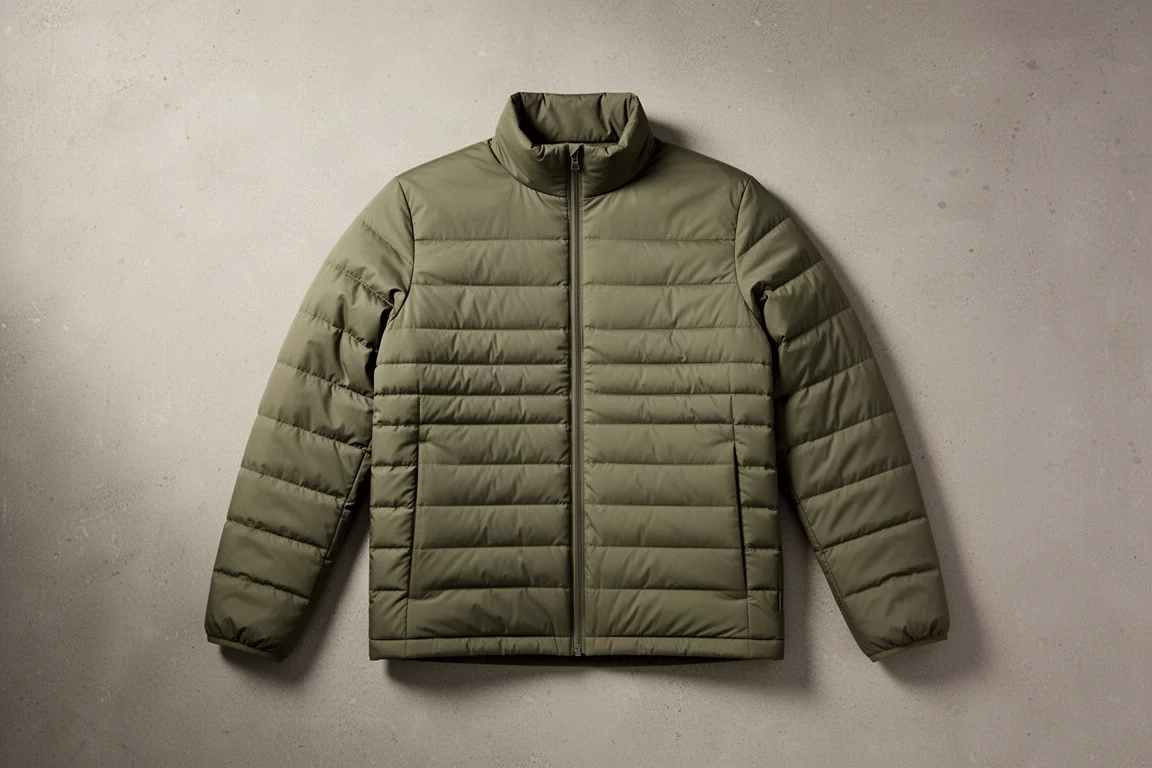
Outdoor Vitals Nova UL Jacket
This is the direct replacement for the LoftTek jacket. The Nova UL uses a Down LT insulation in place of LoftTek, and its face fabric is non-stitched, which means around 10,000 fewer needle holes. The result is a jacket that is more water resistant, significantly better in wind, and more durable, while weighing about half an ounce less than the piece it replaces. The insulation is also loftier, so it is the warmer of the two.
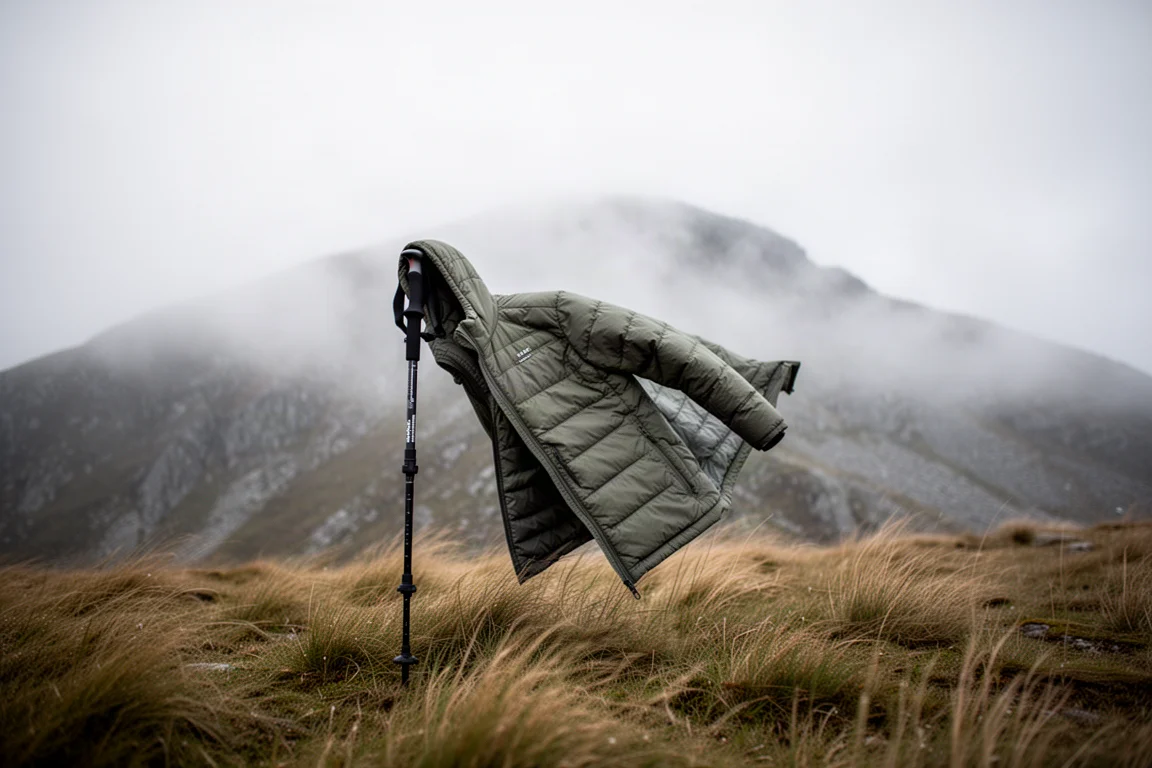
It has been used across a long run of trips this year, and the response to it has been strongly positive. For backpackers who want a single insulated layer that handles wet and windy conditions without much fuss, this is the piece that earns its place in the pack.
Garmin inReach Explorer Plus
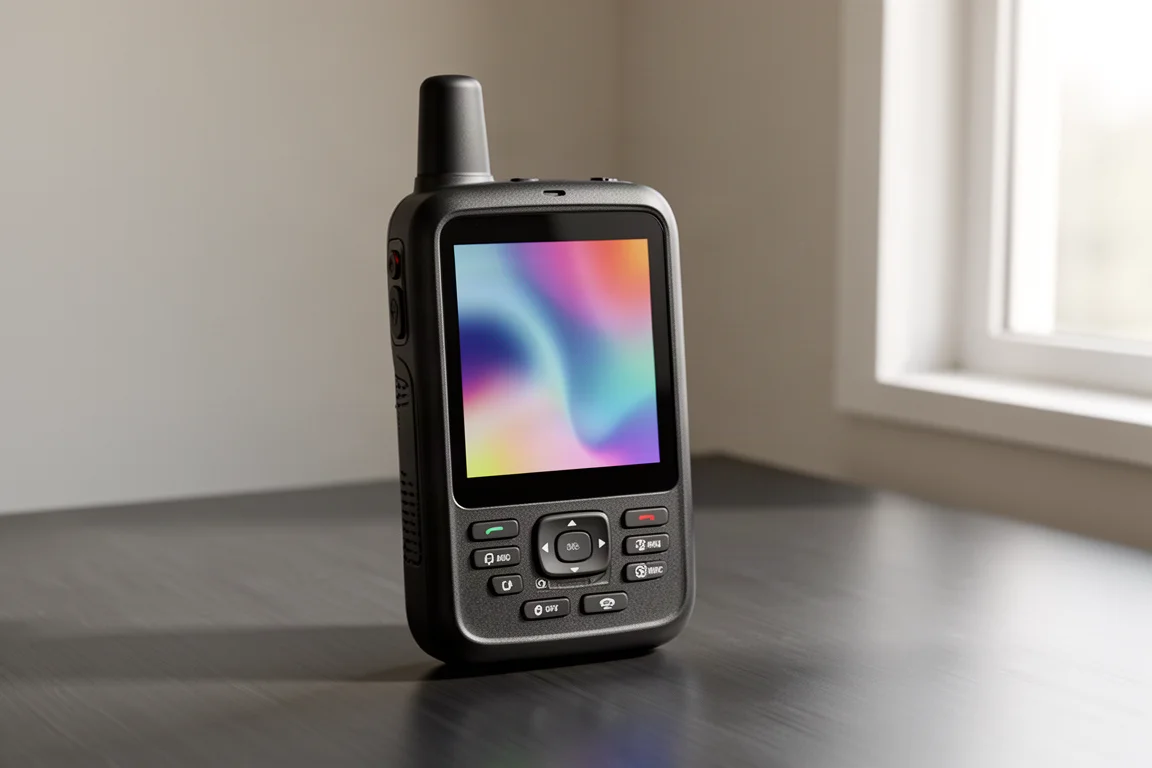
The larger inReach model spent years in the kit before being moved on. Its advantages are real: a bigger screen with more functionality, and the ability to navigate on the device itself rather than through a phone. It is also heavier and bulkier, which is exactly the trade the Mini flips in the other direction.
It remains a sensible choice for anyone who wants to plan and follow routes on the device rather than on a handset, or who simply prefers a larger screen and physical controls on the trail. The decision comes down to how much on-device navigation you actually use.
Outdoor Vitals LoftTek Jacket
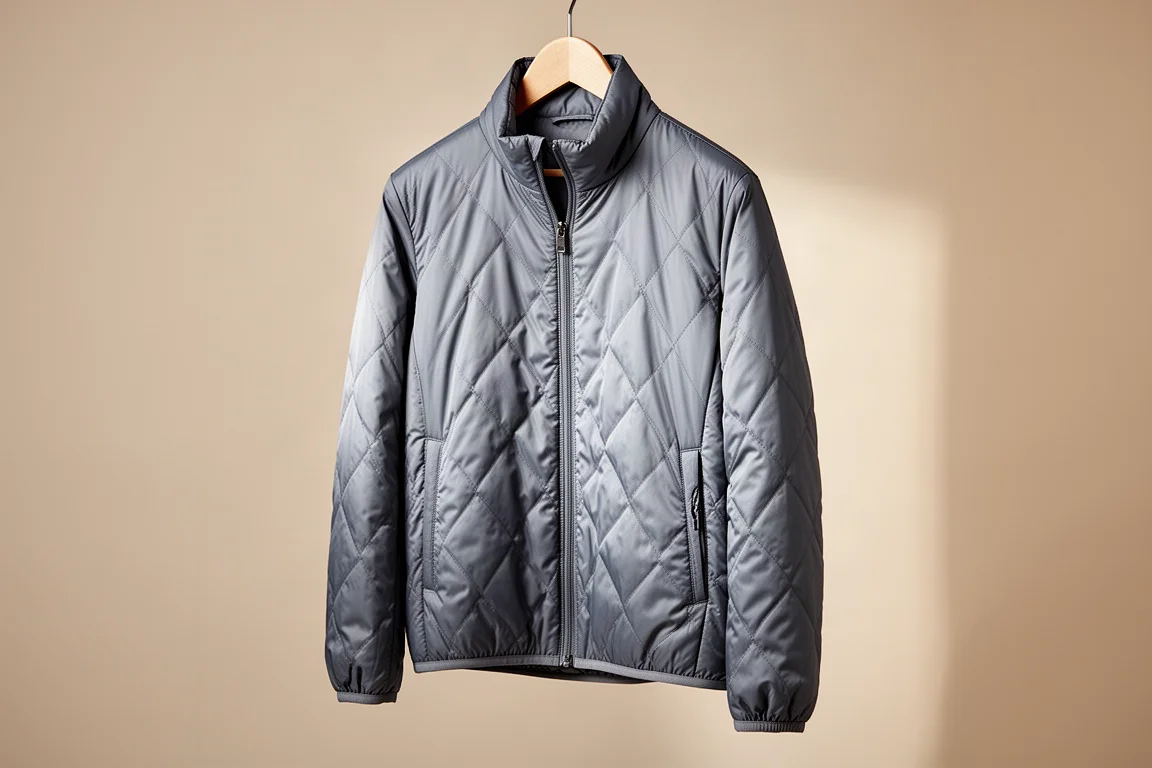
Retiring the LoftTek jacket was the hardest call on this list. It has been a pivotal piece, and there is nothing wrong with it: the blended insulation resists wetting out, and the non-stitched face fabric keeps the weather out well. It is simply that the newer design suits backpacking better now, being lighter, warmer, and more wind resistant.
For anyone who already owns one, there is no reason to replace it. It is a proven layer that has been used hard for years, and it still does the job it was built for.
Overall Buying Advice
The thread running through all six changes is subtraction rather than novelty. Weight on the hands and feet gets cut first, because that is where it costs the most. Single-purpose items get replaced by pieces that do several jobs. And gear only keeps its place if it comes out of the pack often enough to justify the space it takes up.
If you are making similar decisions, start with what you carried but never used on your last few trips. That is usually the clearest signal. Beyond that, treat the weight of your poles and your footwear as worth more attention than the weight of almost anything else, and stay skeptical of any item that only makes sense on one kind of trip.
Conclusion
None of these swaps are essential purchases. They are the result of paying close attention to what actually gets used, and they leave behind a lighter, simpler pack. The satellite communicator got smaller, the camp chair turned into a foam pad, the poles got lighter and more stable, and the insulated layer got warmer while shedding a little weight. If any one of those matches a problem you already have in your own kit, it is worth a closer look.
Further reading
Related Reviews

Backpacking Gear
Building a 10 lb Base Weight: An Ultralight Backpacking Gear List
A practical walkthrough of the ultralight pieces behind a 10 lb base weight, from a 765 g pack and a roomy one-person tent to a full camp chair and a dependable water filter.
Backpacking Gear
A 15-Pound Lightweight Backpacking Gear List for Solo Trips
A beginner-friendly 15-pound backpacking setup built from easy-to-find gear, with notes on what each piece does, how it packs, and where to spend your attention.
Backpacking Gear
8 Ultralight Backpacking Gear Upgrades Worth Carrying
Eight small, affordable backpacking upgrades that solve real trail annoyances, from a pillow that stays put to a fuel valve that rescues leftover canister gas.