Backpacking Gear
Six Backpacking Gear Swaps Worth Making: Sleep Systems, Packs, and Shelters
Six backpacking picks that earned a permanent spot in the pack, plus the sibling products they beat on price, weight, and livability.
Introduction
Backpacking gear earns its place slowly. A full season of trips, overnight guiding, and long weekends above treeline is enough to separate the items that keep getting packed from the ones that quietly stay in the storage bin. The six picks below won that competition, and each of them won it against a specific alternative that looked good on paper but gave up ground in the field.
Best Sleeping Pad: Nemo Tensor All Season
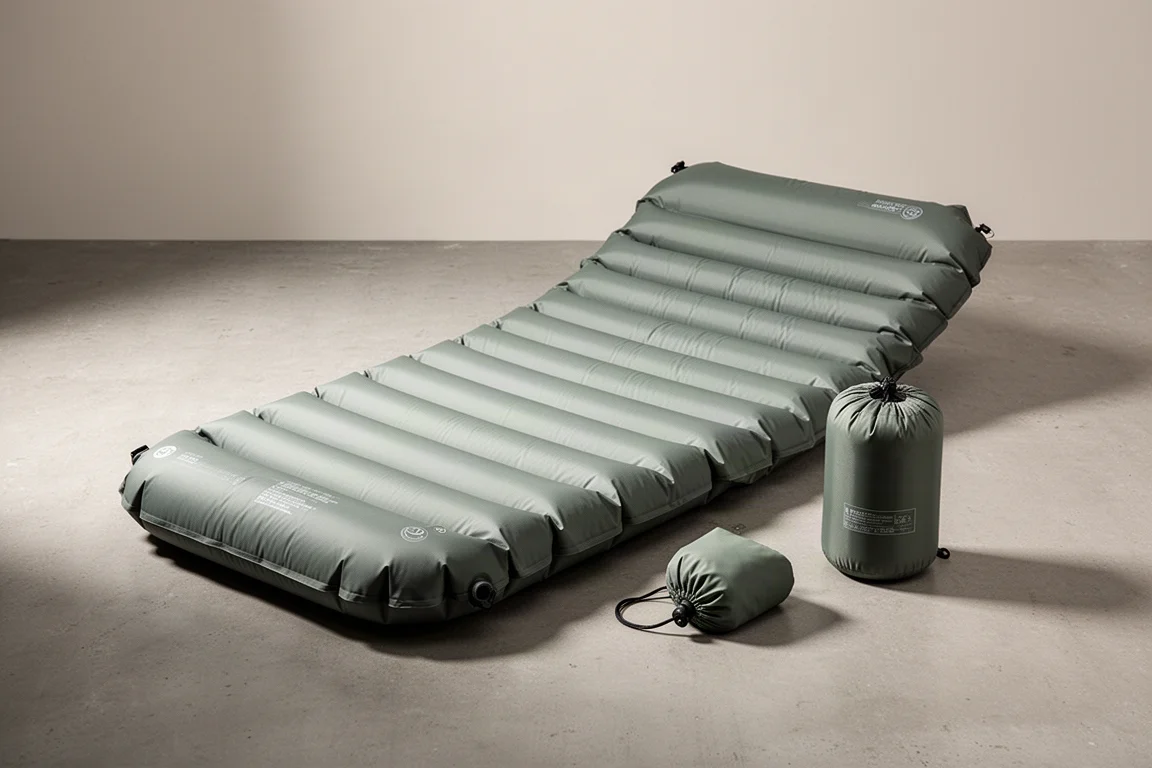
The Nemo Tensor All Season is the insulated version of the same pad design, and the difference between it and the Nemo Tensor Trail comes down to a single layer of metallized film insulation. The Trail carries an R-value under three, while the All Season sits above five, yet the two pads are otherwise nearly identical in construction. That extra layer of insulation adds only a small amount of weight and a modest amount of money.
That gap matters more than it sounds. Even in summer, higher elevations regularly deliver nights cold enough that a higher R-value changes how well you sleep, and the All Season is not so warm that it becomes uncomfortable in mild conditions. For anyone who wants one pad to cover the whole three-season calendar, this is the version to buy.
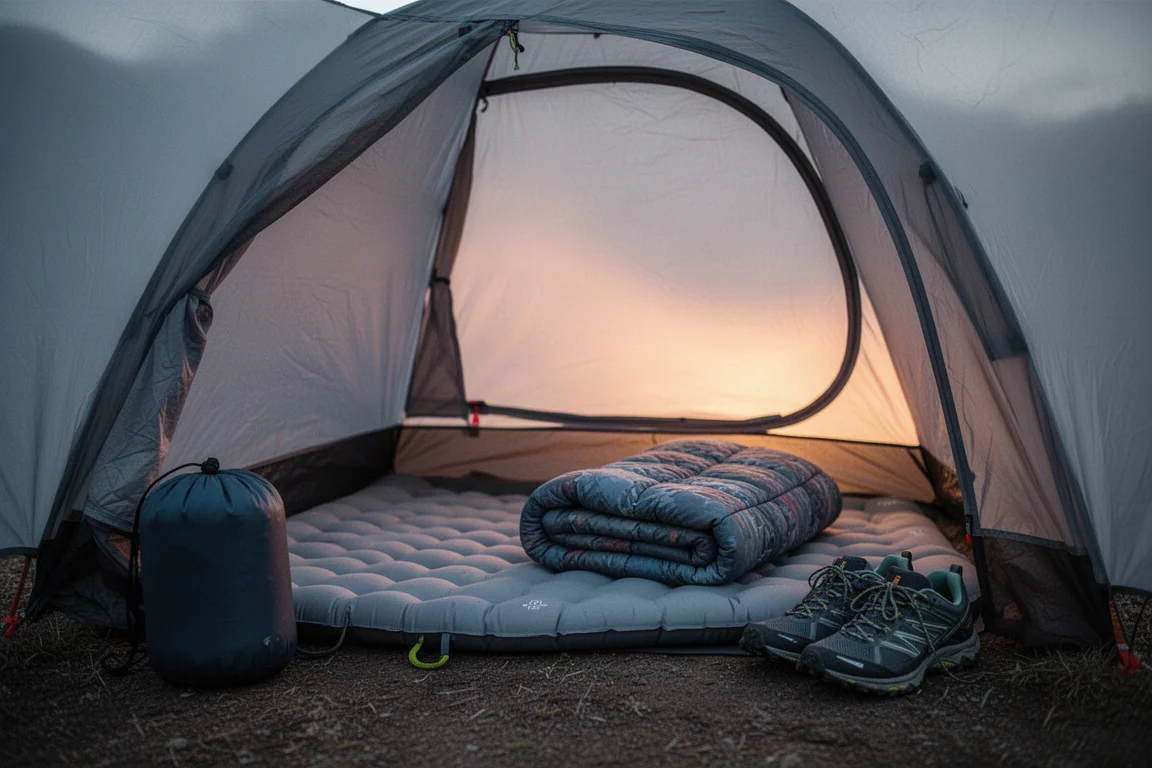
If you already own the Trail and only camp in warm weather at low elevation, there is no urgent reason to replace it. For a first pad or a single-pad quiver, though, the All Season covers more ground for a small penalty in weight and cost.
Best Inflation Pump: Flextail Tiny Pump X2
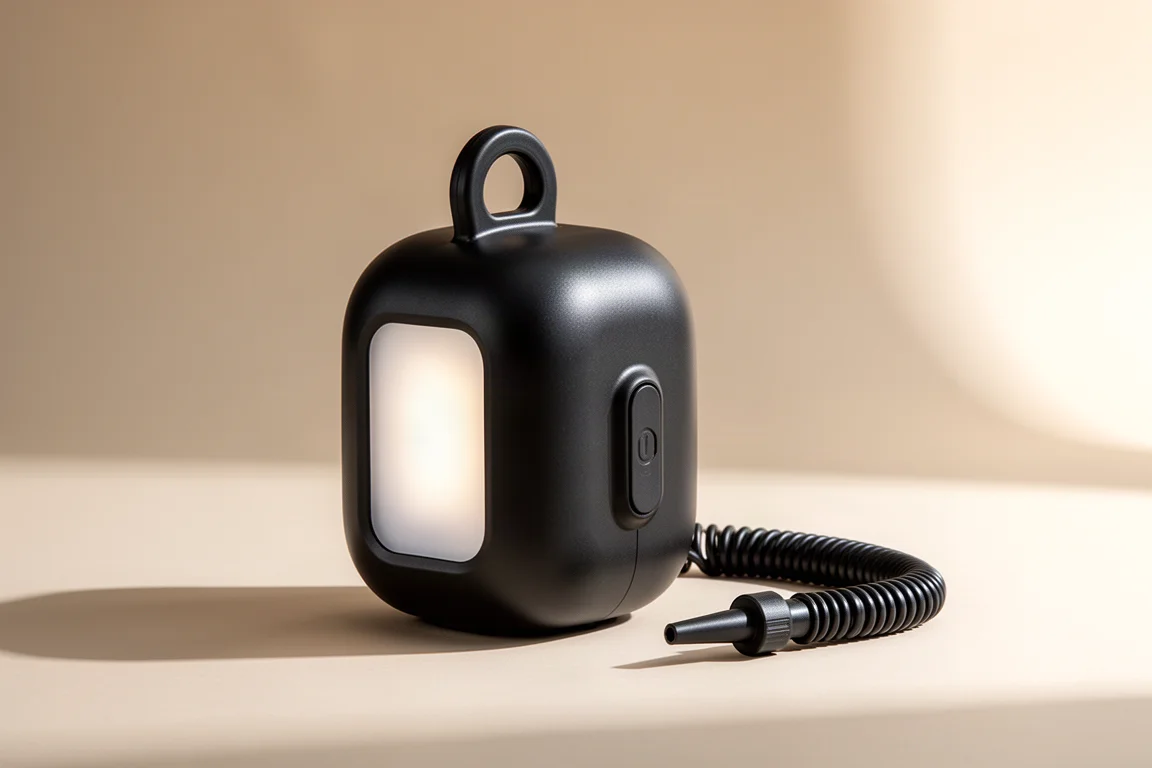
The Flextail Tiny Pump X2 makes the most sense the moment you decide to carry a powered pump at all. The smaller Zero Pump is still a capable piece of gear, and it is faster than inflating a pad by breath, but over a season of use its output weakened compared with when it was new, whether from the fan or the battery, and a pump sack proved just as quick for filling a pad. That is what pushed it out of the pack.
The Tiny Pump X2 goes the other way. Its output is noticeably stronger, so pads fill faster, and it is built to do more than one job: a lantern mode lets you hang it in the tent, giving you a second light source alongside a headlamp. That redundancy is the reason it keeps getting packed.
The trade-off is noise. The Tiny Pump X2 runs louder, with a higher decibel rating than the Zero Pump, so it is not the quiet option if you are inflating a pad in a shared shelter at night. Given the stronger output, the multi-use design, and the price, that is an acceptable compromise.
Best Backpacking Pillow: Zenbivy Soft Top Pillow
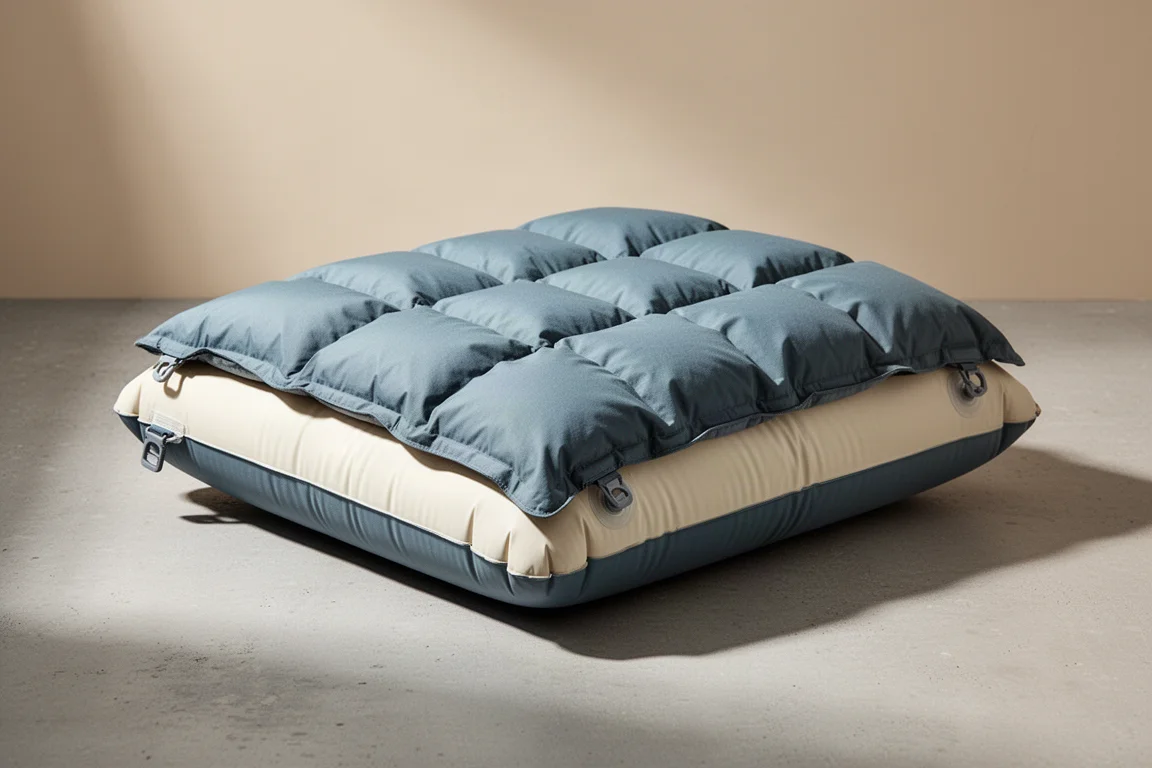
The Zenbivy Soft Top Pillow solves a problem that a foam-topped pillow cannot. The Nemo Fillo is comfortable, with a memory foam topper that feels good against the face, but it lacks height, and for a side sleeper that means a neck that never quite sits right through the night. The Soft Top Pillow pairs an air bladder for adjustable height with a down topper for comfort, so it compresses down like a foam-topped pillow while sitting much taller when inflated.
The height difference between the two is substantial, and the pillow cradles the head instead of letting it roll off the edge. Paired with the Zenbivy sheet, clips hold the pillow in place, and a folded jacket can be added underneath when you want even more height.
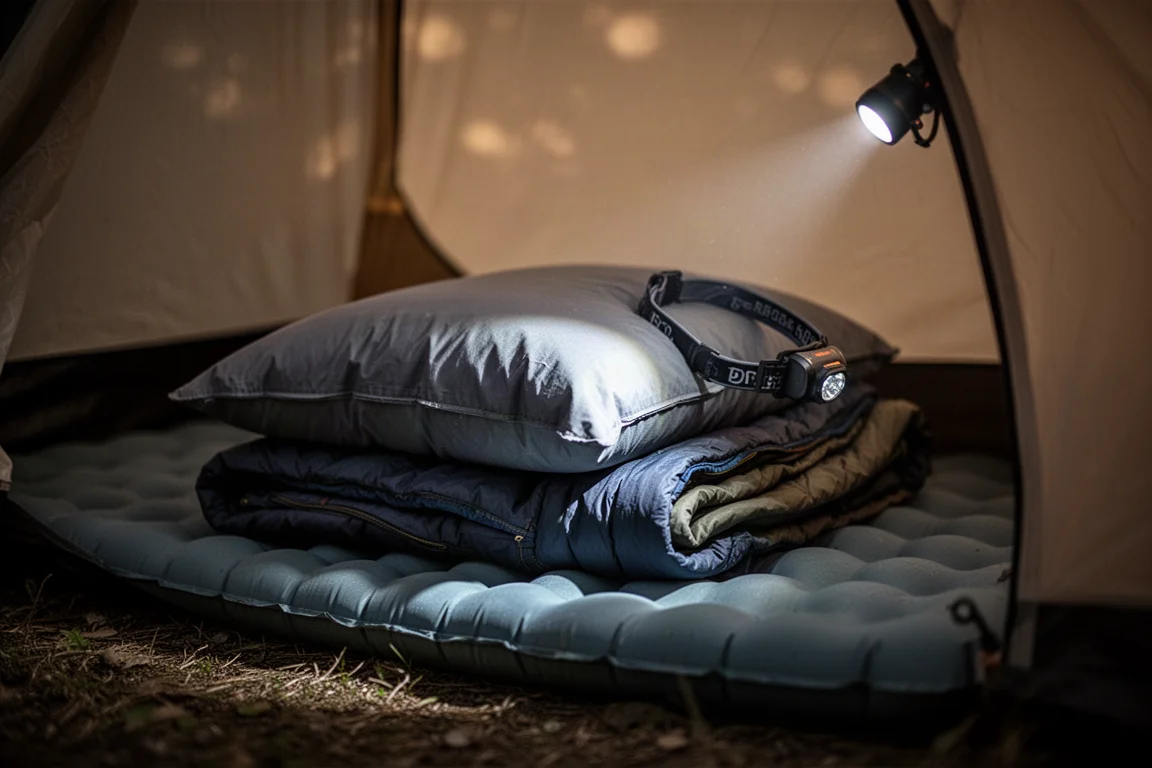
That combination is what makes it a keeper. The pillow and sheet work as one system, so the pillow stays where you put it and the height can be tuned trip by trip.
Best Backpack for the Money: REI Flash 55
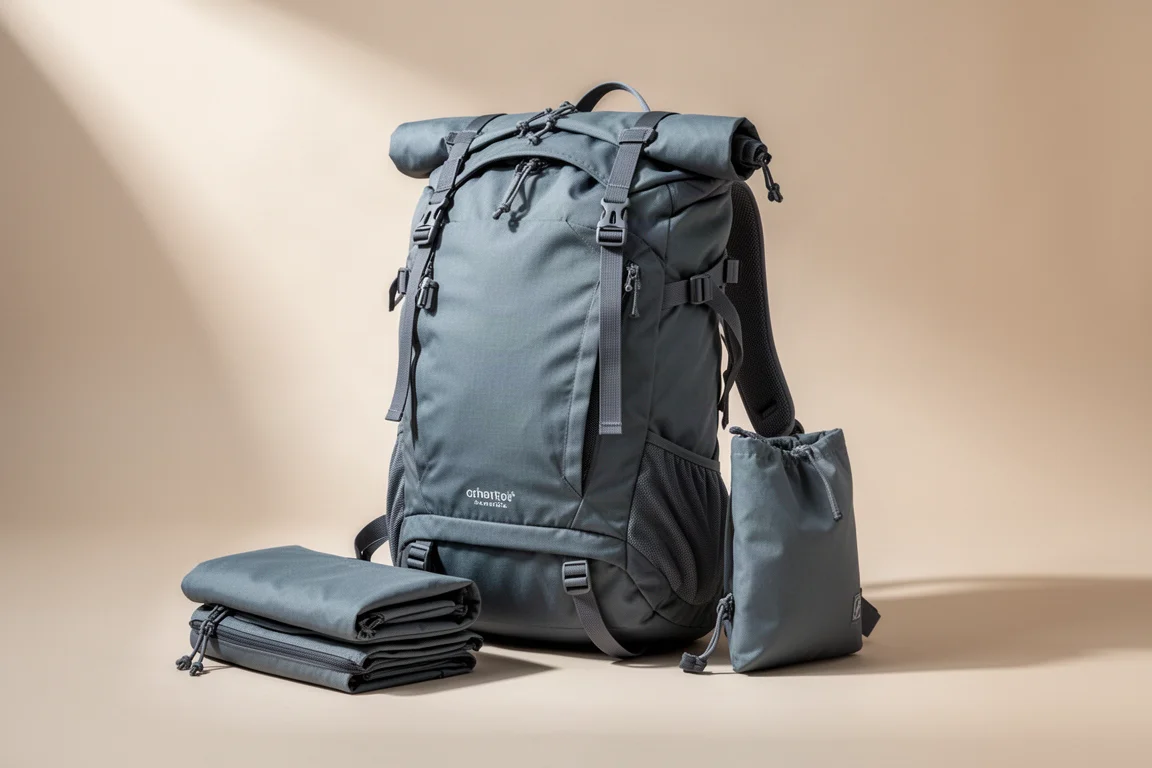
The REI Flash 55 keeps proving the point that spending more does not automatically buy a better trip. Its sibling, the REI Flash Air 50, is genuinely well designed and carries nicely, and there is little to criticize about it in isolation. The problem is the comparison. The Flash 55 costs less, carries more weight, and offers more capacity and more versatility.
The Air 50 uses a stronger fabric and strips features to save weight, which means a less robust frame and a lower practical ceiling. Around 30 pounds has been the comfortable limit in the field, while the 55-litre version has handled loads over 40 pounds without complaint. The Flash 55 also has a removable top lid, a roll-top closure, and an adjustable torso, so it adapts to a wider range of trips. Unless saving every possible gram is the priority, it is the better buy.
Best One-Person Tent for Space: Hill Zero Scout
The Hill Zero Scout one-person tent has been the more enjoyable shelter to actually sleep in. It offers more interior space than the MSR Hubba Hubba LT 1, along with two doors and two vestibules, which makes a real difference when you are living in a small tent for several nights in a row. The Hubba Hubba LT 1 is a good tent that performs well, and it is a genuine update to the previous generation, but it is expensive for a nylon one-person shelter and provides less room for the money.
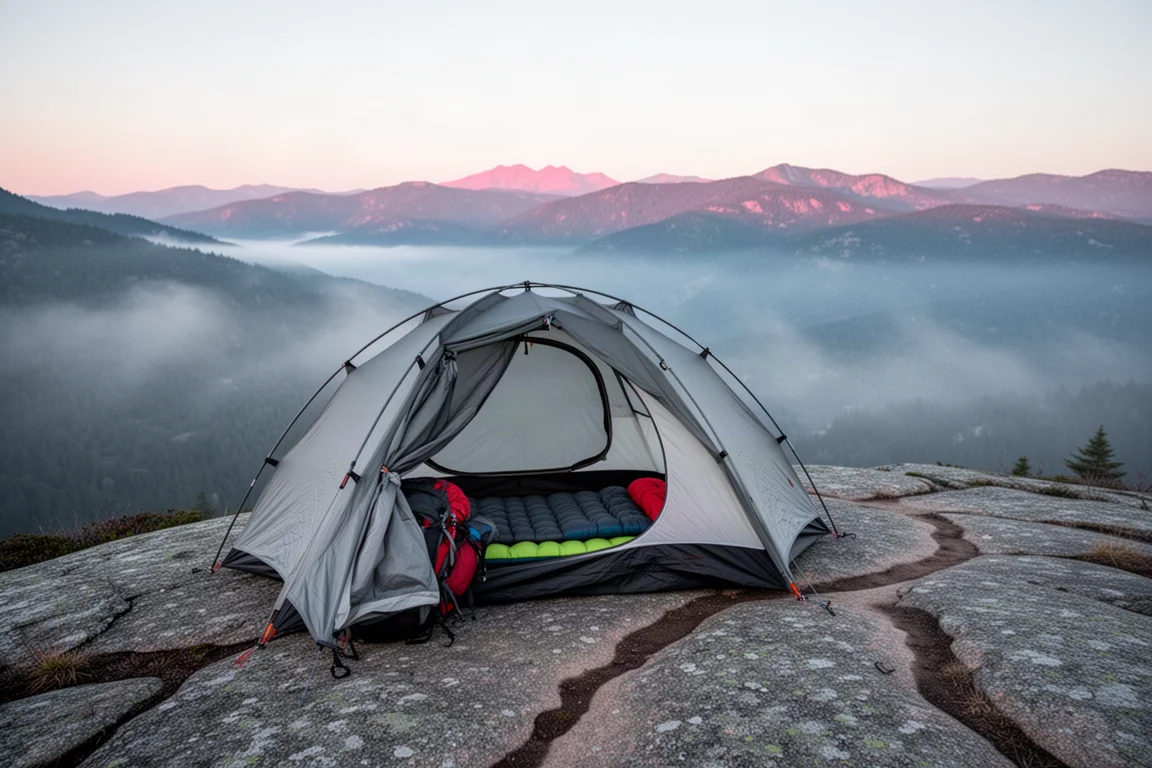
For solo backpackers who want space to spread out gear and a second exit, the Scout answers the brief more convincingly. Other lower-priced shelters with more livability than the Hubba Hubba LT 1 are worth a look too, including the Tarptent Rainbow.
Best Budget Shelter: Durston Gear X-Mid
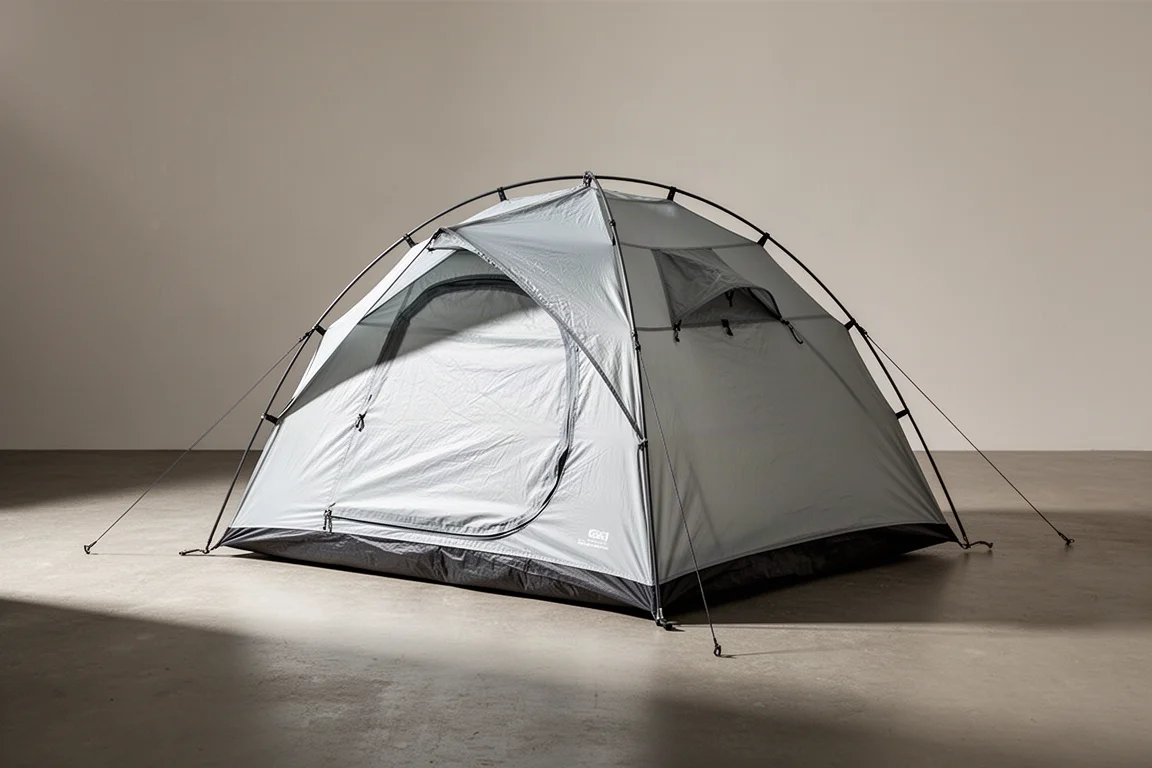
The Durston Gear X-Mid is the option to consider when price is the deciding factor. It arrives at a significant price reduction compared with the MSR Hubba Hubba LT 1 while offering much more floor space, an unusual combination in a one-person shelter. For backpackers who want a capable shelter without paying a premium, that is the comparison worth running.
The main caveat is that it is a newly released model, so long-term durability is not yet established. Even so, on the two measures that matter most here, price and floor space, it makes a strong case against the more expensive one-person tents it competes with.
Buying Advice: Matching Gear to Your Trips
The right swap depends on which problem you are actually trying to solve. If cold nights are the issue, the insulation layer in a sleeping pad matters more than almost any other upgrade, and the Nemo Tensor All Season covers more conditions than the Trail version for a small weight and cost penalty. If you carry a powered pump, stronger output and a second use as a lantern make the Flextail Tiny Pump X2 the more practical choice.
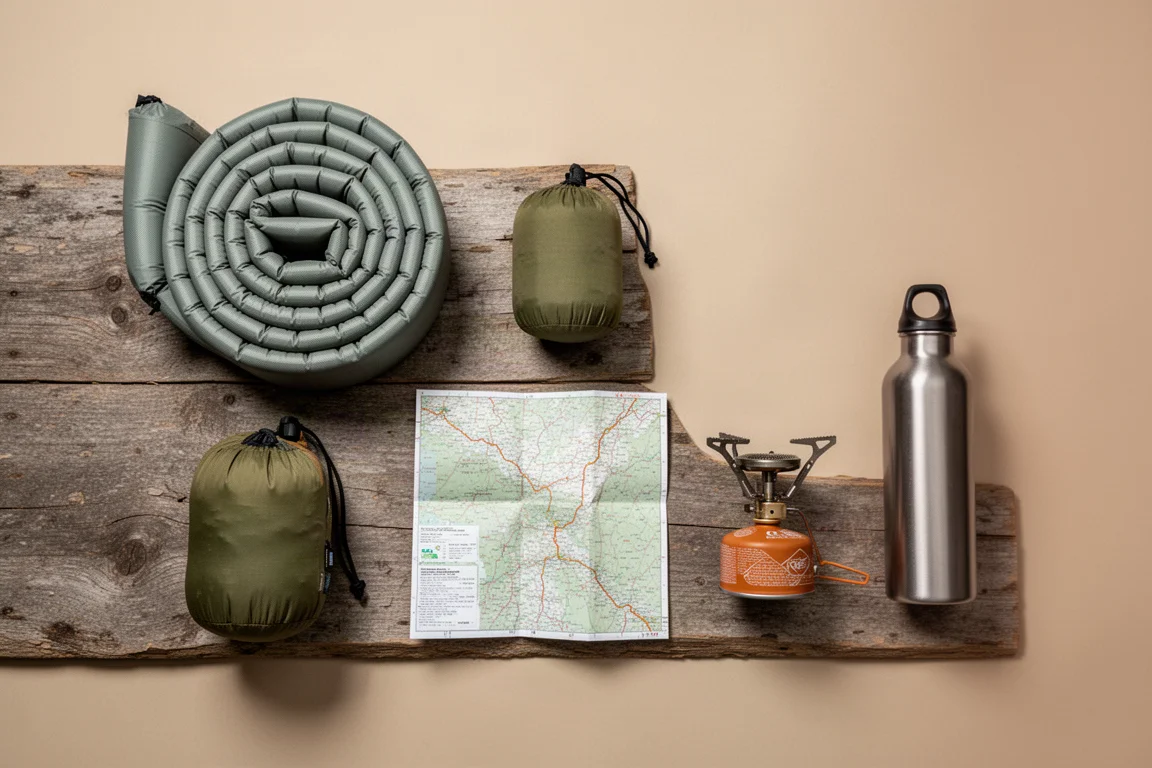
Sleep comfort is where small items punch above their weight. For side sleepers, the Zenbivy Soft Top Pillow offers height that a foam-topped pillow cannot match, and the clip system keeps it in position through the night. For loads, the REI Flash 55 handles heavier packs and more trip types than the lighter Flash Air 50 for less money.
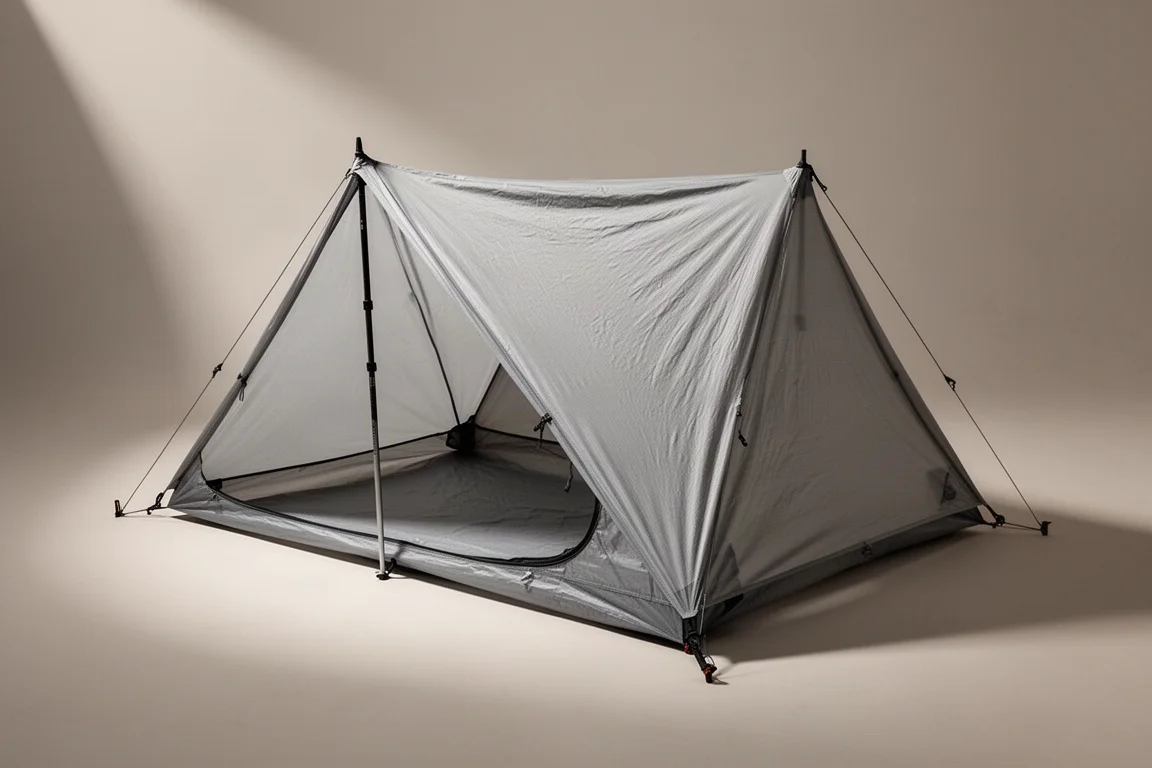
Shelter is the biggest decision of the group, because it is the heaviest and most expensive item in the list. The Hill Zero Scout delivers more space, two doors, and two vestibules for solo trips, while the Durston Gear X-Mid makes the strongest case on price and floor space. All four categories follow the same logic: buy the version that covers more of your trips, not the one that wins a single specification on paper.
Conclusion
None of the gear here is bad. Each pick simply lost out to something that did the same job better for the way it was actually used: a pad with more insulation, a pump with more output and a second function, a pillow with real height, a pack that carries more for less, and shelters that offer more room at lower prices. If you are rebuilding a kit or replacing a single item, those are the comparisons worth running before you spend.
Further reading
Related Reviews

Backpacking Gear
Building a 10 lb Base Weight: An Ultralight Backpacking Gear List
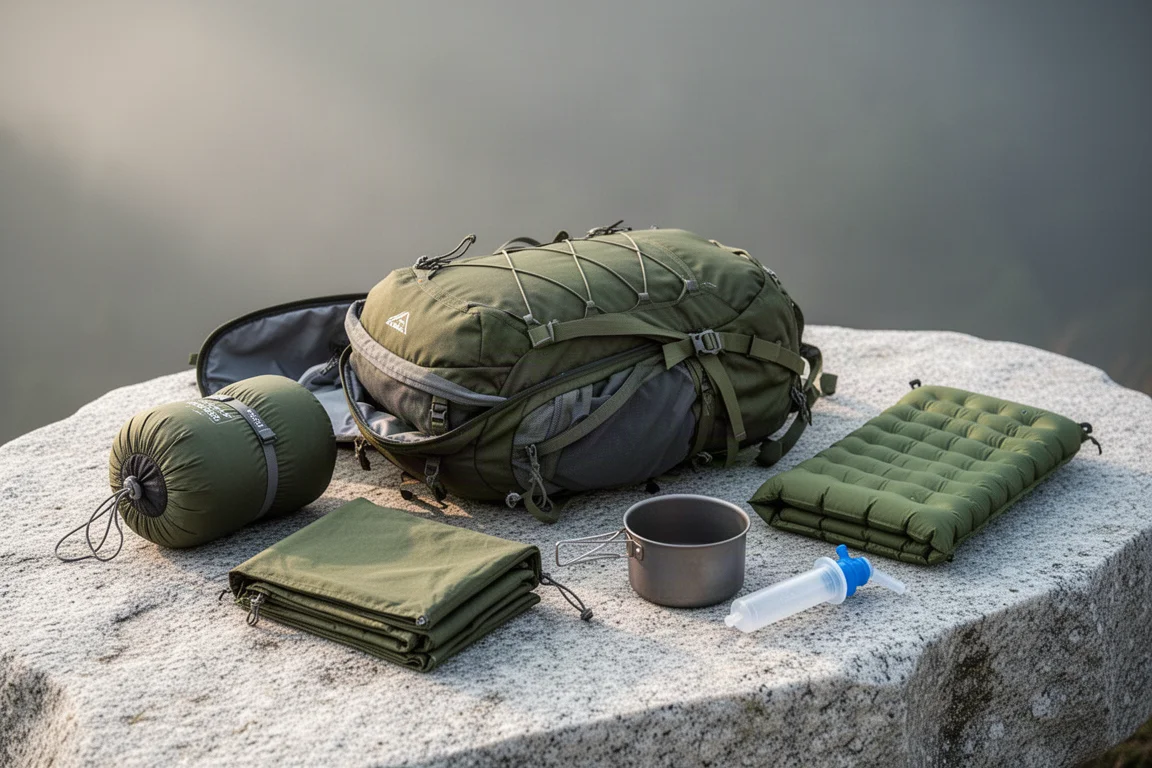
A practical walkthrough of the ultralight pieces behind a 10 lb base weight, from a 765 g pack and a roomy one-person tent to a full camp chair and a dependable water filter.
Backpacking Gear
A 15-Pound Lightweight Backpacking Gear List for Solo Trips
A beginner-friendly 15-pound backpacking setup built from easy-to-find gear, with notes on what each piece does, how it packs, and where to spend your attention.
Backpacking Gear
8 Ultralight Backpacking Gear Upgrades Worth Carrying
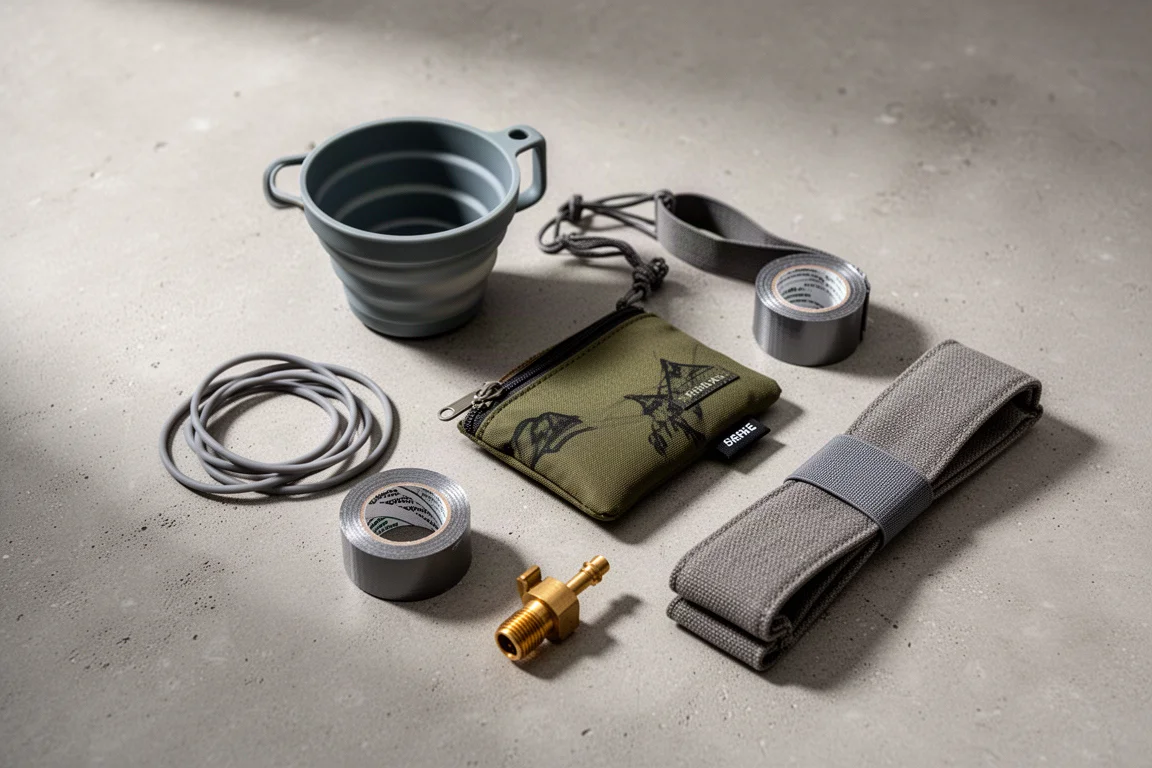
Eight small, affordable backpacking upgrades that solve real trail annoyances, from a pillow that stays put to a fuel valve that rescues leftover canister gas.