Backpacking Gear
Six Backpacking Gear Items Worth a Closer Look
Six lightweight backpacking items that solve recurring trail problems, from measuring water without a cup to keeping a freeze-dried meal hot in freezing conditions.
Introduction
Most backpacking upgrades are not dramatic. They are small fixes for annoyances that repeat on every trip: guessing how much water a meal needs, eating a lukewarm dinner in freezing conditions, fumbling with trekking poles when both hands are already full, and carrying tableware that refuses to pack down. The six items below each address one of those recurring problems, and each earns attention by being light, packable, and genuinely useful in the conditions where backpacking actually happens.
None of them are essential. All of them are the kind of thing you only notice you were missing after you have used them once.
How We Chose These Items
Every item here was judged on four things: weight, packability, how well it performs in cold and wet conditions, and whether it solves a problem that comes up often enough to matter. Cost was weighed against usefulness rather than treated as the deciding factor, because a four dollar fix that prevents a ruined meal can deliver better value than a piece of gear costing ten times as much.
A second filter was simplicity. Gear that adds steps, batteries, or fiddly procedures only makes sense if it removes more friction than it creates. Everything on this list either replaces a heavier item, replaces a clumsy routine, or removes a small uncertainty that would otherwise sit in the back of your mind all day.
Bottle Genius: Water Measurement Without a Measuring Cup
Measuring water on trail is one of those tasks that seems trivial until it goes wrong. Pots often lack measurement lines, and freeze-dried meals frequently specify water in ounces while the cup you are holding is marked only in milliliters. Converting in your head while a meal is waiting is exactly the kind of moment where a little too much water turns dinner into soup.
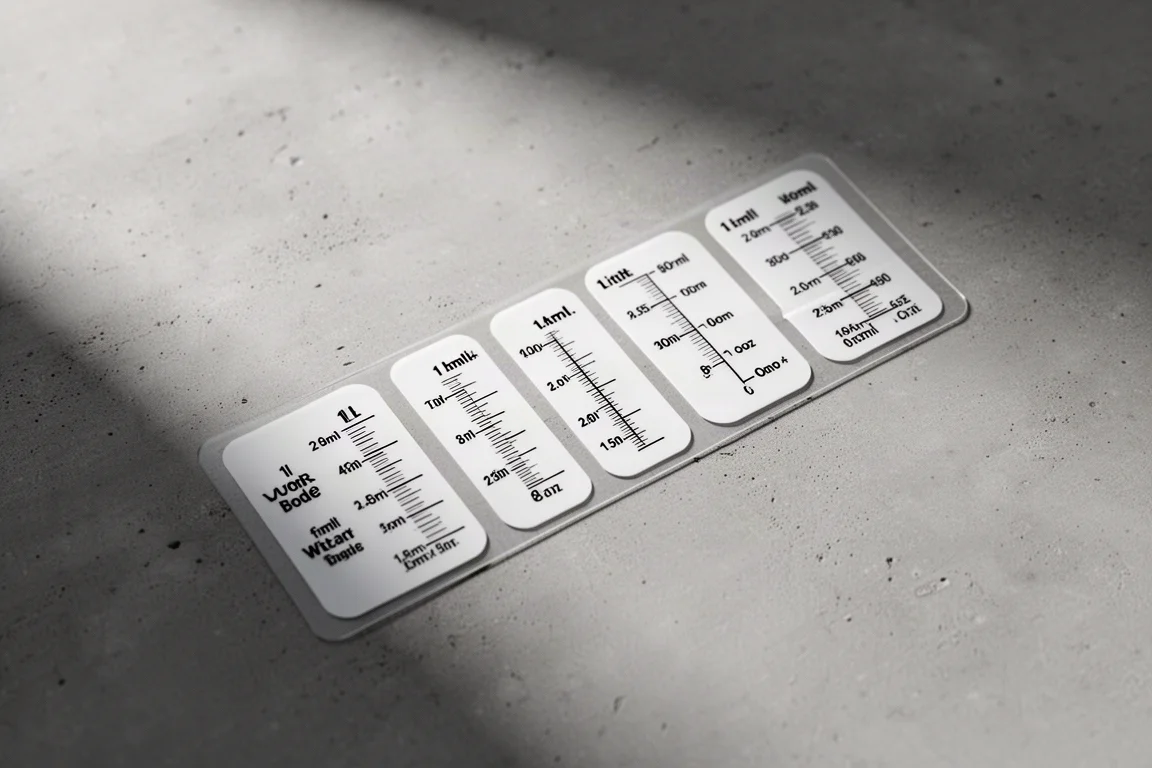
Bottle Genius is a simple answer. It is a sticker that adheres to the side of a standard water bottle and turns that bottle into a measuring device, with markings in cups, milliliters, and ounces. It is most useful for cold soaking meals, for topping up a pot that has no useful graduations, and for matching the water volume a dehydrated meal actually asks for. At around four dollars, it is one of the cheapest ways to remove a recurring source of error from your camp kitchen routine.
Pack Designs Insulated Pouch: Keeping Freeze-Dried Meals Hot
In temperatures below freezing, leaving a freeze-dried meal exposed while it rehydrates produces two predictable results: poor rehydration and a cold dinner. A reflective sleeve is the traditional home-made answer and it works reasonably well, but an insulated pouch is a clear step up in performance.
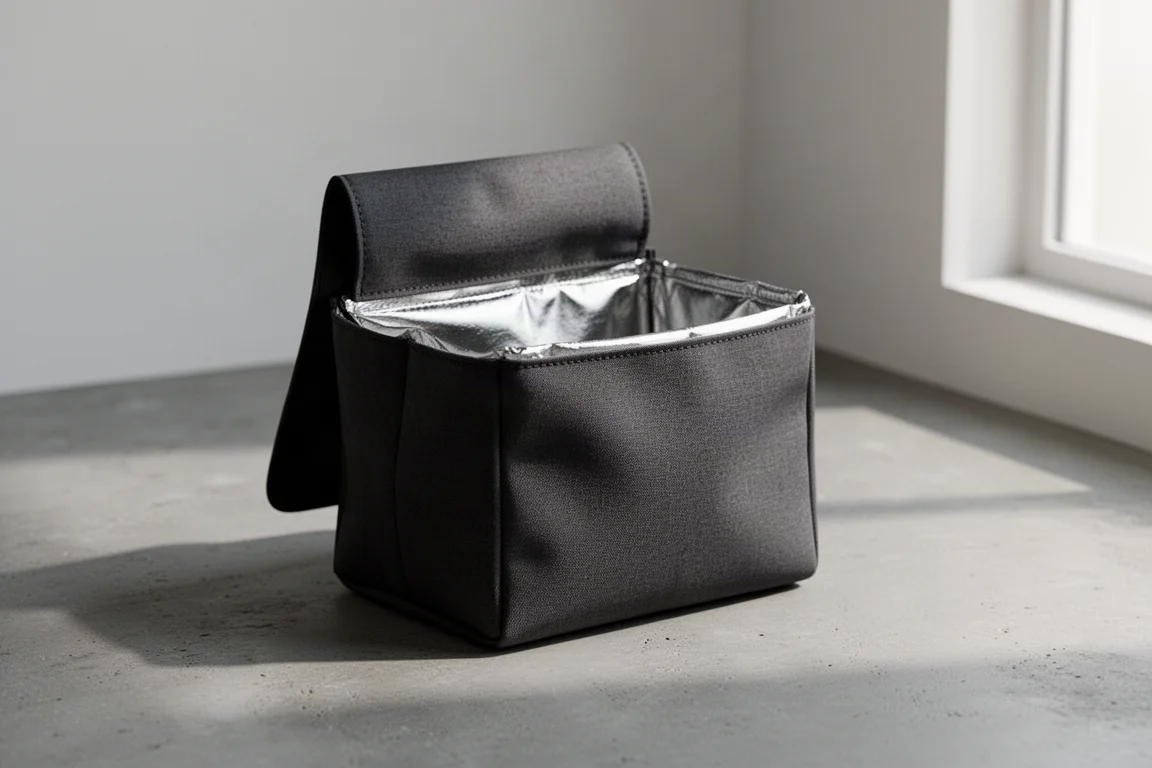
This pouch from Pack Designs uses Climate Shield insulation, which packs down small while still insulating effectively. Used at minus 20 degrees Celsius, a meal stayed warm through the entire ten minute rehydration process, to the point where it was almost too hot to eat at the end of it. That is a meaningful difference when the alternative is a lukewarm meal in a cold camp. There is a practical bonus too: once the meal is inside, the back flap folds down and the pouch doubles as a hand warmer while you eat. At around thirty five dollars it costs considerably more than a home-made sleeve, and that is the main trade-off to weigh.
Stick Stasher: Instant Trekking Pole Storage
Trekking poles make hiking easier. They improve stability on descents and take load off the knees, hips, and ankles, which means longer days with less soreness. The problem is the moments when you want them out of your hands: eating a snack while walking, checking a message, or moving through a section with ladders or a fixed chain where both hands need to be free.
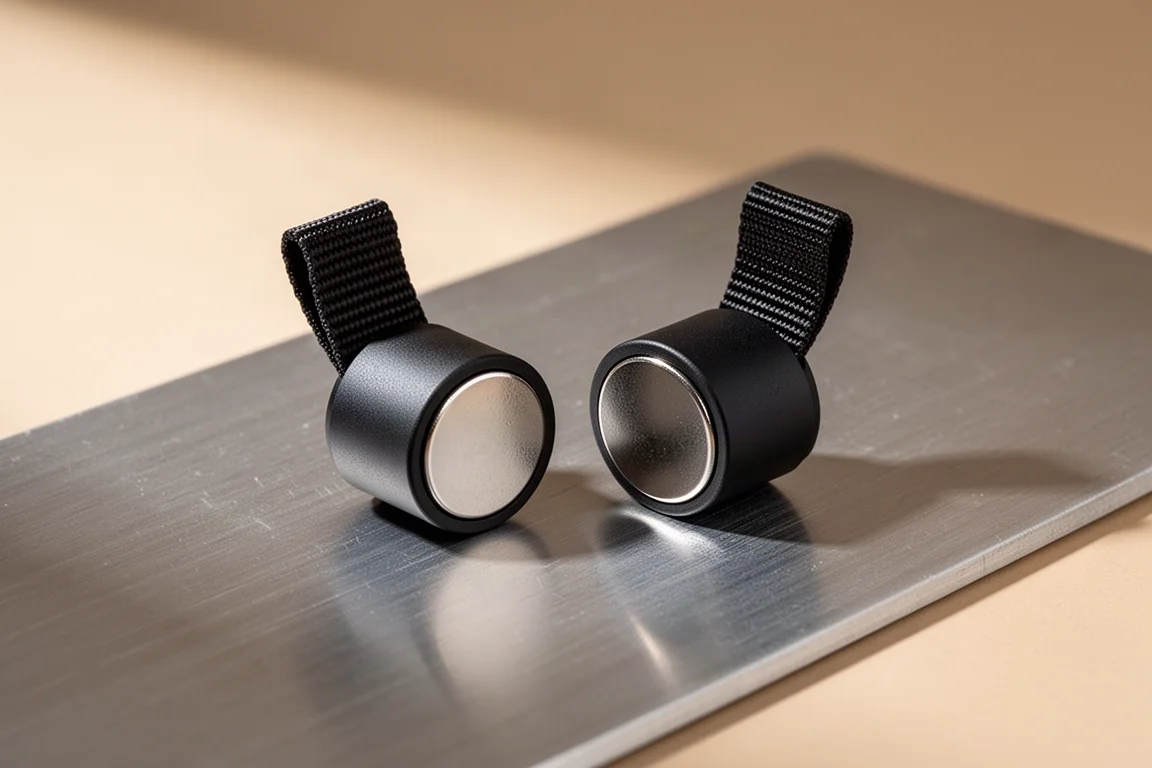
Stick Stasher uses magnets attached to the trekking poles and to the pack, so poles can be clicked into place and stored instantly, then retrieved just as quickly. The magnets are strong enough that you feel the pull as the pole approaches the pack, which makes connecting them easier than it sounds. It does take some muscle memory to get the movement right, and practicing the motion a few times helps. Placing the magnet close to the tip of the pole is a useful trick: collapse the pole while still holding the handle, then simply reach back and connect it. One important limitation is diameter. The system only works with trekking poles measuring 16 millimeters, which covers many Black Diamond models but excludes common options such as Cascade Mountain Tech poles. At around three dollars, the price is easy to justify once you have used it.
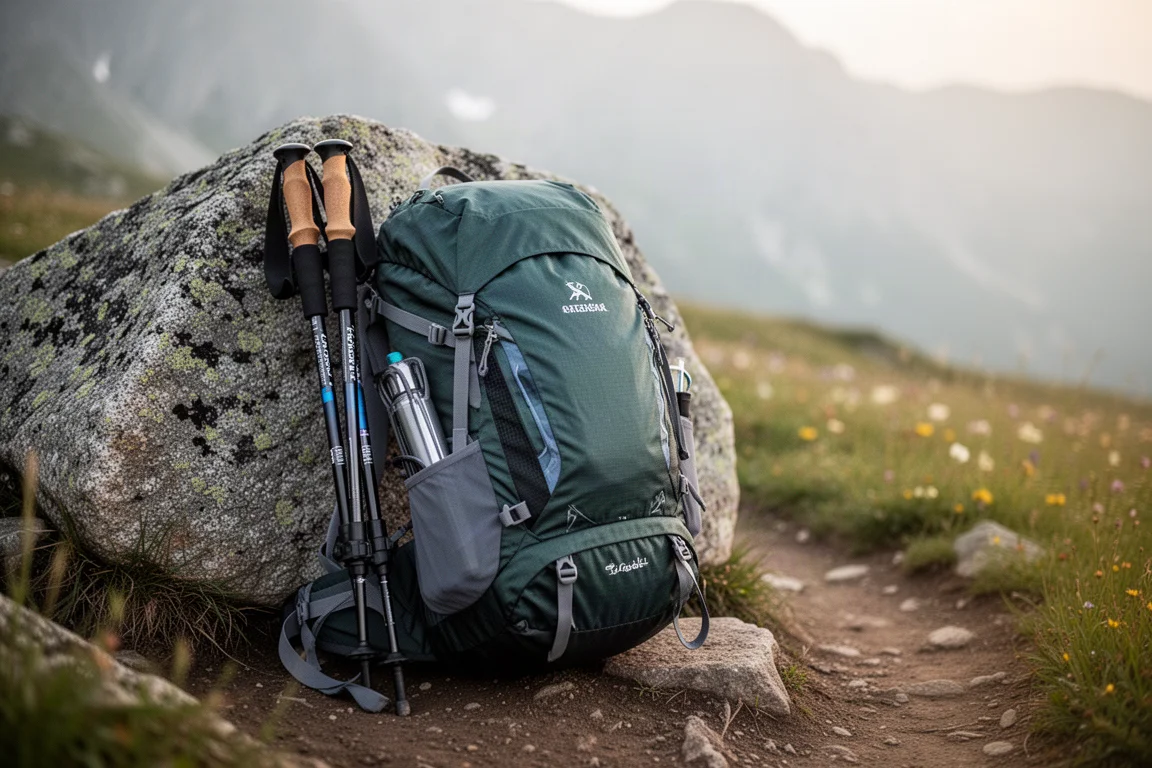
For hikers who regularly switch between using and stowing poles, the value is mostly in the time and awkwardness it saves rather than in the weight it removes.
Fozzils Bowls, Cups, and Plates: Fold-Flat Camp Tableware
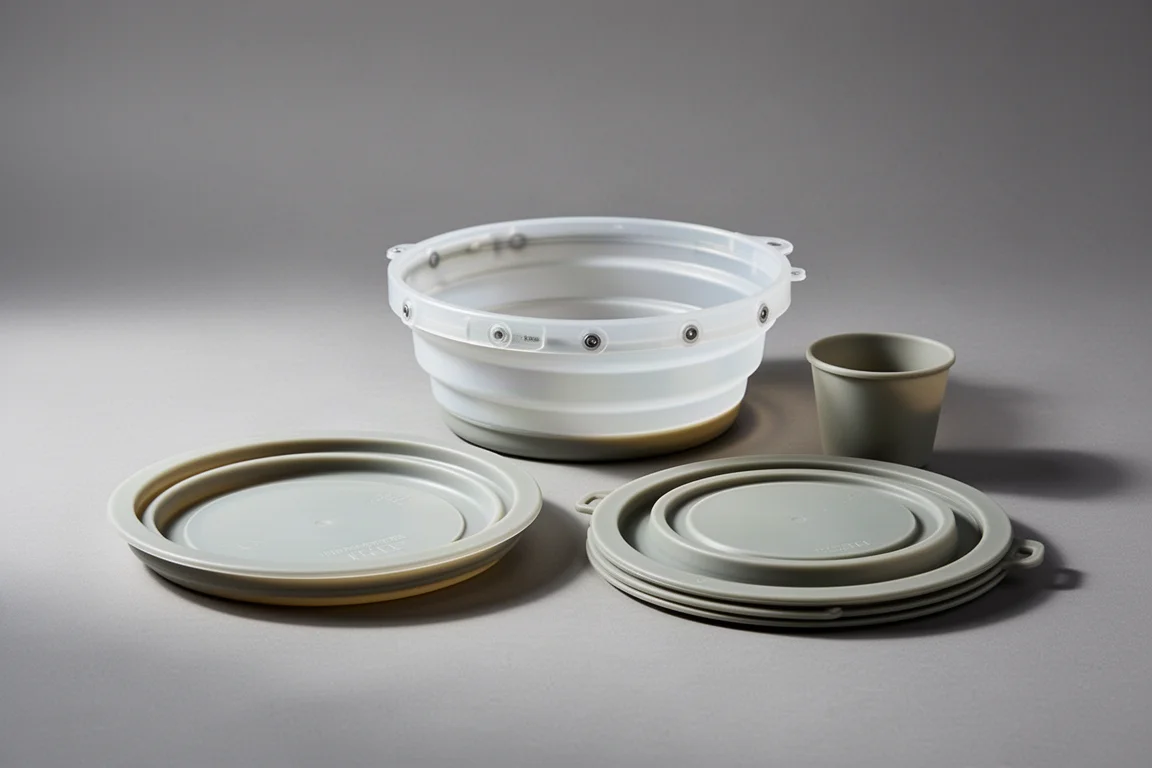
Bowls, cups, and plates are bulky items that are genuinely difficult to pack unless they happen to nest inside your cook system. Fozzils takes a different approach. Each piece uses snaps along the sides to create structure when assembled, and once those snaps are released the item folds down flat. The cup, the plate, and the bowl all pack flat, stack on top of each other, and slide into the side of a pack, which makes storage simple rather than a puzzle.
They are lightweight and dishwasher safe, which matters more than it sounds when you are cleaning up after a shared meal. The cup is a convenient way to carry a separate beverage without dedicating a pot to it, the plate is well suited to splitting a dehydrated meal between two people, and the bowl handles anything more soupy. A bowl also works well as a food dish for a dog joining the trip. For anyone who has been carrying rigid tableware that never quite fits, the fold-flat format is the whole point.
One Bottle Hydration System: Bladder Convenience Without the Downsides
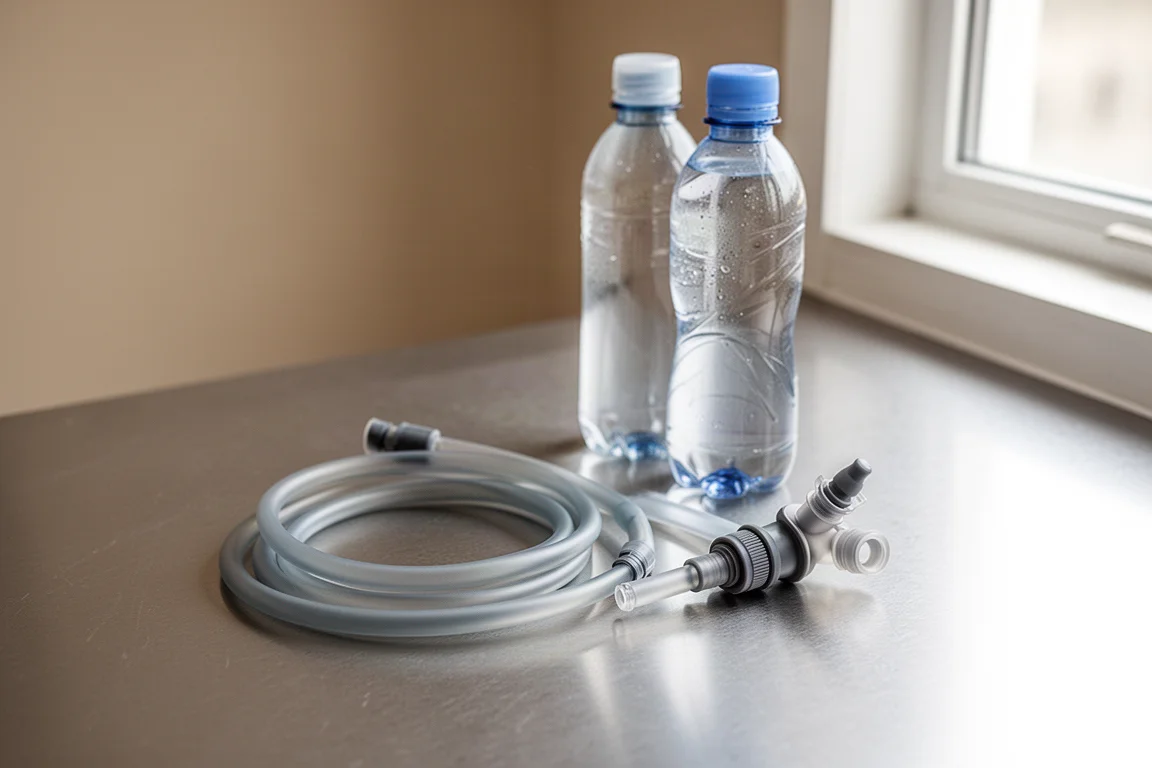
Hydration bladders are popular for good reason, but they carry familiar problems. You cannot see how much water is left, refilling them is awkward, and at some point they leak. The One Bottle hydration system keeps the convenience of drinking through a hose while addressing those drawbacks.
The system works with any water bottle that has standard threads. You screw the attachment onto the bottle, a hose runs from it over your shoulder to the front of your pack, and the bottle slides into a side pocket. Drinking is just as easy as with a bladder, but the bottle stays visible, so you always know how much water remains, and refilling it is a straightforward job rather than a wrestling match. There is a second benefit at camp: swap the hose for a standard cap and you have an ordinary water bottle to carry around camp or take into the tent, which a bladder cannot easily do.
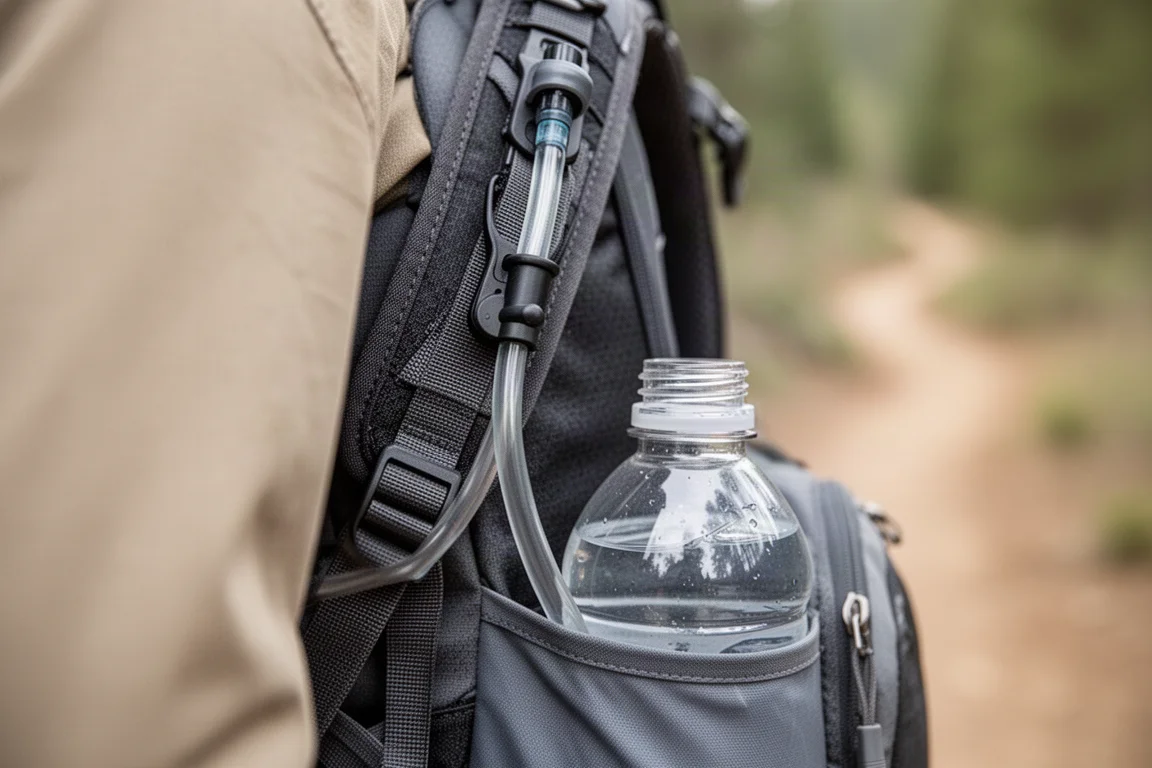
The appeal here is not extra features but fewer failure points. A system built around a standard bottle is easier to inspect, easier to replace, and easier to live with over a long trip.
ThermoDrop by ThermoWorks: Simple Camp Temperature Tracking
Tracking temperature on backpacking trips has traditionally meant carrying a heavier Bluetooth thermometer with detailed data and disappointing battery life. That level of detail is useful for testing gear, but most trips do not need it.
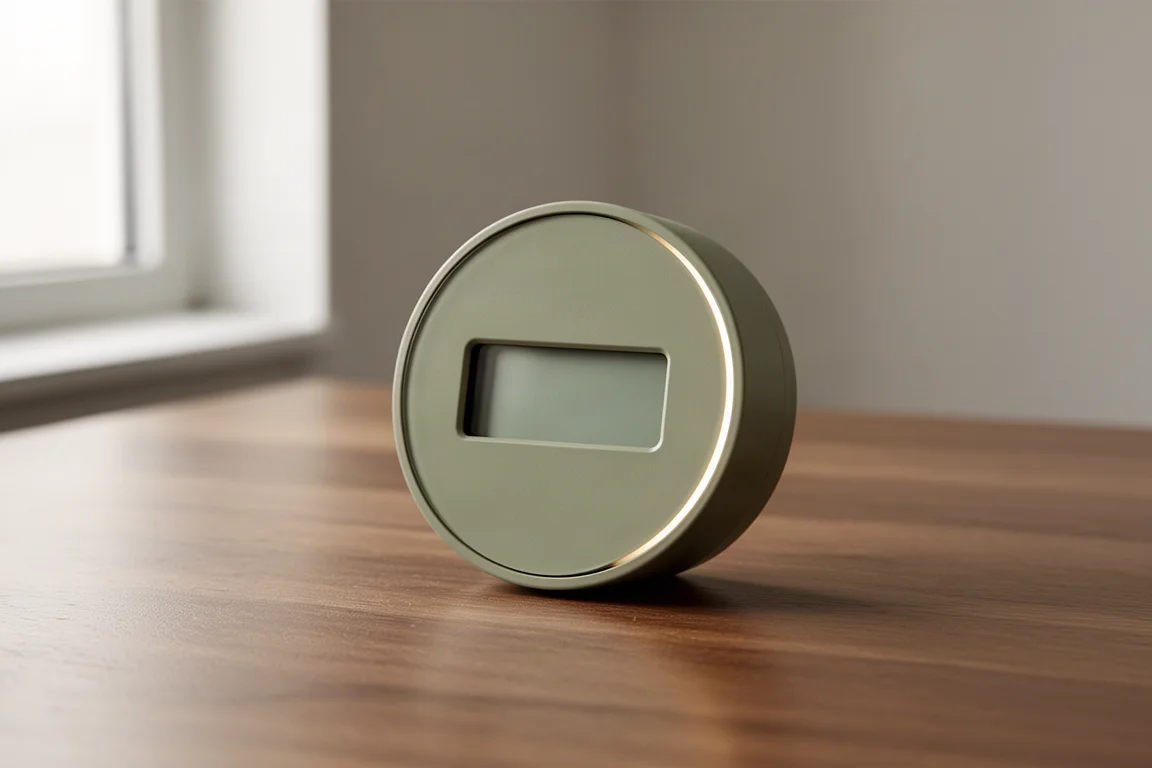
ThermoDrop by ThermoWorks takes the simpler route. It weighs just 14 grams and runs for 167 days on a single battery, and it can be switched off, so that figure stretches even further if it is only used for backpacking trips. It shows the current temperature and the high and low over the previous 24 hours, which is exactly the information that matters overnight: check the low in the morning to see how well your sleep system handled the conditions. It is available in a range of colors and reads in both Celsius and Fahrenheit. It does not deliver the depth of data a full Bluetooth thermometer provides, and that is the deliberate trade for lower weight, longer battery life, and simpler operation.
Overall Buying Advice
These six items sit at very different price points, so the sensible approach is to start with the problem you actually have. If your meals come out too wet, the cheapest fix on this list is the water measuring sticker. If your meals come out cold, the insulated pouch is the item that changes the experience most, and it is also the most expensive one here.
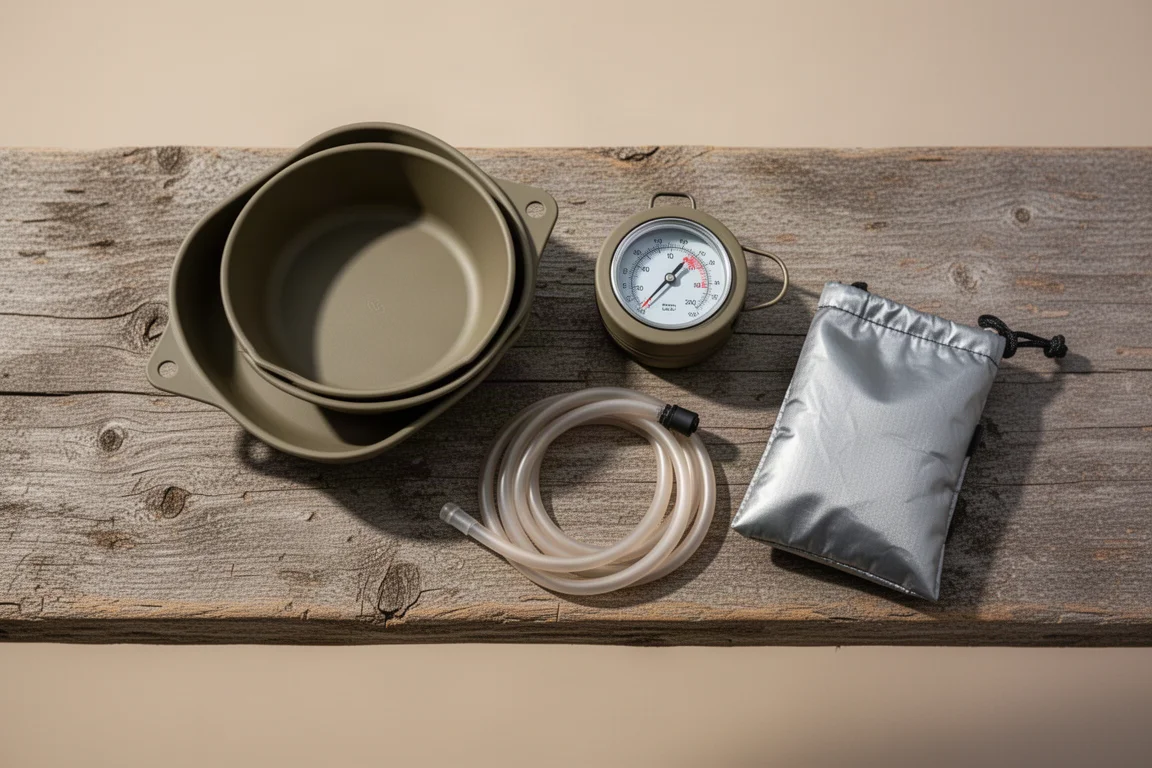
For the rest, think about what you already carry. Hikers who use trekking poles constantly will get the most from instant pole storage. Anyone frustrated by rigid tableware will appreciate fold-flat bowls, cups, and plates. Riders of hydration bladders who are tired of guessing how much water is left should look at a bottle-based hose system, and anyone who wants a simple overnight temperature record can add a small thermometer for very little weight.
None of these purchases require replacing a major piece of gear. They are small, targeted changes, which is usually where the best value sits in a backpacking kit.
Conclusion
The common thread across all six items is that they remove friction rather than add capability. A sticker that turns a bottle into a measuring cup, a pouch that keeps dinner hot, magnets that store poles in a second, tableware that folds flat, a hose that works with the bottle you already own, and a thermometer that weighs almost nothing. Each one is easy to overlook and easy to appreciate once it is in your pack. Choose the one that matches the annoyance you recognize, and the upgrade will feel obvious on the very next trip.
Further reading
Related Reviews

Backpacking Gear
Building a 10 lb Base Weight: An Ultralight Backpacking Gear List
A practical walkthrough of the ultralight pieces behind a 10 lb base weight, from a 765 g pack and a roomy one-person tent to a full camp chair and a dependable water filter.
Backpacking Gear
A 15-Pound Lightweight Backpacking Gear List for Solo Trips
A beginner-friendly 15-pound backpacking setup built from easy-to-find gear, with notes on what each piece does, how it packs, and where to spend your attention.
Backpacking Gear
8 Ultralight Backpacking Gear Upgrades Worth Carrying
Eight small, affordable backpacking upgrades that solve real trail annoyances, from a pillow that stays put to a fuel valve that rescues leftover canister gas.