Backpacking Gear
Six Backpacking Gear Items That Have Lasted Years of Trail Use
Six pieces of backpacking gear with multi-year trail records, from an affordable down jacket to a 25 g canister stove, plus the trade-offs worth knowing before you buy.
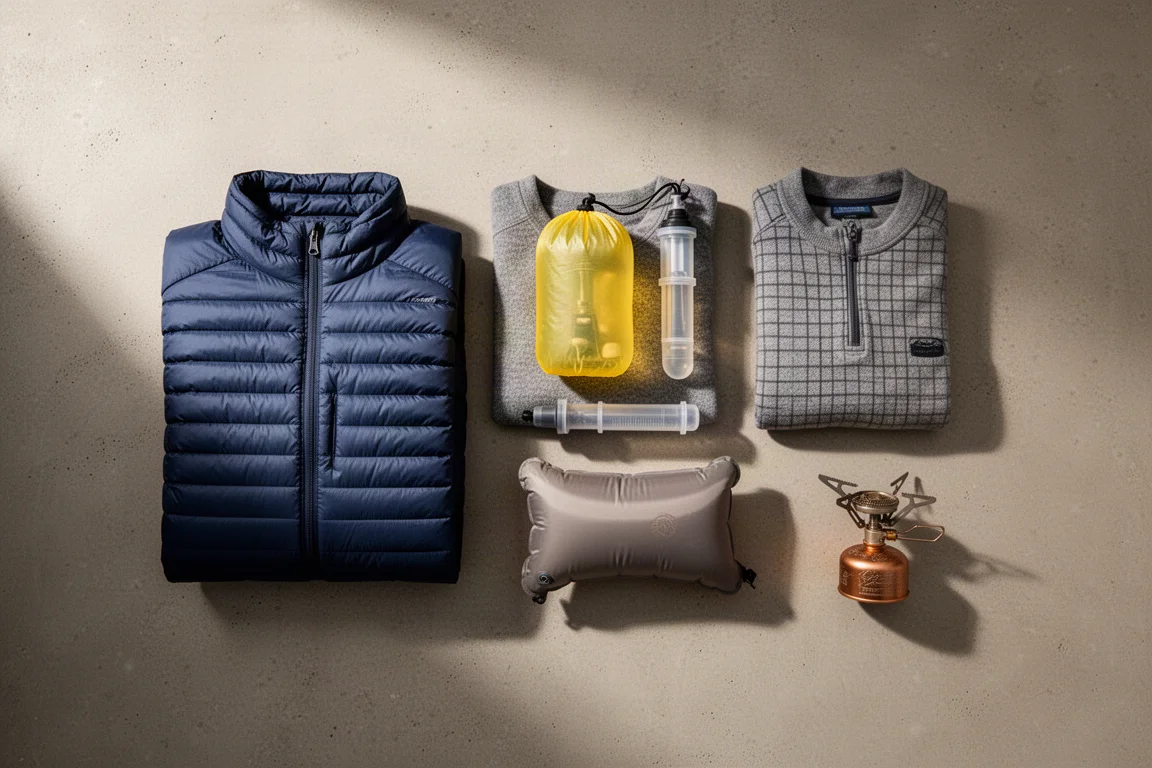
Introduction
Some gear earns its place in a pack through spec sheets. The six items below earned it through years of miles, cold mornings, wet afternoons, and hundreds of nights outdoors. Every one of them has a multi-year track record, and five are still in service today. One finally wore out after roughly five years and 400 days of use, and the response was simply to buy the same model again.
The list covers insulation, a mid layer, a hygiene kit bag, a water filter, a camp pillow, and a canister stove. Together they show what long-term durability looks like in practice, and where the real trade-offs sit.
What Earned a Place on This List
The standard here is simple: real trail time, real weather, and a record of holding up. Each item has been carried for multiple years and hundreds of days outdoors, often in cold, wet, and windy conditions. Price was part of the calculation too. Several of these pieces cost a fraction of comparable ultralight alternatives while giving up very little in weight or performance.
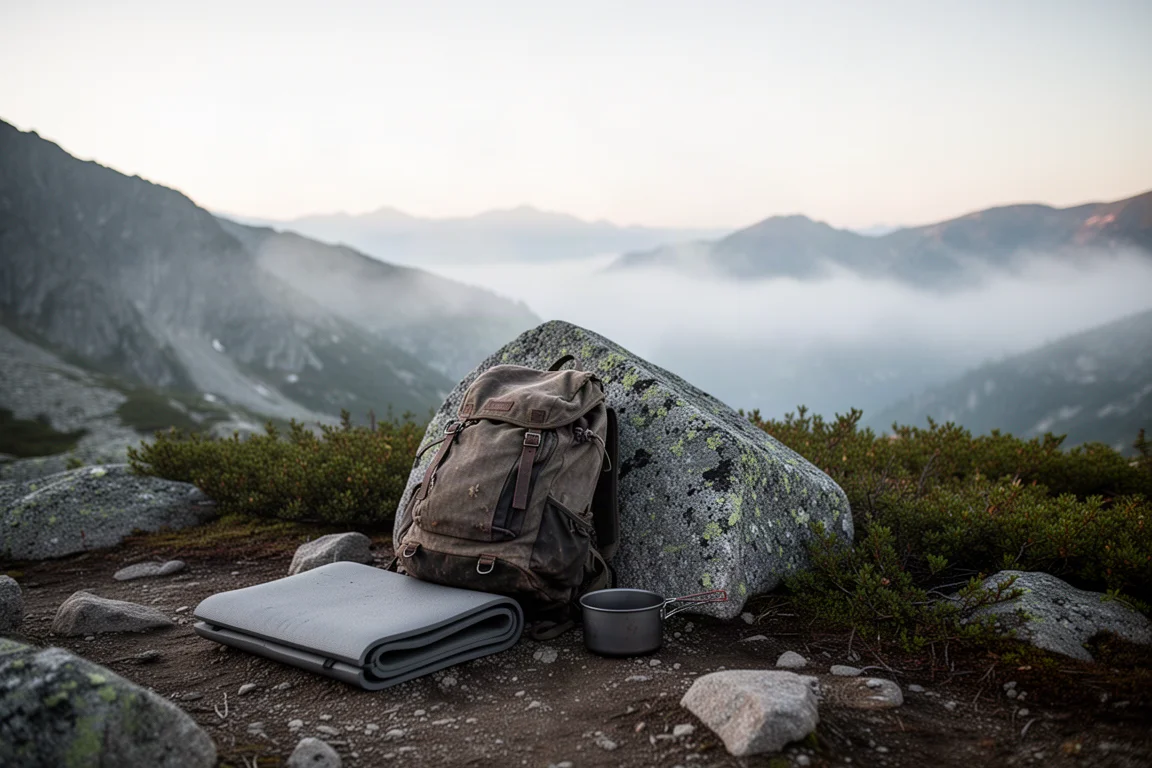
Durability was judged on how shells, seams, zippers, and hardware actually behaved over that time rather than on paper specifications. The trade-offs are noted honestly as well, including the one product on the list that eventually failed and the reason it did.
Kathmandu 100 Down Jacket
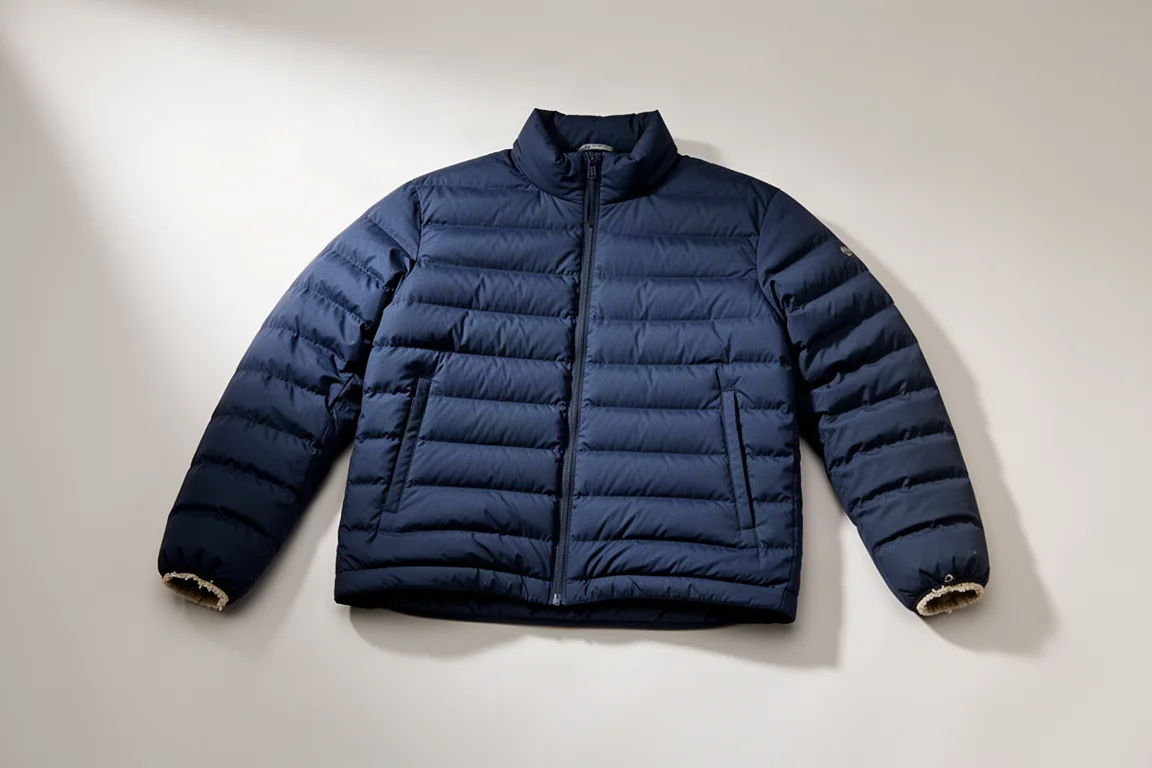
The Kathmandu 100 is the most straightforward recommendation on the list. It is affordable, it is easy to find almost anywhere in the world, and it is warm enough to keep you comfortable sitting around camp when temperatures sit near freezing. It is not the lightest down jacket on the market, but it is light enough for backpacking, and it costs roughly a quarter of what some ultralight down jackets cost while weighing only slightly more.
Six years and hundreds of days on trail later, the 15 denier shell has held up well. There is one patch on the body and a small nick that still needs patching, plus the usual wear around the cuffs, but no structural problems. Down loss has been minimal, with nothing noticeable escaping the seams, and after a single wash in six years the down still lofts up nicely. Because it is inexpensive, it tends to get used without much caution, which is arguably the point.
Farpoint Alpha Direct Crew
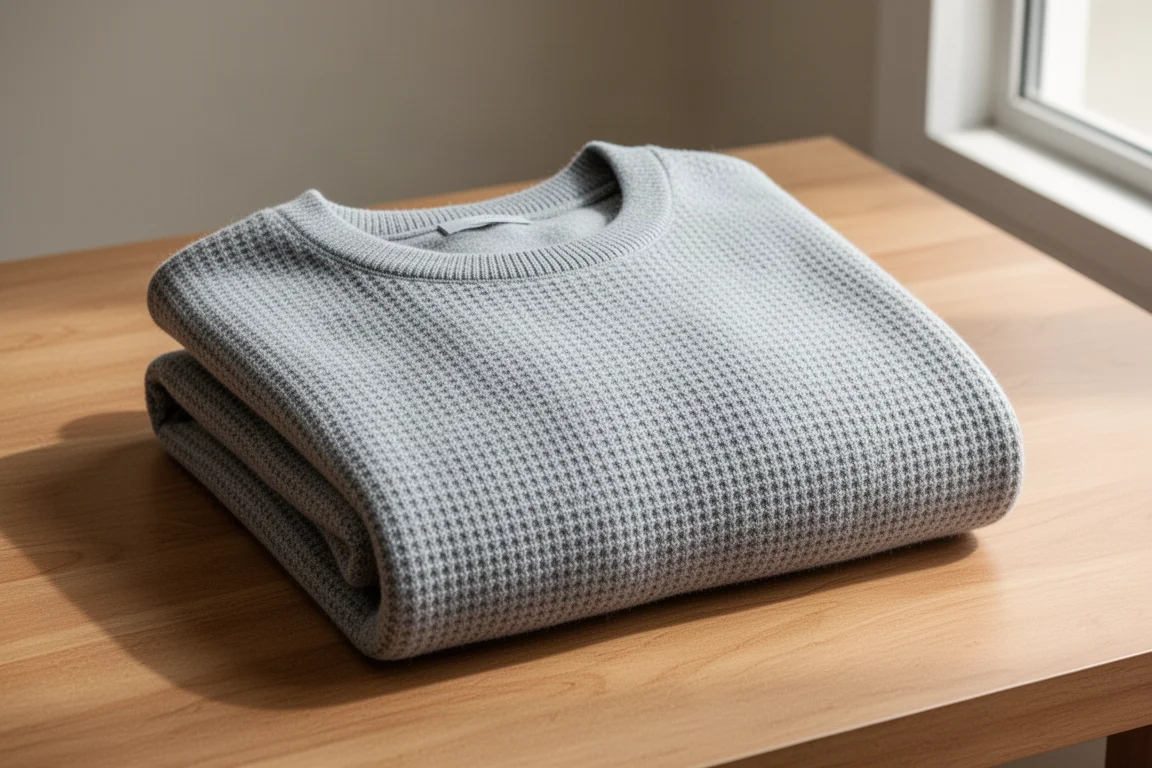
Alpha Direct fleece is the reason this crew neck earns its place. It is extremely warm for its weight, though it is not the most compact piece to pack. The crew neck design is a deliberate choice for a mid layer: it avoids the pile of hoods that builds up behind the head when several hooded layers stack together.
Alpha Direct has a reputation for being fragile. In practice, this one has seen more than 300 days of use, including a 30-day thru-hike where it was worn every single day, with no issues at all. It is used mainly as a sleep layer and around camp rather than while hiking, and it is washed after almost every trip, dozens of washes in total, without falling apart. Worn as an active layer under a backpack it may wear faster, but as ultralight camp insulation it has proven itself.
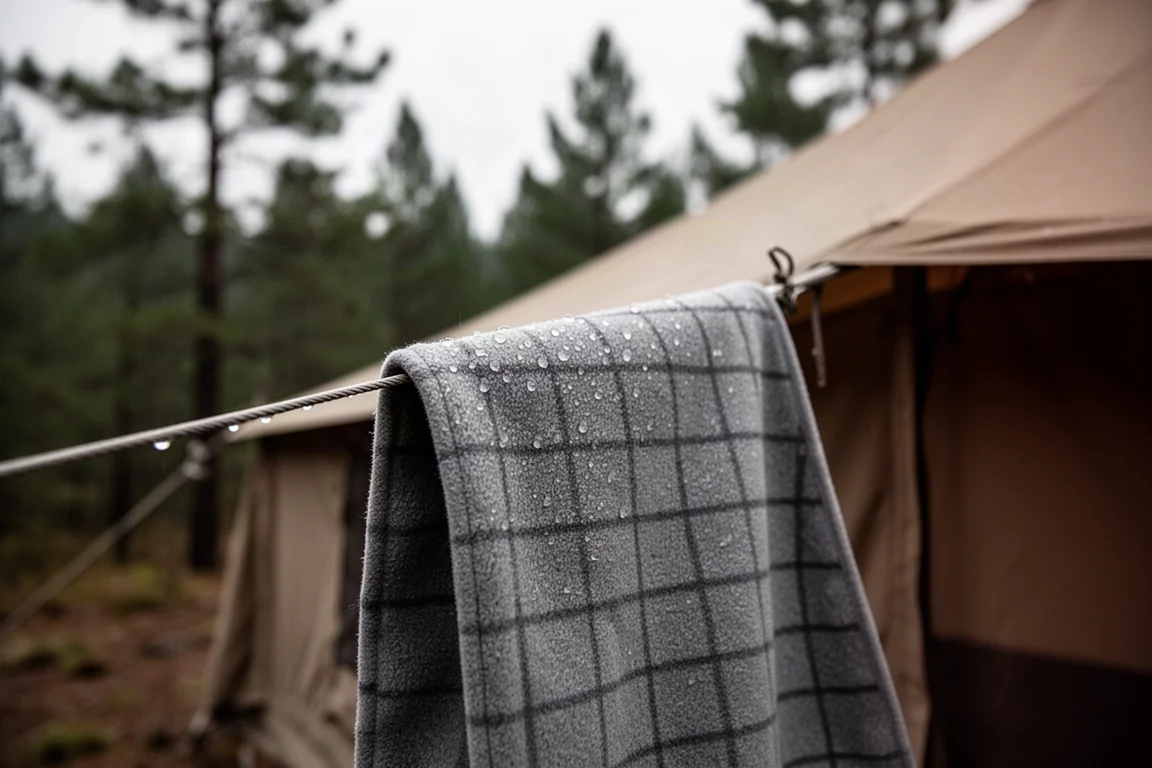
That combination of warmth, low weight, and wash durability is unusual at this weight class, and it is the main reason this piece keeps returning to the pack.
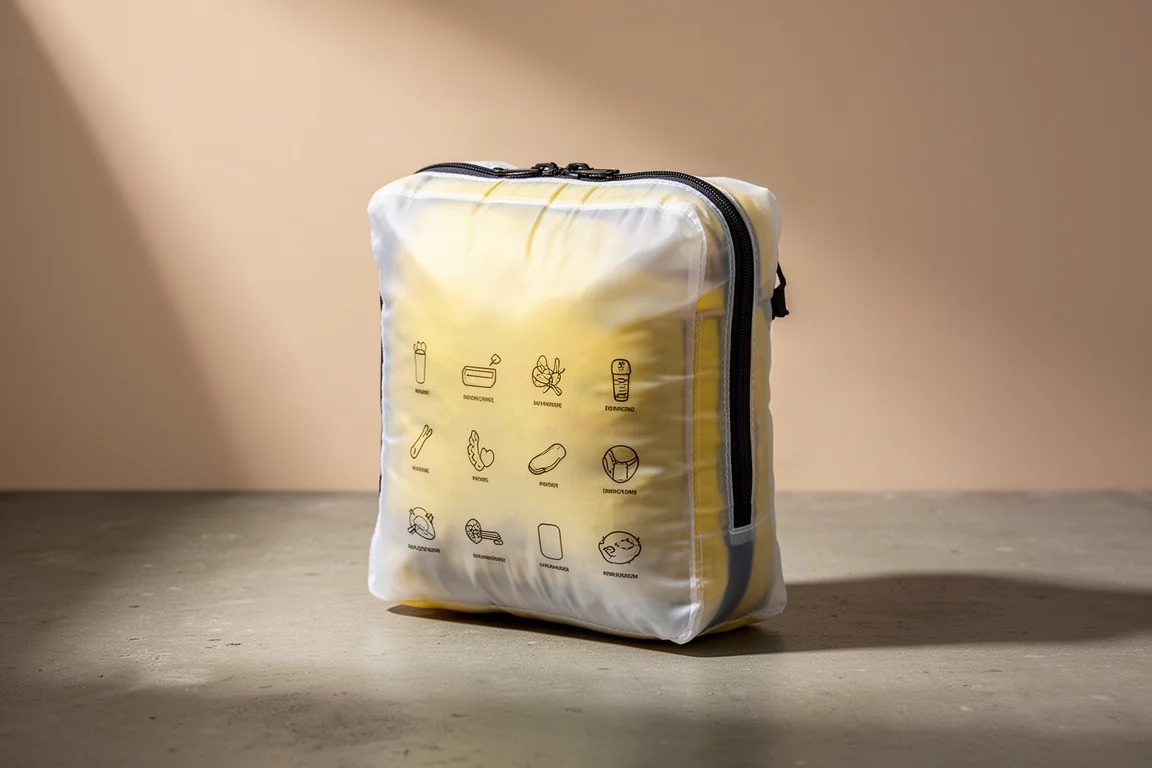
Space Bear Bags Poopmoji Bags
This Dyneema bag is sized to hold a trowel, including a full-length model, with room left over for the rest of a hygiene kit. It also happens to be covered in small printed icons that make it the most enjoyable bag to pull out of a pack in the morning.
It is the one item on this list that has failed. After five years and more than 400 days of use, the zipper gave out: a couple of teeth stopped engaging and would occasionally separate, dropping the contents into the bottom of the pack. Notably, the Dyneema fabric itself held up fine, which runs against the common assumption that these bags wear out quickly because of the material. The replacement is slightly larger, which should put less stress on the zipper when a long trowel is inside, and it keeps the same printed design.
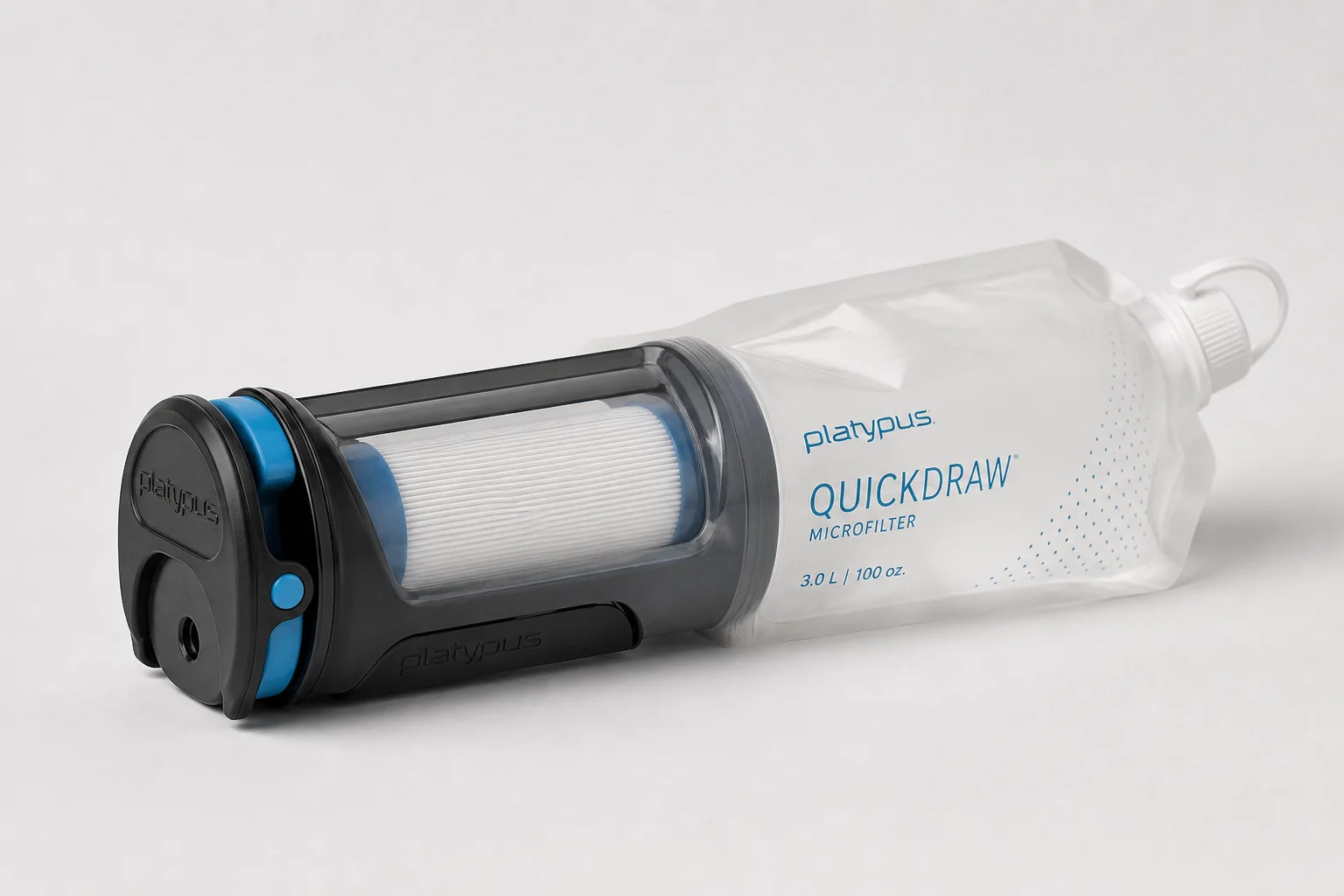
Platypus QuickDraw
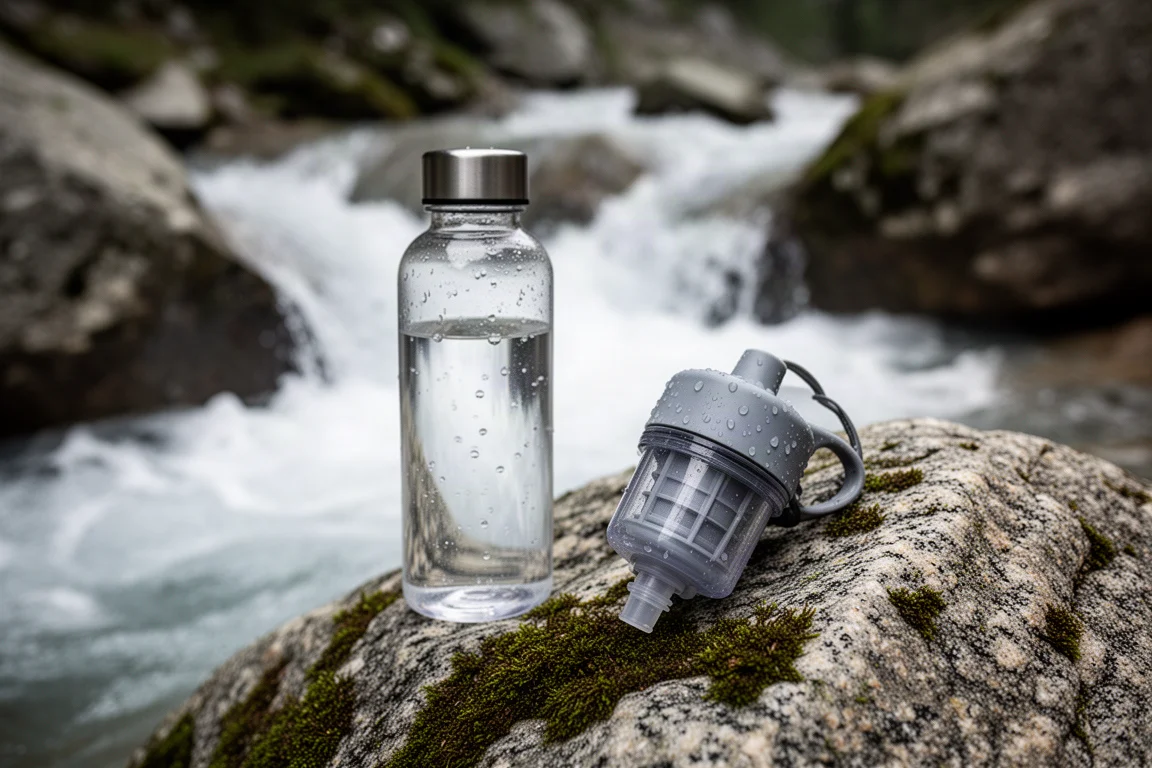
The QuickDraw has been the most consistently reliable water filter in long-term use. Flow rate is strong, there are plenty of attachment options, and the caps on both ends seal the unit completely, which matters when you put a filter in a sleeping bag overnight in freezing conditions.
Two units have covered roughly five or six years between them: about 300 days on one and another 50 to 60 days on the second, with both still working well. For a filter that sees grit, sediment, and repeated squeezing, that is a strong record.
Long-term reliability at this level is the reason it stays in the kit rather than being swapped for something newer.
Trekology 2.0 Pillow
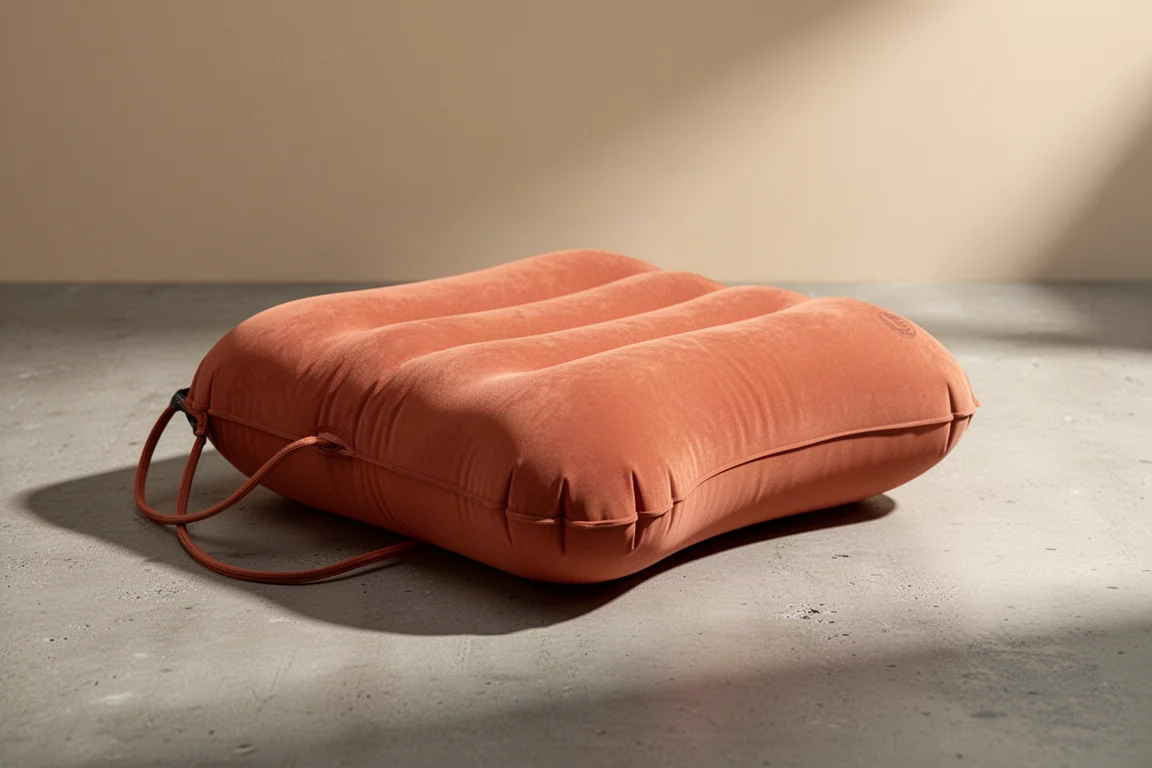
The Trekology 2.0 was among the first pillows to add a strap that keeps it attached to a sleeping pad, and that single detail changes how well you sleep. Instead of chasing a pillow around the tent through the night, it stays put. The shape is ergonomic as well, with a curve that a shoulder can settle into, and the stability means it does not feel like lying on a balloon. The soft top surface helps.
At 95 g and under $20, it is also one of the lightest and most affordable options around. The main limitation is height: it is not the tallest pillow, so side sleepers with broader shoulders may need to place something underneath to raise it and keep the neck straight. Quality control is the other consideration. Some units arrive defective or develop leaks early, though the brand replaces leaking pillows without question, and the low price makes that a manageable risk. Of two pillows used over six years, one sprang a leak after more than five years and 100 nights, while the second is still going strong after 20 to 30 nights.
BRS 3000 Stove
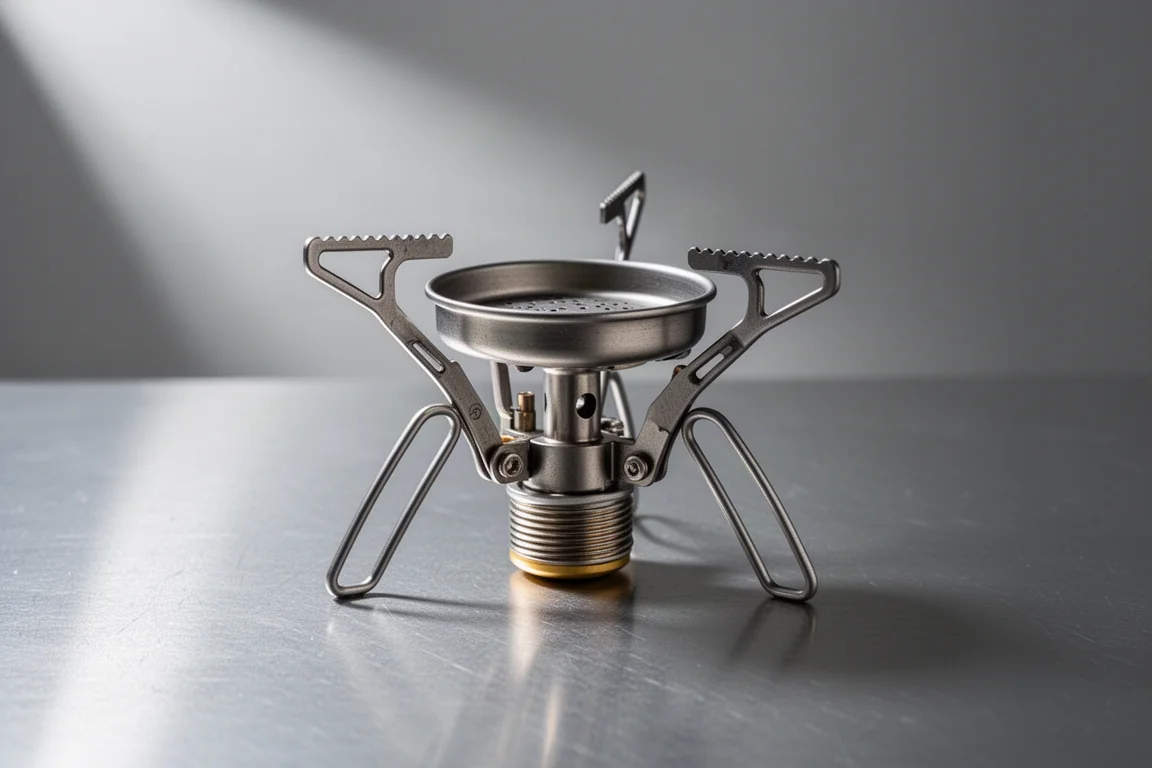
At 25 g, the BRS 3000 is about as light as a canister stove gets, and it works well enough for the overwhelming majority of trips. This one has over seven years of use and roughly 500 boils behind it.
One caveat comes from an earlier unit, which failed almost immediately when an arm melted and bent in heavy wind, dropping a pot of hot water. The likely cause was insufficient titanium content in the arm. That unit aside, the surviving stove has been used in strong wind and difficult conditions with no arm deformation at all, and the issue appears to have been resolved in later production. The rubber gasket at the canister connection has never needed replacing either, which is a good sign for a stove of this age.
Buying Advice
The pattern across all six items is worth noting before you buy. Inexpensive gear that works well tends to get used harder, and gear that gets used harder is the gear you learn to trust. A jacket that costs a quarter of the ultralight competition and only weighs slightly more is a better purchase for most backpackers than a marginal weight saving.
Availability matters too. A down jacket that can be bought almost anywhere in the world, a filter with multiple attachment options, and a stove that uses standard canister connections all reduce friction on the trail. Replacement and support behaviour is another factor: a low-cost pillow backed by a no-questions replacement policy is a different proposition from a low-cost pillow with no support at all.
Finally, consider how you will actually use each piece. A fleece worn around camp and to sleep will outlast the same fleece worn under a loaded pack on long climbs. A hygiene bag that fits a full-length trowel puts less stress on its zipper than one that is packed tight. Matching the item to the job is what turns a good purchase into a piece of gear that lasts years.
Conclusion
Six items, six multi-year records. The Kathmandu 100 delivers warmth and durability at a fraction of ultralight pricing, the Farpoint Alpha Direct Crew stays warm and intact through hundreds of days and dozens of washes, and the Platypus QuickDraw has been the most dependable filter in the kit. The Trekology 2.0 pillow and the BRS 3000 stove trade a little refinement for very low weight and very low cost, with honest caveats around pillow quality control and an early stove arm failure. The Space Bear Bags Poopmoji bag is the one item that wore out, and the fact that the same model was bought again says more about it than the failure does.
If you are building or refreshing a backpacking kit, these are sensible places to start, provided you match each piece to how you actually travel.
Further reading
Related Reviews

Backpacking Gear
Building a 10 lb Base Weight: An Ultralight Backpacking Gear List
A practical walkthrough of the ultralight pieces behind a 10 lb base weight, from a 765 g pack and a roomy one-person tent to a full camp chair and a dependable water filter.

Backpacking Gear
A 15-Pound Lightweight Backpacking Gear List for Solo Trips
A beginner-friendly 15-pound backpacking setup built from easy-to-find gear, with notes on what each piece does, how it packs, and where to spend your attention.

Backpacking Gear
8 Ultralight Backpacking Gear Upgrades Worth Carrying
Eight small, affordable backpacking upgrades that solve real trail annoyances, from a pillow that stays put to a fuel valve that rescues leftover canister gas.