Backpacking Gear
Six Backpacking Gear Items That Keep Coming Back
Six long-serving backpacking items, what each one does well, where it falls short, and who it actually suits.
Introduction
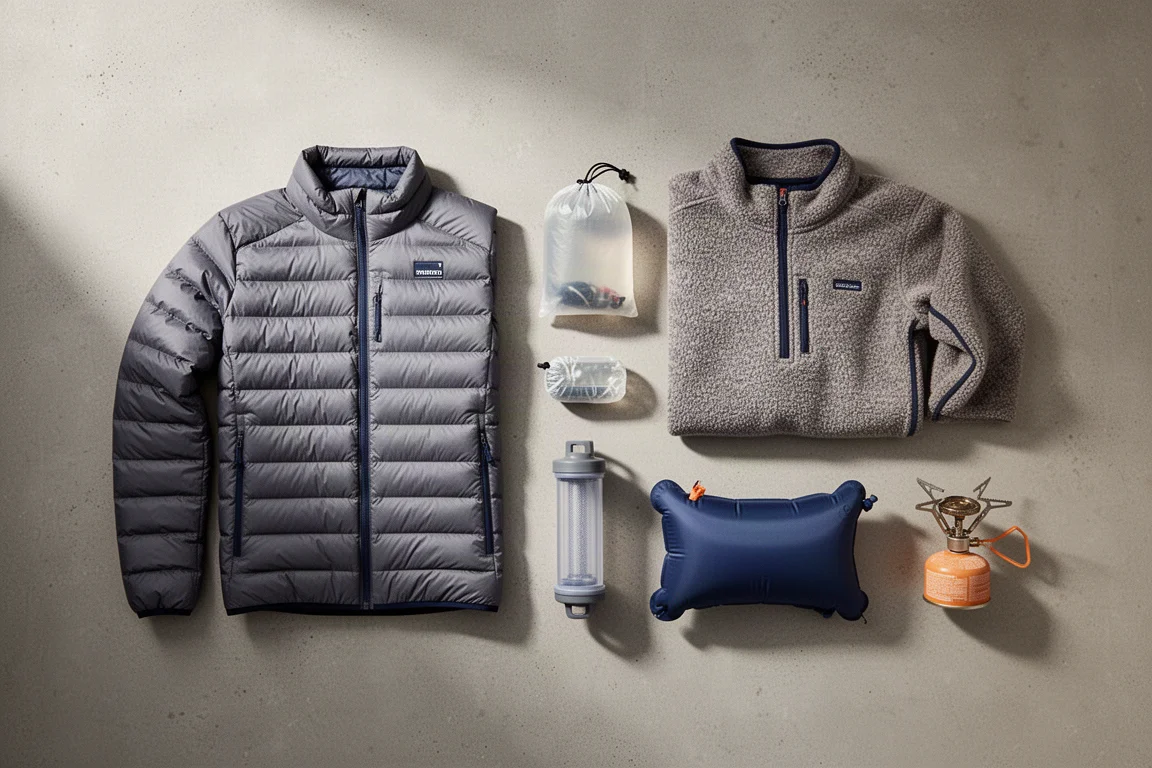
Some pieces of backpacking gear earn their place after a single good trip. A much smaller number keep earning it after hundreds. The six items below have each been carried season after season, and together they cover the practical core of a lightweight kit: insulation, sleep comfort, water treatment, cooking, and the small daily rituals that make time outside easier.
This is not a list of the lightest or the most expensive options on the market. It is a list of gear that has proven itself over years of real use, including two items that eventually failed and were replaced with the same model.
What Makes Gear Worth Keeping
Four things separate gear that gets used from gear that stays at home.
The first is longevity under normal handling. Nobody wants to baby a jacket or a filter, so the real question is whether an item survives ordinary wear: cuffs rubbing, zippers opening and closing, fabric pressed against a pack.
The second is cost relative to what it delivers. Several items here cost a fraction of the premium alternatives and give up very little in daily practice.
The third is weight, but only in context. A 25 gram stove and a 95 gram pillow matter because they are light without being fragile.
The fourth is how easy an item is to live with: whether it packs down, whether it stays where you put it, and whether it can be replaced quickly if something goes wrong.
An honest long-term list also includes failures. Two of the products below have already been replaced once, and both were replaced with the same model. That says as much about their value as any durability claim could.
Kathmandu 100 Down Jacket: Warmth at a Price That Travels Well
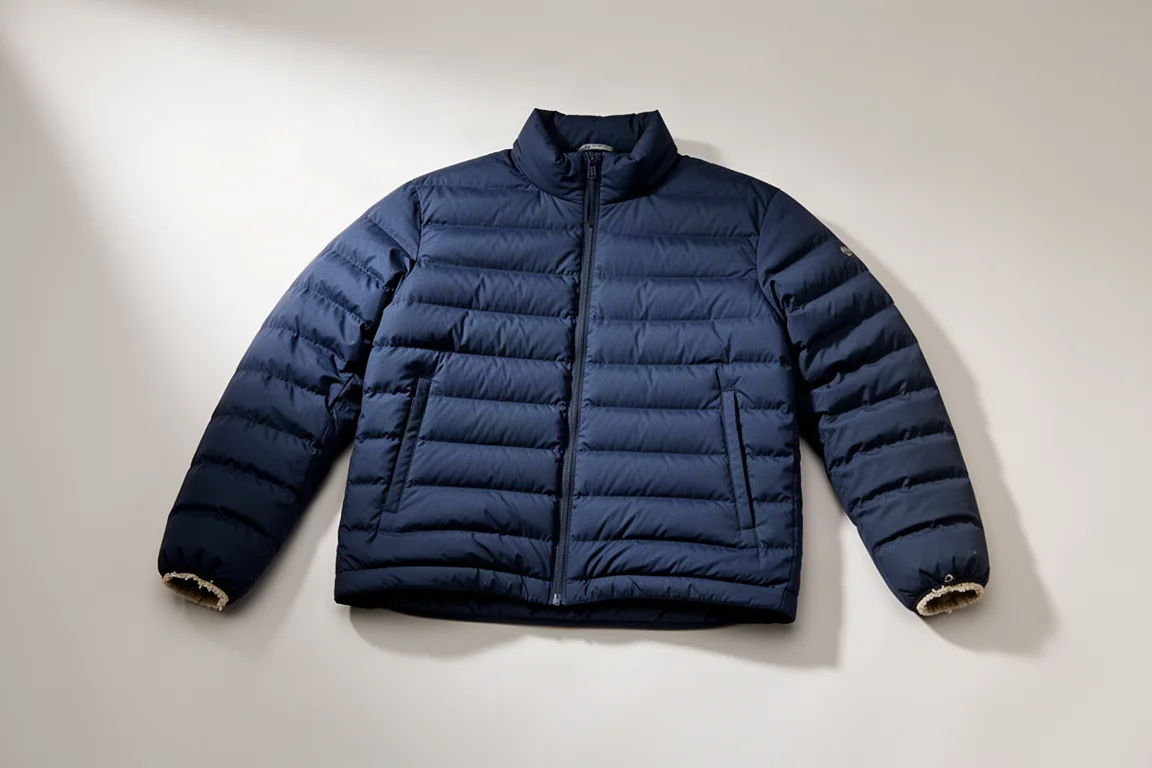
The Kathmandu 100 is the jacket that goes on nearly every trip. It is affordable, widely available in many parts of the world, and warm enough to sit around camp comfortably when temperatures hover near freezing.
It is not the lightest down jacket available. What makes it compelling is the ratio: it costs roughly a quarter of what some more expensive ultralight down jackets cost, and it weighs only slightly more. For backpackers who want dependable camp insulation without paying for every last gram, that trade is easy to accept.
Durability has been solid across six years and hundreds of days on trail. The 15 denier shell fabric has held up, with one patch applied after a burn or a snag and a small nick near the cuffs, which take the most abuse. Down loss has been minimal, with nothing noticeable escaping the seams, and after a single wash in six years the down still lofts well. This is gear that does not need to be treated delicately, which is a large part of why it gets packed so often.
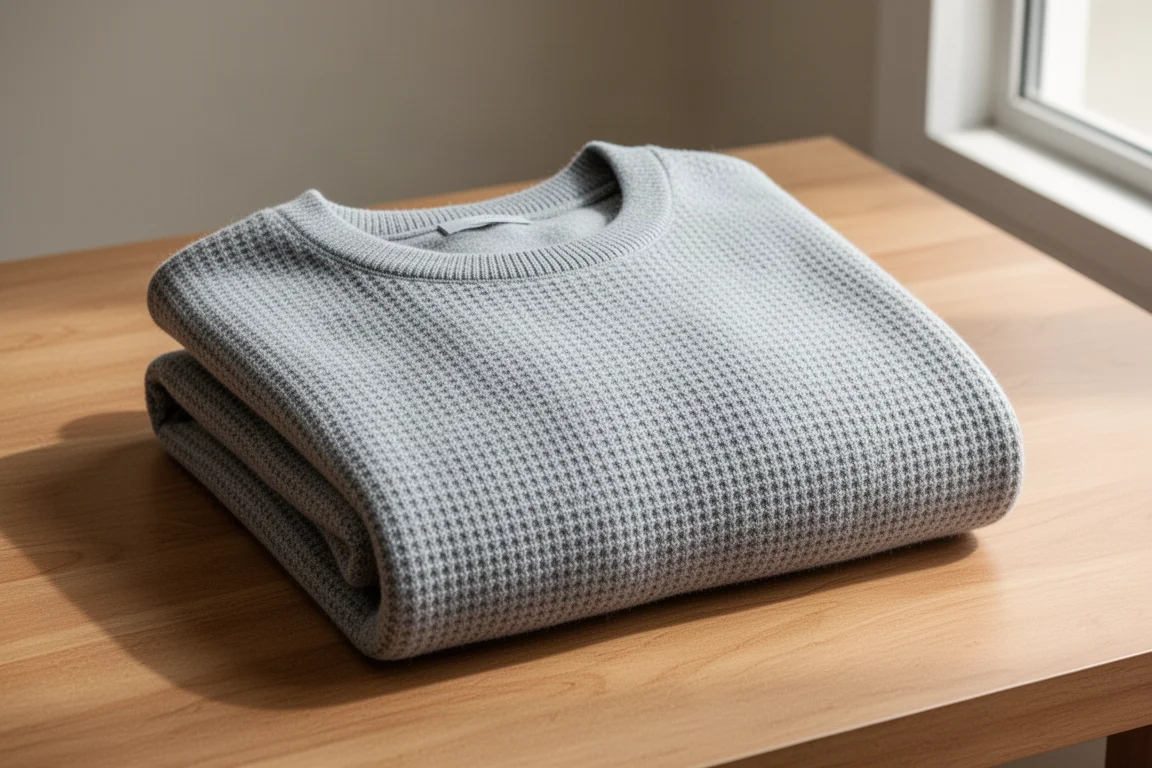
Farpoint Alpha Direct Crew: Lightweight Camp Insulation That Lasts
Alpha Direct has a reputation as a fabric that delivers exceptional warmth for its weight, and the Farpoint Alpha Direct Crew shows why. It is very light, extremely warm for what it weighs, and not especially compact when packed. The crew neck is a deliberate choice for a mid layer: it keeps hoods from stacking up behind the head.
Durability here has been a genuine surprise. The fabric is often described as fragile, but this piece has seen more than 300 days of use, including a 30-day thru-hike where it was worn every single day, with no issues. It has also been washed after nearly every trip, dozens of washes in total, without falling apart.
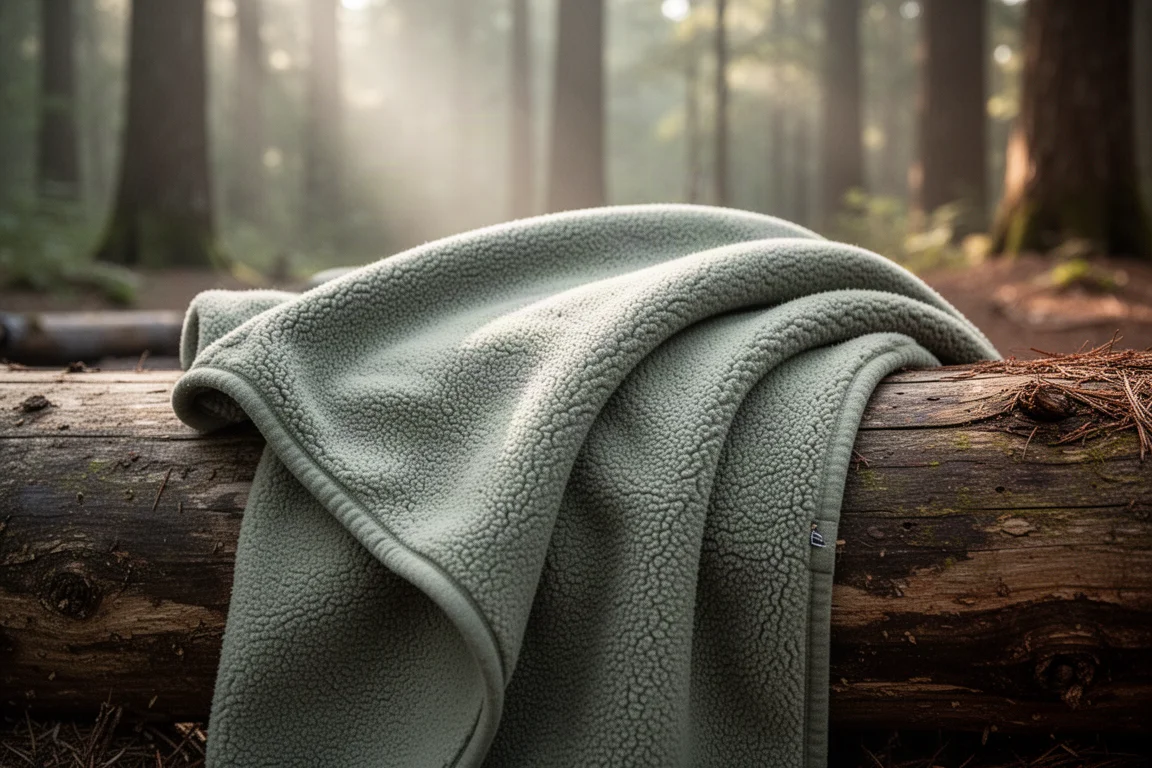
Context matters for that record. It is worn as a sleep layer and around camp rather than while hiking, and it is not worn under a loaded backpack. Used as an active layer beneath a pack, it would likely wear faster. As ultralight camp insulation, it has been excellent.
Space Bear Bags Poopmoji Bag: Small, Tough, and a Little Bit Fun
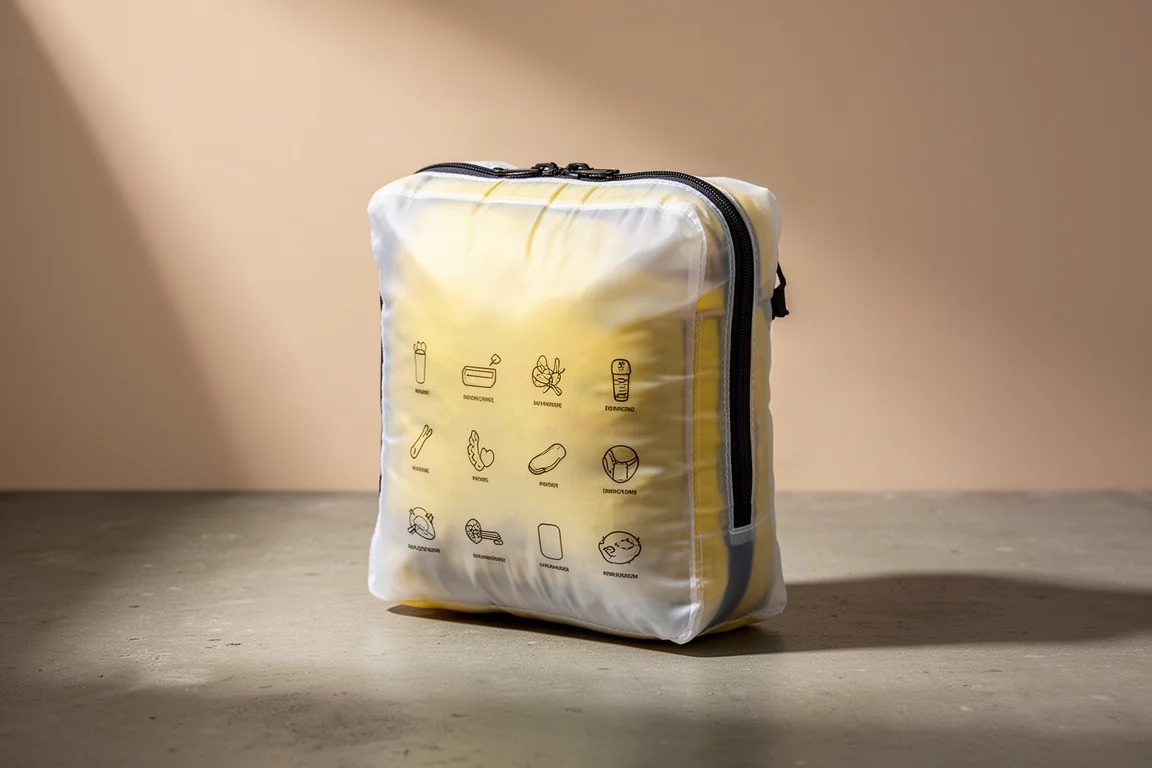
This is the bag that holds a backcountry bathroom kit, and it has been the most enjoyable small bag to own. It is sized to fit a full-length trowel along with the rest of the kit, and it is made from Dyneema with printed graphics that make it hard not to smile at.
The bag eventually failed after five years and well over 400 days of use, but not where you would expect. The Dyneema held up. The failure was at the zipper, where a few teeth stopped engaging and occasionally separated, letting contents spill into the bottom of a pack. That is a genuine annoyance, and the bag was replaced immediately with the same model.
The replacement is slightly larger and less yellowed than the worn original, and the extra room is welcome for longer trowels. Less pressure on the zipper may also mean a longer service life. Given how much use the first one delivered, that seems like a reasonable bet.
Platypus QuickDraw: The Filter That Keeps Showing Up
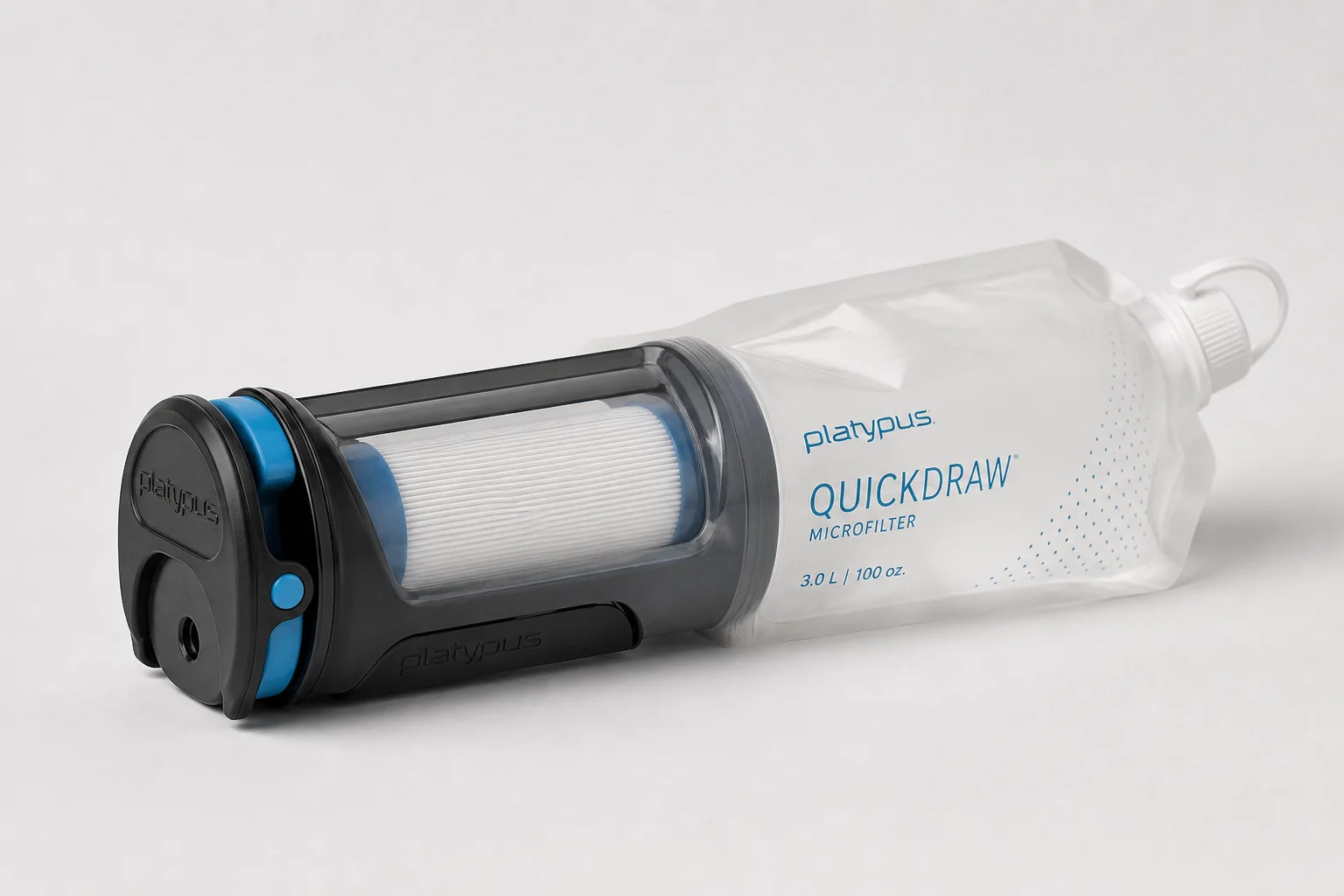
Of all the water filters out there, the QuickDraw is the one that has stayed consistently reliable. Flow rate is strong, there are plenty of attachment options, and caps on both ends allow it to be fully sealed, which is genuinely useful when cold weather means storing a filter in a sleeping bag overnight.
Two QuickDraws have been in rotation over the past five or six years. The blue one has around 300 days on it and is still going strong, while the pink one has 50 to 60 days and is also performing well. When a filter keeps working across that many trips with that little fuss, there is little reason to look elsewhere.
Trekology 2.0 Pillow: Stable Sleep Support for Under $20
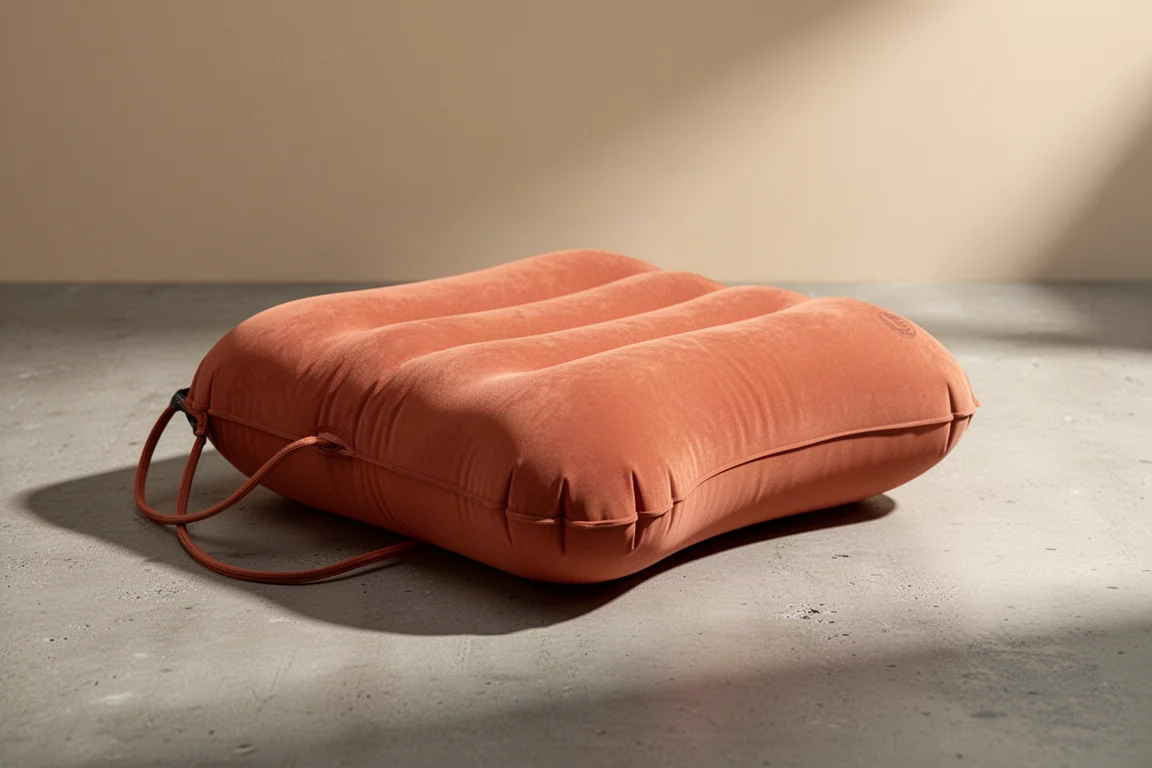
The Trekology pillow was among the first to use a pad strap to hold a pillow in place on a sleeping pad, and that single detail changes how a night goes. No more chasing a pillow around the tent while turning over.
The shape is ergonomic, with a curve that a shoulder can settle into, and the stability is better than most inflatable pillows, which often feel like lying on a balloon. The soft top material helps. It weighs 95 grams and costs under $20, a fraction of what many comparable pillows cost.
The main limitation is height. It is not the tallest pillow on the market, so side sleepers with broader shoulders may need to place something underneath to raise it and keep the neck aligned.
Across six years, two Trekology pillows have been used. The blue one developed a leak after more than five years and over 100 nights of camping, while the orange one has around 20 to 30 nights so far and is holding up. There are reports of units arriving defective or leaking early, and quality control is not perfect. What helps is that the brand replaces leaking pillows without hassle. At this price, and with that support behind it, the pillow remains an easy recommendation.
BRS 3000 Stove: 25 Grams of Reliable Boiling
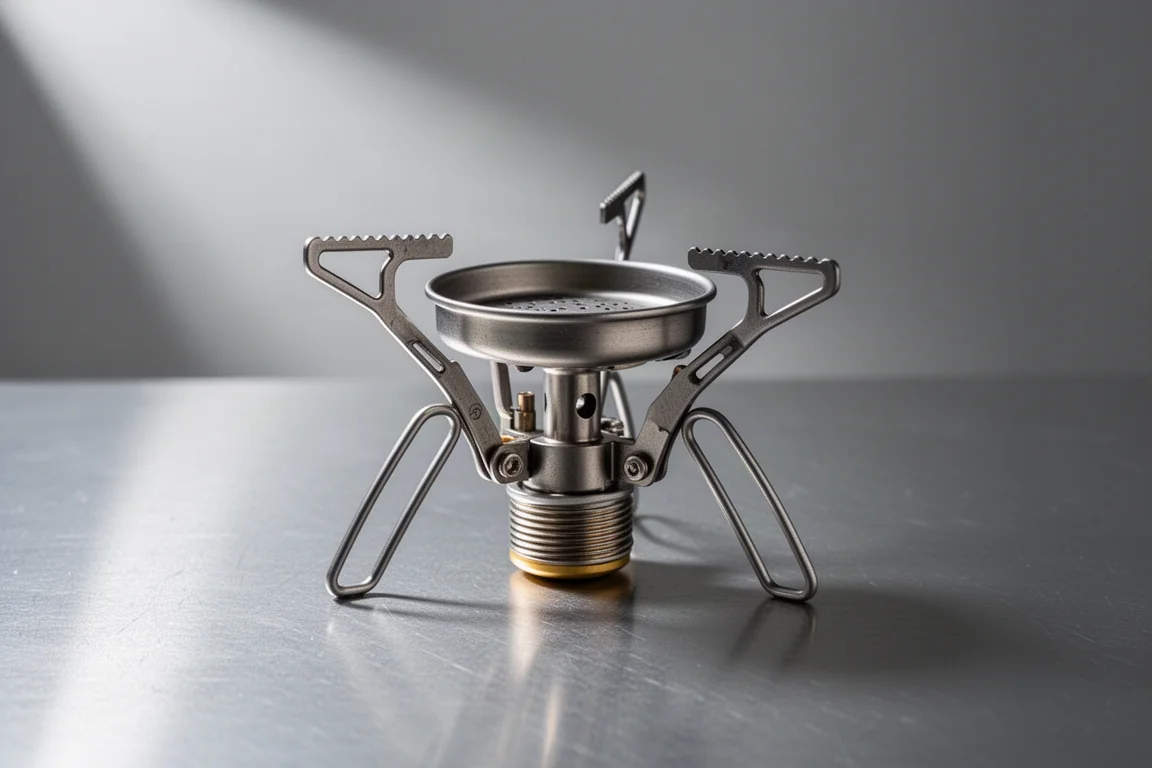
At 25 grams, the BRS 3000 is about as light as a canister stove gets, and it works well enough to handle nearly every situation. This particular unit has been in use for over seven years with roughly 500 boils on it.
There is a caveat worth knowing. Two were originally purchased, and the first failed almost immediately: in heavy wind, one of the pot support arms melted, bent, and dropped a pot of hot water. The likely cause was insufficient titanium content in that arm. That problem does not appear to affect the current unit, which has been used in strong wind and difficult conditions without a single arm bending, and reports of that failure mode seem to have faded.
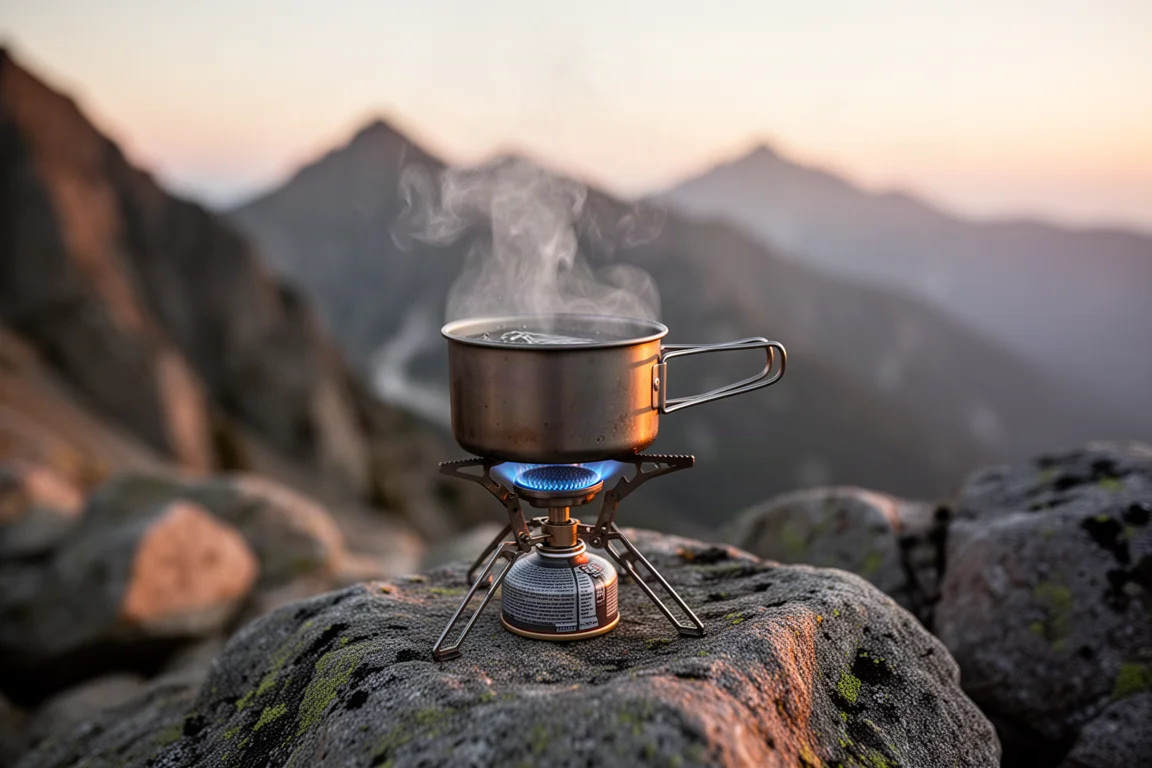
Maintenance has been minimal. The rubber gasket at the canister connection has not needed replacement yet, though doing so preemptively is a sensible precaution before a long trip. For the weight and the simplicity, this stove is hard to argue with.
Overall Buying Advice
These six items share a pattern: modest cost, low weight, and a long service life under ordinary use. That combination is more useful to most backpackers than a spec sheet full of extremes.
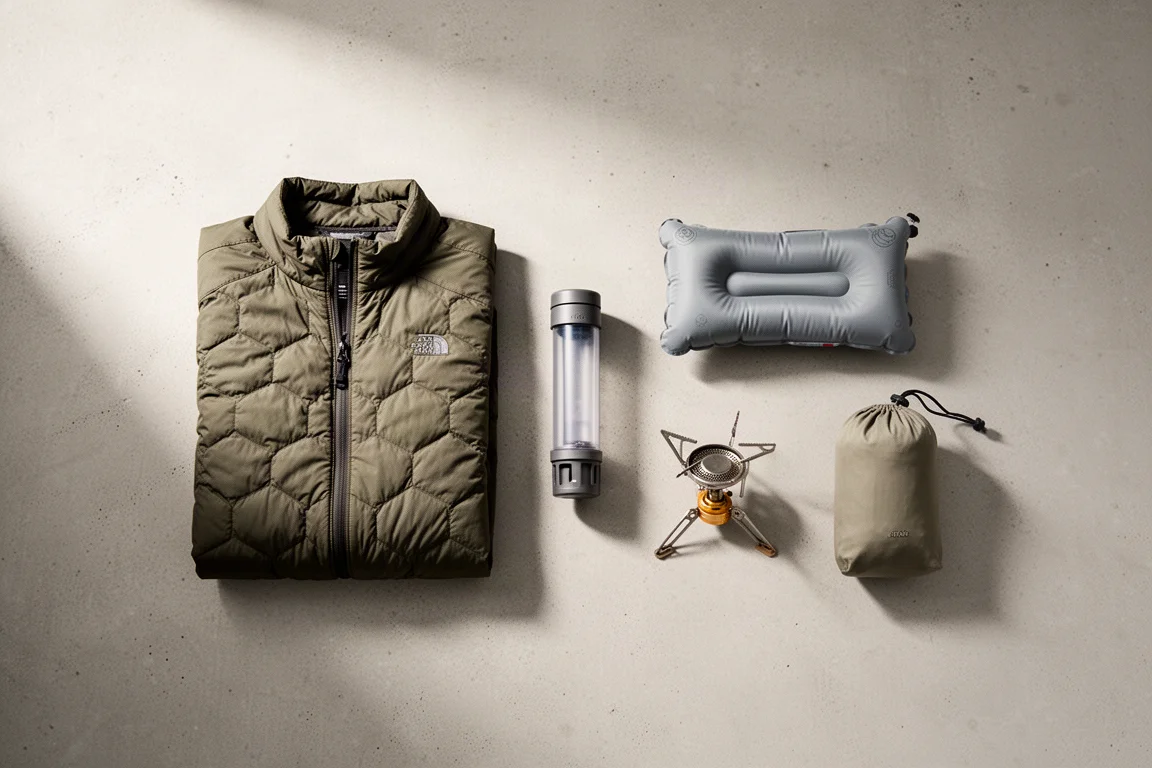
When building your own kit, prioritize the items you use every day on trail: insulation for camp, a pillow you actually sleep on, a filter you trust, and a stove that lights when you are tired and cold. A bathroom kit bag is a small purchase, but it gets handled twice a day, so a durable option pays off over the years.
Be realistic about how you will use each piece. The Alpha Direct crew has lasted because it is a camp and sleep layer rather than an active layer under a pack. The Trekology pillow is excellent value but not the tallest option. The BRS stove is remarkably light, and worth a quick pre-trip check of its gasket. Matching gear to actual use is what keeps it in the pack season after season.
Conclusion
Longevity is the least glamorous specification in backpacking, and it is often the one that matters most. Each of these six items has been carried for years, and most are still in service. Two failed, were replaced with the same model, and are back on the trail, which may be the strongest endorsement of all.
Further reading
Related Reviews

Backpacking Gear
Building a 10 lb Base Weight: An Ultralight Backpacking Gear List
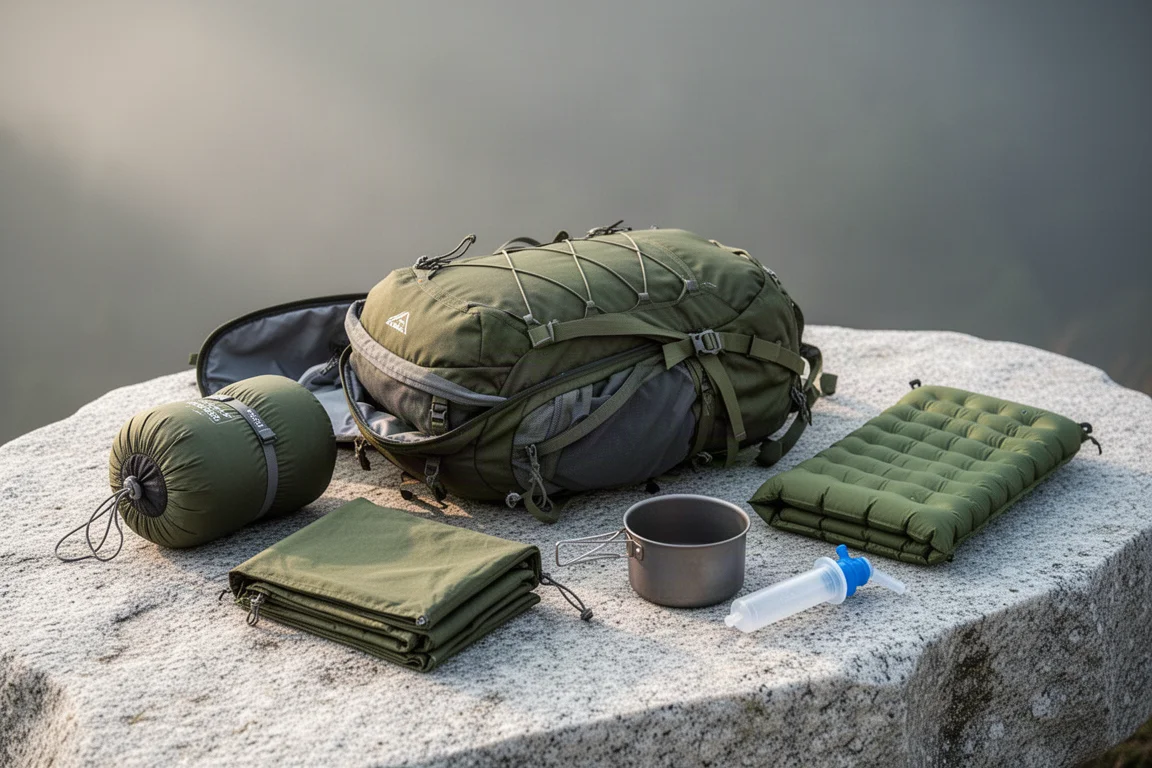
A practical walkthrough of the ultralight pieces behind a 10 lb base weight, from a 765 g pack and a roomy one-person tent to a full camp chair and a dependable water filter.
Backpacking Gear
A 15-Pound Lightweight Backpacking Gear List for Solo Trips
A beginner-friendly 15-pound backpacking setup built from easy-to-find gear, with notes on what each piece does, how it packs, and where to spend your attention.
Backpacking Gear
8 Ultralight Backpacking Gear Upgrades Worth Carrying
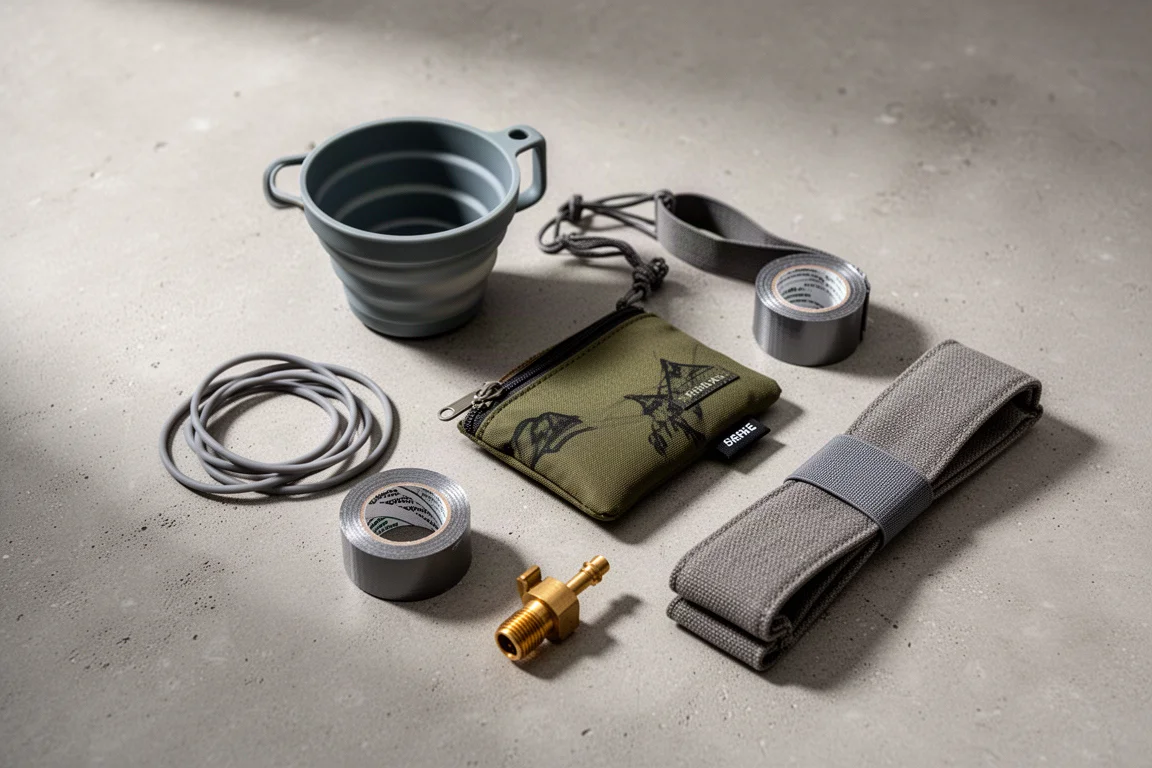
Eight small, affordable backpacking upgrades that solve real trail annoyances, from a pillow that stays put to a fuel valve that rescues leftover canister gas.