Coffee Brewing
Siphon Coffee Brewer: History, How It Works, and Why It Still Matters
A deep dive into the theatrical vacuum pot, from 19th-century patents to modern technique. Why siphon brewing persists in specialty coffee culture and what makes it fundamentally different from other brew methods.
Introduction
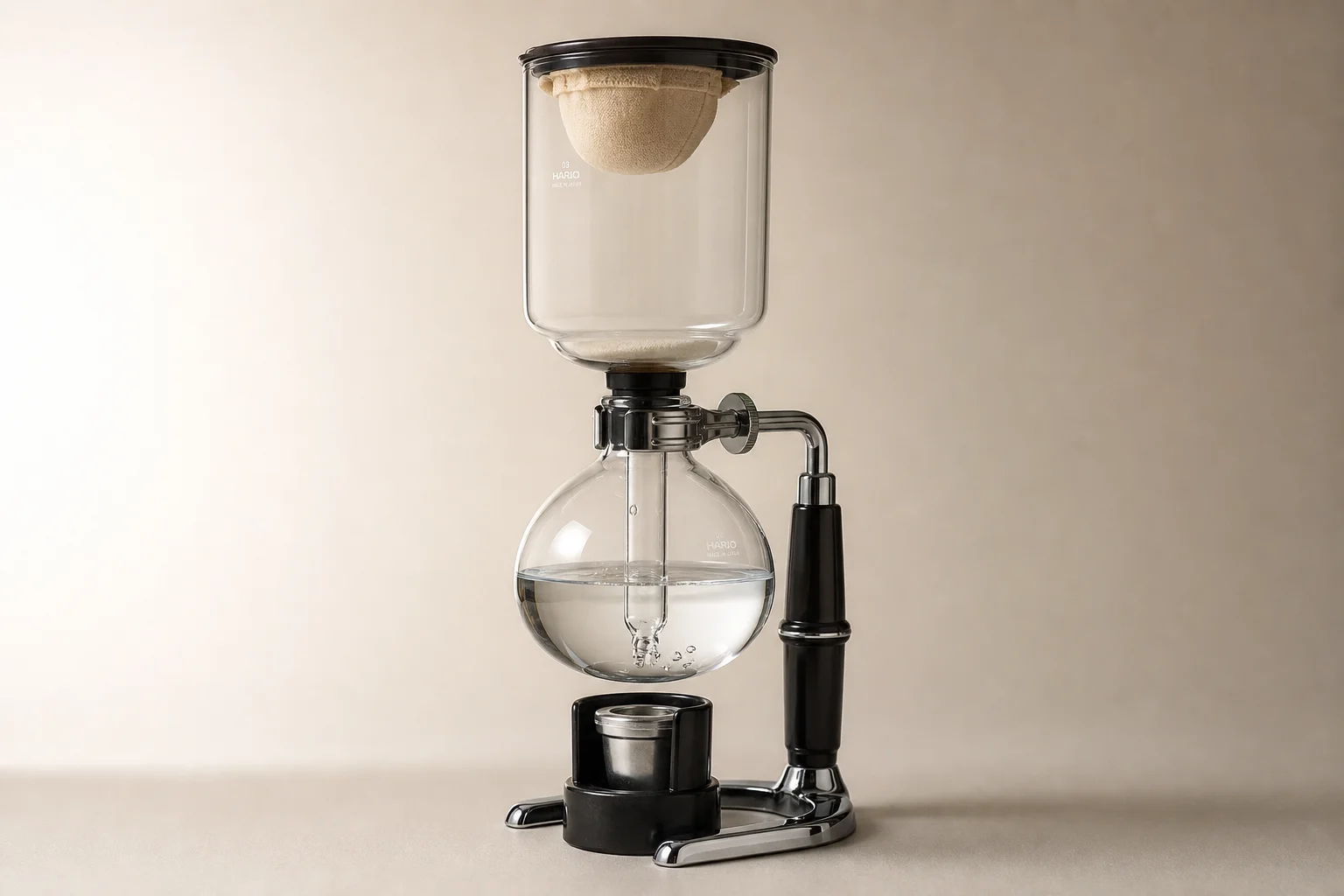
The siphon brewer is perhaps the most theatrical of all coffee brewing devices. It looks like something from a chemistry lab or a steampunk fantasy, and that visual appeal is precisely why many people buy one. They watch someone brew coffee with a siphon, fall in love with the spectacle, take it home, use it a few times, and then accept that they have purchased an expensive and beautiful coffee decoration rather than a functional brewer.
This is understandable. The siphon is finicky, requires attention, and demands a learning curve. But dismissing it as pure theater misses something important: the siphon brewer represents a genuinely different approach to coffee extraction, one that persists in specialty coffee culture for reasons worth understanding.
The History of Siphon Brewing
The exact origins of the siphon brewer are difficult to pin down. Patent records from the 1800s show numerous designs, and it appears that simultaneous invention played a role, with multiple inventors arriving at similar solutions independently. What is clear is that the mechanism has remained fundamentally unchanged from its inception to today: two chambers, heat, pressure, and a cooling phase that creates a vacuum to pull the brewed coffee back down through a filter.
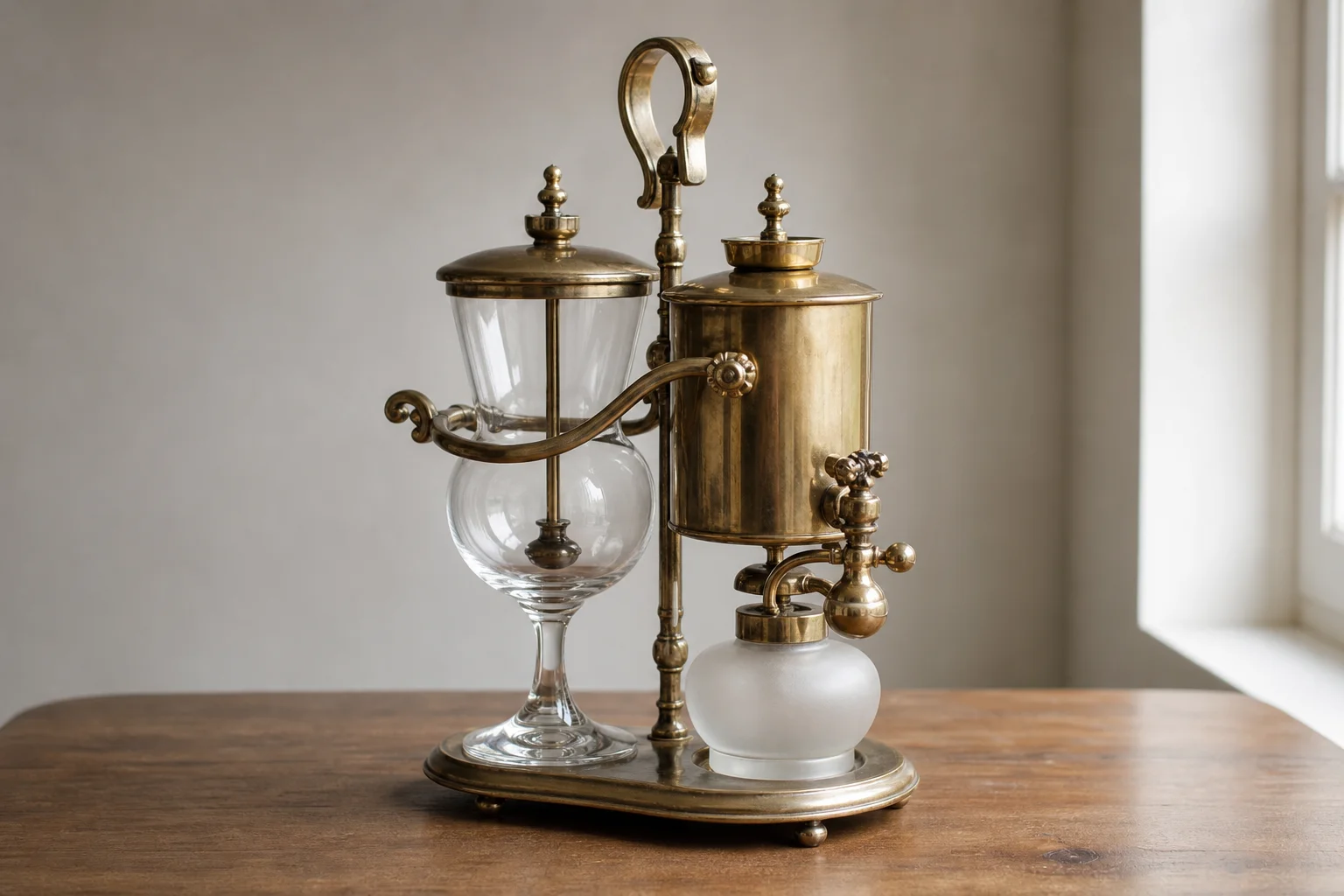
Early siphon brewers were heated with spirit burners, small alcohol-fueled lamps that provided consistent but slow heat. The glass used in these early models was not heatproof, making them fragile and dangerous if the water level dropped too low. This fragility led manufacturers to experiment with decorative designs and alternative materials, and the siphon quickly became associated with showmanship. By the 1800s, people understood that this was a brewer designed to be watched, not hidden away in a kitchen.
One particularly compelling innovation was the balance brewer, where two chambers sat side by side on a balance scale. As water boiled and transferred to the brewing chamber, the weight shift would eventually close a lid over the heat source, automating the shutoff. These were visually captivating but produced less consistent coffee. Some manufacturers even created locomotive-shaped brewers, combining the appeal of trains with the theater of coffee brewing.
Innovation and Evolution: Glass Filters and Electrification
The introduction of heatproof glass, particularly Pyrex, transformed siphon brewing in the early 20th century. The Silex brewer, introduced in the 1930s, became one of the first widely popular siphon brewers using this new material. Silex’s name allegedly came from an acronym: “Sanitary and Interesting method of making Luscious coffee. It is Easy to operate on account of it being X-ray transparent.” The company even built a seven-foot-tall working siphon brewer for the 1939 New York World’s Fair.
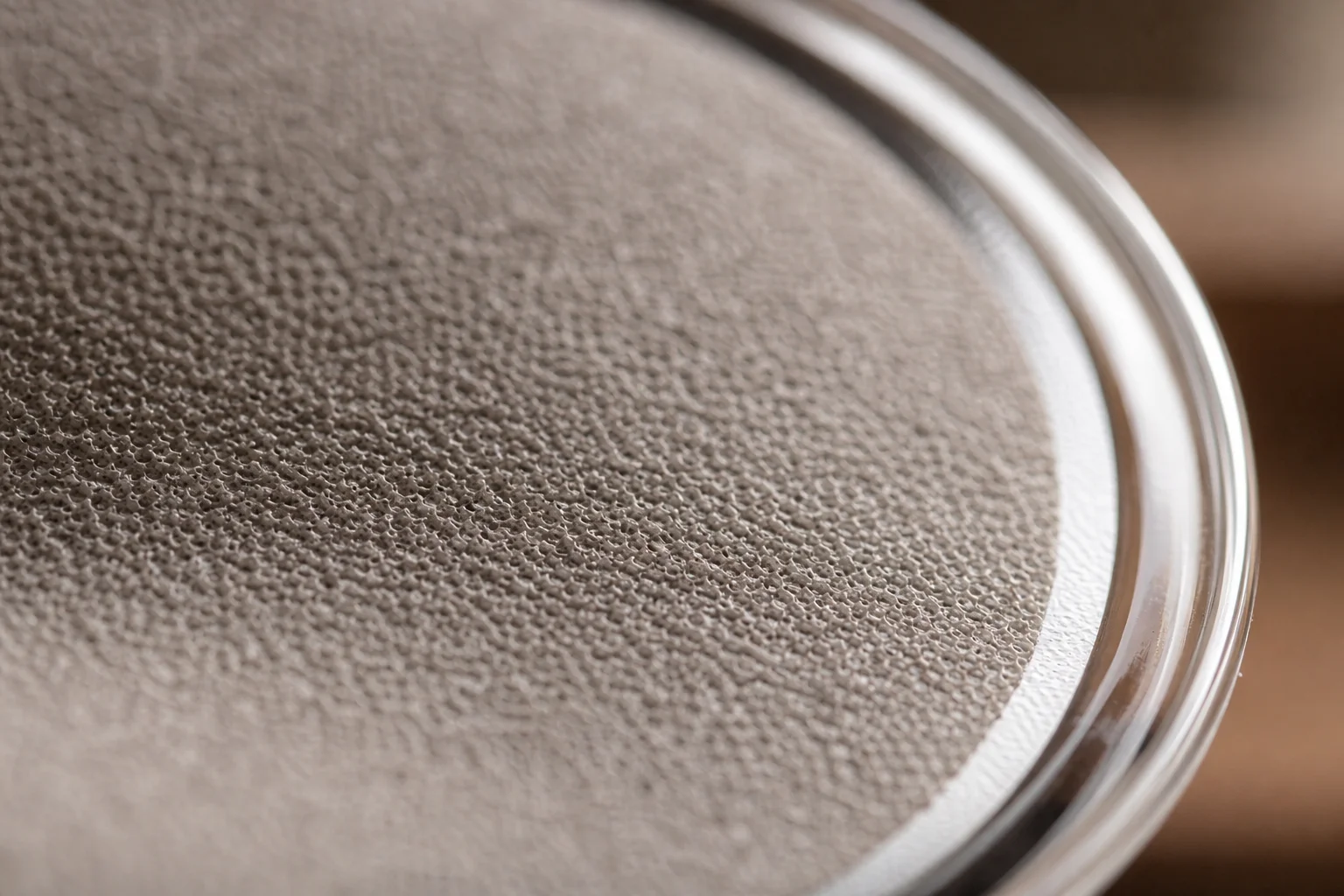
Around the same time, the glass filter emerged as a clever innovation. First patented by Raymond Kell of the Macbeth-Evans Glass Company in 1932, the glass filter featured a textured surface that allowed brewed liquid to pass through while trapping ground coffee. This reusable filter was elegant and effective, yet it largely disappeared from modern siphon brewers in favor of cloth and paper filters.
Despite innovations like electrification from the 1950s onward, siphon brewing began to fade in popularity across Europe and North America. The rise of instant coffee and convenient brewing methods like the Mr. Coffee drip brewer made the siphon seem unnecessarily complicated. By the late 20th century, siphon brewing had largely disappeared from Western home kitchens.
However, siphon brewing persisted in Asia, particularly in Japan. HARIO, originally an industrial glass manufacturer, began producing siphon brewers in the late 1940s and early 1950s, influenced by American coffee culture of that era. The siphon became HARIO’s first consumer product. Unlike Western siphons, which often brewed a liter or more, Japanese siphons typically produced smaller portions, between 250 and 600 milliliters, suggesting they were used for individual servings rather than household batches.
The persistence of siphon brewing in Japan may reflect cultural values around craftsmanship and skill. Siphon brewing is finicky and requires technique, and that difficulty was appreciated rather than dismissed. This cultural appreciation eventually led to the Japanese Siphonist Championship, which began in the early 2000s and became the World Siphonist Championship in 2009. The competition still runs today, a testament to the enduring appeal of this brewing method in specialty coffee culture.
The Brewing Process: Step by Step
Understanding how a siphon brewer works requires understanding its unique physics. Unlike most brewing methods, the siphon combines infusion and percolation in a single device, with constant heat input throughout the process.
The basic setup consists of two chambers: a lower chamber for water and an upper chamber for brewing. Water is heated in the lower chamber until steam begins to form. Once the upper chamber is sealed in place, the steam pressure builds and pushes water up through a tube into the upper chamber, where it mixes with ground coffee. This initial phase happens quickly, often before the water reaches boiling point.
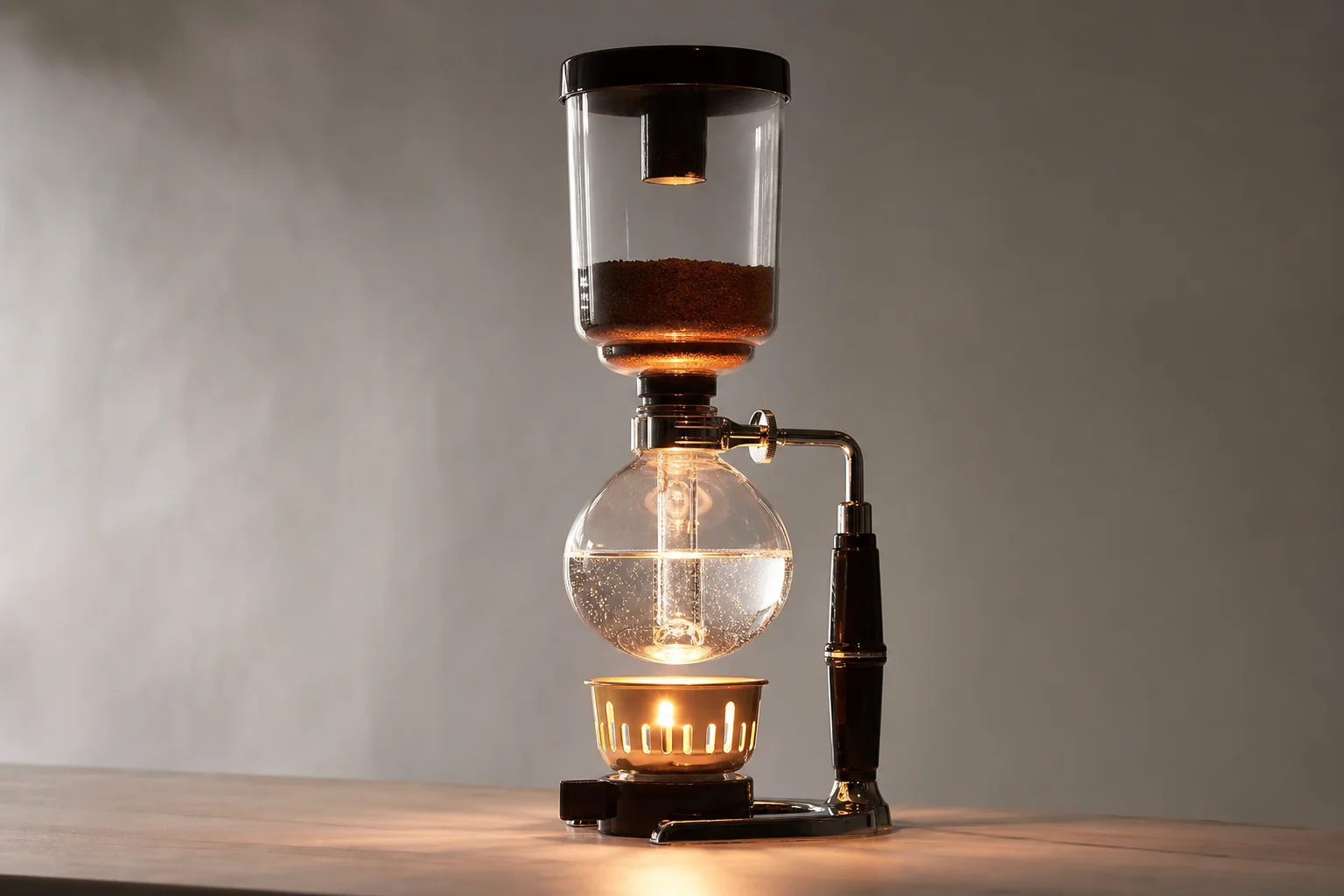
One critical detail: the upper chamber should contain nucleation points, typically small metal beads or a chain. Without these, water can superheat without forming steam, creating a dangerous situation. With nucleation points in place, boiling occurs safely and normally.
Once water enters the upper chamber, the heat should be reduced significantly. The goal is a gentle infusion, not vigorous boiling. As the coffee steeps, a crust of grounds forms at the top, a phenomenon unique to siphon brewing due to the constant upward pressure. Historically, brewers would break this crust periodically, though modern technique varies on this point.
The infusion phase can last as long as desired, but the siphon’s constant heat input means the brew gets hotter over time, unlike a French press where heat dissipates. One useful indicator of extraction progress is aroma: early in the brew, the coffee smells piney and resinous. As extraction reaches a good point, the aroma becomes sweet and caramelly.
When the infusion is complete, the heat is removed. The brewed liquid in the upper chamber begins to cool, steam condenses, and a mild vacuum forms. This vacuum pulls the brewed coffee back down through a filter into the lower chamber, leaving the grounds behind. The entire percolation phase takes about a minute.
Variables and Technique
The siphon brewer offers numerous variables to adjust, which is both its appeal and its challenge. Heat intensity, infusion time, grind size, agitation technique, and draw-down speed all affect the final cup. It is easy to produce a brew with a good infusion phase but uneven percolation, or an over-extracted infusion that tastes harsh and bitter.
Modern heat sources make a significant difference. Spirit burners, the traditional choice, are slow and frustrating. A halogen lamp or small camping burner provides faster, more controllable heat and is far more practical for regular brewing. The difference in ease and consistency is substantial.
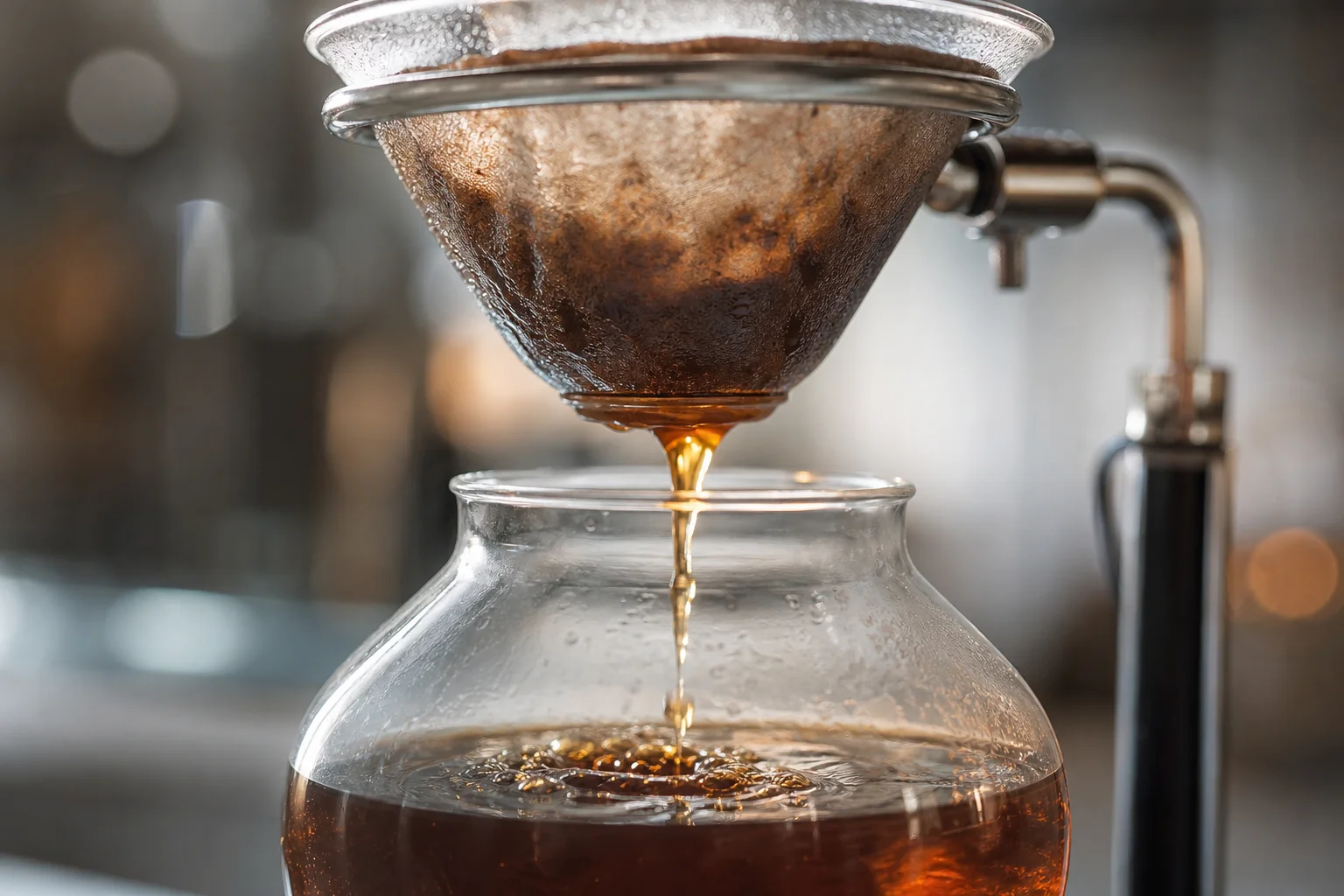
One unavoidable downside of siphon brewing is temperature. The brewed coffee emerges extremely hot, far hotter than most other brewing methods. It requires several minutes to cool enough to drink safely, which can be frustrating when the aroma and flavor are most appealing.
Cleaning and maintenance also demand attention. Cloth filters require regular rinsing and storage to prevent mold and off-flavors. The glass components are fragile and can break with careless handling. These practical considerations explain why many people abandon siphon brewing after initial enthusiasm.
For those willing to engage with these challenges, the siphon offers a genuinely different brewing experience. The visual theater is real, but so is the coffee quality when technique is dialed in. The method rewards attention and skill, which is perhaps why it has persisted in cultures that value craftsmanship.
Conclusion
The siphon brewer occupies a unique place in coffee culture. It is neither the fastest nor the most convenient brewing method, yet it has survived more than 150 years of coffee innovation. Its persistence in specialty coffee, particularly in Asia, reflects genuine appreciation for the brewing experience it offers, not mere nostalgia.
For those considering a siphon brewer, the honest assessment is this: buy one if you enjoy the process as much as the result, if you have time to learn proper technique, and if you appreciate the craftsmanship involved. Do not buy one expecting it to be a daily driver or a shortcut to great coffee. The siphon rewards patience and attention, and that is precisely what makes it worth exploring.
Product link
View more details for HARIO Siphon
This product is mentioned in the review. Check the specifications, options, and compatibility before buying.
View more details for HARIO SiphonFurther reading
Related Reviews
Coffee Brewing
AeroPress Clear Review: A Transparent Upgrade With Caveats
The new AeroPress Clear uses Tritan material and costs $50, but doesn't brew better coffee than the original. We tested durability, staining, and what the price increase means for the brand's future.
Coffee Brewing
Espresso Puck Prep: Techniques and Tools for Better Extraction
A comprehensive guide to espresso puck preparation, covering distribution methods, tamping techniques, and tools that genuinely improve your shots.
Coffee Brewing
Moka Pot Variations: Four Interesting Adaptations Worth Exploring
A detailed look at four moka pot variations, from pressure-valve designs to milk-steaming models and automated float systems, with honest assessments of their brewing strengths and practical trade-offs.