Coffee Brewing
AeroPress Clear Review: A Transparent Upgrade With Caveats
The new AeroPress Clear uses Tritan material and costs $50, but doesn't brew better coffee than the original. We tested durability, staining, and what the price increase means for the brand's future.
Introduction
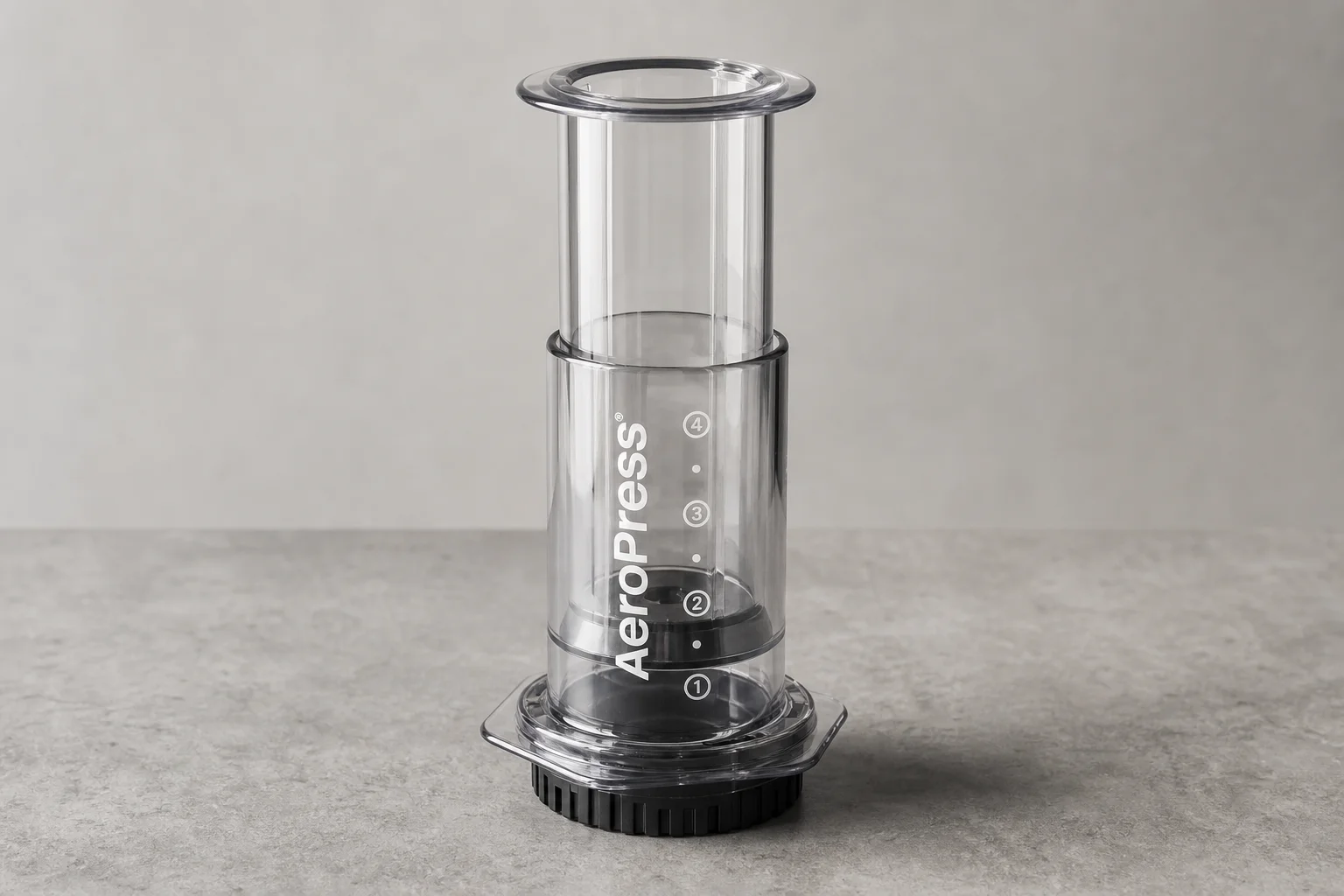
AeroPress has released a new Clear model using Tritan material, priced at $50 compared to the original’s $40. This marks a notable shift for a company that historically avoided frequent product launches. The transparent design appeals to those who want to see the brewing process, but the question remains whether the upgrade justifies the cost or signals a broader change in the brand’s direction.
Design and Materials
The AeroPress Clear uses Tritan, a material chosen to address durability issues that plagued earlier transparent versions. The cylinder is genuinely transparent, allowing full visibility of the brewing chamber and water level during the entire process.
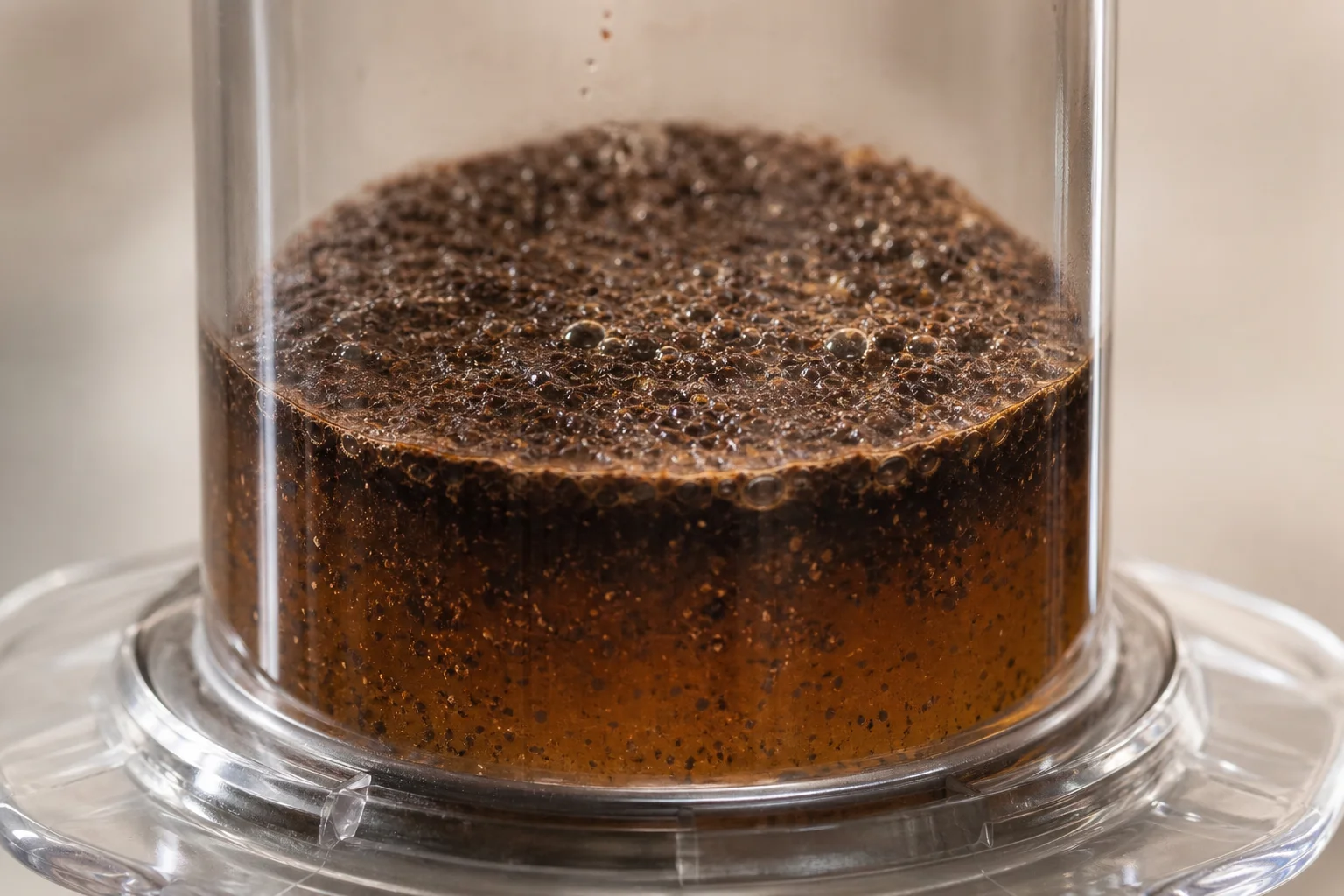
One manufacturing detail worth noting: small clouding marks appear at the top of the cylinder on multiple units, visible as slight blemishes where the material meets the cap. These don’t affect function but do feel slightly rough to the touch compared to the original AeroPress’s smoother finish. It’s a minor quality-control inconsistency that stands out on a $50 product.
The clear design itself is undeniably attractive. The visual appeal of watching coffee bloom and settle during brewing has genuine value for enthusiasts who enjoy observing the process. However, this aesthetic benefit doesn’t translate to any change in cup quality.
Durability Testing
A legitimate concern with transparent materials is staining over time. To assess this, we conducted extended contact tests with hot and cold coffee.
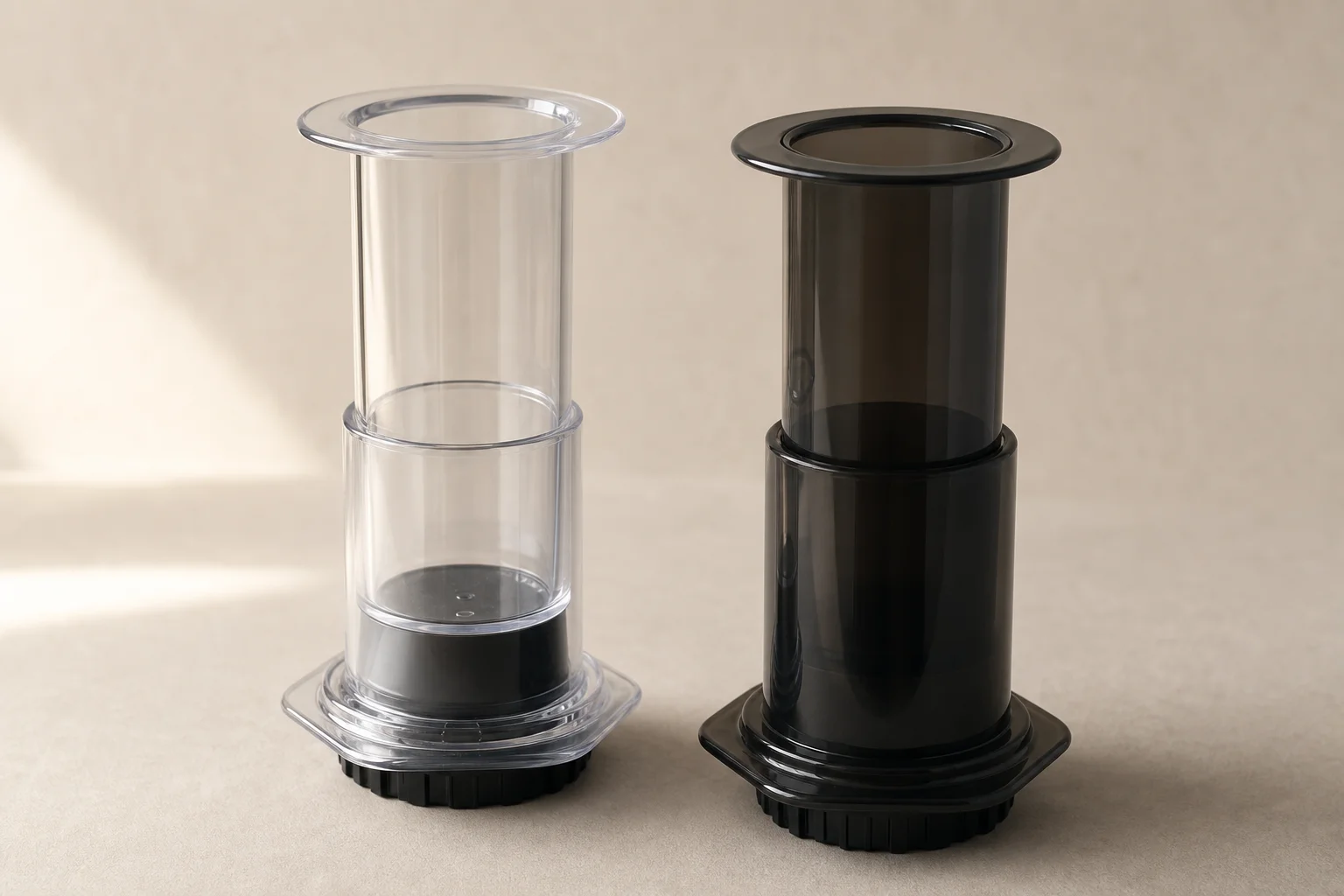
In the first test, we left brewed coffee sitting in a clear AeroPress for 20 hours at room temperature. No visible staining appeared. In a second test, we sealed both ends of another unit, brewed coffee inside, and held it at 90 degrees Celsius for 20 hours using a water circulator. Again, no meaningful discoloration developed.
We also performed drop tests from various heights, including drops from approximately six to seven meters. The Tritan material proved remarkably resilient, showing no cracks or structural failure. Based on these tests, durability and staining resistance are not concerns with this material.
What’s in the Box
This is where the product changes become more noticeable. The original AeroPress came with 350 paper filters in a dedicated holder, plus a stirrer and scoop. The Clear model includes only 100 filters in a shrink-wrapped packet, along with the same stirrer and scoop.
The reduction from 350 to 100 filters is significant. At typical daily brewing rates, the original package provided nearly a year of filters. The new package covers roughly three months. While paper filters are inexpensive to manufacture, this reduction feels like margin-squeezing on a product that’s already increased from $30 to $50 over recent years.
Additionally, the AeroPress Clear no longer includes the funnel that came with earlier models. The funnel was admittedly a humorous accessory, but its removal represents another subtle reduction in included value.
The packaging itself is smaller and less visually distinctive than the original’s already-modest box design. The product photography on the website doesn’t clearly show the reduced filter stack height, which feels like an intentional omission of a meaningful change.
Brewing and Final Thoughts
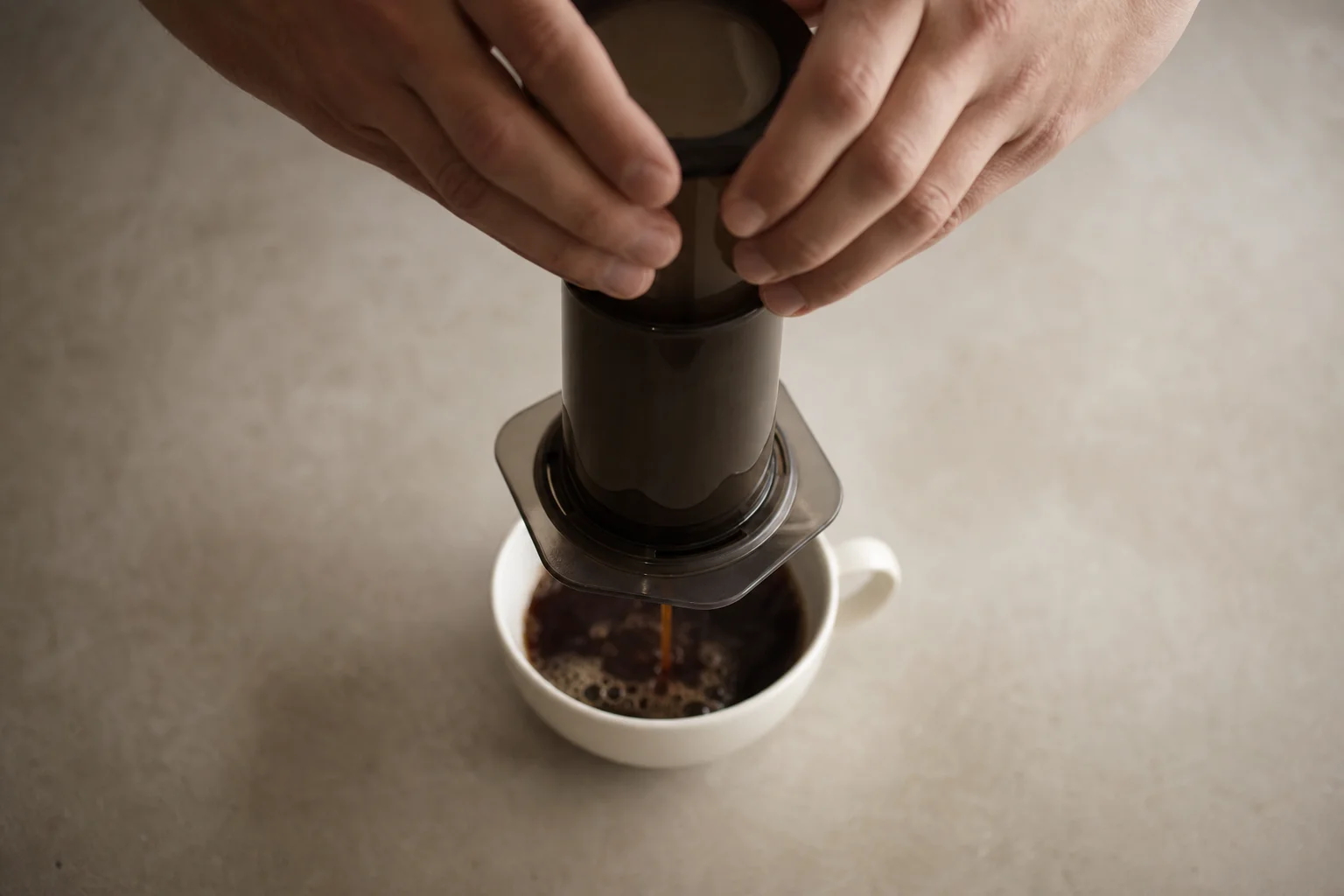
The brewing experience itself is largely unchanged. The hole pattern at the bottom of the cylinder has been modified compared to the original, though the practical impact of this change remains unclear. The transparent chamber does provide satisfying visual feedback as the coffee crust forms, settles, and the chamber cleans during the press.
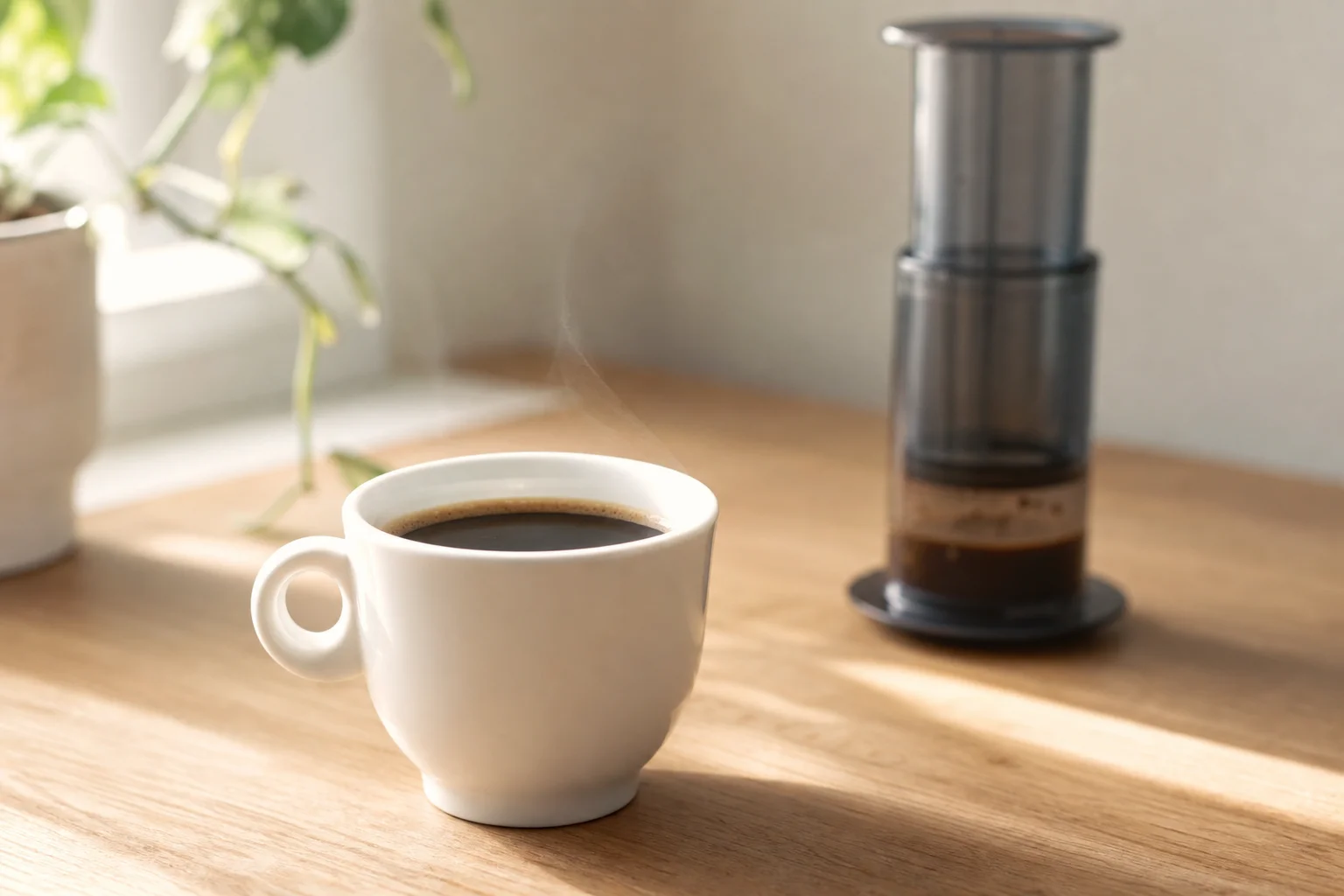
The coffee produced is excellent, as expected from an AeroPress. However, it is not noticeably better than the original model. The Clear version makes the same quality cup as its opaque predecessor.
For existing AeroPress owners, upgrading to the Clear model for $50 more is difficult to justify. The aesthetic improvement doesn’t translate to functional or flavor benefits. If you already own a working AeroPress, keeping it makes more financial sense.
For new buyers, the decision depends on priorities. If you value the visual experience of brewing and can find the original model for less than $40, that remains the better value. If the transparent design appeals strongly enough to justify the $50 price, the Clear model is a solid choice. The durability concerns that plagued earlier transparent versions are genuinely resolved.
The broader context matters here. AeroPress has historically been a budget-friendly, high-value brewer that built its reputation on accessibility and word-of-mouth enthusiasm. The company is now pursuing higher price points and more frequent product releases, including an upcoming XL model and a premium glass-and-metal version. The Clear model represents the first step in this repositioning, and whether this direction serves the community that made AeroPress successful remains an open question.
Conclusion
The AeroPress Clear is a well-executed transparent brewer that solves the material durability issues of its predecessors. It looks attractive and provides genuine visual enjoyment during brewing. However, it doesn’t improve coffee quality and costs $10 more than the original while including fewer filters. For enthusiasts who value the aesthetic experience and can afford the premium, it’s a worthwhile choice. For everyone else, the original AeroPress remains one of the best value propositions in coffee brewing equipment.
Product link
View more details for AeroPress Clear
This product is mentioned in the review. Check the specifications, options, and compatibility before buying.
View more details for AeroPress ClearFurther reading
Related Reviews
Coffee Brewing
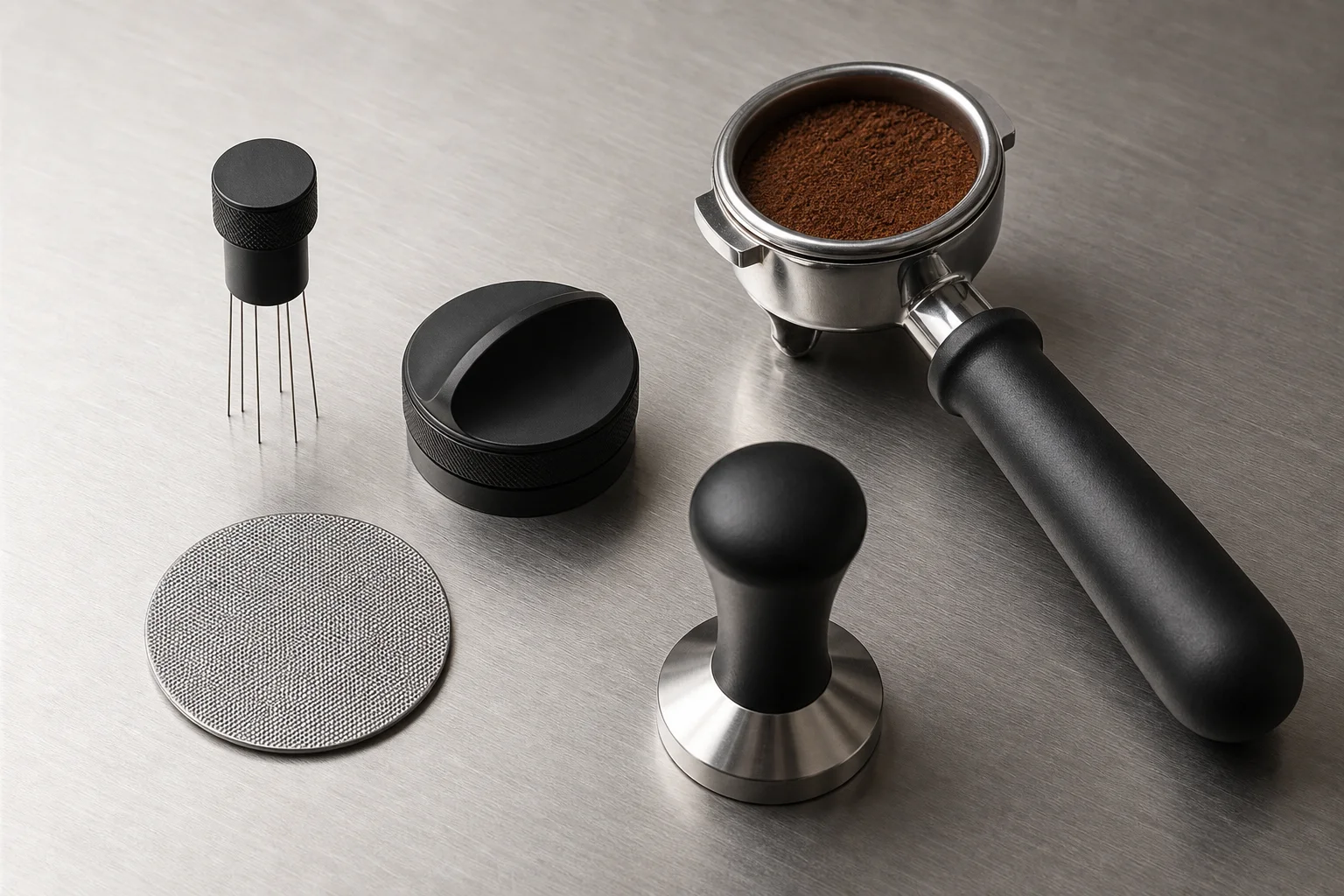
Espresso Puck Prep: Techniques and Tools for Better Extraction
A comprehensive guide to espresso puck preparation, covering distribution methods, tamping techniques, and tools that genuinely improve your shots.
Coffee Brewing
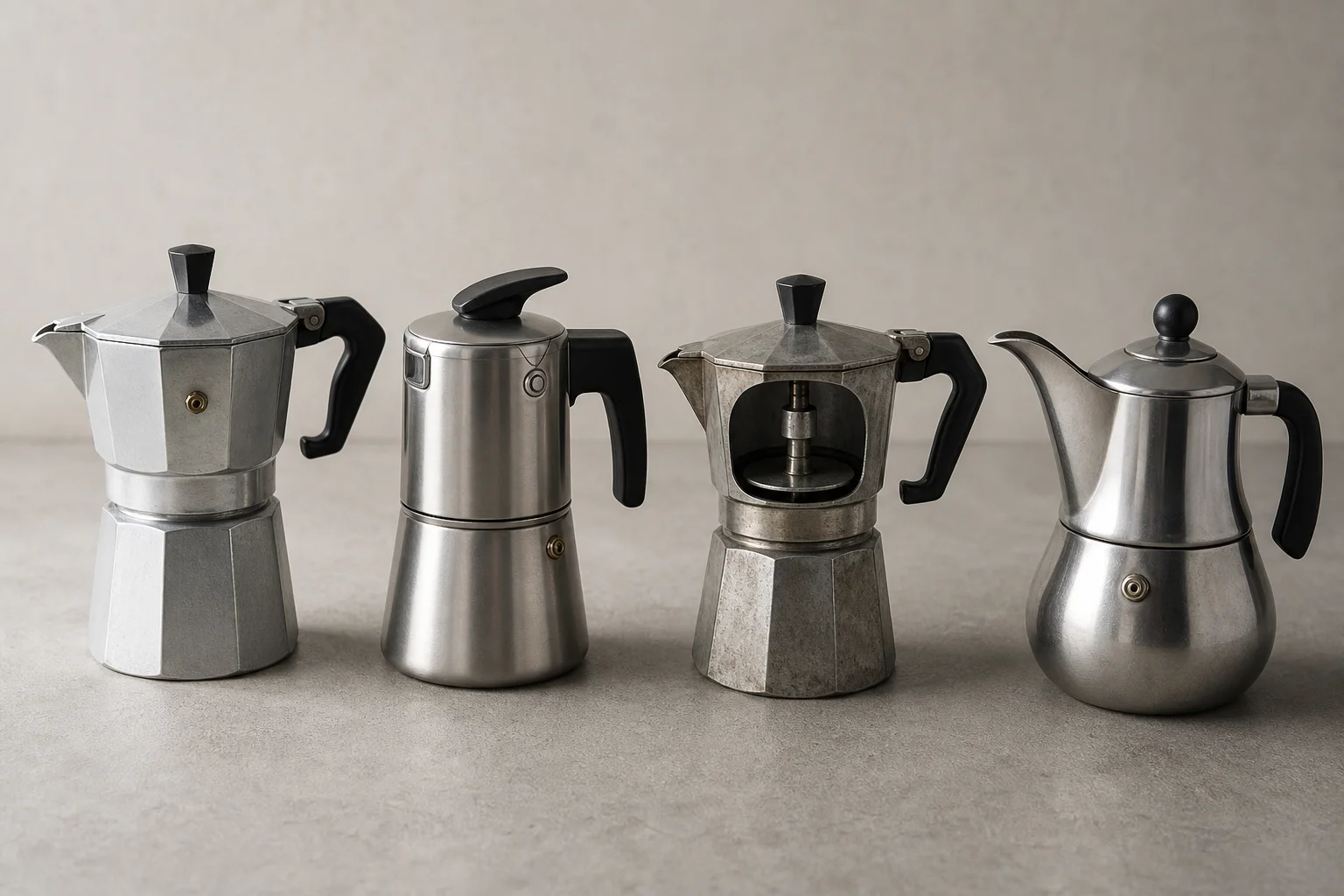
Moka Pot Variations: Four Interesting Adaptations Worth Exploring
A detailed look at four moka pot variations, from pressure-valve designs to milk-steaming models and automated float systems, with honest assessments of their brewing strengths and practical trade-offs.
Coffee Brewing
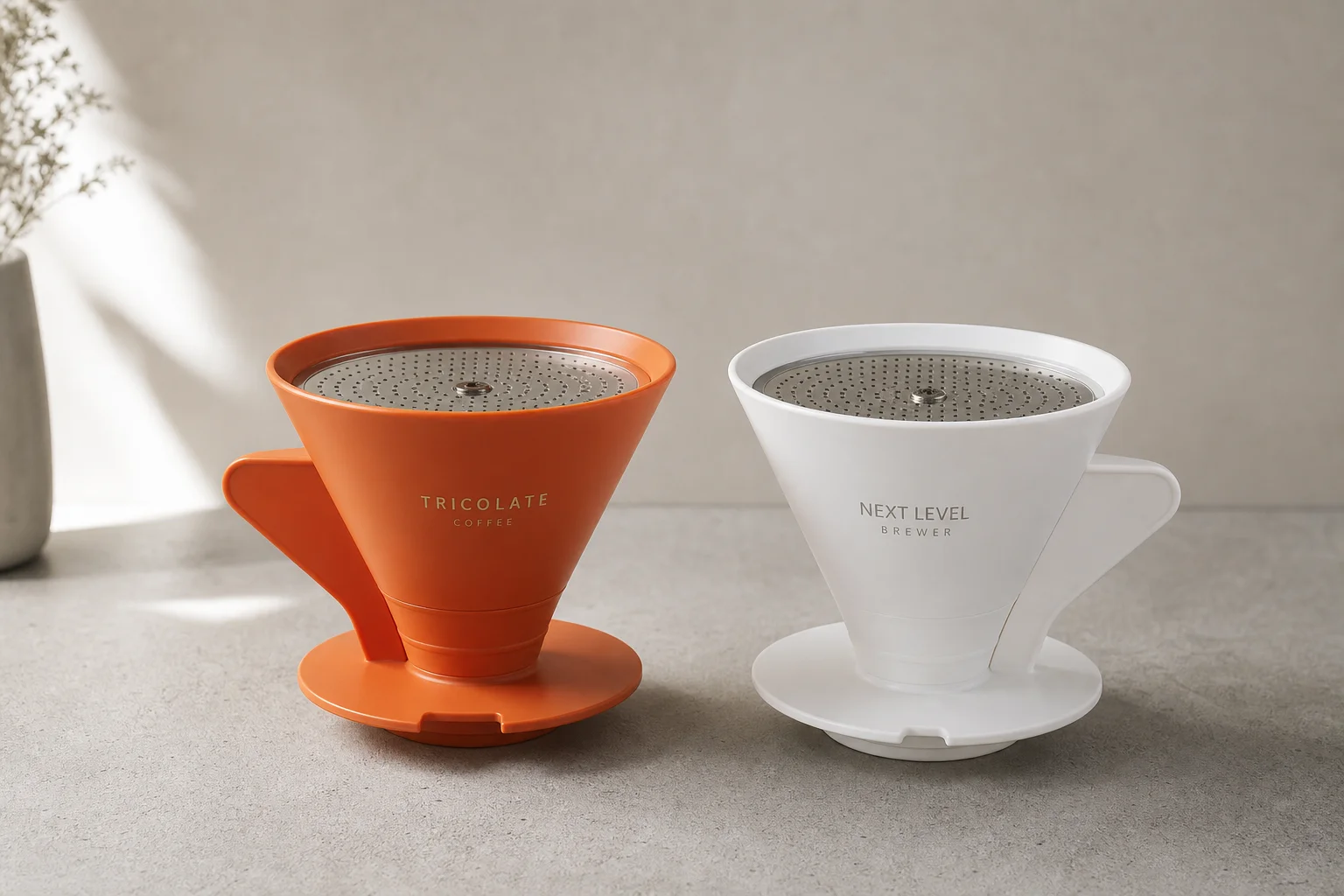
No-Bypass Brewing: Tricolate vs Next Level Brewer Compared
Two pour-over brewers designed to eliminate water bypass and deliver stronger, more flavourful coffee. Which suits your brewing style?