Coffee Brewing
Moka Pot Variations: Four Interesting Adaptations Worth Exploring
A detailed look at four moka pot variations, from pressure-valve designs to milk-steaming models and automated float systems, with honest assessments of their brewing strengths and practical trade-offs.
Introduction
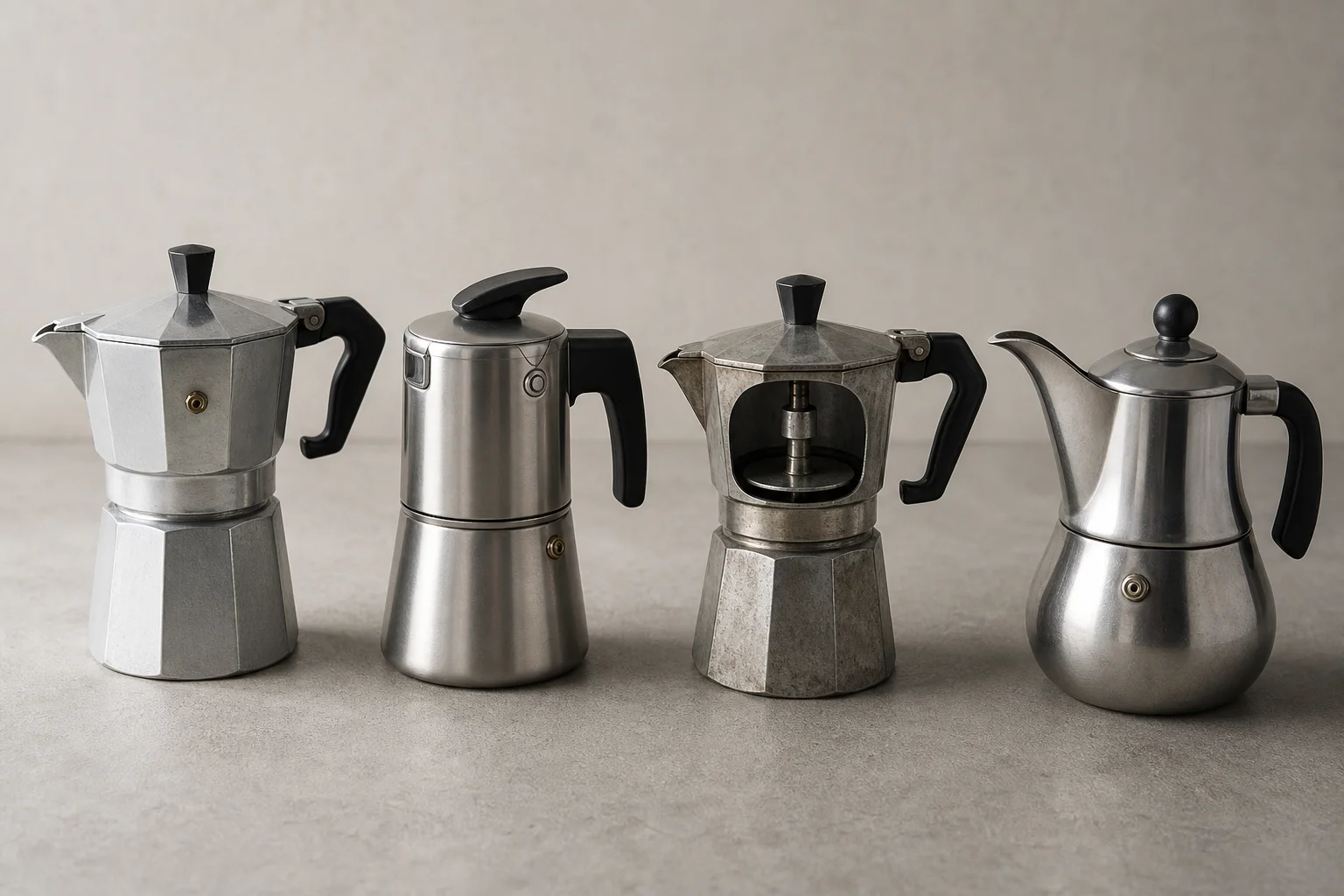
The moka pot has remained largely unchanged since its invention, yet several manufacturers have attempted to improve or adapt the design. This guide examines four notable variations, each addressing different brewing priorities, and assesses whether their innovations deliver meaningful improvements in the cup.
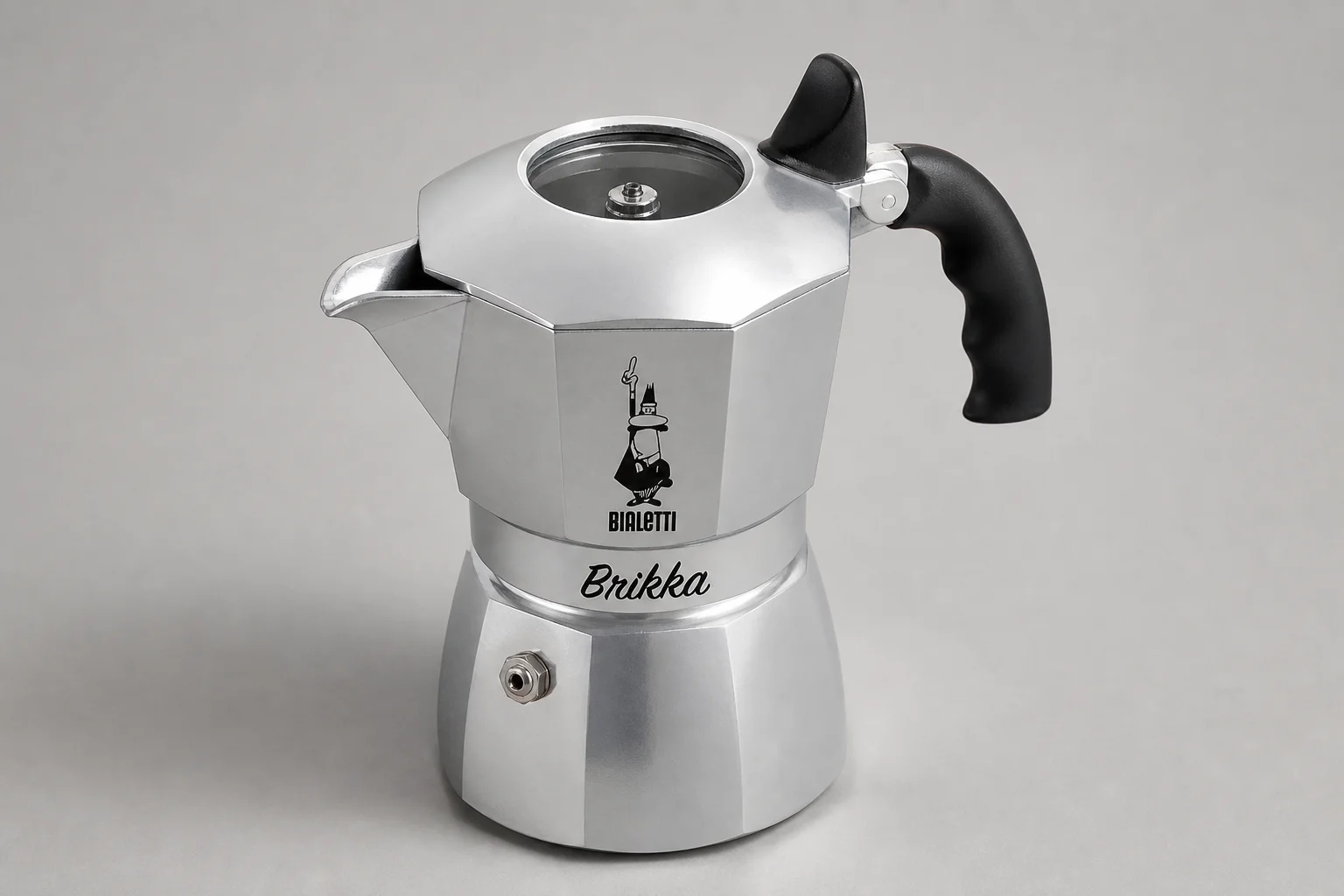
Bialetti Brikka: Pressure-Valve Innovation
The Brikka introduces a small rubber valve inside the top chamber that restricts coffee flow until internal pressure reaches approximately one bar. This design aims to build pressure within the pot, potentially creating a richer crema and more intense extraction.
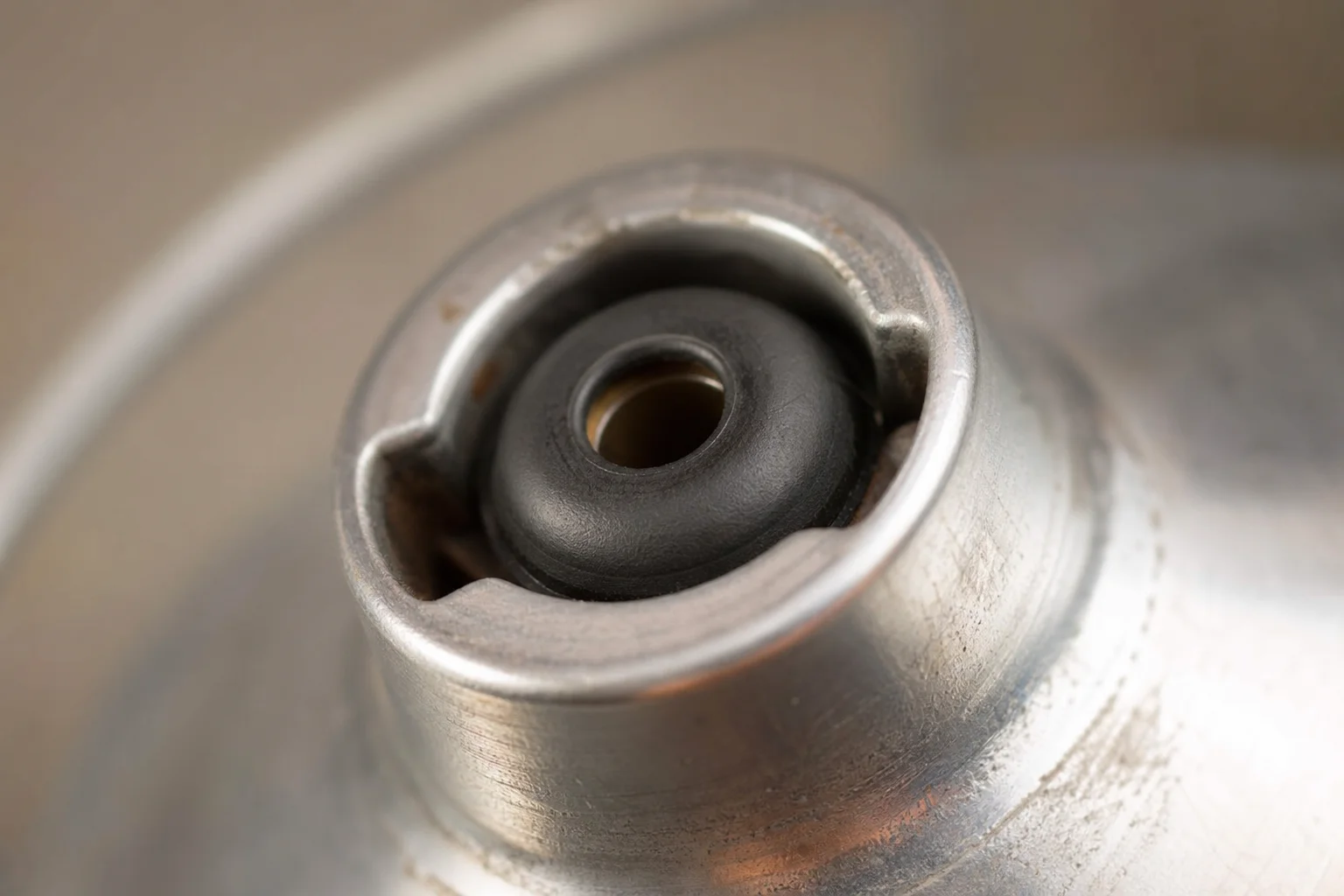
In practice, the Brikka produces a noticeably more intense, concentrated brew compared to a standard moka pot. The valve forces water to remain in contact with the coffee grounds longer, increasing extraction. However, this intensity comes with trade-offs. The resulting cup tends toward higher acidity and can taste over-extracted, particularly with lighter roasts. The top chamber becomes very foamy during brewing, though this foam does not transfer to the final cup. The pot also becomes significantly hotter and more aggressive during the brewing cycle, requiring careful heat management to avoid excessive bitterness.
The Brikka works best with darker roasts or coffees designed to handle higher extraction. For lighter, more delicate coffees, the aggressive pressure and heat can overwhelm subtle flavors. If you enjoy traditional, bold moka pot coffee and want more intensity, the Brikka delivers, but it sacrifices the flexibility of a standard pot.
Bialetti Muka Express: All-in-One Milk Steaming
The Muka Express attempts to combine moka pot brewing with milk steaming in a single device. It features a bayonet-style locking mechanism (eliminating the traditional threaded design), a water chamber with fill-level guides for gas or electric heat sources, and a separate milk chamber that steams milk using the pressure generated during brewing.
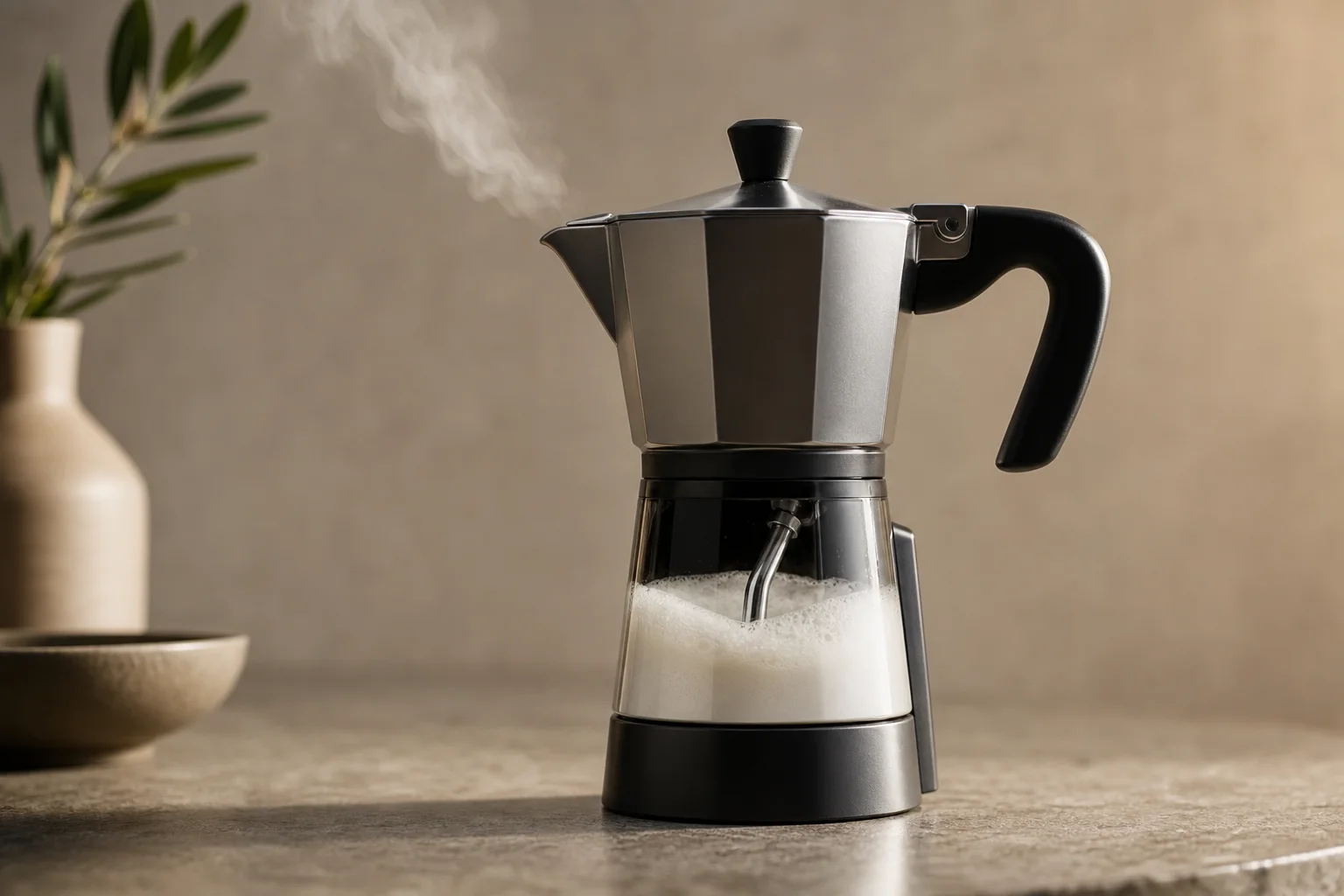
The innovation is conceptually appealing, but the execution falls short of practical milk steaming. The milk chamber heats milk through steam pressure rather than direct steam injection, resulting in lukewarm, inconsistently textured foam. The instructions promise a cappuccino-style drink, yet the milk rarely reaches the temperature or microfoam quality expected from dedicated milk steamers. The coffee itself brews adequately, but the overall experience feels compromised by the dual-function design.
For milk-based coffee drinks, alternative methods such as a microwave combined with a manual frother or a dedicated milk steaming wand produce superior results. The Muka Express is fun as a novelty but not recommended as a primary brewing solution for those who regularly drink cappuccinos or lattes.
Qu Moka: Automated Float-Valve System
The Qu Moka, a collaboration between Bialetti and Il Caffè, features an internal float mechanism attached to a valve. As the top chamber fills with brewed coffee, the float rises and automatically shuts off the brewing process at a predetermined liquid level. This eliminates the need to monitor the pot and prevents over-extraction.
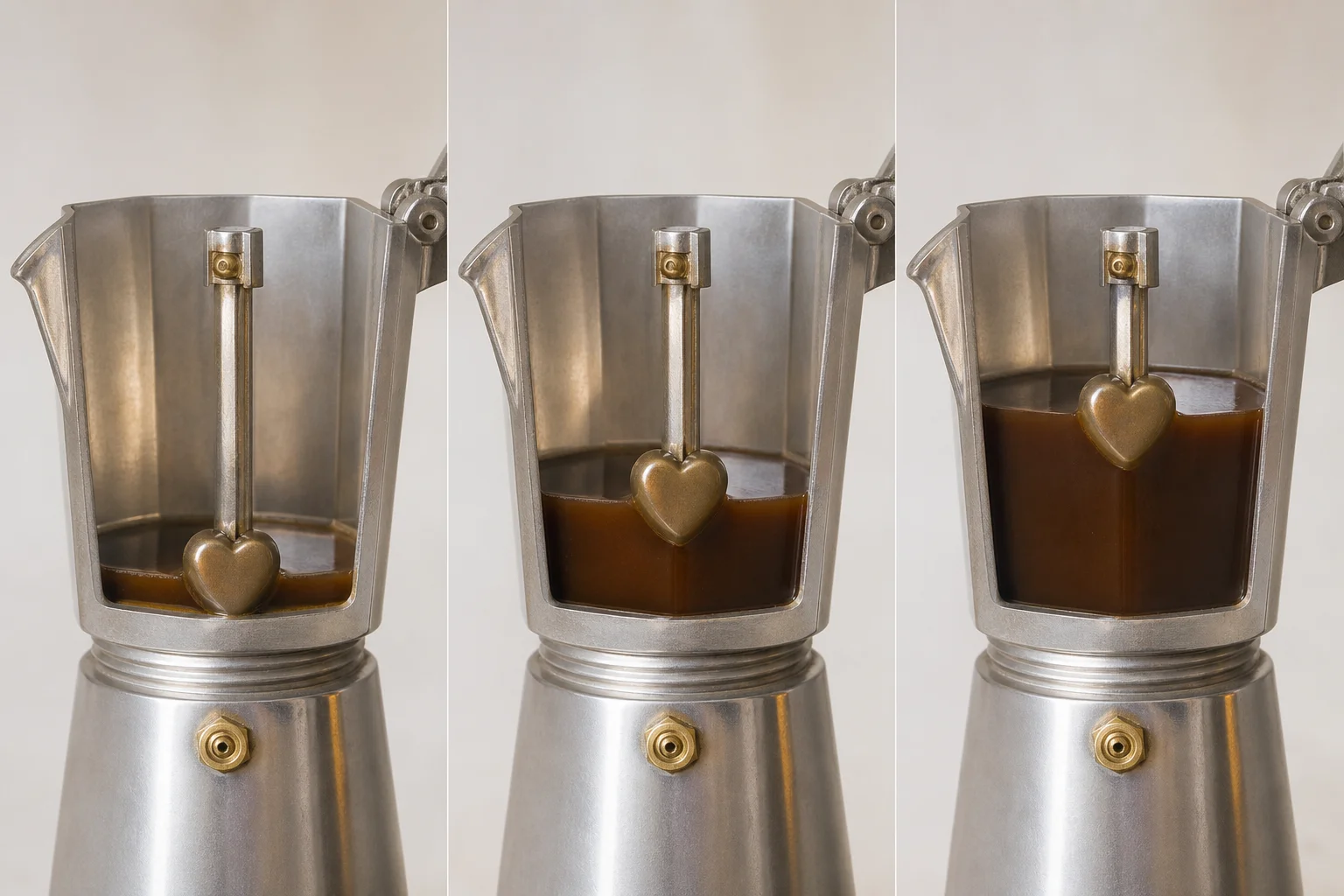
The float mechanism is subtle and effective, cutting off the brew at approximately 28 grams of liquid output (from a one-cup model). For darker roasts and shorter, more concentrated brews, this automation works well and produces a nicely textured cup without the need for active attention. The design removes the guesswork from brewing a consistent, shorter shot-style coffee.
However, this automation comes at the cost of flexibility. A standard moka pot allows you to brew anything from a short, concentrated ristretto-style cup to a longer, more extracted brew simply by stopping the heat at the right moment. The Qu Moka locks you into one brewing style. Additionally, the float mechanism works best with coffees that are already quite soluble; lighter roasts may not extract sufficiently before the float triggers, resulting in under-extracted, sour coffee.
The Qu Moka is an interesting innovation for those who prefer a specific brewing style and value convenience over flexibility, but it does not make a fundamentally better brewer. A standard moka pot in the hands of an attentive user can achieve the same result.
Camira Moka: Unconventional Foam-Focused Design
The Camira is perhaps the most unconventional moka pot variation. It features a separate water reservoir with a valve, a boiler section, and an unusual portafilter-style basket that produces a distinctive, thick foam. Most notably, the cup sits directly on top of the boiler during brewing, preheating it in the process.
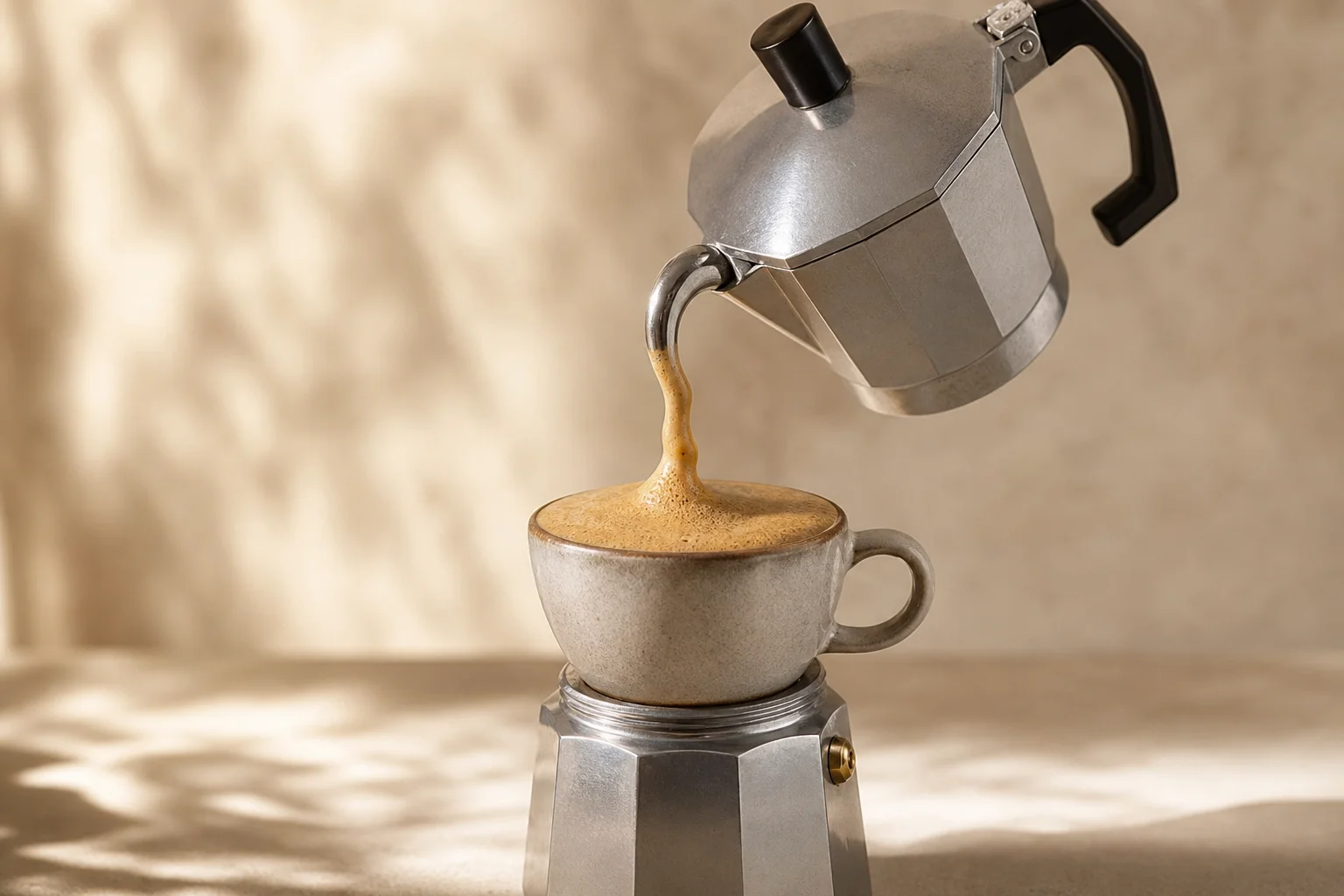
The Camira brews coffee in a bizarre but visually striking manner. The foam it produces is thick, creamy, and unlike anything a standard moka pot generates. The coffee itself is reasonably well-extracted, though the brew temperature runs slightly cooler than traditional moka pots, and the flavor profile leans toward the harsh, bitter end of the spectrum typical of darker roasts with high robusta content.
From a practical standpoint, the Camira has significant drawbacks. Placing a cup on a boiler heated to 120 degrees Celsius is unsafe and uncomfortable. The small filtration section at the bottom of the portafilter basket is poorly designed and does not contribute meaningfully to the brew quality. The reservoir and valve system add complexity without clear benefit.
That said, the Camira is undeniably fun and produces coffee that looks unlike any other brewing method. If you value novelty and visual appeal over practicality, and you enjoy darker roasts, the Camira offers a memorable brewing experience. For everyday use, however, a standard moka pot remains the more sensible choice.
Conclusion
These four moka pot variations each represent different approaches to improving or reimagining the classic design. The Brikka delivers more intensity but sacrifices balance. The Muka Express attempts versatility but excels at neither brewing nor steaming. The Qu Moka automates consistency but removes flexibility. The Camira prioritizes visual spectacle over practicality.
None of these variations fundamentally outperform a well-used standard moka pot. Each makes a specific trade-off, and whether that trade-off is worthwhile depends entirely on your brewing priorities and preferences. For most users, a traditional moka pot remains the most versatile and reliable choice.
Further reading
Related Reviews
Coffee Brewing
AeroPress Clear Review: A Transparent Upgrade With Caveats
The new AeroPress Clear uses Tritan material and costs $50, but doesn't brew better coffee than the original. We tested durability, staining, and what the price increase means for the brand's future.
Coffee Brewing
Espresso Puck Prep: Techniques and Tools for Better Extraction
A comprehensive guide to espresso puck preparation, covering distribution methods, tamping techniques, and tools that genuinely improve your shots.
Coffee Brewing
No-Bypass Brewing: Tricolate vs Next Level Brewer Compared
Two pour-over brewers designed to eliminate water bypass and deliver stronger, more flavourful coffee. Which suits your brewing style?