Sim Racing Equipment
Simpson Pro Sim Racing Pedals Review: Budget-Friendly Performance That Surprises
Steel construction, extensive adjustability, and responsive sensors make the Simpson Pro pedals a compelling choice for sim racers seeking affordable quality without compromise.
Introduction
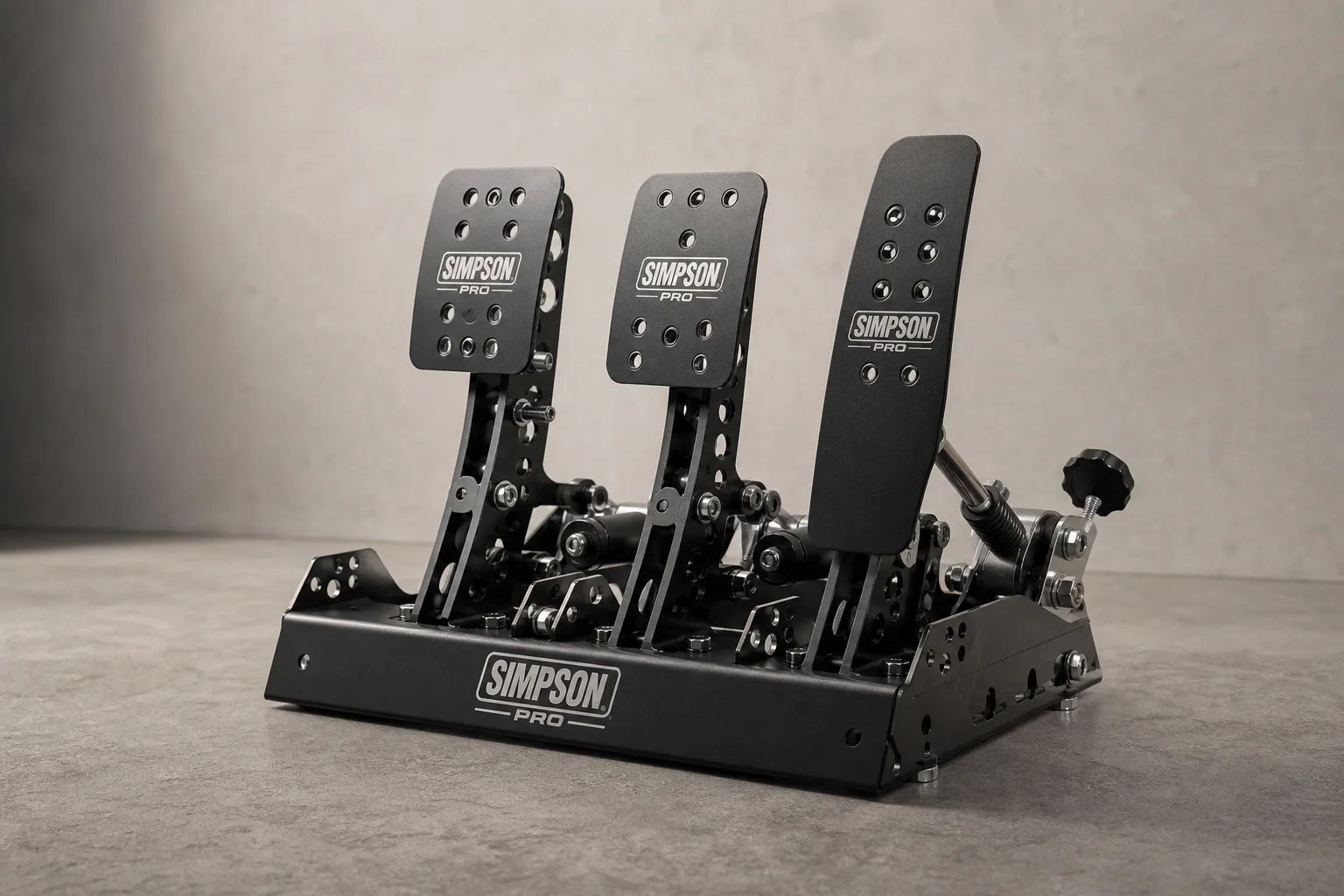
The Simpson Pro sim racing pedals arrive at a crossroads: they carry a professional name and impressive build quality, yet cost around $230, placing them directly alongside the Thrustmaster T-LCM, a well-established budget option. This review examines whether Simpson’s entry into the sim racing pedal market delivers genuine value or simply rides on brand ambition.
Build Quality and Construction
Simpson has engineered the Pro pedals entirely from steel, with all components laser-cut to 3mm thickness. This approach prioritizes rigidity and durability over lightweight design. In practice, the pedals feel solid underfoot with no unwanted flex, side-to-side movement, or squeaking during use.
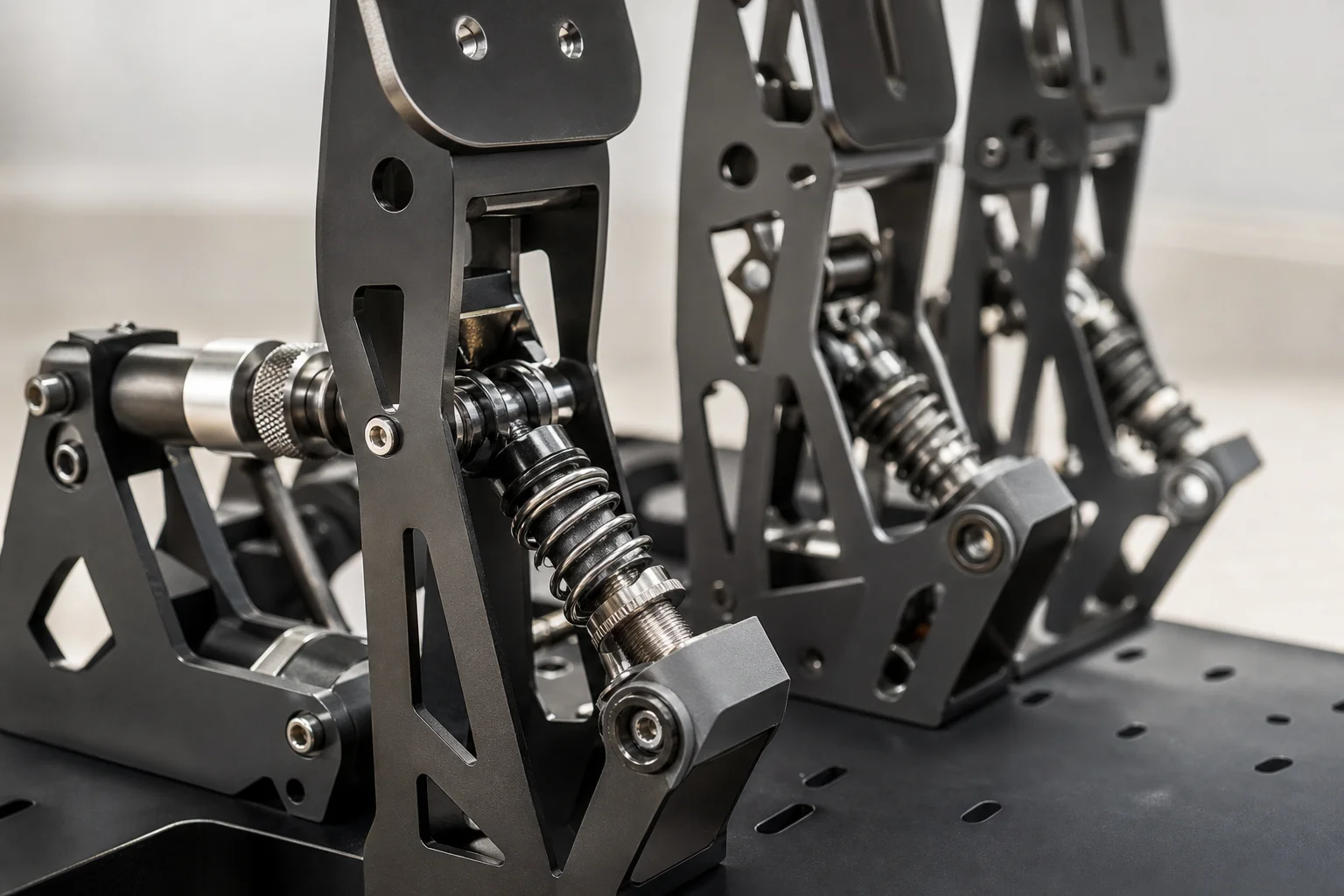
One practical consideration: the pedal faces are flat and only 3mm thick with firm, unrounded edges. Without shoes, heel-toe downshifting becomes uncomfortable as your foot contacts the throttle’s sharp edge. Wearing racing shoes eliminates this issue entirely. The powder coating is functional but noticeably less refined than competitors at higher price points, a reasonable trade-off given the cost.
Adjustability and Customization
The Simpson Pro pedals shine in their adjustability. All three pedals—throttle, brake, and clutch—allow independent tuning of spring angle, travel distance, and damper position. This flexibility means you can drastically alter resistance and overall feel without replacing components.
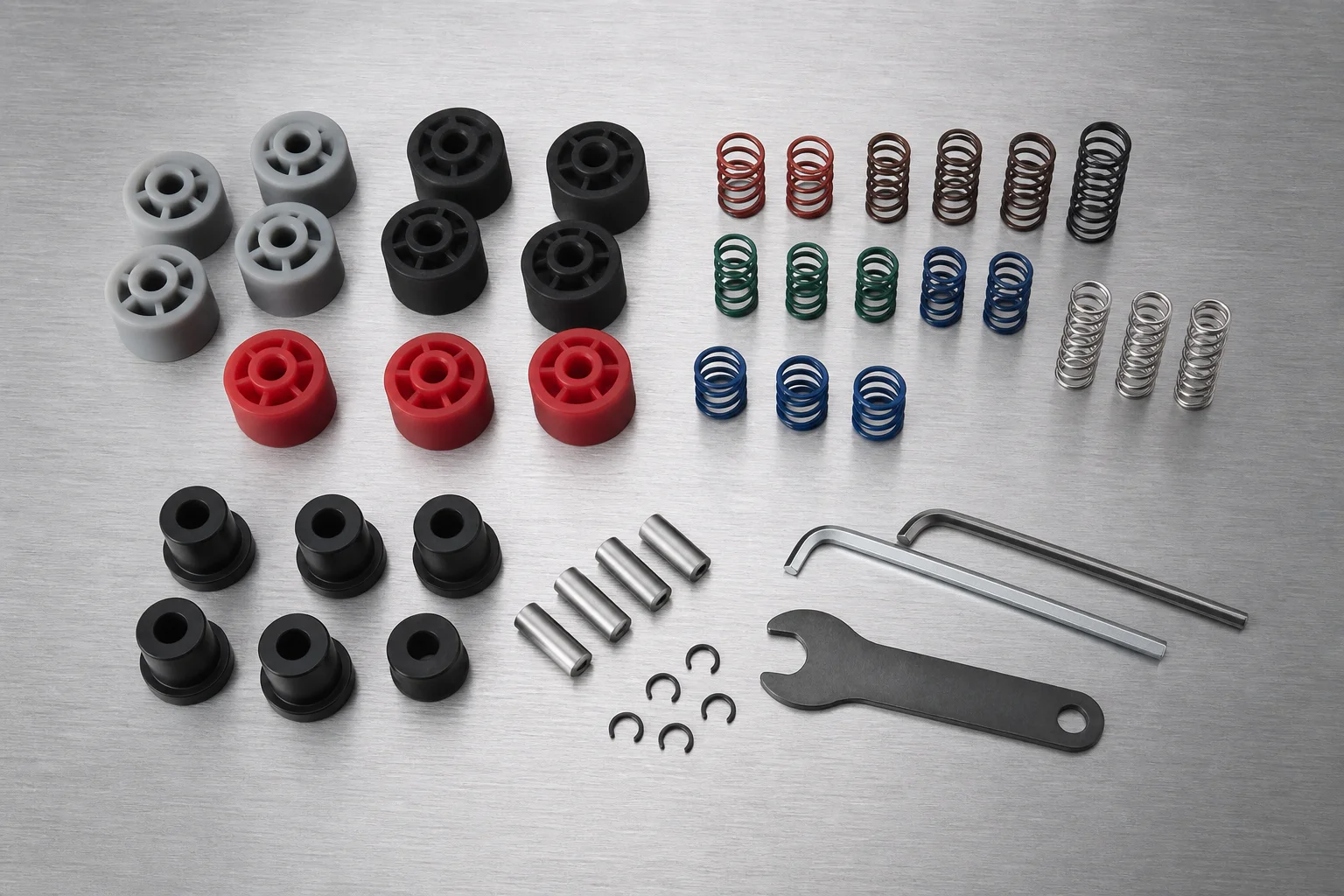
Out of the box, the throttle felt too stiff and the clutch bite point too abrupt. After modest tinkering with the adjustable springs and elastomers, both improved significantly. The pedal set includes optional dampers on all three pedals, adding friction and texture. I found dampers beneficial on the brake and clutch but removed the throttle damper to preserve a softer, more responsive feel. Simpson provides multiple interchangeable elastomers and springs, enabling near-unlimited variation in pedal character. This depth of customization means nearly every driver can dial in a setup that matches their preference.
Setup and Connectivity
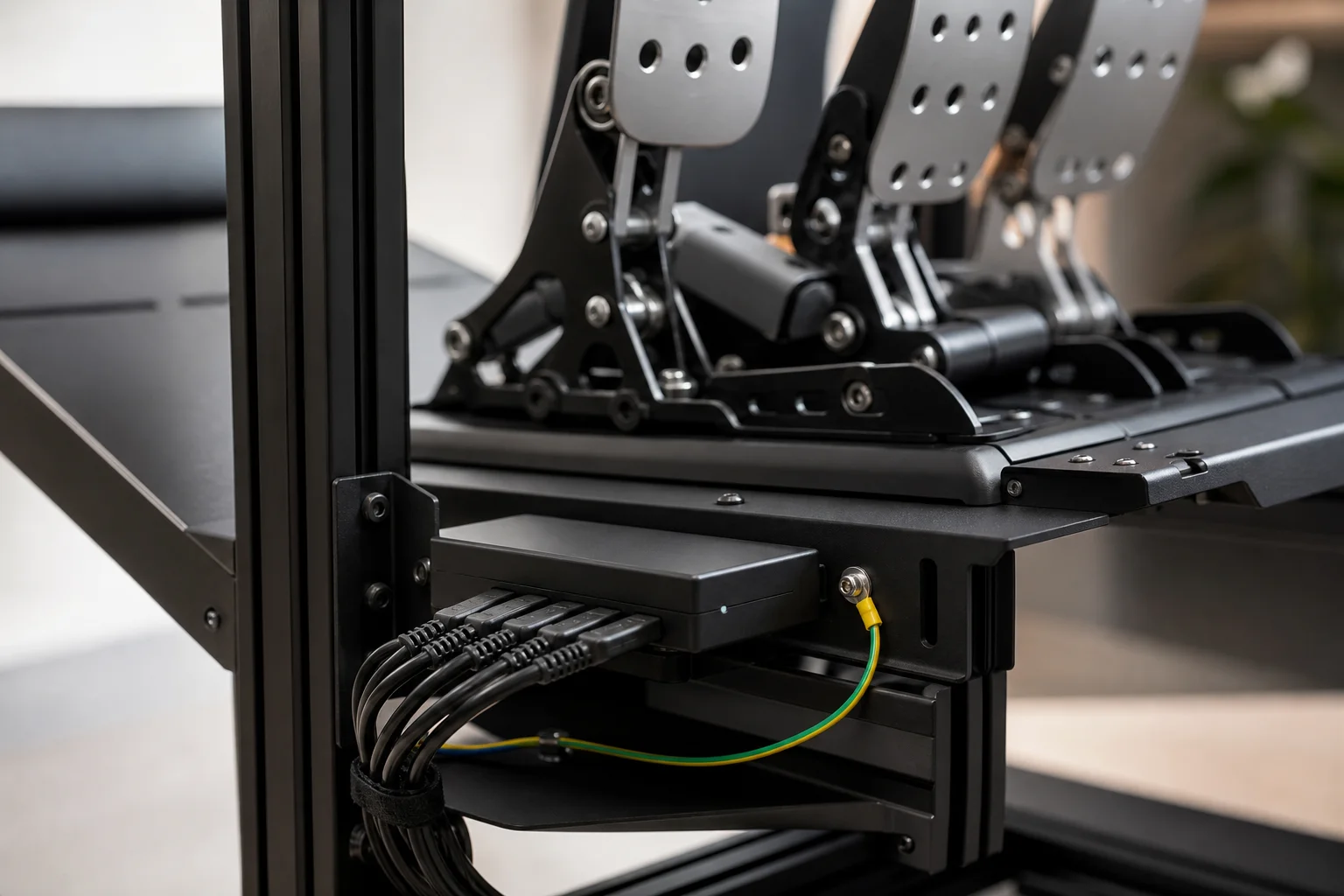
The pedals connect to a USB control hub that routes a single USB cord to your PC. A grounding wire is included and recommended if pedal signals interfere with other components—Fanatec wheelbases are commonly reported to cause signal issues. Currently, no dedicated software exists; instead, you receive a calibration program requiring independent calibration of all three pedals before use. This is functional but less polished than competitors offering full software suites.
On-Track Performance
Equipped with a load cell sensor capable of reading up to 200kg of force, the Simpson Pro pedals deliver impressive braking precision. After setting a resistance level to preference, it took only minutes to feel at home under braking, and lap times matched my usual pace quickly. The optional damper adds subtle depth and texture when pressing down, enhancing the overall feel without compromising responsiveness.
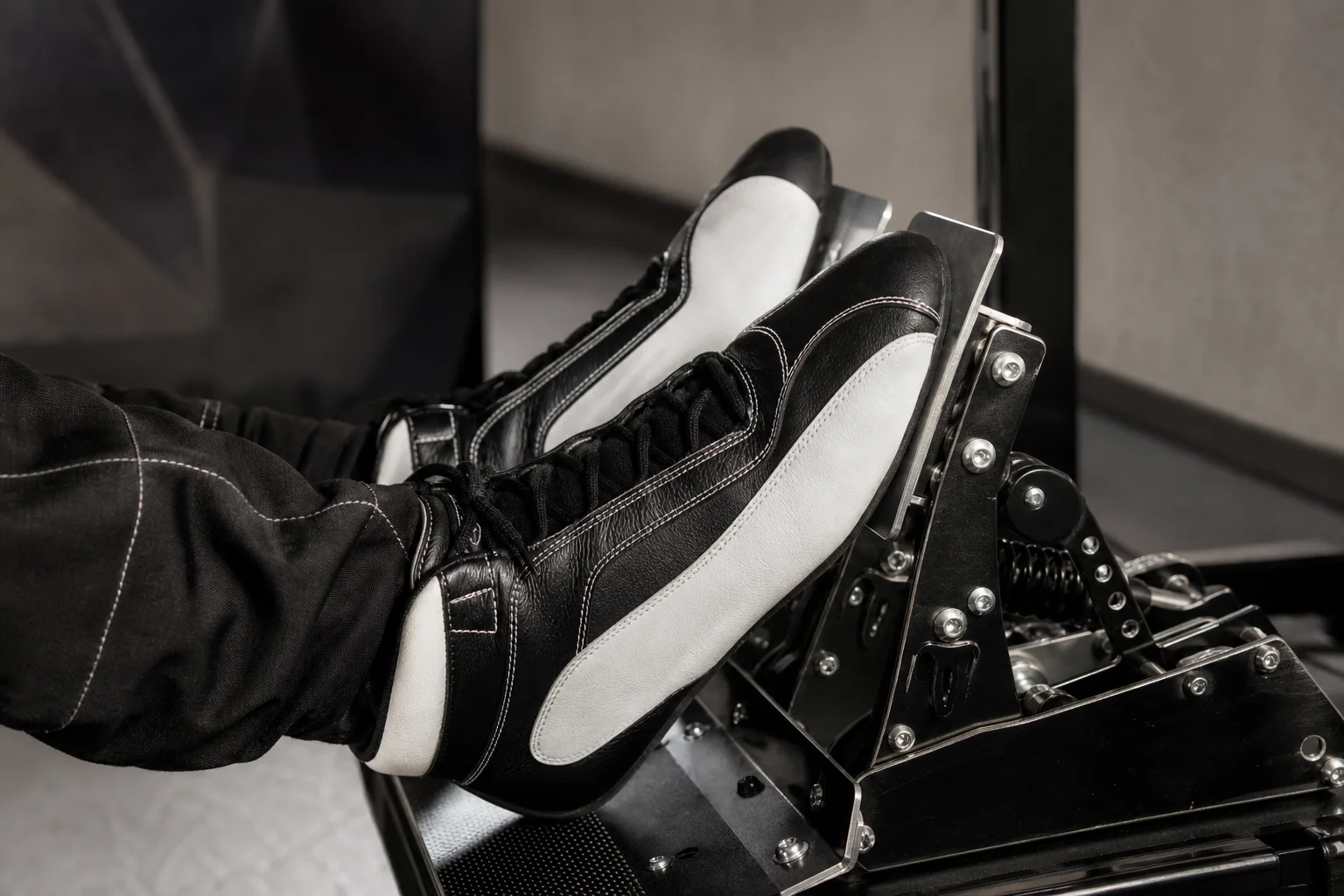
The clutch pedal attempts to emulate real clutch behavior with a bite point, though it does not achieve the absolute best emulation in the market. Still, the adjustable bite point feels convincing after tuning, and the Hall effect sensor ensures responsive, problem-free operation on track. The throttle, once adjusted from its stiff factory setting, proved equally responsive and never caused issues during racing.
Conclusion
The Simpson Pro pedals represent strong value for sim racers prioritizing affordability without sacrificing quality. Build quality, adjustability, and on-track performance all exceed expectations at this price point. Minor downsides—the unrounded pedal edges and basic calibration software—are easily overshadowed by the numerous strengths. Whether you are beginning sim racing or upgrading from entry-level gear, these pedals offer solid construction, high customization potential, and reliable performance that justifies their modest cost.
Product link
View more details for Simpson Pro Sim Racing Pedals
This product is mentioned in the review. Check the specifications, options, and compatibility before buying.
View more details for Simpson Pro Sim Racing PedalsFurther reading
Related Reviews
Coffee Equipment
AeroPress Premium Review: Premium Materials, Practical Trade-offs
The AeroPress Premium brings glass and metal construction to a beloved brewer, but trades portability and durability for a more refined feel. Here's what changes in the cup and what matters before you buy.
Sim Racing
Asetek Initium Direct Drive Bundle Review: A Strong Entry Point With a Standout Pedal Set
The Asetek Initium bundle brings a 5.5 Nm upgradeable wheelbase, a functional round wheel, and a surprisingly capable pedal set to a crowded entry-level direct drive market.

Coffee Equipment
Best Gooseneck Kettles for Pour-Over Coffee: Four Top Models Compared
A detailed comparison of four popular gooseneck temperature-controlled kettles: Fellow Stagg EKG, Timemore Fish Smart, Brewista Artisan, and Bonavita Variable Temperature, examining capacity, flow rate, startup time, and design.