Backpacking Gear
Simple Backpacking Gear That Quietly Improves Every Trip
Eight dependable, low-friction backpacking picks covering water treatment, meals, apparel, footwear, organization, and navigation.
Introduction
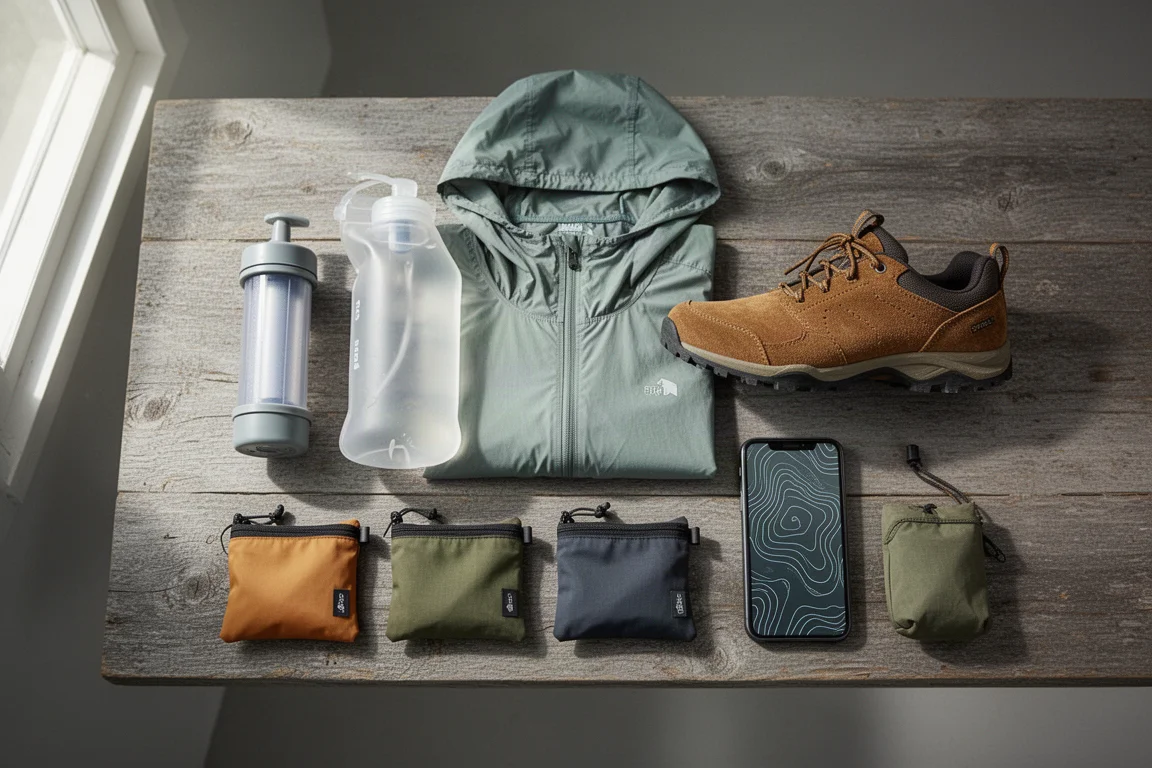
Some of the most useful backpacking purchases are the least dramatic ones. They do not change how you hike, they simply remove small frictions: water that filters without fuss, a meal that rehydrates properly, a layer that keeps the sun off without overheating.
This guide covers simple, dependable gear that earns a permanent place in a pack, grouped into six areas: water treatment, meal prep, apparel, footwear, organization, and navigation and safety. Every pick shares the same reasoning. It works consistently, it is easy to live with on a multi-day trip, and it solves one specific problem without adding complication.
How These Picks Were Chosen
Three things separate gear that stays in a pack from gear that gets left at home.
Reliability comes first. A water filter that fails on day three or a bag that leaks into a sleeping bag costs far more than it saved. Weight and packability come second, since the best small items disappear into a pocket or hipbelt pouch and are forgotten until needed. Repeat use is the final test: an item only earns a permanent slot if it gets taken on trip after trip without hesitation.
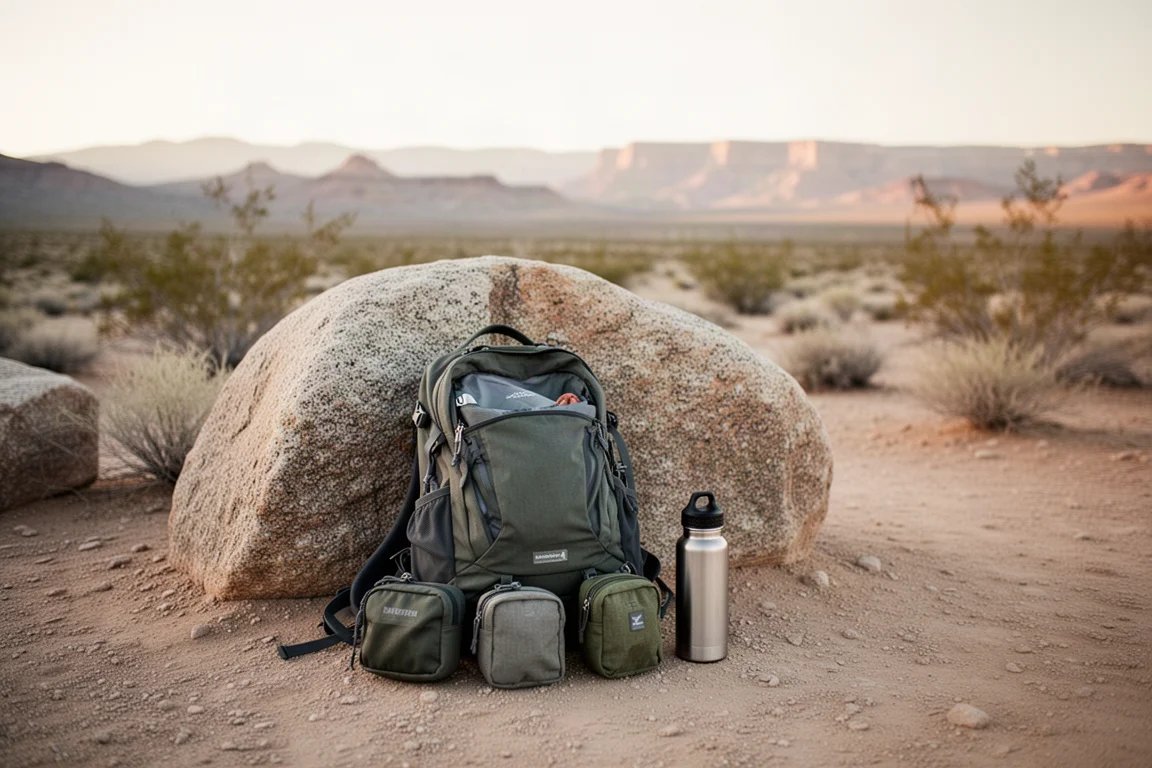
The picks below are not the lightest or the most technical options in their categories. They are the ones that behave predictably, season after season, in cold mornings, at elevation, and in dry country where there is little margin for gear that misbehaves.
Sawyer Squeeze Water Filter
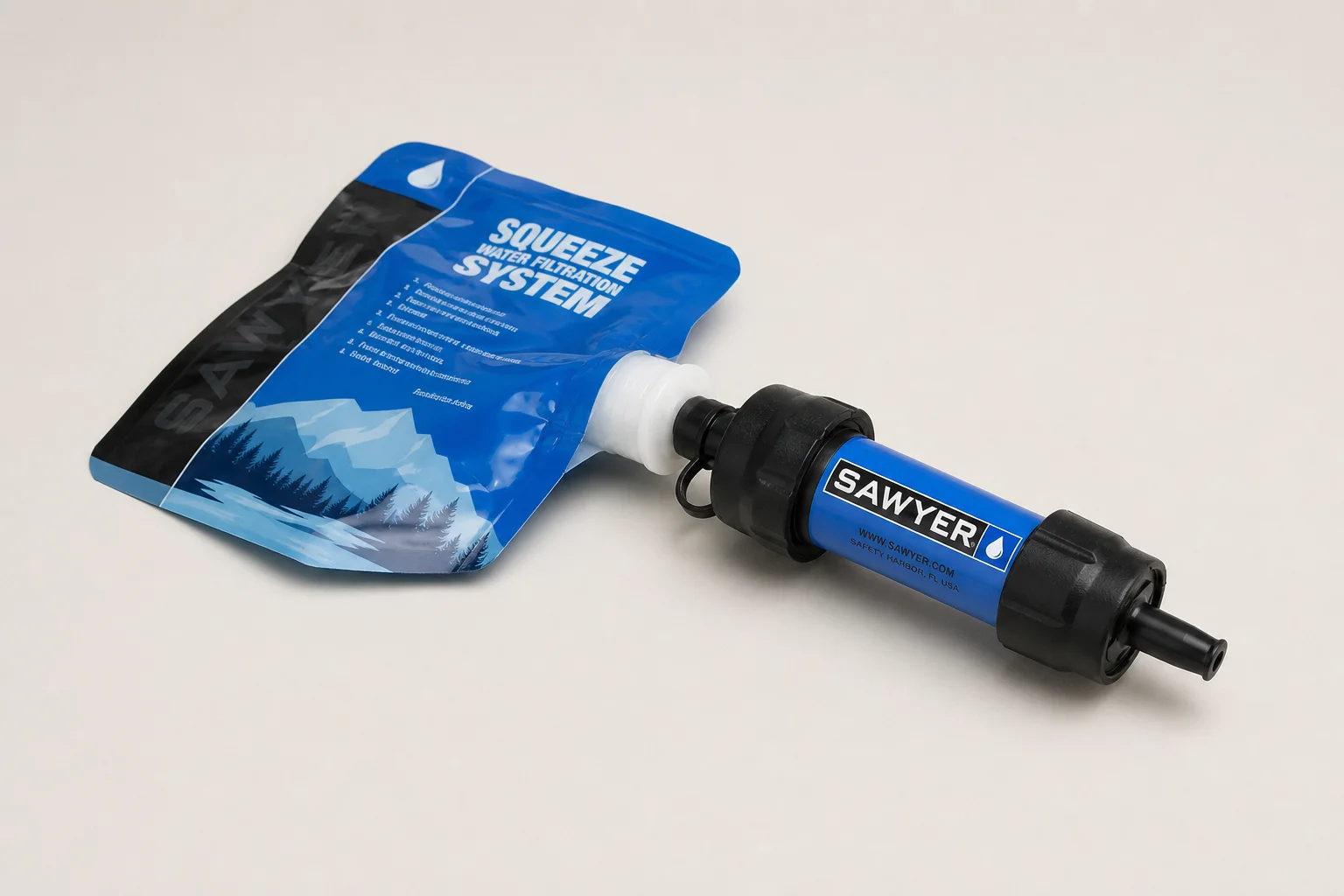
The Sawyer Squeeze is a lightweight water filter that threads onto a dirty-water bag. Fill the bag from a source, attach the filter, and squeeze to push clean water into a bottle or reservoir. It is a low-cost, proven design with very few moving parts, and its flow rate holds up when the filter is backflushed and stored properly between trips.
Because it is compact, it sits easily in a side pocket or hipbelt pouch and does not need to be handled like a fragile item. For hikers who treat water often, that simplicity is the appeal: no batteries, no cartridges to replace mid-trip, and no learning curve.
Cnoc Vecto X Water Bag
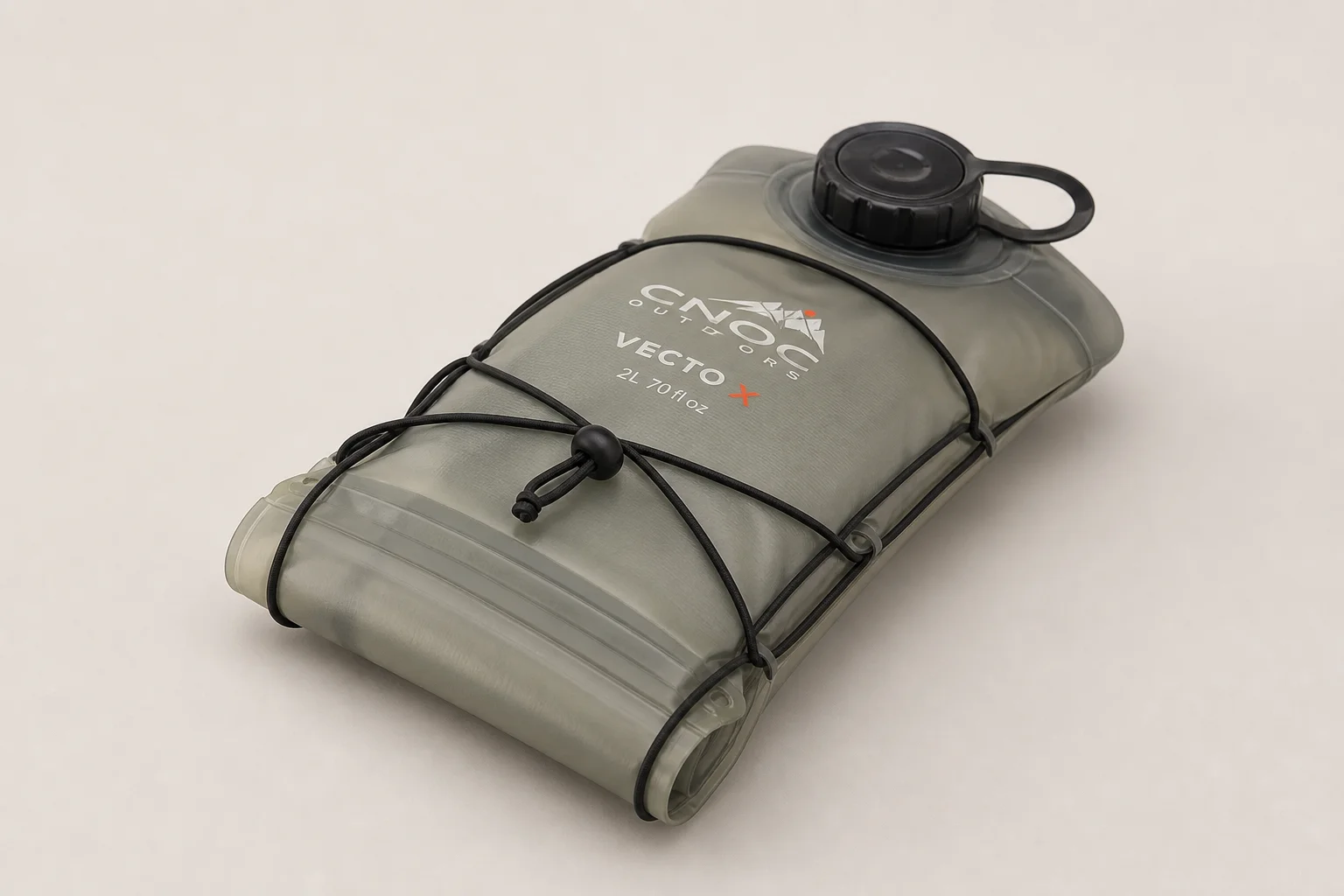
The Cnoc Vecto X is the dirty-water half of the system, and the X version uses a noticeably thicker material than the standard bag. That change matters in practice. Thicker walls mean fewer pinhole leaks, which is the most common failure point on soft-sided water bags, and it is the reason this version has become the one to reach for.
The wide opening makes collecting water fast, even from shallow sources, and the bag doubles as extra storage when a route has long dry stretches. In desert terrain, where water often comes from potholes rather than running sources, carrying extra capacity without juggling bottles is a genuine advantage. Hang the bag at camp and it gravity feeds as well.
Big Sky International Insulated Pouch
Freeze-dried meals rehydrate best when they stay hot, and that is the entire job of the Big Sky International insulated pouch. It is a simple envelope with a gusseted base. Add hot water to the meal, slide the pouch inside, and let it sit while camp gets sorted out.
The difference shows up in texture. Meat, rice, and noodles come out fully hydrated instead of crunchy at the edges, which matters most in cold conditions or at higher elevations where a meal cools quickly. After a long day, that is the difference between a meal you enjoy and one you tolerate.
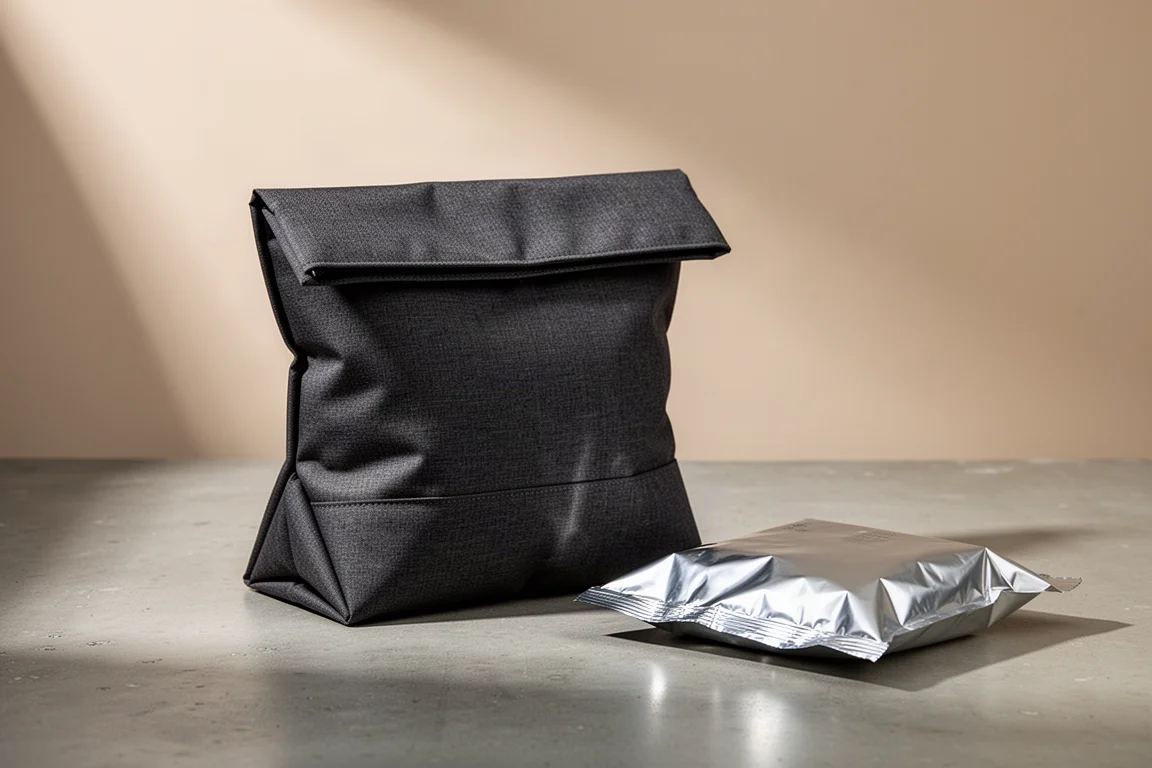
Outdoor Vitals Altitude Sun Hoodie
The Outdoor Vitals Altitude Sun Hoodie is a 100 percent polyester hooded layer built for sun exposure. It is lightweight, dries quickly, and covers the ears, neck, and arms, so sunscreen becomes optional rather than mandatory on long exposed sections.
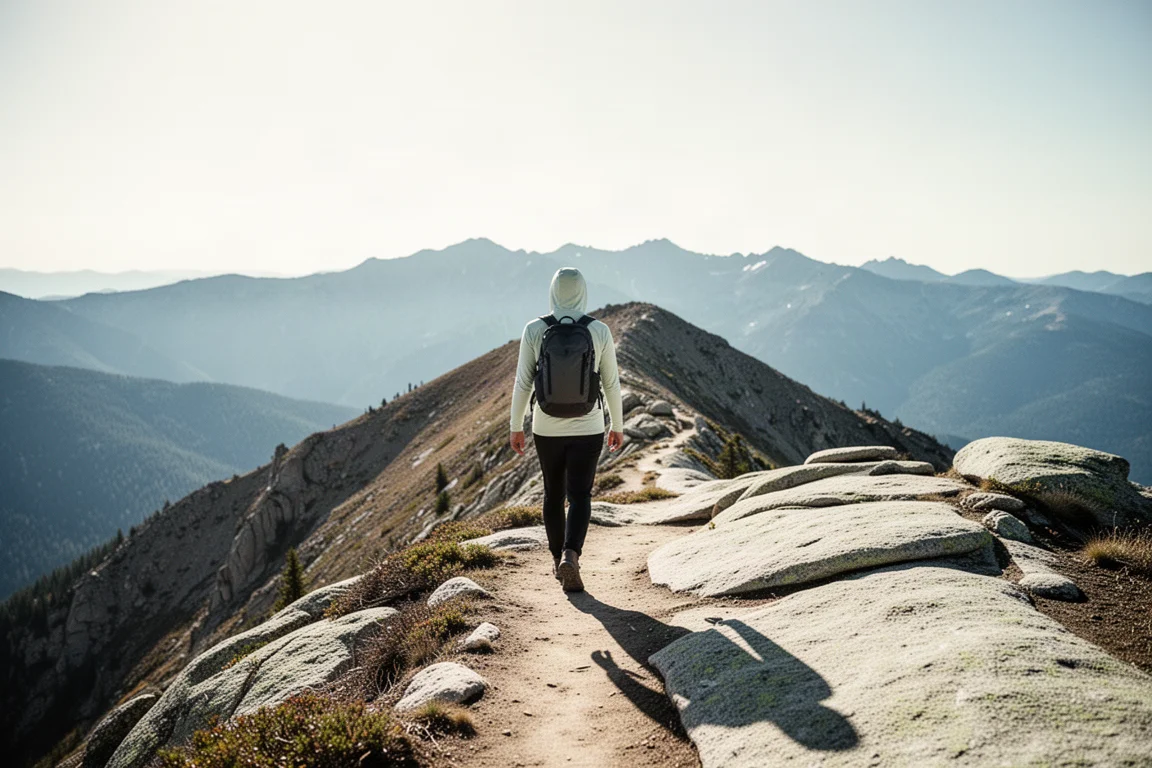
The fabric is durable enough for off-trail travel and bushwhacking, and earlier versions of the same hoodie are still in rotation, which says a lot for a piece this light. As a base layer it covers a wide range of conditions. It does not overheat in direct sun, and it layers comfortably under insulation when temperatures drop in the evening.
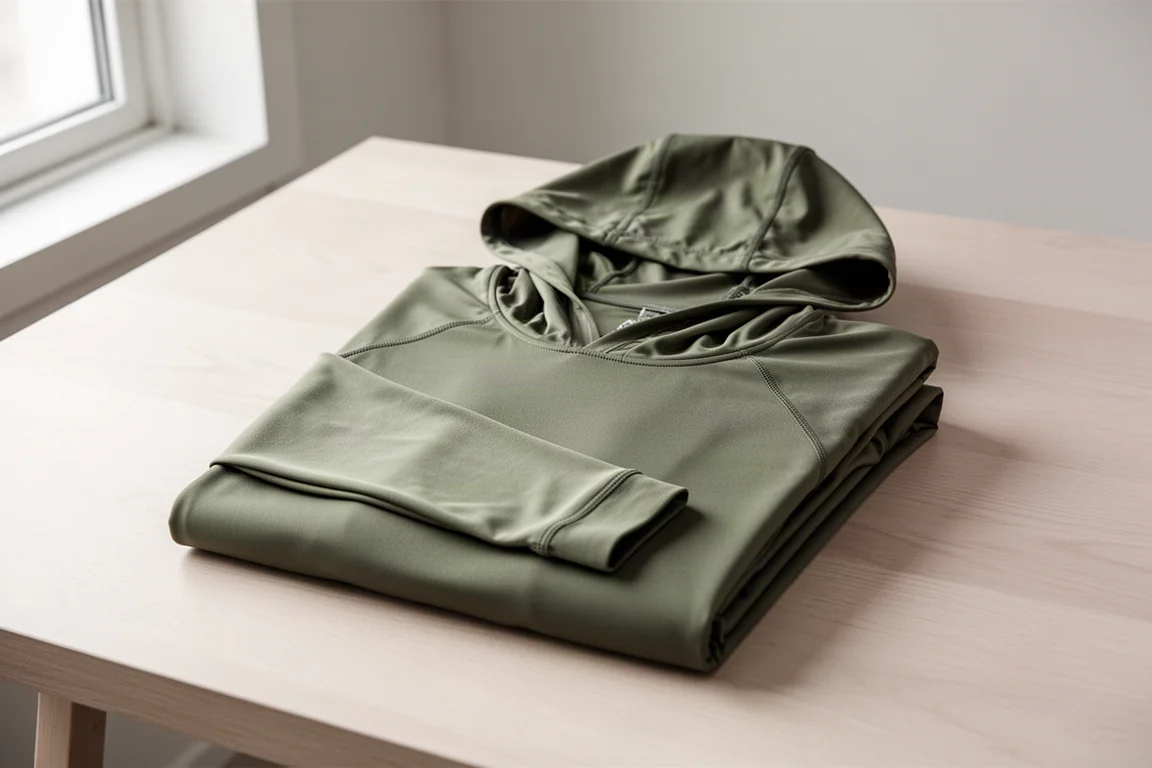
Danner Trail 2650
The Danner Trail 2650 is a lightweight hiking shoe rather than a trail runner, and it is offered in several variants, including a mesh version, a suede version, and a mid-height waterproof option. Across those versions the fit and the ride stay consistent, which makes it straightforward to move between models as conditions change.
The outsole grips well on mixed terrain and feels confident on scrambling and mildly technical ground, and the shoe dries quickly after water crossings. It has held up over multiple seasons of regular use, which is the main reason it keeps coming back on trips.
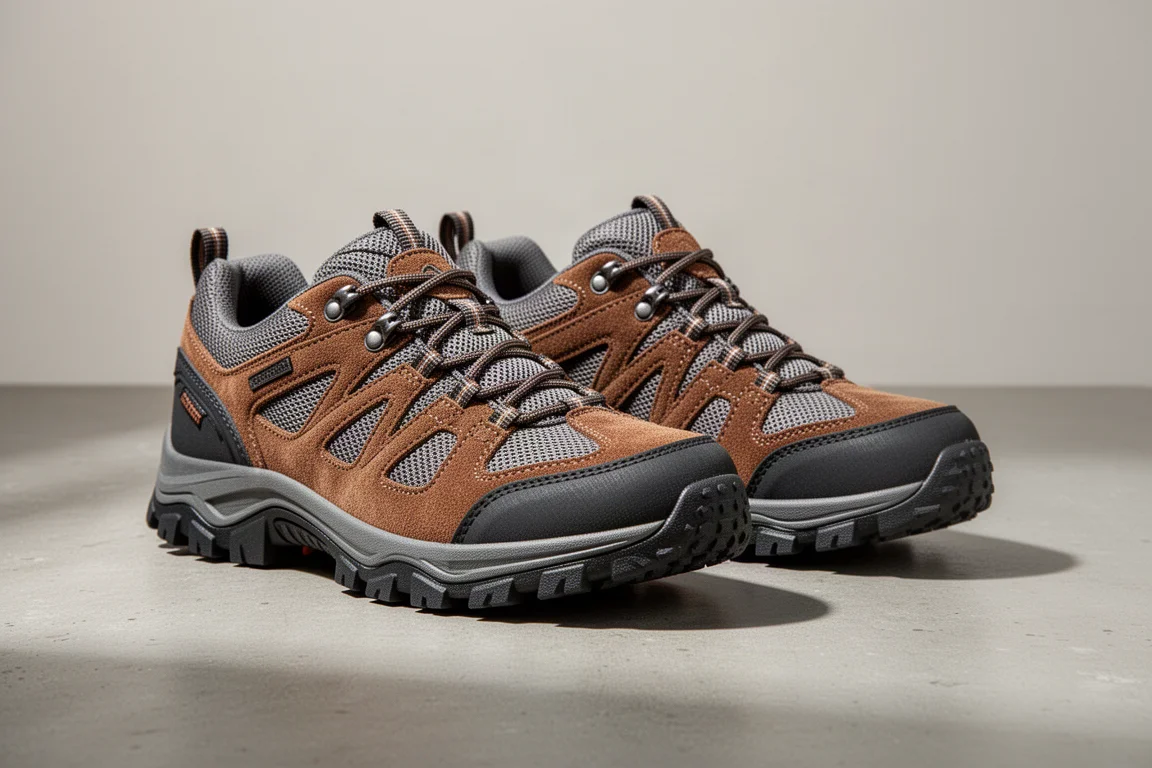
Backcountry Exposure Diddy Bags
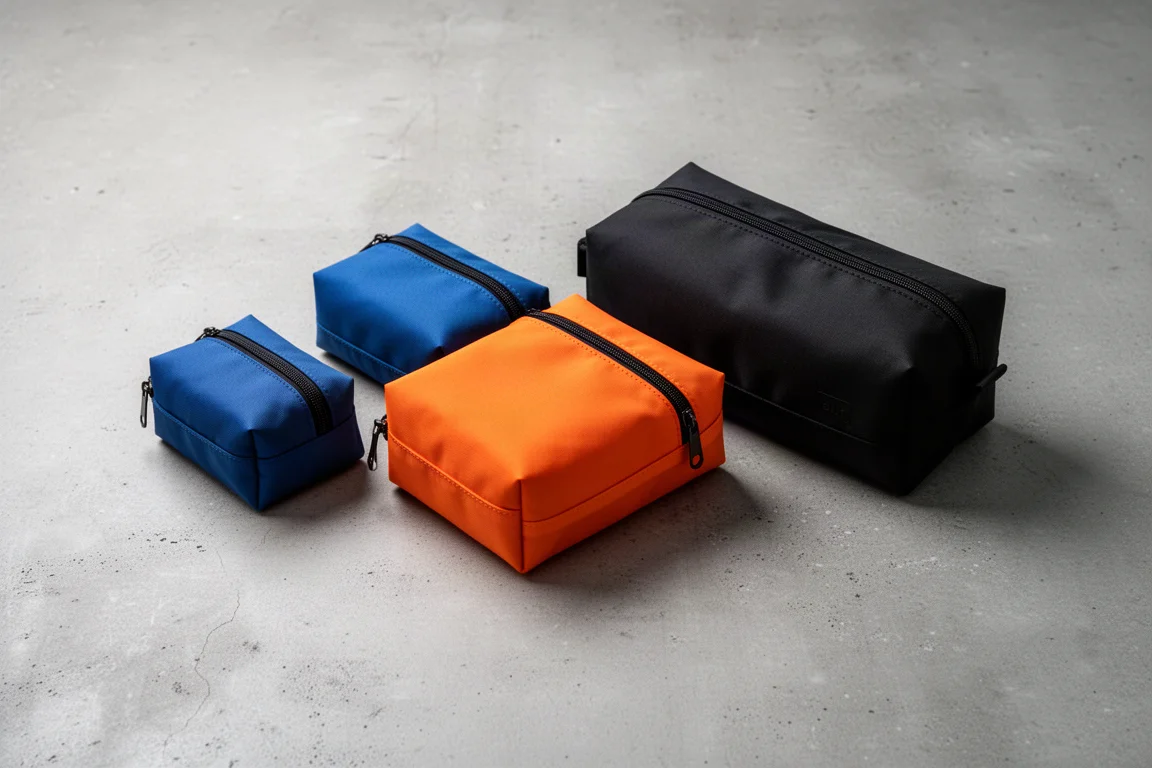
The Backcountry Exposure Diddy Bags are small organizer pouches offered in a few sizes, including the Mini Diddy and the Little Diddy. They quietly fix a messy pack. Toiletries, first aid supplies, electronics, and hygiene items each get their own bag instead of drifting loose through the main compartment.
The colour range makes the system self-explanatory, so a blue bag can mean electronics, red can mean first aid, and orange or black can mean the hygiene kit. The Mini Diddy suits compact loads such as a minimal first aid kit or charging cables, while the Little Diddy takes a little more. Everything slides back into a known slot.
OnX Backcountry
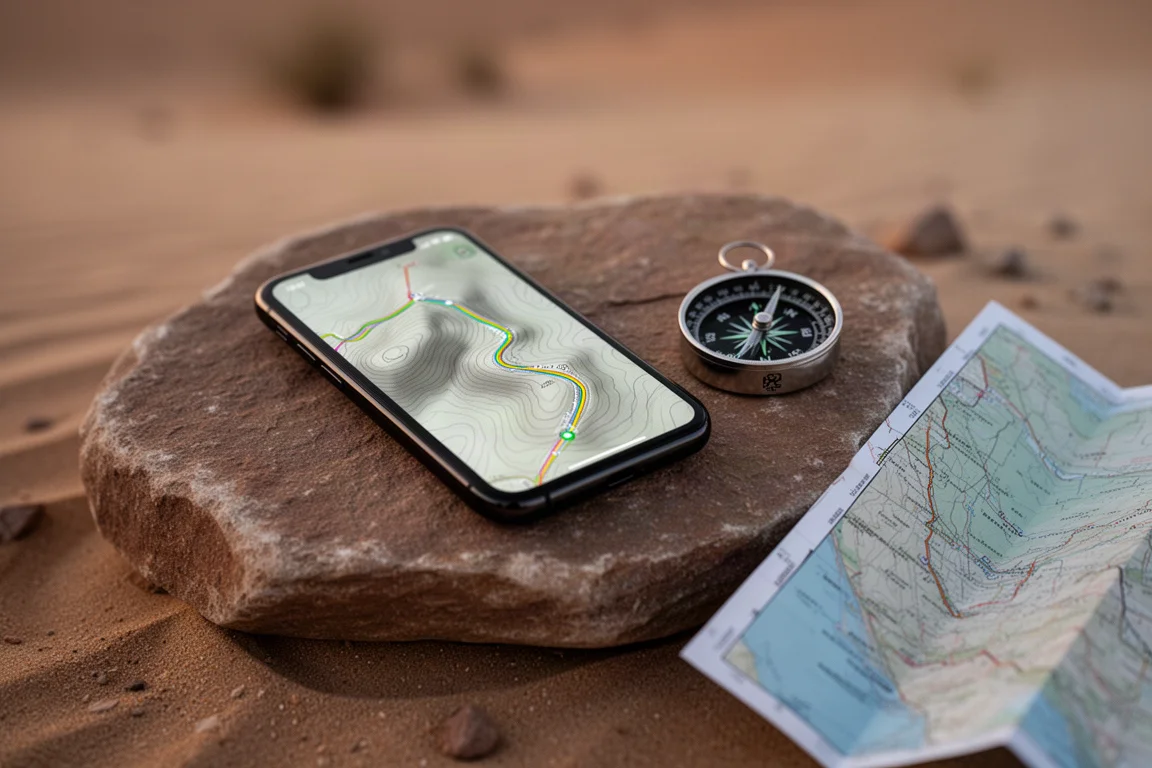
OnX Backcountry is a mapping and trip-planning tool rather than a physical item, and it is one of the more consequential additions to a navigation kit. Routes and waypoints can be built before a trip using satellite imagery, complete with alternative lines, then used offline once you are on the trail.
For off-trail travel in desert terrain, where route-finding is the main challenge and landmarks are sparse, having the map, the planned line, and backup options available without a signal changes the character of a day. It is not a substitute for judgement, and it works best when routes are prepared in advance rather than improvised on the move.
Used consistently, it turns planning into part of the trip rather than a chore at the trailhead, and it keeps hard-won route information in one place instead of scattered across screenshots and paper notes.
Overwatch and Rescue
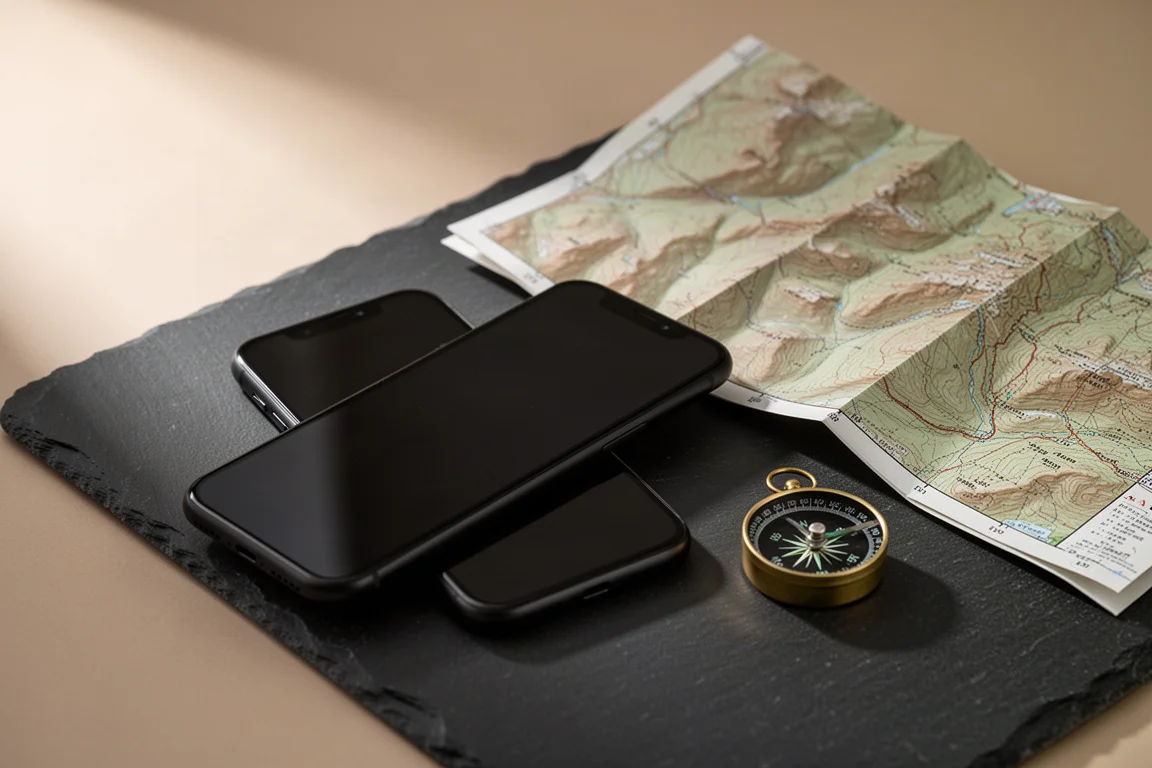
Overwatch and Rescue is a membership service that combines an SOS contact route with financial coverage in the event of a rescue. It complements a satellite communicator rather than replacing it. The SOS function can be triggered through a phone, which is useful when a dedicated communicator is not on hand or is not working.
The value here is peace of mind. An inexpensive membership means that if something goes wrong, search and rescue can be contacted, and the financial side of a rescue is less of a concern. For anyone who spends time in remote terrain, that sits comfortably alongside the rest of a safety kit.
Buying Advice: Where to Start
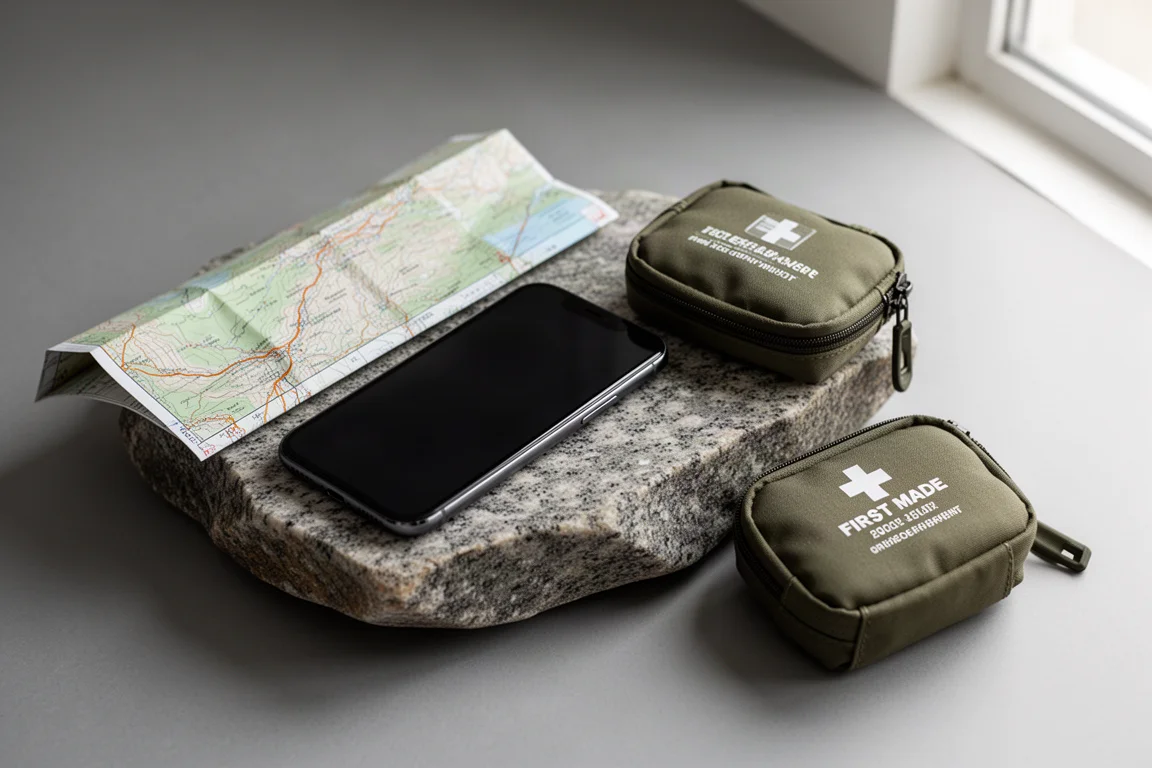
If you are building out a kit, order matters. Water treatment and footwear affect every trip, so they are usually the first two places to spend. The Sawyer Squeeze and Cnoc Vecto X pairing covers filtration and extra water capacity for a modest outlay, and it is easy to trust because it has so few moving parts.
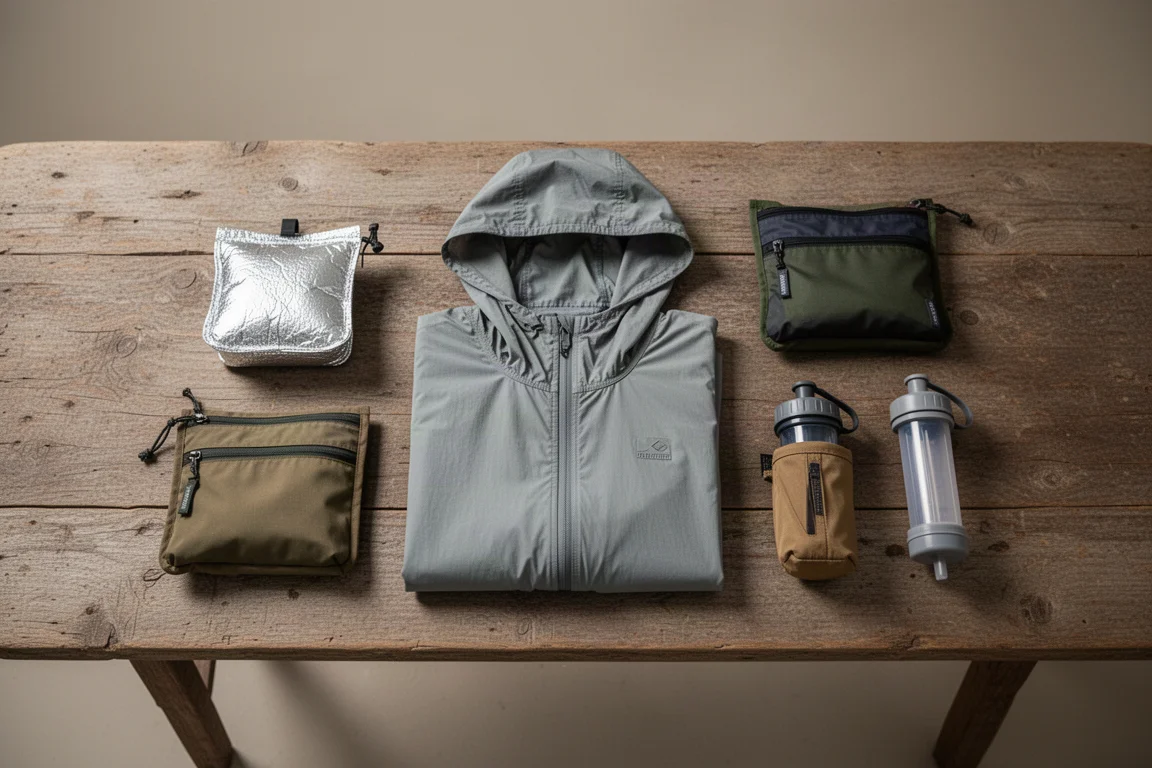
Then add the small items that remove daily friction: an insulated pouch so freeze-dried meals rehydrate properly, a sun hoodie for exposed terrain, and organizer pouches so small gear has a home. Navigation and safety tools such as OnX Backcountry and an Overwatch and Rescue membership make the most sense once you are regularly hiking off-trail or in remote areas.
Fit is the one thing worth testing in person. Shoes in particular are personal. The Danner Trail 2650 suits many feet and is available in several builds, but a shoe that does not fit properly will undermine an otherwise solid kit, so try before committing where possible.
Conclusion
None of these items are dramatic, and that is the point. They are inexpensive, dependable pieces that quietly remove small problems: water that filters cleanly, meals that rehydrate, sun protection that does not require reapplying sunscreen every hour, and a navigation and safety setup that adds confidence on remote routes. Start with the categories that affect your trips most often, then add the rest as the seasons go on.
Further reading
Related Reviews

Backpacking Gear
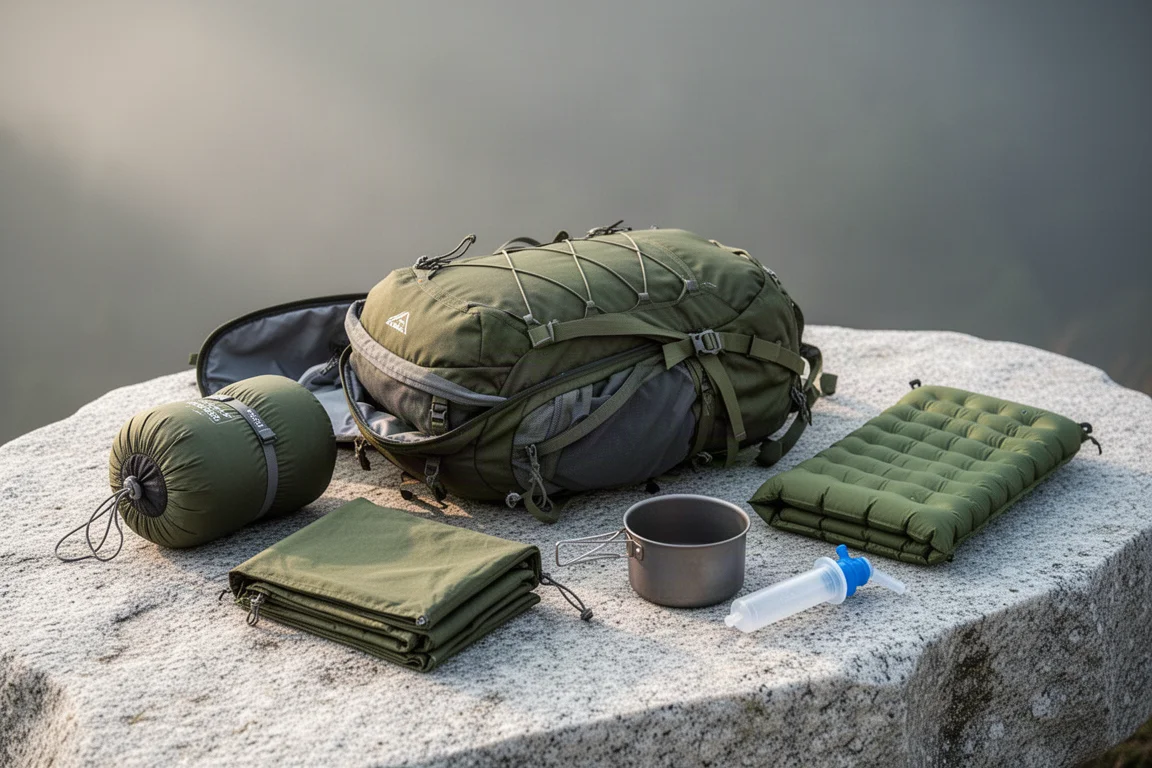
Building a 10 lb Base Weight: An Ultralight Backpacking Gear List
A practical walkthrough of the ultralight pieces behind a 10 lb base weight, from a 765 g pack and a roomy one-person tent to a full camp chair and a dependable water filter.
Backpacking Gear
A 15-Pound Lightweight Backpacking Gear List for Solo Trips
A beginner-friendly 15-pound backpacking setup built from easy-to-find gear, with notes on what each piece does, how it packs, and where to spend your attention.
Backpacking Gear
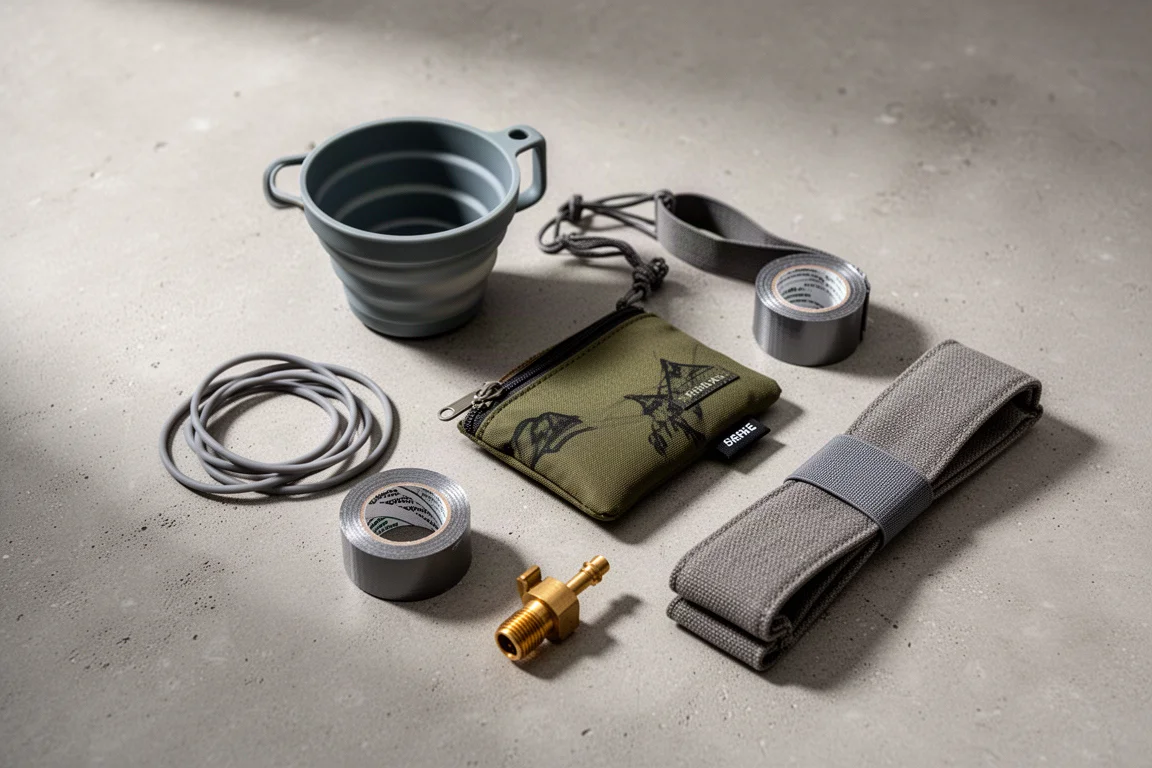
8 Ultralight Backpacking Gear Upgrades Worth Carrying
Eight small, affordable backpacking upgrades that solve real trail annoyances, from a pillow that stays put to a fuel valve that rescues leftover canister gas.