Hi-Fi Amplifiers
Sim Audio Moon 371 Review: A Smooth, Do-It-All Network Amplifier
A class AB network player amplifier with HDMI CEC, a moving magnet and moving coil phono stage, and a forgiving character, plus the trade-offs to weigh at $6,500.
Introduction
Some hi-fi components ask to be noticed. Others settle into a system so completely that you stop thinking about the hardware and start thinking about the music again. The Sim Audio Moon 371 sits firmly in the second group, and that quiet, unremarkable-in-the-best-way quality is what defines it.
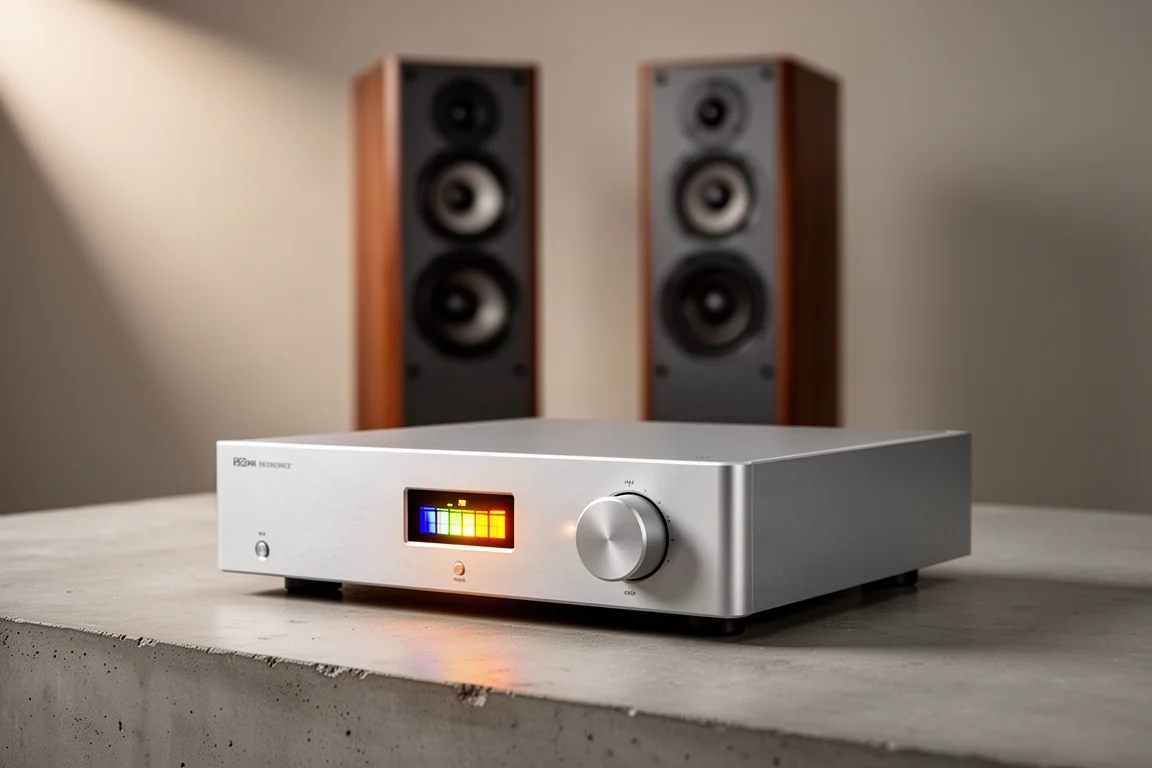
The Moon 371 is a network player amplifier, and Sim Audio backs it with a 10-year warranty, which is an unusually long commitment in this market. The industrial design borrows from the Compass series, but there is nothing entry-level about the execution. The materials, the fit and finish, and the vivid color screen are all top-notch, and that impression starts the moment the box is open.
Over several months this amplifier moved in and out of a reference system, paired with Wilson Audio Sabrina V speakers, connected to two different Hisense televisions over HDMI, fed by streamed music and physical sources alike. On paper the power figures look modest at 100 watts into 8 ohms and 200 watts into 4, using Sim Audio’s own MDCA distortion-canceling amplifier technology. In practice the pairing never felt like a mistake, even with the Sabrina V presenting a 4-ohm load that sometimes dips closer to 2 ohms.
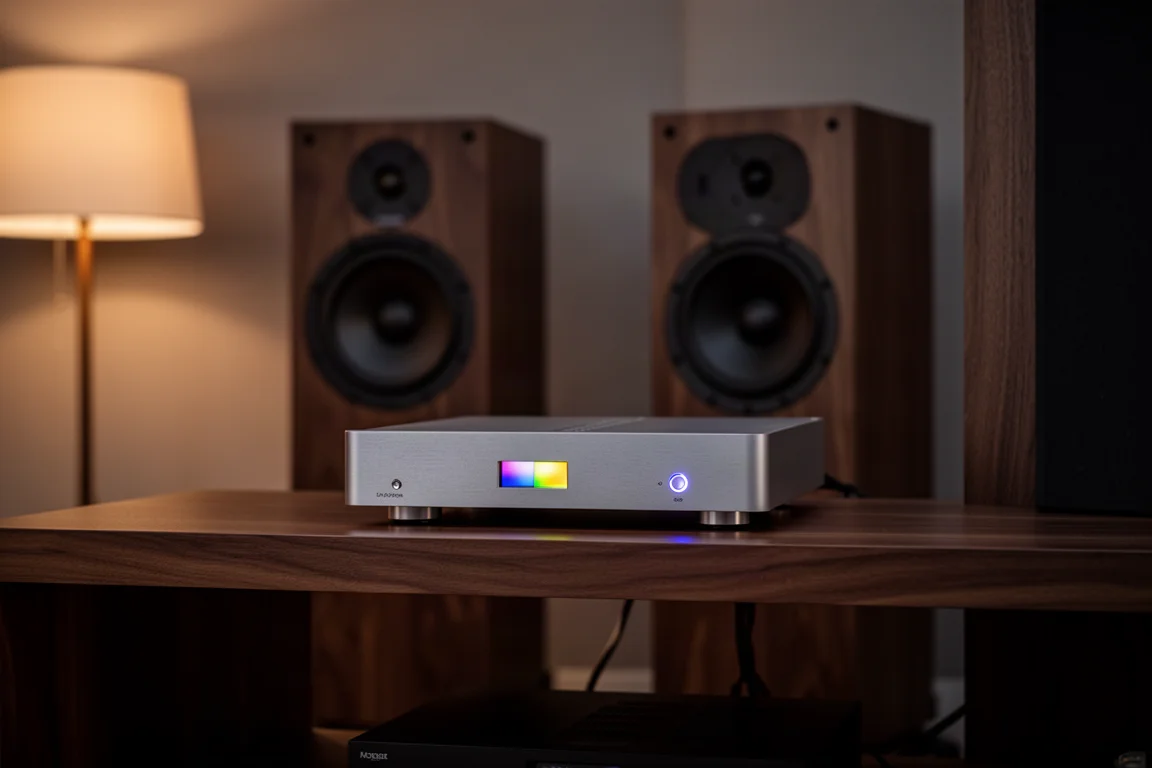
What stood out most was how little the amplifier interfered. It remained composed under a difficult load, handled movies and music at a high level over HDMI, and still offered physical inputs and wireless convenience for the evenings when a large screen would only be a distraction.
Who This Product Is For
The Moon 371 makes the most sense for listeners who want one box to cover streaming, television audio, and vinyl. It has a network player, a full HDMI input with CEC, a phono stage that accepts both moving magnet and moving coil cartridges, and enough current delivery to drive speakers that are not especially easy to drive.
It also suits people who listen for long stretches. The amplifier’s smoother, more forgiving character means less fatigue and less time spent hunting for well-recorded material. If your priority is maximum bass grip, the most modern app feature set, or room correction, this is a component to approach with clear expectations rather than assumptions.
Main Strengths
The headline strength is smoothness. The Moon 371 is effortlessly smooth in a way that makes it easy to stop evaluating and simply listen. Its class AB output stage gives it a slightly warmer tone than the more neutral presentation of a class D design, and that mellowness is genuinely appealing over long sessions.
Power delivery is more capable than the numbers suggest. Both the 8-ohm and 4-ohm ratings double cleanly, which matters more than raw wattage when you are driving difficult loudspeakers. Through the Wilson Audio Sabrina V, the amplifier produced a stable, well-defined image between the speakers, with center imaging that was especially locked in. Intelligibility was better than expected given the amp’s polite demeanor.
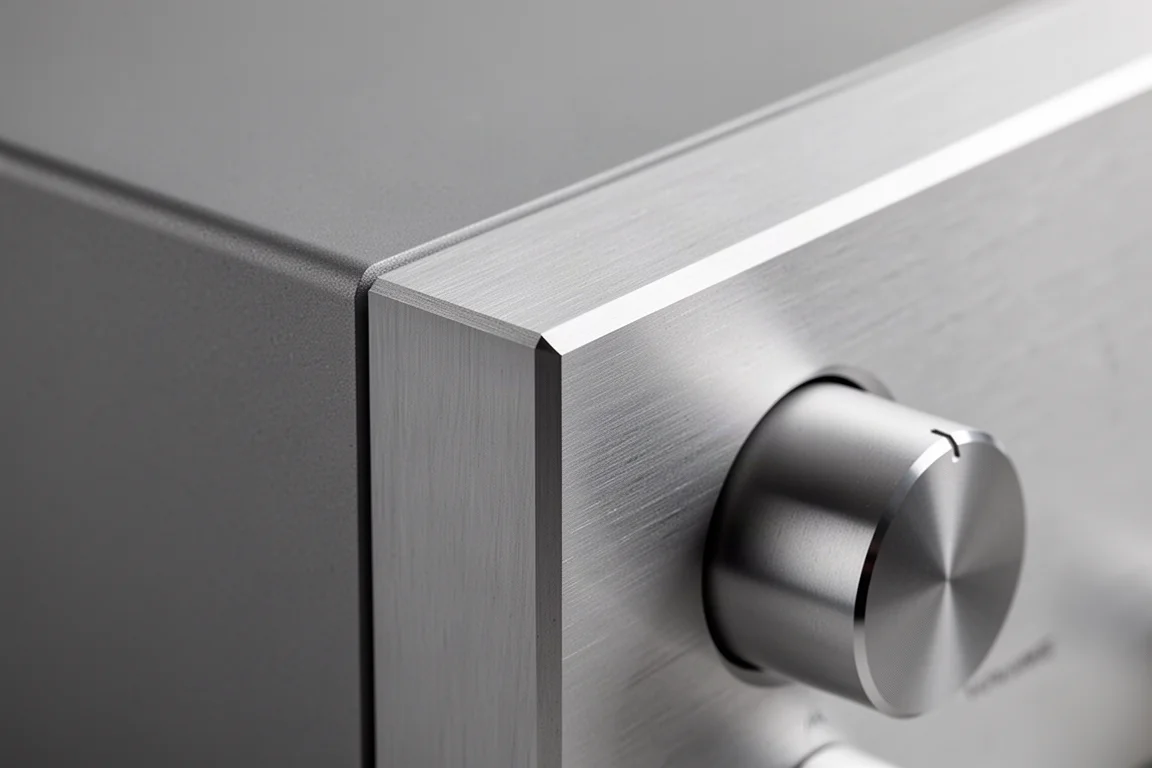
Connectivity is a real advantage. Full HDMI stereo support including CEC is included out of the box, so a television can control volume and power the way a soundbar would. The chassis is machined aluminum, the color screen is vivid and legible, and the 10-year warranty underlines how confident the brand is in the hardware.
There is also a practical quality here that is easy to undervalue: the Moon 371 never made revealing speakers feel punishing. Refined and appropriately high-fidelity, but not so exacting that it forced a choice between good recordings and favorite ones.
Things to Consider Before Buying
The clearest limitation is in the lowest bass. Quickness and grip, that start-and-stop quality that makes an amplifier feel locked in, are not class-leading here. Measured against a legendary class AB reference like the Krell Evolution 402 or 302e, which represents a ten, the Moon sits closer to a seven or eight. It is not soft in a way that sounds lightweight, but it is not quite as firm or as resolved as some alternatives, including the Musical Fidelity M6si, which lands closer to a nine. That slight softness blends dynamics a little, though it does not collapse the soundstage or rob the amplifier of focus.
The MiND controller app is functional and gives access to locally stored music as well as streaming services such as Spotify and Tidal Connect, and the 371 is Roon Ready. Even so, compared with what Naim, WiiM, and EverSolo offer for less money, the app feels a step behind. It works, but it is not as polished, as intuitive, or as visually in step with the hardware it controls.
Feature coverage is also more traditional than modern. There is no EQ and no room correction, which leaves the connected side of the amplifier feeling conventional rather than current. The built-in phono stage supports both moving magnet and moving coil cartridges, which is welcome for a moving coil reference turntable, but it is serviceable rather than special. Less expensive integrated amplifiers deliver equal or better dynamics and clearer channel separation, the Musical Fidelity M6si among them.
None of these are deal-breakers on their own. Together they explain why the Moon 371 feels like a very good component in a market where excellent sound, streaming, HDMI, app control, and serious power are no longer exclusive to expensive hi-fi.
Connectivity, Streaming, and Phono
The input set is the strongest argument for the Moon 371 as a single-box solution. HDMI stereo support with CEC is standard, which means television control without an add-on module. The MiND app covers local libraries and major streaming services, and Roon Ready status adds flexibility for listeners who already run that platform. A moving magnet and moving coil phono stage means a turntable can plug straight in.
For context on how unusual the HDMI arrangement is at the high end, the D’Agostino Momentum Integrated Amplifier can be fitted with an optional DAC board that includes HDMI, but that adds another two to three thousand to the price and still does not provide CEC, so there is no HDMI control. The Moon delivers that functionality as part of the package, and both amplifiers double their output into 4 ohms, which is the more meaningful specification when the goal is driving demanding speakers.
Buying Advice
At $6,500, the Moon 371 occupies an interesting position. Against the D’Agostino Momentum Integrated Amplifier, whose base price starts at $18,000, the Moon looks almost approachable by high-end standards. Both use a machined aluminum chassis, though the Momentum leans into a polished steampunk aesthetic while the Moon stays cleaner and more understated. On power, the Momentum is rated at 120 watts per channel into 8 ohms and 240 into 4, roughly 20 percent more output, which is not a massive gulf.
Step outside the high-end bubble, though, and the calculus shifts. The Naim Uniti 102 feels more effortless from a user experience standpoint. The Musical Fidelity M6si delivers more of the grip and drive that many listeners want. The WiiM Amp Ultra, for a fraction of the price, makes the connected side of modern hi-fi feel far more current. If price is not part of your decision, the Moon 371’s build, warranty, HDMI implementation, and easy-going sound make it a genuinely pleasant long-term companion. If price is part of the equation, it is worth auditioning at least one of those alternatives alongside it, because every advantage in the Moon’s column starts to matter more once you do.
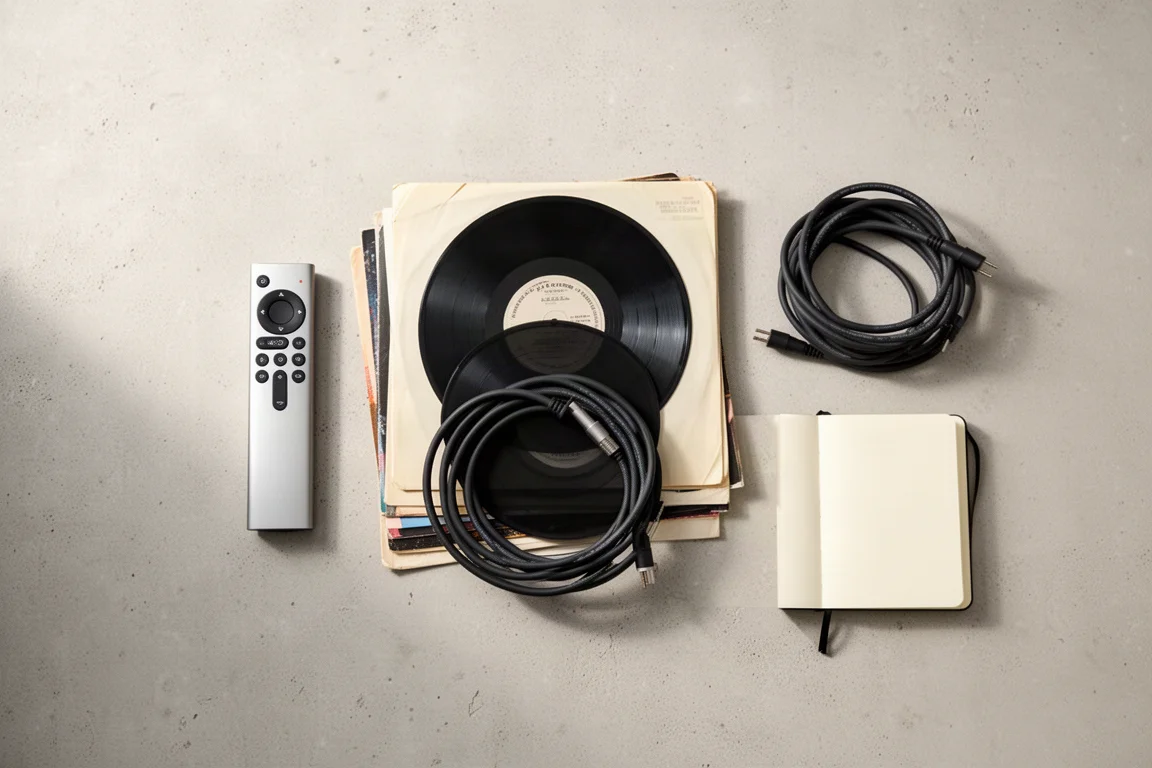
The sensible approach is to match the amplifier to how you actually live. If you want one elegant box that handles a television, a turntable, and a streaming library without fuss, and you value a forgiving tonal balance over maximum low-frequency grip, the Moon 371 delivers that experience consistently. If your priority is bass control or the most forward-looking control app, your money will go further elsewhere.
Conclusion
The Sim Audio Moon 371 is beautifully built, unusually well warranted, and remarkably easy to live with. It drives demanding speakers without complaint, handles HDMI with CEC properly, and sounds smooth enough that long listening sessions pass without fatigue. Its weaknesses are specific rather than structural: the lowest bass lacks the last degree of grip, the MiND app trails rival platforms, there is no room correction, and the phono stage is adequate rather than excellent.
For listeners who want a single high-end component to disappear into daily life, that is a compelling package. For listeners chasing maximum drive or the most modern connected feature set, the competition is closer than the price suggests.
Product link
View more details for Sim Audio Moon 371
This product is mentioned in the review. Check the specifications, options, and compatibility before buying.
View more details for Sim Audio Moon 371Further reading
Related Reviews
Hi-Fi Amplifiers
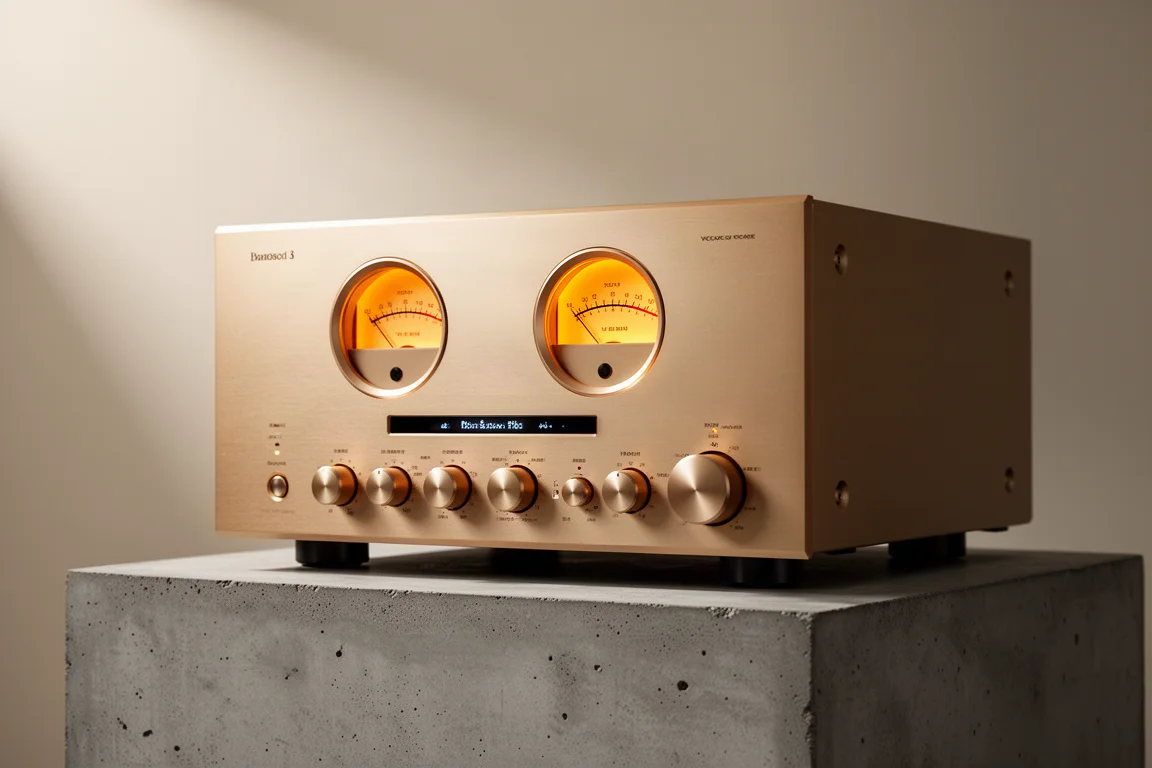
Accuphase E-280 Review: Entry-Level Accuphase With Flagship Attention to Detail
A close look at the Accuphase E-280 integrated amplifier, covering its champagne build, AAVA volume control, sound quality, and the speakers and sources that suit it best.
Hi-Fi Amplifiers
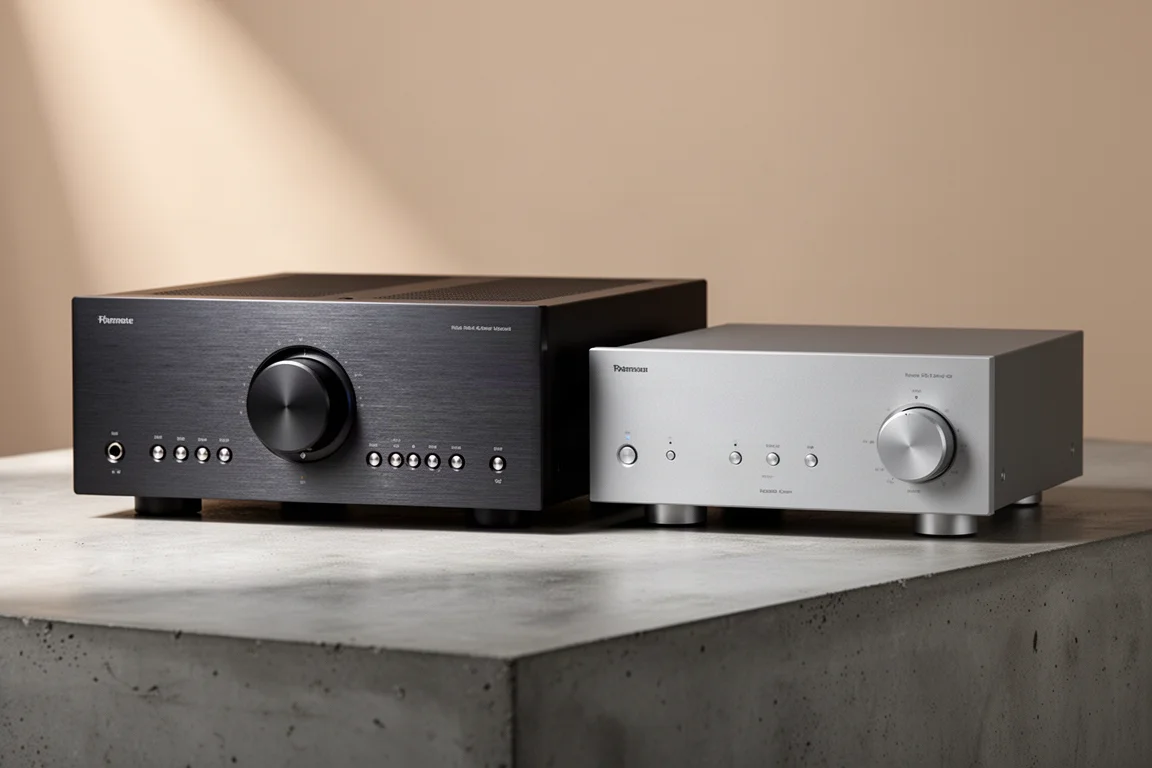
Advance Paris A10 Classic vs Yamaha A-S301: Two Integrated Amplifiers Compared
A practical comparison of a $350 integrated amplifier and a $2,500 reference model, covering the differences that matter and the ones that do not.
Hi-Fi Amplifiers
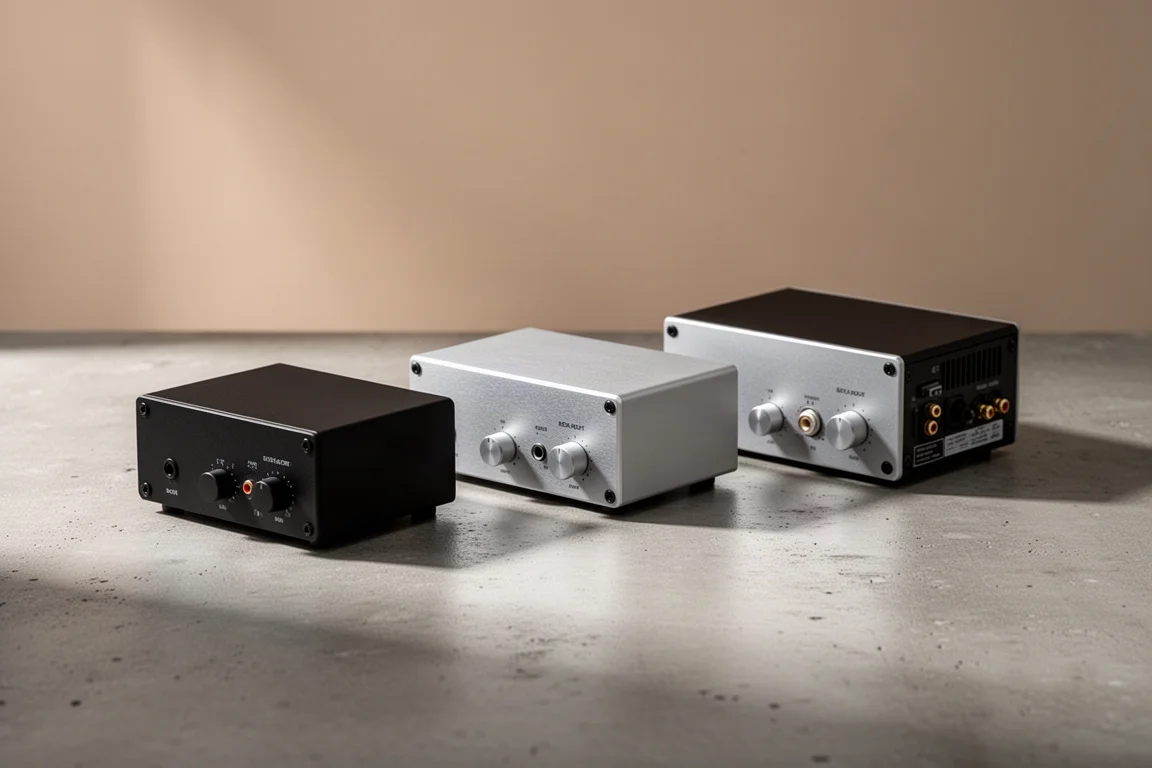
Affordable Chinese Amplifiers Worth Buying: Five Budget Hi-Fi Amps Compared
A practical look at five affordable amplifiers, what each one does well, and the trade-offs to weigh before you buy.