Hiking Socks
Silverlight Sock Review: Five Things a Hiking Sock Should Get Right
A merino wool, nylon, and silver yarn hiking sock with a seamless build, targeted padding, and anatomical left and right shaping, assessed against five practical criteria.
Introduction
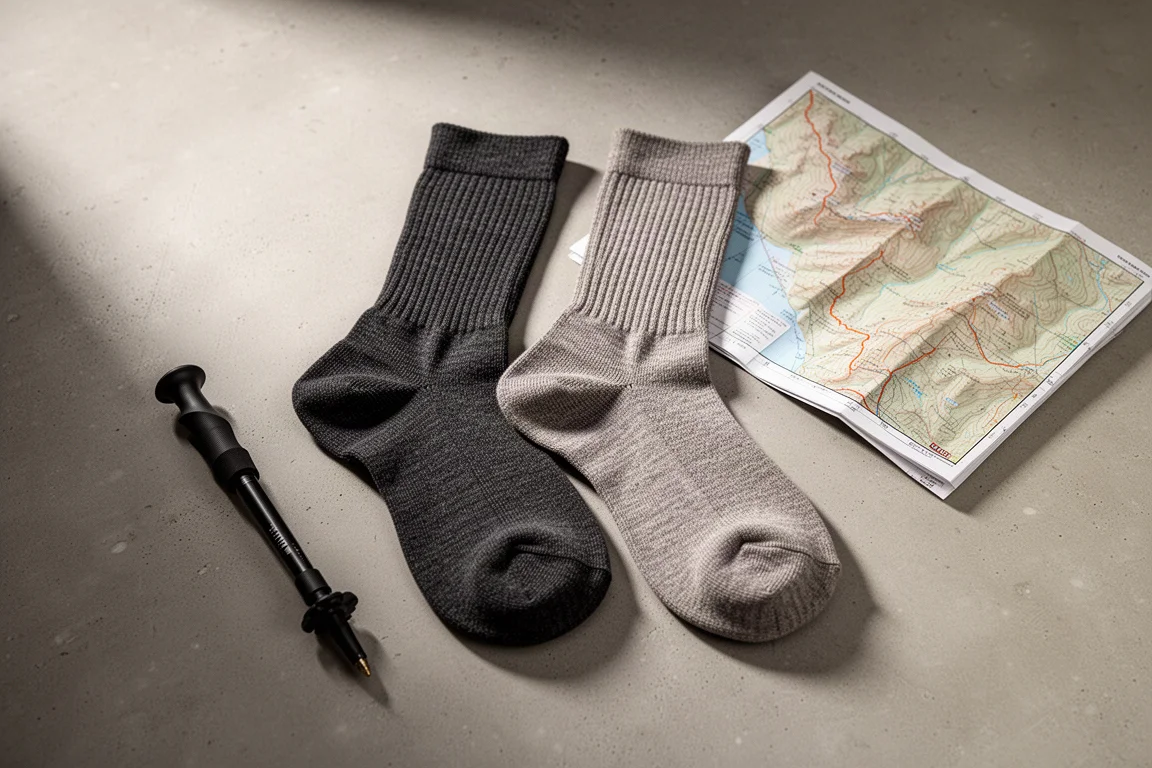
Blisters are not a normal part of hiking. They are a signal that something inside the shoe is generating friction, heat, or trapped moisture, and more often than not the culprit sits in the layer closest to the skin. Boots, insoles, and lacing technique all get attention, yet the sock quietly decides whether the inside of a shoe stays dry, cool, and comfortable over long distances.
The Silverlight Sock is built around that premise. It pairs Australian merino wool with nylon, silver yarn, and a small amount of spandex, then adds a seamless interior, targeted cushioning, and a shape cut specifically for the left and right foot. It is aimed at long distance hiking, trail running, and dry alpine terrain, which is exactly where foot comfort stops being a minor detail and becomes the difference between finishing a route comfortably and cutting it short.
Who This Product Is For
This is a sock for people who spend long hours moving. Multi-day hikers, thru-hikers covering hundreds of kilometres in a single stretch, and trail runners logging regular distance in dry, warm conditions will get the most from the design. It also suits anyone who has simply accepted blisters as an unavoidable cost of hiking and wants to test whether the sock, rather than the boot, has been the weak point all along.
The sock is available in crew and ankle heights. The crew version is the one that makes sense for extended trips, since the taller cuff adds coverage under a boot collar. The ankle version is lighter and works well as a second pair for shorter outings or as a rotation option when the crew pair is drying after a wash.
Material Blend: Wool, Nylon, and Silver
The fibre mix is the foundation of everything else. The sock is made from 45 percent nylon, 44 percent Australian merino wool, 7 percent silver yarn, and 4 percent spandex. That combination is deliberate: wool brings the natural fibre properties, nylon adds durability and structure, silver handles bacteria, and spandex supplies the stretch that keeps the fit close.
Wool matters because it stays warm when wet instead of sapping heat from the foot, which is a genuine advantage in cold, damp conditions. It is also naturally antimicrobial, which is why wool socks can go a long way between washes before they start to hold an odour. As a dense fibre, wool also provides a structural base that supports padding. Nylon is what stops the sock from behaving like a loose wool bag around the foot, adding shape and helping the fabric survive heavy mileage. Cotton, by contrast, has no place in a hiking sock at all.
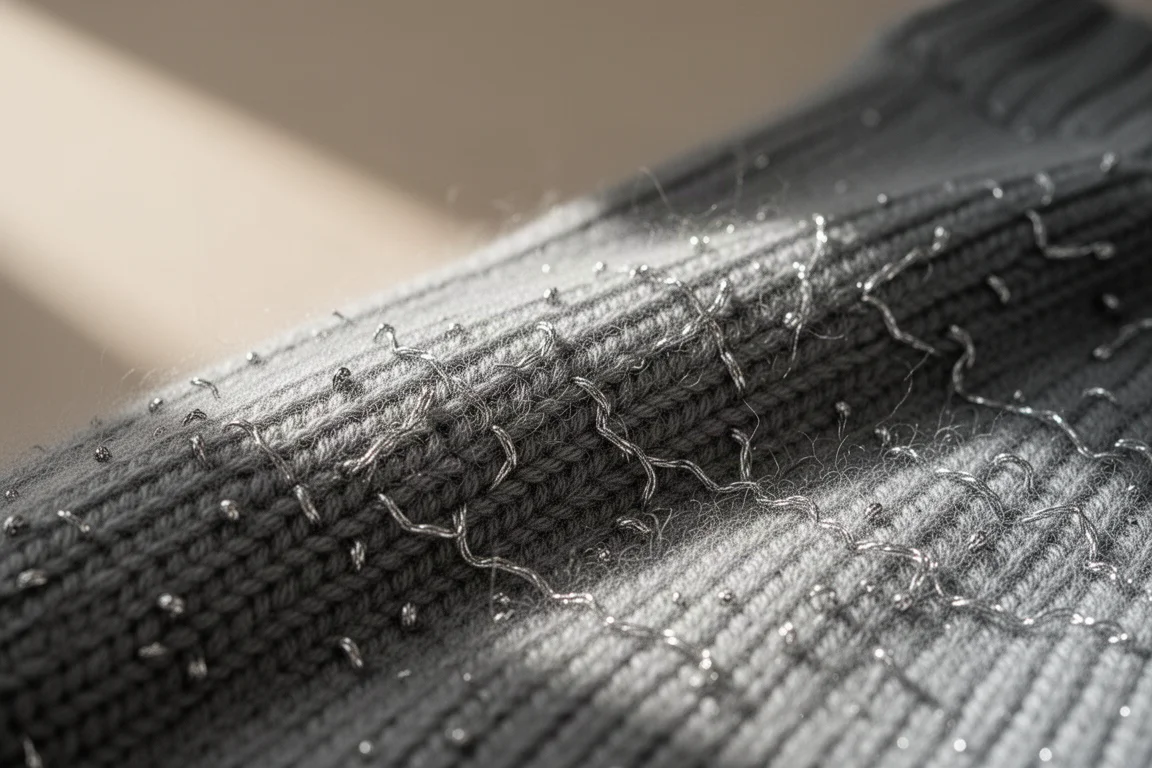
The silver component is the feature that separates this sock from most alternatives. Silver yarn is spun into the fabric and actively fights the bacteria developing inside the shoe, while the wool contributes its own antimicrobial resistance. In the newer version of the sock, the silver is spun rather than confined to the inner layer, so it is distributed throughout the whole sock instead of only the surface that touches the skin.
Construction: Seamless Build and Targeted Padding
An exposed seam inside a sock creates a ridge for toes to rub against, and that is how hot spots begin. On the Silverlight Sock the only clearly noticeable seam runs across the top of the toes, and inverting the sock reveals almost no evidence of stitching on the interior. It is an intelligent place to put the one seam that remains, and the design suggests a level of thought that matters more with every hundred kilometres.
Padding is placed where pressure actually occurs: around the heel and through the forefoot, but also over the top of the toes near that seam. That last detail is easy to overlook and genuinely useful. Many boot and shoe designs taper sharply at the front, squeezing the toes together, and the resulting friction on the top of the foot is a common source of discomfort. The spandex in the blend appears through the midfoot, cinching the sock through the arch for a close, secure hold rather than a loose fit that shifts under load.
Fit and Anatomical Shaping
The newest version of the sock is anatomically shaped, meaning the left and right socks are cut differently to mirror the shape of each foot. Since the left and right foot are mirror images of one another, a sock that is not shaped specifically for each side can only ever approximate an ideal fit. The shaping reduces slipping and bunching, which becomes particularly noticeable on slanted, off-trail terrain where a loose sock tends to migrate under the foot.
One practical wrinkle: the socks are not marked left and right. The size marking uses the letter L, so working out which sock belongs on which foot takes a moment of inspection. It is a small annoyance rather than a functional problem, but clearer labelling would make daily use easier.
Sizing runs deliberately snug. A US 10.5 in New Balance shoes corresponds to a large, and because the sock includes a light compression element, it is meant to sit tighter than an average hiking sock. That closeness is part of how the fit stays stable over long days, but it is worth keeping in mind when choosing a size.
Durability, Guarantee, and Sustainability
Durability is where the design has already been tested hard. This sock has covered roughly 820 kilometres of long distance hiking while ascending and descending the equivalent of about eight Mount Everest climbs in around a month, and it came through with a single small hole after that mileage. Over a month of continuous use, the pair needed washing perhaps three or four times, with feet staying dry and healthy throughout.
The company backs the sock with a lifetime guarantee: a pair can be sent back at any time, for any reason, and a replacement will be sent. Worldwide free shipping is included as well. On the environmental side, the sock uses recycled nylon rather than virgin nylon, and a tree is planted for every purchase.
The socks are manufactured in China. The reasoning is practical rather than incidental: the machinery that spins this type of silver yarn is extremely rare, with only around three such machines in the world, and they are located there. Precision textile work of this kind tends to concentrate where that equipment exists.
Things to Consider Before Buying
The socks are not labelled left and right, so identifying each one takes a second look at the markings. The fit is intentionally snug thanks to the compression element, which some wearers may need time to adjust to if they are used to a looser sock. Odour resistance is strong but not unlimited, with roughly two weeks of continuous wear being the point at which a wash becomes advisable. And while the construction is aimed at long term value, it is a larger upfront cost than an everyday cotton sock. Availability runs through the brand directly, which is also where the worldwide free shipping and lifetime guarantee apply.
Buying Advice
Five criteria are worth applying to any hiking sock, and this one is a useful benchmark for all of them. First, the material should wick moisture, help regulate temperature, and resist bacteria, which means a wool and synthetic blend rather than cotton. Second, silver technology adds active bacterial control on top of what wool already provides. Third, a seamless interior removes the ridges that create hot spots. Fourth, padding belongs on the heel, the forefoot, and over the toes. Fifth, an anatomical left and right shape delivers the closest fit and the least slipping.
If a current pair of socks fails several of those checks, the socks are a reasonable place to look before replacing boots. Sock and shoe work as a system, so fit and lacing still matter, but getting the layer against the skin right is the cheapest and most direct change most hikers can make.
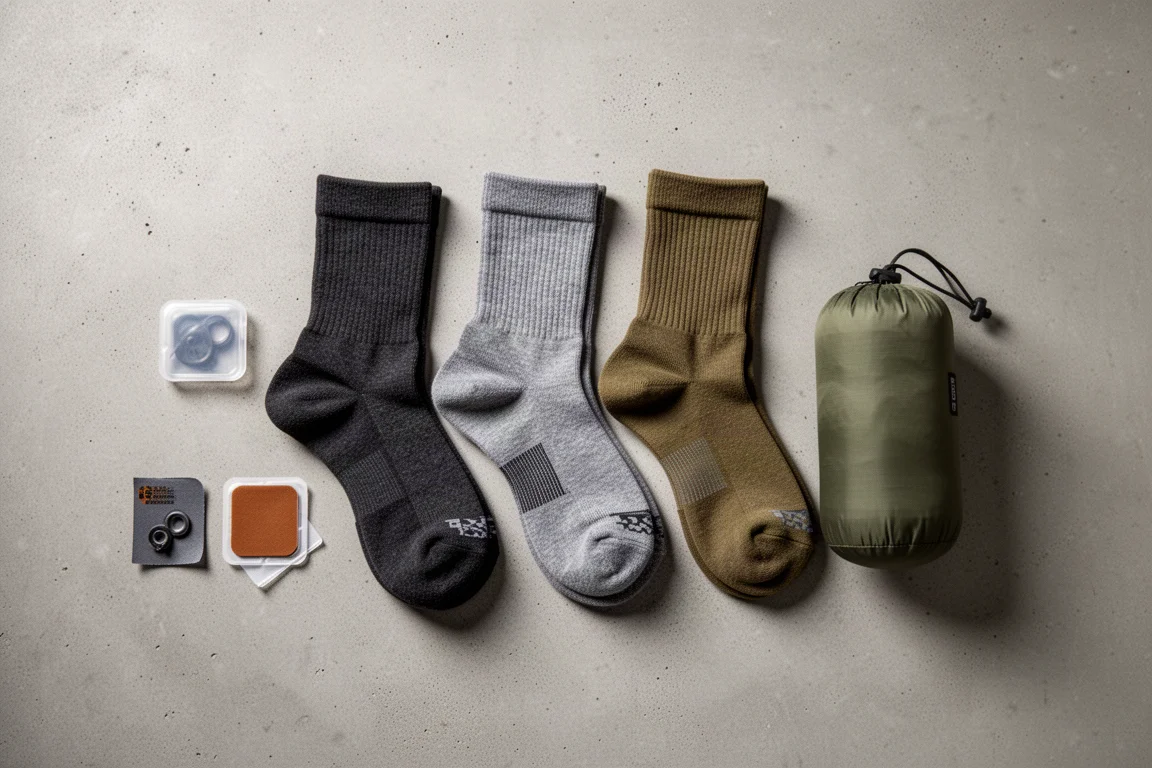
For anyone covering long distances in dry, warm conditions, or anyone who simply wants feet that stay dry and comfortable day after day, this is a well considered option. It is worth comparing against whatever is currently in the sock drawer and judging it against the same five criteria.
Conclusion
Socks deserve more credit than they usually get. The Silverlight Sock earns its place through a wool, nylon, and silver blend, a near seamless interior, padding placed where friction actually happens, and a shape built for the left and right foot separately. The lifetime guarantee, worldwide free shipping, recycled nylon, and tree planting add longer term value on top of the on-trail performance. For long distance hikers and trail runners who want fewer blisters, less washing, and drier feet, it is a straightforward upgrade worth considering.
Product link
View more details for Silverlight Sock
This product is mentioned in the review. Check the specifications, options, and compatibility before buying.
View more details for Silverlight SockFurther reading
Related Reviews
Hiking Socks
Best Hiking Socks Compared: Farm to Feet, Darn Tough, Smartwool, and Injinji
A practical comparison of four hiking sock options, covering comfort, durability, blister control, and which brands back their socks for life.
Hiking Socks
Best Hiking Socks for Backpacking: Five Brands Worth Knowing
A practical guide to choosing hiking socks by height, fabric, cushioning, and fit, plus five brands worth knowing for backpacking.
Hiking Socks
Best Hiking Socks for Backpacking: Five Brands Worth Knowing
A practical look at sock height, fabric, cushioning, and fit, plus five hiking sock brands and the trade-offs worth weighing before you buy.