Hiking Socks
Best Hiking Socks for Backpacking: Five Brands Worth Knowing
A practical guide to choosing hiking socks by height, fabric, cushioning, and fit, plus five brands worth knowing for backpacking.
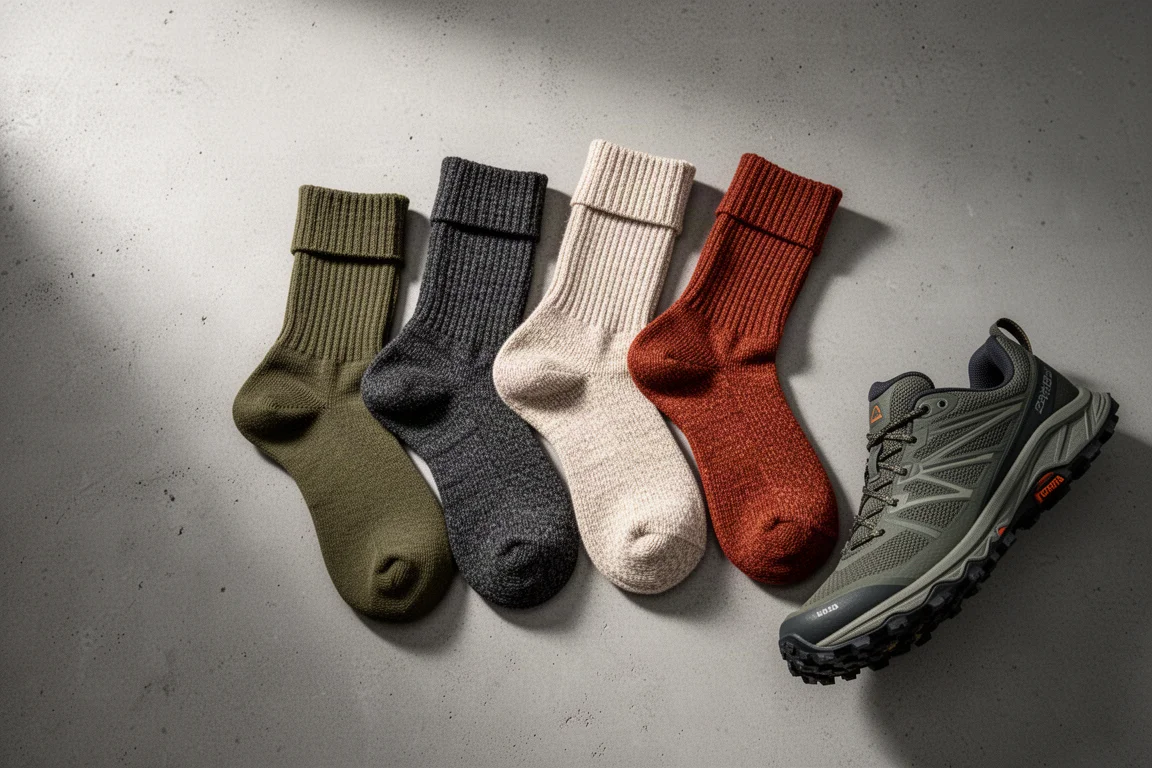
Introduction
Socks rarely get the attention that boots or backpacks do, yet they are one of the few pieces of gear that can quietly ruin a trip. Moisture, friction, and a poor fit are the usual causes of blisters, and once feet are uncomfortable, everything else on the trail becomes harder. This guide covers how to choose hiking and backpacking socks by height, fabric, cushioning, and fit, then looks at five brands that have earned a following among long-distance hikers.
What to Look For in Hiking Socks
Height: From No-Show to Knee-High
Sock height determines how much of your ankle and leg is protected, and it should be matched to your footwear and terrain rather than to looks alone.
No-show socks are the shortest option. They work best with trail runners, sneakers, and other soft footwear, because rigid boots can rub exposed ankle skin raw. They can also trap grit around the band of the sock in dusty or snowy conditions, which is a common reason to move up to the next height.
Ankle socks cover the ankle bone and add a little protection from footwear rubbing. For hikers who want the shortest option that still works with rigid boots, this is usually the practical limit.
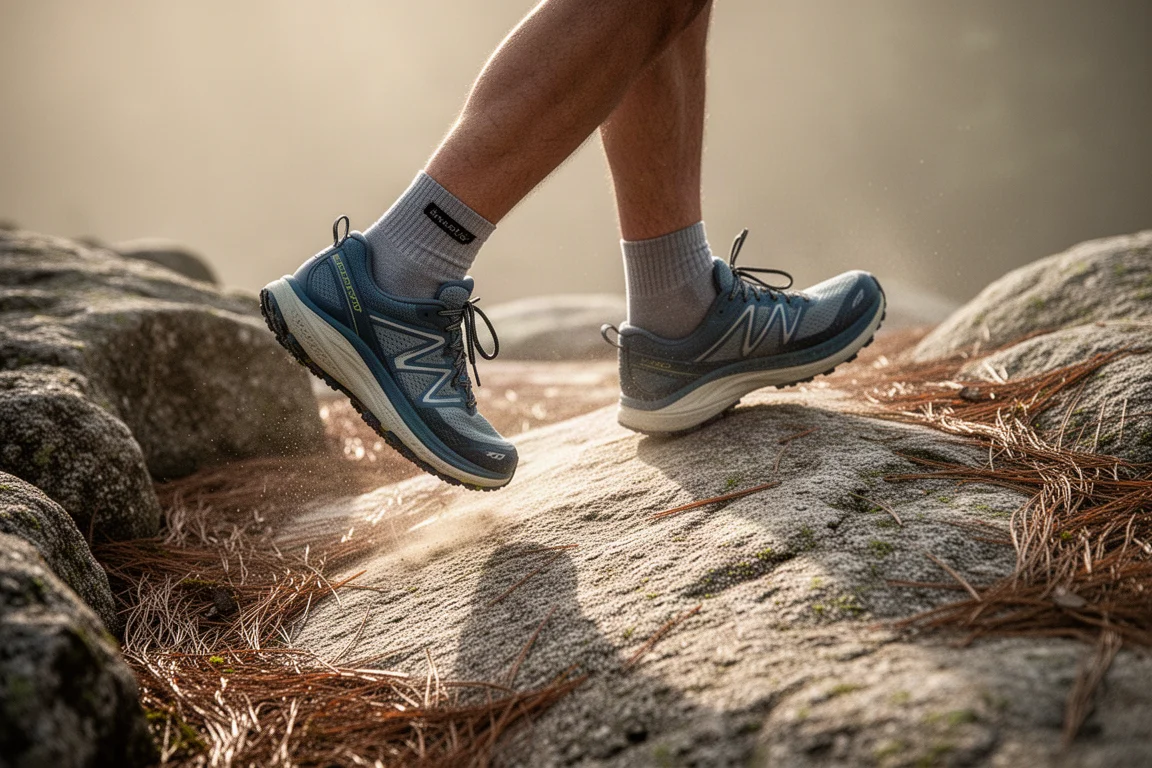
Crew socks are the standard height. They work with both trail runners and boots, protect the leg from the top edge of a boot, and offer a bit of coverage against brush on overgrown trails. They are also the usual choice for sleeping warm at night, especially in thicker, warmer versions.
Knee-high socks are the tallest option and are mainly for mountaineering and winter backpacking, where warmth and leg protection matter most. They are also worth considering for hikers with strong allergic reactions to poison ivy or poison oak, since they cover more skin.
Fabric: Merino Wool, Synthetics, and What to Avoid
Merino wool is the most common material in hiking socks, and for good reason. It is soft rather than scratchy, helps regulate temperature, and is naturally antimicrobial, which keeps odor down over multiple days. Wool is often blended with polyester or nylon, both of which improve wicking and help the sock dry faster. Silk appears in some thin liners because it is lightweight, comfortable, and good at moving moisture, though it is not especially durable. Spandex is what helps a sock hold its shape and stay fitted to the foot.
Cotton is the material to avoid. It holds moisture, which increases friction and the likelihood of blisters, and in cold conditions wet cotton works against you. You do not need an expensive technical sock to get the benefits described here. A synthetic pair from a general retailer can perform well as long as the material is right.
Cushioning and Fit
Cushioning refers to thickness and how much padding the sock provides, usually at the ball and heel of the foot. Uncushioned socks suit hot weather, when less material means less heat and less retained sweat. Light cushioning adds comfort without much warmth and still works in warmer months. Medium cushioning adds more warmth and comfort, and heavy cushioning is best for cold-weather hiking or for anyone who sleeps cold and wants thick socks at night.
Fit matters as much as material. A sock that is too loose bunches and creates friction, while one that is too tight restricts the foot. Feet also swell during a long day, so the goal is snug without being tight. The heel cup should line up with your heel. Where possible, have your feet measured at a footwear or outdoor store and use the sock maker’s size chart based on that measurement rather than on your shoe size.
Beyond the Basics: Sockliners, Toe Socks, and Cold-Weather Extras
If blisters are a recurring problem, socks offer a few targeted fixes. A sockliner is a thin, soft layer worn under a regular sock. It improves moisture wicking and separates the friction between your foot and the outer sock. Liners are less common than they once were because modern hiking socks handle moisture and friction well on their own, but they remain a worthwhile thing to try if blisters keep appearing.
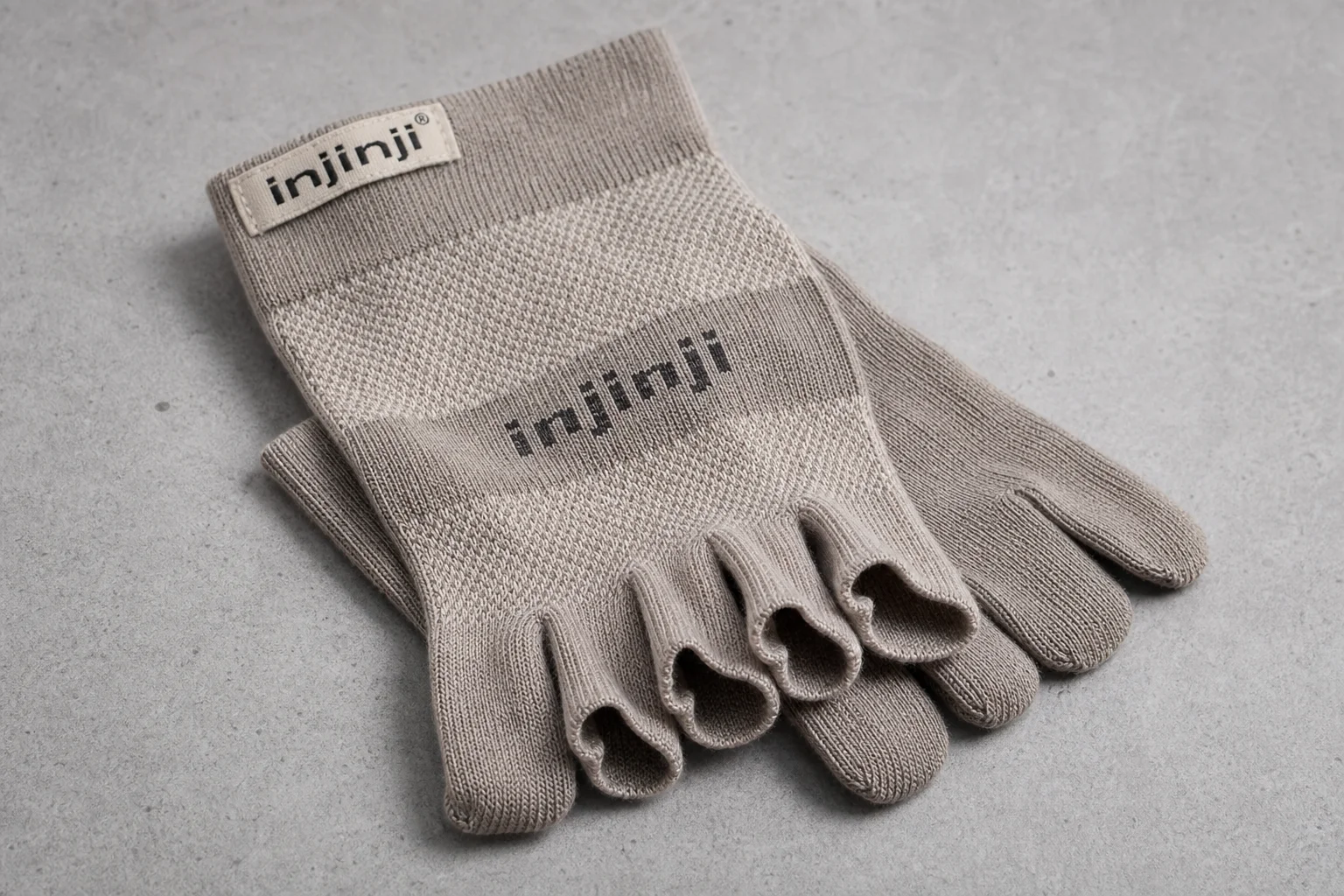
Toe socks are the other option for blister-prone feet, particularly for blisters that form between the toes. By placing fabric between each toe, they replace skin-on-skin rubbing with fabric-on-fabric contact. Some toe sock designs are also available as liners that can be worn under a standard pair.
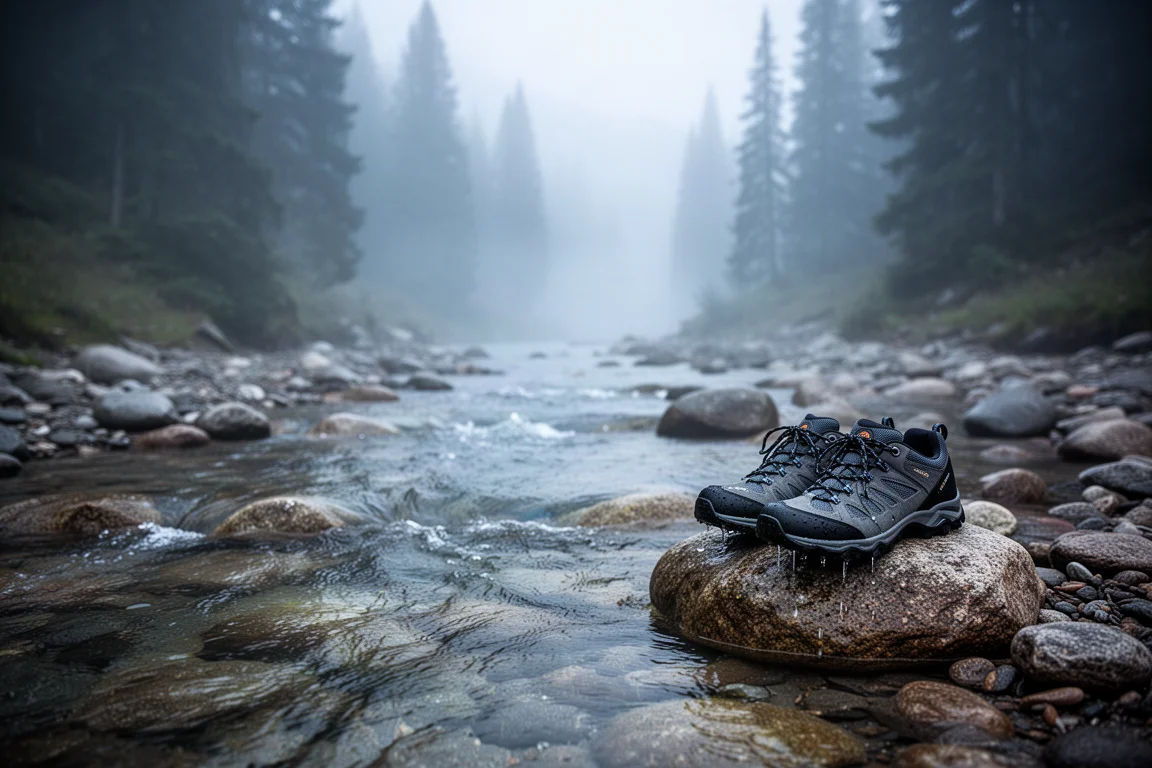
Cold and wet conditions call for a few extra tools. Waterproof socks draw mixed opinions: they can keep water out, but sweat vapor cannot escape, so feet may end up damp from the inside anyway. They make the most sense for repeated cold water crossings, where warm and wet beats cold and wet, and they are best avoided in warmer months. Neoprene booties are another option for cold, wet days. They will not keep feet dry, but they do add warmth. In a pinch, a plastic bag worn over a sock inside the shoe can hold in heat and keep some moisture out, though bags are not durable and are best treated as an emergency measure.
For cold sleepers, down booties are a light, compressible way to add warmth at night by trapping body heat around the feet, and they take up little space in a pack. Battery-powered heated socks also exist. They are heavier because of the battery pack, but for anyone who struggles with cold feet at night they can be a luxury worth considering.
Best Durability: Darn Tough Socks
Darn Tough is the most durable wool sock option covered here, and that durability is the main reason to choose it. The brand backs its socks with a lifetime warranty: if you wear a hole through them, you can send them in for a replacement pair, and many retailers that stock the brand will handle that process for you. For hikers who go through socks quickly, the combination of long wear life and a standing guarantee is the core value.
Softest Comfort: Smartwool Socks
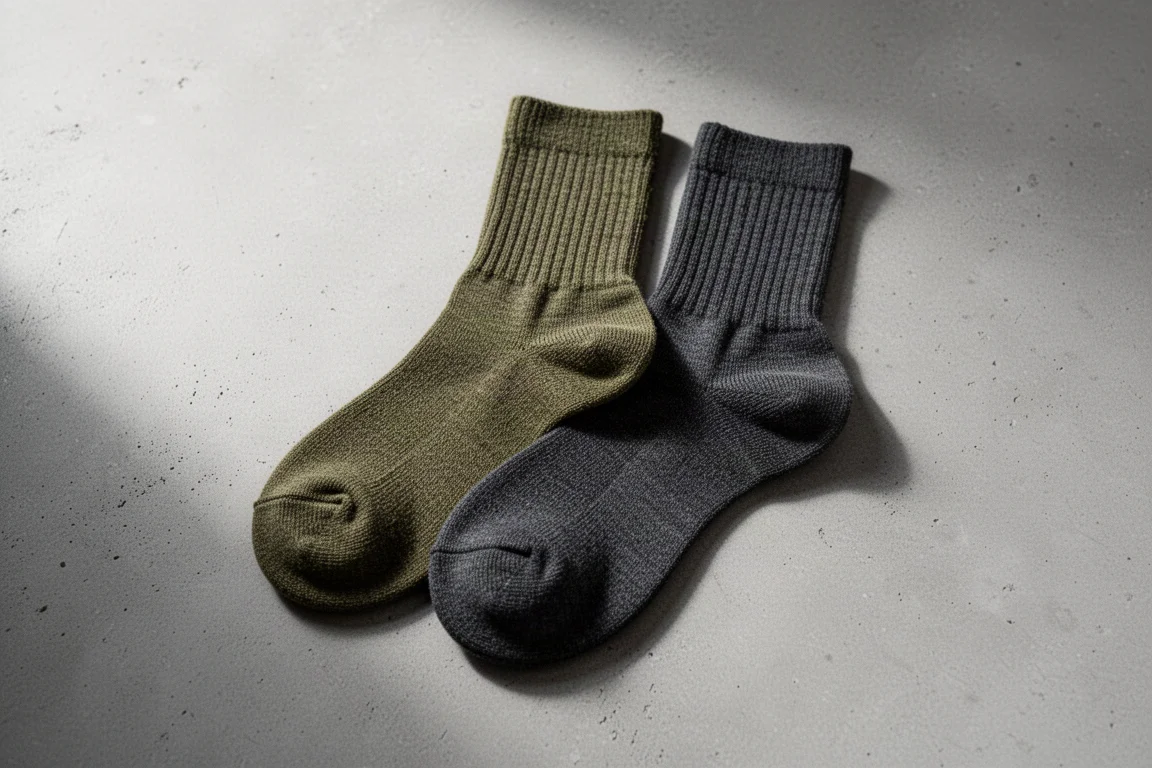
Smartwool socks are softer and more comfortable against the skin than the more durable option above, which makes them a good fit for sleeping, camp, and lower-mileage days. The trade-off is wear: they tend to wear out more quickly, they sit in a similar price range, and they do not carry a lifetime guarantee. Many backpackers end up using both, keeping the tougher pair for hiking days and a warm, soft pair for nights.
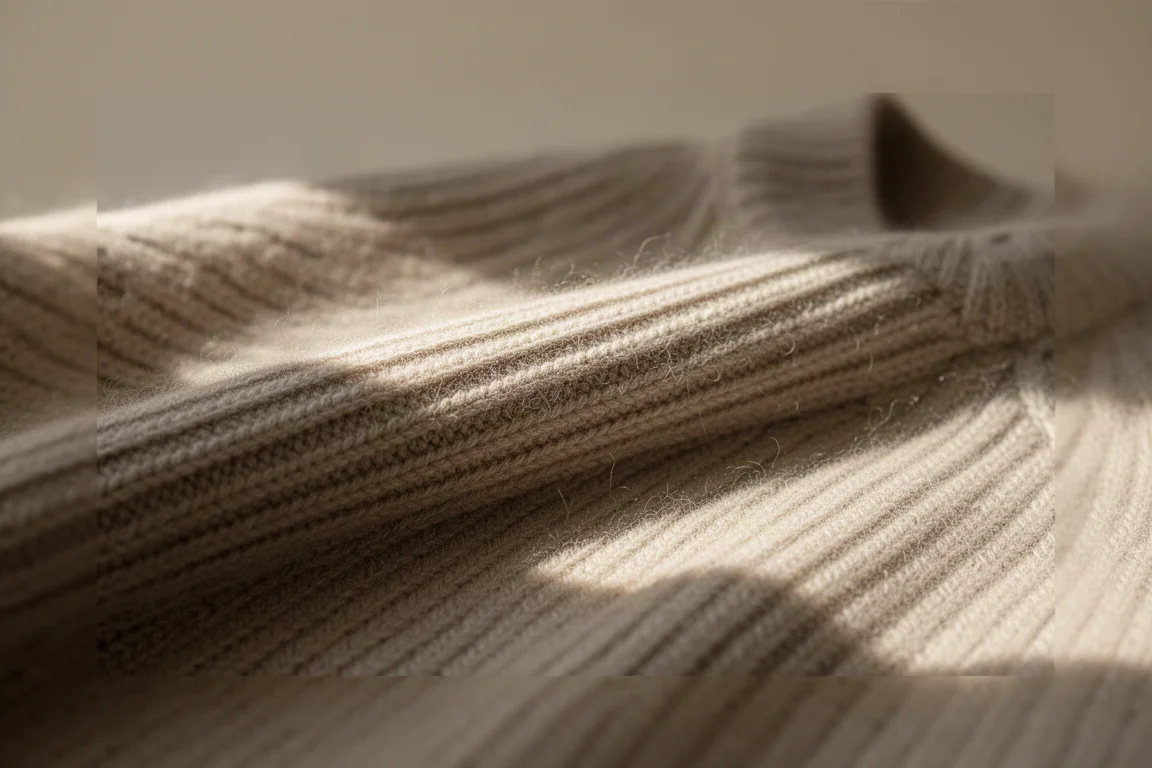
That split approach is worth considering if you are building a small sock rotation rather than buying one pair to cover everything.
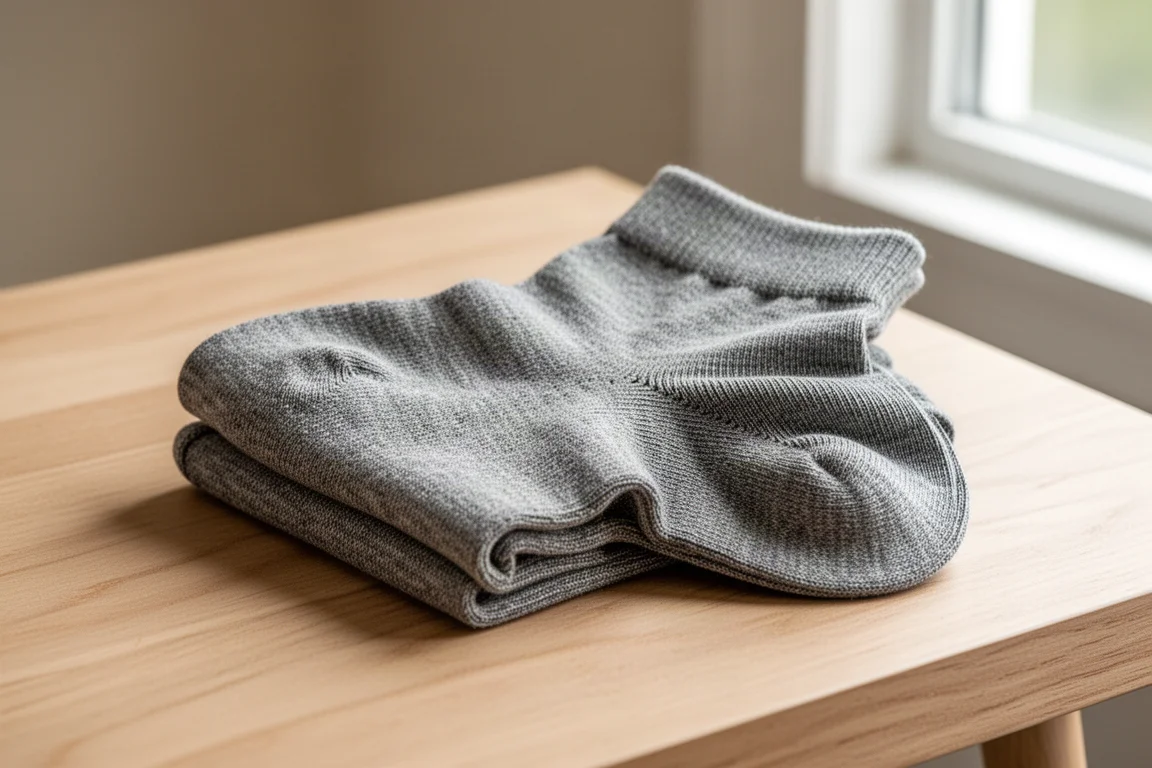
Best for Toe Blisters: Injinji Toe Socks
Injinji makes the toe socks described above, with each toe separated by fabric. For hikers who develop blisters between the toes, that separation is the whole point: fabric rubbing against fabric creates far less friction than skin against skin. Injinji also offers toe sock liners, which can be worn under a normal sock for a layered setup, or you can simply hike in the regular toe socks, which feel close to a standard sock apart from the individual toe pockets.
Also Worth Knowing: WrightSocks
WrightSocks is another brand that has seen use on long-distance backpacking trips, and it is a reasonable name to keep on your shortlist while comparing options. If the brand is new to you, the practical approach is to test a single pair on a shorter trip before committing to a full rotation.
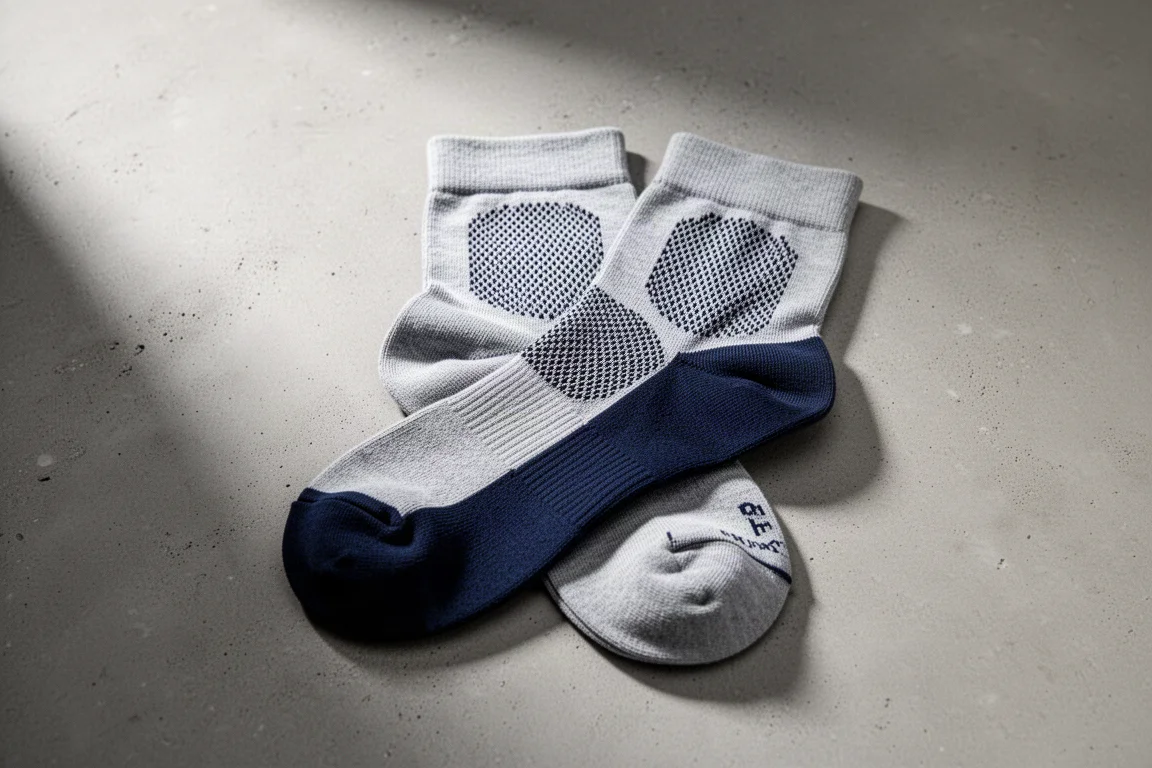
Best Low-Risk Trial: REI Brand Socks
REI brand socks are a sensible option for anyone who wants to try a new sock without much risk. REI’s satisfaction guarantee gives you up to a year to return or replace a product you are not happy with, which is reassuring when you are buying something you have not worn before.
Buying Advice: Matching Socks to Your Trip
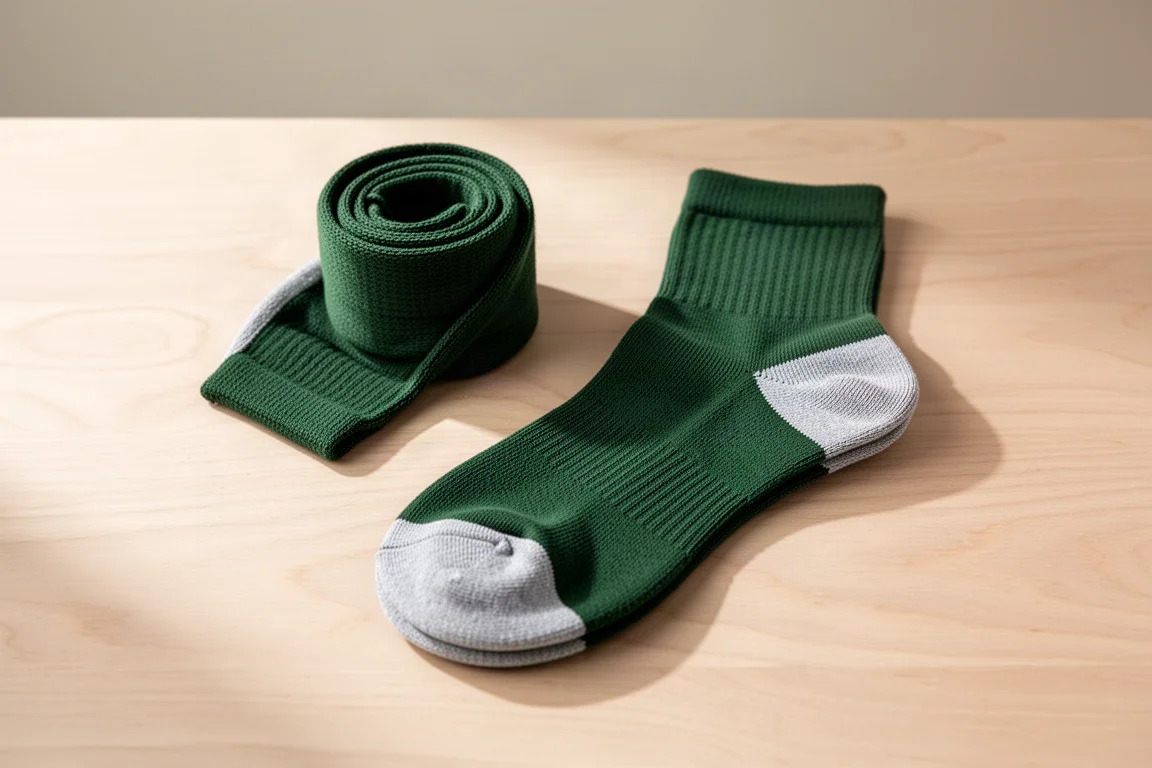
The right sock is the one that matches your footwear, your terrain, and the season. Soft trail runners pair well with shorter socks, while rigid boots usually call for at least an ankle height, and often a crew. Hot-weather trips favor thinner, uncushioned or lightly cushioned socks in merino or synthetic blends, while cold trips reward medium to heavy cushioning and, at night, a warm dedicated pair.
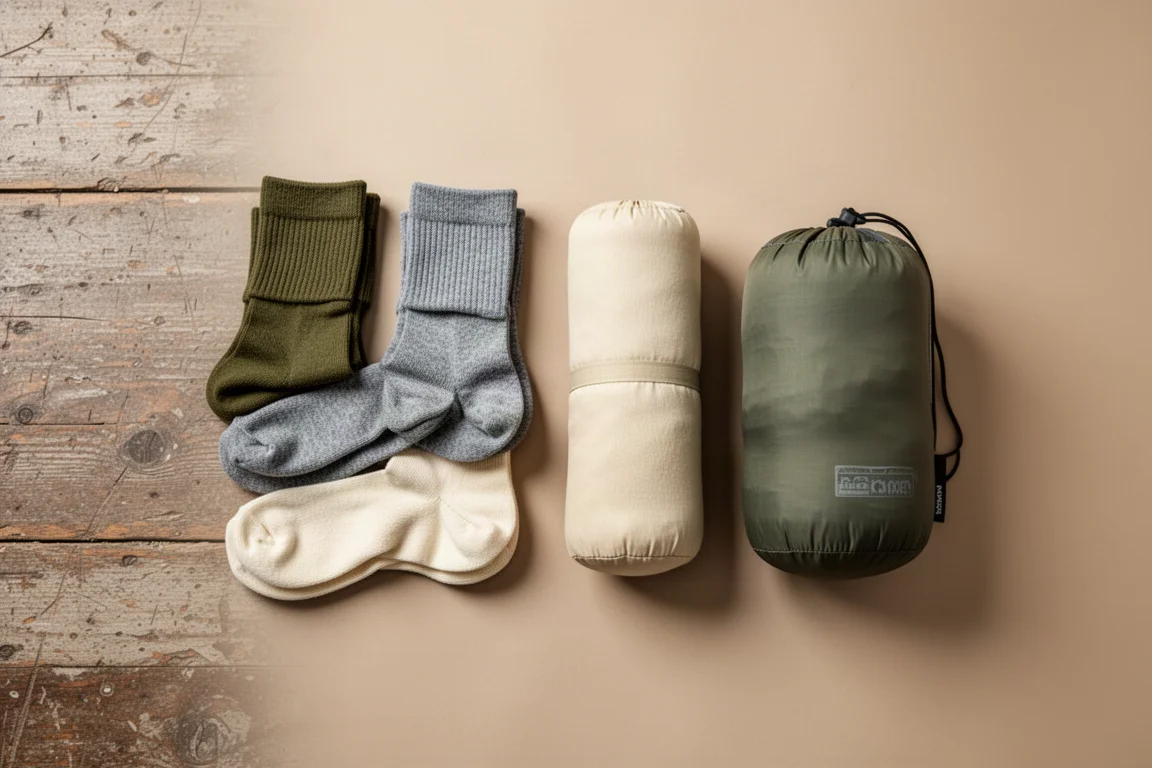
A practical sock strategy for most backpackers is two or three pairs rather than one: a durable pair for hiking, a warm comfortable pair for sleeping, and optionally a liner or a toe sock for blister-prone feet. Price is not the deciding factor. A pair in the higher range can be worth it for durability and warranty support, but a well-chosen synthetic or wool pair from a general retailer will also get the job done. What matters is avoiding cotton, getting the fit right, and matching the height and cushioning to the conditions you actually hike in.
Conclusion
Socks are cheap to change and expensive to get wrong. Sort out height, fabric, cushioning, and fit first, then decide how much you want to spend. If durability and a lifetime guarantee matter most, Darn Tough is the standout. If softness at camp matters more, Smartwool is the comfortable choice. Injinji solves the specific problem of blisters between the toes, WrightSocks is worth a look, and REI brand socks make trying something new low risk. Get the basics right and your feet will thank you for the whole trip.
Further reading
Related Reviews
Hiking Socks
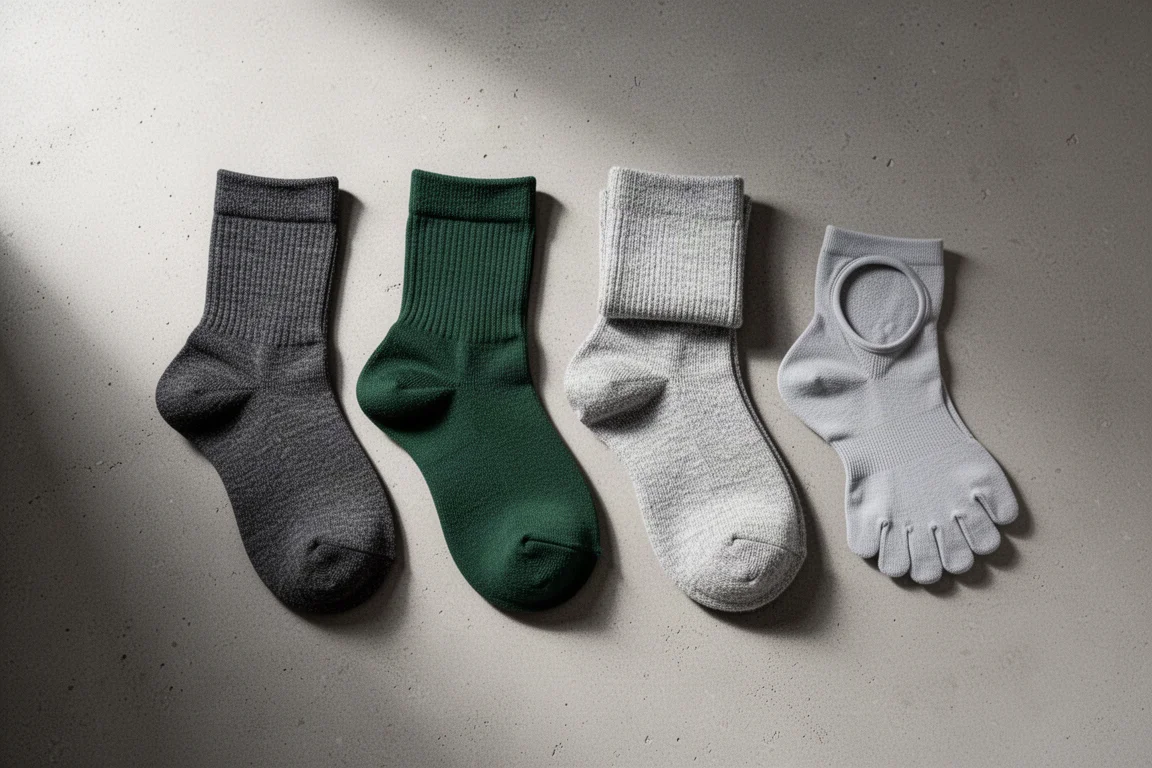
Best Hiking Socks Compared: Farm to Feet, Darn Tough, Smartwool, and Injinji
A practical comparison of four hiking sock options, covering comfort, durability, blister control, and which brands back their socks for life.
Hiking Socks
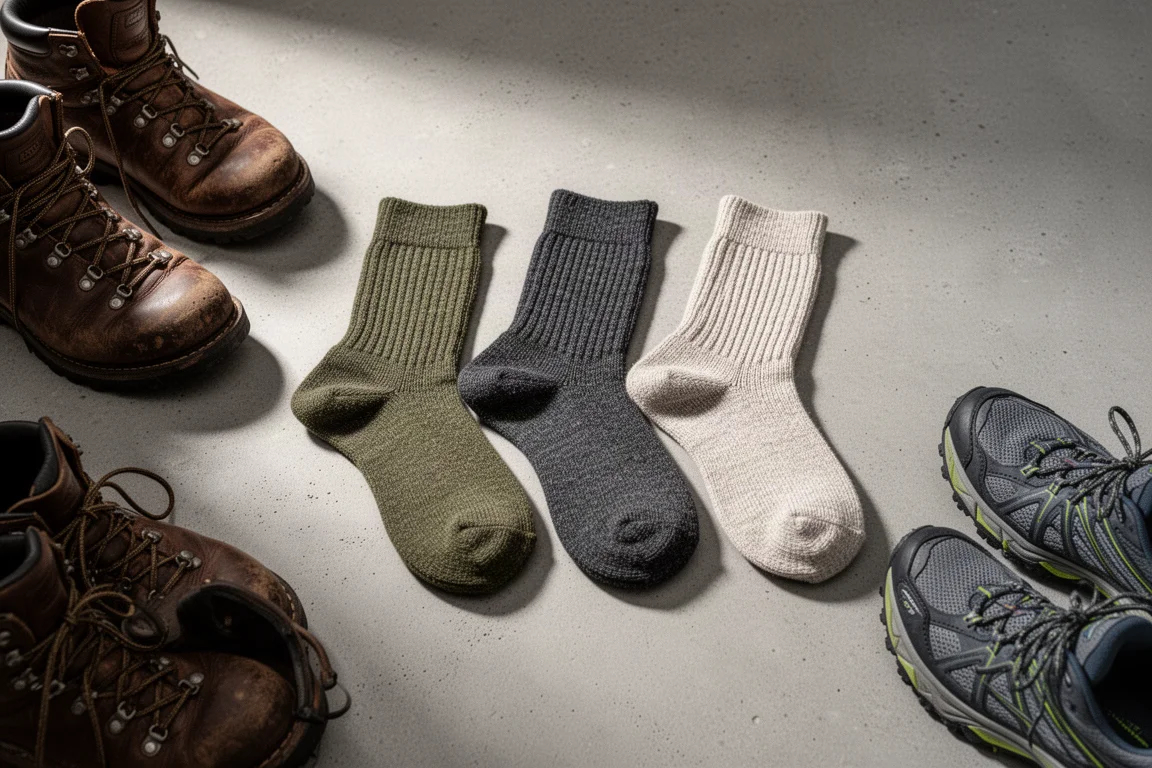
Best Hiking Socks for Backpacking: Five Brands Worth Knowing
A practical look at sock height, fabric, cushioning, and fit, plus five hiking sock brands and the trade-offs worth weighing before you buy.

Backpacking Gear
Building a 10 lb Base Weight: An Ultralight Backpacking Gear List
A practical walkthrough of the ultralight pieces behind a 10 lb base weight, from a 765 g pack and a roomy one-person tent to a full camp chair and a dependable water filter.