Hiking Socks
Best Hiking Socks for Backpacking: Five Brands Worth Knowing
A practical look at sock height, fabric, cushioning, and fit, plus five hiking sock brands and the trade-offs worth weighing before you buy.
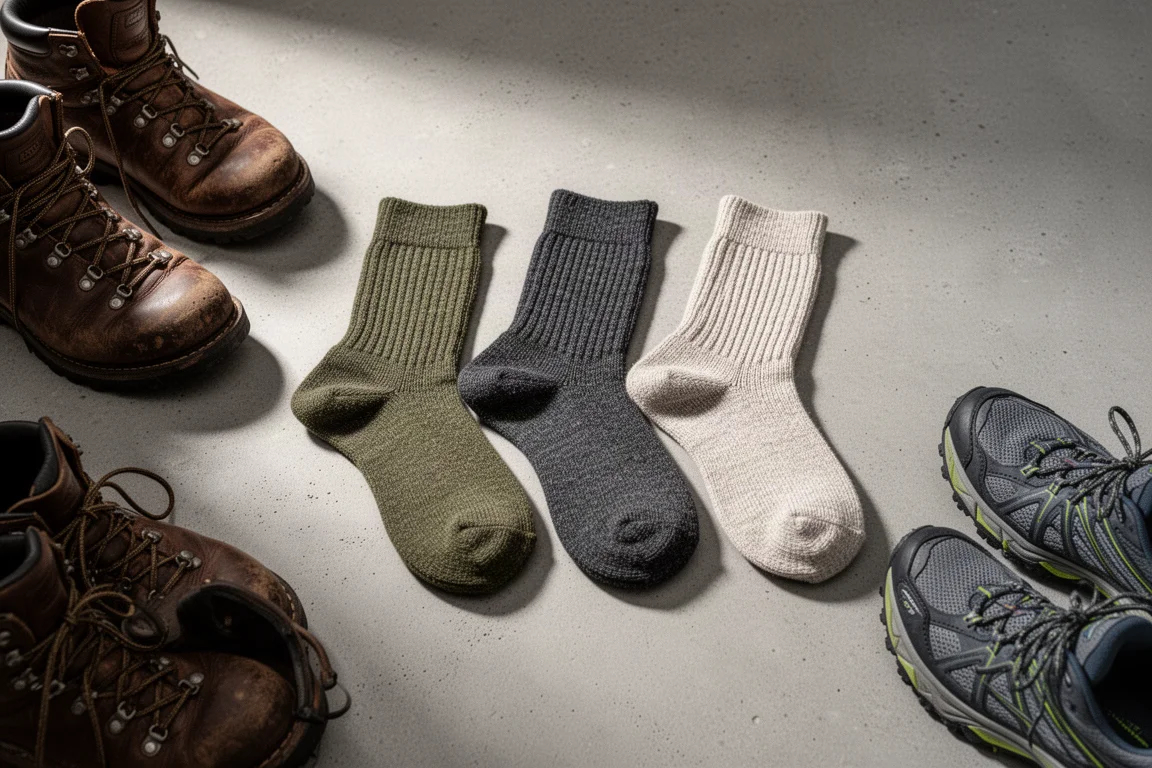
Introduction
Socks rarely get the attention that boots and backpacks do, but they sit between your foot and everything else you carry. Over a long day of hiking or a multi-day backpacking trip, a pair that fits badly, holds moisture, or offers the wrong amount of cushion can turn a good route into a painful one. Socks are also one of the least expensive parts of a kit to get right.
This guide walks through the decisions that matter: how high the sock should sit, which fabrics hold up on trail, how much cushioning suits the season, and how to get the fit right. After that, it covers five brands that hikers tend to gravitate toward, plus a handful of cold-weather options for anyone who struggles to keep their feet warm.
Sock Height: Match It to Your Footwear
Sock height is how far the sock rises up the leg, and while it often comes down to personal preference, the choice is easier when you start from the footwear and the conditions.
No-show socks are the shortest option, sitting below the ankle. They pair naturally with trail runners, sneakers, and other soft footwear. With rigid boots, the exposed skin around the ankle can be rubbed raw, so no-show socks are less suitable there. They also tend to collect grit around the cuff on snowy or sandy ground, which can chafe.
Ankle socks cover the ankle bone and add a little protection from the shoe or boot. They are a useful step up when you are walking through snow or over gritty terrain, where a no-show sock would trap debris against the skin. For rigid footwear, ankle height is about as short as most hikers would want to go.
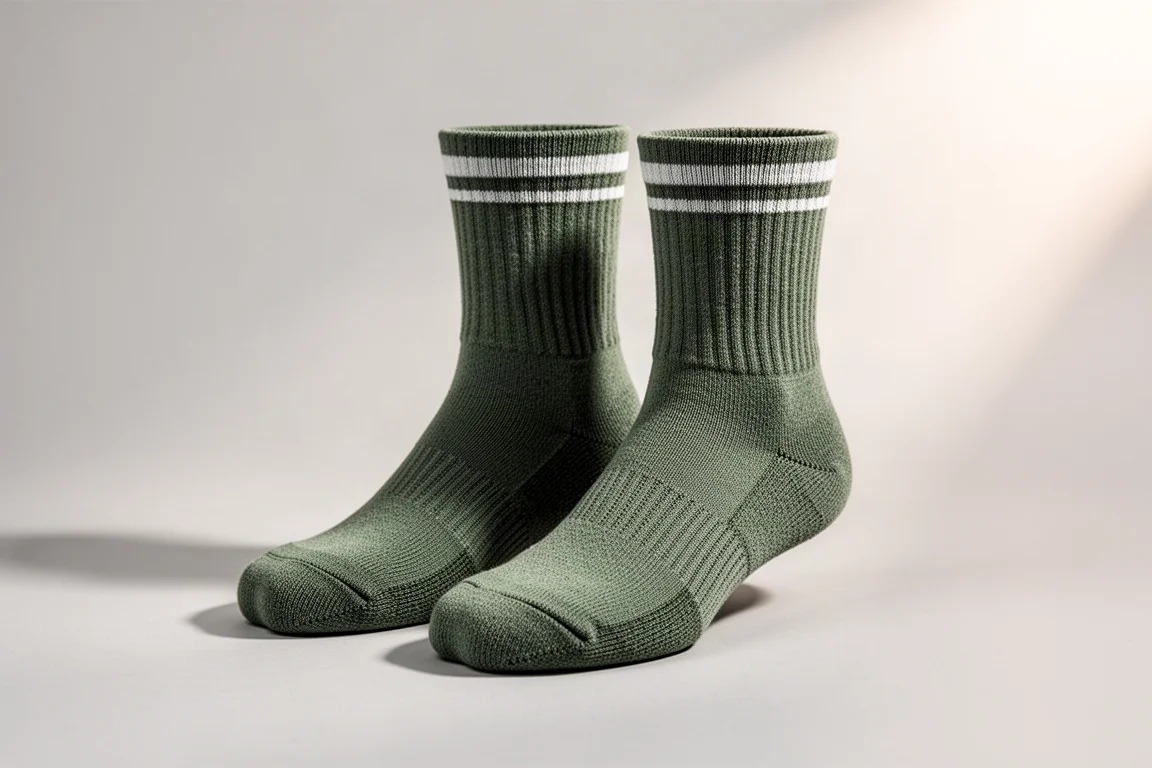
Crew socks are the middle height that most people picture when they think of a hiking sock. They work with trail runners and boots, protect the leg from the top of a boot, and add some coverage against brush on overgrown trails. A thick, warm crew sock is also a comfortable option for sleeping.
Knee-high socks are the tallest option and are aimed at mountaineering and winter backpacking, where warmth and leg coverage matter most. They are also a practical answer for hikers who react strongly to poison ivy or poison oak, since a thin pair can be worn in summer and a thicker pair when temperatures drop.
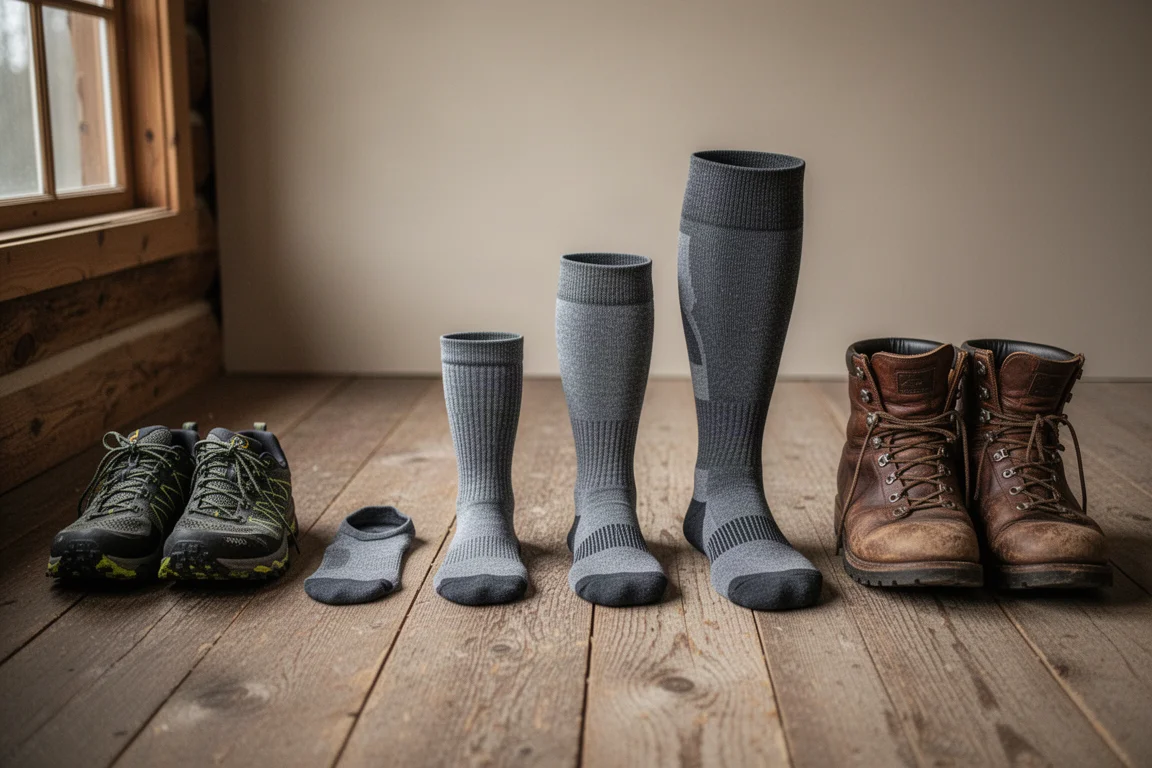
Matching the sock to the footwear, the season, and the terrain is more useful than choosing on looks alone, although there is no harm in picking a colour you like once the practical boxes are ticked.
Fabric: Wool, Synthetics, and What to Avoid
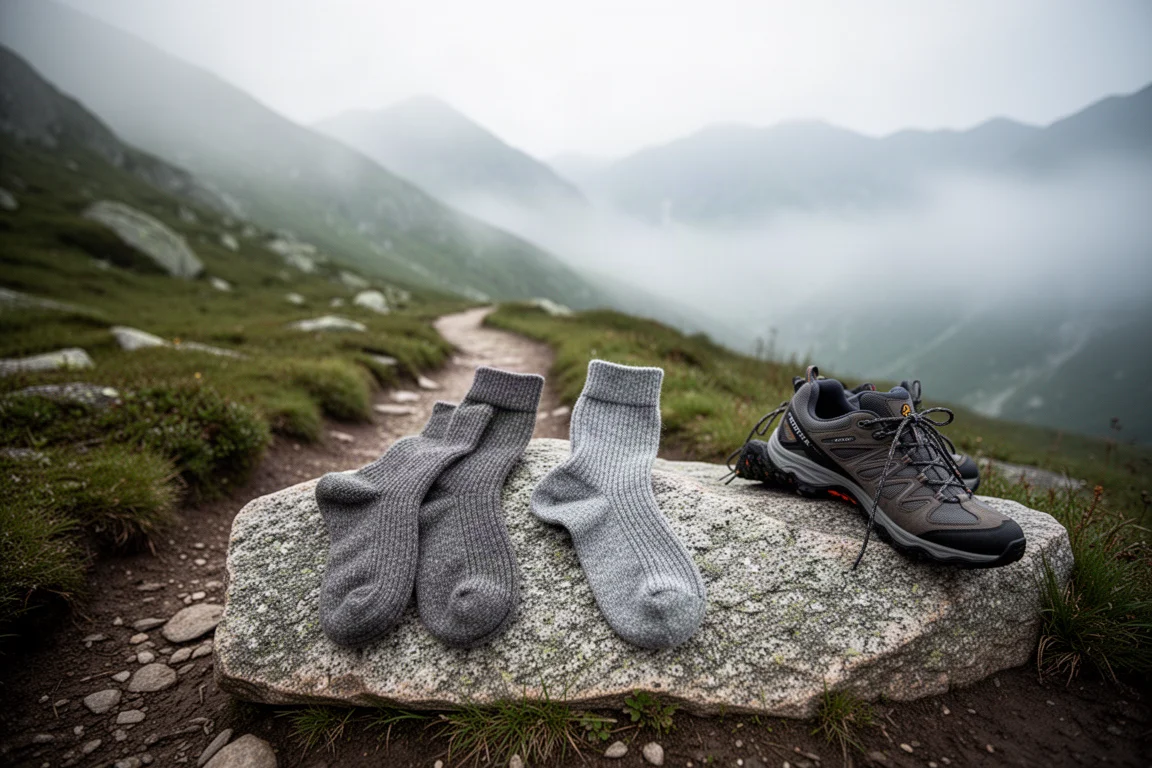
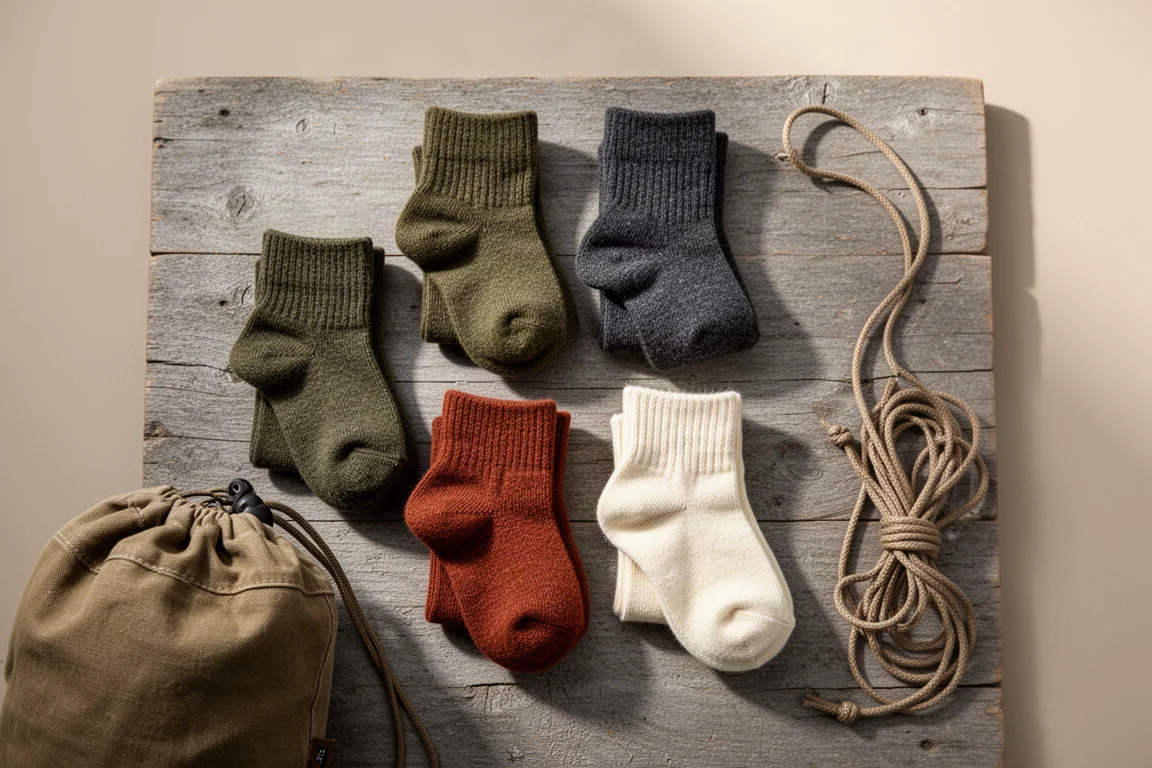
Wool is the most common material in hiking and backpacking socks, and it is not the scratchy wool of heavy blankets. Modern wool socks are usually made from merino, which is soft and comfortable next to the skin.
Wool helps regulate temperature, so feet sweat less, which in turn lowers the chance of blisters, and it is naturally antimicrobial, which keeps odour down over several days on trail. Wool is frequently blended with polyester and nylon, synthetics that help the sock wick moisture and dry quickly.
Silk appears in some socks as well. It is a natural insulator, lightweight, comfortable, and good at moving moisture, but it is not especially durable, so it turns up most often in thin liner socks. Spandex is added in small amounts to help a sock hold its shape and stay fitted to the foot.
Cotton is the material to avoid. It holds moisture against the skin, which makes blisters and general discomfort more likely, and in cold, wet conditions a damp cotton sock contributes to heat loss. A high price is not a requirement either: a synthetic pair from a department store can work well, as long as the fabric is wool or a synthetic blend rather than cotton.
Cushioning and Fit: The Details That Prevent Blisters
Cushioning describes the thickness of the sock and how much padding it puts under the foot. A no-cushion sock suits hot weather, since there is less material to hold heat and sweat. A low or light cushion adds a little padding at the ball and heel while staying comfortable in warm conditions. Medium cushioning adds warmth as well as comfort under the ball and heel, and heavy cushioning is the choice for cold months, winter hiking, and sleeping warm at night.
Fit matters just as much as fabric. A sock that is too loose bunches and creates friction, while one that is too tight restricts the foot. Feet also swell over the course of a day, so the aim is a snug fit that is not tight, with the heel cup sitting properly against the heel of your foot. Having your foot measured at a shoe shop or an outdoor retailer is more reliable than working from shoe size, and sock brands publish size charts based on foot measurements rather than shoe size.
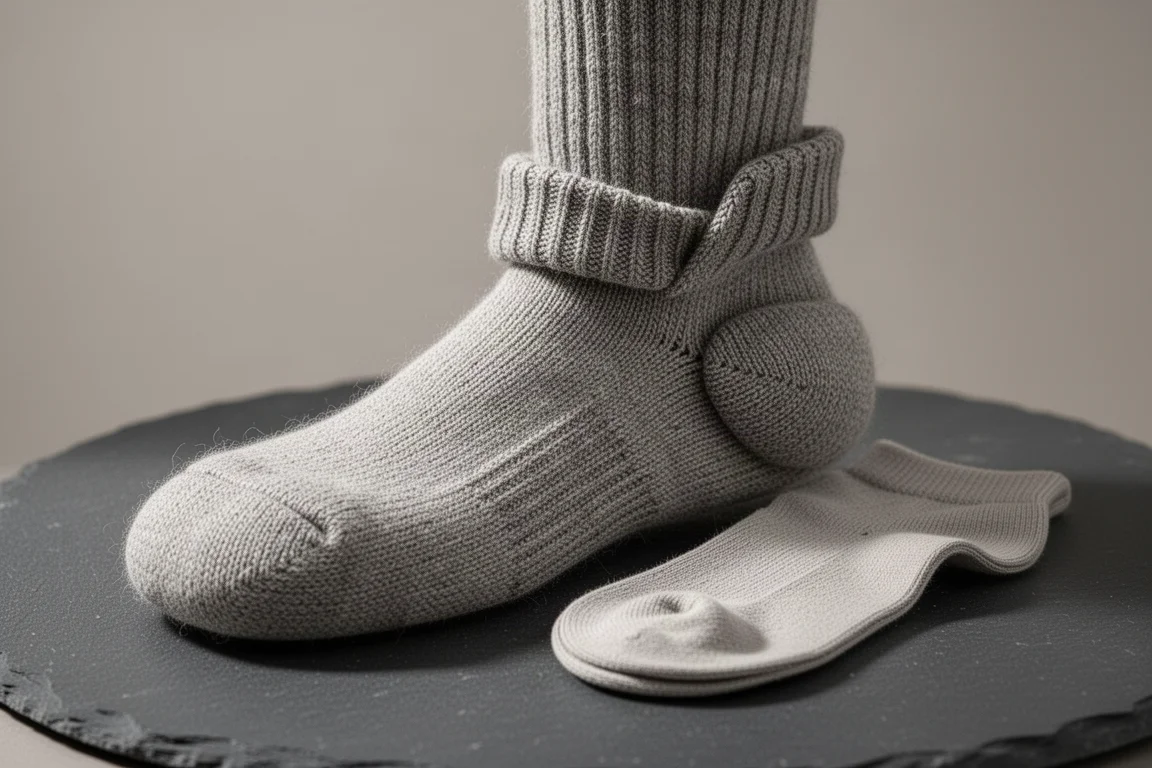
If you are ordering online, measure first and check the brand’s own size chart. It is a small step that prevents most of the fit problems that lead to rubbing.
Extras for Blister-Prone Feet: Sockliners and Toe Socks
If a first hiking or backpacking trip ends with blisters, footwear may be part of the story, but socks can help as well.
A sockliner is a thin, soft, sock-shaped layer worn underneath your normal sock. It wicks moisture and separates the friction between your foot and the outer sock. Liners are less common than they once were, because modern hiking socks manage moisture and friction well on their own, but they are still worth trying if blisters keep returning.
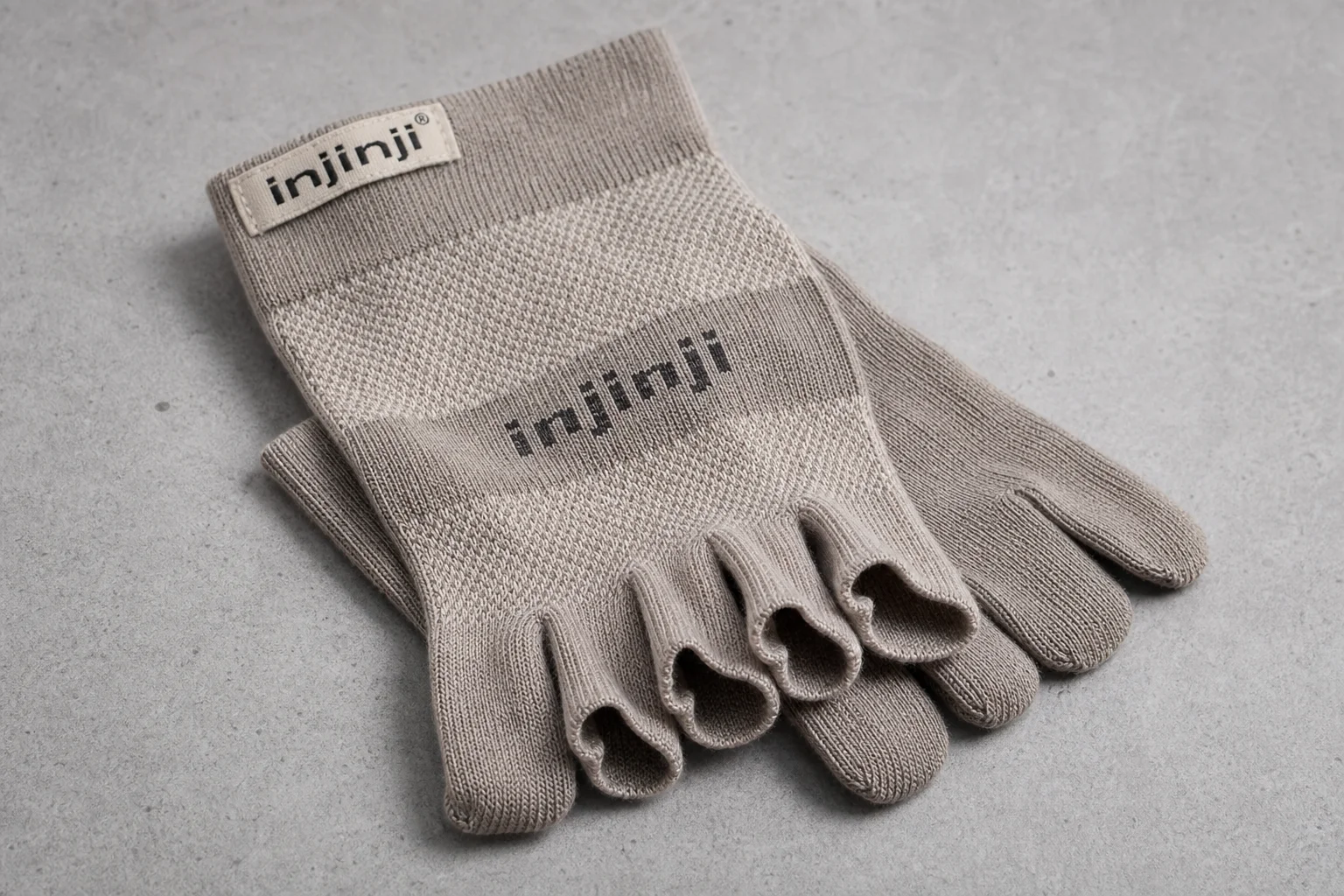
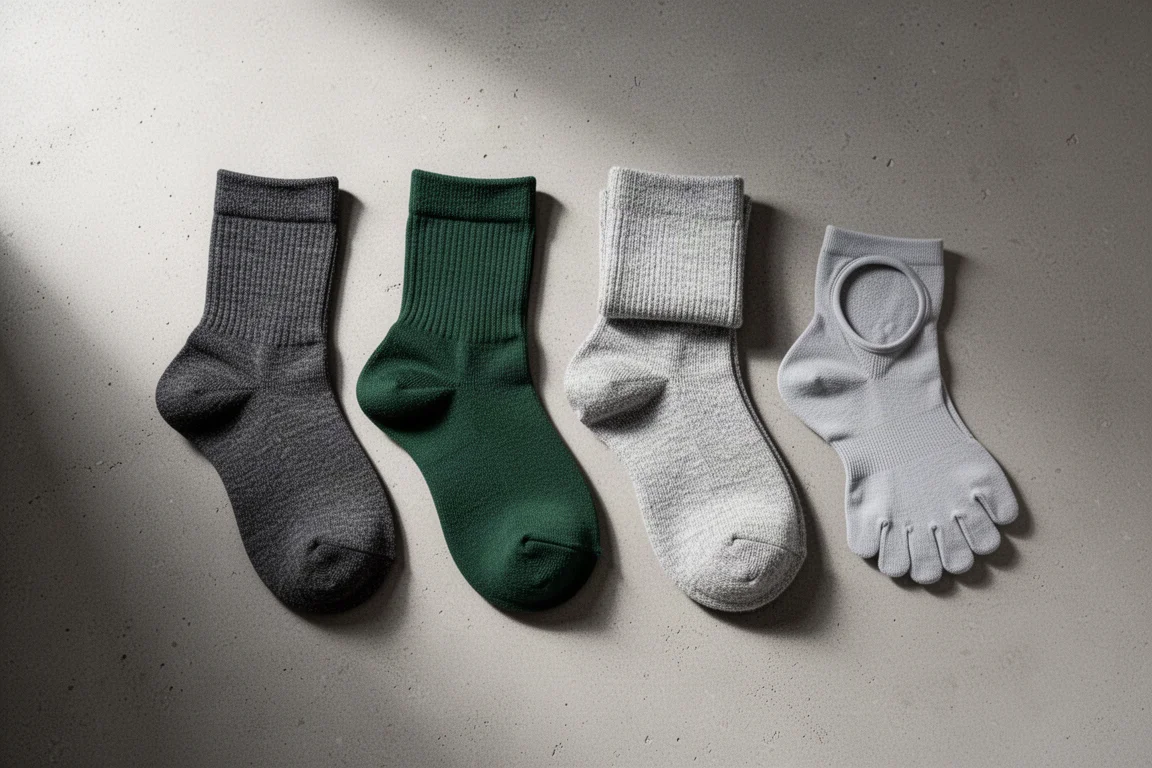
Blisters between the toes are a different problem, and toe socks are the usual answer. Each toe sits in its own sleeve, so fabric rubs against fabric instead of skin rubbing against skin. Toe socks also come in liner versions, which can be worn on their own or under a standard pair.
Darn Tough: Durability With a Lifetime Warranty
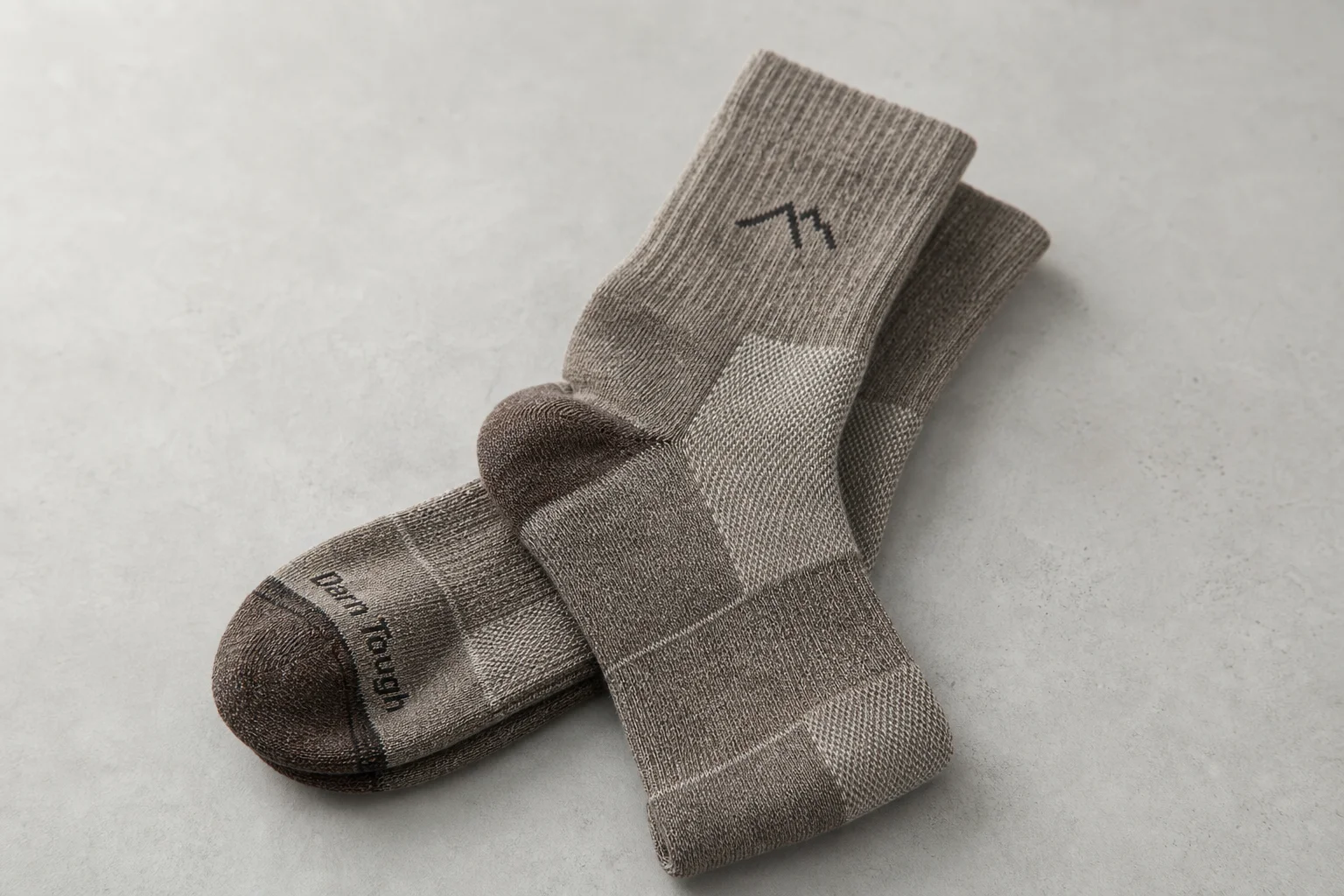
Darn Tough is the brand to look at first if durability is the priority. Its wool socks last longer than other wool options, and they come with a lifetime warranty: if you wear a hole through a pair, you can send it back for a replacement, and many retailers that stock the brand will handle the process on the spot. That combination of longevity and a standing guarantee is what keeps the brand in so many hiker recommendations, even though a pair costs in the region of $15 to $20.
Smartwool: Softer Comfort, Shorter Lifespan
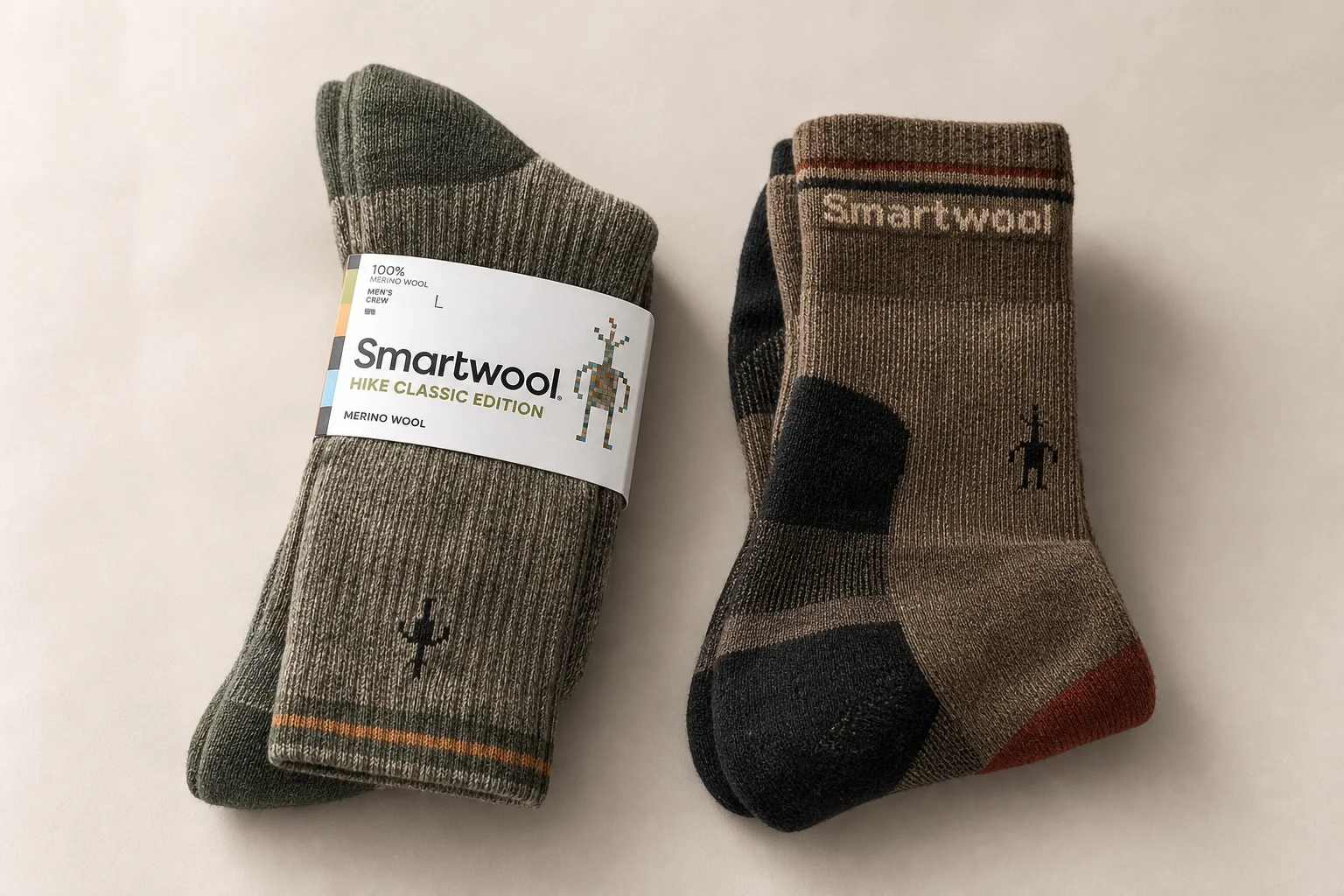
Smartwool is the softer option. The fabric feels more comfortable against the skin than a firmer wool sock, which makes it a pleasant choice for camp and for sleeping. The trade-off is longevity: these socks wear out more quickly, they sit in a similar price bracket, and they do not carry a lifetime guarantee. A practical split is to hike in the more durable pair and sleep in the softer one.
Injinji Toe Socks: Blister Relief Between the Toes
Injinji is best known for toe socks and is the brand to consider if blisters form between your toes. Separating each toe reduces the skin-on-skin friction that causes those blisters, and once they are on, the socks feel much like a normal pair. Injinji also makes toe sock liners, which can be worn on their own or underneath a standard sock for extra moisture management.
Toe socks are also simply a change of pace, and they are worth trying when the usual remedies have not solved a recurring problem between the toes.
WrightSocks: A Lesser-Known Option to Shortlist
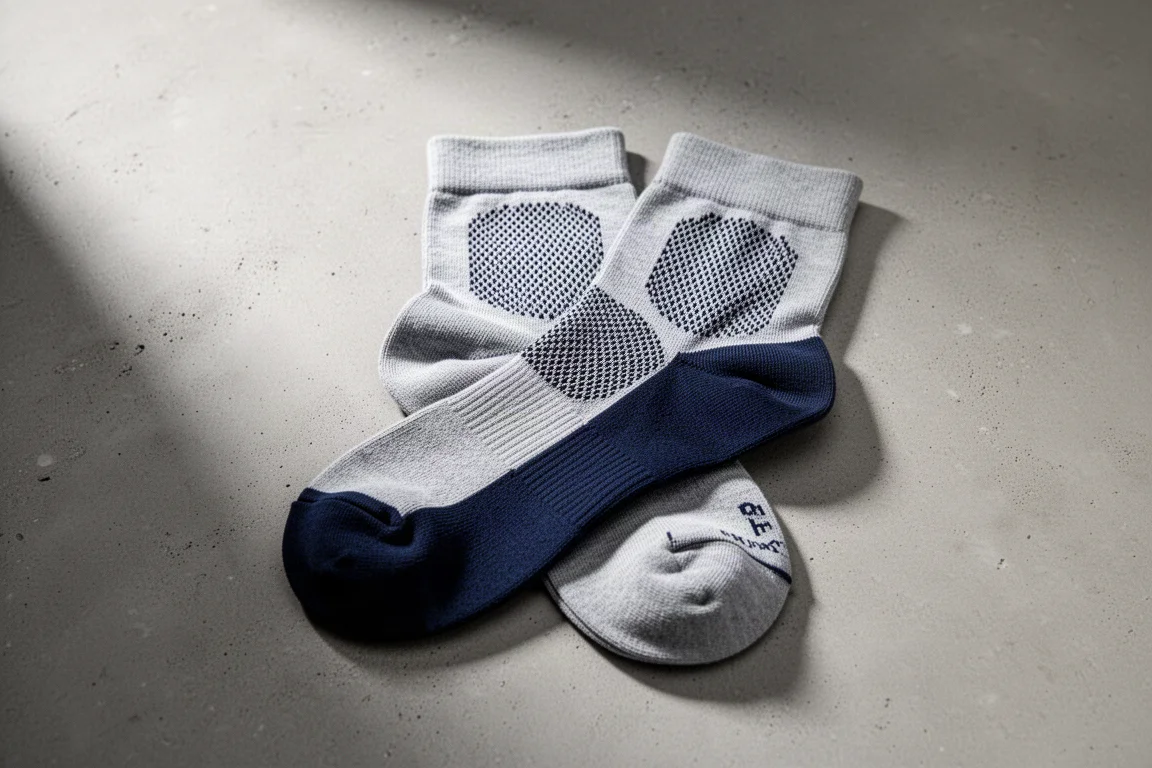
WrightSocks is another name that hikers pass along, and it belongs on a shortlist alongside the better-known wool brands. Its following is smaller than that of Darn Tough or Smartwool, which makes it a reasonable pick for anyone who prefers to try options outside the usual recommendations.
REI Brand Socks: A Low-Risk Way to Try Something New
The REI brand is a low-risk way to try a new sock. The retailer’s satisfaction guarantee allows a product to be replaced for up to a year if it does not work out, which removes some of the guesswork from buying a sock you have not worn before. For a first pair in an unfamiliar brand, that kind of policy is genuinely useful.
Cold-Weather Extras for Winter Hiking and Camping
Waterproof socks divide opinion. Some hikers find they work well, while others end up with wet feet anyway, since a waterproof layer over a sweating foot traps vapour inside. They make the most sense on cold days with repeated water crossings, when feet are going to get wet regardless, and they are best avoided in warm weather, where a constantly warm, damp foot invites fungal problems.
Neoprene booties are another option for cold, wet days. They do not keep feet dry, but they do keep them warmer, which matters when you are wading through rivers and streams in freezing conditions. A cheaper trick is to wear a plastic bag over your socks inside your shoes. It holds some heat in and keeps some moisture out, but plastic bags are not durable, so treat it as an emergency measure rather than a system.
For cold nights, down booties are a lightweight way to keep feet warm in camp and in a sleeping bag. The lofted down traps body heat, and because down compresses, they take up little space in a pack. Battery-powered heated socks exist as well. They are heavier than down booties because of the battery pack, but an external heat source can be worth the weight for anyone who regularly sleeps with cold feet.
Buying Advice: What to Spend and How to Choose
You do not need to spend $15 to $20 on a pair of socks to hike comfortably. Budget socks made from wool or a synthetic blend do the job, and the only material worth ruling out is cotton. The decisions that matter are the ones covered above: height matched to footwear and season, a fabric that manages moisture, cushioning matched to the temperatures you expect, and a fit that is snug without being tight.
If you change only one thing, start with fit. A correctly sized sock in a wool or synthetic blend will outperform an expensive sock in the wrong size. From there, match the sock to the trip: low-cut, lightly cushioned pairs for warm-weather trail running, cushioned crew socks for three-season backpacking, and thicker knee-high or heavy-cushion pairs for winter conditions.
Conclusion
A good pair of socks is one of the least expensive upgrades you can make to a hiking or backpacking setup, and the difference shows up quickly in how your feet feel at the end of a long day. Match the height to your footwear, choose wool or a synthetic blend over cotton, pick cushioning for the season, and get the fit right. Darn Tough, Smartwool, Injinji, WrightSocks, and the REI brand all have something to offer, and the right choice comes down to whether you value durability, softness, blister prevention, or an easy return policy.
Further reading
Related Reviews
Hiking Socks
Best Hiking Socks Compared: Farm to Feet, Darn Tough, Smartwool, and Injinji
A practical comparison of four hiking sock options, covering comfort, durability, blister control, and which brands back their socks for life.
Hiking Socks
Best Hiking Socks for Backpacking: Five Brands Worth Knowing
A practical guide to choosing hiking socks by height, fabric, cushioning, and fit, plus five brands worth knowing for backpacking.

Backpacking Gear
Building a 10 lb Base Weight: An Ultralight Backpacking Gear List
A practical walkthrough of the ultralight pieces behind a 10 lb base weight, from a 765 g pack and a roomy one-person tent to a full camp chair and a dependable water filter.