Hiking Socks
Best Hiking Socks Compared: Farm to Feet, Darn Tough, Smartwool, and Injinji
A practical comparison of four hiking sock options, covering comfort, durability, blister control, and which brands back their socks for life.
Introduction
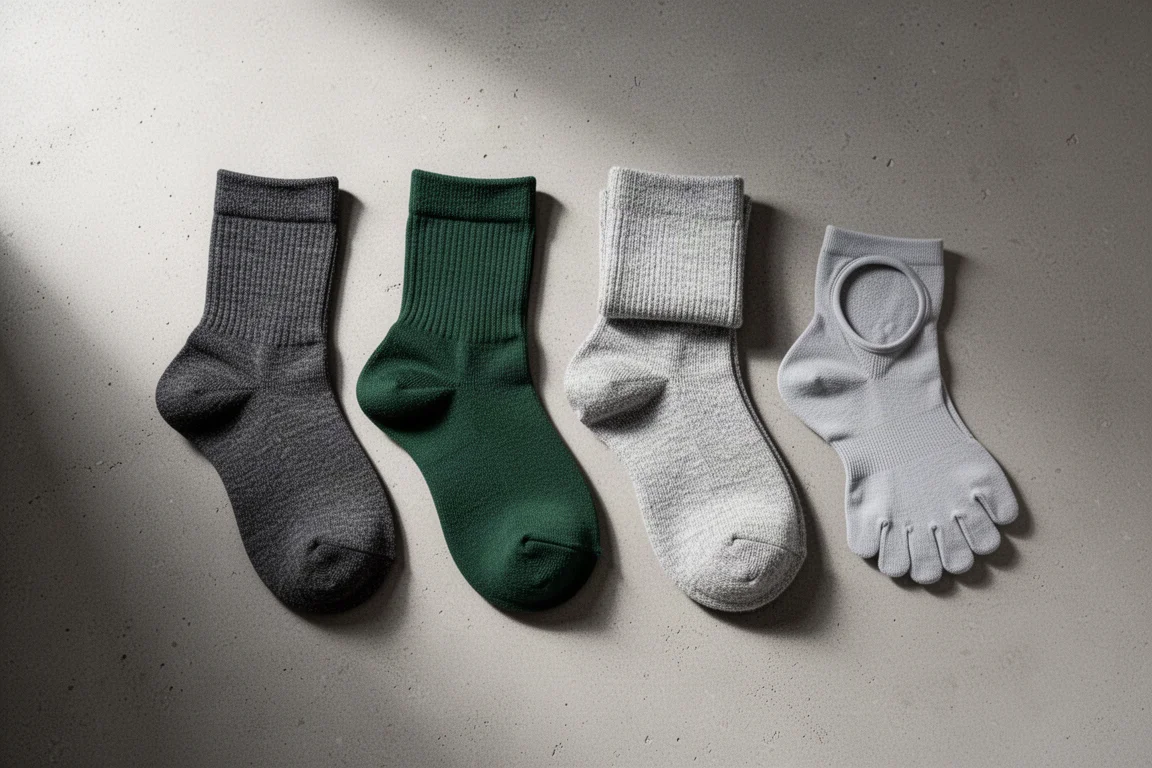
Four names come up repeatedly when long-distance hikers talk about what goes on their feet: Farm to Feet, Darn Tough, Smartwool, and Injinji. Each solves the same problem from a different angle. Darn Tough leans on durability and a guarantee that outlasts the sock itself. Farm to Feet matches that guarantee while aiming for a softer, less stiff feel. Smartwool puts comfort first. Injinji takes a structural approach by separating the toes entirely.
This comparison breaks down how those four behave in real trail conditions, where the practical priorities are cushioning, longevity, blister control, and how easy it is to get a worn-out pair replaced.
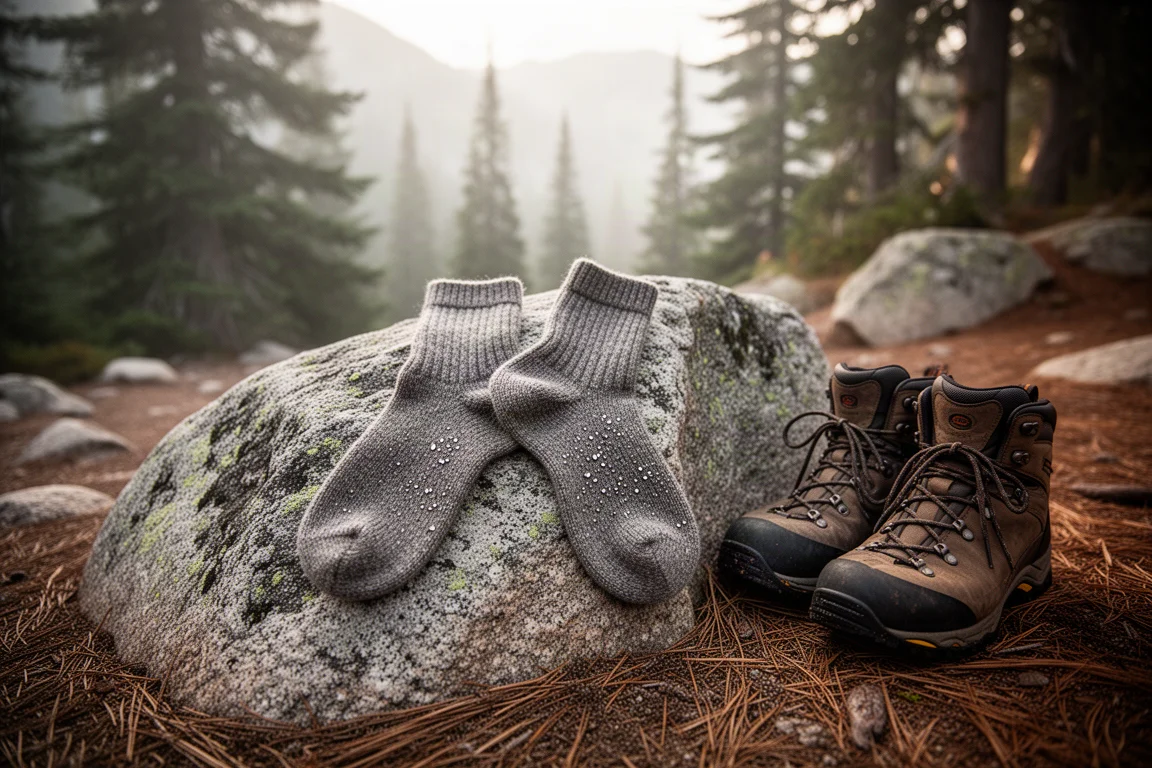
The notes below draw on long-distance trail use, including a rotation that covered roughly 175 miles on a thru-hike and a control pair from another brand that lasted an entire thru-hike. That contrast is the most useful starting point for anyone choosing between these four.
How These Socks Compare
Four factors matter more than anything else when picking a hiking sock for long distances.
Comfort and cushioning. A sock that feels soft and flexible against the foot is easier to wear day after day, especially once feet are tired and swollen. Cushioning options vary by brand and by style within each brand.
Durability and lifespan. On a long trail, socks are consumables. A pair that wears through after roughly 100 miles means repeated replacement along the route, which is both a cost and a logistics problem.
Guarantee and availability. A lifetime guarantee changes the maths on a sock, because a hole stops being a total loss. How easy it is to actually use that guarantee matters too, and that often depends on whether local shops carry the brand and handle exchanges in store.
Blister control. Friction and moisture cause most trail blisters. Sock construction influences both, from how the fabric manages moisture to whether the toes are separated from each other.
Farm to Feet Damascus Lightweight Elite Hiking Sock
Farm to Feet is a US-made sock brand with a lifetime guarantee, and its Damascus Lightweight Elite Hiking Sock is the model that prompted the comparison. The brand offers a range of styles and cushioning levels, so the Damascus is one option within a broader line rather than the only choice.
The appeal is straightforward: it is built to the same guarantee standard as the longest-running names in hiking socks, with a softer feel on the foot. Where the brand is less established is availability. It is not yet as widely stocked as Darn Tough, so finding a pair in a physical shop may take more effort, and the store-level exchange convenience that comes with a widely stocked brand is less certain.
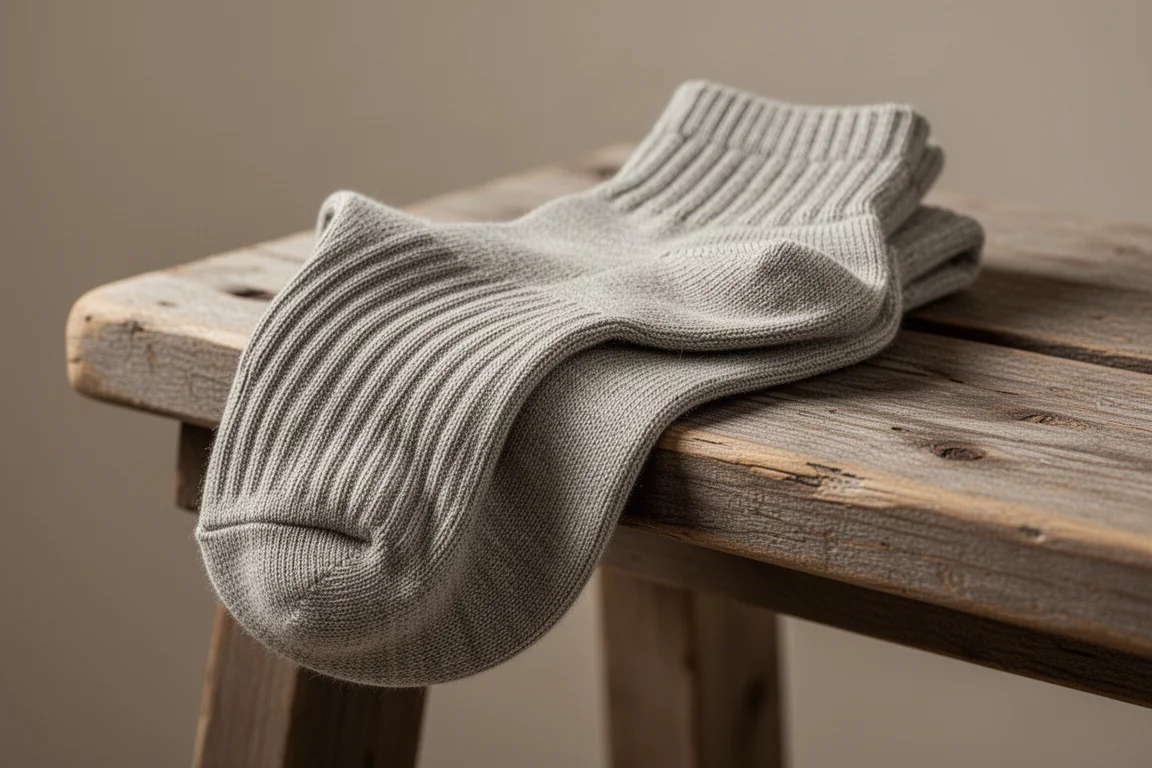
In use, the Damascus felt softer and less stiff than the Darn Tough pair it was rotated against, and it held up across roughly 175 miles of long-distance trail. Longer-term durability and warranty service are still being tracked over bigger mileages, which is the honest position for a sock that has not yet been through as many seasons as its main rival.
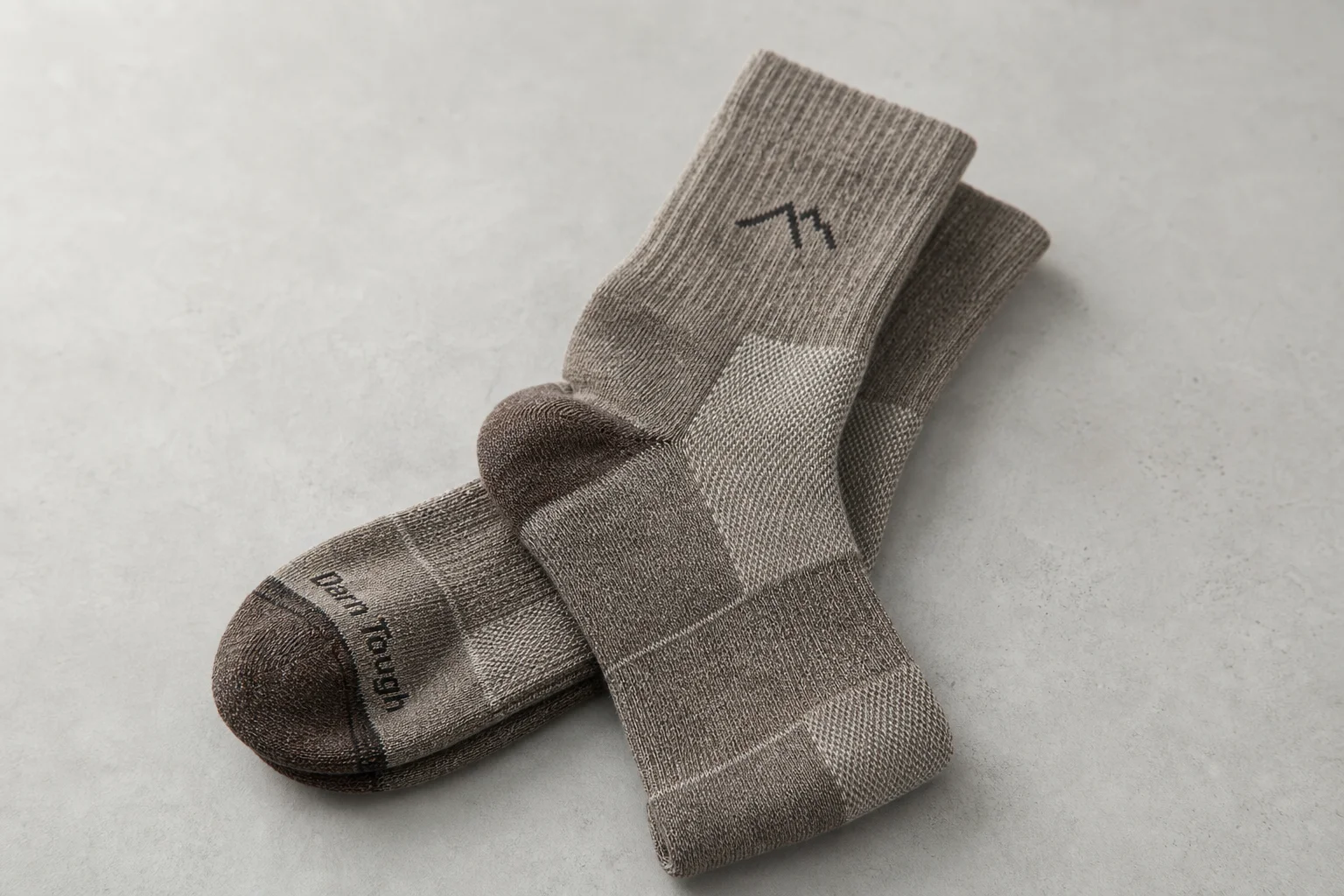
Darn Tough Hiking Socks
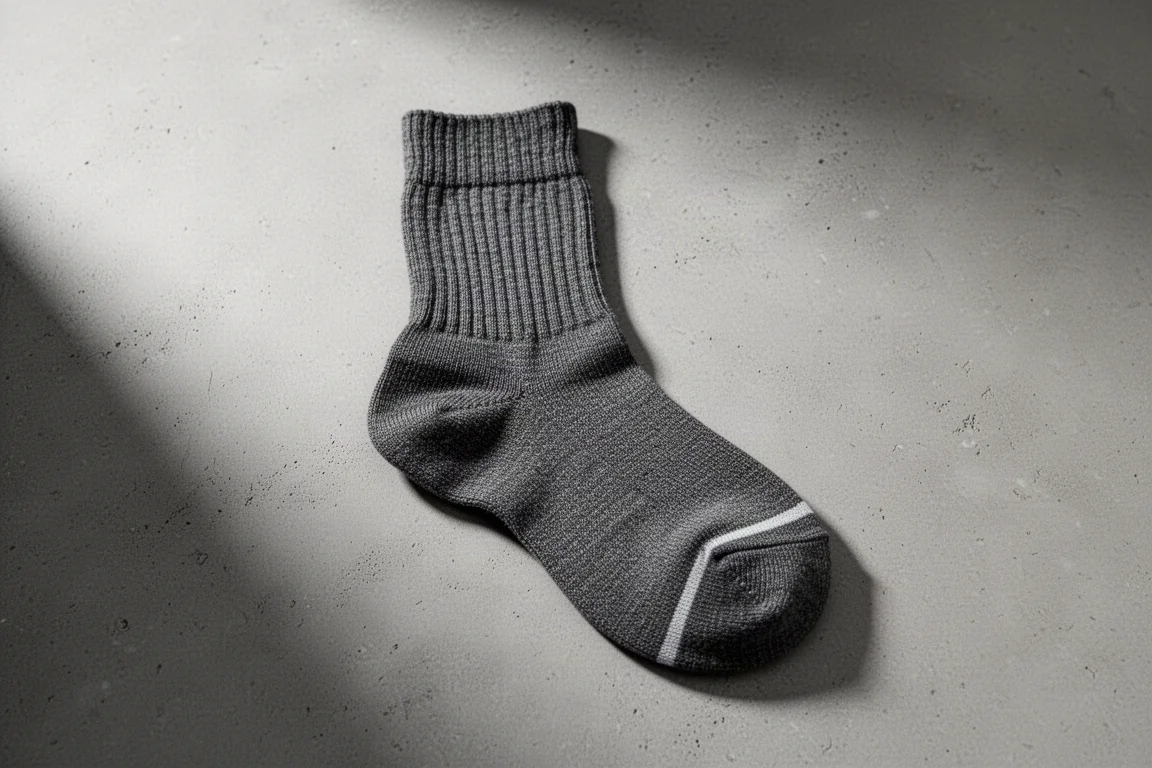
Darn Tough is the benchmark for many thru-hikers, and the reason is durability. A single pair can last an entire thru-hike, which is unusual in a category where socks are normally replaced along the way. The brand’s lifetime satisfaction guarantee backs that up: wear a hole in a pair and it is replaced. Many retailers that stock Darn Tough will also handle exchanges directly in store, which makes the guarantee practical rather than theoretical.
The trade-off is feel. Compared with the Farm to Feet Damascus, Darn Tough socks came across as stiffer and more prone to holding funk after multiple days of wear. That stiffness is part of what makes them last, so it is a fair exchange rather than a flaw. Both Darn Tough and Farm to Feet are made in the USA and carry lifetime guarantees, so the decision between them comes down to whether you weight durability or on-foot softness more heavily.
Smartwool Hiking Socks
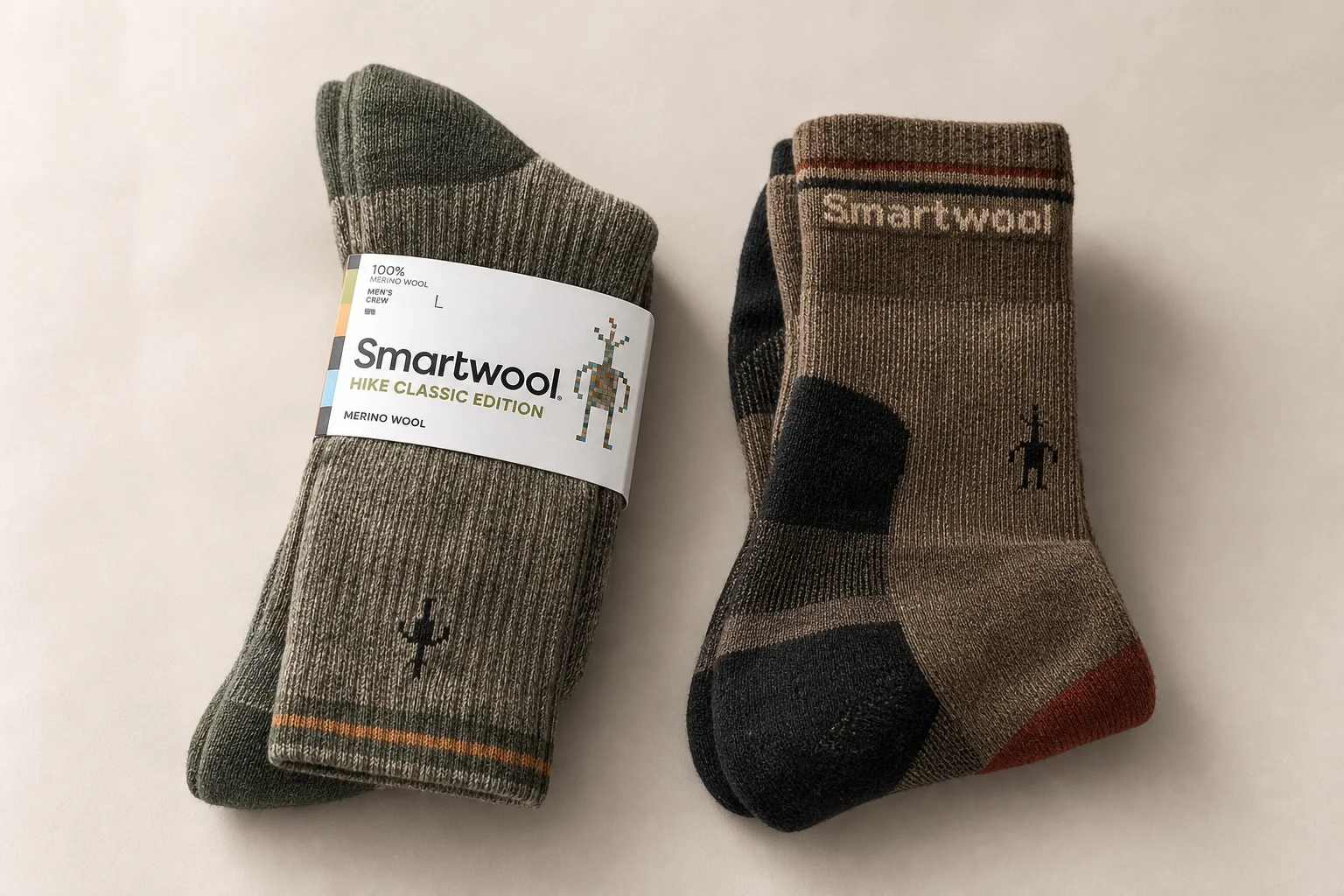
Smartwool remains the most comfortable brand on the foot in this group. The fabric feel is the standout quality, and for shorter trips or anyone who prioritizes comfort above all else, that matters a great deal.
The catch is lifespan. Smartwool does not carry a lifetime guarantee, and the socks tend to wear out faster than Darn Tough. One pair wore through after roughly 100 miles. On a long-distance hike where socks have to be replaced mid-route, that becomes a real planning issue, since replacements mean extra weight, cost, and time in town.
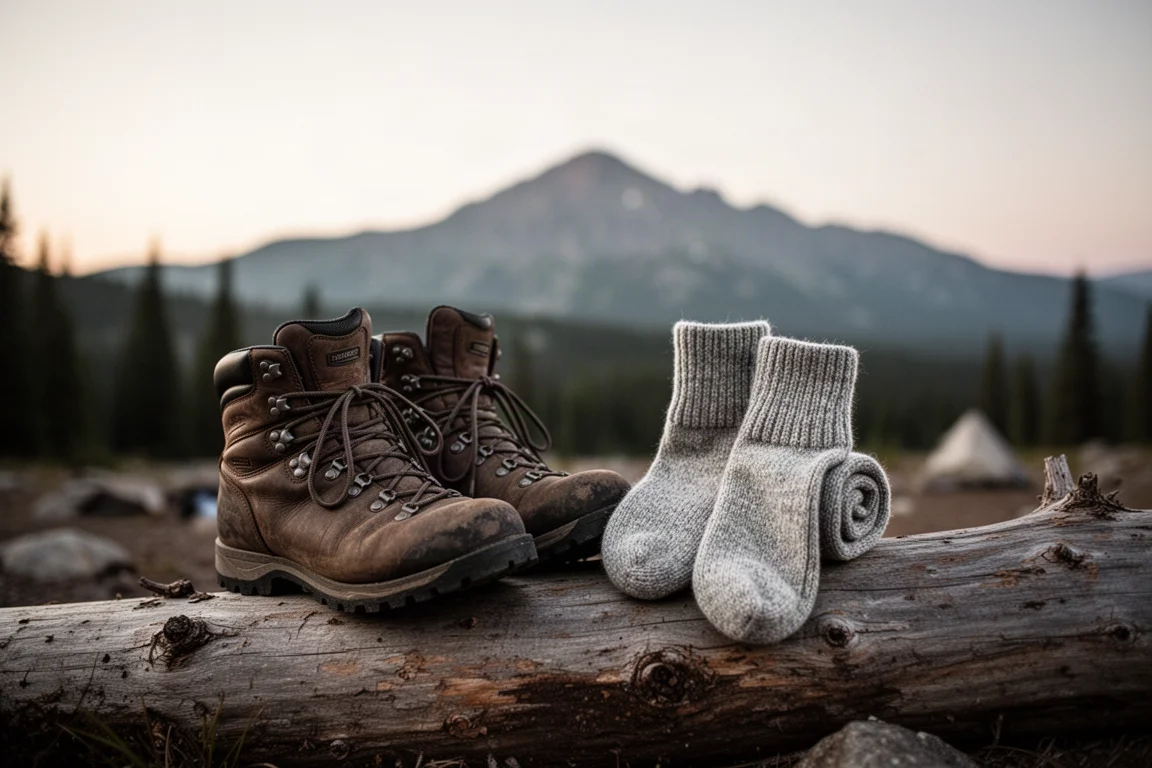
That does not make Smartwool a poor choice. It makes it a specialist choice: excellent for day hikes, weekend trips, and shorter sections where comfort is the priority and a pair is not expected to survive months of continuous use. For a full thru-hike, the maths changes.
Injinji Toe Socks
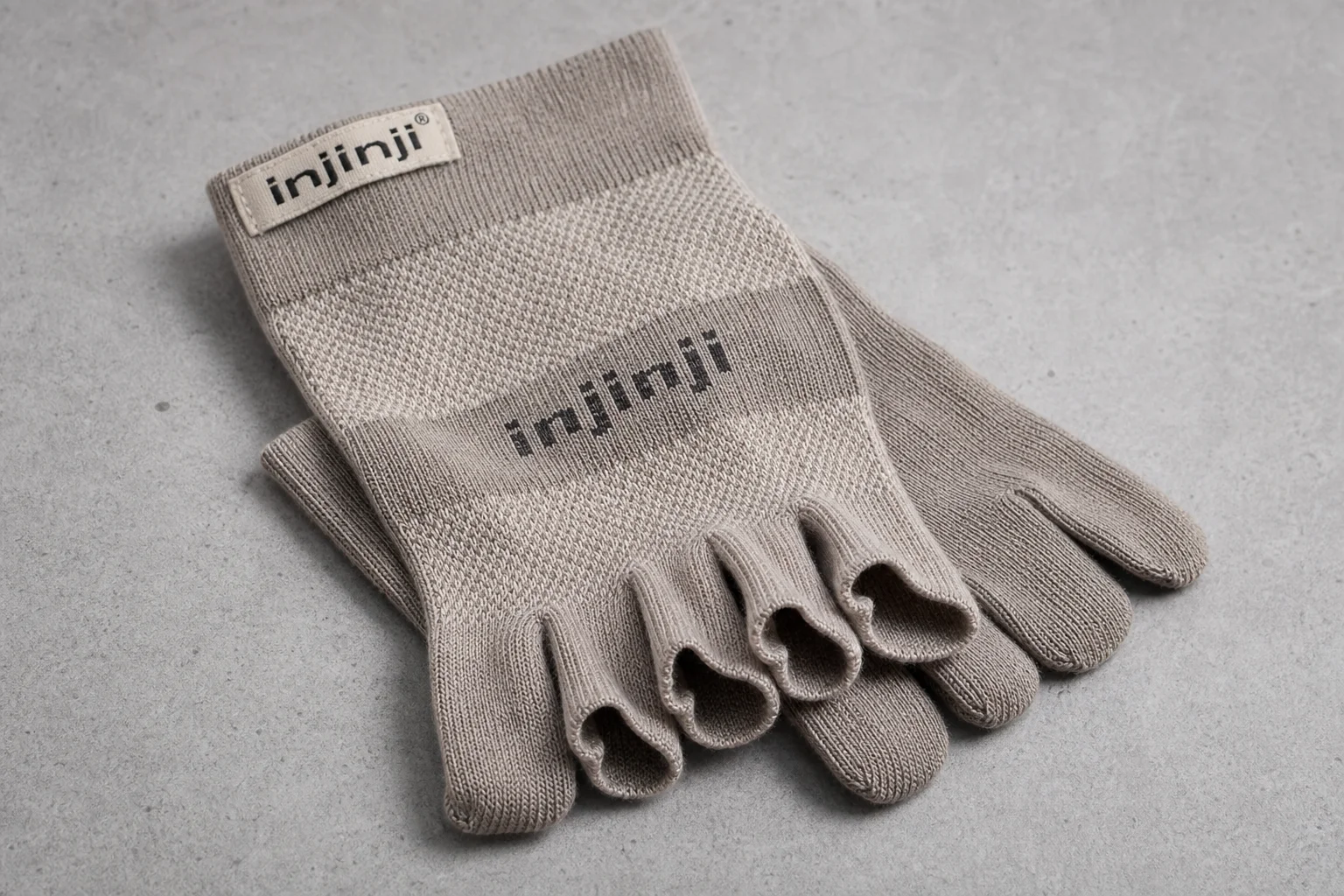
Injinji takes a different approach entirely. These are toe socks, with each toe in its own sleeve. The purpose is blister control: instead of skin rubbing against skin, the friction happens between two layers of fabric. Once they are on, the separation is barely noticeable, which is what makes the design workable over long days.
They remain the strongest option in this group for blister prevention. The trade-offs are durability and guarantee coverage. Injinji socks wear out faster than Darn Tough, and there is no lifetime guarantee. They are also less expensive than the other three brands here, which softens the cost of replacing them more often.
Overall Buying Advice
The right choice depends on which failure you most want to avoid.
If long-term durability and a guarantee you can actually use are the priority, Darn Tough is the safe pick, and its wide availability makes store-level exchanges easy. If you want that same lifetime guarantee with a softer, less stiff feel underfoot, the Farm to Feet Damascus Lightweight Elite is the more comfortable route, with the caveat that the brand is not yet as widely stocked.
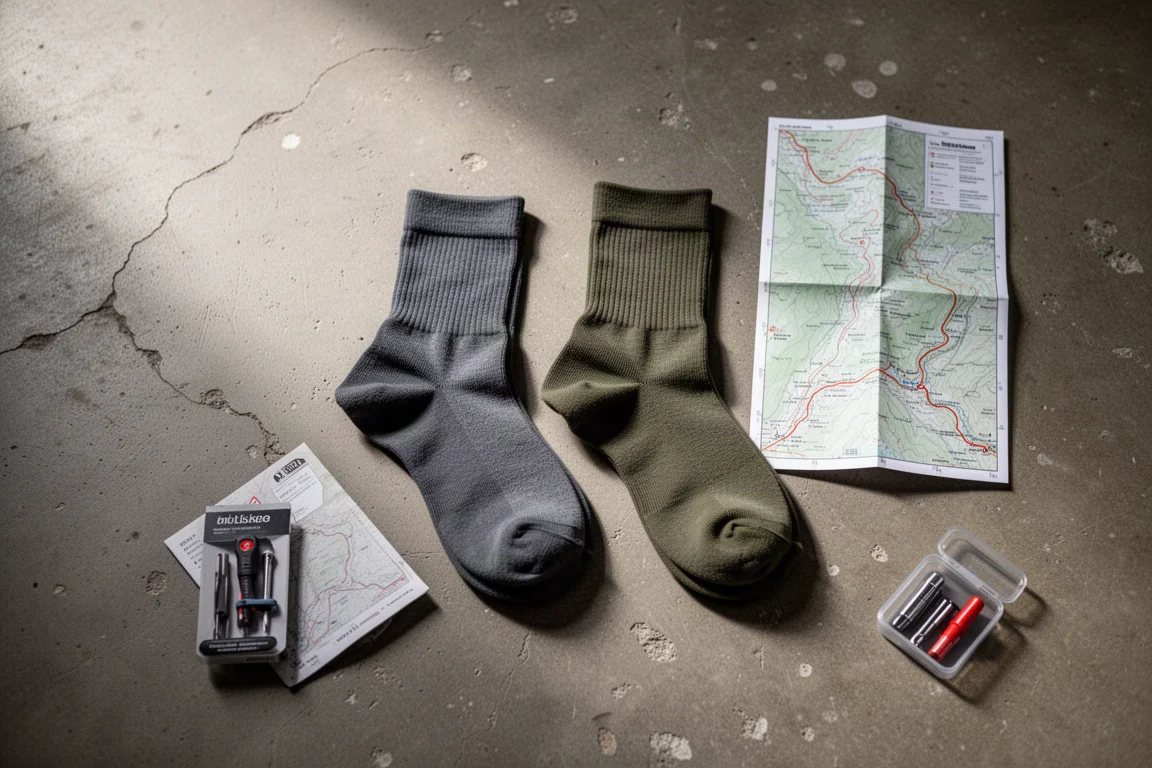
If comfort is the single most important factor and the hikes are shorter, Smartwool delivers the best feel on the foot, accepting that it will not last as long and has no lifetime guarantee. If blisters are your main problem, particularly on wet or sandy trails where feet stay damp and grit works into the fabric, Injinji’s toe separation is the most targeted solution, and its lower price makes a multi-pair rotation easier to justify.
A practical strategy for long trails is to carry a rotation rather than rely on one pair: a durable workhorse sock for most days, plus a toe sock option for the wettest and sandiest sections where blister risk is highest. Whichever you choose, check the guarantee terms and whether a local stockist handles replacements before you commit to a full hike.
Conclusion
These four cover the realistic spread of hiking sock priorities. Darn Tough and Farm to Feet both offer US-made construction and lifetime guarantees, with Darn Tough ahead on durability and Farm to Feet ahead on softness. Smartwool wins on comfort but gives up lifespan and guarantee coverage. Injinji is the specialist for blister control at the lowest cost, with the shortest lifespan of the group. Match the sock to the terrain and the distance, and the decision becomes much simpler.
Further reading
Related Reviews
Hiking Socks
Best Hiking Socks for Backpacking: Five Brands Worth Knowing
A practical guide to choosing hiking socks by height, fabric, cushioning, and fit, plus five brands worth knowing for backpacking.
Hiking Socks
Best Hiking Socks for Backpacking: Five Brands Worth Knowing
A practical look at sock height, fabric, cushioning, and fit, plus five hiking sock brands and the trade-offs worth weighing before you buy.
Backpacking Gear
Affordable Alternatives to Premium Backpacking Gear: Five Budget Picks Compared
Five premium backpacking items paired with five lower-cost alternatives, compared on weight, materials, weather performance, and price.