Hiking Socks
Silverlight Hiking Socks Review: Five Things a Long-Distance Sock Should Get Right
A practical look at the Silverlight hiking sock, from its merino wool, nylon and silver blend to its seamless build, anatomical fit and lifetime guarantee.

Introduction
Blisters are often treated as an unavoidable part of long-distance hiking. They are not. Most foot discomfort on the trail traces back to the environment inside the shoe: trapped moisture, friction, and a sock that manages neither. The Silverlight hiking sock was designed around exactly that problem.
It is a wool, synthetic and silver blend aimed at long-distance hiking, trail running and dry alpine terrain, where feet stay in motion for hours and socks have to keep working day after day.

The thinking behind it is straightforward: keep the foot dry, keep the fit close, and reduce the friction points that develop into hot spots. The design has been tested over serious distance, including roughly 820 kilometers and the equivalent of eight Mount Everest ascents and descents in about a month.
Who These Socks Are For
These socks suit anyone covering real distance on foot: thru-hikers, multi-day backpackers, trail runners and hikers spending long days in dry alpine conditions. The same priorities apply whether you are skiing, hiking, trail running or riding a mountain bike, because every one of those activities puts the foot under sustained load inside a shoe.
They are also worth a look if you have quietly accepted blisters as normal. If your feet are uncomfortable on every outing, the sock is one of the first things worth auditing, along with the way your sock and shoe work together.
Main Strengths
The sock stands out because it addresses five practical requirements at once rather than optimizing for a single one.
Material Blend: Wool and Synthetic Working Together
Cotton is a poor choice for a hiking sock and should be avoided entirely. A wool and synthetic blend is a far better foundation. Wool is a natural fiber that works well against skin, stays warm even when wet rather than sapping heat from the body, and is naturally antimicrobial, which is why wool socks can go a long time between washes. Wool is also a dense fiber, giving a structural base for padding and support.
Adding nylon to the blend improves durability and structure, so the sock holds its shape rather than sitting on the foot like a loose wool bag. The Silverlight sock is made from 45 percent nylon, 44 percent Australian merino wool, 7 percent silver yarn and 4 percent spandex.

That balance is what makes the sock usable across cold, wet weather and warm, dry conditions alike, without the clammy feel that comes with moisture trapped against the skin.
Silver Technology Woven Into the Yarn
The silver content is the feature that separates this sock from most others. While wool is antimicrobial in its own right, silver actively fights the bacteria developing inside the shoe environment, and bacteria and moisture are widely understood to be major contributors to blisters and general foot discomfort.
The newer version of the sock uses spun silver, essentially silver yarn broken down into smaller pieces so it is distributed throughout the entire sock rather than concentrated in the inner layer as on the earlier version. That means better coverage across the whole foot.
The practical payoff for long-distance hikers is time. On a month-long hike of roughly 820 kilometers, this sock was washed only three or four times, and wool socks generally hold odor for around two weeks before they start to turn. Feet stayed dry and healthy throughout, with only one notably damp day in very wet conditions. There is also a light compression element, a property that is well documented in endurance circles.
Seamless Construction and Targeted Padding
An exposed seam inside a sock creates a ridge for toes to rub against, and that is a direct route to hot spots and blisters. The Silverlight sock is built with a seamless design. The only noticeable seam runs across the top of the toes, and inverting the sock reveals almost no evidence of a seam on the inside. It is an intelligent place to put one.
Padding is placed where pressure actually occurs: around the heel, under the forefoot, and over the top of the toes. That last detail matters more than it sounds, because many boots and shoes have a narrow front that squeezes the toes together, generating friction across the top of the foot. A blister on top of the toes is a memorable problem on a long hike.

The 7 percent spandex sits through the midfoot and cinches the sock around the arch, producing a close, supportive fit rather than a loose one. The overall structure is what keeps the sock from shifting inside the shoe.
Left and Right Specific Fit
The updated version of the sock is anatomically shaped, meaning the left and right socks are cut differently to mirror the shape of each foot. Left and right feet are mirror images of one another, so a sock that is not shaped for a specific side simply cannot deliver the same fit.
This matters most on slanted or off-trail terrain, where socks tend to slip and bunch. A closer fit reduces that movement, which in turn reduces hot spots, blisters and general discomfort. It is a meaningful upgrade over the earlier version, which was not anatomically shaped.
Things to Consider Before Buying
The fit is deliberately snug. Because of the compression element, the sock is designed to sit tighter than an average hiking sock, so sizing deserves attention. As a reference point, a US 10.5 in a New Balance shoe corresponded to a large.
The left and right socks are not clearly labelled as such, which turns pairing them into a small puzzle each time rather than something you can do at a glance. It is a minor annoyance, not a performance issue.
Sourcing is worth knowing about. The socks are made in China, largely because the machinery that spins this type of silver yarn is extremely rare worldwide, and essentially all of it is located there. The company uses recycled nylon rather than virgin nylon and plants a tree for every purchase, which is a reasonable baseline for an outdoor brand.
Buying Advice
Two policies make this an easier purchase to justify. The sock carries a lifetime guarantee, so a worn or damaged pair can be sent back at any time and replaced. Shipping is also free worldwide, which means a single pair can be ordered from almost anywhere without adding a delivery cost to the decision.

If you are dealing with persistent discomfort, work through the problem in order. Check whether your socks have seams, whether they manage moisture, and whether they fit closely before assuming your boots are at fault. The sock and shoe combination, along with how your laces are tied, determines how much your foot slides inside the shoe.
Care is undemanding. Wool resists odor for around two weeks of continuous wear, and this blend extends that further thanks to the silver. A small hole appeared only after roughly 750 kilometers of use, which is a reasonable durability marker for a sock that is worn every day on a long trail. High-quality socks are not a luxury if you want dry, healthy feet over long distances; they are the item that saves you from constant washing and from unnecessary pain.
Conclusion
The Silverlight hiking sock earns its place through details that are easy to overlook: a wool, nylon and silver blend that manages moisture and bacteria, a seamless build with padding where pressure lands, and an anatomical shape that mirrors the foot it goes on. The lifetime guarantee and free worldwide shipping remove much of the risk from trying a pair.
If your feet have never quite felt right on the trail, this is a sensible place to start troubleshooting. Dry, healthy feet over long distances come down to a small number of things, and the sock is one of the most important of them.
Product link
View more details for Silverlight Hiking Socks
This product is mentioned in the review. Check the specifications, options, and compatibility before buying.
View more details for Silverlight Hiking SocksFurther reading
Related Reviews
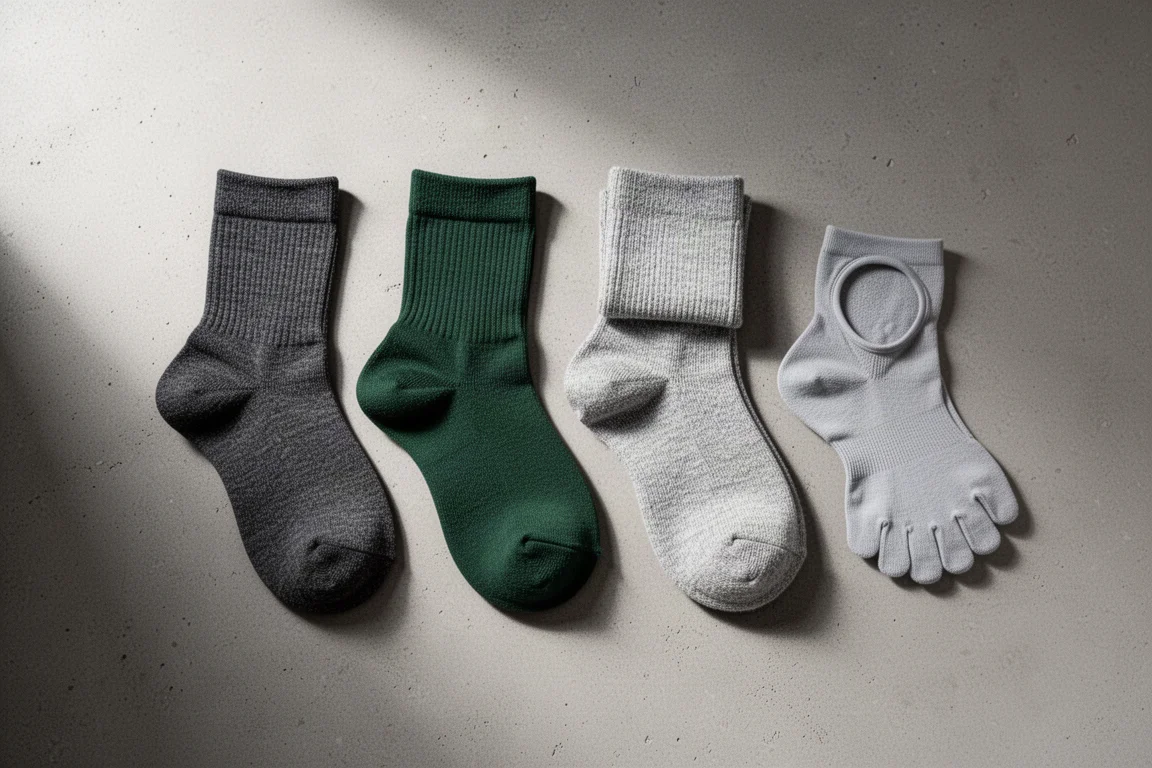
Hiking Socks
Best Hiking Socks Compared: Farm to Feet, Darn Tough, Smartwool, and Injinji
A practical comparison of four hiking sock options, covering comfort, durability, blister control, and which brands back their socks for life.
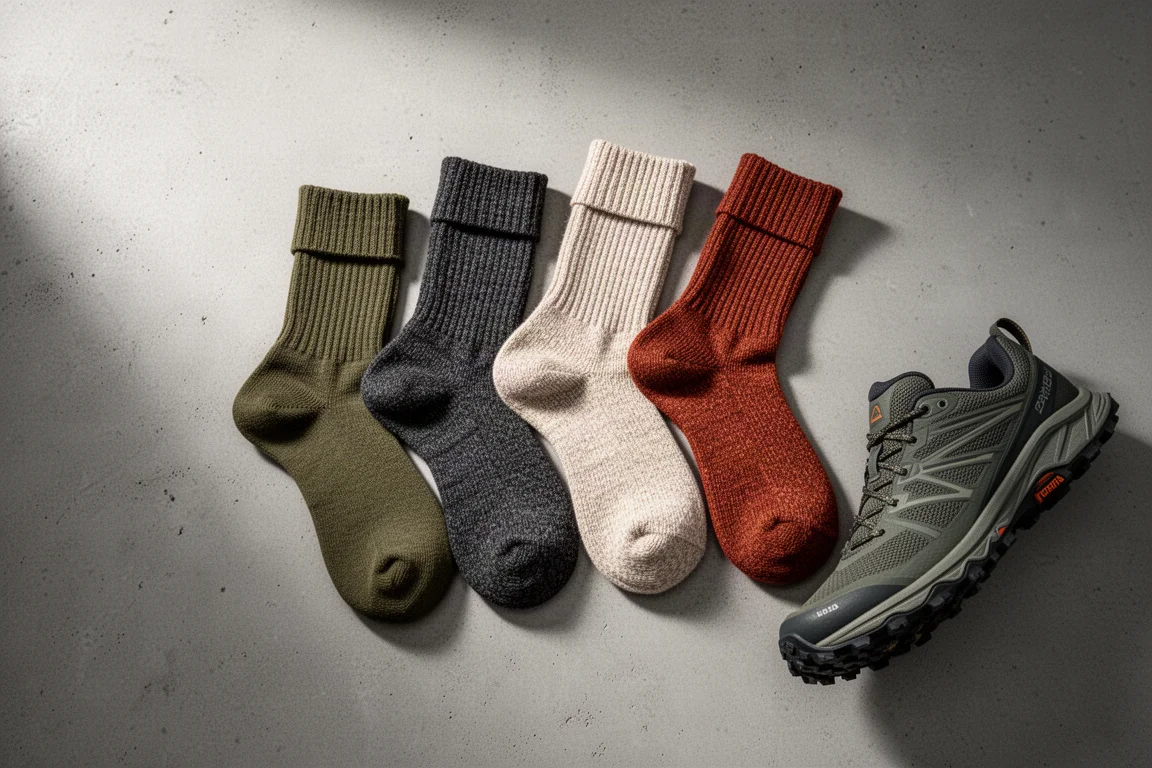
Hiking Socks
Best Hiking Socks for Backpacking: Five Brands Worth Knowing
A practical guide to choosing hiking socks by height, fabric, cushioning, and fit, plus five brands worth knowing for backpacking.
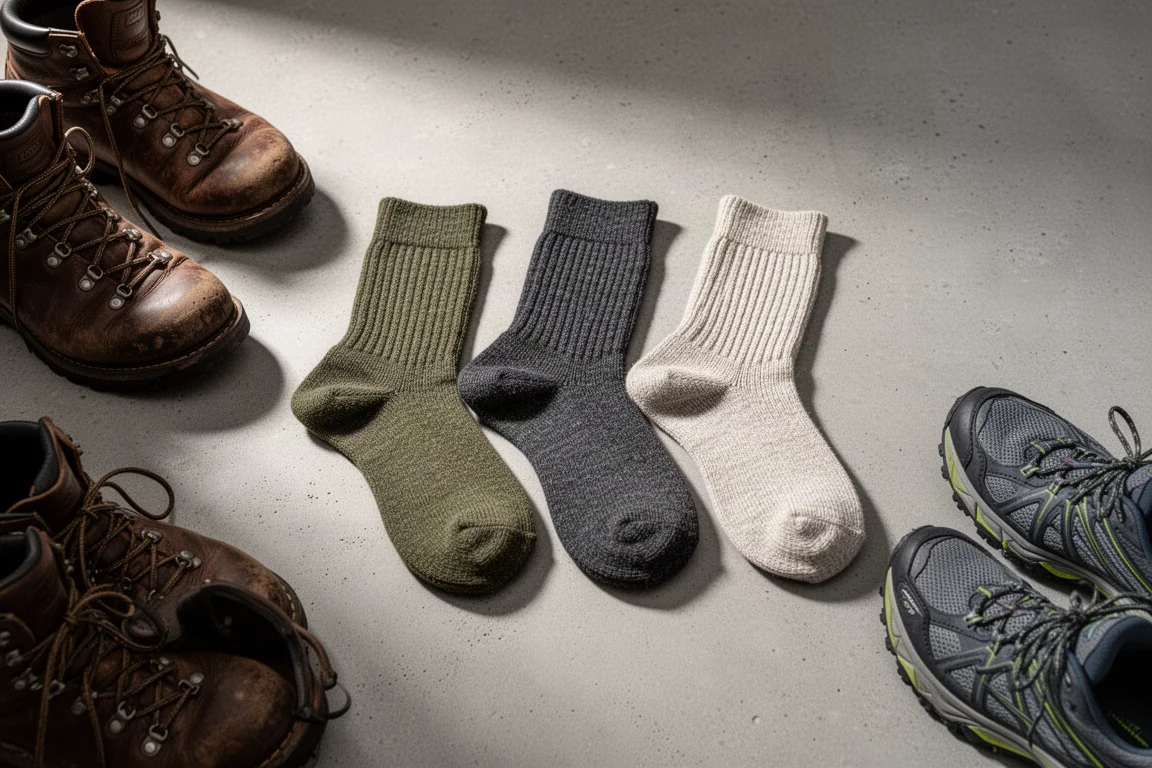
Hiking Socks
Best Hiking Socks for Backpacking: Five Brands Worth Knowing
A practical look at sock height, fabric, cushioning, and fit, plus five hiking sock brands and the trade-offs worth weighing before you buy.