Powered Speakers
Sigberg Audio SBS.1 Review: A Powered Speaker System Built for Shared Listening Rooms
A powered coaxial bookshelf speaker with 350 watts of amplification per channel, three DSP tunings, and close-to-wall placement, plus the companion subwoofer that takes the system below 20 Hz.
Introduction
Most listening rooms are shared rooms. Speakers sit close to a wall, close to a cabinet, or close to a doorway, and the seat is rarely in the ideal spot. That arrangement usually costs soundstage depth and leaves the bass uneven, but it keeps the household running, so it stays.
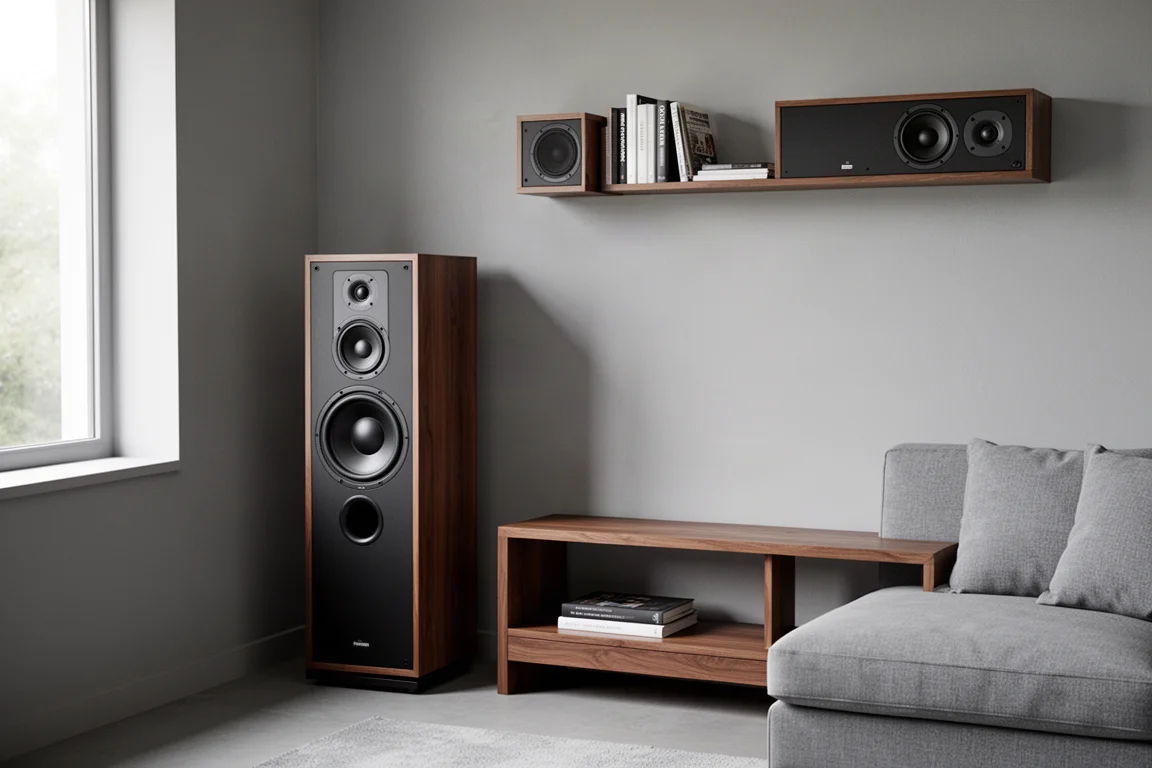
The Sigberg Audio SBS.1 is a powered bookshelf loudspeaker designed around that reality rather than against it. It uses a sealed, slim cabinet, a coaxial driver array, and built-in amplification, and it is intended to be placed close to the wall behind it. Paired with the Sigberg Audio Incognito subwoofer, the system is capable of reaching below 20 Hz in a room. This review covers what the SBS.1 does well, what it asks of the rest of the system, and the trade-offs worth knowing before buying.
Who This System Is For
The SBS.1 suits listeners who need speakers to live near a wall and still want convincing imaging, a warm tonal balance, and full-range output without a pair of large towers in the room. It is a two-box approach: the speakers handle the midrange and high frequencies, and the companion subwoofer covers the low octaves.
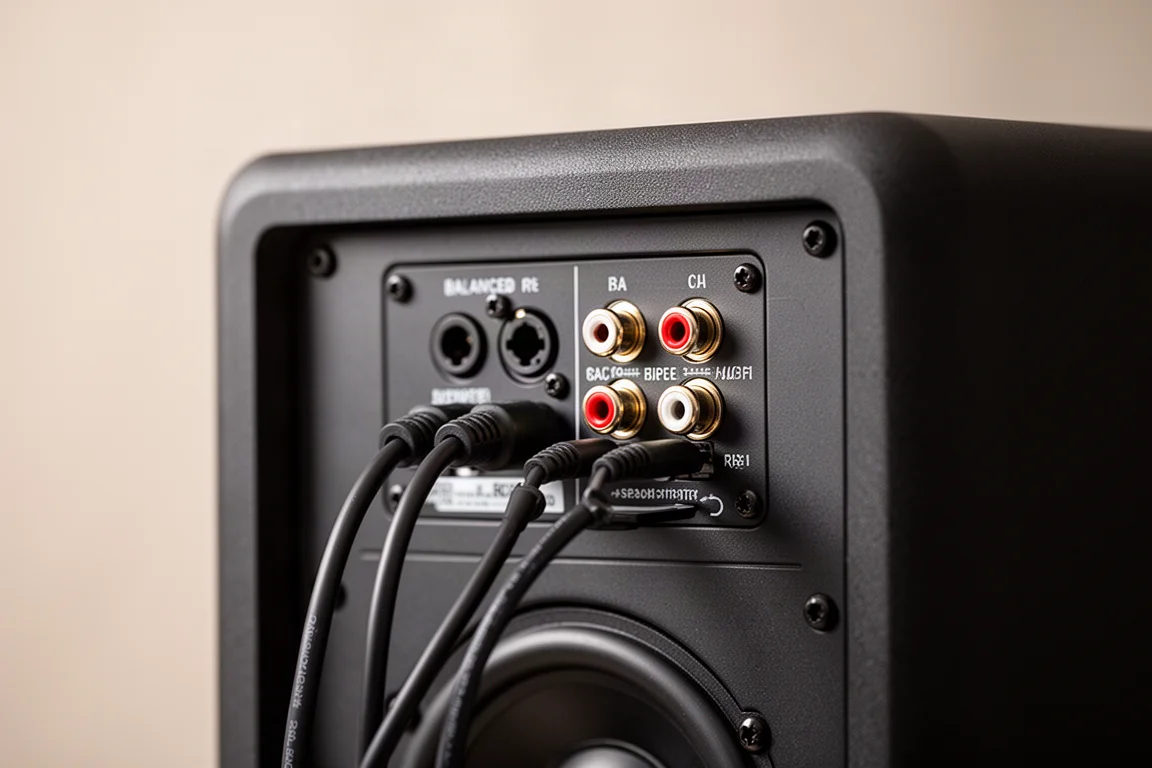
It is also a system that expects a source chain. Because the speakers have no volume control of their own, a preamplifier or a network player with digital volume control is part of the setup rather than an optional extra. Balanced connections are the preferred route, and RCA inputs are available as well.
Listeners who want a single pair of speakers to deliver deep bass on its own, or who prefer to adjust volume at the speaker itself, will find the SBS.1 asks for more components than they had planned. Those who already own a preamp and a streamer, or who are happy to build a compact separates-based system, are in the right territory.
Main Strengths: Close-to-Wall Placement and Coax Imaging
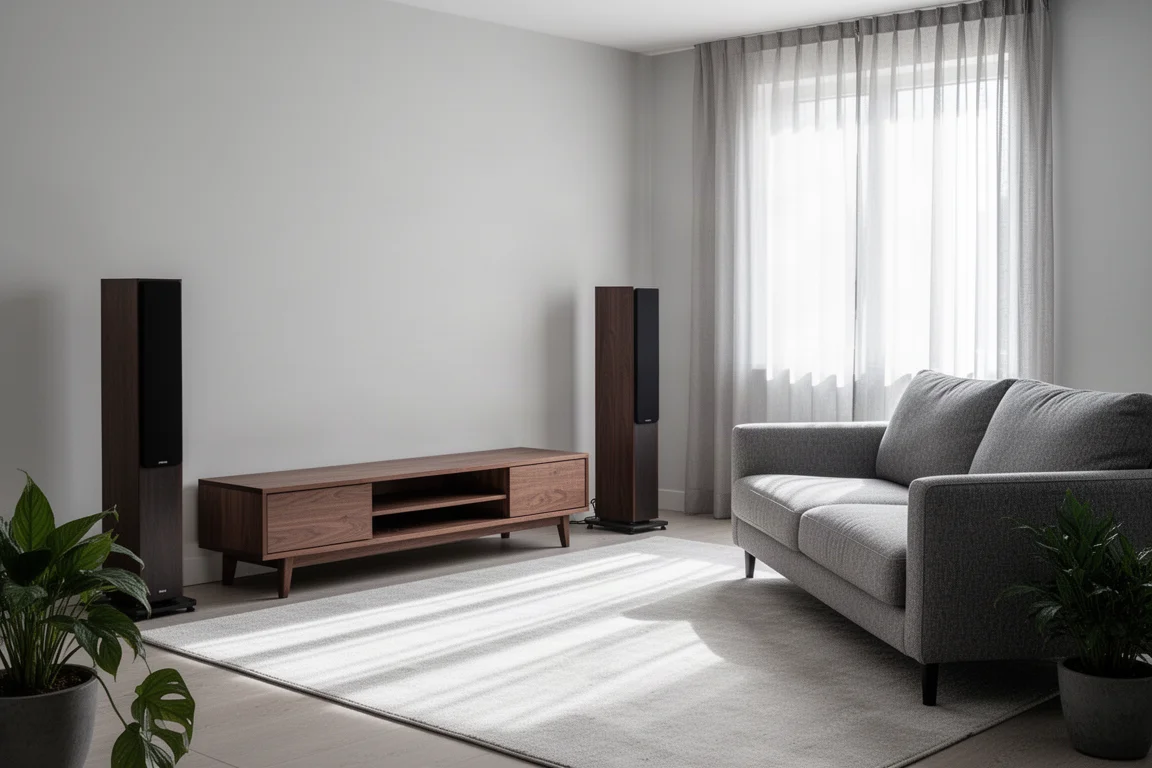
Placement is the headline. The manual suggests roughly four inches of space between each speaker and the wall behind it, and the design holds up in that position. Even with the cabinets around seven inches from the wall, the soundstage keeps a usable sense of depth rather than collapsing flat against the wall, which is uncommon for a sealed bookshelf design.
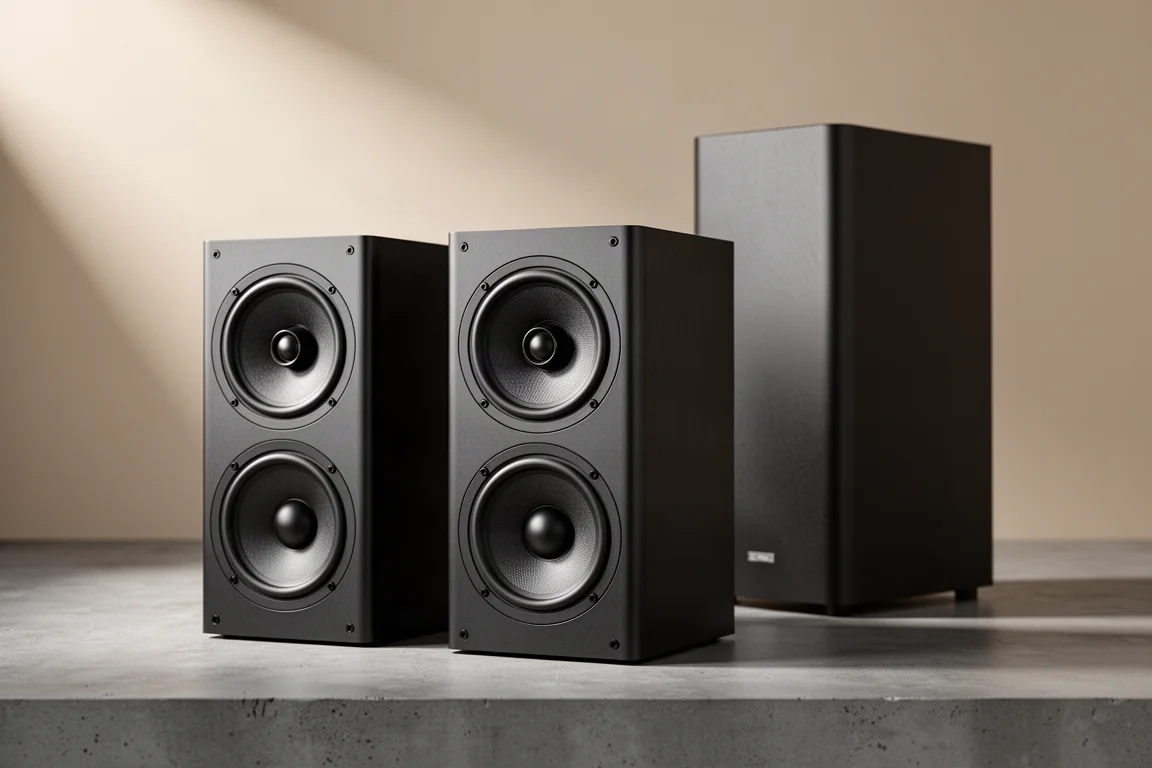
The driver layout explains part of that composure. Each cabinet carries two 5.5-inch woofers, with one of them arranged around a 1-inch silk dome tweeter in a coaxial configuration. Because the drivers share an acoustic center, phase coherency and center imaging are strong, vocals and instruments stay locked in place, and the presentation holds together across the listening window.
Tonally, the SBS.1 leans warm. Next to a well-known coaxial design such as the KEF LS50 Meta, it offers more focused center imaging and a warmer overall character while retaining high frequency detail.
Main Strengths: Flexible DSP Tuning
Because the SBS.1 is a powered design, its tuning can be adjusted without changing a single component in the signal chain. Three presets cover most situations.
The P1 setting is the stock tuning and the most flat and neutral of the three, though it still carries the speaker’s inherent warmth through the midrange. The P2 setting lifts the high frequencies by roughly 2 dB, which compensates for grilles being left on and adds spaciousness and micro detail on well-recorded material. The P3 setting lowers the high frequencies by about 3 dB for listeners who want a richer, softer balance, although the treble can sound recessed next to P1 and P2.
For rooms that need more than three presets, a nine-band EQ is available over a USB connection from a laptop or computer. Amplification is handled by Hypex modules, with 350 watts per channel and a separate module for each speaker.
That combination of power and tuning flexibility means the speakers can be adjusted for a reflective room, a heavily damped room, or a personal preference without adding hardware to the rack.
Main Strengths: Subwoofer Integration and Full-Range Bass
The SBS.1 cabinets roll off around 100 Hz and do not produce output below roughly 90 Hz. That is a deliberate split: the speakers concentrate on midrange and high frequency fidelity, and the low octaves are handed to a subwoofer. Wall reinforcement helps the mid-bass, which is another reason the close-to-wall placement works in the system’s favor.
The companion Incognito subwoofer is available in 12-inch and 10-inch versions depending on the output and room required. Its slim sealed cabinet can stand vertically, lie horizontally with feet fitted so the driver faces downward, or be wall mounted using the supplied bracket. A pass-through on the back of the SBS.1 speakers allows a direct connection to the subwoofer, and the subwoofer’s P2 setting adjusts automatically to the speakers so the two blend cleanly, with the final level set by the volume dial.
With the subwoofer in place, the system reaches below 20 Hz in a room, and the result is scale and dynamic swing that resembles a full-range tower rather than a bookshelf pair. Two subwoofers are preferable to one, since they spread bass more evenly and make the low end harder to localize.
Everyday Listening Notes
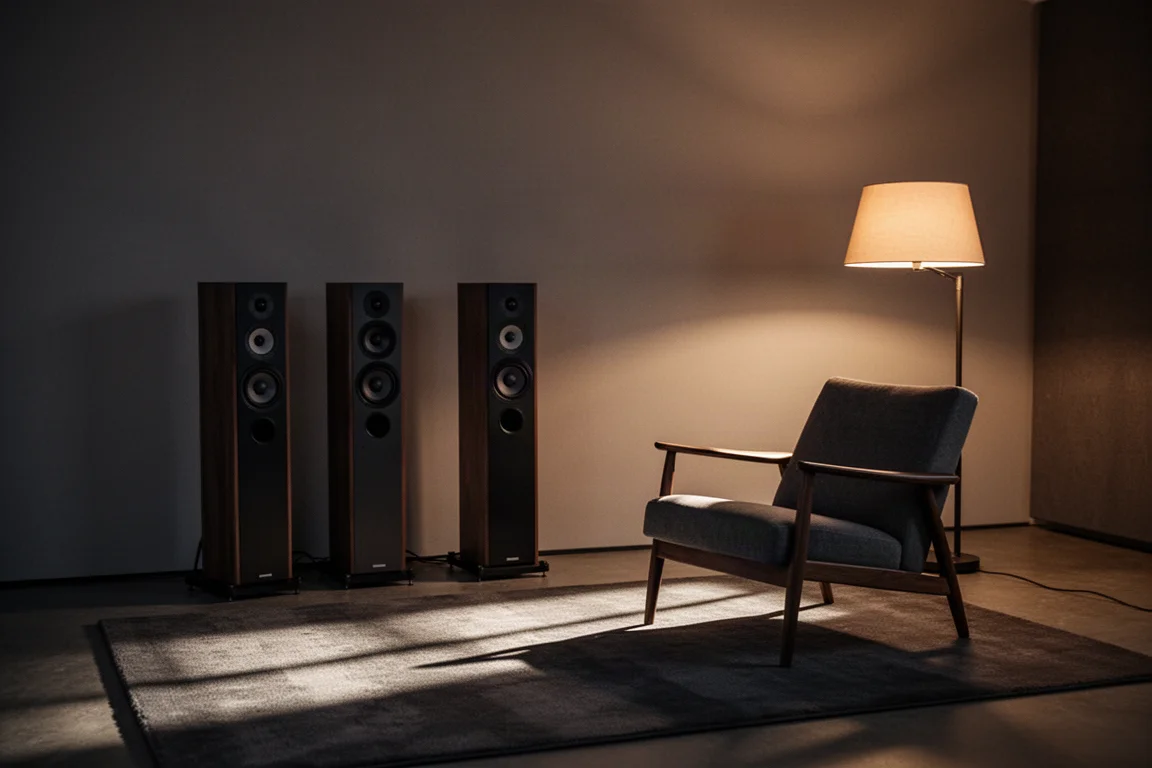
Toe-in has a clear effect. Facing the speakers straight into the room with little or no toe-in produces the widest soundstage, while angling them inward sharpens imaging and high frequency focus at the cost of some width. The sound itself is spacious, musical, and laid back rather than forward, with crisp high frequency detail and very little noise.
Volume matters as well. The P1 and P3 tunings come alive once the system is played at a decent level, while P2 is the better choice for quieter listening, thanks to its elevated treble.
Once placement, tuning, and subwoofer level are dialled in, the system behaves like a single full-range speaker rather than a pair of small cabinets plus a box on the floor.
Things to Consider Before Buying
There is no volume control on the speakers. A preamplifier or a streamer with digital volume control is required, and the preferred configuration runs balanced from the source through the preamp to the speakers. RCA inputs are available for sources that only offer single-ended outputs, and a DAC is needed if the source does not include one.
A subwoofer is mandatory rather than optional for full-range listening, and two are recommended. The nine-band EQ requires a laptop or computer connected over USB. The speakers also perform best with some volume behind them, so very quiet late-night sessions will not show them at their best.
Price is the other consideration. This is a premium system designed and made in Norway, with capable amplification built into each speaker and a coaxial driver design that carries real advantages. A comparable passive bookshelf speaker may cost less up front, but adding amplification and a subwoofer for full-range response closes that gap quickly, without delivering the same close-to-wall behavior.
Buying Advice
Plan the complete chain before buying. The speakers, the subwoofer, a preamp or streamer with volume control, and a DAC with a balanced output if the source allows it all belong in the budget. Cables and stands should be part of the plan as well.
For placement, start with the cabinets around four inches from the wall behind them as the manual suggests, then adjust by ear. Begin with the speakers facing straight into the room and add toe-in only if the center image needs tightening. Set the subwoofer to its P2 position, then dial the level until the bass fills in without drawing attention to where the subwoofer sits.
Buyers who want a compact system that behaves well in a shared room, delivers full-range output, and can be tuned to taste will find the SBS.1 a coherent package. Buyers who want deep bass from the speakers alone, or who prefer a single-box solution, should look at a different approach.
Conclusion
The Sigberg Audio SBS.1 is built around a compromise that most listening rooms force on their owners: speakers close to a wall, in a space that is not dedicated to audio. Instead of fighting that constraint, the design leans into it with close-to-wall tuning, coaxial drivers that hold their imaging, three DSP presets, and a nine-band EQ for stubborn rooms. Add the Incognito subwoofer and the system reaches below 20 Hz, delivering scale that small cabinets rarely manage.
The trade-offs are clear and worth weighing: no onboard volume control, a mandatory subwoofer, a preference for higher listening levels, and a premium price. For listeners who accept those terms, the SBS.1 offers a rare combination of bookshelf imaging and full-range presence in a room that has to serve everyone.
Product link
View more details for Sigberg Audio SBS.1 Loudspeakers
This product is mentioned in the review. Check the specifications, options, and compatibility before buying.
View more details for Sigberg Audio SBS.1 LoudspeakersFurther reading
Related Reviews
Powered Speakers
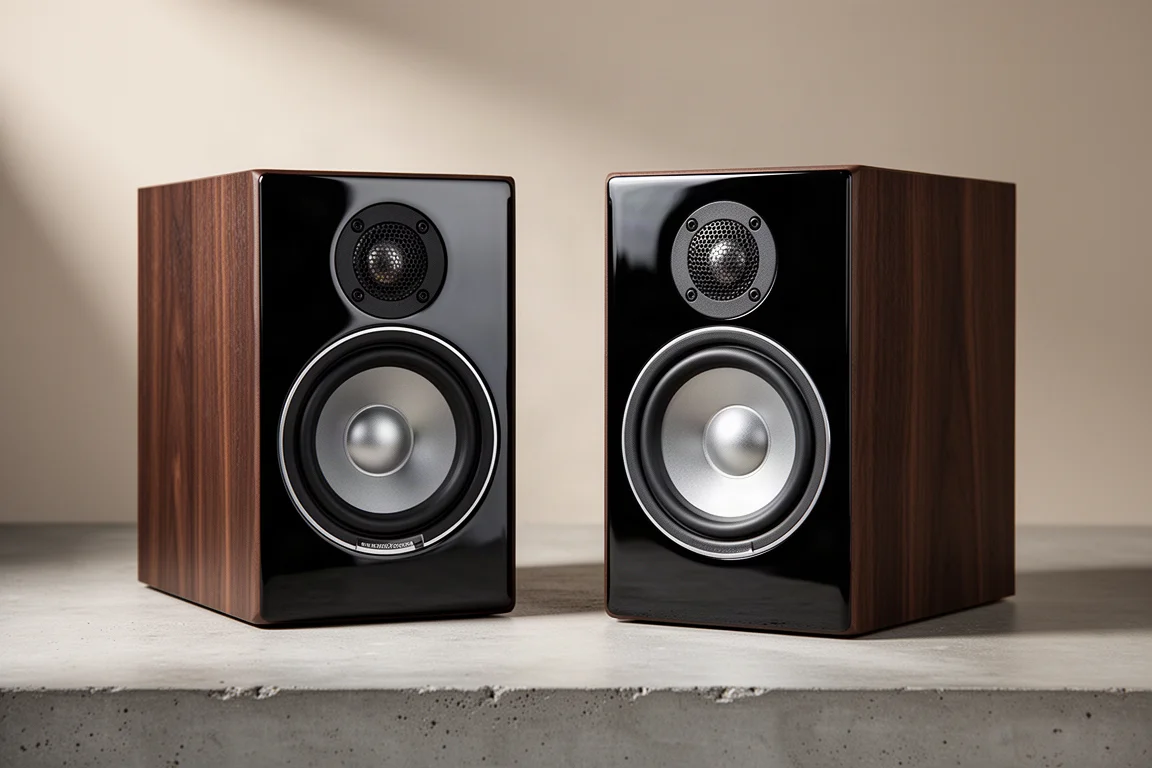
AbramTek X50 Review: Powered Speakers With Real Bass and a Full Feature Set
The AbramTek X50 pairs a phono preamp, HDMI ARC, optical, and Bluetooth with genuinely capable sound. Here is what it does well and what to check before buying.
Powered Speakers
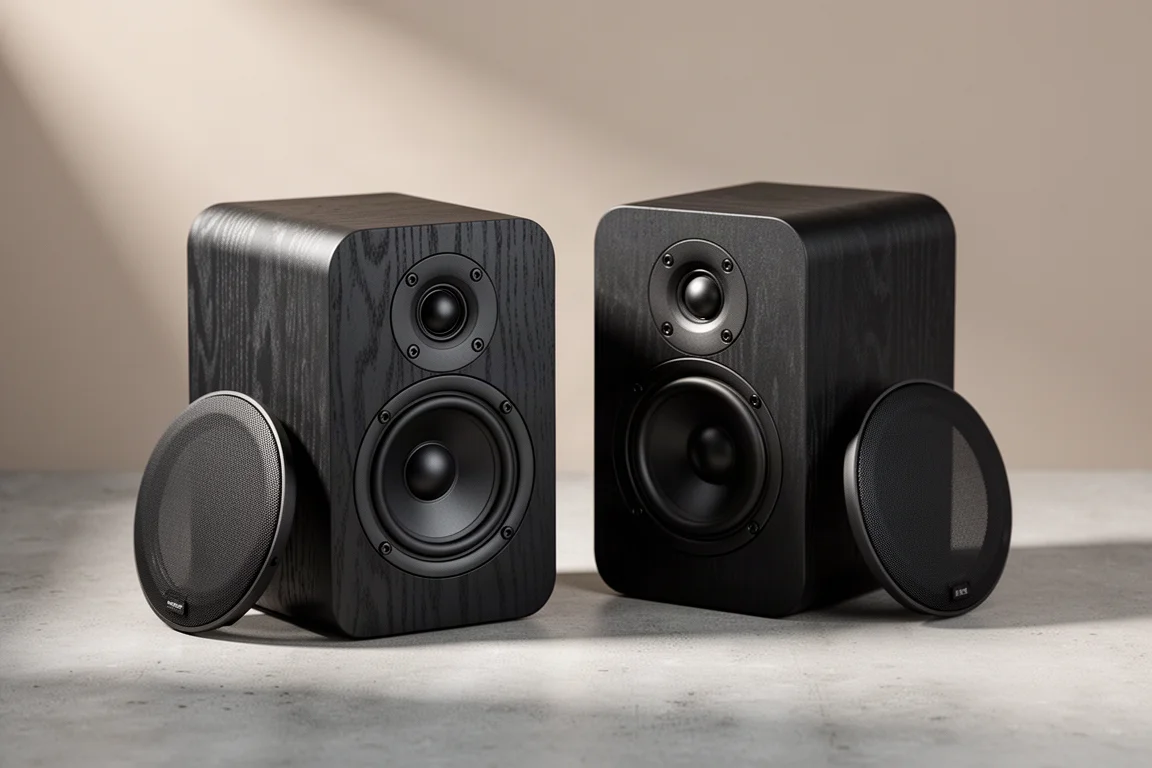
Amazon Basics Powered Speaker Review: Useful Features, Compromised Sound
A practical look at the Amazon Basics Powered Speaker: a handy remote and an optical input, held back by shouty upper mids, minimal bass, and erratic pricing.
Powered Speakers
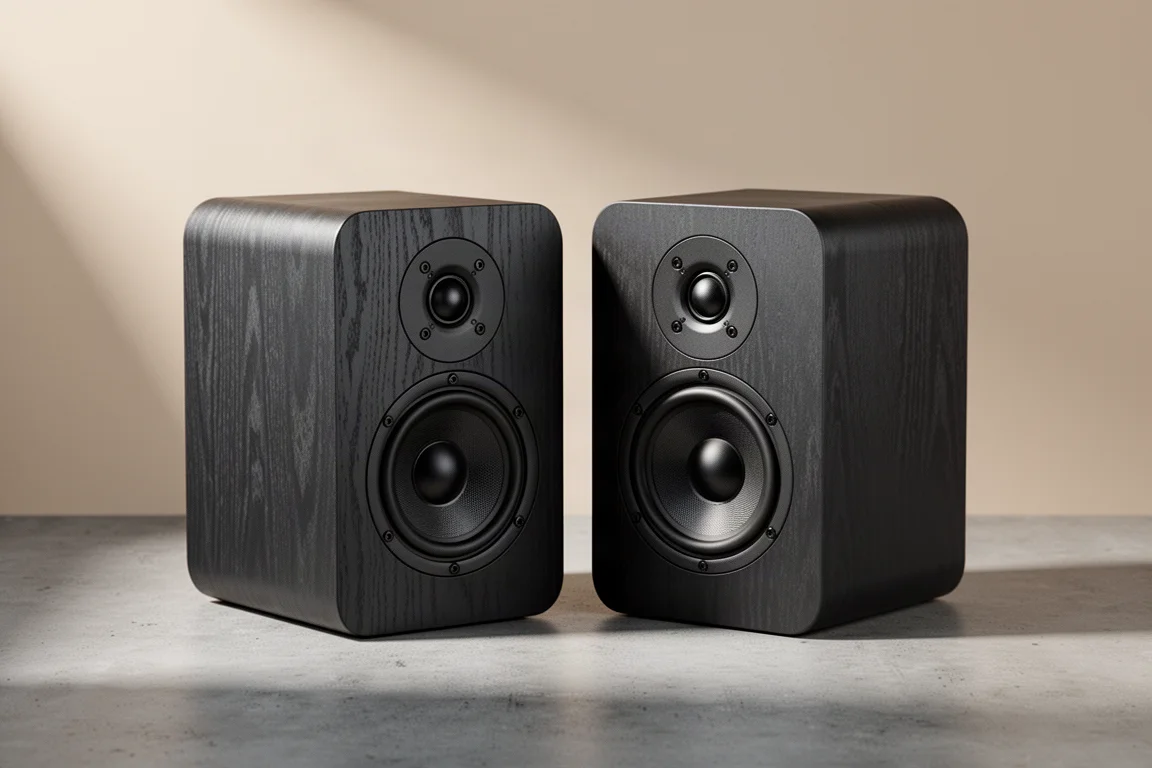
Aperion Audio Alaire Review: Compact Powered Speakers With Serious Bass
A compact two-way powered speaker with genuine low-end punch, excellent imaging, and a control scheme that depends entirely on its remote.