Sleeping Bags
Sierra Designs Cloud 20 Review: A Zipless Down Sleeping Bag for Restless Sleepers
A close look at the Sierra Designs Cloud 20, an award-winning zipless down bag with a quilt-like opening, generous room, and a -3°C comfort rating.
Introduction
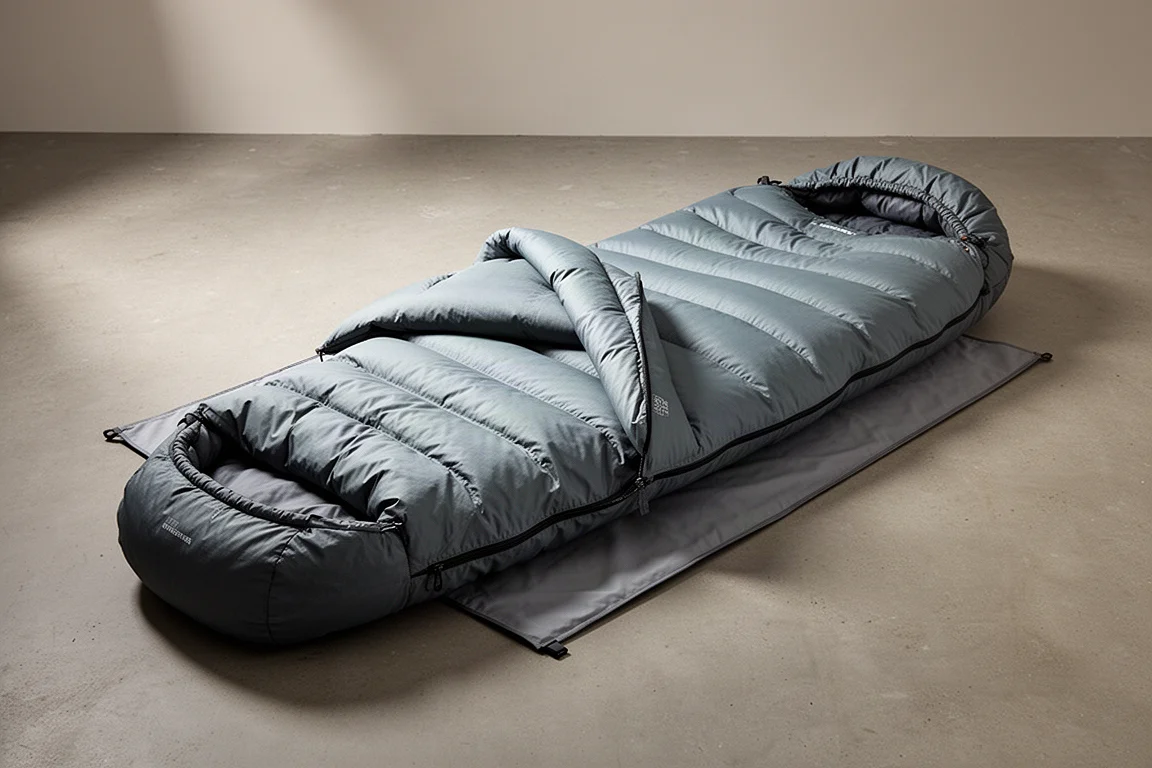
The Sierra Designs Cloud 20 takes one of the most familiar parts of a sleeping bag, the zip, and removes it entirely. Instead of a full-length zipper, the bag opens at the top like a quilt, with a wide overlapping flap that closes by itself and a cinch cord to seal in warmth. It is an unusual approach, and it is an award-winning design.
Underneath the experiment is a serious cold-weather bag: 800 fill power hydrophobic down, a 15D nylon ripstop shell, a heavily filled foot box, and a comfort rating of -3°C. Here is what to know about who it suits, where it performs well, and the details worth checking before you buy.
Who This Sleeping Bag Is For
This is a bag for people who do not sleep well when they are pinned in place. If you roll onto your side or your stomach during the night, or you change position constantly, the Cloud 20 gives you far more room to move than a conventional mummy bag of the same rating. It is also a good match for anyone who finds a fully cinched hood and a closed zip claustrophobic.
The regular version fits users up to around 6 ft (183 cm). Anyone at that height should consider the large version instead, since the regular is a closer fit at the limit. There is also a Cloud 35 for warmer conditions, rated to a +2°C comfort level, while the Cloud 20 is the winter-focused option.
It is worth saying plainly that this is not a bag for someone who sleeps warm and wants the lightest possible summer setup. The fill weight and the rating point to three-season use in cold conditions and to milder winter nights.
Main Strengths
The headline feature is the opening. There is no zip anywhere on the bag. You lift the top layer, slide in, and let the overlapping flap fall closed. The overlap is generous enough that drafts are not an issue in practice, and the cinch cord at the top lets you close the opening down further when the temperature drops. Getting in and out during the night is quick, which matters if you are up once or twice, or if you simply want to sit up for a while.
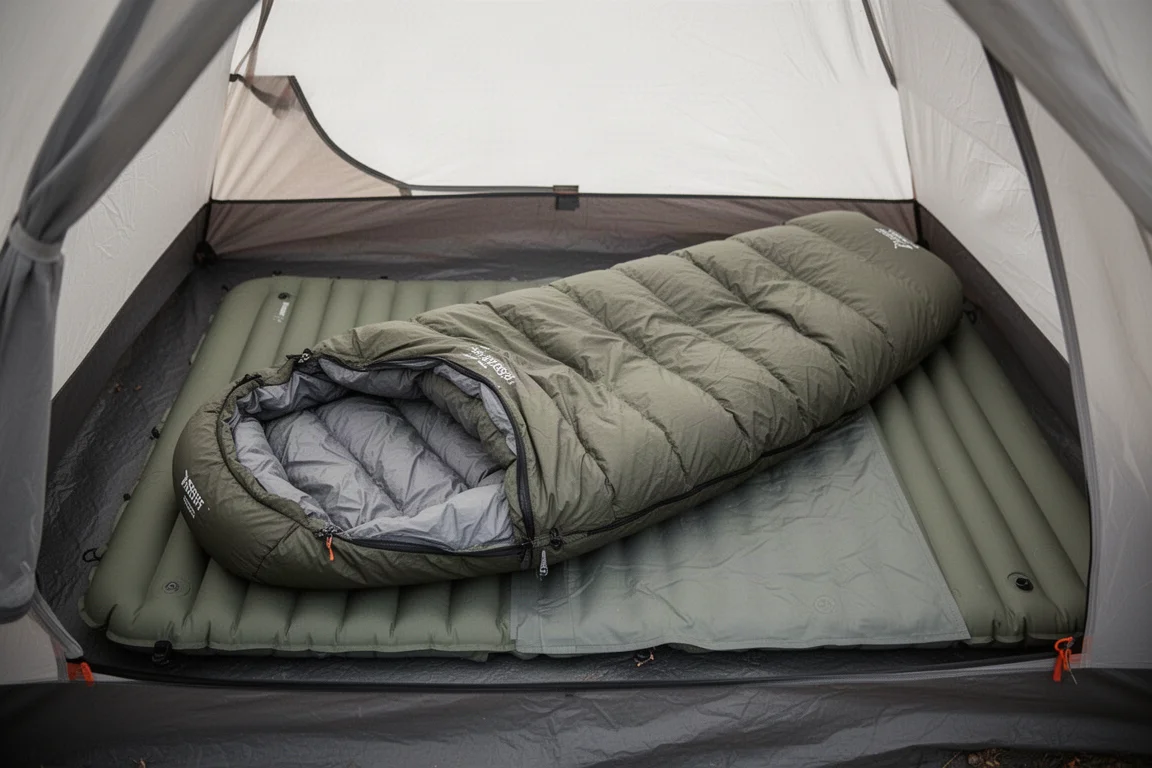
The foot box is heavily filled, and the foot vent at the end is self-sealing with a large overlap. If you overheat, you can push your feet out and rest the bag on top of them; when you cool down again, you tuck them back in and the bag behaves normally.
On the underside there is a sheet that fits over your sleeping pad. That holds the bag in place through the night, which is a real benefit for restless sleepers who would otherwise slide off the mat.
The materials are solid for the weight. The shell is a 15D nylon ripstop, thin but strong, and the fill is 419 g of 800 fill power dry down. Because the down is hydrophobic, a damp night should not destroy its loft or its warmth.
Comfort, Room, and Real-World Warmth
The cut is generous. There is a lot of wriggle room through the body, and the insulated hood is comfortable rather than restrictive. The bag sits somewhere between a traditional sleeping bag and a quilt, which is exactly what makes it work for people who move around.
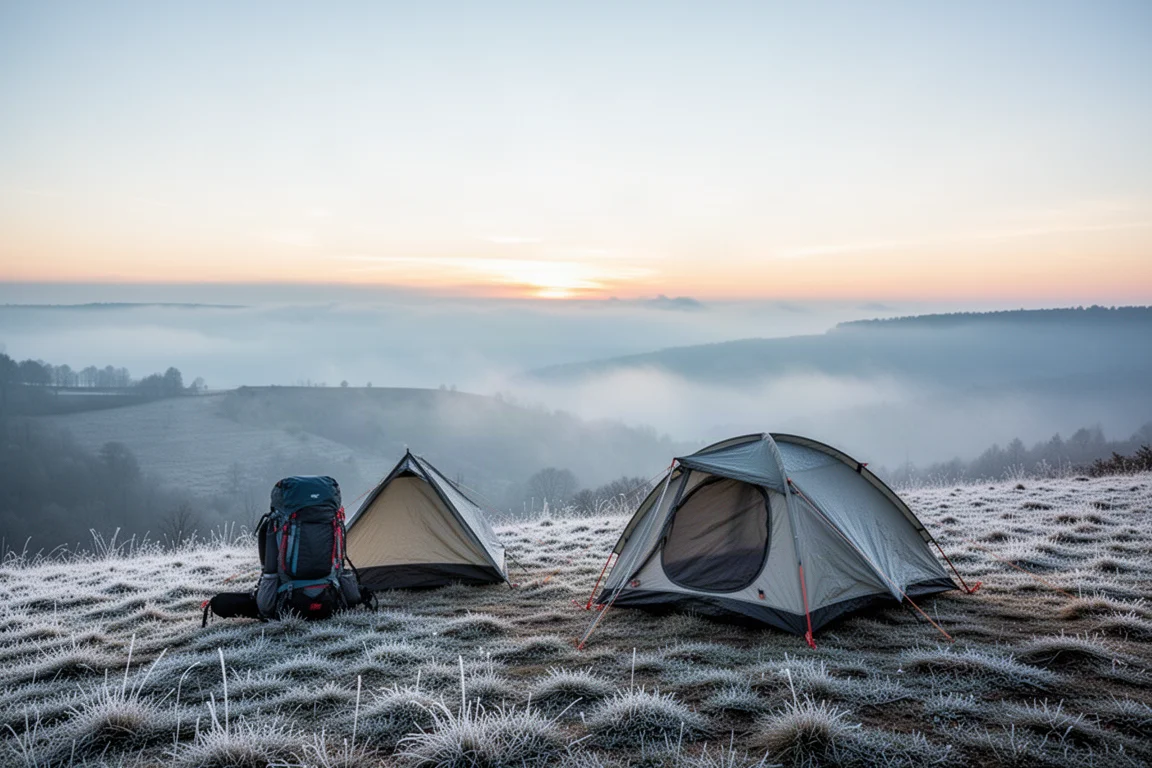
On warmth, the -3°C comfort rating is best treated as a limit rather than a target. In cold, damp conditions at around -3°C, paired with a sleeping pad around R-value 4.2 and light bamboo base layers, the bag felt cold through the night. With merino wool base layers and a pad of 5.5 R-value or higher, that same night would most likely have been comfortable. The bag is at its best on milder winter nights and on colder spring and autumn trips, and around 0°C is a realistic comfort target for most users. Pushing well past -3°C is not advisable.
Things to Consider Before Buying
Two issues are worth knowing about before you commit.
First, the down has a slight odour when new. It is not strong, and it fades, but sensitive users may notice it.
Second, the baffles on the top of the bag run horizontally. With horizontal baffles, down can migrate to the sides as you move during the night, which can leave a thinner, colder patch above you. Holding the bag up to the light shows where the fill has shifted, and a tumble dry with dryer balls redistributes the down and restores loft. It is a manageable issue rather than a deal breaker, but it does mean occasional maintenance.
Packed Size, Weight, and Care
The regular Cloud 20 weighs 850 g and packs to roughly 38 cm by 19 cm, which is reasonable for a winter-rated down bag. It will compress further in a compression sack.
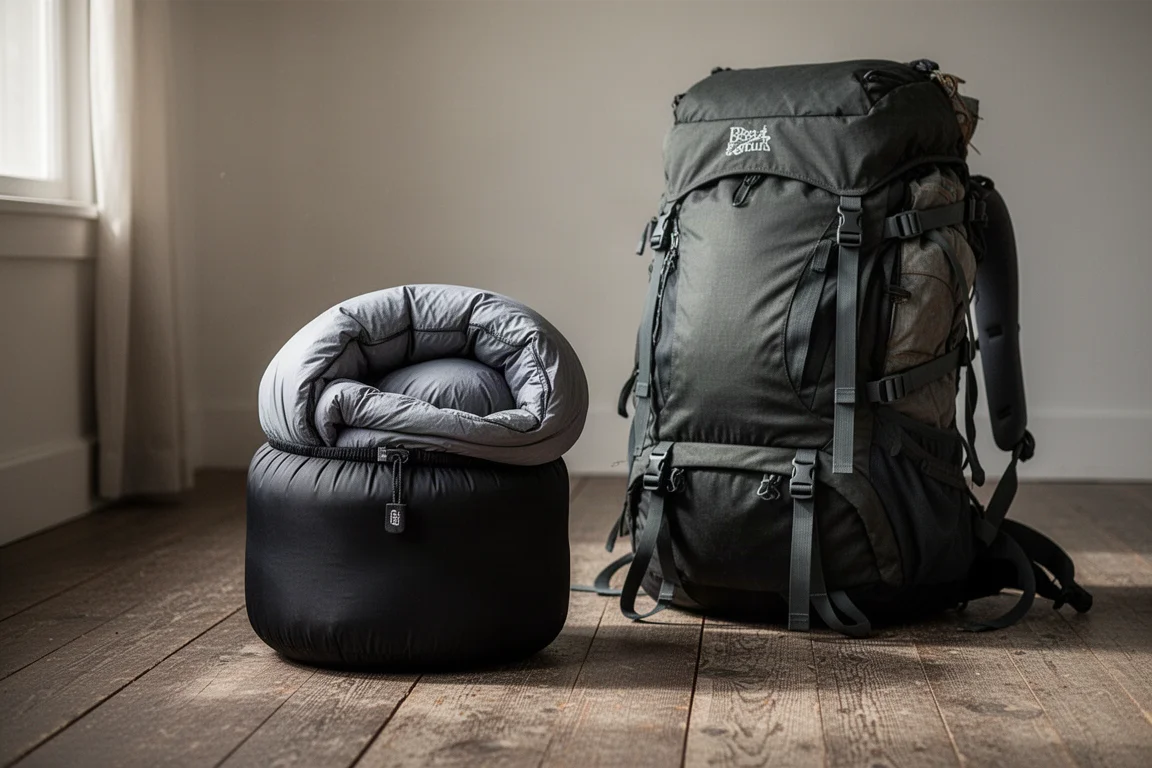
That said, compressing down bags hard comes with a trade-off. The more tightly a down bag is packed, the more likely it is to need a good shake and some time to loft fully when you pitch camp, and a bag that does not loft fully will not insulate as well. If you want to keep the Cloud 20 performing at its rating, pack it moderately and give it time to recover at the end of the day.
Where It Sits Between a Sleeping Bag and a Quilt
The Cloud 20 is not a pure quilt and not a conventional zipped bag. It keeps the enclosed foot box, the hood, and the pad attachment of a sleeping bag while adopting the open, drape-over top of a quilt. For backpackers who have tried quilts and missed the hood and the foot box, or who have used sleeping bags and disliked the restricted feeling, this middle ground is the appeal.
Buying Advice
The Cloud 20 retails at £299, and it is often available closer to £200 online, which changes the value calculation considerably. At the lower end of that range it is a strong buy for a cold-weather down bag with this much room and this level of fill quality. At full retail it is still a reasonable proposition if the zipless design is what you actually want.
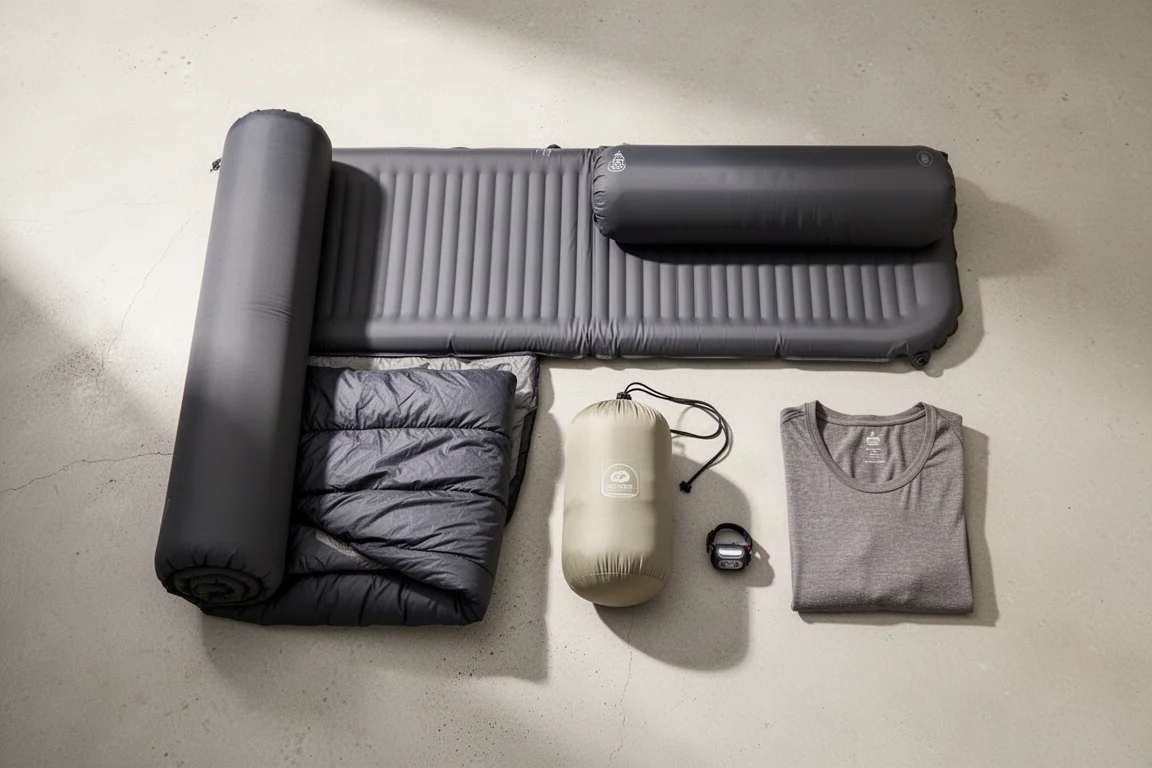
Match the bag to your sleep style and your pad. If you sleep cold, plan on a higher R-value pad and warm base layers, and treat 0°C as your realistic comfort floor. If you are 6 ft or taller, go for the large version. If you want the same concept for warmer trips, the Cloud 35 is the alternative.
Conclusion
The Sierra Designs Cloud 20 solves a genuine problem. Restless sleepers, side sleepers, and stomach sleepers get a warm down bag that does not fight them all night, and the zipless opening is quick and draft-free in practice. The -3°C rating is honest but tight, the down can shift in the horizontal top baffles, and there is a faint odour when new. Weigh those against the room, the fill quality, and the flexibility of a bag that works like a quilt when you want it to, and it is easy to see why it stands out.
Product link
View more details for Sierra Designs Cloud 20
This product is mentioned in the review. Check the specifications, options, and compatibility before buying.
View more details for Sierra Designs Cloud 20Further reading
Related Reviews
Sleeping Bags
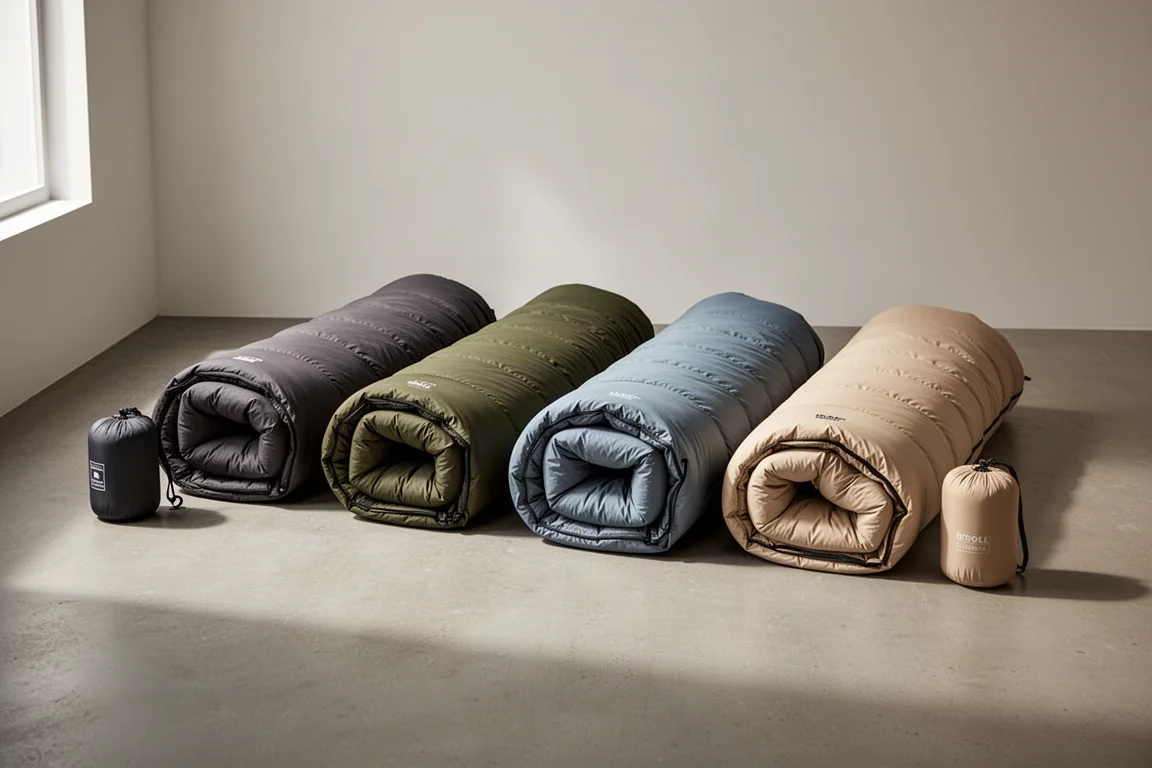
Best Down Sleeping Bags Under $300: Four Backpacking Options Worth a Look
Four down sleeping bags that stay under $300, compared on fill power, baffle design, hood comfort, and packed size.
Sleeping Bags
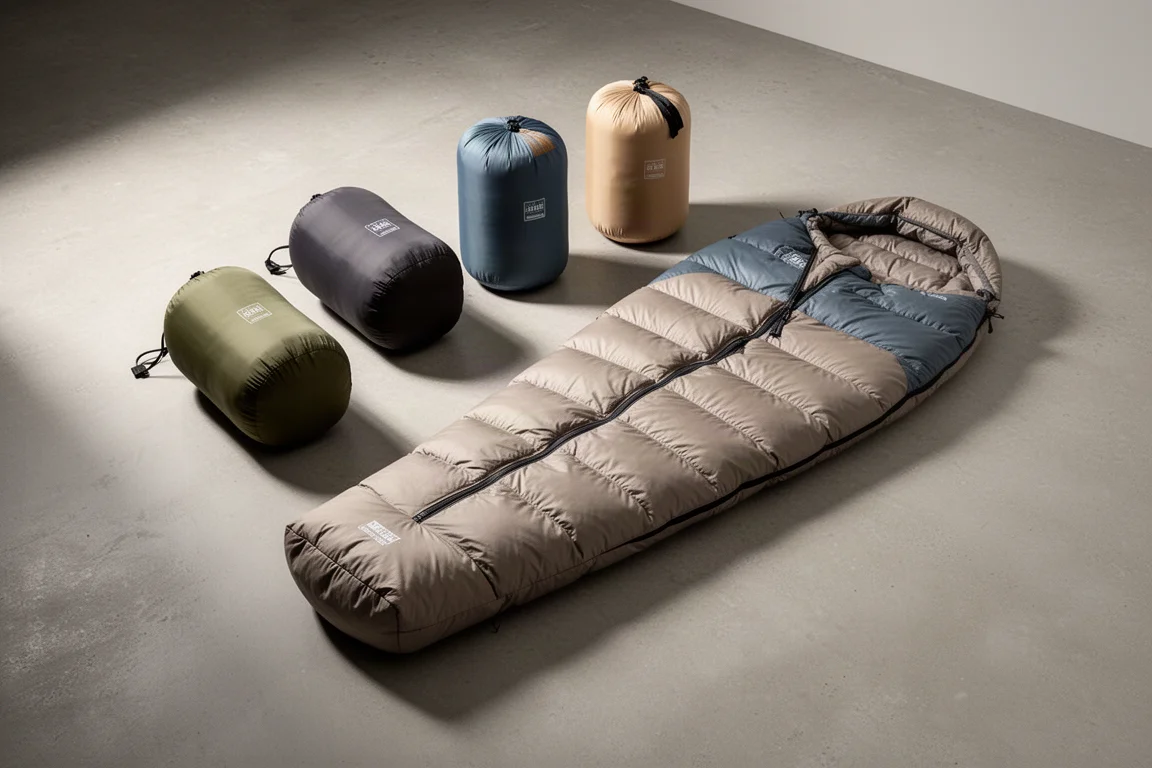
Best Sleeping Bags and Sleep Systems: Five Premium Down Picks Compared
Five premium down sleeping bags and sleep systems compared on warmth, weight, construction, and value.
Sleeping Bags
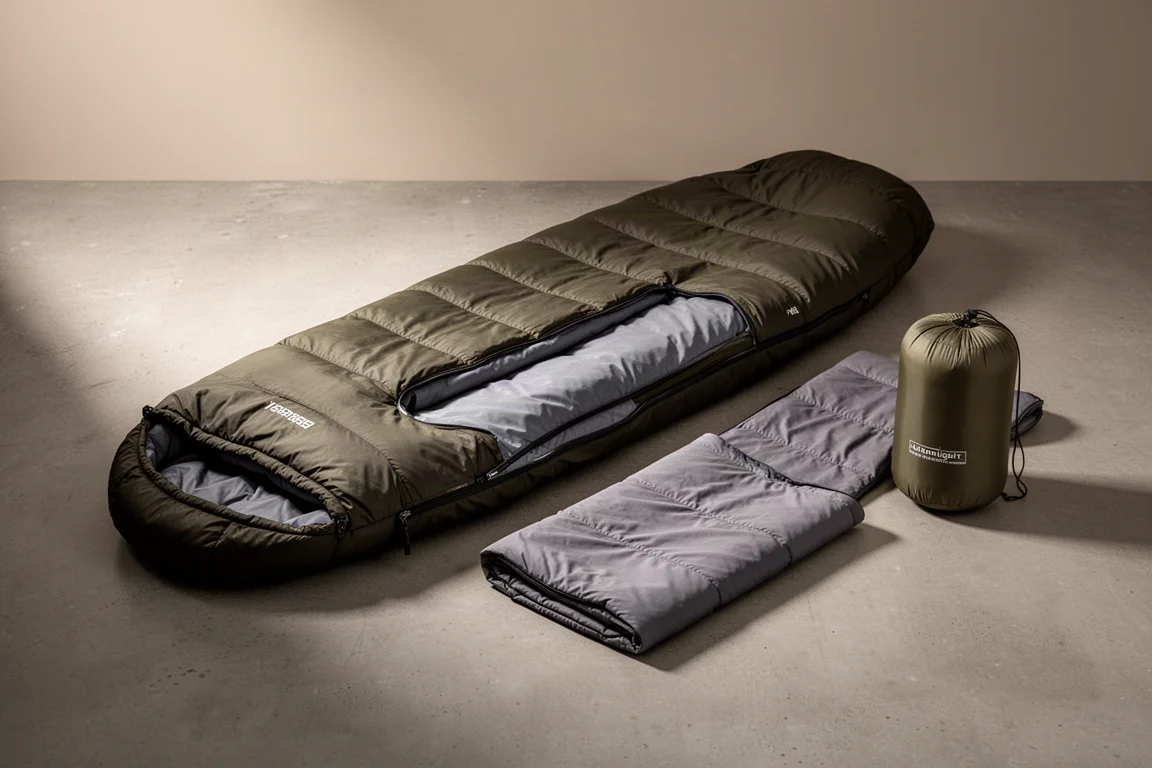
Big Agnes Lost Ranger UL 3-in-1 Sleeping Bag System Review: One Bag, Three Setups
A practical look at the Big Agnes Lost Ranger UL 3-in-1 Sleeping Bag System, covering how the three configurations work, where it shines, and the details worth weighing before buying.