Birding Books
Sibley vs National Geographic Bird Field Guides: Which One Belongs in Your Bag?
Two of the most popular bird field guides compared side by side, covering illustration size, identification text, and which one suits home study versus field use.
Introduction
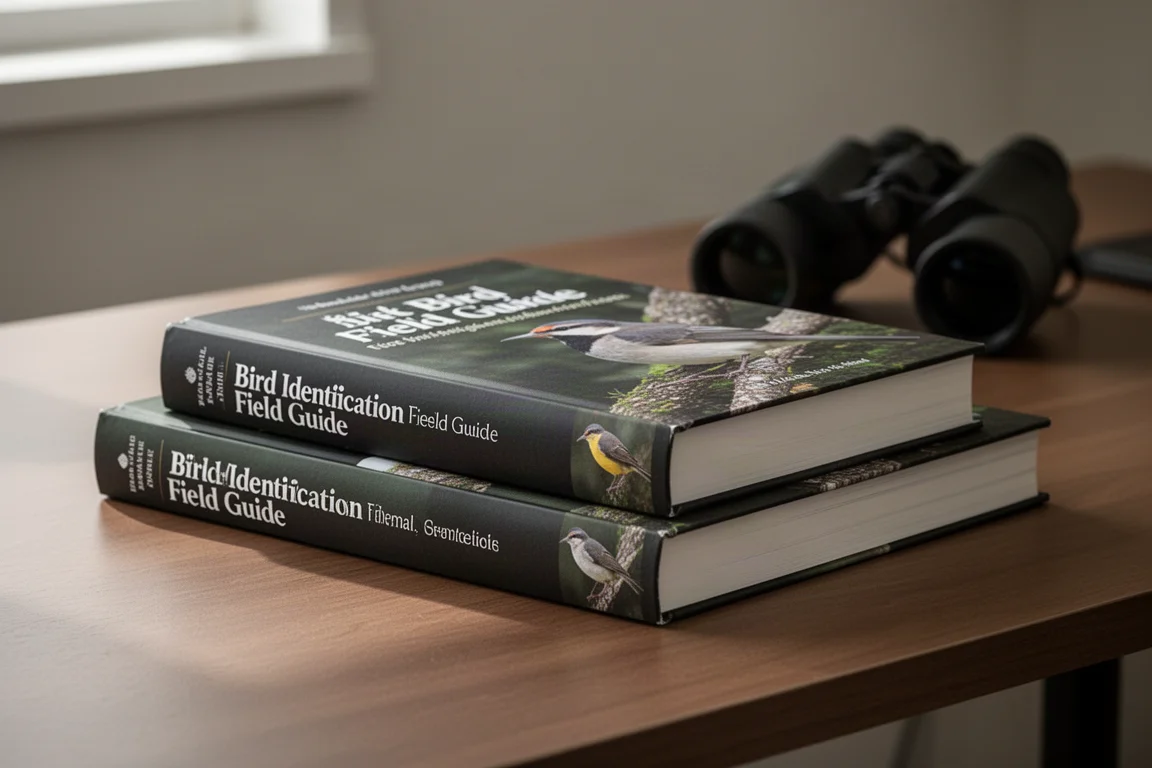
When it comes to printed bird identification, two field guides stand above the rest in popularity: the Sibley field guide and the National Geographic field guide. Both follow the same general formula every field guide shares: illustrations of each bird, text explaining how to identify it, and a range map somewhere on the page. Both also include space for keeping a life list, and both follow the same taxonomic layout, so species appear in a similar order.
The differences are in depth. The Sibley guide is noticeably larger, with bigger illustrations and more content per bird, while the National Geographic guide packs more species into fewer pages with less material around each one.
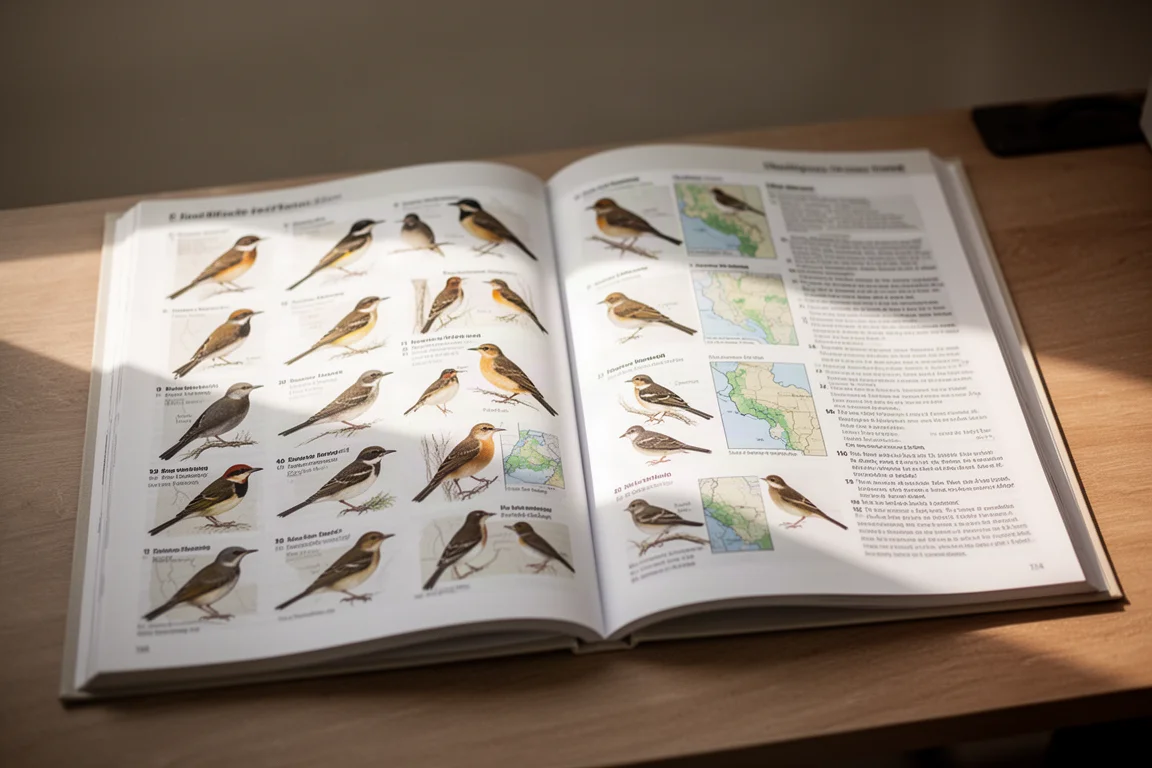
Illustration Size and Per-Bird Depth
The single biggest difference between these two guides is how many birds sit on a page and how large those illustrations are. The Sibley guide spends more time on each bird, with more illustrations and larger artwork, which makes comparing subtle features easier on the eye. The National Geographic guide tends to squeeze birds in more tightly and carries less supporting content.
That size difference matters in the field. If you plan on carrying a field guide with you while birding, the slimmer National Geographic guide is easier on the shoulders. If the guide mostly lives on your desk or coffee table at home, the Sibley guide rewards you with a much richer page.
How Each Guide Helps You Separate Tricky Species
Both guides are good at helping you tell similar species apart, but they go about it differently. The National Geographic guide includes more text explaining how to identify the different plumages of each bird. The Sibley guide leans mostly on illustrations to show you how to work it out, but it adds extra text where it counts most.
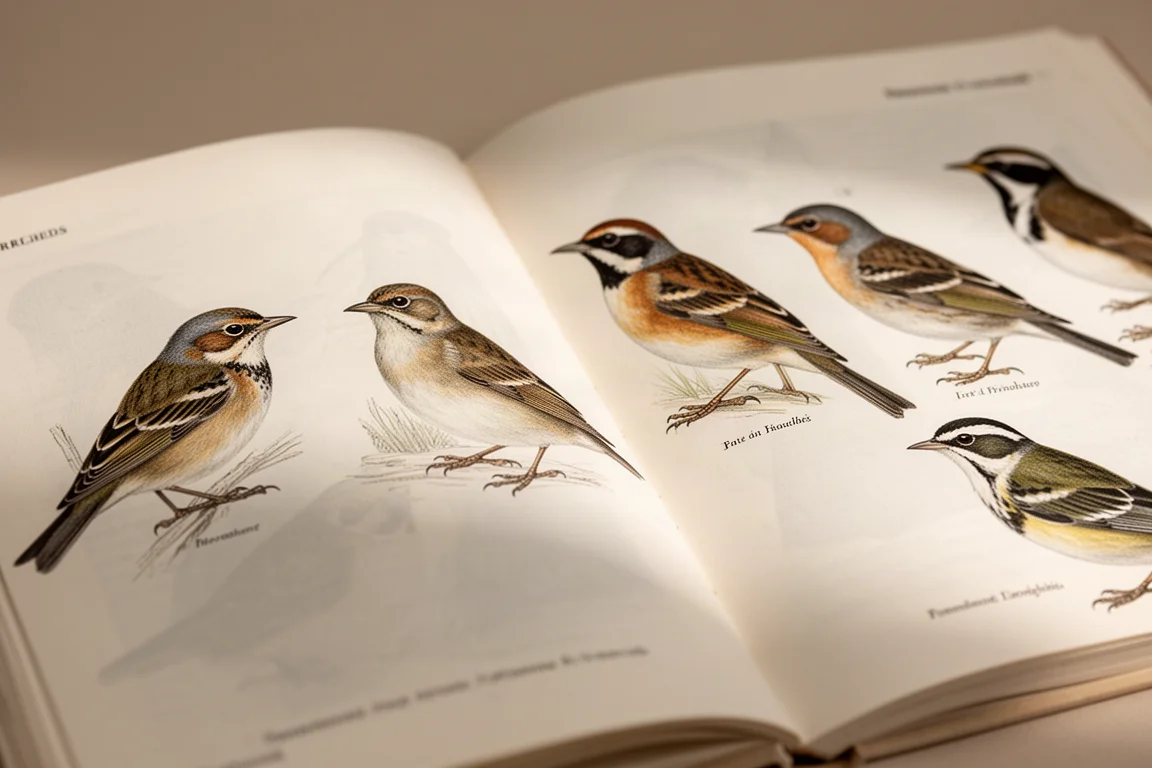
The clearest example is the Empidonax flycatchers, a notoriously tricky family to identify. The Sibley guide devotes extra text to avoiding misidentification among these species. It also includes dedicated, detailed explanations for separating very similar common birds, such as Eastern from Mountain Bluebirds, which is especially helpful for the nearly identical-looking females. The National Geographic guide offers no such callouts in these sections, relying instead on side-by-side pictures.
Learning Material and Bird Anatomy
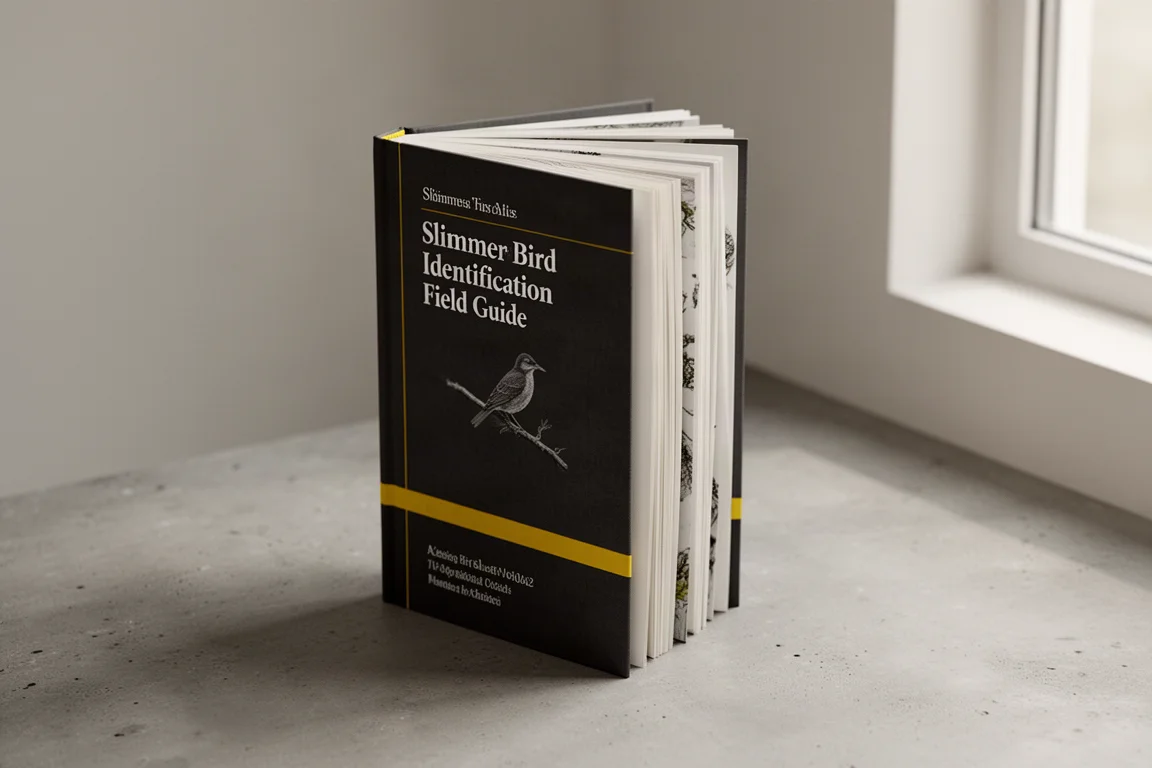
Beyond the species accounts, the guides differ in how much they teach you about birding itself. The Sibley guide talks through all the different parts of a bird, from the supraloral crown and lores to the throat and many more, and it devotes a large chunk of the front matter to helping you find more birds and minimize identification mistakes.
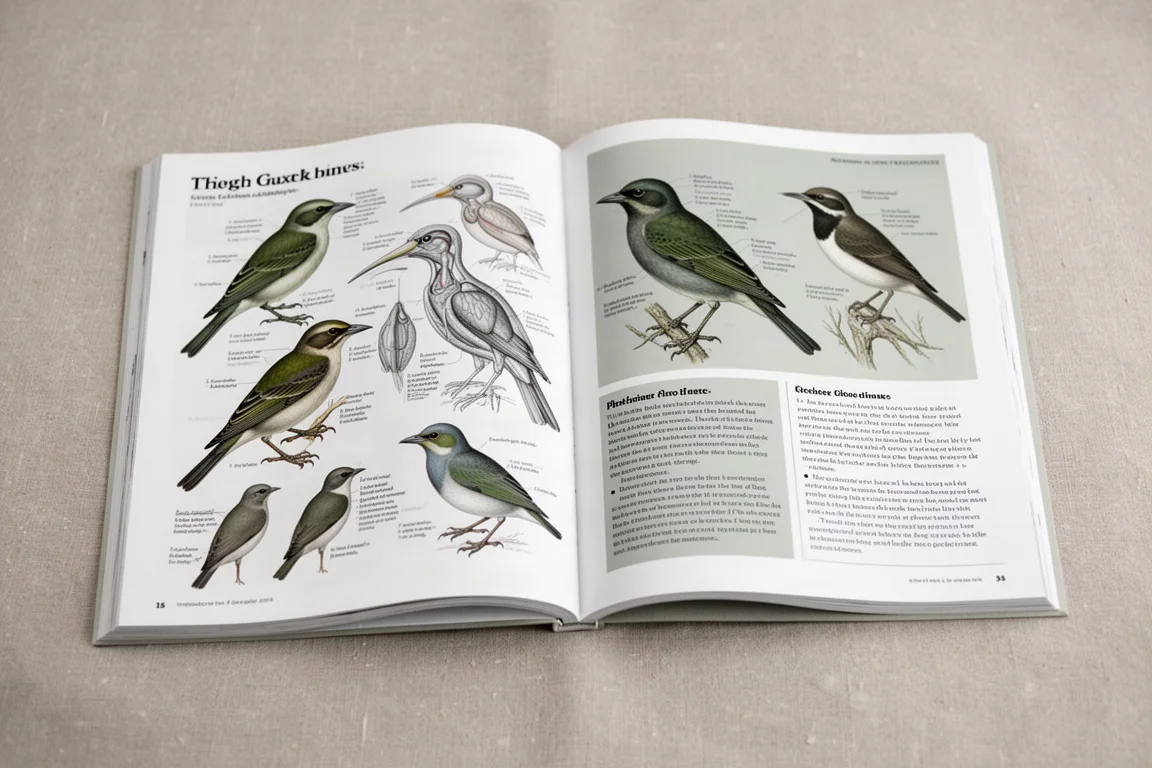
The National Geographic guide includes some of this too, but the Sibley guide simply offers more of it, and the extra tips on finding birds in general are a genuine differentiator. The National Geographic guide stays focused mostly on separating species from other species, which keeps it lean but leaves less room for broader birding skills.
Which Guide Should You Buy?
If you will be flipping through your guide at home, the Sibley guide is the clear pick: more illustrations, larger artwork, and more helpful text throughout. If weight in a backpack matters more than depth, the National Geographic guide is the better field companion.
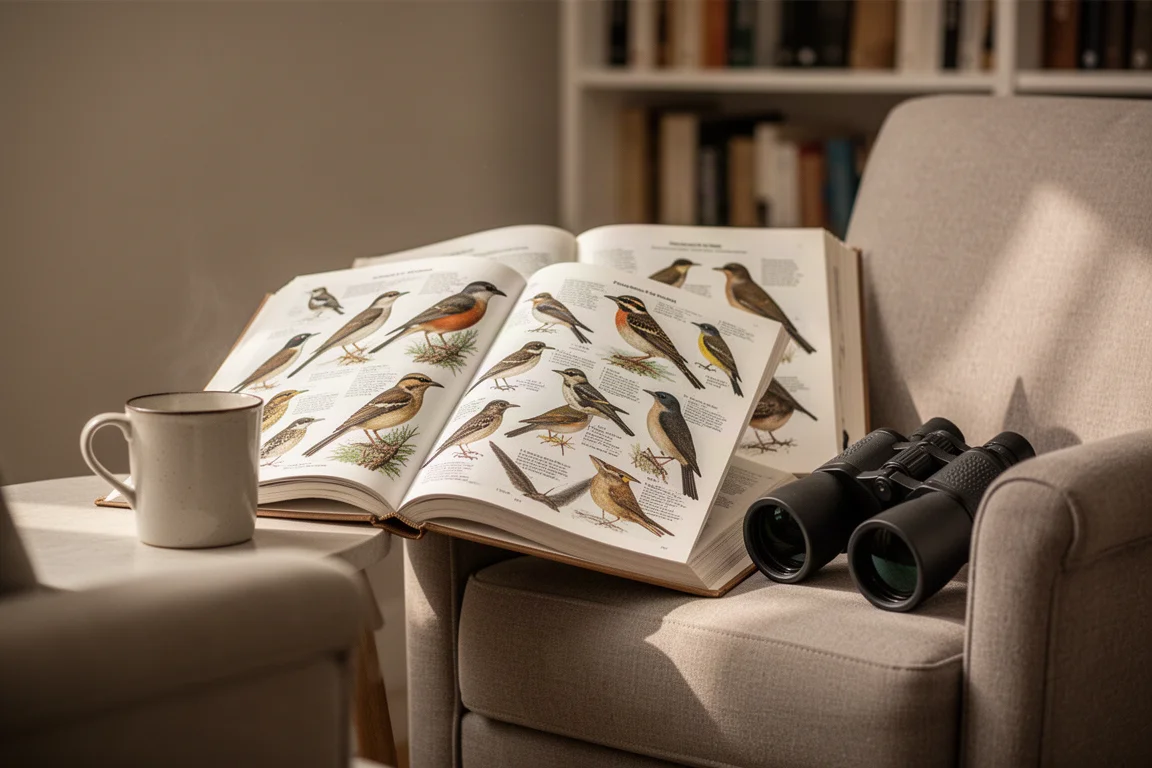
One practical note from experienced birders: many people who bird frequently skip the printed guide in the field altogether and rely on the Merlin Bird ID app instead, which can even identify birds by their songs. A printed guide still earns its place at home, where a large, well-illustrated reference is hard to beat.
Conclusion
Both guides are excellent, and neither is a bad choice. The National Geographic guide suits birders who want a compact, portable reference with solid identification text. The Sibley guide is the better all-round reference for anyone who wants larger illustrations, more per-bird content, and the extra tips that help you find and correctly identify more birds. For most home use, the Sibley guide is the one to go with.
Further reading
Related Reviews

Backpacking Gear
Building a 10 lb Base Weight: An Ultralight Backpacking Gear List
A practical walkthrough of the ultralight pieces behind a 10 lb base weight, from a 765 g pack and a roomy one-person tent to a full camp chair and a dependable water filter.

Road Bikes
10 New Road Bikes Worth Watching: Aero, Titanium, Steel and Endurance Standouts
A practical roundup of 10 new road bikes, from aero flagships chasing single-watt gains to titanium, steel and endurance platforms built for real roads.

Bikepacking Gear
11 Bikepacking Essentials for Long-Distance Cycling
Eleven bikepacking essentials for long-distance cycling, from a steel gravel frame and a two-person tent to helmet lights, packable gloves, and a frame bag that puts weight in the right place.