Mountain Bikes
Six Short to Medium Travel Trail Bikes Worth Considering
A look at six short to medium travel trail bikes, from value-focused alloy builds to premium carbon platforms, and what each one does best.
Introduction
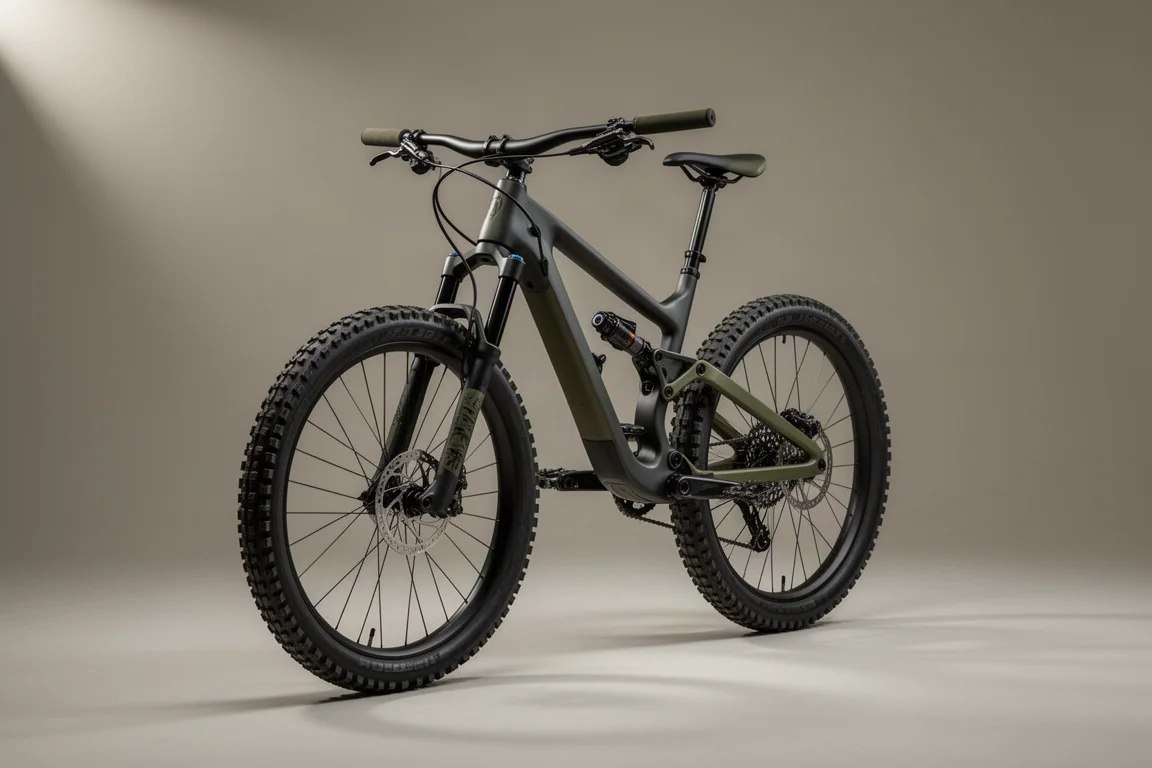
Short to medium travel trail bikes are the do-everything machines of mountain biking. They are efficient enough to climb all day and composed enough to stay fun when the trail points downward, which makes them a sensible choice for riders who want one bike to cover most of their riding.
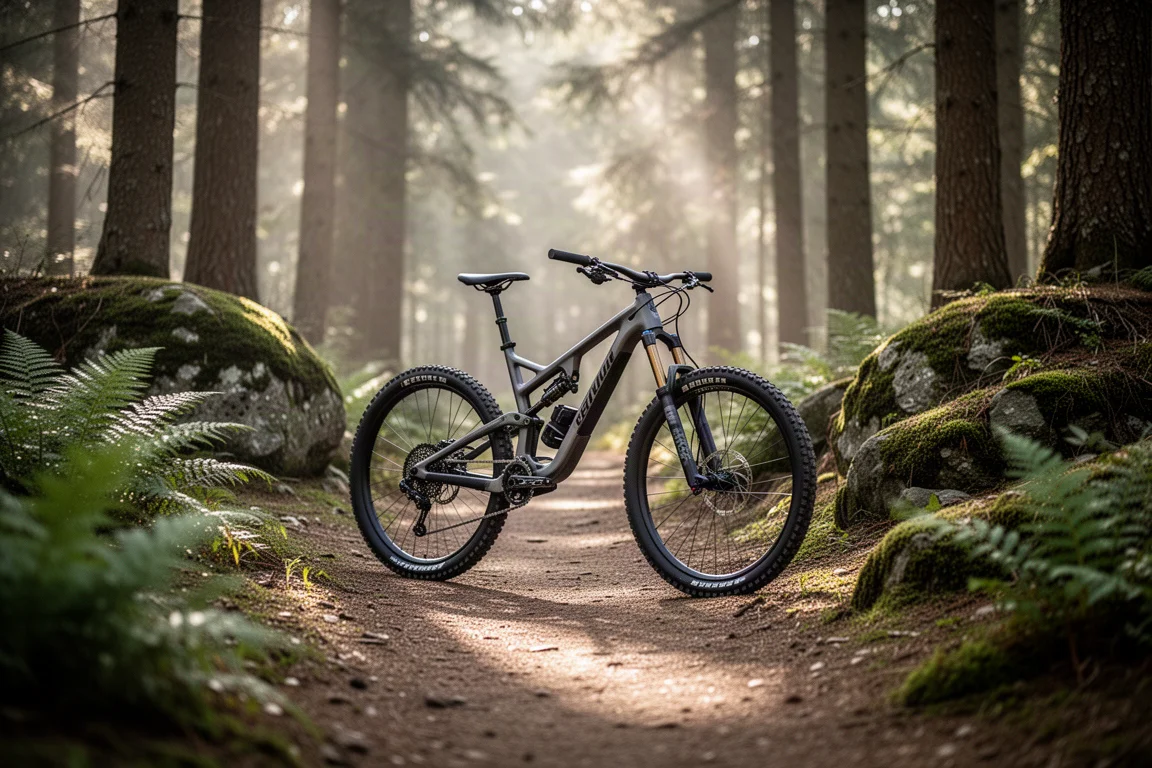
The six options below cover a wide spread of suspension travel figures, frame materials, and price points, so there should be a realistic option whether you are upgrading your first trail bike or adding a more specialized machine to the garage.
Marin Rift Zone: Strong Value With a Playful Character
Marin has a long history in mountain biking and a reputation for combining value with fun, and the Rift Zone sits at the heart of that range. Buyers can choose between an alloy or carbon frame depending on budget, and the geometry is tuned toward aggressive trail riding.
For 2023 the travel has been increased to 130mm at the rear and 140mm up front, while the head angle is now slacker and the seat angle steeper. The alloy model starts at $1,800, the carbon version runs from $3,800 to just under $5,000, and an XR build adds an even more aggressive option for riders who want it.
YT Izzo: Light, Fast, and Adaptable
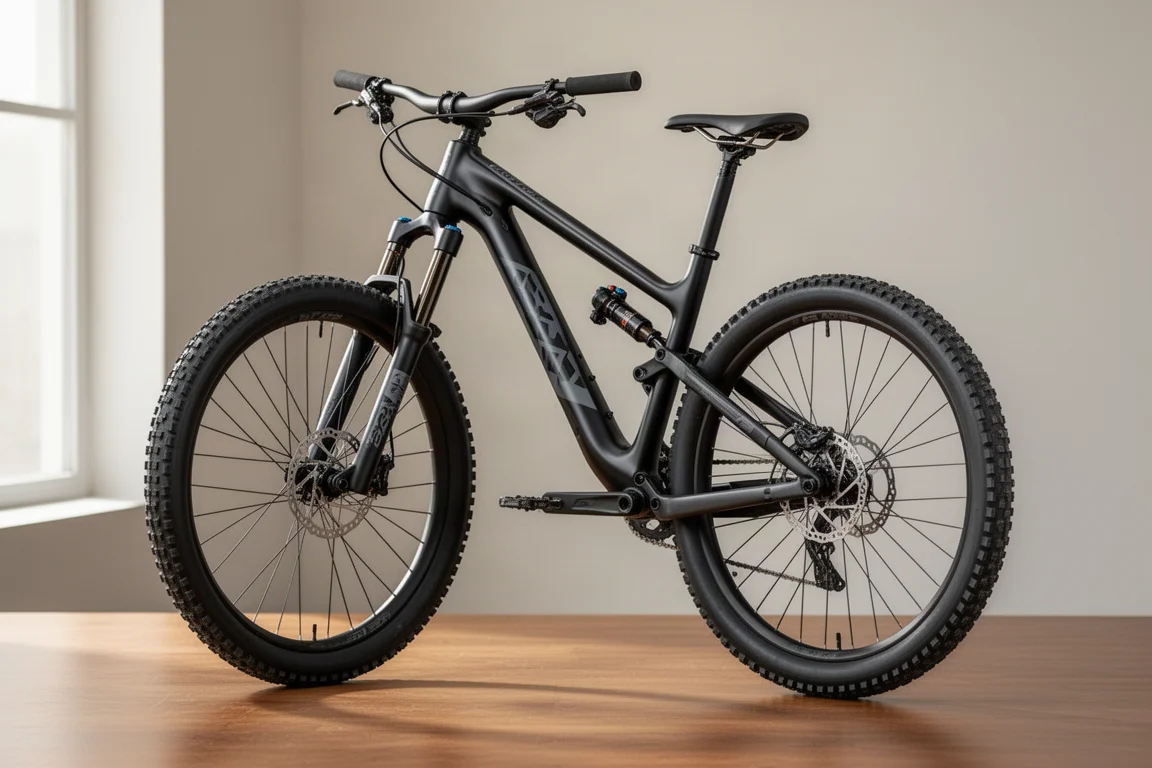
The Izzo is a short-travel trail bike that climbs quickly while still offering confident descending manners. Its carbon mainframe and carbon linkage are shared across the range, so every build benefits from the same light foundation.
Builds can lean toward speed with a RockShox fork and fast-rolling tires for marathon and racing use, or toward a burlier feel with a Fox 34 fork, wider handlebar, and chunkier tires. YT sells direct to customers, and pricing starts at $3,300 for a model with a Fox 34 fork and SRAM NX drivetrain.
Because the bike arrives assembled in a box and there is no bike shop in the middle, value relative to the component spec tends to be strong. That direct model also means buyers should be comfortable with their own setup and basic maintenance.
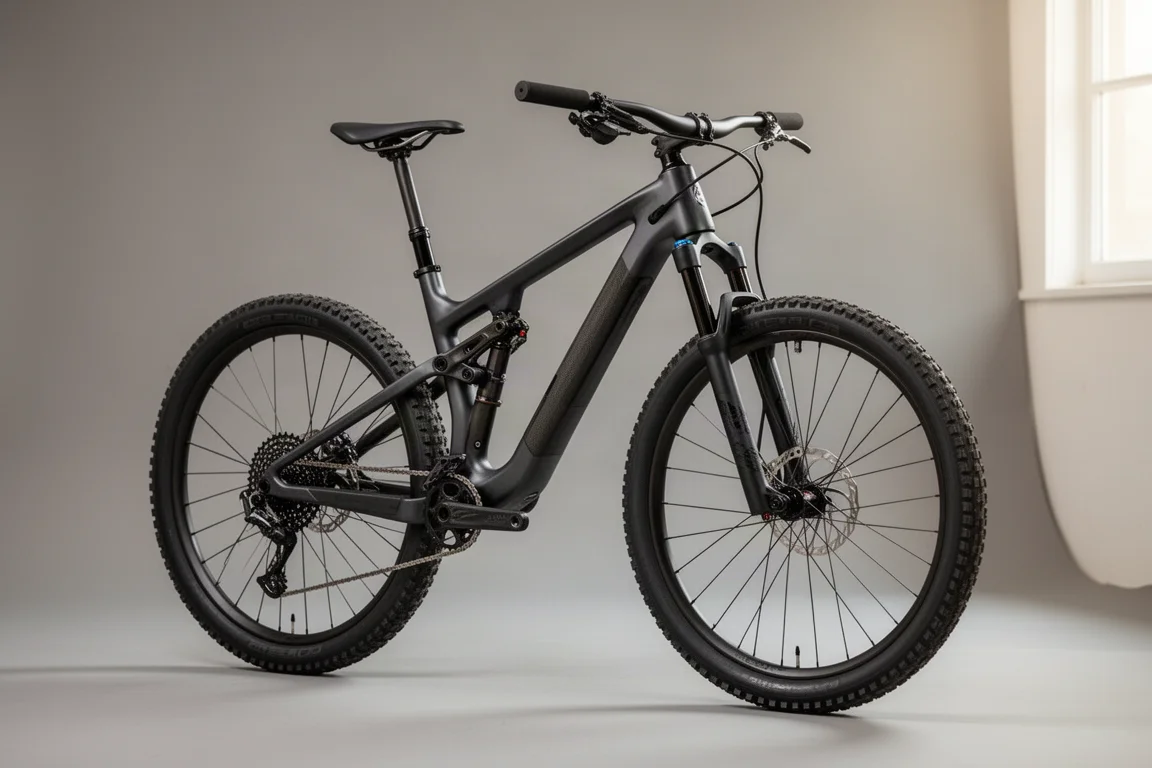
Santa Cruz Tallboy: Premium Trail Refinement
The Tallboy has been a long-running favorite and remains a no-nonsense option, though it sits firmly at the premium end of this group. For 2023 it received another update while keeping the same suspension travel figures of 120mm rear and 130mm front, which is light enough to pedal all day yet still capable on rough terrain.
The geometry has been revised, and the frame now includes a storage compartment in the down tube for carrying snacks and tools. Pricing is the main drawback, with builds starting above $5,000 and reaching past $10,000.
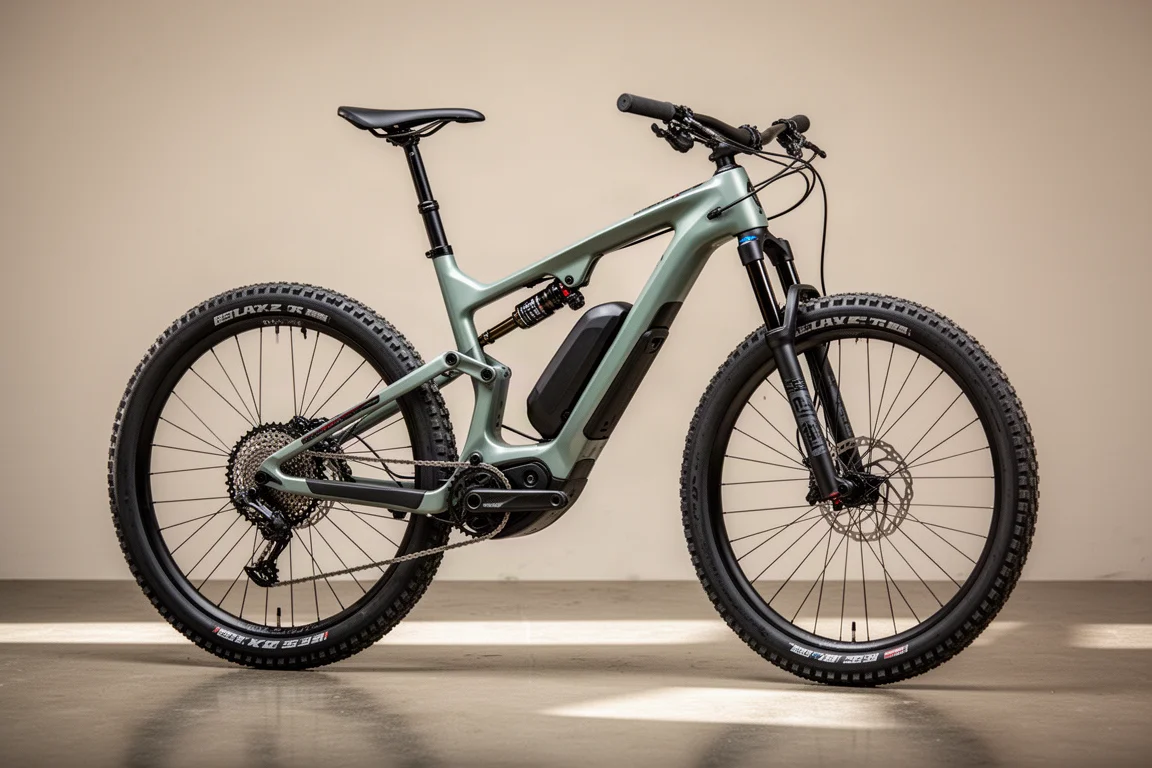
Trek Fuel EX: Tunable Suspension and Broad Options
Trek’s Fuel line has evolved considerably over the years, and the latest Fuel EX pairs 150mm of front travel with 140mm at the rear. A unique ABP rear axle pivot keeps the suspension active under braking and pedaling.
The rear suspension is also adjustable, letting riders run a more progressive setup with extra support for fast, flowing trails or a more linear feel for rocky, chundery terrain. Like the Tallboy, the Fuel EX includes a down tube storage compartment, and Trek’s scale means a wide range of builds from $2,700 up to nearly $10,000.
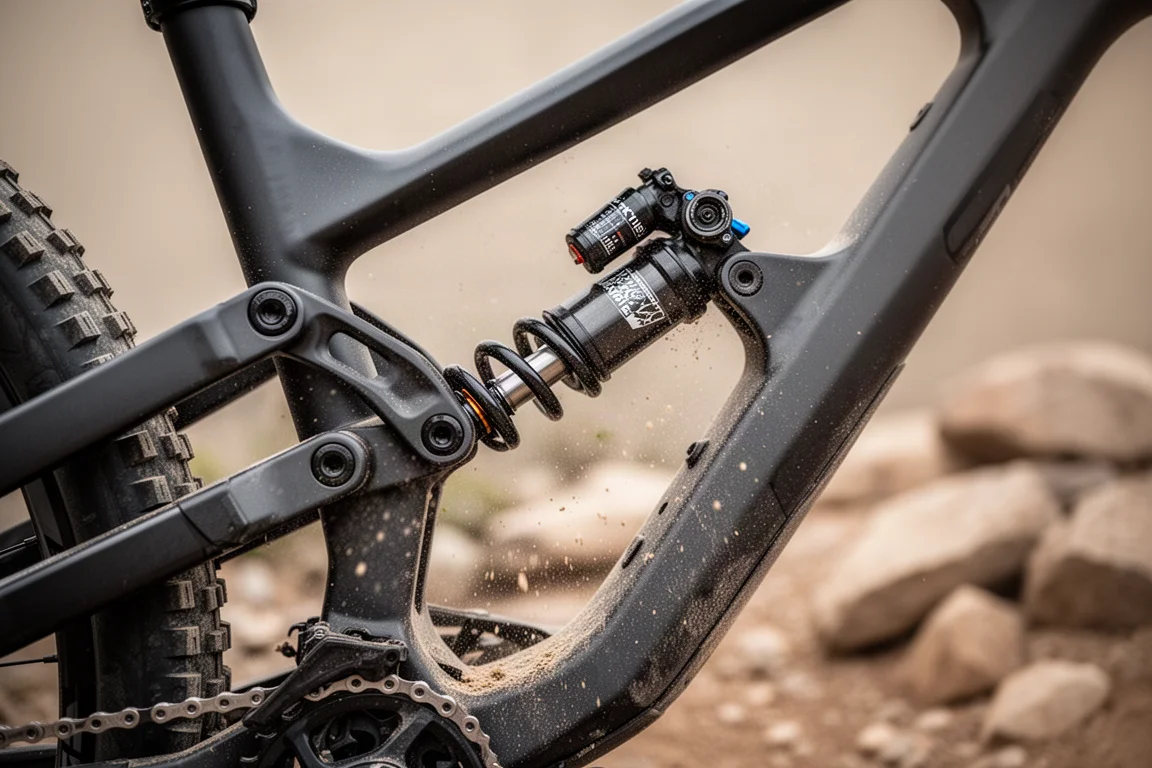
With more entry-level and mid-range options than some premium rivals, the Fuel EX is a practical choice when budgeting matters and you still want a well-sorted trail platform.
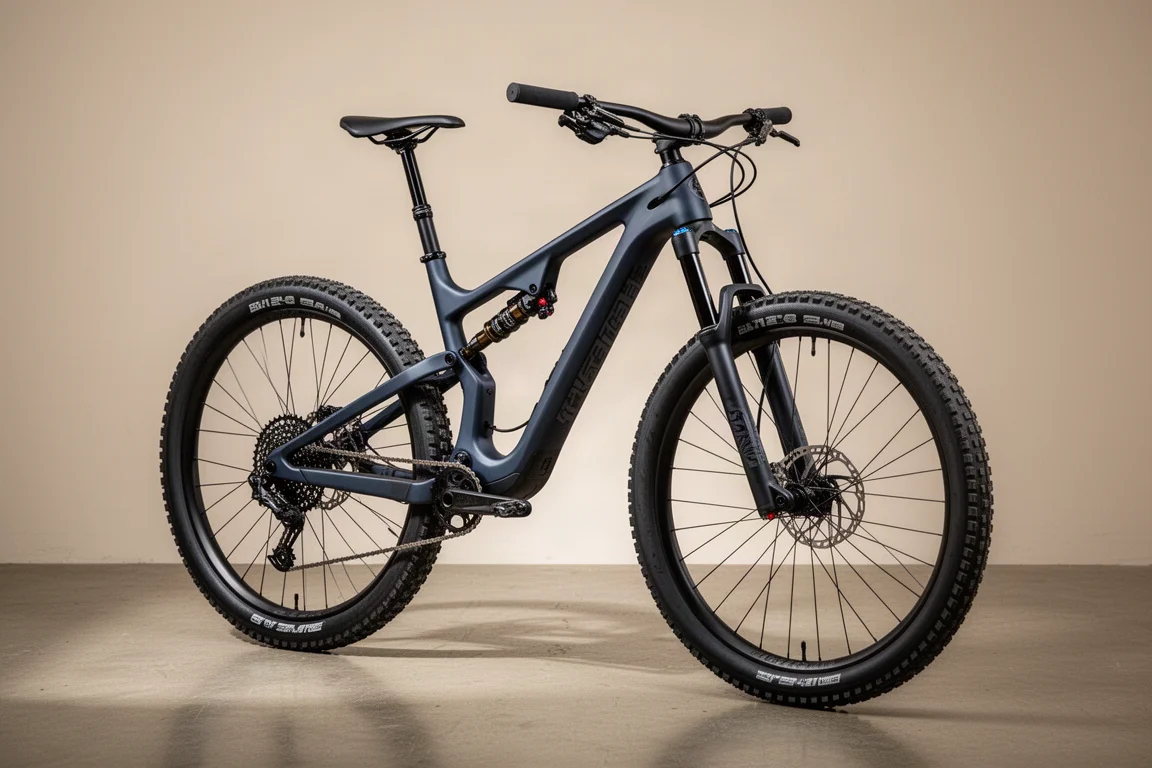
Yeti SB120: Modern Geometry With a Premium Price
The SB120 pairs just 120mm of rear travel with updated geometry that includes a longer reach, a slacker head angle, and a steeper seat angle. Those figures should make it more capable and more fun than the bike it replaces, showing that a short-travel platform can still be fast over rough ground.
It retains Yeti’s switch Infinity linkage, a distinctive suspension design that has largely held up well. Good looks and brand heritage come at a cost, with builds starting at $4,300 and climbing past $12,000, placing it among the most expensive options here.
Canyon Spectral 125: Short Travel, Big Capability
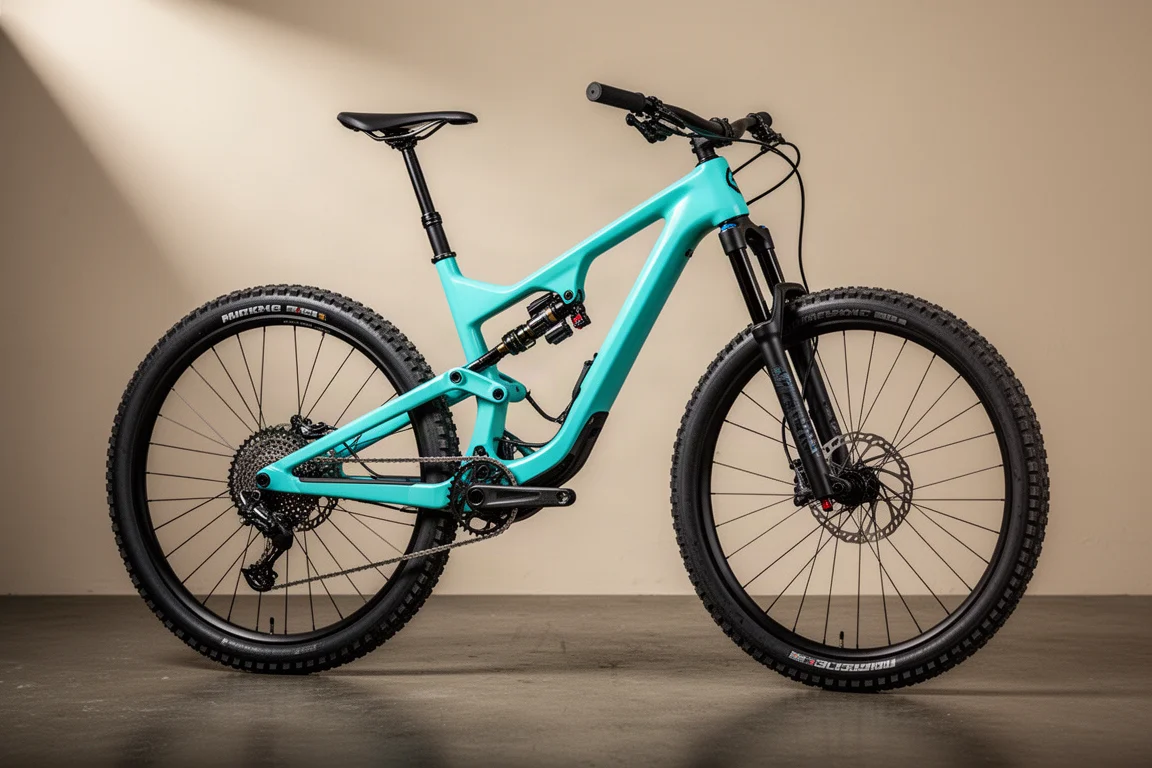
The Spectral 125 is a short-travel bike that leans hard into capability, thanks to progressive geometry and a burly 150mm Fox 36 fork up front. The 125mm of rear travel is handled by Canyon’s own suspension design, and the slack geometry means it will not hold you back on technical, gnarly terrain where you might assume a bigger bike is needed.
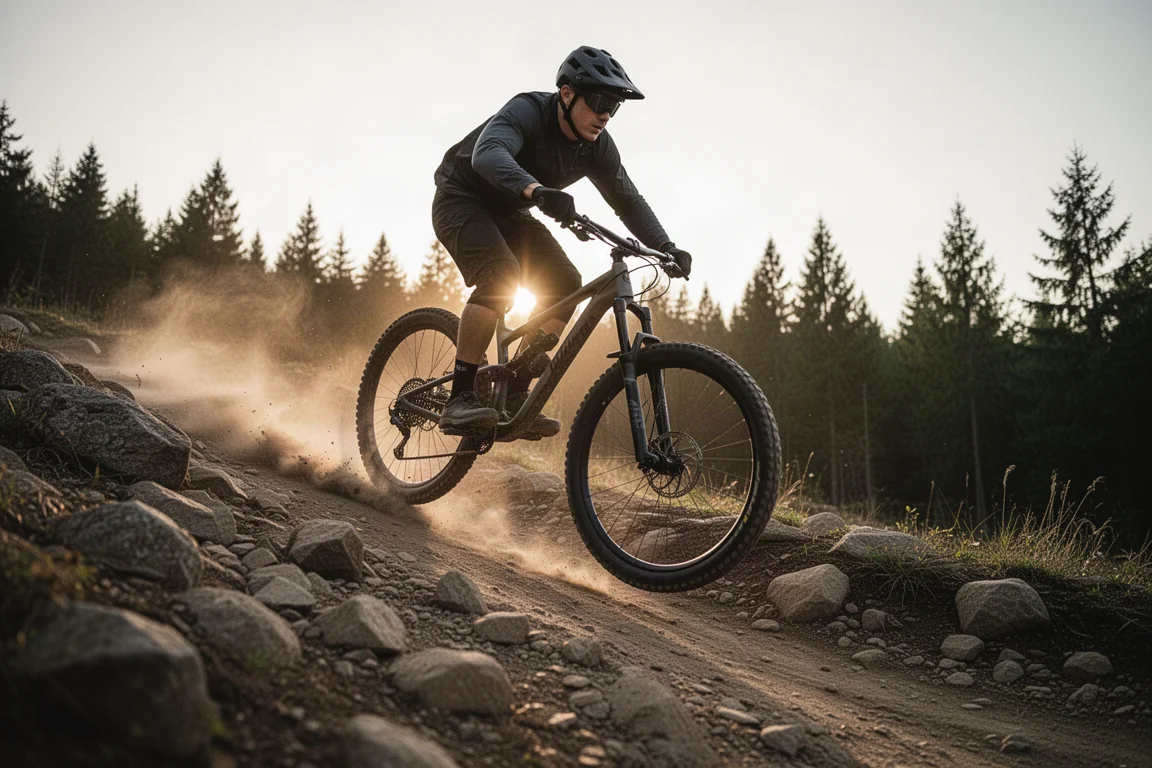
The trade-off is weight. It is close to a longer-travel 150mm bike and is not the sort of machine you would pick for cross country or marathon racing. It is built for charging descents and spinning back up, and value is strong, with the alloy version starting at $2,900 and the carbon version at $4,200.
Buying Advice
The right travel figure depends on where you actually ride. A bike like the SB120 or the Tallboy with around 120mm at the rear suits riders who value climbing efficiency and long days in the saddle, while the Fuel EX and Spectral 125 lean toward riders who want more margin on steep, technical descents.
Frame material and buying model matter as much as travel. Alloy builds from Marin and Canyon keep costs low, while direct-to-customer brands like YT and Canyon can stretch component value but shift setup and service onto the owner. Premium brands such as Santa Cruz and Yeti charge for heritage, finish, and detail rather than raw value.
Practical features are worth weighing too. Down tube storage on the Tallboy and Fuel EX is a genuinely useful addition for carrying tools and snacks, and adjustable rear suspension on the Fuel EX lets one bike adapt to different trails without changing components. Match these details to your priorities before deciding.
Conclusion
Each of these six bikes is a capable short to medium travel trail platform, and the differences come down to budget, frame material, and how much descending confidence you want from a bike that still climbs well. Value-focused riders will find the most accessible entry points with Marin, Trek, and Canyon, while those drawn to premium finishing and brand heritage have strong options in Santa Cruz and Yeti. Whichever direction you lean, the sensible next step is to match travel and geometry to the trails you ride most often.
Further reading
Related Reviews
Mountain Bikes
Atherton AM.130 Review: 3D-Printed Titanium Lugs and a 130mm Trail Bike That Descends Like a Bigger Machine
The Atherton AM.130 pairs 3D-printed titanium lugs with carbon tubes and a DW6 suspension platform. Here is how it rides, what the build delivers, and who it suits.
Mountain Bikes
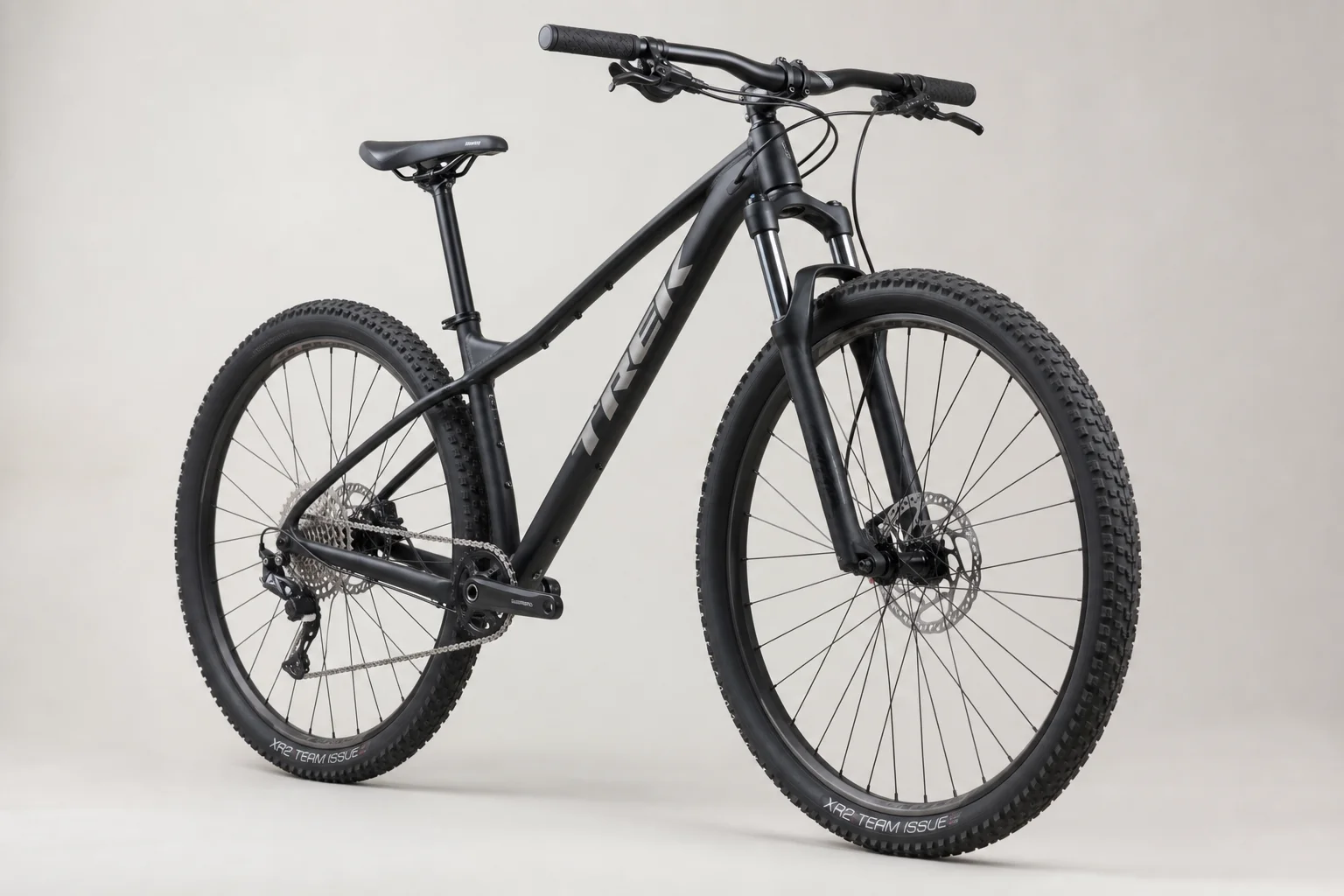
Beginner Mountain Bike Buying Guide: What to Look For in a Trailworthy Hardtail
A practical framework for evaluating beginner mountain bikes, whether new or used, by examining key components that indicate real trail capability.
Mountain Bikes
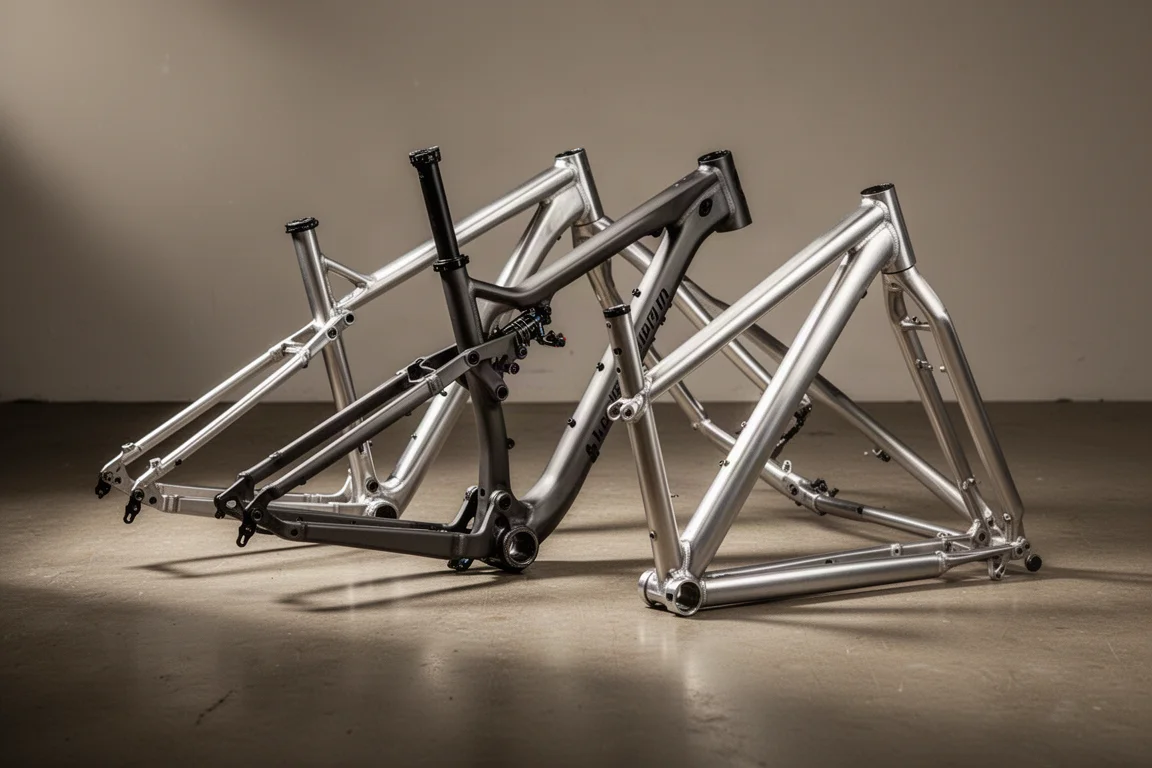
Best Aluminum Mountain Bikes 2026: Five Alloy Bikes Worth Your Attention
Five aluminum mountain bikes that show how far alloy has come, from a 120mm trail bike and a versatile machined frame to a 180mm freeride machine.