Cycling Components
Shimano XT 1x on a Drop Bar Bike: A Long-Term Review of the All-Road Setup
A detailed look at running the Shimano XT mountain bike 1x groupset on a drop bar bike, including its 500% gear range, shifting performance, and practical trade-offs.
Introduction
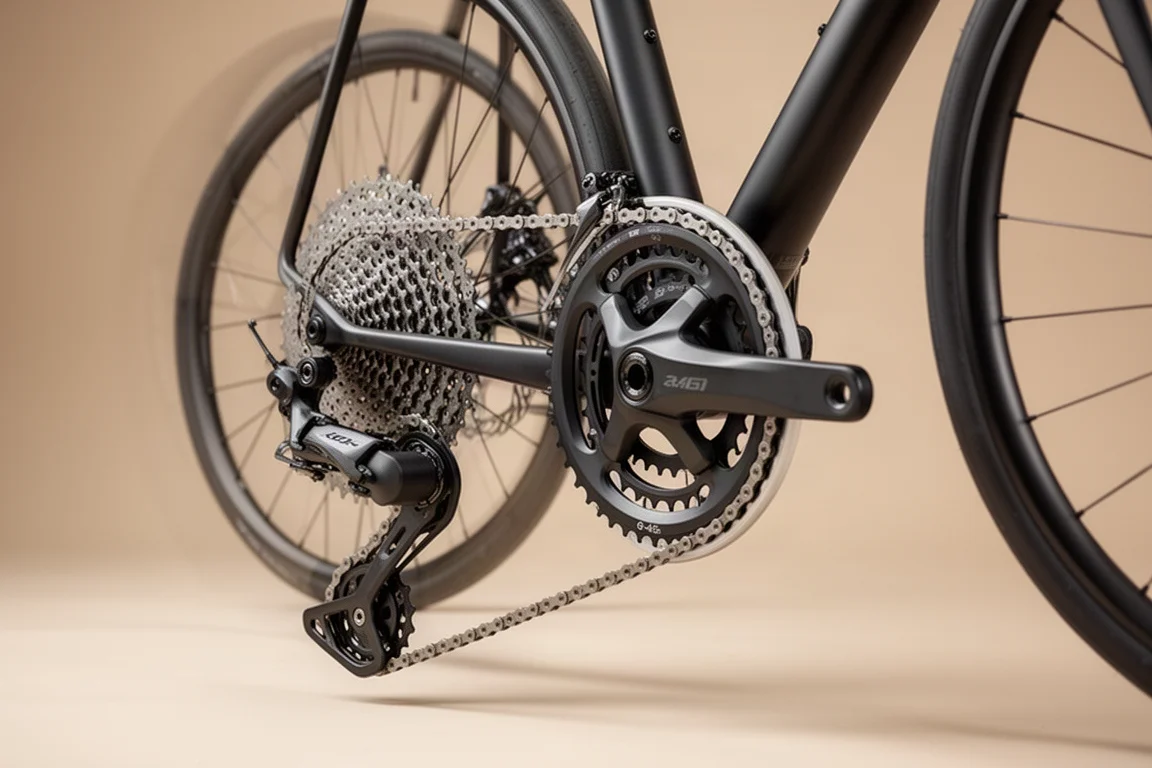
The Shimano XT 1x groupset is a mountain bike drivetrain that has found an unexpected home on drop bar bikes. With a 9-45 cassette and a 46-tooth chainring, it offers a 500% gear range and a level of simplicity that appeals to riders exploring all-road and light gravel terrain. Over eight months of testing on familiar hills and roads, the setup has proven remarkably normal in use, with quick shifting and a cadence feel that rivals conventional 2x systems.
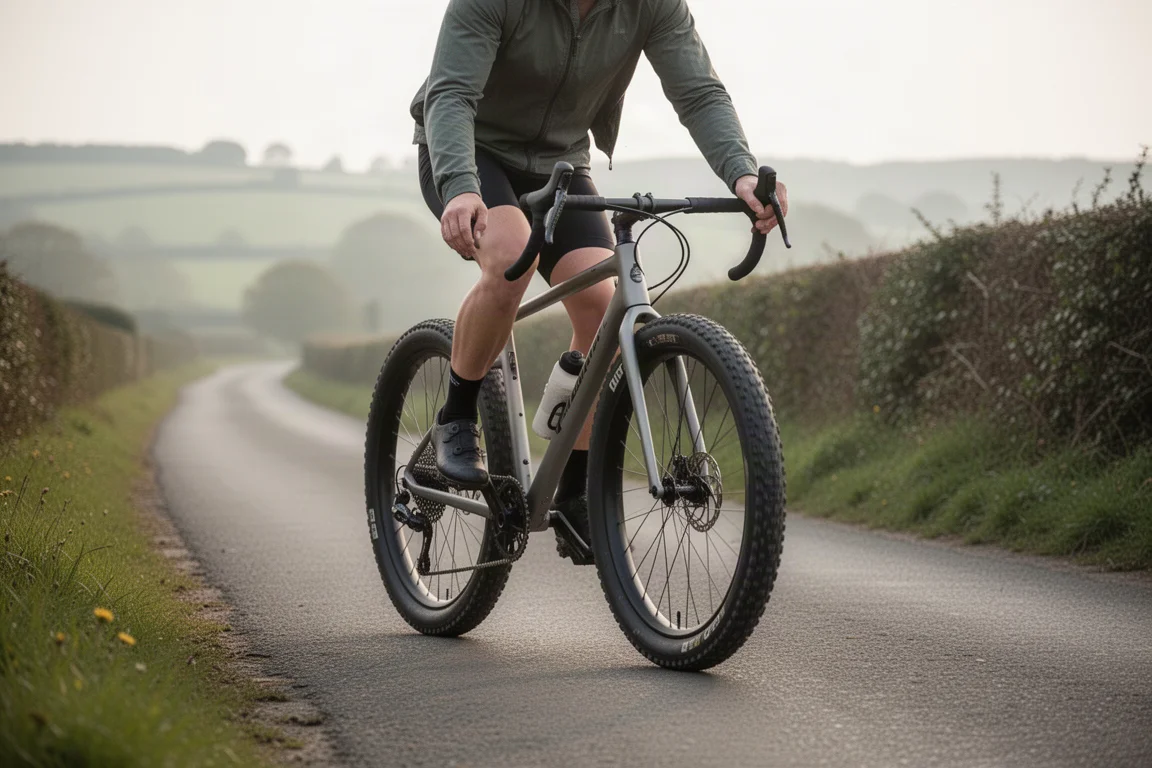
For riders who want a single chainring without giving up range, this Shimano XT configuration presents a compelling alternative to dedicated gravel groupsets. It is not a purpose-built road product, but that is precisely what makes it interesting.
Who This Setup Is For
This setup suits riders who value simplicity and a wide gear range over the familiarity of a front derailleur. It is ideal for all-road bikes that can accommodate tires up to 40mm, and for those who split their time between road slicks and gravel treads. The 1x design removes the front derailleur and its associated maintenance, while the 9-45 cassette keeps the gear spread broad enough for hilly terrain.
It is not aimed at racers chasing every possible aero gain, though similar 1x setups have appeared at the professional level. Instead, it is for amateurs who want a clean, reliable drivetrain for long solo rides, club runs, and mixed-surface adventures. Riders who are perfectly happy with a 2x system will find little reason to switch, but those curious about 1x will find this a practical entry point.
Main Strengths
Gearing and Range
The combination of a 46-tooth chainring and a 9-45 cassette delivers a 500% gear range. That is broader than the 460% range of the SRAM XPLR 1x13 groupset. The progression from the highest gear to the easiest gear is smooth, with tight cadence steps between the 9 and 45 sprockets. In practice, this reduces the feeling of being caught between two gears, a common complaint with older 1x systems.
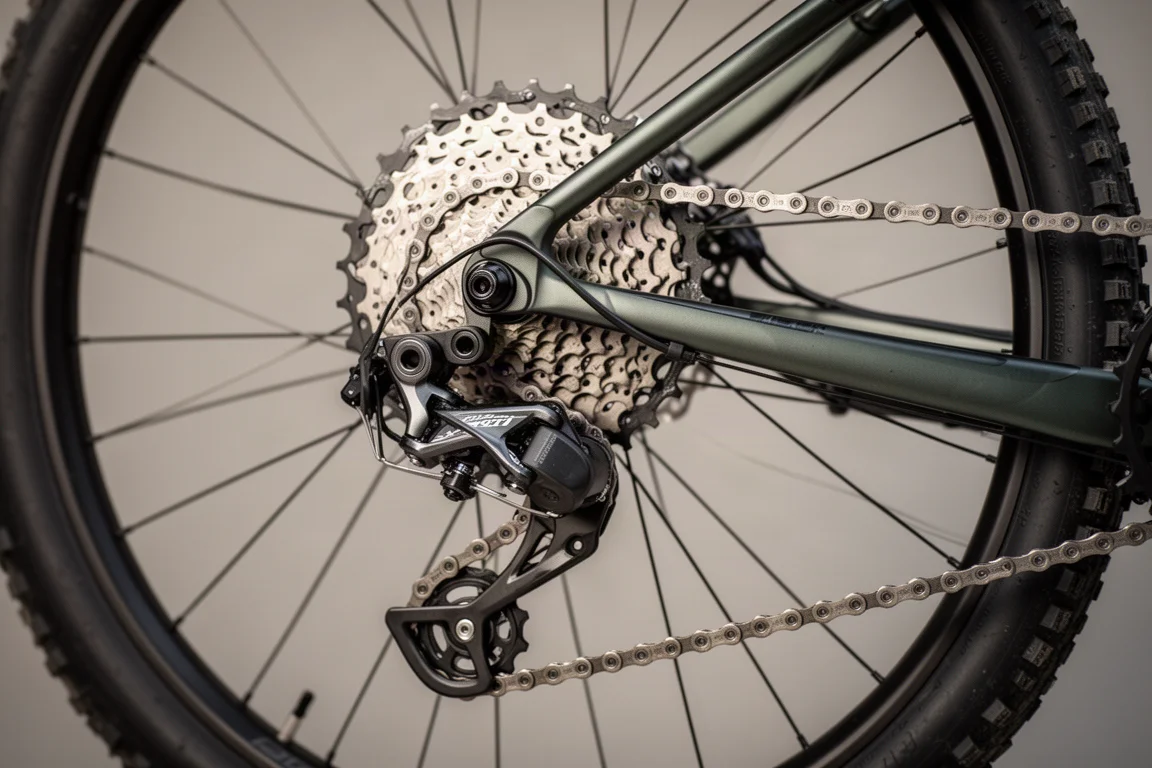
The 9-tooth sprocket has drawn criticism for being less efficient than larger sprockets in laboratory conditions. However, it is only used at very high speeds, where riders are often better off tucking into an aerodynamic position rather than spinning beyond 55 to 60 km/h. For most riding, the cassette provides a natural cadence and a wide enough spread to handle steep climbs and fast descents alike.
Shifting and Ergonomics
Shimano’s electronic shifting is quick and precise. The chain moves up and down the cassette rapidly, and the system feels responsive in real-world conditions. The shifting buttons can be customized through the Shimano app, allowing all buttons on the left shifter to move to a larger sprocket and all buttons on the right shifter to move to a smaller sprocket. This left-easy, right-hard layout mirrors the logic of SRAM systems and becomes intuitive after a short time.
Compared to the SRAM XPLR 1x13, Shimano shifting is a little quicker. SRAM XPLR is not slow by any means, but Shimano has the edge in shift speed. SRAM does offer a slightly smaller step down on the business end of the cassette by including a 12-tooth sprocket between the 11 and 13, but that difference is rarely missed with the Shimano gearing.
Simplicity and Real-World Feel
After eight months of riding, the setup feels very similar to a conventional 2x system, such as a 52/36 front and 11/34 rear. The absence of a front derailleur simplifies shifting and reduces maintenance. The 1x design also saves weight through a smaller chainring, and riders can optimize the chainring size for their terrain. A flatter area or a more powerful rider might choose a larger chainring, while a hilly region or a less powerful rider can opt for a smaller one.
The system has proven reliable on familiar test routes, with power meter and heart rate data showing no meaningful loss of performance compared to a 2x setup. It is a gearing solution that works extremely well for the transition to all-road, wide-tire bikes.
Things to Consider Before Buying
The most significant drawback is the derailleur mount. The Shimano XT derailleur uses a traditional hanger mount, which is prone to bending or snapping. This design protects the frame in a crash, but it can also knock shifting out of alignment. The SRAM UDH T-mount interface is preferred by some riders because it eliminates the mech hanger entirely and is exceptionally sturdy. That is a personal preference, but it is worth considering if you frequently travel with your bike or ride in rough conditions.
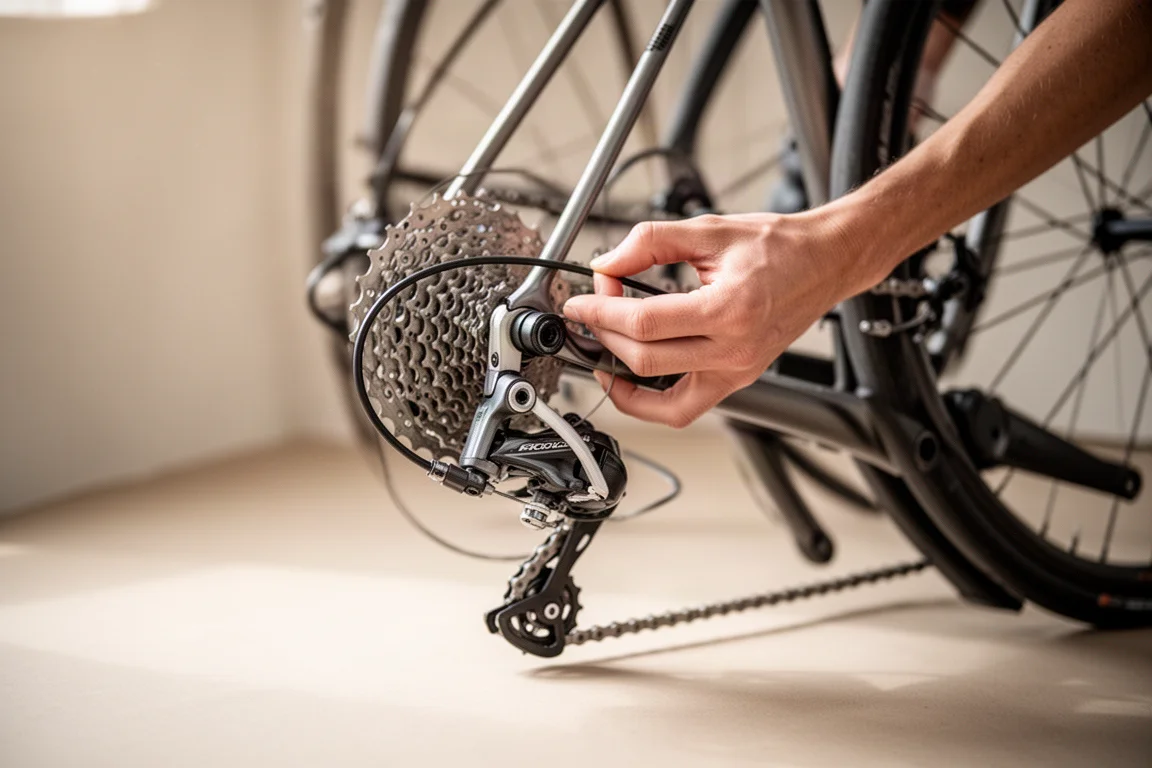
Another consideration is the freehub body. The 9-45 cassette requires a Micro Spline freehub, which is available on many popular wheel brands. It is not a universal standard, so check compatibility before committing. Finally, the 9-tooth sprocket is less efficient than larger sprockets, though this is only relevant at very high speeds and is unlikely to affect most riders.
Durability and Mounting
The Shimano XT derailleur is second tier below XTR and shares much of its design with the GRX Di2 rear derailleur. The key difference is a shorter cage, which accommodates the smaller 9-45 cassette rather than the 10-52 cassette used by GRX. This shorter cage reduces the risk of ground contact and keeps the drivetrain compact. The derailleur has proven durable over eight months of mixed-surface riding, with no major issues beyond the inherent vulnerability of the hanger mount.
The mounting interface remains the weakest point. A bent hanger can disrupt shifting, and while it protects the frame, it is not as robust as the UDH T-mount system. Riders who prioritize durability in this area may prefer a SRAM setup, but the Shimano XT derailleur has otherwise held up well.
Buying Advice
If you want a 1x drivetrain with a Shimano label, this XT configuration is currently the best option. It offers a 500% gear range, quick shifting, and a simplicity that suits all-road and light gravel riding. It is not for everyone, and plenty of excellent 2x groupsets remain available. But for riders who have been curious about 1x, this setup makes a strong case.

Before buying, confirm that your wheels support a Micro Spline freehub and that your frame can accommodate the 9-45 cassette. Consider your terrain and riding style when choosing a chainring size. If you value a clean, low-maintenance drivetrain for long rides and mixed surfaces, this Shimano XT 1x setup is a practical and rewarding choice.
Conclusion
The Shimano XT 1x groupset on a drop bar bike is an unconventional but highly effective solution. It delivers a wide gear range, fast shifting, and the simplicity that 1x fans appreciate. The derailleur mount and Micro Spline requirement are worth noting, but they do not overshadow the overall performance. For all-road riders seeking a reliable, straightforward drivetrain, this setup deserves serious consideration.
Product link
View more details for Shimano XT 1x Groupset
This product is mentioned in the review. Check the specifications, options, and compatibility before buying.
View more details for Shimano XT 1x GroupsetFurther reading
Related Reviews
Cycling Components
A 20,000-Mile Budget Race Bike Build: Five Parts Worth Knowing
A rim brake race bike assembled from low-cost components and ridden for 20,000 miles. Here is what delivered real speed, what caused problems, and what to weigh before copying the formula.
Cycling Components
7 Bike Fit Products Fitters Avoid: What to Check Before You Buy
Seven bike components that regularly cause knee, foot and saddle problems, with the specific concerns behind each one and what to look for instead.
Cycling Components
Four Affordable Bike Upgrades That Improve Ride Feel
Four low-cost cycling products that make a real difference to ride feel, plus the free setup changes worth trying first.