Cycling Components
Shimano Ultegra R8100 vs Shimano GRX RX815: Road or Gravel Groupset?
A practical comparison of Shimano's Ultegra R8100 road groupset and GRX RX815 gravel groupset, covering gearing, shifting, chain control and the rider each one suits.
Introduction
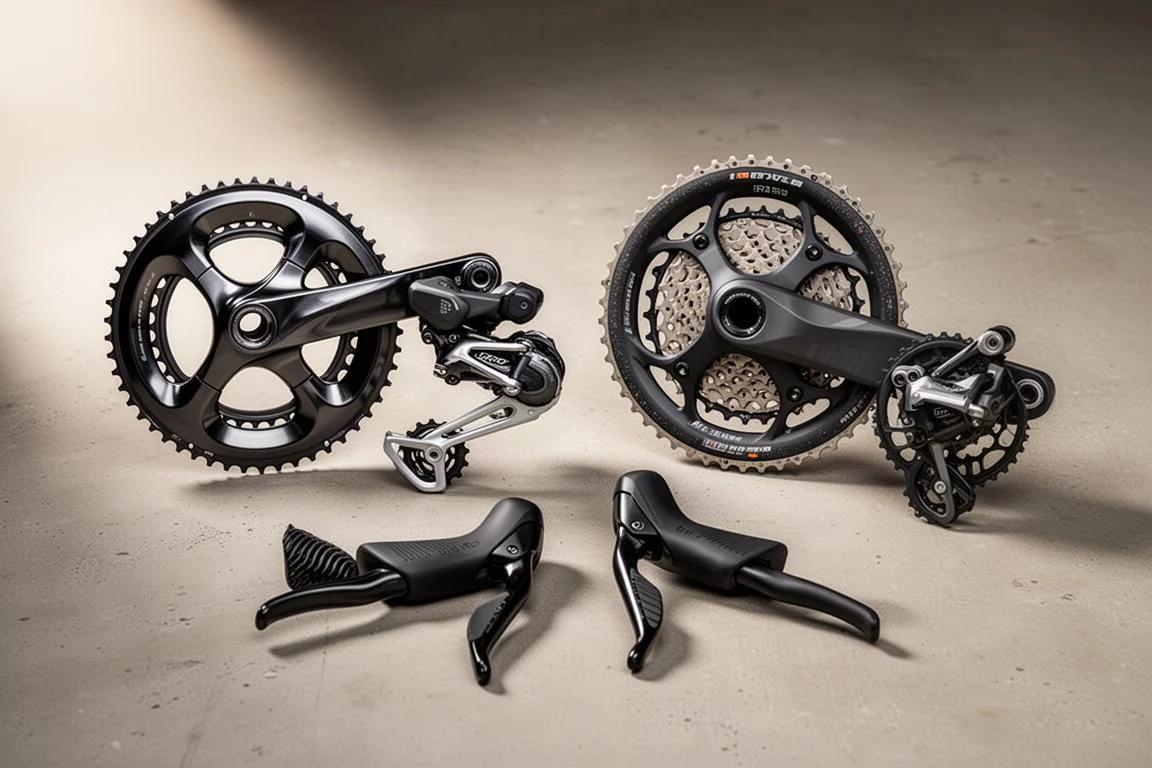
Choosing a new bike often comes down to one question: do you want a do-it-all gravel bike that can handle tarmac and rough tracks, or a road bike that could still fit tyres wide enough for light gravel? The frame is the obvious difference, but the groupset hanging on that frame shapes the ride just as much.
Shimano’s Ultegra R8100 and GRX RX815 make a useful comparison because Shimano places them at the same level. Ultegra sits just below Dura-Ace in the road hierarchy, while RX815 is the top of the GRX gravel range. Both shift electronically through Di2, yet they are built around different priorities.
How These Two Groupsets Compare
The first difference is generation. Ultegra R8100 is the newer design, and some of its technology has not yet arrived on GRX. It uses semi-wireless shifting and a 12-speed drivetrain, while GRX RX815 is fully wired and 11-speed. Further down each range the pattern continues, with road groupsets stepping down to 11 and then 10 speeds, and entry-level GRX also running 10 speeds.
More sprockets mean smaller gaps between each gear. On the road that is a real advantage, because you can hold your preferred pedalling cadence more easily. Off-road the benefit is smaller, since speed varies far more and the same degree of fine tuning matters less.
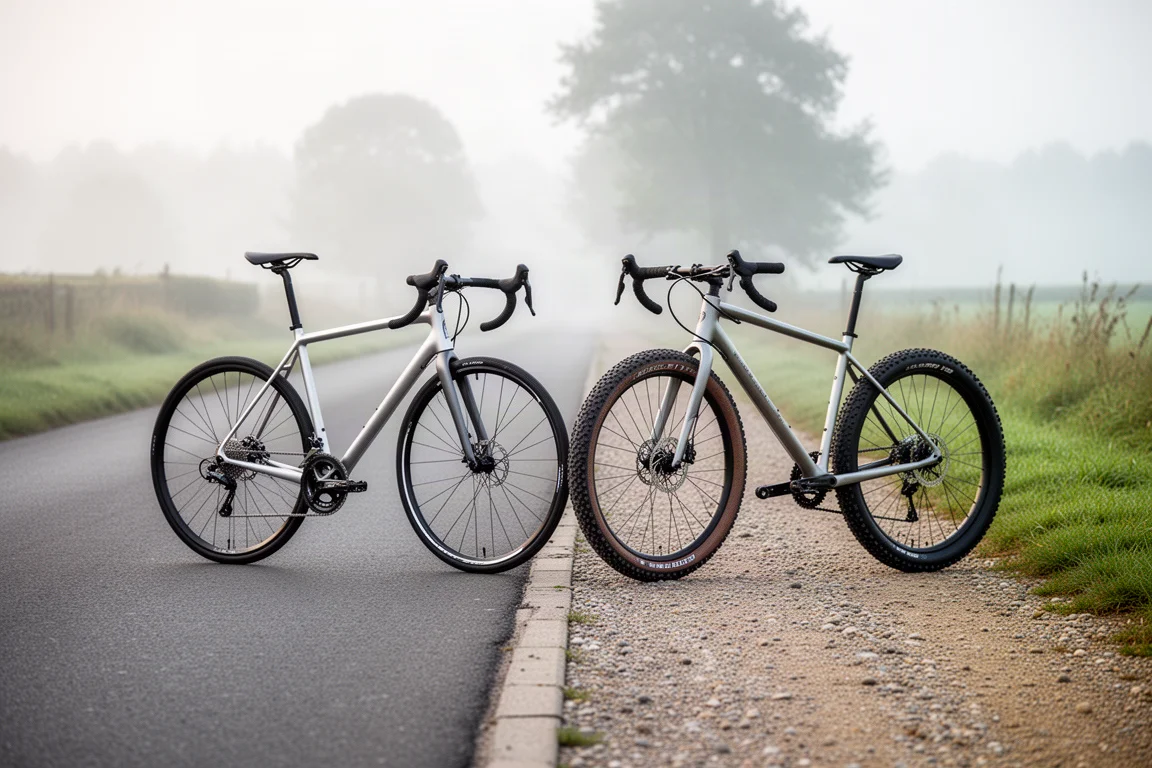
Weights are surprisingly close between the two groupsets, which makes sense given the similar materials and construction methods used. Both are available in two-by configurations with a front derailleur and two chainrings, and GRX adds a one-by option with a single ring up front. A one-by setup is simpler and slightly lighter, and leaving off the front derailleur gives frame designers more freedom with geometry, so a bike can stay nimble while accepting very wide tyres.
Shimano Ultegra R8100: Road-First Electronic Shifting
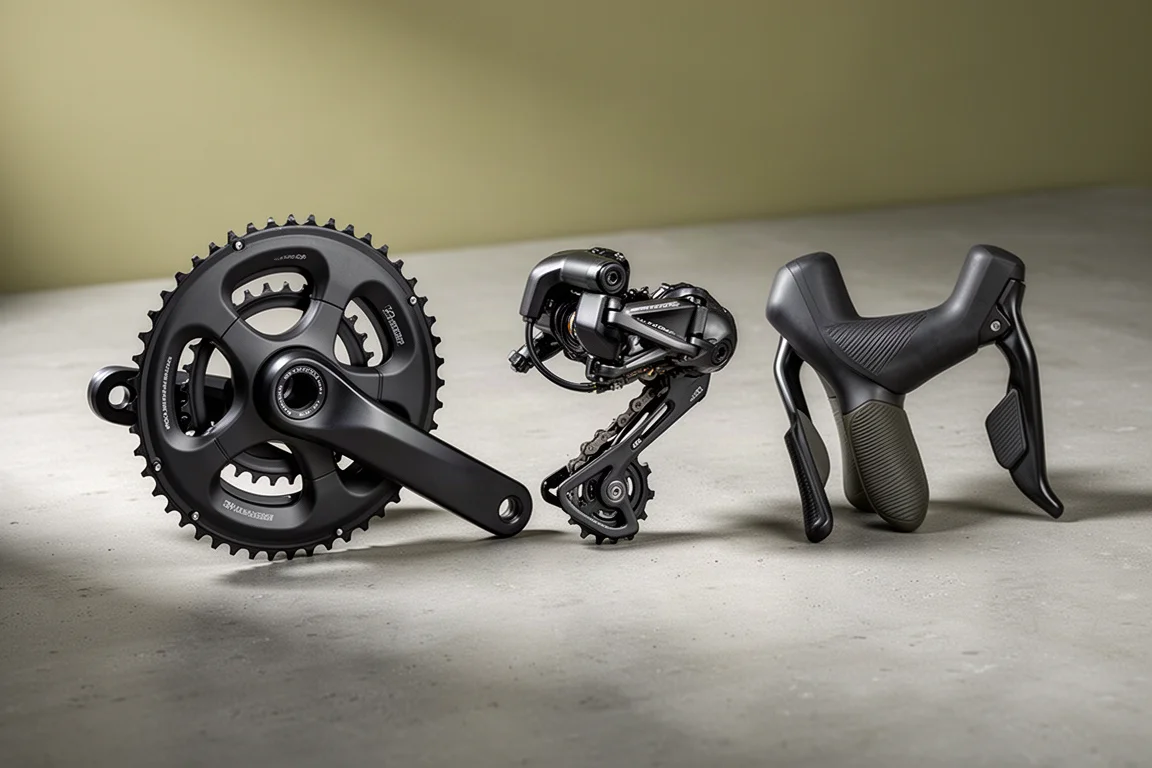
Ultegra R8100 is built around road riding. It offers 50/34 and 50/36 chainring options and can be paired with an 11-34 cassette, which is a wide ratio spread for road use. The rear derailleur has no clutch, which saves a little weight and arguably makes the shift from the small ring to the big ring even more effortless.
The levers offer two hand positions, one of them further forward for a slightly more stretched and aerodynamic posture, and they have a smooth finish. Braking uses Shimano’s Servo Wave technology for improved modulation and control.
The trade-off appears when the surface gets rough. The extra chainring teeth are rarely noticeable in normal riding but become obvious on fast descents, and the lower gears may not go low enough when climbing steep gradients with bikepacking luggage. Without a clutch, the chain is also less controlled over bumpy terrain.
Shimano GRX RX815: Gravel-First Electronic Shifting
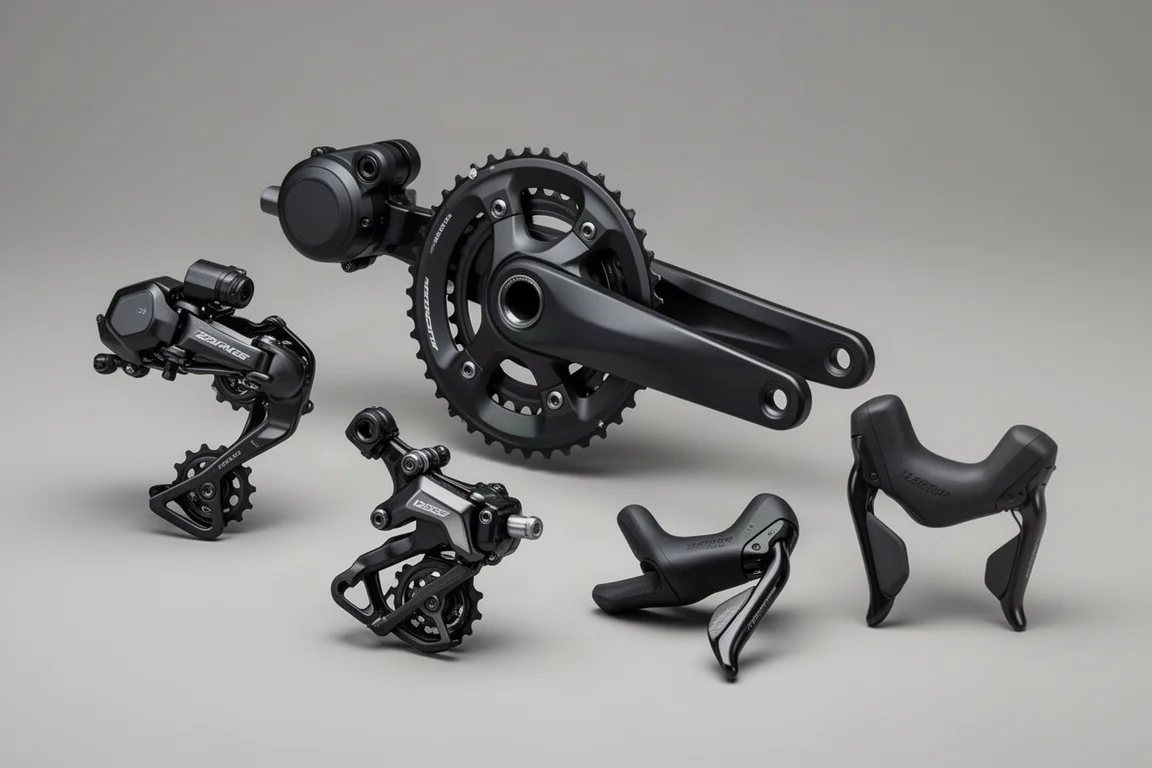
GRX RX815 is the gravel counterpart. Its chainrings are 48/31, the biggest variation in chainring sizing across any Shimano groupset, with a 46/30 option on the more affordable versions. Smaller rings reflect the slower speeds typical of gravel riding. A one-by build can use an extra-wide 11-42 cassette.
The clutch in the rear derailleur is one of the defining features. It keeps the chain under closer control so it is less likely to bounce off, and it makes a noticeable difference to how quiet the bike feels over bumpy ground. GRX levers give a single hand position that feels secure, with rubber fins for added grip, and they are designed to improve braking when your hands are on the hoods, which is where many riders sit on technical off-road terrain. Both Di2 versions here share Servo Wave braking, though lower-end GRX groupsets do not.
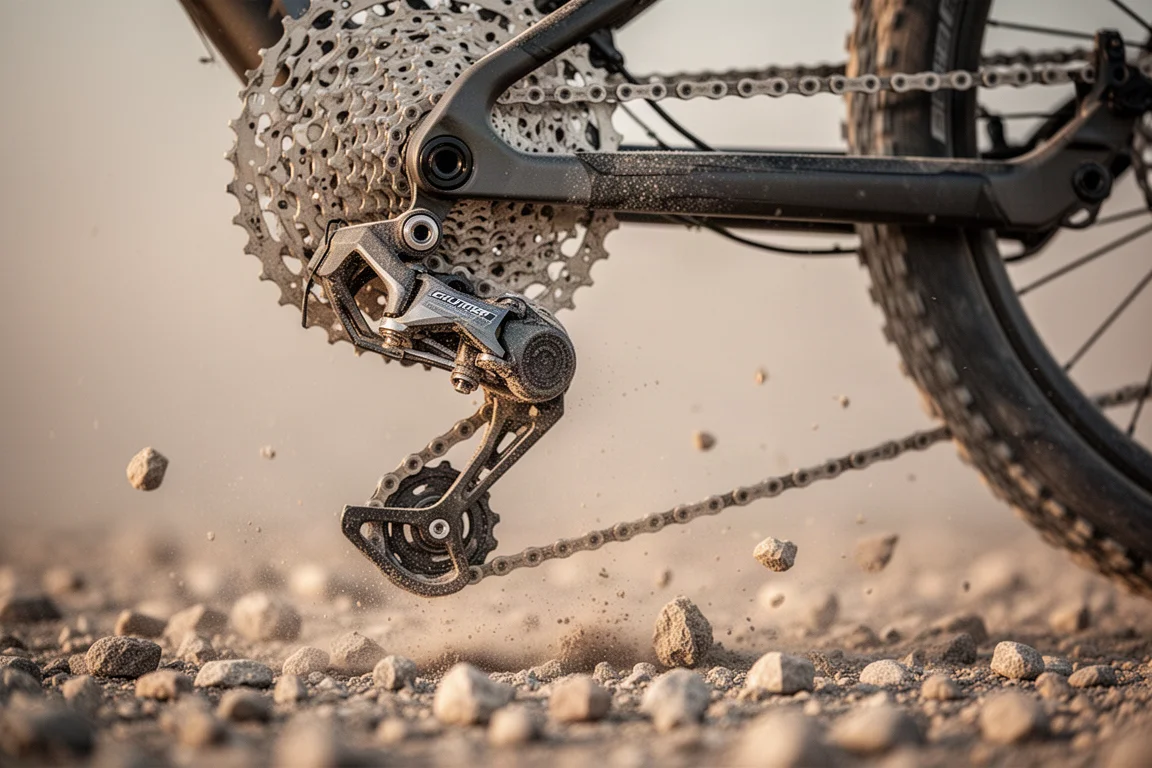
There is also a design detail that matters for frame choice. In a two-by GRX setup, the chainrings and derailleur sit 2.5 millimetres further out, which lets bike designers fit wider tyres. That subtle offset means GRX chainrings and front derailleurs are not compatible with road groupsets.
Gearing and Chainring Differences
Gearing is arguably the single biggest difference between road and gravel groupsets. The smaller GRX chainrings suit slower surfaces, while the larger road rings come into their own when you are pedalling quickly downhill.
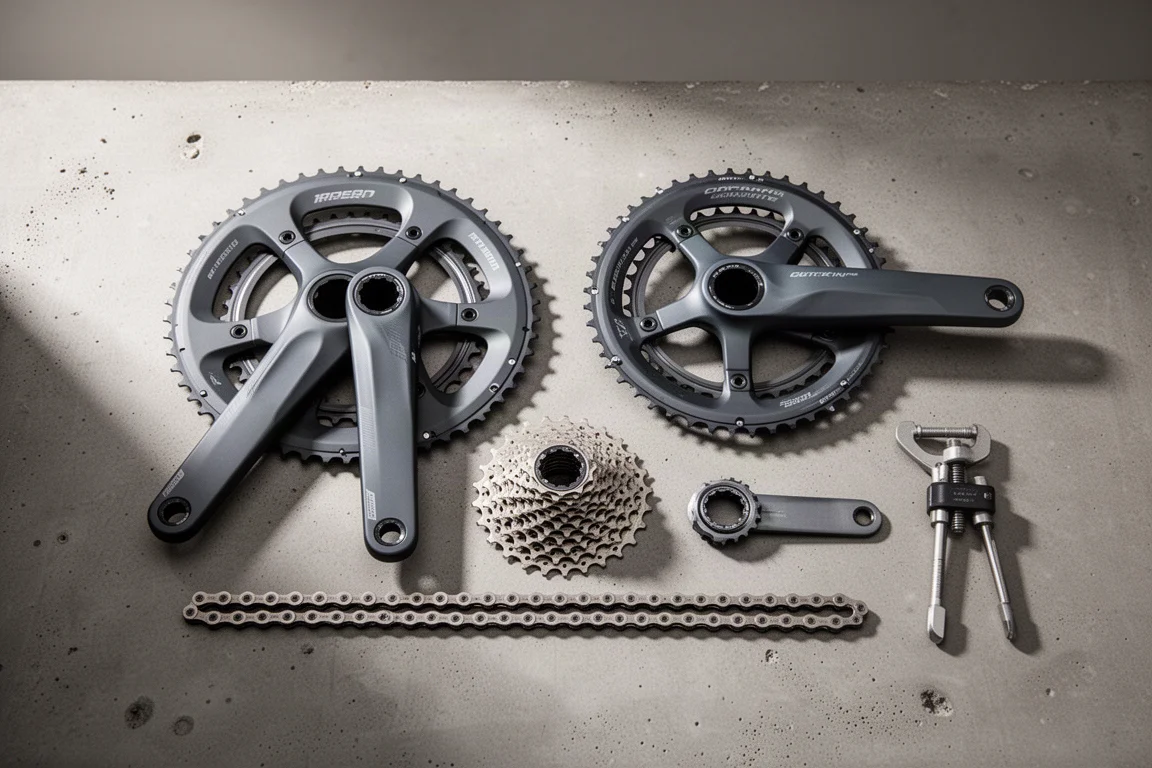
At the other end of the range, the lower ratios available on GRX are clearly felt when inching up steep climbs, especially with a loaded bike. Both groupsets can run an 11-34 cassette, which is a wide ratio for road use. GRX adds an 11-42 option when set up one-by, giving an easy gear comparable to a two-by build, but you lose the higher ratios for fast riding. For many road riders that is too big a compromise, although a two-by GRX setup will not slow you down on the road at all unless you are chasing maximum competitive speed.
Levers, Braking, and Chain Control
The lever difference is clearest on these electronic versions, and it is worth saying that neither shape is better than the other. They simply suit different riding. GRX holds your hand securely in one position. Ultegra gives you two, one of which is further forward for a slightly more aero position. Ultegra levers also have a smoother finish, while GRX uses rubber fins for grip. The contrast is much less pronounced further down each range.
Braking is where the two designs diverge in purpose. GRX levers are shaped to improve braking performance from the hoods, which is where many riders spend time on technical off-road terrain. Both groupsets feature Shimano’s Servo Wave braking technology, which improves performance and control, and effectively sharpens modulation so the levers feel more progressive under your fingers. Shimano 105 road groupsets also include Servo Wave, but the lower-end GRX groupsets do not.
Frame and Tyre Compatibility
Compatibility is worth checking before you buy. The 2.5 millimetre outward offset on GRX two-by setups is there specifically so frames can accept wider tyres, and GRX chainrings and front derailleurs will not work with road groupsets. That means a road groupset may not fit on every gravel bike.
It is also worth remembering that road groupsets were used for gravel riding long before dedicated gravel groupsets existed, and they are robust enough for the job. You may simply find the gears a little tall, particularly a 50-tooth chainring, and the low gears may not be quite low enough when bikepacking. The missing clutch is the other thing you notice on rough, bumpy gravel.
Buying Advice: Which Groupset Suits Your Ride
If your priority is a bike that covers tarmac, gravel tracks and everything between, GRX RX815 is a sensible choice. It will not hold you back on the road unless you are trying to go as fast as possible, and its clutch, gearing and lever shape are all tuned for rougher surfaces.

If you ride mostly on tarmac and want the newest technology, Ultegra R8100 is the more natural fit. Semi-wireless shifting, 12 speeds and closer gear steps all favour road riding, and it remains capable if you occasionally take it onto gravel.
There is also a visual consideration. GRX is styled to look more rugged, in keeping with a bike wearing knobbly tyres, so it does not have the sleek aesthetic of the road groupsets that pair naturally with slick tyres and tarmac. Neither approach is wrong, but it is worth knowing which look you want on your bike.
Conclusion
Ultegra R8100 and GRX RX815 are both highly capable groupsets, and Shimano positions them at the same level. The decision comes down to where you ride most. Choose GRX for a do-it-all gravel bike with lower gearing, a clutch derailleur and wider tyre clearance. Choose Ultegra for a road-focused bike with the latest shifting technology and closer gear steps. Either way, you are unlikely to be held back by the groupset itself.
Further reading
Related Reviews
Cycling Components
A 20,000-Mile Budget Race Bike Build: Five Parts Worth Knowing
A rim brake race bike assembled from low-cost components and ridden for 20,000 miles. Here is what delivered real speed, what caused problems, and what to weigh before copying the formula.
Cycling Components
7 Bike Fit Products Fitters Avoid: What to Check Before You Buy
Seven bike components that regularly cause knee, foot and saddle problems, with the specific concerns behind each one and what to look for instead.
Cycling Components
Four Affordable Bike Upgrades That Improve Ride Feel
Four low-cost cycling products that make a real difference to ride feel, plus the free setup changes worth trying first.