Road Bike Components
Shimano Ultegra 12-Speed Review: Six Months of Real-World Riding
A practical look at Shimano Ultegra 12-speed after six months of all-weather road riding, including hood ergonomics, shifting, braking, reliability, and how it compares with Dura-Ace, 105 Di2, and SRAM Force.
Introduction
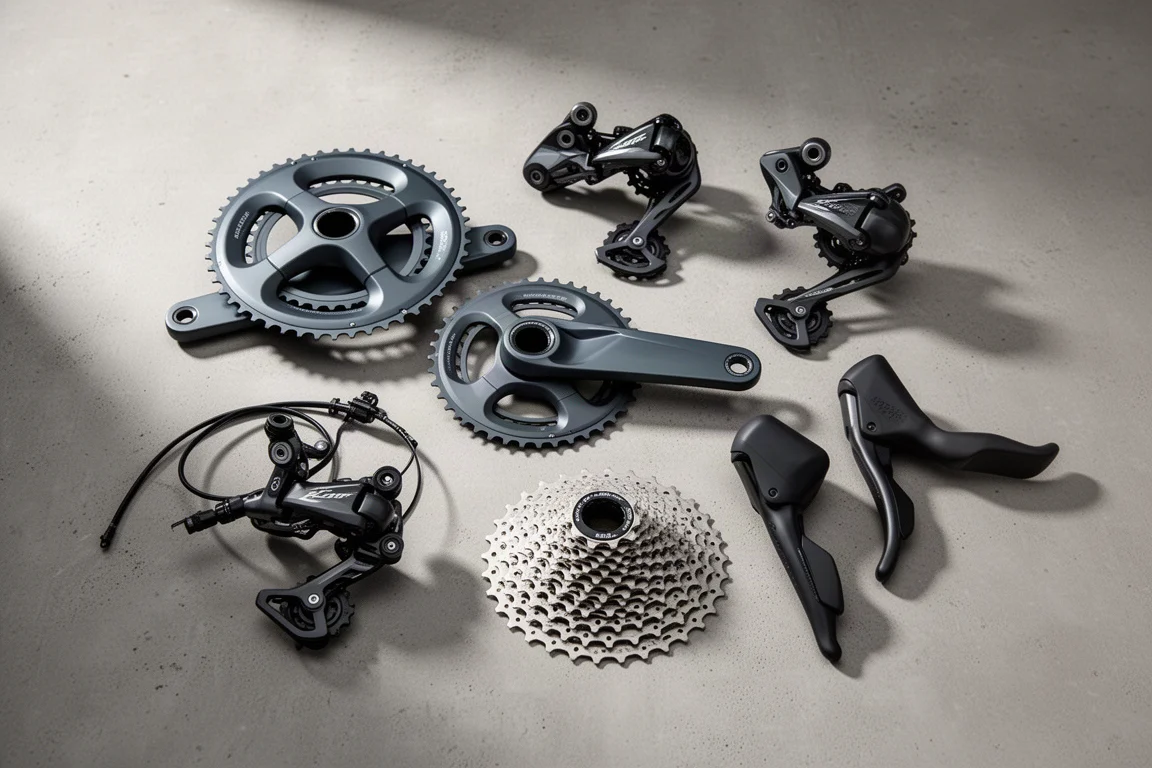
The Ultegra name comes from merging the words ultimate and integrate, and the first Ultegra groupset appeared around 35 years ago as a seven-speed setup. The current generation is a rather different proposition: 12 speeds, a semi-wireless design, and a long list of small changes that add up to a meaningful step forward over the previous 11-speed version.
That is the key point to understand before buying. This is a refinement, not a revolution, and Shimano has always worked that way. The cumulative effect of those refinements is what matters, and it is why the groupset has been easy to live with over six months of riding in every kind of weather. Shimano launched new Ultegra carbon wheels alongside the groupset, including the shallow C36 model, and those have covered the same distance on the same bike.
For anyone specifying a new road bike, the practical question is whether Ultegra makes more sense than stepping up to Dura-Ace, dropping to 105 Di2, or switching to SRAM Force eTap AXS. The answers depend less on headline specifications than on ergonomics, gearing range, and how the system behaves once the novelty wears off.
Who the Shimano Ultegra 12-Speed Groupset Is For
Ultegra sits below Dura-Ace in Shimano’s road hierarchy, and it exists for riders who want near-flagship performance without flagship pricing. Unless you have money to burn or you are chasing every last gram, the case for Dura-Ace is hard to make. The grey finish of Ultegra is also easier to live with than the gloss black used on Dura-Ace.
It is also a sensible upgrade over 105 Di2 for riders who value the weight saving and the smaller refinements, particularly given the mixed reception 105 Di2 has received. Campagnolo does not offer a comparable mid-tier electronic groupset at this level, so in practice the decision usually comes down to Ultegra, Force, or 105 Di2.
Shifting Performance and Ergonomics
Shifting is quick at both ends of the bike, but the most tangible improvement is at the front. Front shifts between the big and small chainrings are lightning quick, up and down, at any speed, any power, and in any situation. Nothing seems to unsettle it. Across six months of testing there was not a single dropped chain.
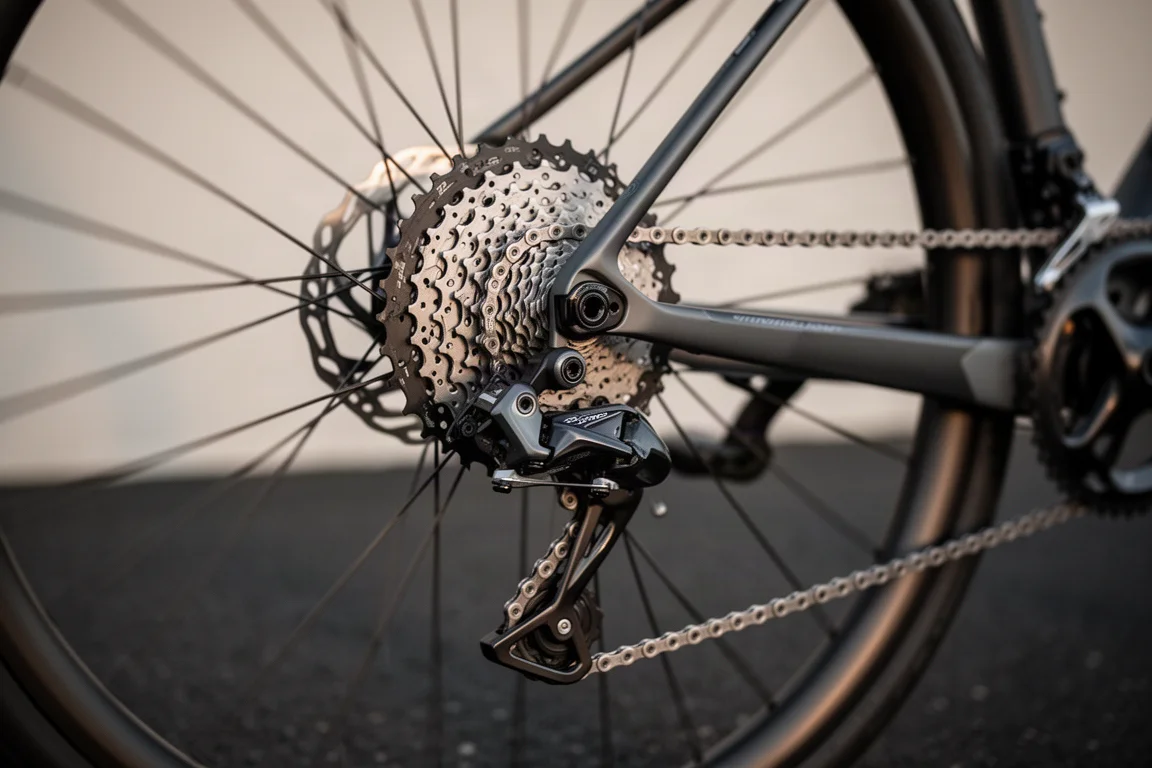
Rear shifting is quicker too, which matters more now that there is an extra sprocket for the chain to move across. It is also remarkably quiet. Gear changes can be so smooth that there is no audible click at all.
The hoods are the standout feature. They are a little longer, a little taller, and angled over, and they feel excellent in the hands. For riders who spend most of their time on the hoods compared with 20 or 30 years ago, that is a genuine benefit. The shape is a significant advantage over SRAM, whose hoods are neither as smooth nor as compact.
Twelve speed is not a reason to upgrade on its own. The move from 11 to 12 speeds will not make anyone faster, but there are useful details. The 11-30 cassette gains a 16-tooth sprocket, which fills a sweet spot for cadence at certain speeds and gives a smoother progression up and down the cassette. An 11-34 option is also available, up from 11-32 previously, which is welcome for hillier terrain.
A single rear derailleur now covers both cassette options, so there is no longer a choice between long and short cage versions. The cassettes also fit a standard Shimano HG spline freehub body, so older wheels with a Shimano freehub can be reused without buying a new freehub body or a new wheelset.
Braking, Weather, and All-Round Reliability
The hydraulic disc brakes are powerful, with good modulation, and they stay quiet in both wet and dry conditions. Two changes stand out compared with the previous generation. The first is Servo Wave non-linear brake lever action, brought across from mountain bike and GRX components, which makes brake activation easier from the hoods and improves lever feel. The second is additional clearance around the disc brake rotor. Where older setups could tinkle when the brakes heated up or when grit was thrown up from puddles, the new design produces far less of that, with no rubbing while sprinting, riding through rain and grit, or descending for long periods.
Durability After Six Months of Riding
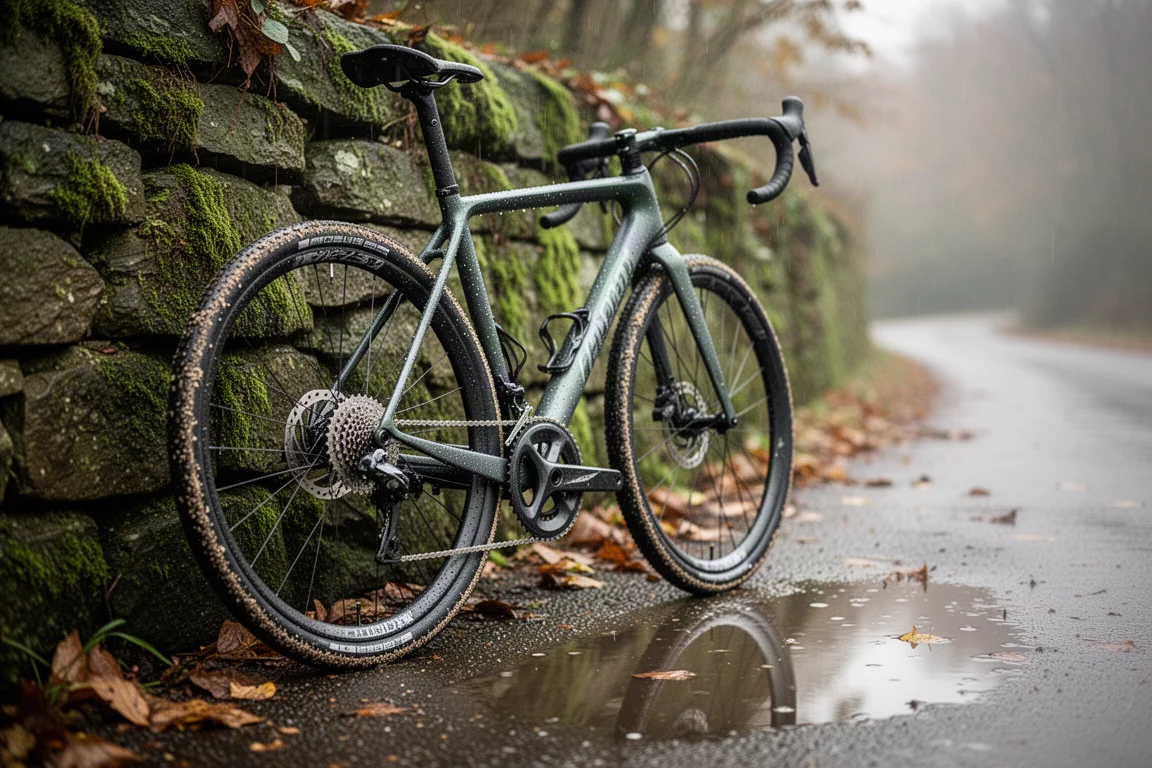
Nothing went wrong during six months of riding in every weather condition. The groupset has been reliable, quiet, and consistently fast, and it has been used in every gear in every situation. The widely reported noisy fifth sprocket issue did not appear.
The cranks have also held up. Crank failure was a notable problem on the previous generation of Ultegra, and so far the current generation shows no sign of it, which suggests the issue has been addressed.
The main practical caveat is the battery. Keeping it inside the frame is good for run time because a larger battery fits, but it cannot be removed for indoor charging, so the bike has to be parked near a power source. The shifters also use two coin cell batteries, which carry a claimed two-year life. That is not a concern over the short term, but it does add a little long-term complexity to think about.
How It Compares With Dura-Ace, 105 Di2, SRAM Force, and Campagnolo
The SRAM comparison is genuinely interesting because it comes down to objective differences and personal preference in equal measure. SRAM’s shifting layout is more intuitive, with less chance of pressing the wrong button and getting the wrong gear at the worst possible moment. Shimano counters with clearly superior hood ergonomics. SRAM has work to do to make a smoother, smaller hood shape.
SRAM’s removable batteries are a real advantage, and its gearing range is broader, with both large gears for racers and smaller chainrings paired with wide-range cassettes for everyone else. Shimano still leans toward the needs of racing cyclists, while SRAM keeps a closer eye on what non-racing riders want on real roads. Against Dura-Ace, Ultegra gives up a small amount of weight and a handful of marginal gains for a much lower outlay. Against 105 Di2, it costs more but brings lighter components and useful polish. Campagnolo, meanwhile, does not compete at this price point with an electronic groupset, so it is effectively out of the running for most buyers.
Things to Consider Before Buying
Cassette choice is narrower than some riders would like. There are two options, 11-30 and 11-34, with no 11-28 or 11-25 anymore. For most riders the available pair is enough, and the 11-30 has worked well with a 52/36 chainset, but riders who want a closely spaced climbing cassette will not find one here.
The internal battery arrangement is the other thing to plan around. It is an advantage for run time and a small inconvenience for charging, so consider where the bike will be stored. The coin cell batteries in the shifters are also worth noting as a long-term maintenance item.
Buying Advice
Ultegra 12-speed is the strongest all-round choice for most riders who want an electronic groupset on a new road bike. It delivers fast, quiet shifting, powerful and quiet brakes, and the best hood shape available to date, and it has proven reliable across a wide range of conditions. If your priorities are a wider spread of gear ratios, or if you prefer SRAM’s shifter logic and removable batteries, Force eTap AXS is worth a serious look. If you simply want to save money and can accept a heavier groupset with less polish, 105 Di2 covers the fundamentals.

The matching C36 wheels deserve a mention if you are speccing a complete bike. They weigh around 1500 grams, cost just under 1300 pounds in the UK, and use cup and cone hubs with smooth bearings and quick freehub engagement. The carbon rims are 21 mm wide internally, well suited to 28 mm tyres, and they are hooked rather than hookless, so any tyre works with or without an inner tube. They come pre-taped with valves installed and set up on a normal track pump without tricks. Aero blade spokes, external nipples, straight-pull spokes at the front, and a 2:1 lacing pattern at the rear round out the package, with excellent crosswind stability from the shallow rim depth, good compliance on rough roads, and solid lateral stiffness when sprinting or climbing.
Conclusion
Ultegra 12-speed is not a dramatic leap forward, and it was never meant to be. It is a careful, well-executed evolution that gets the fundamentals right: superb hood ergonomics, quick and quiet shifting, dependable braking in all weather, and a six-month record free of mechanical trouble. For riders building up a new road bike, it is an easy recommendation over both Dura-Ace and 105 Di2, and a compelling alternative to SRAM Force for anyone who values hood comfort above shifter layout.
Product link
View more details for Shimano Ultegra 12-Speed Groupset
This product is mentioned in the review. Check the specifications, options, and compatibility before buying.
View more details for Shimano Ultegra 12-Speed GroupsetFurther reading
Related Reviews
Road Bike Components
Budget vs Premium Road Groupsets: L2 RX and SRAM Red Compared
Two identical Scott Addict RC builds, one with an L2 RX groupset at around £300 and one with SRAM Red at around £3,000. What the price gap really buys.
Road Bike Components
Chinese Aero Road Bike Parts Worth Considering: Incolor SSR, COLW HBR1, and Alchemist 8848s
A practical look at three narrow, lightweight road bike parts from the Chinese aero scene, what each one does well, and who should consider it.
Road Bike Components
Shimano Dura-Ace Di2 R9200 and C50 Wheelset: First Ride Impressions
A first ride on Shimano's 12-speed Dura-Ace Di2 R9200 groupset and the new C50 wheelset, covering shift speed, brake feel, hood ergonomics, and what the changes mean for buyers.