Cycling Components
Shimano SPD-SLR Pedals, Cleats, and S-PHYRE RC9 Shoes: What Riders Should Know
A practical look at the Shimano SPD-SLR system: lower stack height, a thinner cleat with less adjustment range, new shoe fits, and the compatibility details worth checking before buying.
Introduction
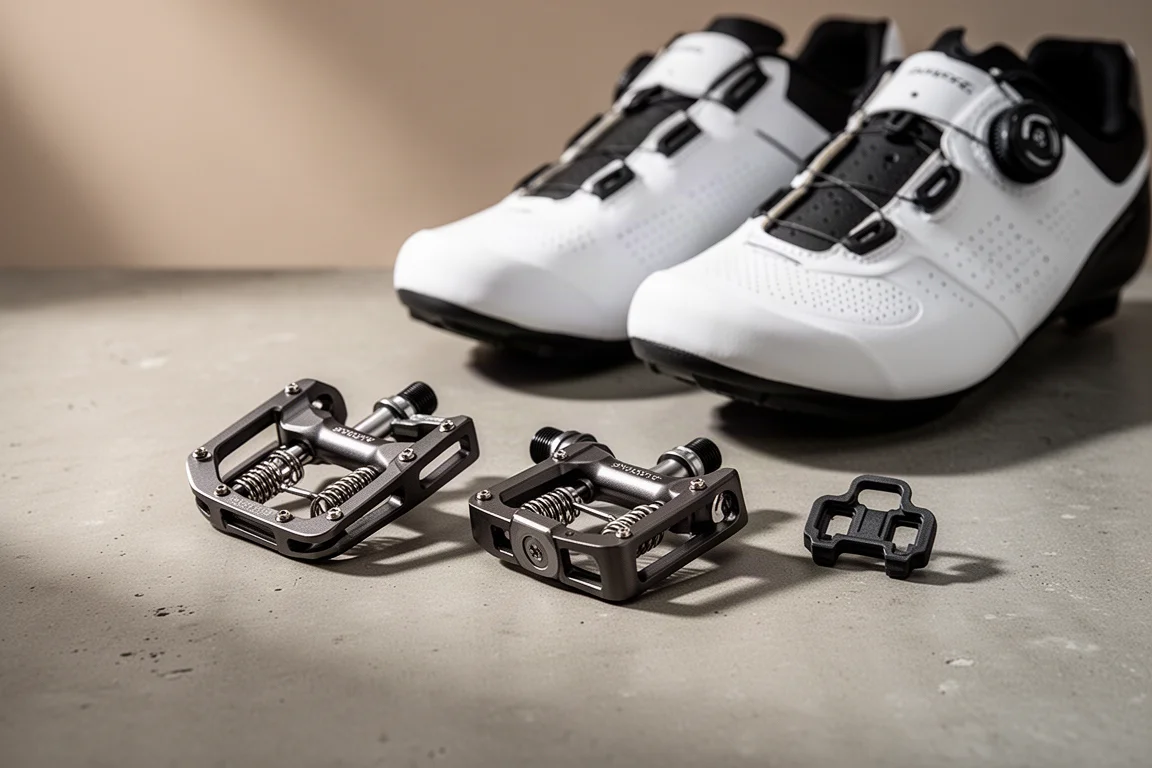
Shimano has introduced a new road pedal platform called SPD-SLR, and it arrives alongside a matching cleat and an updated top-tier shoe. The headline change is a lower stack height, but the more consequential detail for many riders is a redesigned cleat with far less adjustment range.
This guide covers the pedals, the cleats, and the shoes, and explains who gains the most from the new system and who is better off waiting.
What Changed With SPD-SLR
Stack height has dropped by 2.3 mm, which brings the foot closer to the pedal spindle. Shimano describes the result as a more direct and more connected feel underfoot, and is careful not to attach a wattage claim to it. That is worth noting: this is presented as a change in how the pedal feels rather than a measurable performance gain.
Clipping in is said to be easier. The pedals hang at a more vertical angle than before, which should help the cleat find the mechanism more quickly. The bearing design is unchanged, with cup and cone bearings that Shimano pedals have long been known for in terms of durability.
The pedals are also slightly lighter than the previous generation. Full weight figures are not part of this overview, and the more meaningful changes remain the stack height and the cleat interface.
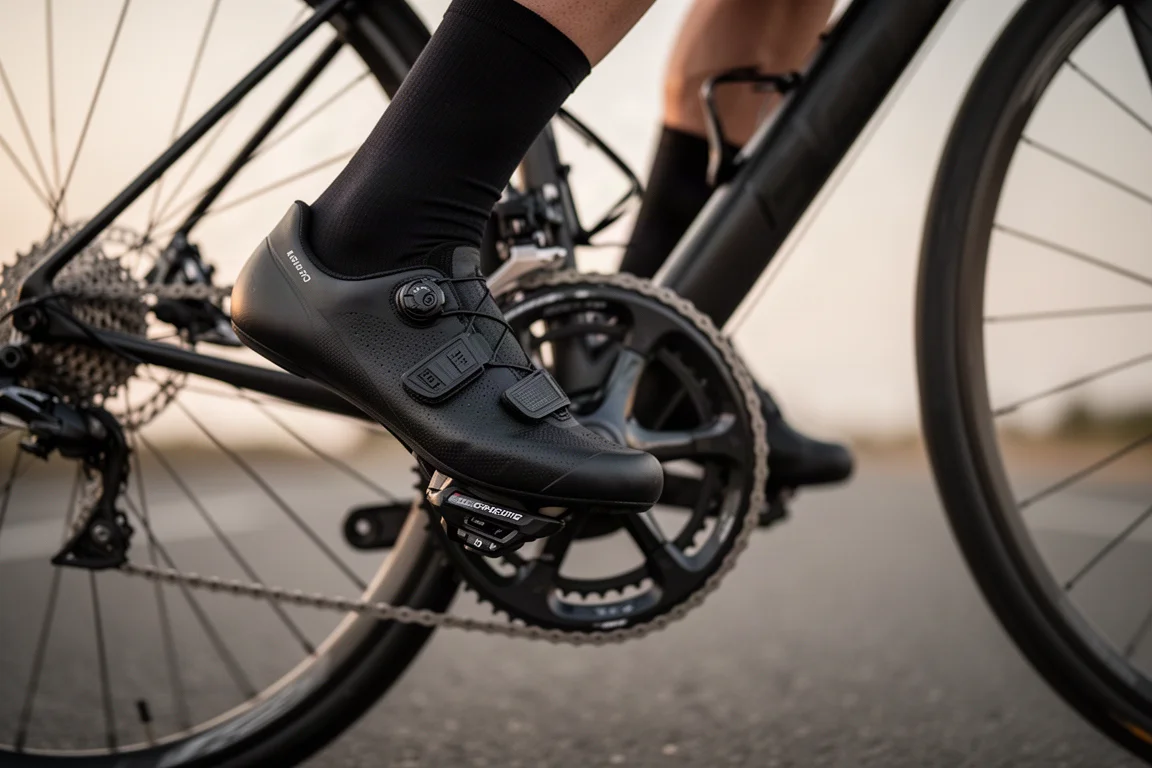
Riders who are used to Shimano road pedals will recognise one familiar trait: the pedals do not swing around freely when the bike pulls away from a standstill, which keeps the engagement point predictable at low speed.
Shimano Dura-Ace SPD-SLR Pedals
The Dura-Ace version sits at the top of the range. Its distinguishing feature is a slightly larger bearing positioned on the outside of the pedal body, which makes the pedal marginally stiffer. In practice, that difference is unlikely to be noticeable while riding.
In the UK the Dura-Ace pedals are priced at £199.99, or just under €230 in Europe. That is a slight reduction against the outgoing flagship pedals, which had a recommended retail price just under £240. Real-world Shimano pricing does vary, so the street price is worth checking before ordering.
Shimano Ultegra SPD-SLR Pedals
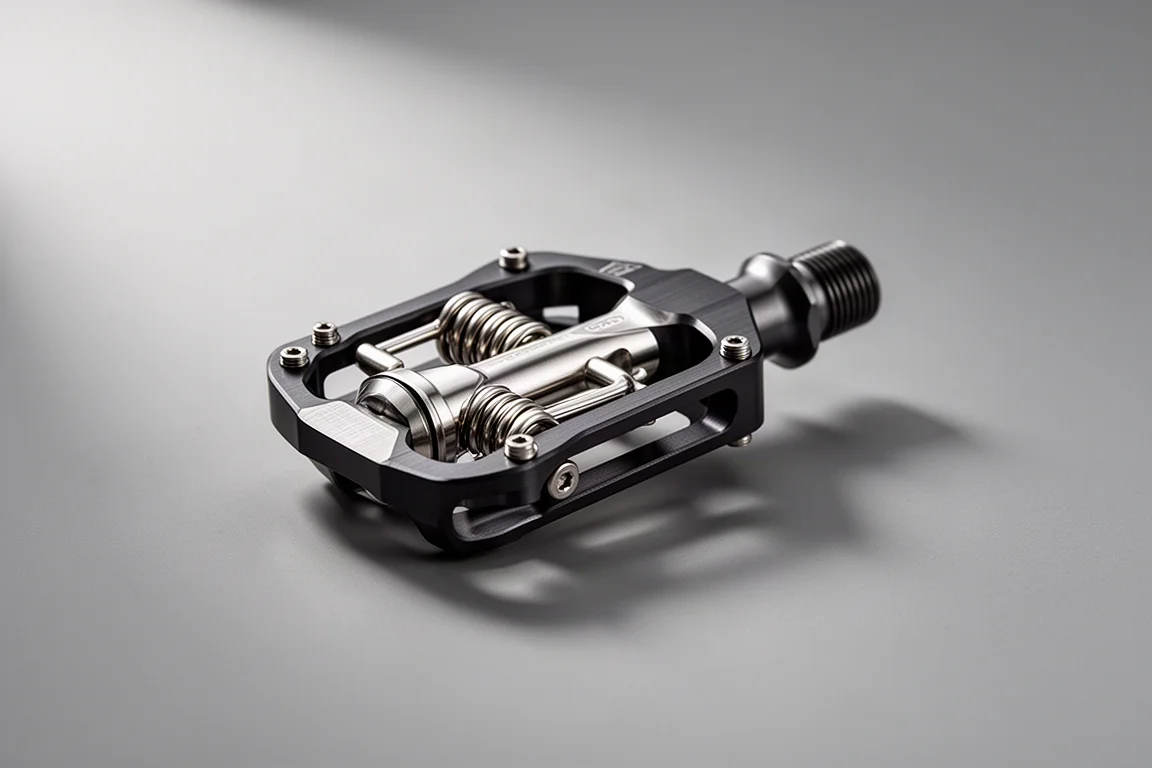
Ultegra uses the same pedal concept with the bearing positioned on the inside of the pedal body. Shimano positions the Dura-Ace version as slightly stiffer as a result, though most riders will not feel the difference. Stack height, cleat interface, and the cup and cone bearing design are shared with the Dura-Ace model.
Pricing is £139.99 in the UK, or just over €160 in Europe. For riders who want the lower stack and the new engagement feel without paying flagship money, this is the version that makes the most sense.

The familiar traits remain: the pedals stay settled rather than spinning freely, and the clip-in action feels consistent when starting from a stop.
SPD-SLR Cleats and Compatibility
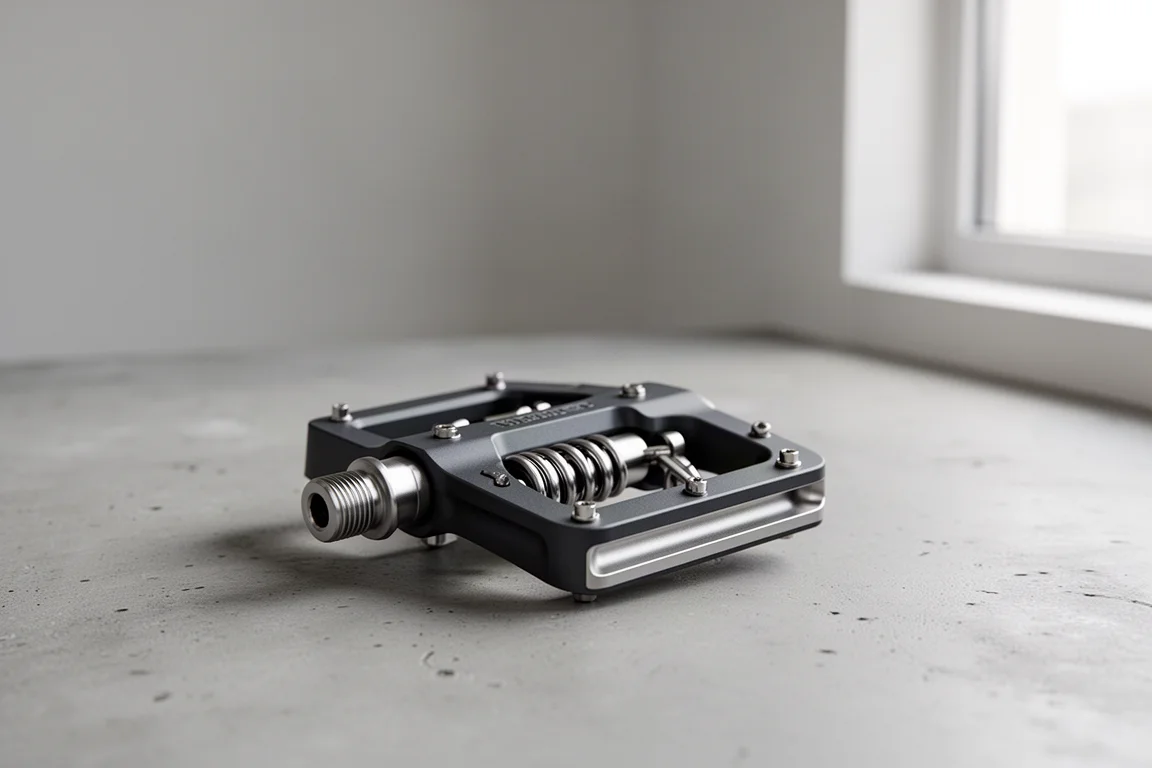
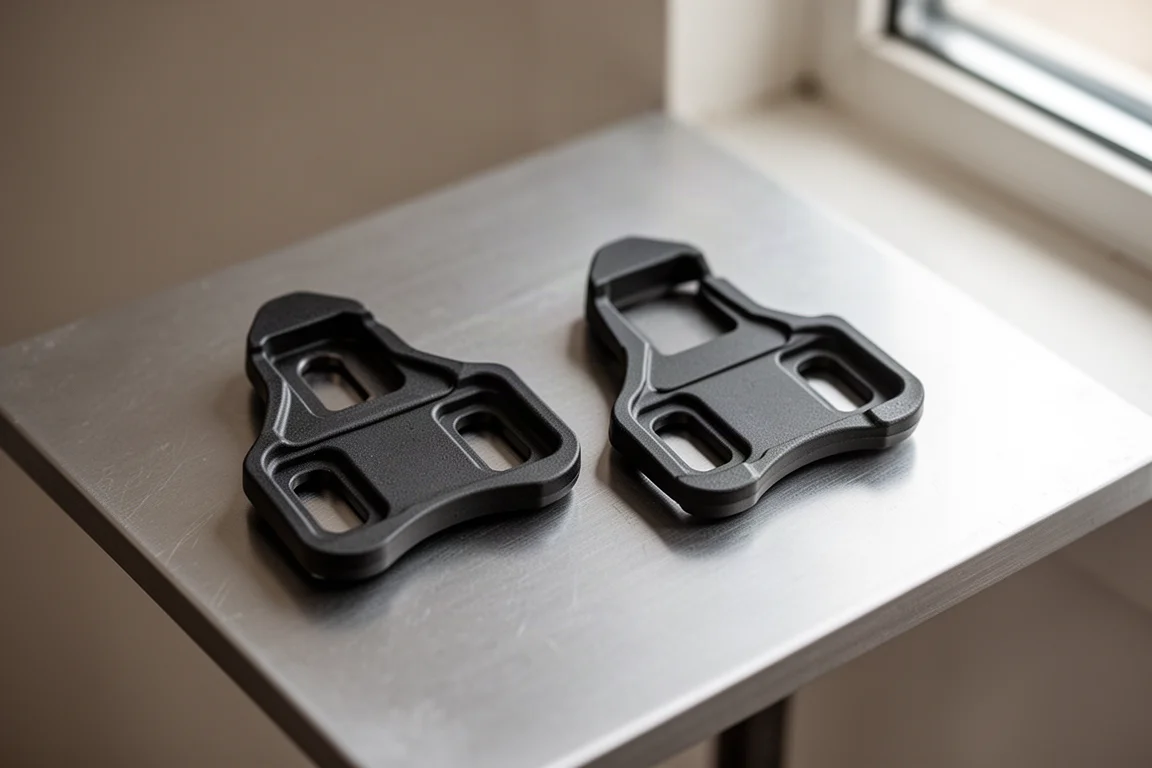
The new cleat is where the lower stack height is actually achieved. Shimano removed the washers and reduced the thickness of the cleat, and in doing so removed essentially all of the fore-aft adjustment range. Shimano’s reasoning is that riders buying Dura-Ace or Ultegra pedals are likely to own high-end shoes with adjustable cleat bolt holes, so the range can be recovered there instead.
That assumption does not hold for every rider. Plenty of high-end shoes use fixed cleat bolt holes, and a fixed position combined with a cleat that has no fore-aft travel can make the new system a poor fit. If your cleats sit in the middle of the range, the change is unlikely to matter. If you run them all the way back or all the way forward, it is worth checking before buying.
Compatibility needs attention too. The new SPD-SLR cleats will physically fit older SPD-SL pedals, but Shimano does not recommend this and cannot guarantee it is safe, with the risk of a foot pulling out during a hard effort. Older SPD-SL cleats are not compatible with the new SPD-SLR pedals. Cleats cost around £25, or €30, each.
Shimano S-PHYRE RC9 Shoes
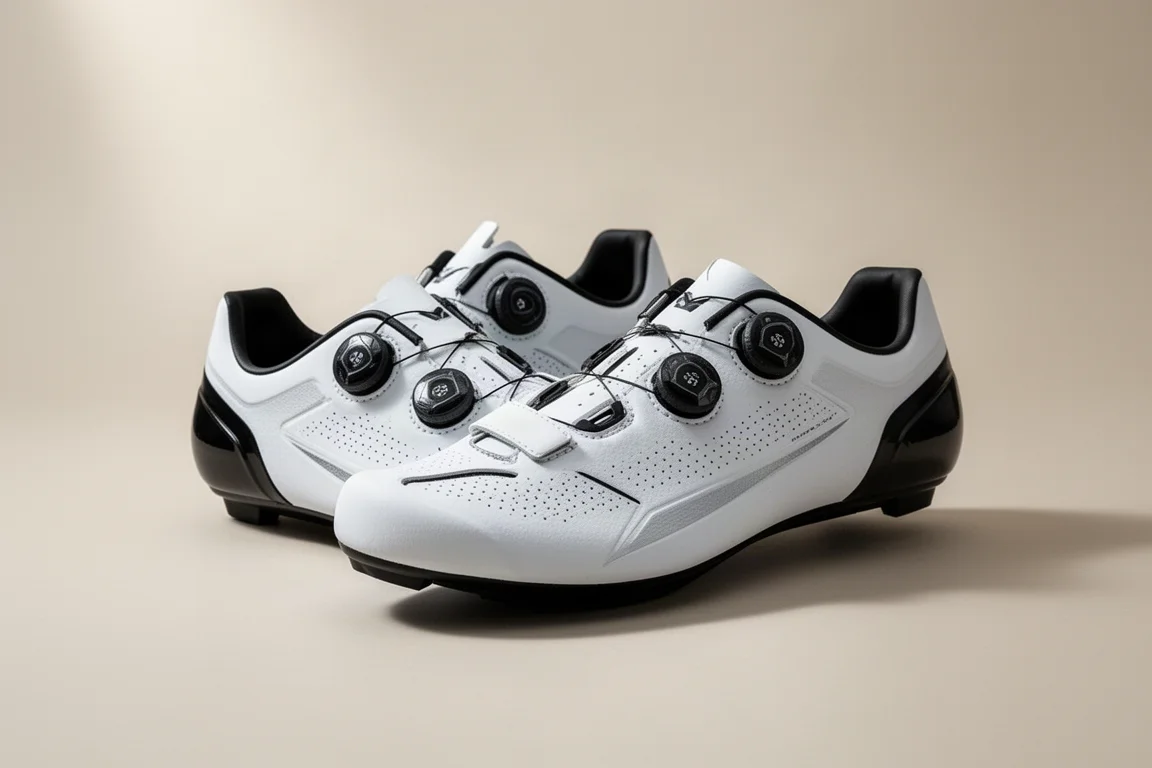
The shoes introduce a new fit called Dyna-Last 2. The standard fit has grown by roughly 4 percent in total volume around the forefoot, while the midfoot and ankle area are broadly unchanged. A wide option is also available, and it is around 7 percent wider than the previous standard fit. A narrow fit covers riders who preferred the earlier shape, including those who previously used a women’s specific fit.
The shoes also offer a greater cleat adjustment range, which is what allows riders who run their cleats far back to keep the same position despite the reduced range on the new cleats. That combination is the practical reason Shimano expects the pedal, cleat, and shoe to be considered together.
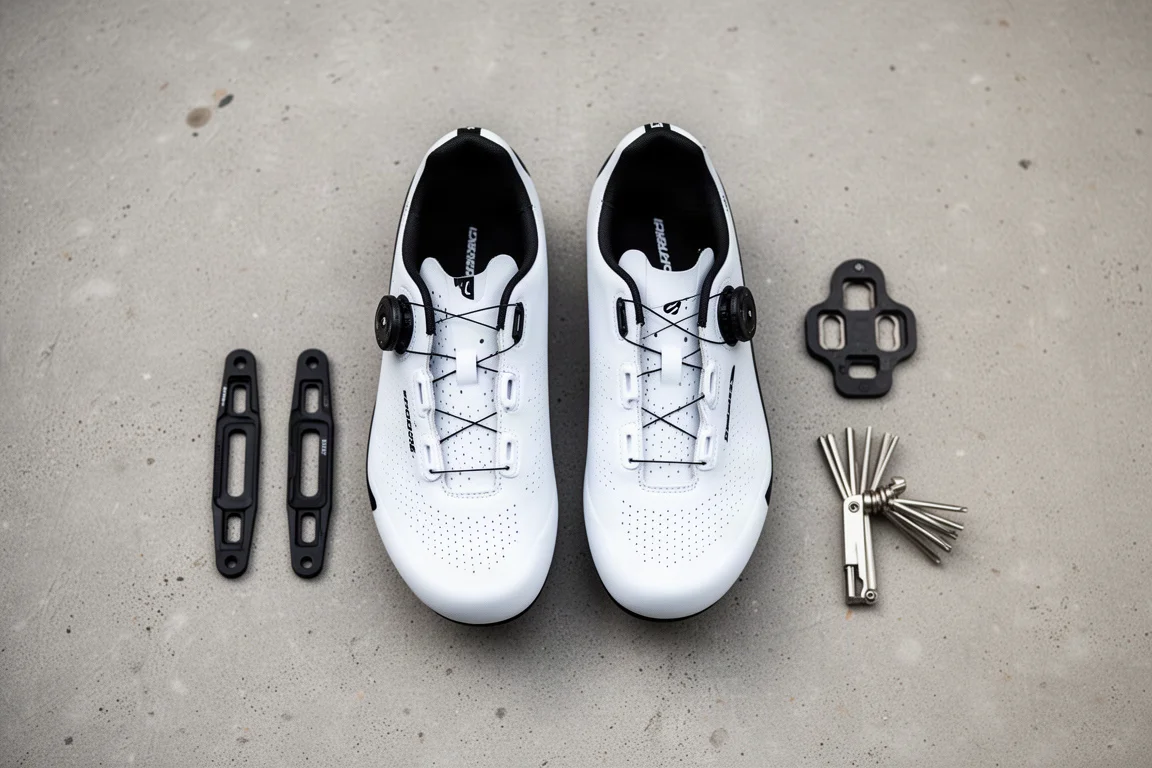
For riders who have found Shimano road shoes too narrow around the toes in the past, the wider forefoot volume is a meaningful change rather than a cosmetic one.
Who Should Consider the Switch
The new system is most compelling for riders who are already due for new pedals or new shoes, and who are willing to buy both at the same time. It also suits riders whose cleats sit in the middle of the adjustment range, and riders on shoes with adjustable cleat bolt holes who can fine-tune the position themselves.
Riders who should think carefully are those with fixed cleat bolt holes on their favourite shoes, anyone who runs cleats at the extremes of the range, and anyone hoping for a clear performance gain. The connected feel is real, but it is an evolution rather than a transformation.
Buying Advice
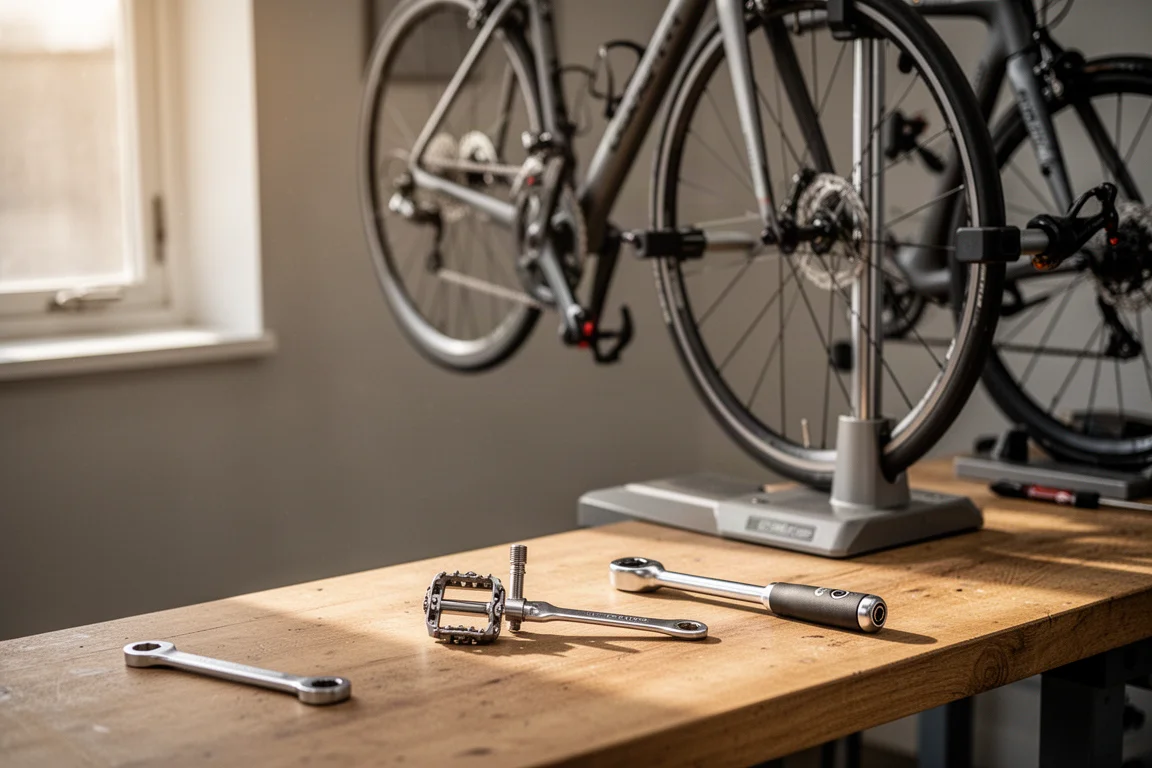
The strongest case for SPD-SLR is a combined purchase: new pedals, new cleats, and shoes that offer enough adjustment to place the cleat where you want it. Buying the pedals alone and pairing them with older cleats is not an option, since the old cleats do not fit the new pedals.
Because the stack height is lower, some riders may want to lower their saddle by a couple of millimetres to keep the same effective position. That is a small change, but worth doing deliberately rather than noticing it later on a long ride.
If your current pedals and shoes are still in good condition, there is no urgency here. The sensible approach is to treat SPD-SLR as the natural choice when a replacement is due, rather than as an upgrade to chase.
Conclusion
Shimano SPD-SLR is a careful update. The lower stack height and easier clip-in are genuine improvements, the bearings should remain as durable as ever, and the wider shoe fit addresses a long-standing complaint. The trade-off is a cleat with no fore-aft adjustment, which makes shoe choice more important than usual. Buy the system together, check your shoe’s bolt holes first, and it should serve well for a long time.
Further reading
Related Reviews
Cycling Components
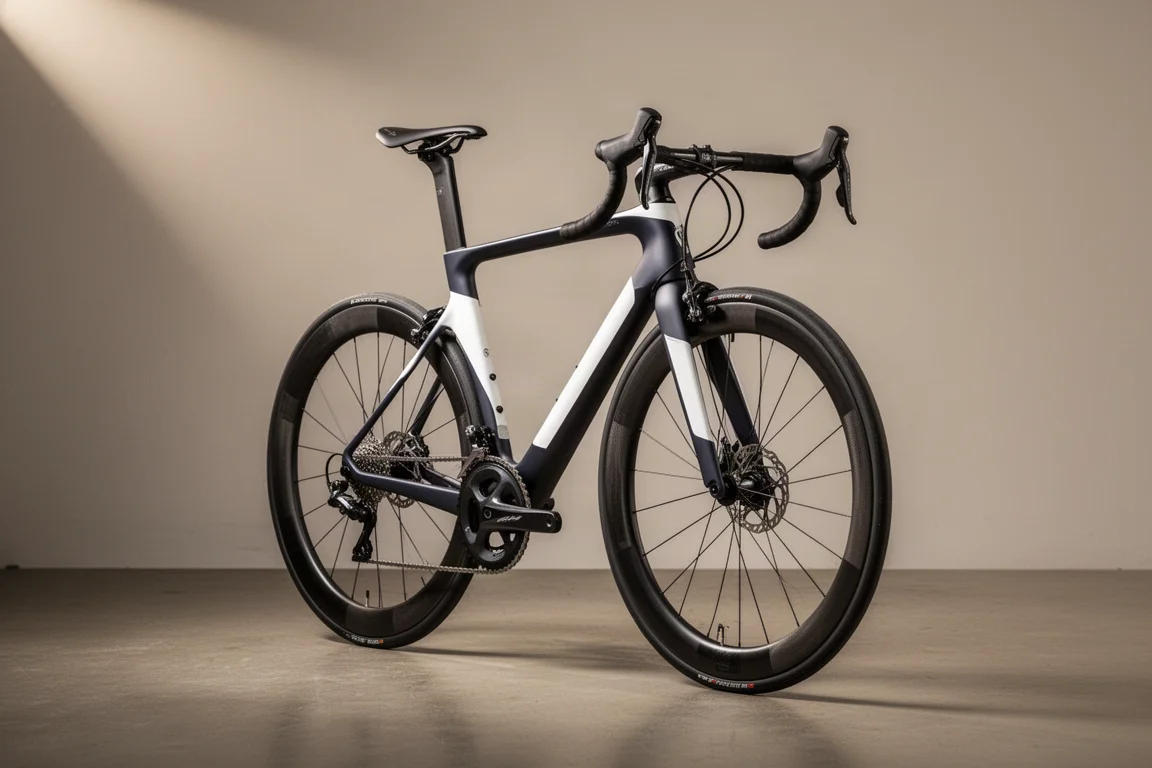
A 20,000-Mile Budget Race Bike Build: Five Parts Worth Knowing
A rim brake race bike assembled from low-cost components and ridden for 20,000 miles. Here is what delivered real speed, what caused problems, and what to weigh before copying the formula.
Cycling Components
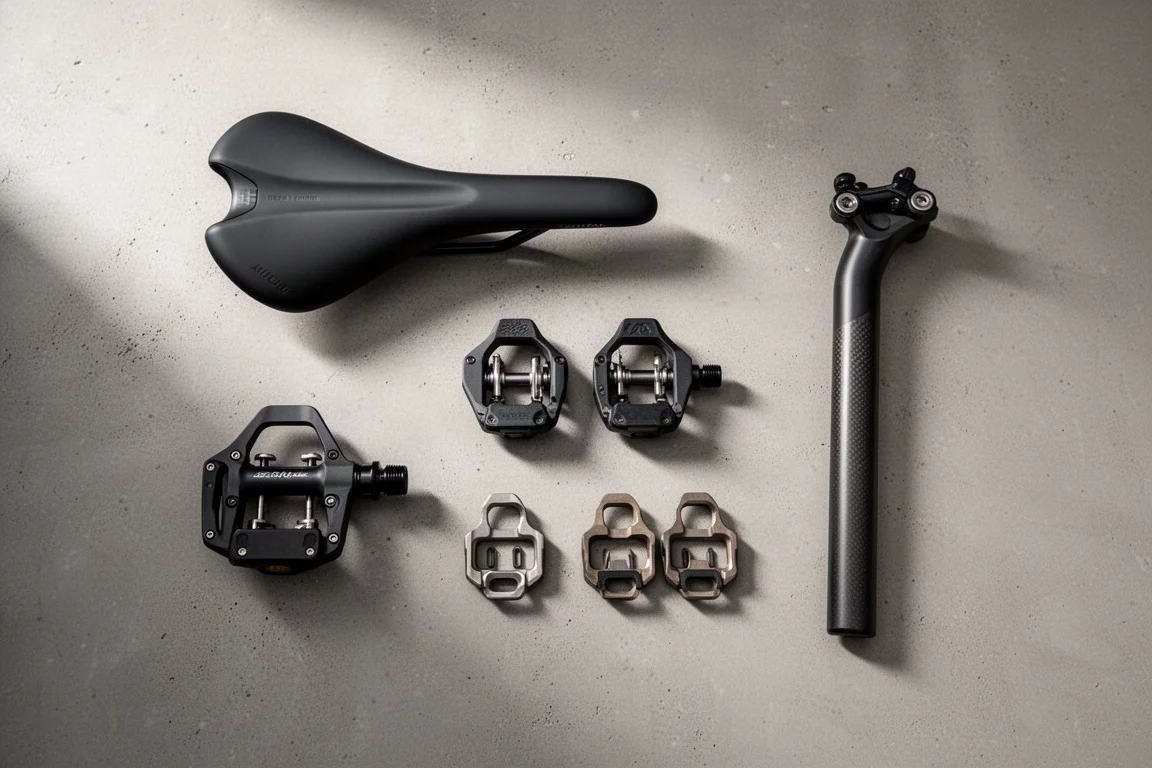
7 Bike Fit Products Fitters Avoid: What to Check Before You Buy
Seven bike components that regularly cause knee, foot and saddle problems, with the specific concerns behind each one and what to look for instead.
Cycling Components
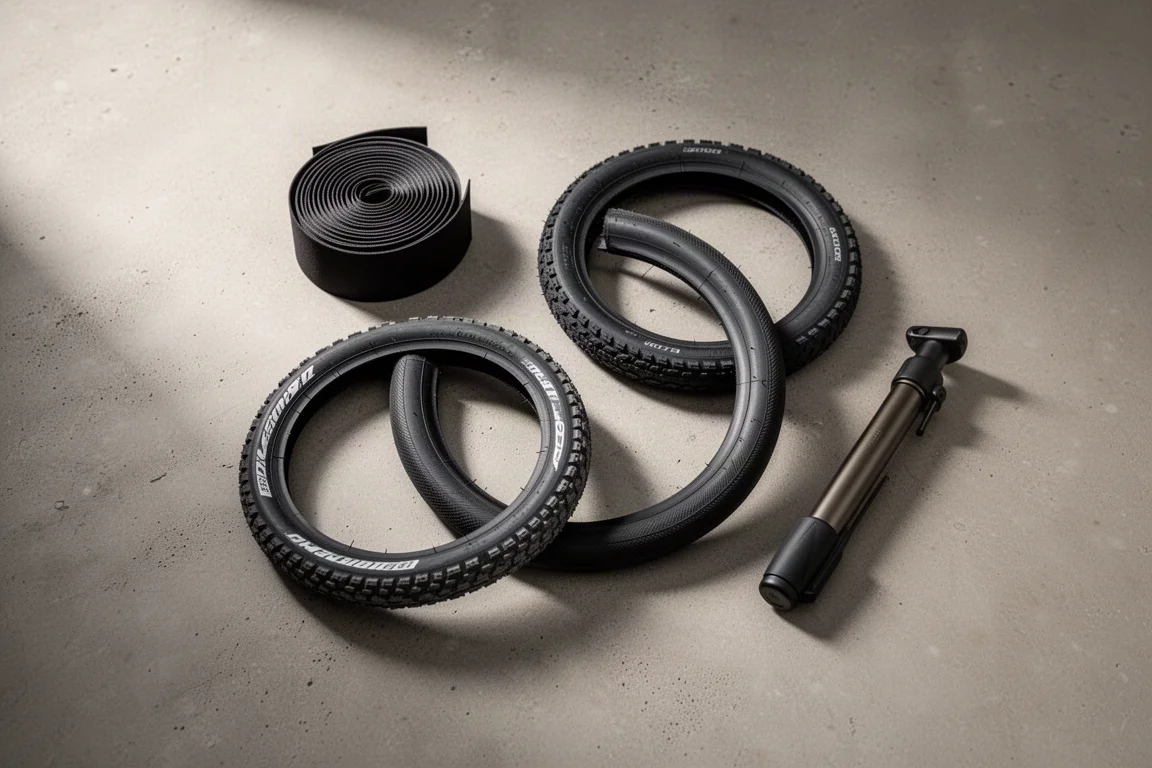
Four Affordable Bike Upgrades That Improve Ride Feel
Four low-cost cycling products that make a real difference to ride feel, plus the free setup changes worth trying first.