Cycling Components
Shimano SPD-SLR Pedals, Cleats and S-PHYRE RC9 Shoes: A Practical Buying Guide
Shimano's new SPD-SLR road platform brings a 2.3 mm lower stack, a thinner cleat and a wider shoe fit. Here is what each part does, what it costs, and who it suits.
Introduction
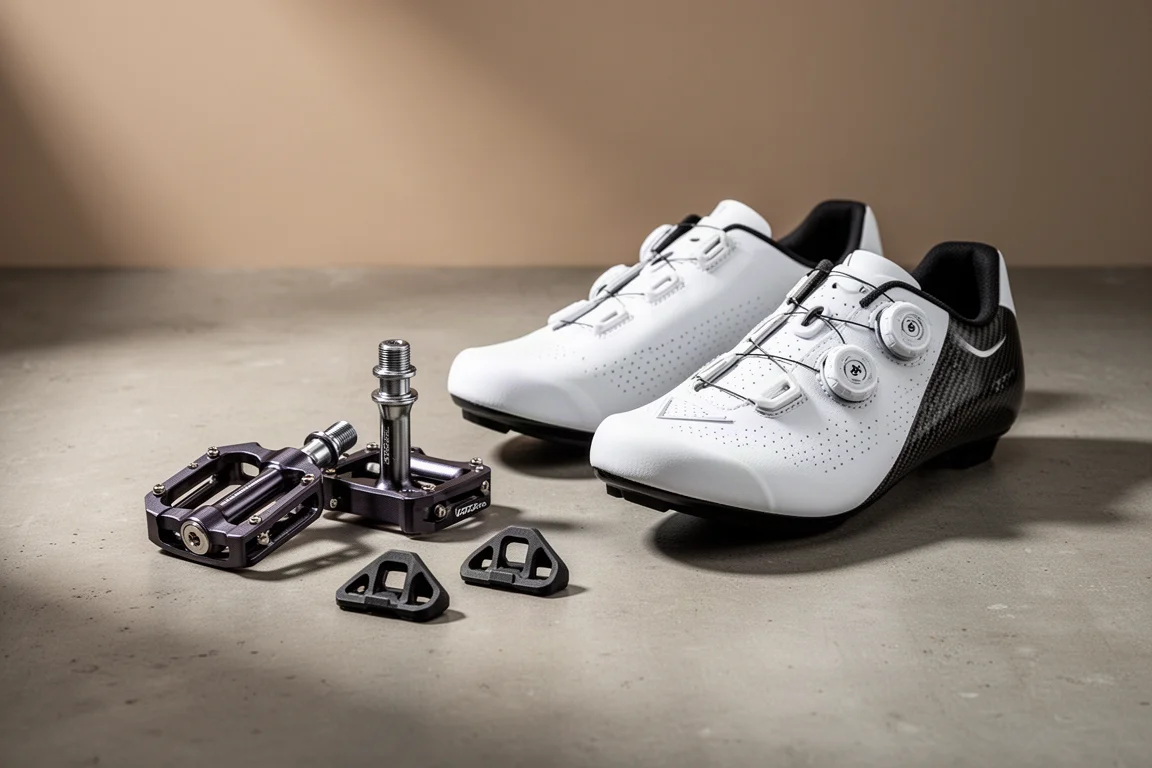
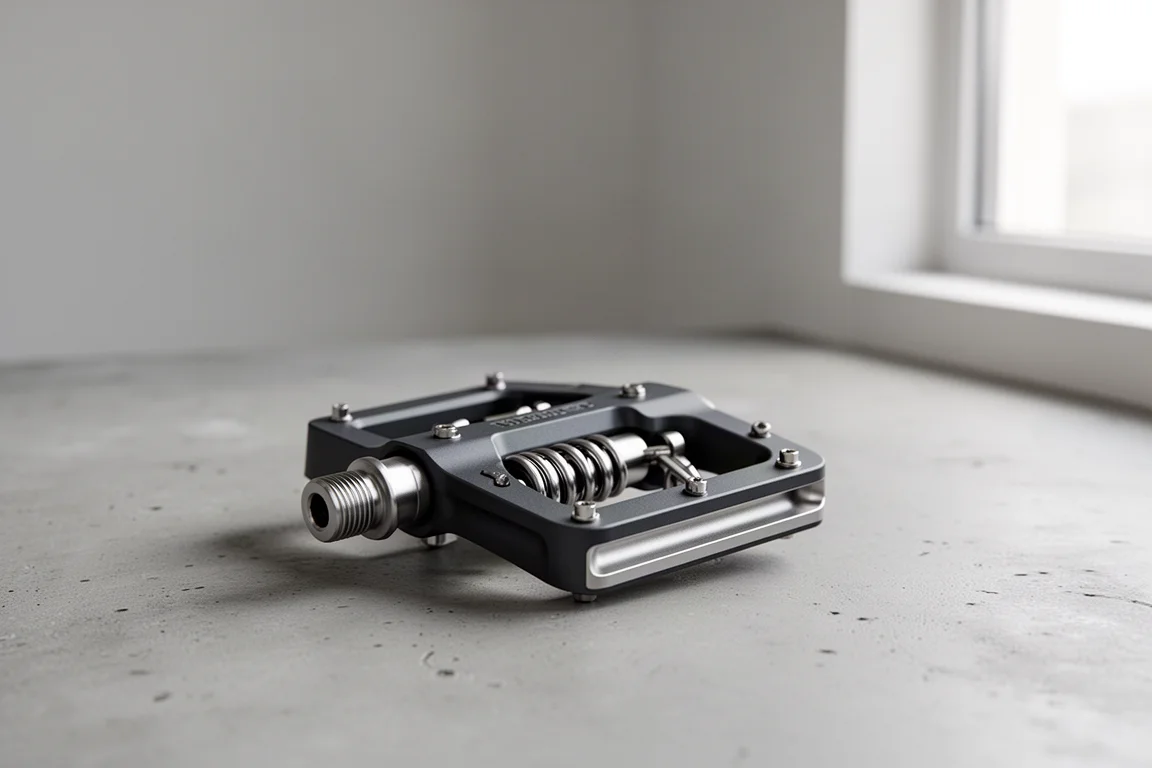
Shimano’s newest road pedal platform is called SPD-SLR, and it makes most sense when you look at it as a complete system rather than a single component. It covers two pedal tiers, a redesigned cleat, and a new generation of shoes built to work with both.
The headline change is stack height, the distance between your foot and the pedal axle. Shimano has taken 2.3 mm out of it compared with the previous generation, which brings the shoe closer to the pedal body and, in Shimano’s words, delivers a more direct and more connected feel underfoot.
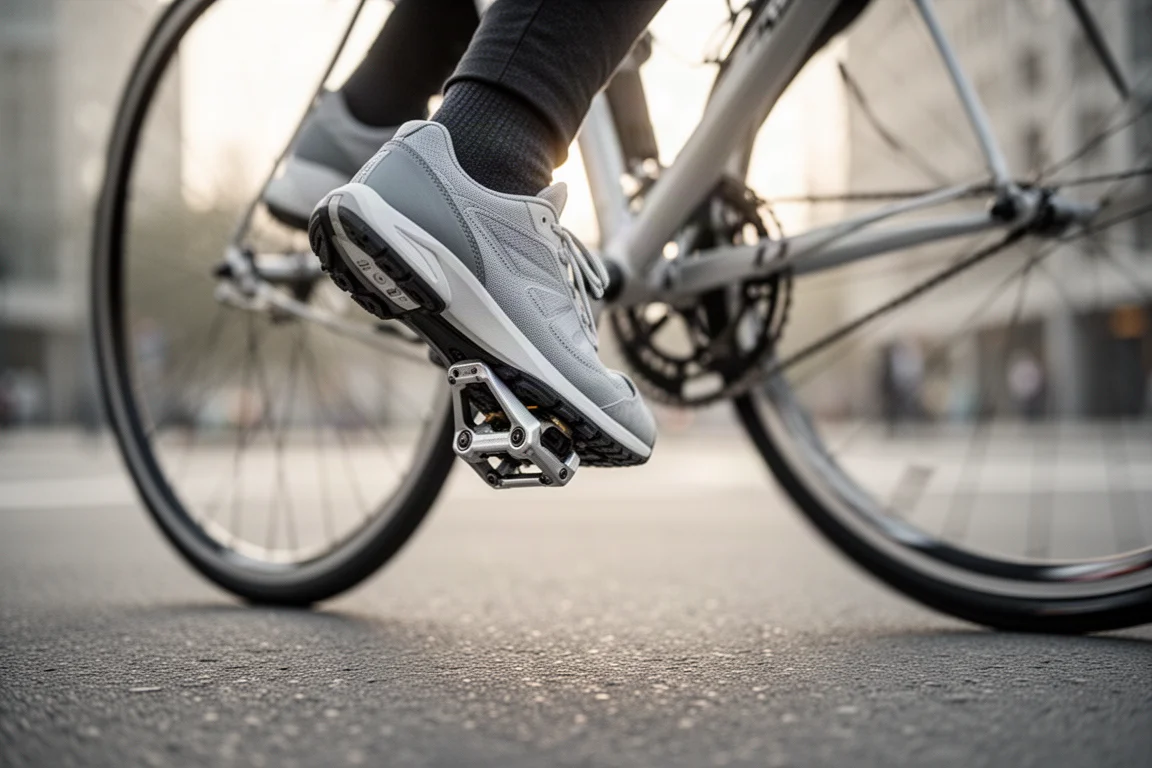
This guide walks through what each part of the system does, what it costs, and where the trade-offs sit, so you can judge whether the upgrade is worth it for the way you ride.
What Defines the SPD-SLR System
The lower stack is the central idea. With 2.3 mm removed, the foot sits closer to the pedal. Shimano presents this as a refinement of feel rather than a measurable performance gain, and no wattage figure is attached to the change. Riders who have noticed a little slop or wobble at the pedal are the ones most likely to appreciate the difference.
Engagement has been addressed as well. The pedals are said to hang at a more vertical angle than before, which makes them easier to locate and clip into. The design also resists the pedal spinning freely when you pull away from a standstill, a trait long associated with Shimano road pedals.
The pedals keep Shimano’s cup and cone bearing layout, a design widely regarded for coping with hard use. The new pedals are slightly lighter than the outgoing versions. Dura-Ace uses a slightly larger bearing positioned on the outside of the pedal body, while Ultegra places its bearing inside. Shimano says the Dura-Ace arrangement is marginally stiffer, though the difference is subtle.
On pricing, the UK figures are £199.99 for Dura-Ace and £139.99 for Ultegra. In euros, that is just under €230 and just over €160 respectively, with cleats at around £25 or €30. Against the previous pedals, which carried an RRP of just under £240, this represents a slight price cut, although real-world pricing does vary.
Shimano Dura-Ace SPD-SLR Pedals
Dura-Ace is the top tier of the new platform, priced at £199.99 in the UK and just under €230 in the eurozone. Its defining technical difference is the bearing layout: a slightly larger bearing sits on the outside of the pedal body, which Shimano says gives it a small stiffness advantage over the Ultegra version.
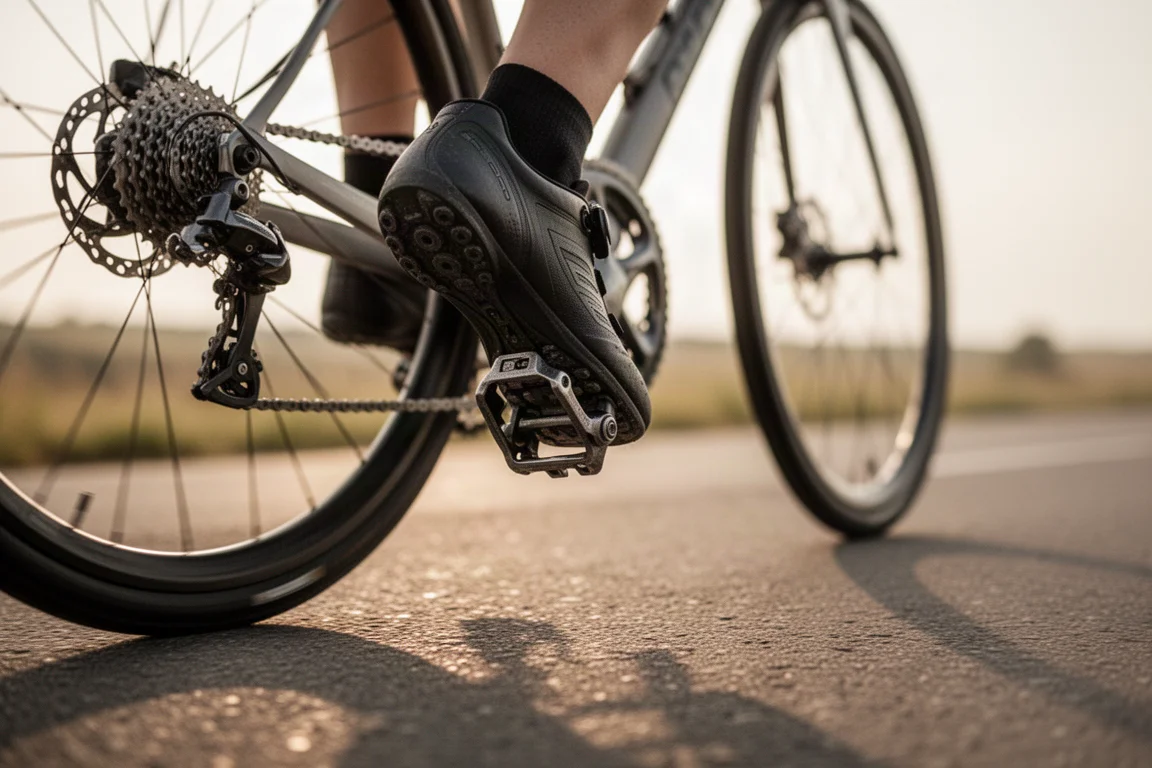
In practice that advantage is small enough that most riders will not feel it on the road. The case for Dura-Ace rests on the top-tier bearing arrangement and finish rather than a dramatic difference in ride character. It shares the same 2.3 mm lower stack, the same easier clip-in behaviour and the same cup and cone bearing design as the rest of the range.
Shimano Ultegra SPD-SLR Pedals
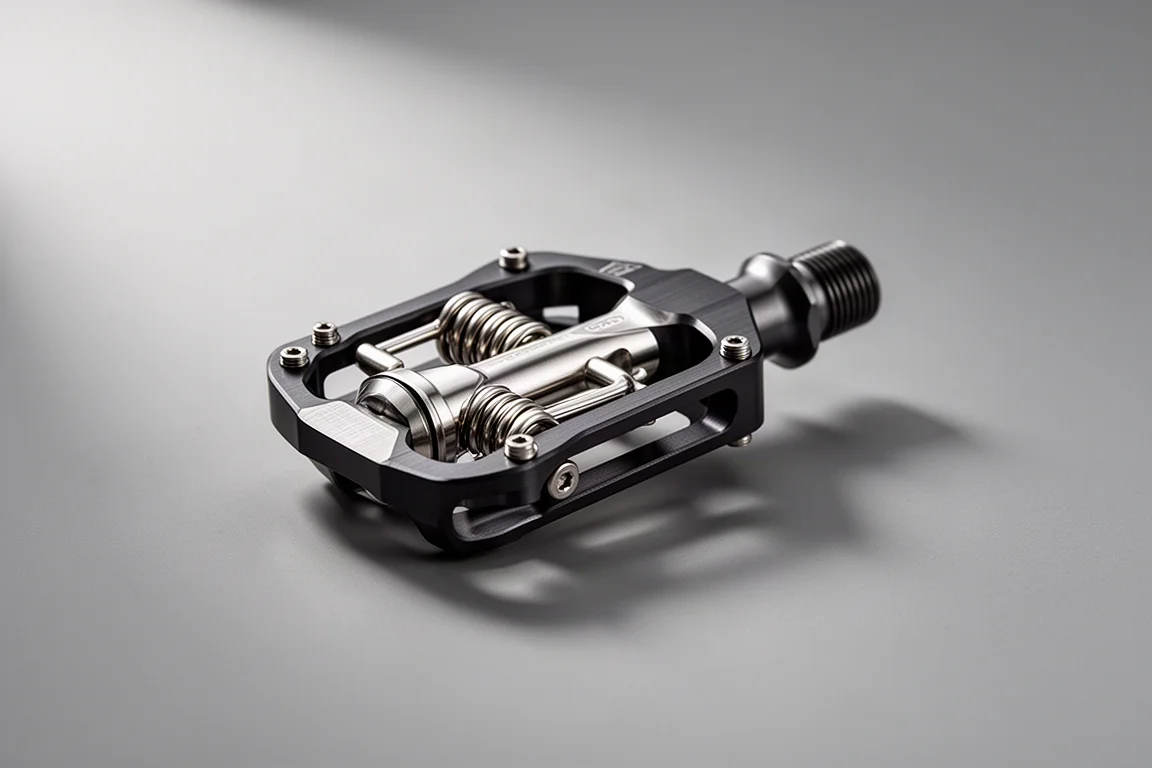
Ultegra brings the same platform at £139.99 in the UK and just over €160 in the eurozone. The bearing sits inside the pedal body rather than outside it, which Shimano says makes it marginally less stiff than Dura-Ace, though the difference is unlikely to register while riding.
Everything that defines the new system is present here: the 2.3 mm lower stack, the more vertical hanging angle for easier engagement, the resistance to free spinning at low speed, and the retained cup and cone bearings. For riders who want the connected feel and the clip-in behaviour without paying flagship money, this is the sensible entry point to the platform.
Shimano SPD-SLR Cleats
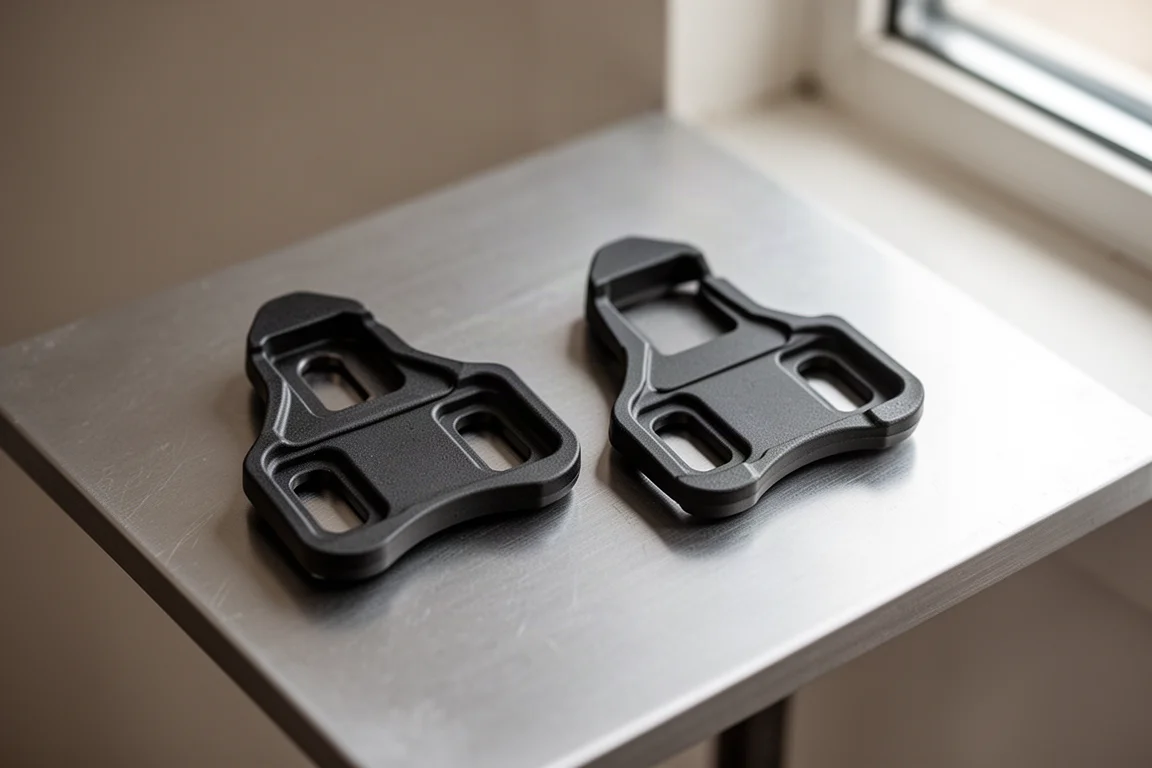
The cleat is where the lower stack actually comes from. Shimano removed the washers and reduced the thickness of the cleat, which is what allows the shoe to sit closer to the pedal axle. Cleats are priced at around £25 or €30.
The trade-off is adjustment range. Taking out the washers also removed the fore-aft movement that used to live in the cleat, so cleat position now depends on the bolt slots built into your shoes. Shimano’s reasoning is that riders buying Dura-Ace or Ultegra pedals are likely to be on high-end shoes with plenty of adjustability, but that assumption does not hold for every pair of premium shoes, and some high-end models still use fixed cleat bolt holes.
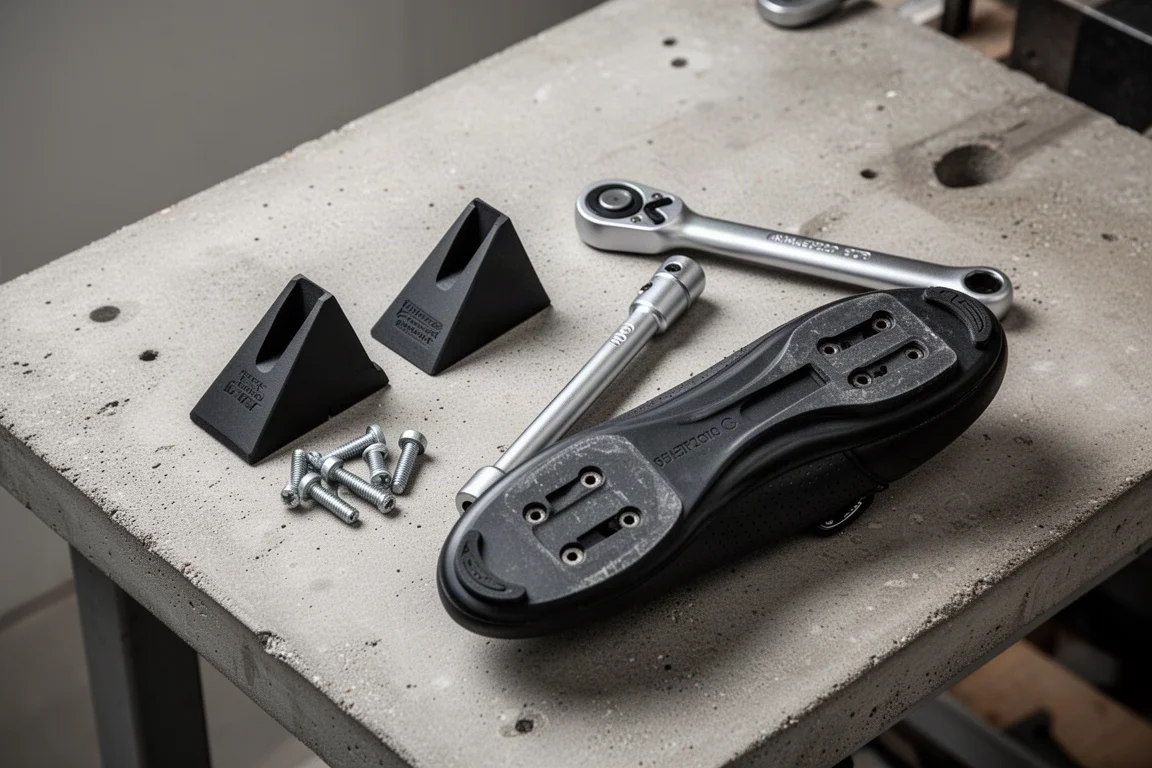
Compatibility needs care. There is no cross-compatibility between the old SPD-SL cleats and the new SPD-SLR pedals. The new cleats will physically fit older SPD-SL pedals, but Shimano does not recommend it and cannot guarantee it is safe, warning that a foot could pull out during a sprint. If you are moving to SPD-SLR pedals, plan on the matching cleat.
Shimano S-PHYRE RC9 Shoes
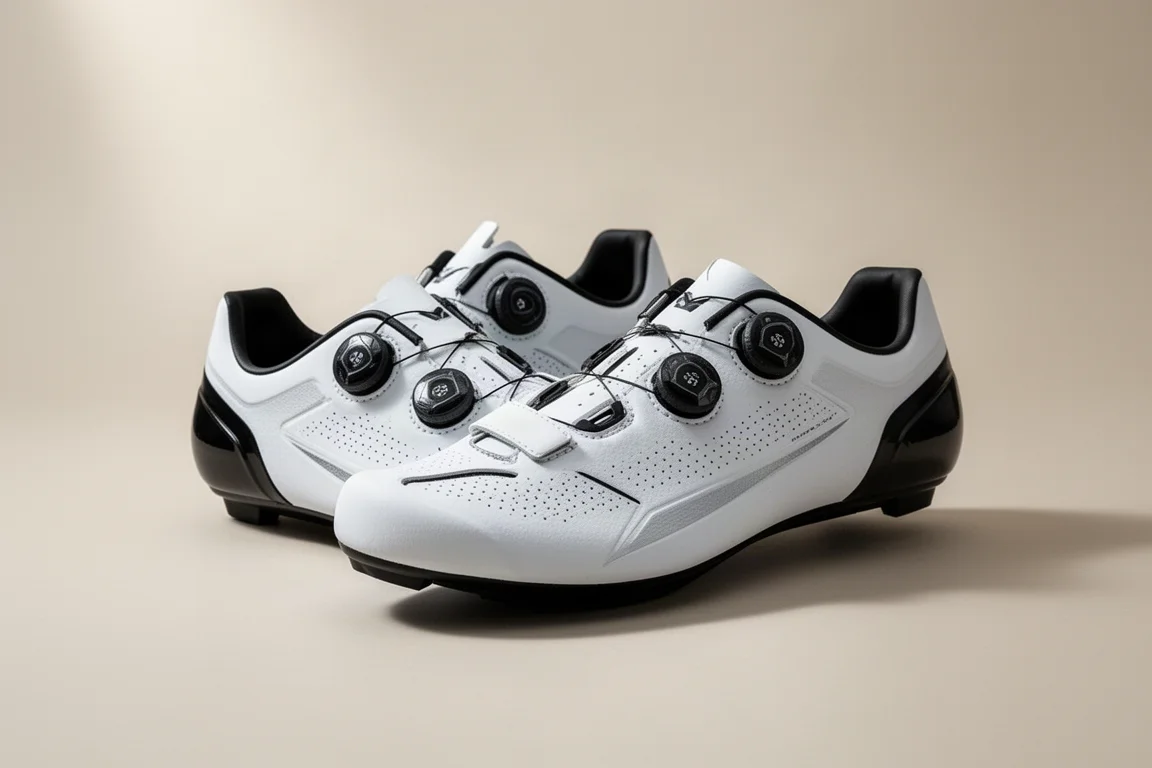
The S-PHYRE RC9 is the shoe that accompanies the platform, and its most consequential update is fit. Shimano has introduced a new last called Dyna-Last 2. The standard shoe has grown by roughly 4 percent in total volume around the forefoot, while the ankle and midfoot stay about the same as before.
There is also a wide option, around 7 percent wider than the previous standard fit, and a narrow fit for riders who preferred the older shape or want a women’s specific fit. More toe room and more sizing choices is a welcome change for a brand that has long offered a fairly uniform fit.
The RC9 also increases the adjustment range available at the cleat bolt holes, which matters precisely because the new cleat has lost its own fore-aft travel. That combination is what lets riders who run their cleats far back keep their position.
Buying Advice: Who Should Consider SPD-SLR
This is an evolution rather than a revolution, and Shimano is upfront about that. The gains are real but marginal: a lower stack, a more connected feel, easier clip-in, slightly less weight. Nothing here rewrites how a road pedal performs, and there is no need to rush out and replace working equipment.
The sensible trigger is need. When your current pedals or shoes are due for replacement and you want top-of-the-range Shimano equipment, the new platform is a strong choice, particularly if you buy the pedals and the shoes together so the fit and adjustment work as intended.
Before committing, check two things. First, look at the bolt slots on your existing shoes: if they offer limited fore-aft travel, the new cleat may not let you reach your usual position. Second, expect to fine-tune your setup. The lower stack may mean dropping your saddle height by a couple of millimetres, and riders moving back to older pedals may notice the extra stack more than they expect.

It is also worth being clear about what you are buying. The platform is built around durability, with cup and cone bearings and a design that resists abuse, so the value shows up over years of riding rather than in a single ride. If you already like Shimano shoes and Shimano pedals, and you are replacing both anyway, the system makes a coherent package.
Conclusion
Shimano’s SPD-SLR platform is a careful refinement of a familiar formula. The 2.3 mm lower stack and the revised engagement angle deliver a more connected feel and easier clip-in, the cleat and shoe changes make the whole system work together, and pricing comes in slightly below the previous generation’s RRP. The caveats are just as clear: the cleat has no fore-aft adjustment of its own, and compatibility with older SPD-SL equipment is not recommended. If you are due for new pedals and shoes, it is a well-considered upgrade. If your current setup is working well, there is no urgency.
Further reading
Related Reviews
Cycling Components
A 20,000-Mile Budget Race Bike Build: Five Parts Worth Knowing
A rim brake race bike assembled from low-cost components and ridden for 20,000 miles. Here is what delivered real speed, what caused problems, and what to weigh before copying the formula.
Cycling Components
7 Bike Fit Products Fitters Avoid: What to Check Before You Buy
Seven bike components that regularly cause knee, foot and saddle problems, with the specific concerns behind each one and what to look for instead.
Cycling Components
Four Affordable Bike Upgrades That Improve Ride Feel
Four low-cost cycling products that make a real difference to ride feel, plus the free setup changes worth trying first.