Cycling Components
Shimano Sora vs 105 vs Dura-Ace: What Each Groupset Tier Really Delivers
Three riders, three Shimano groupset tiers and one test loop. Here is where the money shows up in weight, shifting and braking, and where it does not.
Introduction
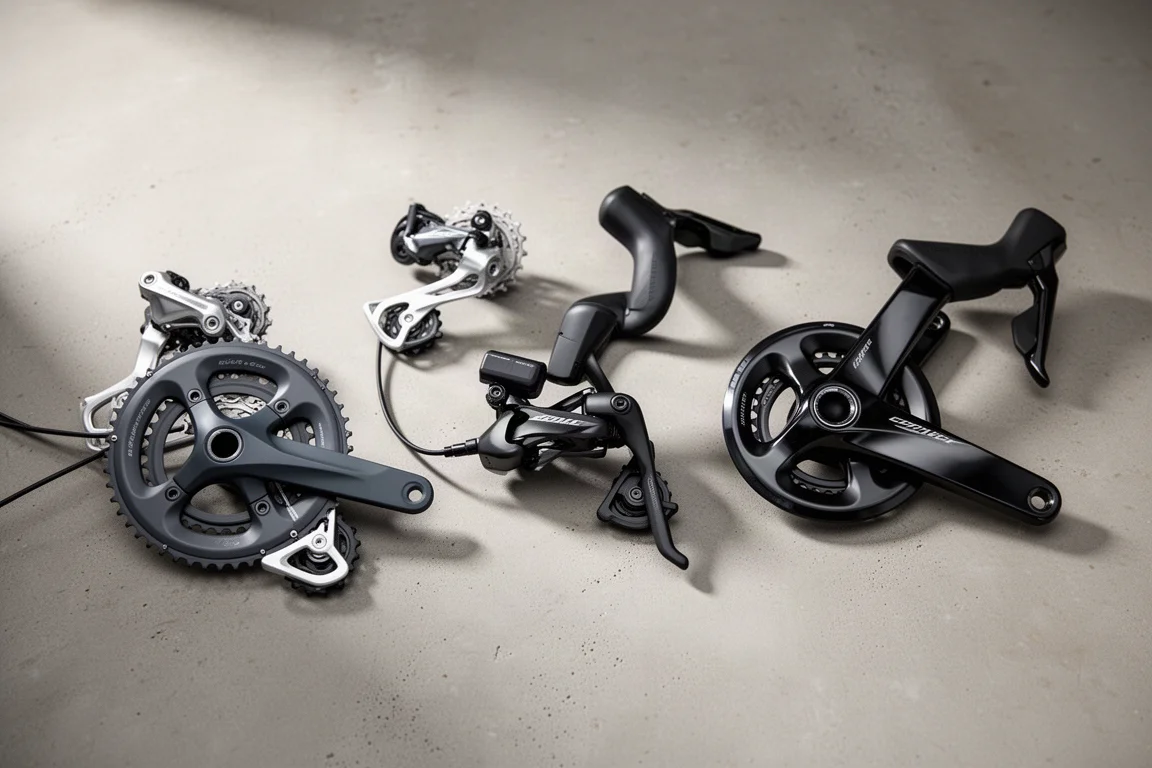
A groupset is the collective term for the brakes and gear components on a bike, and Shimano builds them across a very wide range of price points. Three tiers sit at the centre of most buying decisions: Sora at the entry level, 105 in the middle, and Dura-Ace at the very top.
To find out what the extra money actually buys, three riders with very different backgrounds rode all three tiers over the same test loop: a 1.5 kilometre climb, an 8 kilometre undulating section across the top, and then a descent back down the original climb. A beginner who rides at weekends for fun, an amateur whose racing days are behind him, and a pro racing at continental level each completed the loop on an entry-level, mid-level and top-tier build, with power meter pedals fitted so that their efforts stayed as consistent as possible.
How We Compared the Three Groupsets
The comparison covers four things: weight, the speed and feel of the shifting, the braking technology and how much control it gives the rider, and price.
Weight is the simplest difference to describe. The mid-level groupset is lighter than the entry-level one, and the top-tier groupset is lighter again than the mid-level. Shimano also makes wheels at different levels to match the different levels of groupset, and the three test bikes were built on frames and wheels appropriate to each tier. That means the ride differences below come from the complete bike rather than the groupset alone, which is exactly how most riders would experience an upgrade in practice.
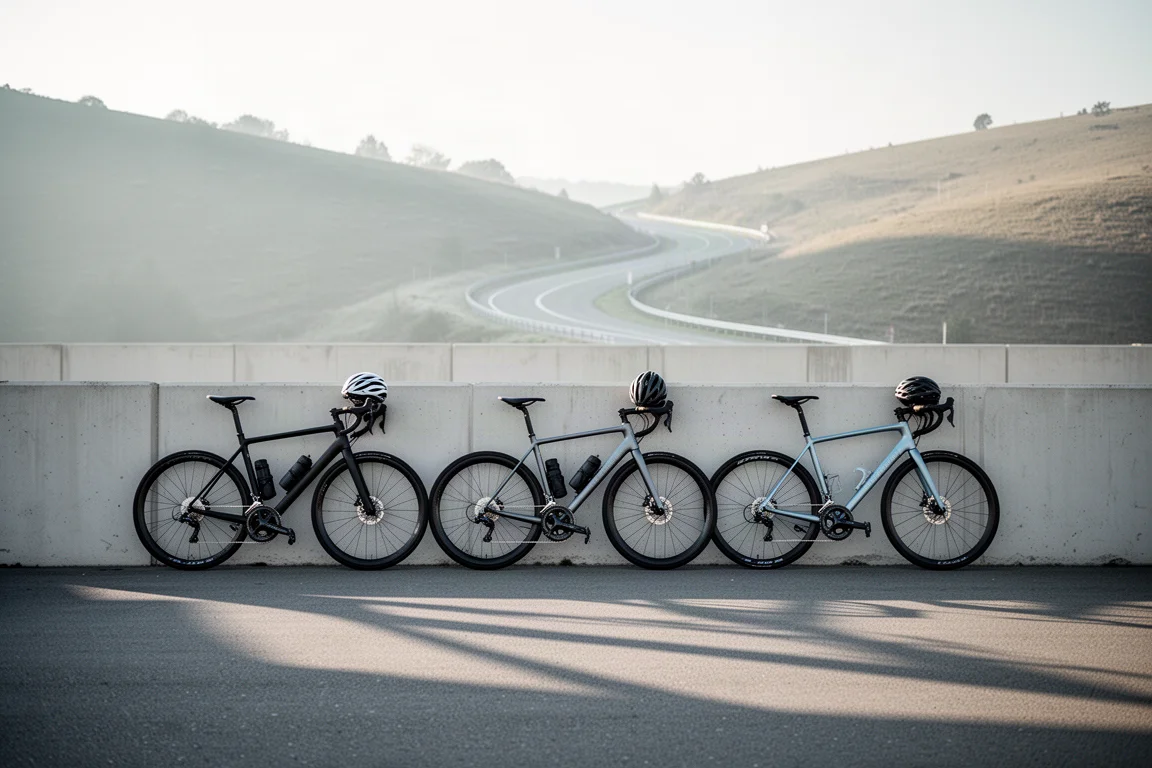
Power meter pedals were used on every run so that each rider’s effort could be tracked and kept as consistent as possible across the three bikes. That allows the results to be read alongside the rider feedback rather than as a straight race between three people of very different fitness.
Shimano Sora: The Entry-Level Tier
Sora is a 9-speed groupset designed to be wallet friendly, and it is positioned as ideal for beginners. Components sit in the region of £400.
Braking is cable actuated. That means more input is needed at the lever, and only one of the brake pads moves inside the caliper, so control over the force being applied is less precise. It is unlikely to matter much on a short test loop, but it is worth weighing up if you are a heavier rider who spends time in hilly terrain. Shifting is mechanical rather than electronic.
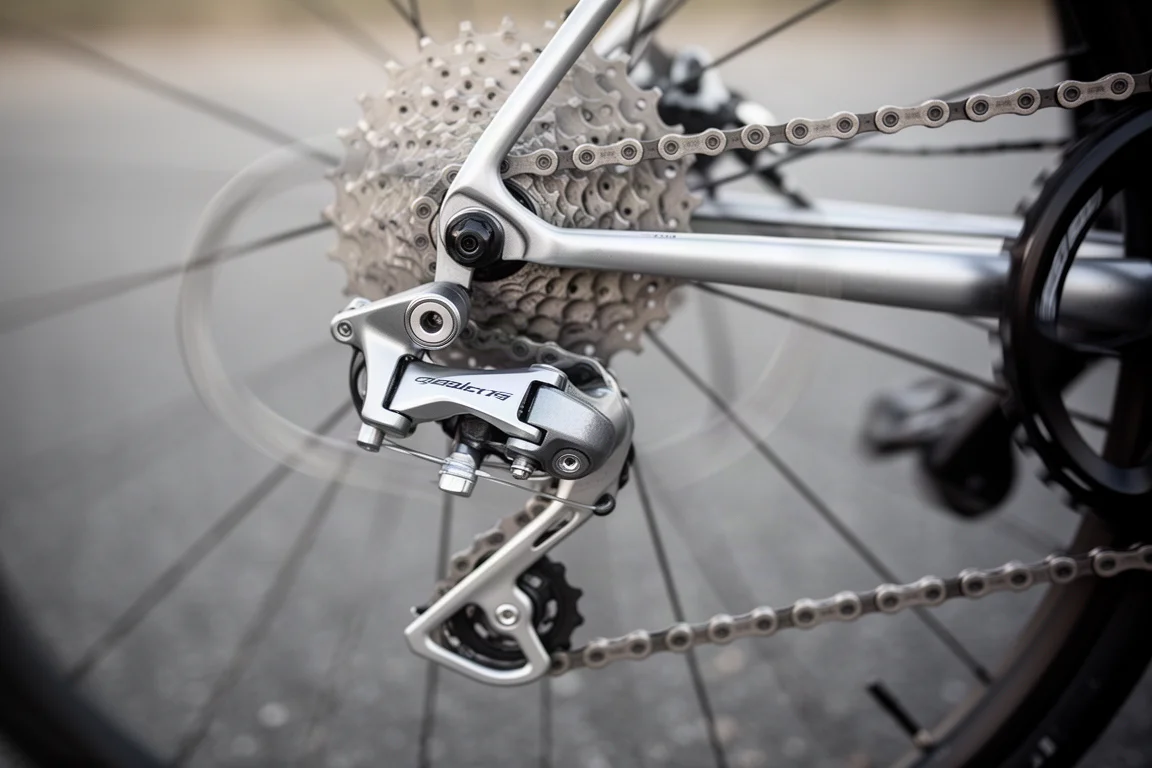
The beginner rider described the bike as comfortable and familiar, much like his own bike but cleaner. The pro rider found it noticeably less refined than the high-end equipment he normally rides, but was clear that anyone jumping onto a road bike for the first time would have a great time on it. He also called it one of the quietest bikes he had ridden, with no creaks until a gear change.
Shimano 105: The Mid-Level Tier
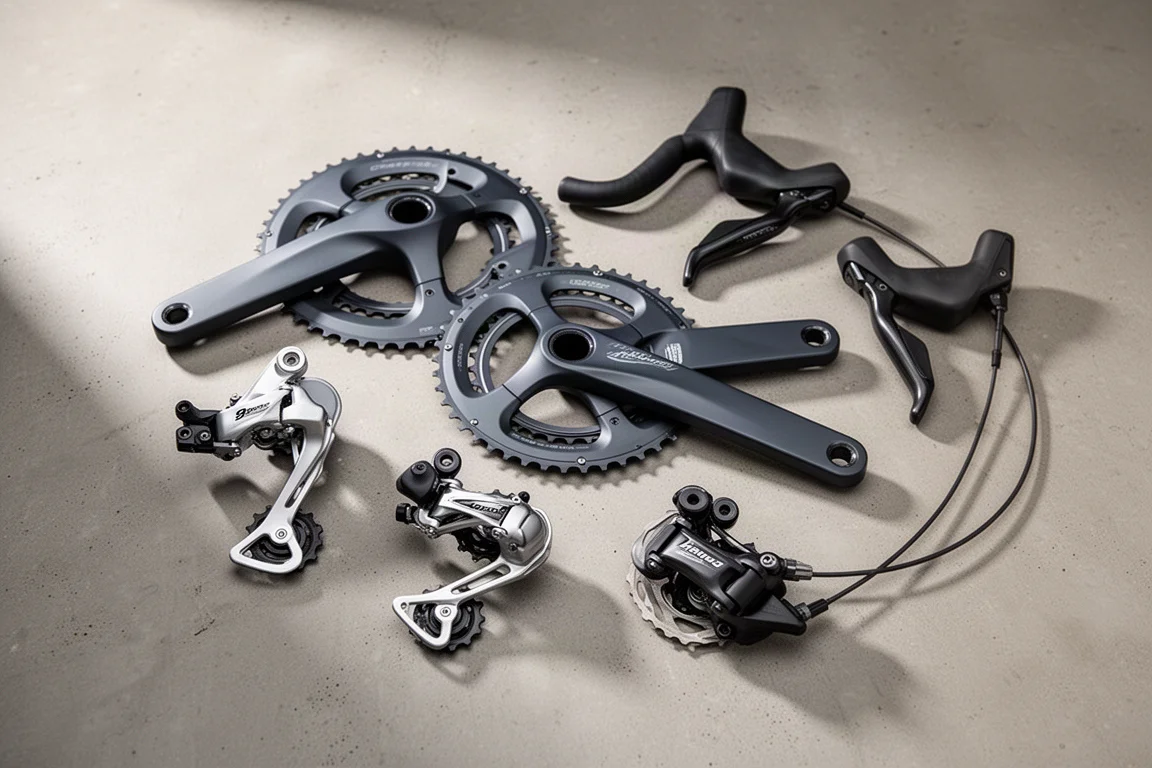
105 is lighter than Sora and is widely treated as the entry point into serious cycling. The version ridden here is 12-speed, and components cost in the region of £2,000. It is also the first time Shimano has offered 105 with electronic gears.
Braking moves up to a hydraulic system, which removes the cables and asks less of the rider at the lever. A dual piston, self-adjusting design improves modulation. The trade-off is complexity: hydraulic systems are harder to work on at home than mechanical ones.
Two details stand out for anyone planning to live with 105 long term. Shifter battery life is claimed to last twice as long as Dura-Ace, at around three years, and the cassette range here is the widest of the three at 11-36. The lever shape is also near identical to Dura-Ace, which matters more than it sounds if you spend hours on the hoods. Availability has been limited, so stock is worth checking before you commit.
Shimano Dura-Ace: The Top Tier
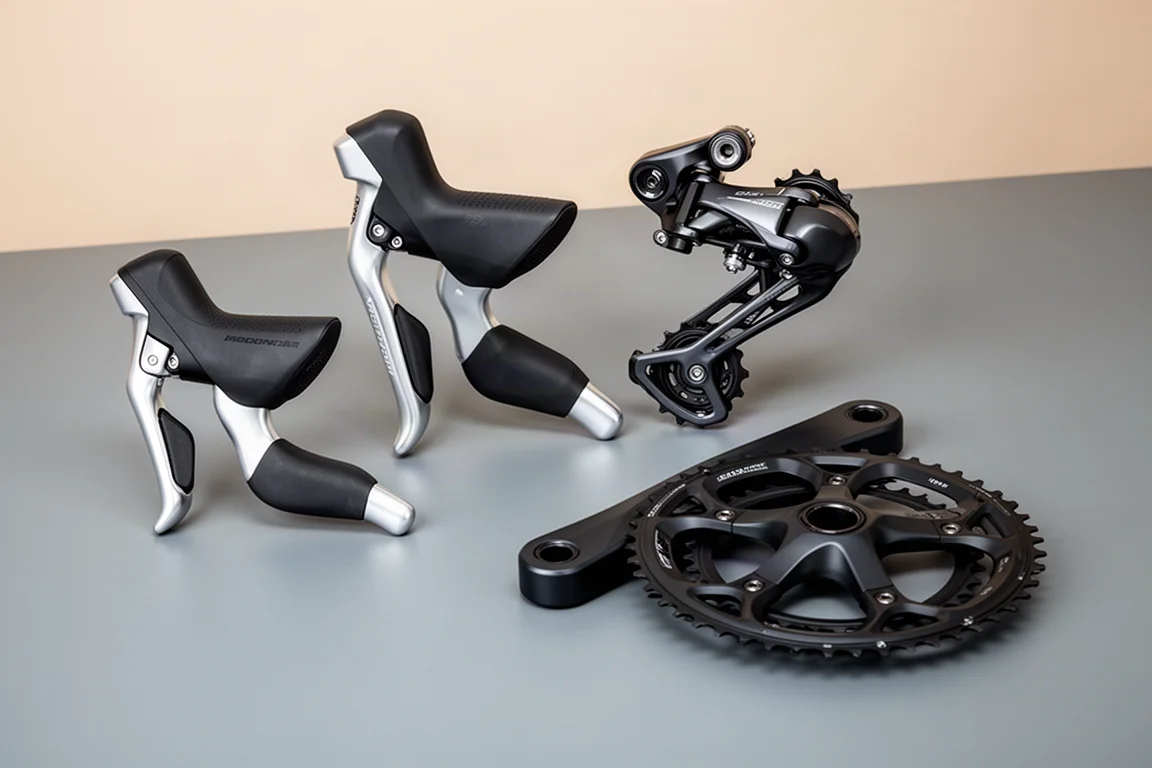
Dura-Ace sits at the very top of the range, is used by some of the best riders in the world to win some of the biggest races, and uses Shimano’s latest technology along with exotic materials. It is light, and it is expensive: components here cost in the region of £4,000.
The shifters are wireless. Shifting uses Hyperglide+ technology adapted from Shimano’s mountain bike groupsets, and the internal derailleurs have been reworked so that shifts are faster at both the front and the rear than on the previous Dura-Ace generation.
Braking is hydraulic, but with a one-piece caliper rather than two halves bolted together. Servo Wave technology changes how the lever behaves: initial pad travel is fast so the pads meet the rotor quickly, and then power builds dramatically as the lever stroke continues, which leaves much of the stroke available for fine control.
The pro rider noticed the ergonomics immediately, calling the hood shape really comfortable, and found the shifting rapid at both ends. The buttons on top of the shifters were a genuine convenience when sitting on the hoods. The beginner rider, meanwhile, described the bike as feeling amazing and unlike anything he had ridden before.
What the Test Rides Revealed
The stopwatch produced a clear pattern. Moving from the entry-level bike to the mid-level bike, the beginner rider saved 2 minutes 24 seconds, the amateur saved 13 seconds, and the pro saved 32 seconds. The beginner, in other words, gained by far the most from that single step up.
Moving from the mid-level bike to the top-tier bike, the beginner went just one second faster, which is realistically within the margin of timing error. The amateur and the pro each saved 16 seconds.
The rider feedback matched the numbers. The beginner felt the jump from entry level to mid-level was huge, with quicker shifting and a bike that simply felt faster, while the step from mid-level to top tier felt much the same as the mid-level bike. The pro said moving from mechanical gears to electronic ones was a luxury, and that without the times it would have been very hard to tell the mid-level and top-tier bikes apart.
Which Groupset Tier Should You Buy?
Asked where they would spend their own savings, the three riders split in a useful way.
The beginner rider chose the mid-level tier, pointing out that it costs roughly half as much as the top tier while delivering far more than half the enjoyment. The pro rider chose the top tier, and added that a bike at that price is worth insuring carefully. The amateur, who no longer races at the speeds he once did, also chose the mid-level tier, on the grounds that the extra money for top-tier components does not come back proportionately in performance for the way he rides now.
It is worth remembering that a groupset is only one part of the picture. Frames and wheels change with each tier as well, and Shimano builds wheels at matching levels, so an upgrade can be approached in stages. If you are working to a fixed budget, the mid-level tier is where most riders will feel the biggest change for the money.
Conclusion
The gap between entry-level and mid-level components is the one most riders will actually feel: lighter weight, electronic shifting, hydraulic brakes with better modulation, and, for a less experienced rider, a large amount of time over a test loop. The step from mid-level to top tier is real, but it is smaller, and it is mostly about refinement, wireless shifting, faster shift speeds and brake technology that gives finer control.
Buy the tier that matches how you ride. A beginner or casual rider gets the clearest return from the mid-level groupset, while a racer chasing every last second has a genuine reason to go all the way to the top.
Further reading
Related Reviews
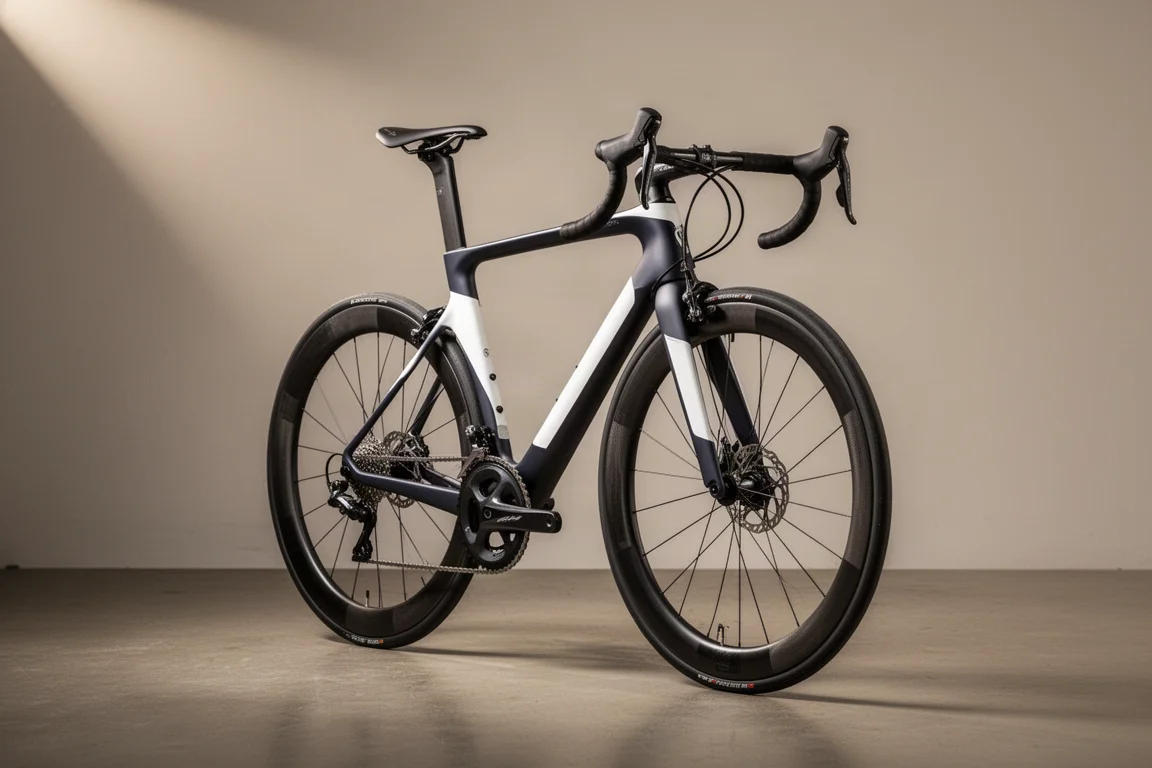
Cycling Components
A 20,000-Mile Budget Race Bike Build: Five Parts Worth Knowing
A rim brake race bike assembled from low-cost components and ridden for 20,000 miles. Here is what delivered real speed, what caused problems, and what to weigh before copying the formula.
Cycling Components
7 Bike Fit Products Fitters Avoid: What to Check Before You Buy
Seven bike components that regularly cause knee, foot and saddle problems, with the specific concerns behind each one and what to look for instead.
Cycling Components
Four Affordable Bike Upgrades That Improve Ride Feel
Four low-cost cycling products that make a real difference to ride feel, plus the free setup changes worth trying first.