Cycling Shoes
Shimano RC-502 vs S-Phyre RC902: Does Shoe Stiffness Actually Matter?
A mid-range and a flagship Shimano road shoe compared side by side, with sprint and steady state testing on what sole stiffness really changes.
Introduction
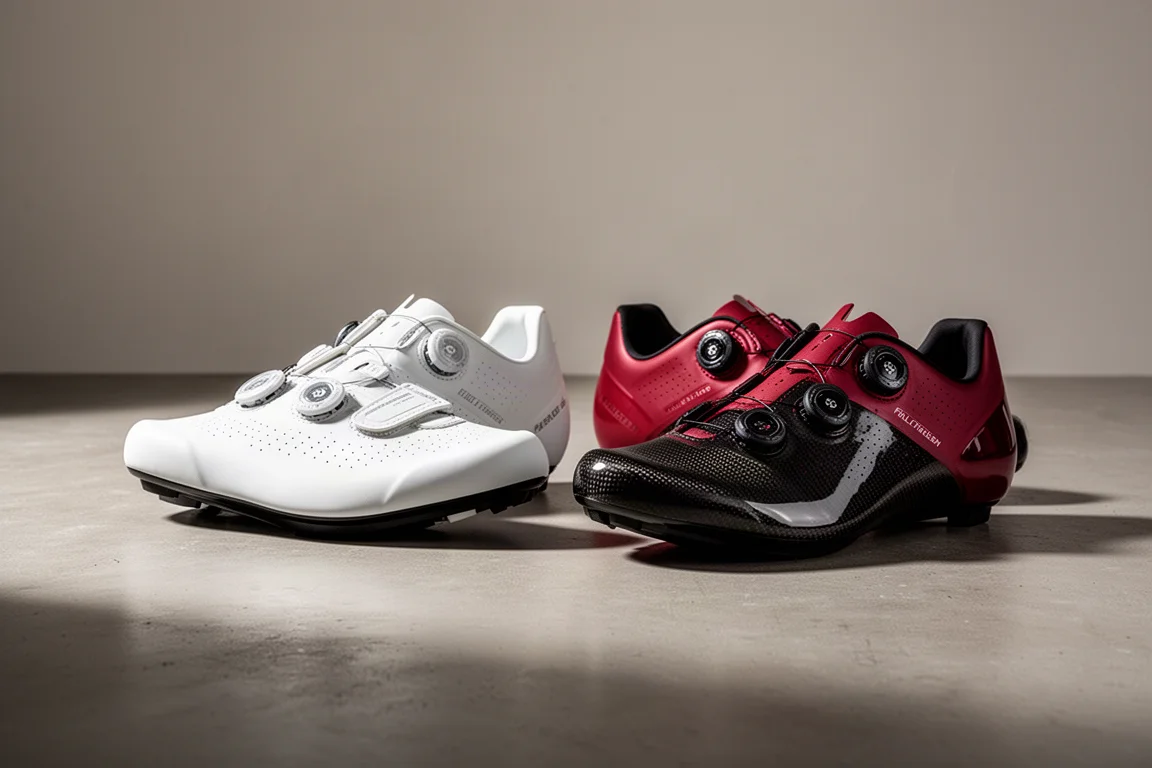
Two road cycling shoes from Shimano sit at very different points in the range, yet they raise the same question: how much does sole stiffness actually matter? The Shimano RC-502 uses a mid-range sole rated 8 out of 12 on Shimano’s stiffness scale, while the S-Phyre RC902 sits at the top with a full 12 out of 12. The gap in price between them is significant, so it is worth understanding what that extra stiffness delivers once you are actually pedalling.
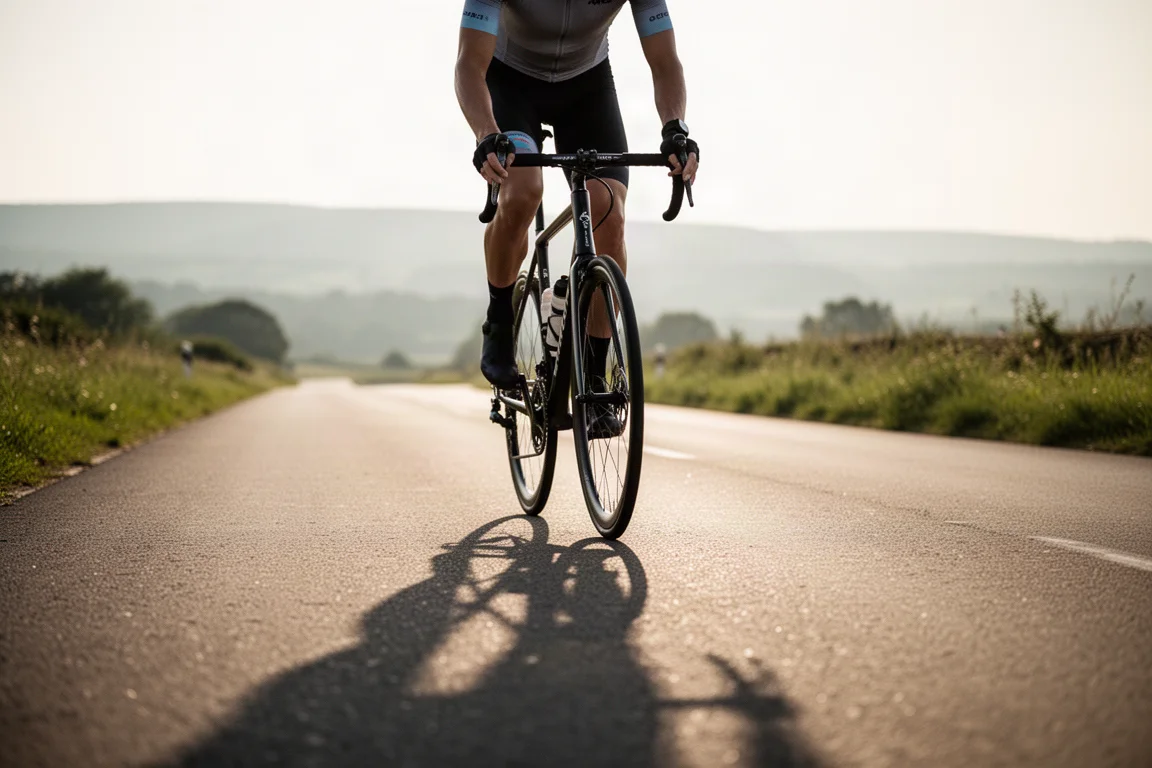
Both shoes use comparable upper construction and hold the foot in place similarly, which makes them a realistic pairing for a direct comparison. They also represent the decision many riders face: a slightly more affordable mid-range road shoe, or the top end of the range. This guide covers what each shoe offers, how they behaved in controlled sprint and steady state testing, and which rider each one suits.
What the Research Suggests About Shoe Stiffness
Research from the Department of Mechanical Engineering at the University of Colorado concluded that stiffer cycling shoes offer no measurable performance benefit in peak one second power, average power over a 50 metre sprint, or a range of related metrics. The work measured mechanical power, speed and cadence in 19 healthy male cyclists across 50 metre sprints, using identical uppers attached to soles of three different stiffness grades: injection moulded, a carbon fibre and glass fibre blend, and full carbon fibre.
The same body of research cites earlier findings that cycling shoes and clipless pedals have no significant effect on the metabolic cost of cycling during submaximal steady state efforts. That is a meaningful point for anyone deciding whether to spend more on a stiffer sole. Stiffness still shapes how a shoe feels underfoot and how directly the pedalling platform communicates with the road, but the energy savings are difficult to demonstrate.
Shimano RC-502: The Mid-Range Contender
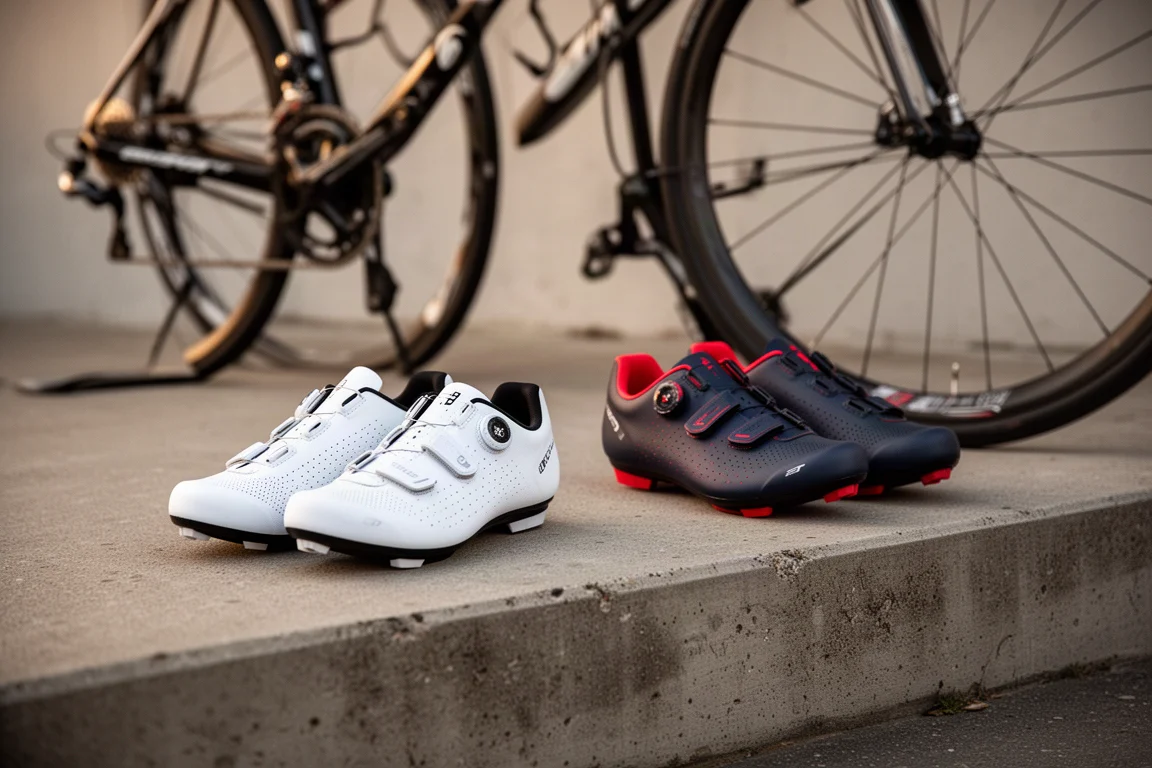
The RC-502 is the more affordable of the two, finished here in pearl white. Its sole is rated 8 out of 12 on Shimano’s stiffness scale, which places it in the middle of the range rather than at the very top. The upper construction is close to that of the flagship shoe and holds the foot securely, so the main difference between the two sits beneath the foot rather than around it.
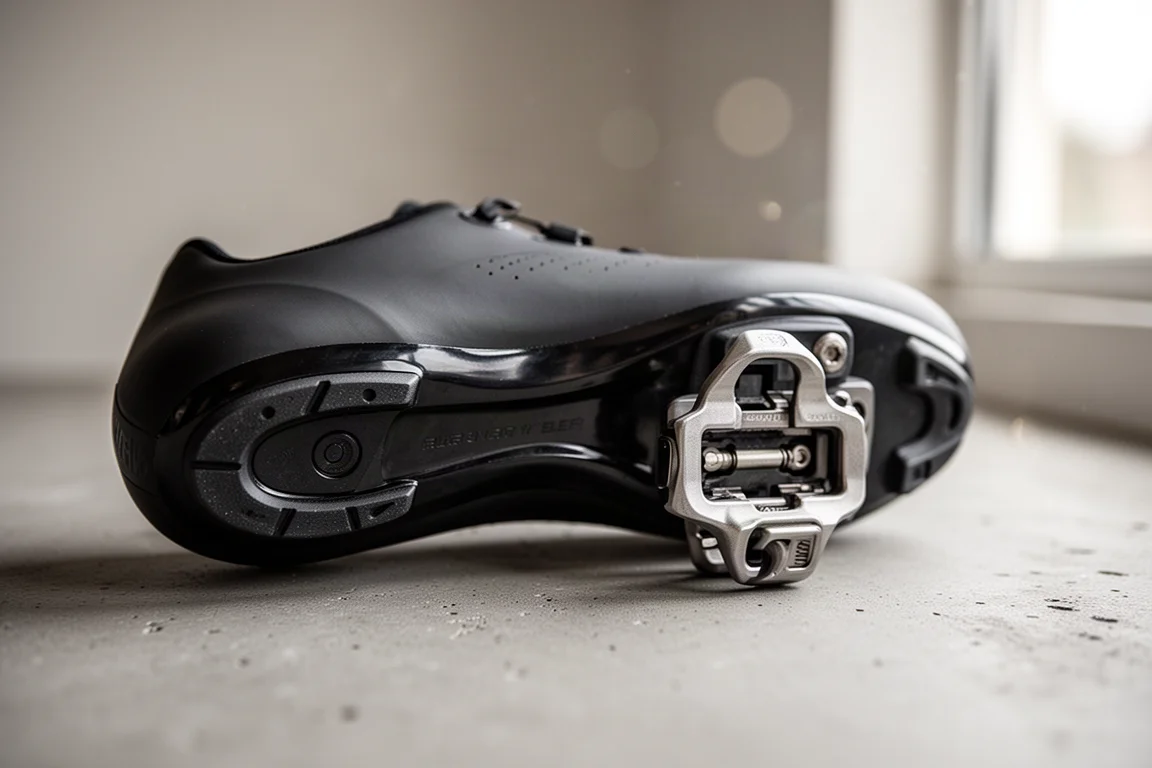
For riders who want a dependable road shoe without paying for the stiffest sole on the market, the RC-502 is the more approachable option. Sprint testing produced a slight edge in overall average power for the stiffer shoe, but the highest peak power figures came from the mid-range pair, so the two came out effectively level.
Shimano S-Phyre RC902: The Top-Tier Race Shoe
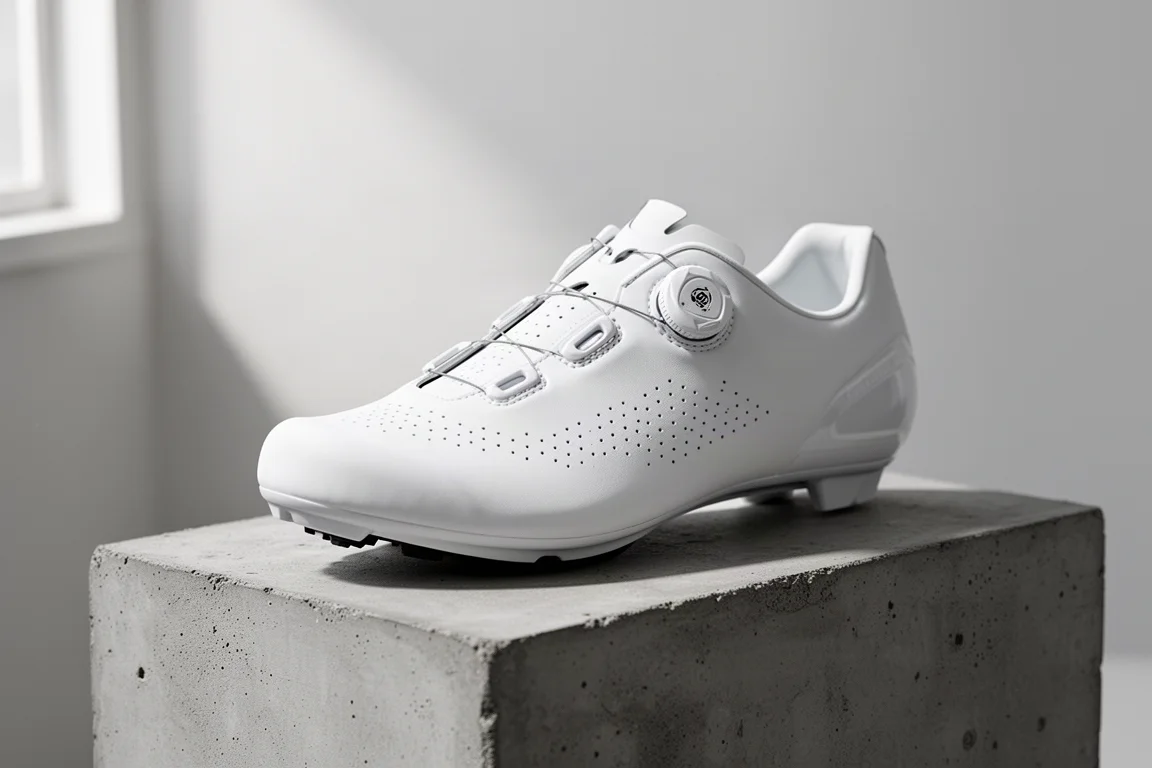
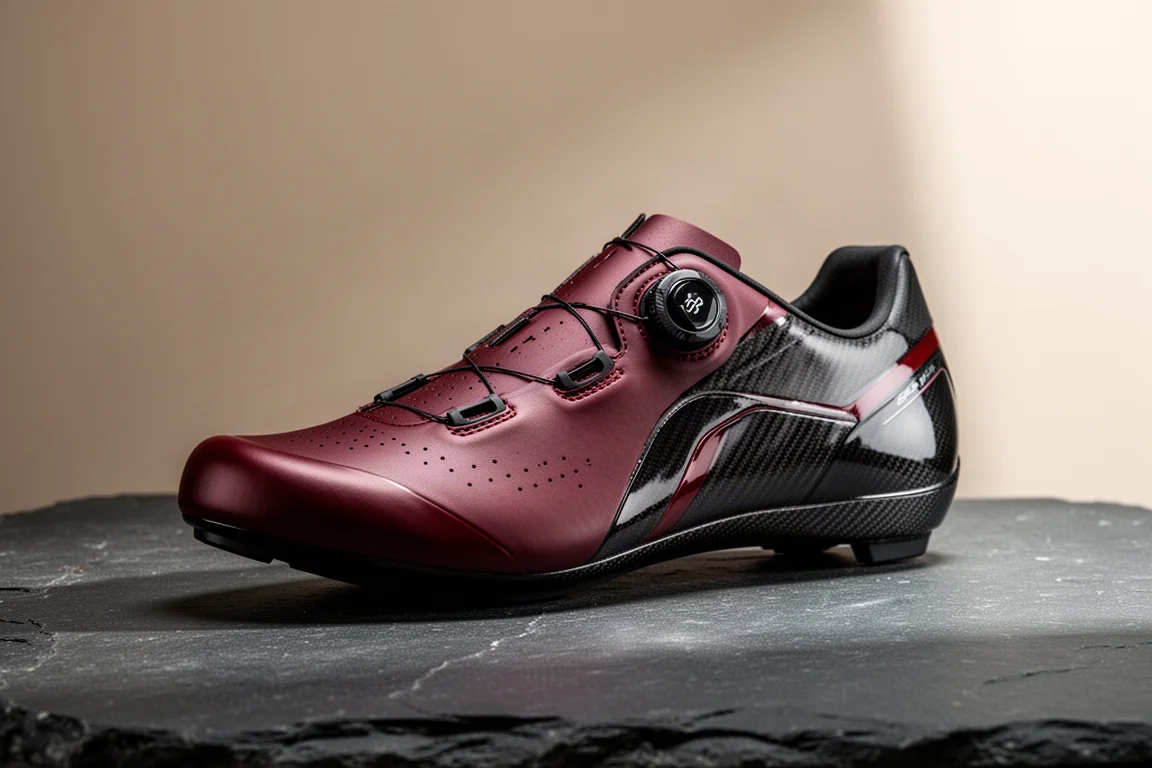
The S-Phyre RC902 is the range-topping design, with a full carbon sole rated 12 out of 12 on Shimano’s stiffness scale. It is the shoe seen at the top level of professional road racing. The upper is very similar in construction to the RC-502 and holds the foot equally well, which means the difference between the two is concentrated in the sole rather than in the way they wrap the foot.
That makes the RC902 the natural choice for riders who value a firm, direct pedalling feel, even where the measurable performance gap is not present. In the sprint comparison the RC902 added a small amount of average power, while the mid-range shoe produced the highest peak numbers recorded.
How the Two Shoes Compared in Testing
The comparison used three 50 metre sprints from a rolling start at 20 kilometres per hour in each pair of shoes, with the sequence alternating between the two and five minutes of rest between every effort. Average power and peak power were recorded for each run. Across all sprints the outcome was close to a draw, with a marginal advantage in average power for the stiffer shoe and the best peak power numbers coming from the mid-range pair.
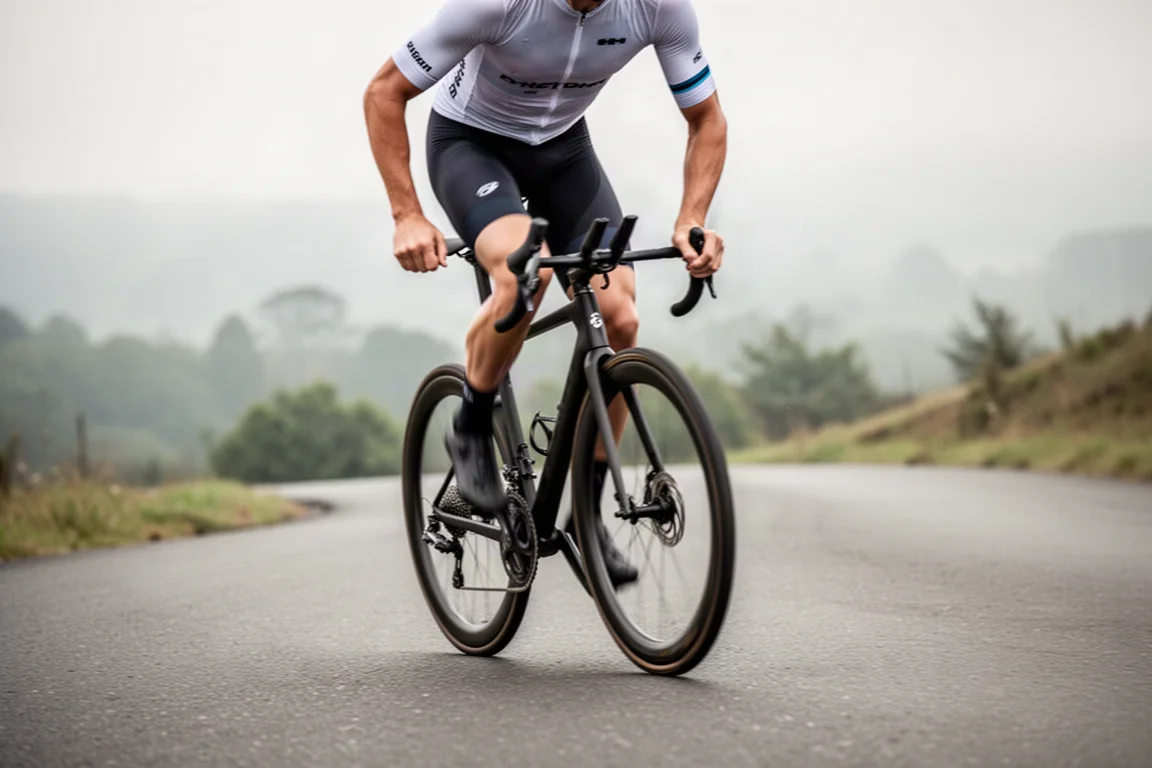
Steady state testing followed the same pattern: several five minute intervals at sweet spot power, around 225 watts, in each pair of shoes with five minutes of recovery between them. Average heart rate was nearly identical across the intervals, staying within about one beat per minute regardless of which sole was underfoot. If a stiffer sole reduced energy loss through flex, heart rate should have been lower at the same power output. It was not.
Taken together, the sprints and the intervals point in the same direction as the published research: stiffness does not translate into a measurable efficiency gain in either short maximal efforts or longer submaximal ones.
Buying Advice
The decision between these two shoes comes down to feel and budget rather than performance. If you like a firm platform and want the top of Shimano’s road range, the S-Phyre RC902 delivers exactly that, with the stiffest sole the brand offers. If you prefer a slightly more forgiving sole, or simply do not want to spend at the top of the range, the RC-502 is very unlikely to hold you back.
Riders who have been told that a stiffer shoe is the key to more power can treat that claim with some scepticism. Fit, upper comfort and how securely the shoe holds the foot matter on every ride, and both of these shoes cover that ground well. Choose the pair that fits properly and matches your budget, and do not assume the stiffer option will make you faster.
Conclusion
The Shimano RC-502 and the S-Phyre RC902 show how little the stiffness gap between a mid-range and a flagship road shoe changes measurable output. The RC902 offers the firmest platform and the engineering of a range-topping design, while the RC-502 offers a very similar fit for considerably less. Either shoe can serve a road rider well, and the sensible choice is the one that fits your foot and your spending plan.
Further reading
Related Reviews
Cycling Shoes
Best Cycling Shoes Ranked: Fit, Cleat Position and What to Check Before Buying
A practical ranking of cycling shoes by cleat position and fit neutrality, from the models that most often cause problems to the ones that fit best.
Cycling Shoes
Best Cycling Shoes Ranked: Fit, Cleat Position, and Stability Compared
A practical ranking of road and off-road cycling shoes based on cleat position, foot shape, arch support, and long-ride stability.
Cycling Shoes
Best Wide Fitting Cycling Shoes: Four Options Worth Knowing
A practical guide to wide fitting cycling shoes, covering the Lake CX239, Lake CX242, Shimano RC903 wide fit and G8 2620 arch support.