Power Meters
Shimano Power Meter Review: An Accuracy Problem You Should Know About Before Buying
Eight months of side-by-side testing against trusted power meters and smart trainers reveals serious, repeatable accuracy problems with the Shimano power meter.
Introduction
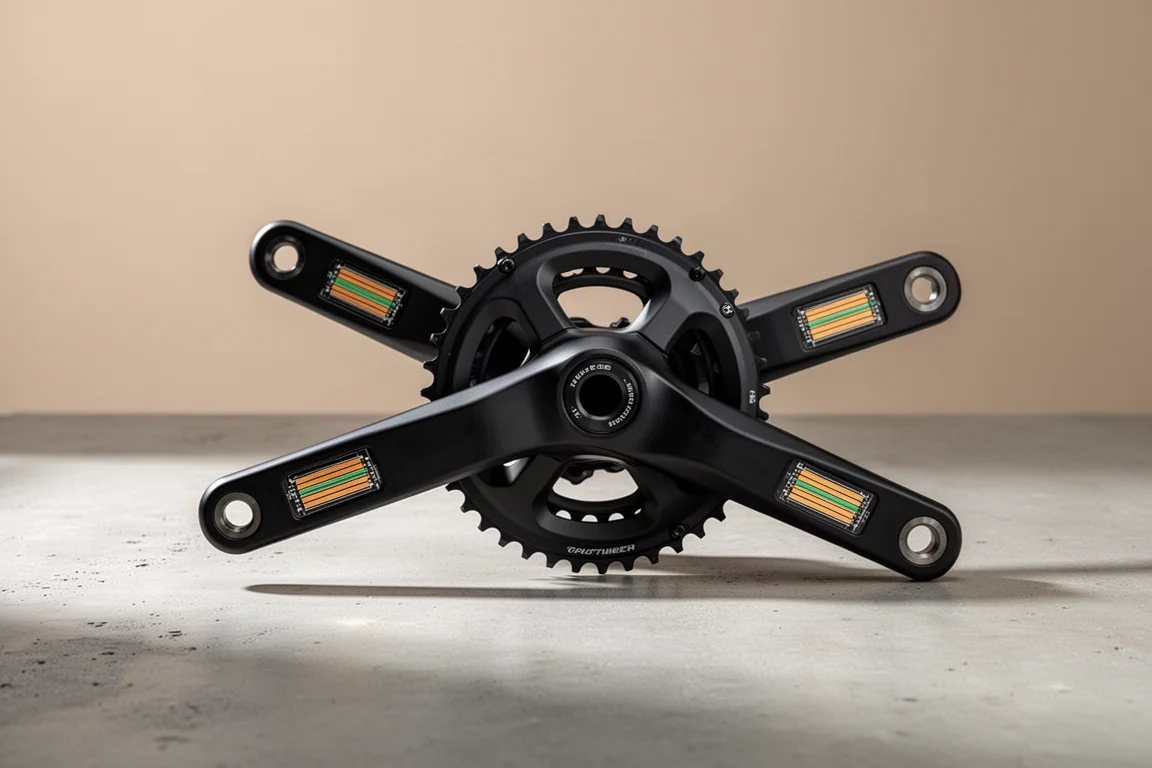
With a power meter, the only specification that truly matters is accuracy. Everything else, from app connectivity to battery life, is secondary if the wattage numbers themselves are wrong. After more than eight months of testing this unit against virtually every other major power meter on the market, as well as smart trainers, both on my own bikes and with datasets from other riders on other units, the conclusion is difficult to avoid: this unit simply is not accurate, and several of its problems would each be a deal breaker on their own.
How It Was Tested
The testing approach was simple: run the Shimano power meter simultaneously alongside trusted references such as Wahoo KICKR smart trainers, Garmin Rally pedals, and Favero Assioma pedals on the same ride, then compare the datasets. That comparison was repeated across dozens of rides, multiple trainers including the KICKR V5, KICKR V6, and other units, and over eight months of riding. Datasets from other riders, some on entirely different units and continents, showed the same patterns, which rules out a single faulty sample or a specific setup quirk.
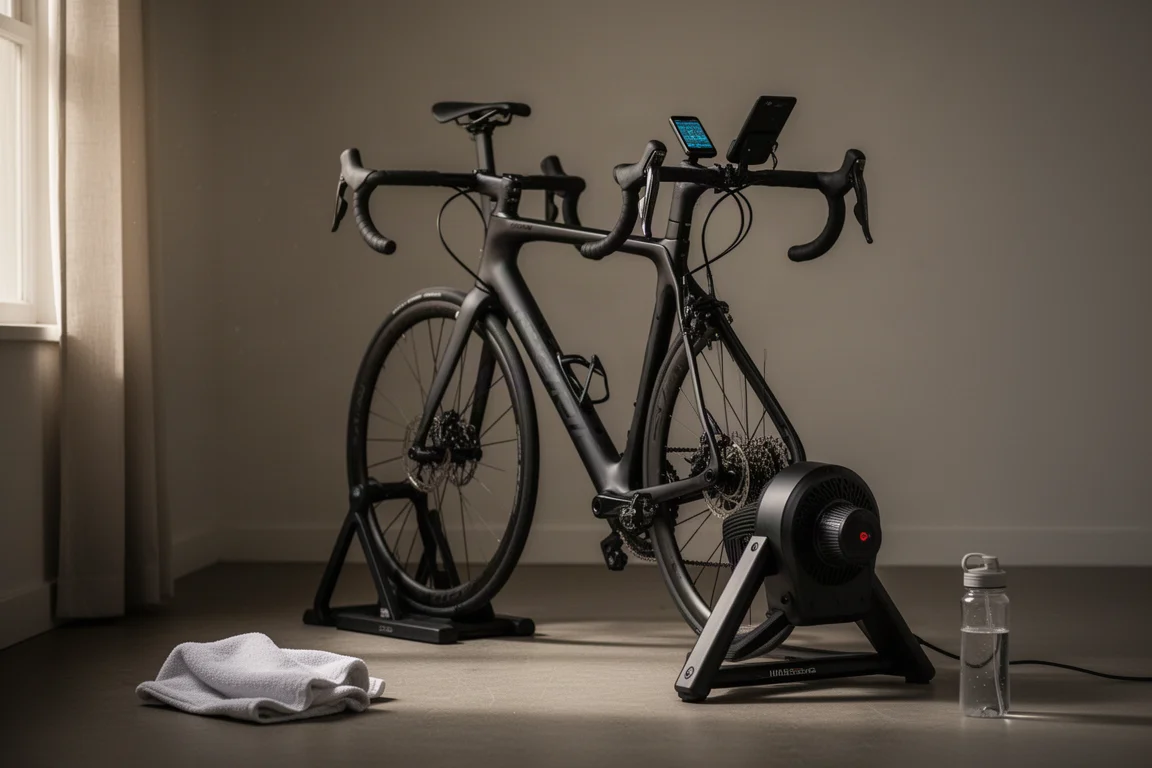
Notably, these problems are not caused by interference. Heart rate sensors paired to the same head units continued recording through the same rides without dropouts, and the issues reproduced across dozens of different bike computers and head units.
Problem 1: Small Chainring Inaccuracy
The most fundamental flaw: whenever the bike is in the small chainring, the reported power inflates by roughly 15 to 20 watts. In structured trainer sessions that alternated between rings every interval, the data skewed immediately every time the small ring was engaged, while the reference units stayed consistent. A reader-contributed dataset on a Tacx Neo 2T with Garmin Vector 3 pedals showed the exact same offset while riding entirely in the small ring.

This is not a quirk you can ride around. Mountain climbing demands the small ring, and a Pro Tour rider doing repeated mountain stages would be inflating power by 20-plus watts exactly when data matters most, on long climbs and time trial efforts.
Problem 2: Right-Side Dropouts During Sprints
A dual-sided power meter measures each leg independently, but during sprints or sharp power surges on the right, drive side, this unit drops out by roughly 100 watts. In one dataset with five sprints, four of them registered far low on the right side, with only the fifth reading correctly. That unpredictability is the real problem: you never know which sprint was measured accurately.
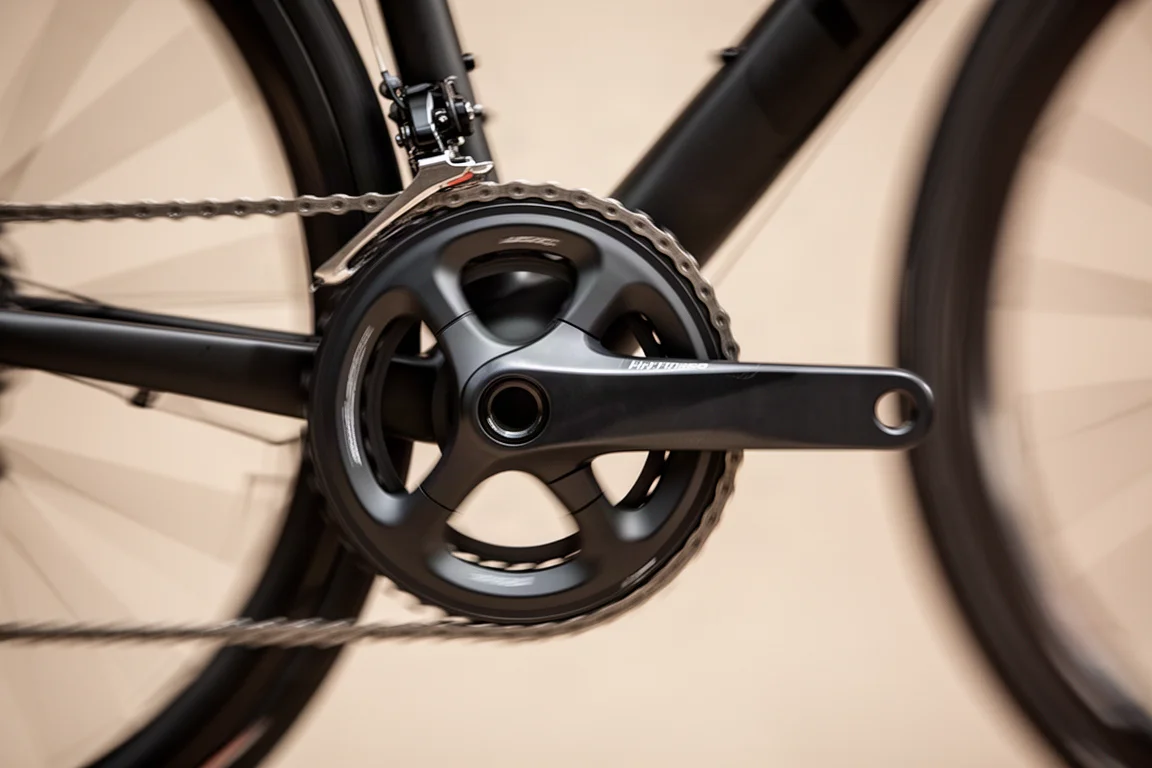
The comparison units, a Wahoo KICKR V5 and Favero Assioma pedals in the same test, tracked correctly on the same surges, confirming the fault lies with this unit rather than the bikes or head units.
Problem 3: Phantom Power While Not Pedaling
On an easy ride where brief soft-pedaling moments occurred, the Shimano unit kept reporting power as if pedaling had never stopped, even while its own cadence data showed pedaling had stopped. This happened consistently across every soft-pedaling pause in the test, and other riders have reported the same pattern on different units through different distribution channels.

The consequence is data that reads more optimistic than reality, which becomes especially serious in a large peloton where riders frequently stop or ease pedaling to gain draft.
Problem 4: Laggy Sprint Detection and Cadence
When pedaling stops entirely and then a sprint begins, the unit takes roughly three to four seconds to catch up, undercutting short sprints by hundreds of watts before it registers the effort. The cadence sensor itself also lags by two to three seconds, which compounds problems throughout the dataset. Easy-pedaling sections are handled poorly as well, with dropouts and inconsistent readings that make low-intensity data unreliable.
The Full List of Issues
Taken together, the recurring problems are:
- The right (drive) side drops out during sprints and power surges, cutting roughly 100 watts.
- The small chainring inflates power by roughly 15 to 20 watts.
- The unit keeps reporting power even after you stop pedaling, despite registering the cadence stop.
- Short sprints after a pedaling pause can be undercut by hundreds of watts.
- Easy pedaling is handled inconsistently, with dropouts and erratic readings.
- The cadence sensor itself lags by two to three seconds.
Any one of these on another power meter would typically be a deal breaker. Here, all of them appear in the same product.
Why This Matters for Training and Racing
For anyone who trains with data, these faults corrupt the numbers at exactly the moments that matter: climbs, sprints, recovery segments, and group riding. This is the second generation of the unit, and the firmware has not been updated since last May, with version 4.10 being the most recent, the same version used throughout testing. Industry insiders familiar with the unit’s internals suggest the electronics rather than the crank arm or strain gauges may be the root cause, and a basic big-ring versus small-ring cross-check is standard testing for any power meter maker, which makes the persistence of these issues hard to explain as an oversight.
Should You Buy It?
For most riders, the practical advice is straightforward: look elsewhere. Many mid to high-end bikes come equipped with this unit already installed, often at roughly a thousand dollars of additional cost, and frequently without the option to remove it. For that same budget, or even half of it, there are far more accurate and capable power meters available. If accuracy is the entire point of a power meter, and it is, this unit fails that single most important test.
Conclusion
After eight months of comparative data, across multiple trainers, head units, and independent datasets from other riders, the verdict is consistent: the Shimano power meter is unreliable for training and racing. If you are choosing a power meter deliberately, there are better-tested and more trustworthy options at similar or lower prices.
Product link
View more details for Shimano Power Meter
This product is mentioned in the review. Check the specifications, options, and compatibility before buying.
View more details for Shimano Power MeterFurther reading
Related Reviews
Power Meters
Favero Pro RS and Pro MX2 Power Meter Pedals: Two Systems, One Architecture
A practical look at Favero's road and off-road power meter pedal systems, covering shared build quality, durability, fit, battery life after the firmware update, and value.
Power Meters
Favero Assioma Pro RS and Pro MX: The Power Meter Pedals to Beat
Favero's new Pro RS road pedals share the proven Pro MX spindle, adding a slimmer body, standard road Q factor, longer battery life, and swappable spindles.

Backpacking Gear
Building a 10 lb Base Weight: An Ultralight Backpacking Gear List
A practical walkthrough of the ultralight pieces behind a 10 lb base weight, from a 765 g pack and a roomy one-person tent to a full camp chair and a dependable water filter.