Power Meters
Favero Pro RS and Pro MX2 Power Meter Pedals: Two Systems, One Architecture
A practical look at Favero's road and off-road power meter pedal systems, covering shared build quality, durability, fit, battery life after the firmware update, and value.
Introduction
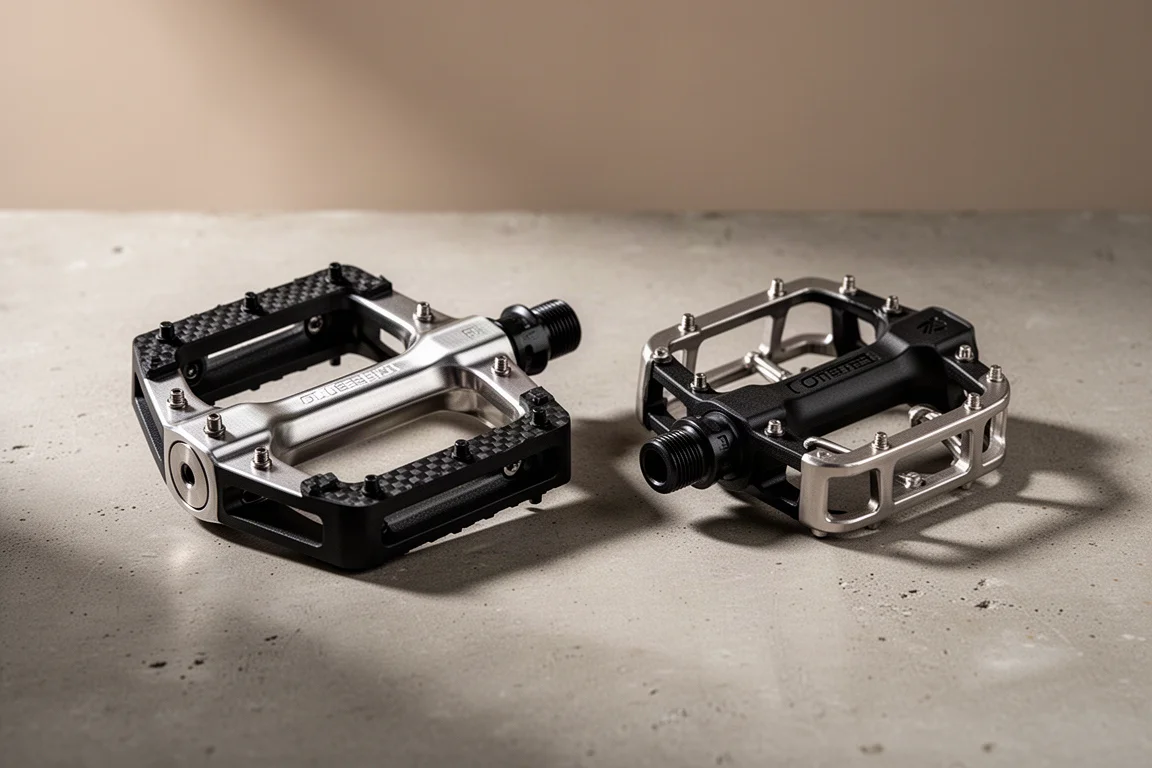
Power meter pedals appeal for two reasons: they move between bikes, and they measure both legs. Favero’s Pro RS and Pro MX2 take that idea in two directions, one road-oriented and one off-road, while sharing the same internal architecture. After months of daily use across trails, gravel, commuting and indoor sessions, the two systems have shown clearly what they have in common and where the choice between them actually matters. This roundup covers build quality, durability, fit, battery life and accuracy so you can decide which one fits your riding.
What Both Pedal Systems Share
Both systems use the same construction architecture. The axle is fully removable, the body is well sealed, and the design is built to resist water ingress. That shared foundation is the reason reliability and consistency carry over from one system to the other.
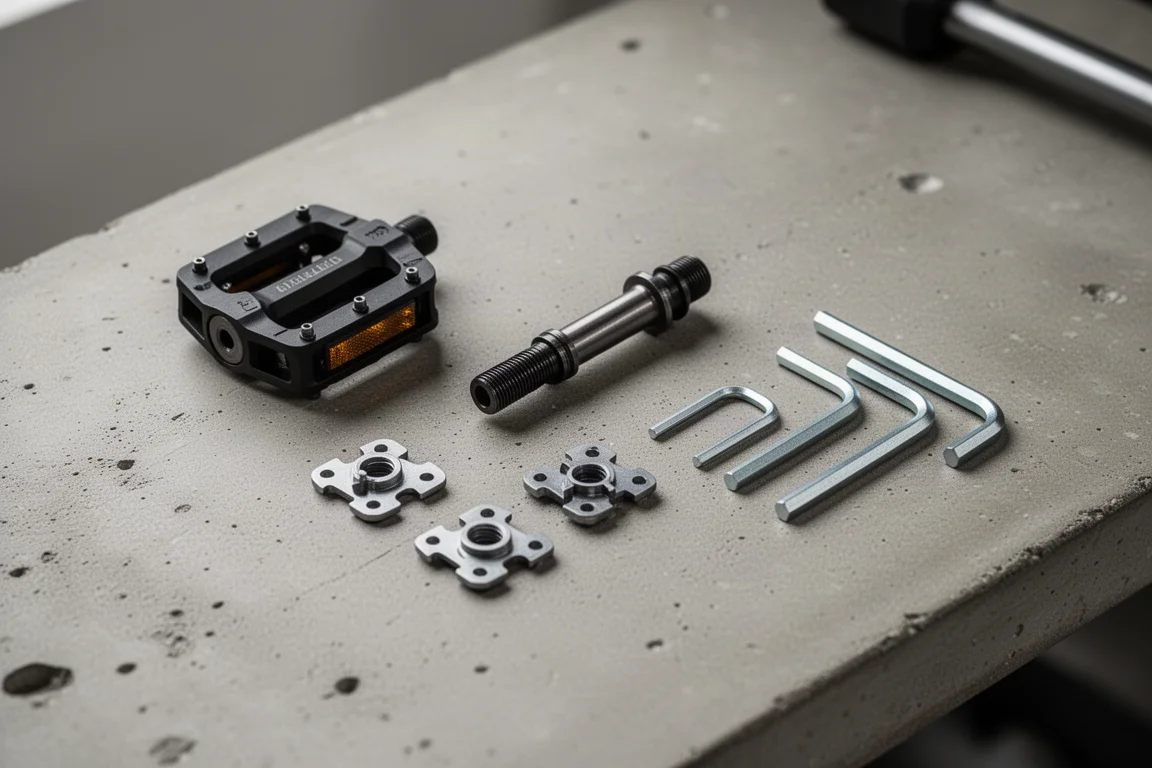
The replaceable design is the standout feature. The pedal body, the engagement plates and most of the moving parts can be replaced individually, so clanging a pedal on a rock or a curb does not mean buying a whole new set. Refreshing a worn system costs a fraction of a new pedal and adds real longevity.
Connectivity is equally straightforward. The pedals pair with a bike computer immediately, start transmitting without a calibration ritual, and behave the same way every ride. Both systems use an identical charging port, so a rider running a road set and an off-road set needs only one cable. Both measure power from each side and report left and right balance.
Favero Pro MX2: The Off-Road Power Meter
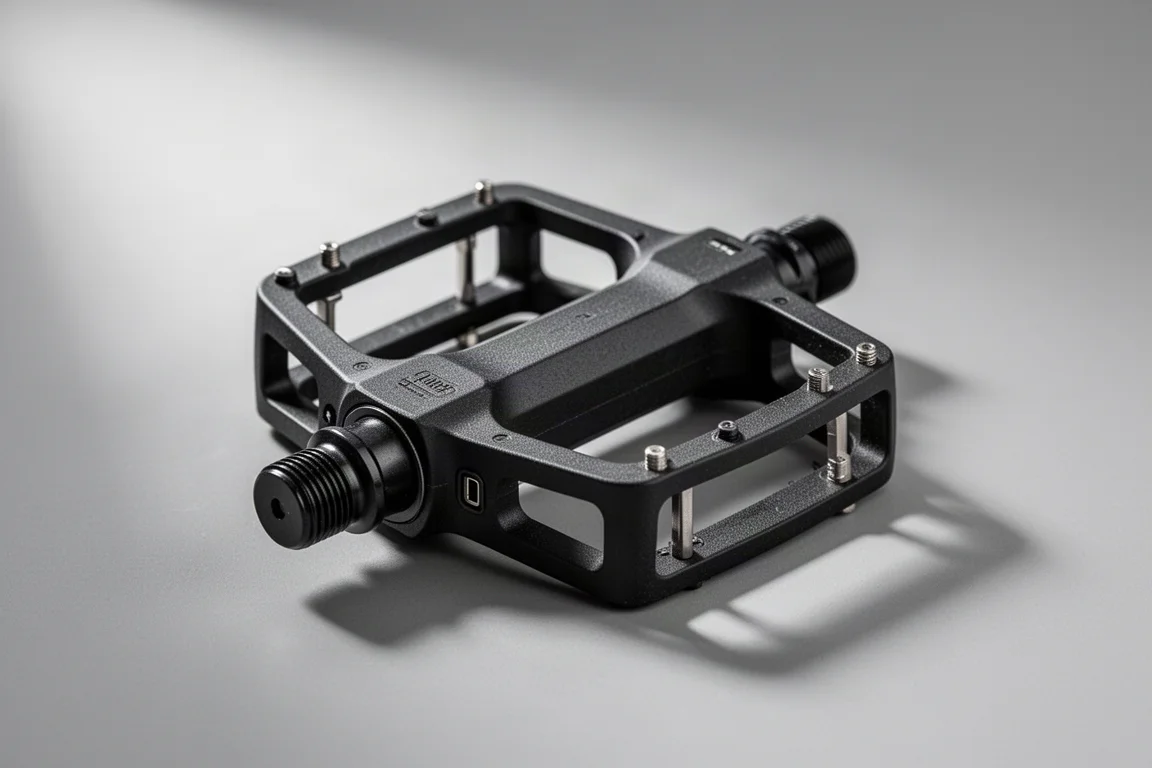
The Pro MX2 is the off-road option. Its platform broadly follows a Shimano XT-style SPD pedal: a similar shape, slightly heavier, but not by much. It has been ridden daily for months on mountain bike trails, on a gravel and commuting bike, and through a very wet winter of mud, filth and standing water.
Through all of that, engagement has stayed positive and crisp, there has been no sign of water ingress, and connectivity has not dropped out. Bearing quality remains sound. The durability has matched the demands of everyday off-road riding rather than fair-weather use alone, and the replaceable plates mean the contact points can be renewed instead of replaced entirely.
Favero Pro RS: The Road Power Meter
The Pro RS is the road counterpart. It broadly follows a Shimano SPD-SL design, ships with its own cleat, and is also compatible with official Shimano cleats. If you already ride a road pedal system, the transition is close to invisible: the same clipping motion, the same feel underfoot, no new muscle memory to build.
Because the internals mirror the MX2, the same traits carry across: sealed construction, replaceable parts, immediate pairing and dual-sided measurement. The RS is the version to choose if your riding is predominantly on tarmac and you want road pedal ergonomics with power data built in.
Fit, Stack Height, and Stance
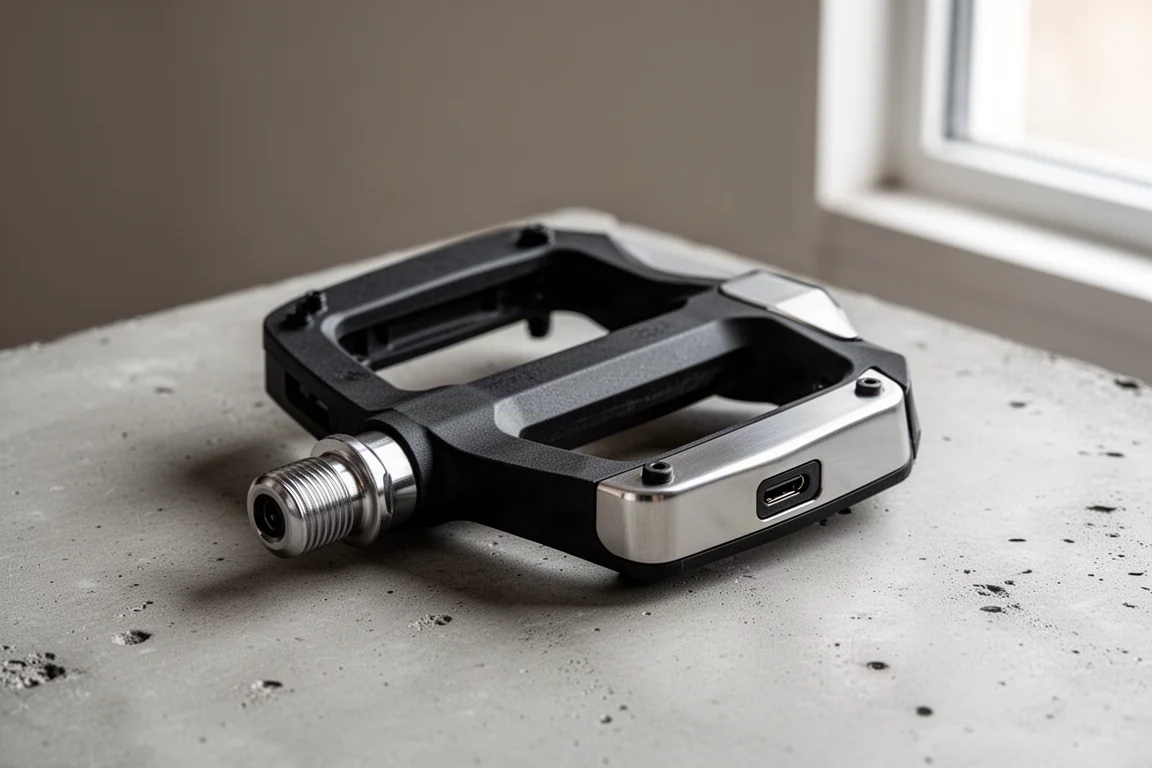
Both pedals sit at 17.2 mm of stack height. That is deeper than an XT or XTR pedal and roughly the same as an M520 or M540 SPD, and the extra depth is what houses both the bearings and the electrical internals. In practice, the same saddle height used with a Shimano pedal worked without any noticeable difference. Riders who track saddle height very closely may want to raise it by around 2 mm, though the effect is small.
Stance is the more meaningful fit detail. Both systems match their Shimano equivalents rather than widening the stance, which matters for smaller riders in particular. A dramatic increase in stance can contribute to knee or saddle discomfort, so keeping the familiar position is a genuine advantage. A washer can be added for riders who want a wider stance, and thread engagement is generous enough to allow it.
Battery Life, Charging, and Firmware
Battery life has been a non-issue. At roughly six to eight hours of riding per week across commuting, trails and indoor sessions, the pedals went six to eight weeks between charges.
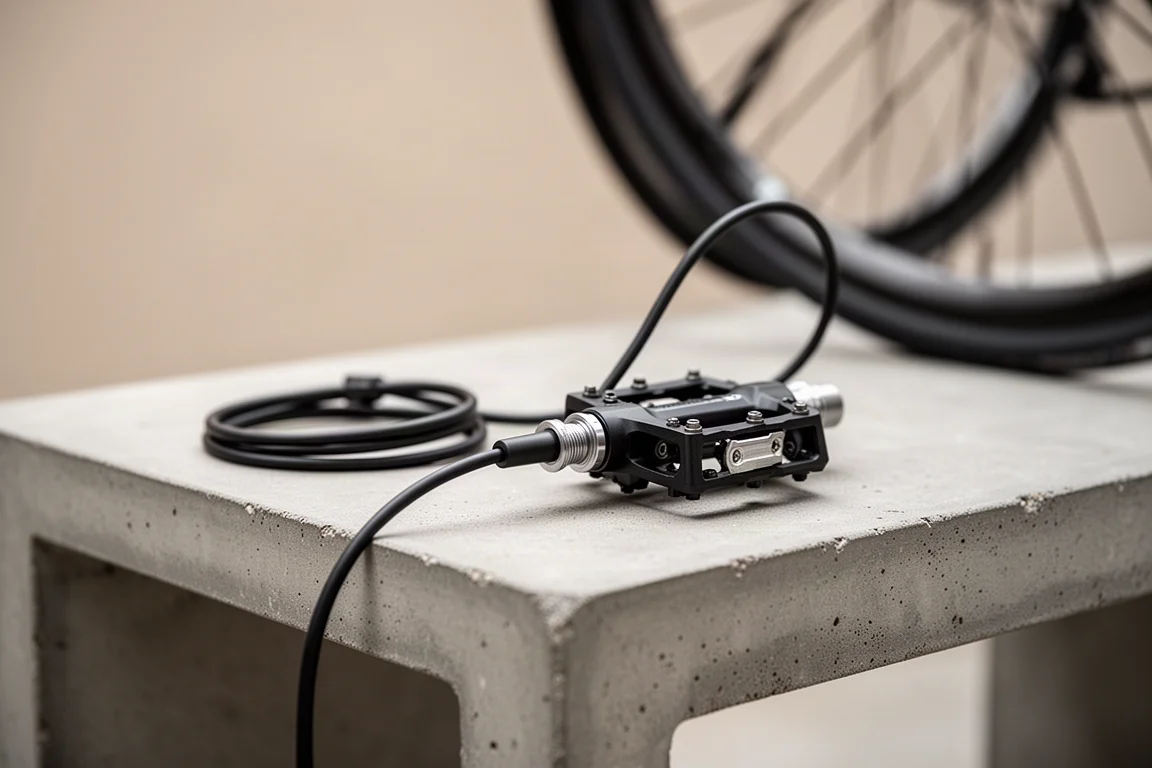
A free firmware update delivered through the app, available on both Apple and Android, changes the picture further. It extends quoted battery life from 60 hours to 160 hours and adds a fast charging cycle that provides around 15 hours of ride time from a 15 minute charge. The update is available to anyone with a set of these pedals and is installed directly through the app, with nothing to send away.
Accuracy and Consistency
Favero quotes accuracy of plus or minus 1 percent. Benchmarked against a Tacx Neo indoor trainer, the power figures matched within a few watts, which is consistent with that claim. Readings have also been repeatable from ride to ride, and repeatability matters more than a single impressive number: consistent data is what makes training decisions useful.
Overall Buying Advice
Pricing sits at $599.99 for the Pro MX2 and $649.99 for the Pro RS. For dual-sided power measurement with left and right balance, replaceable hardware and battery life that will soon stretch to 160 hours, both represent good value at a time when power meters have become considerably more affordable.
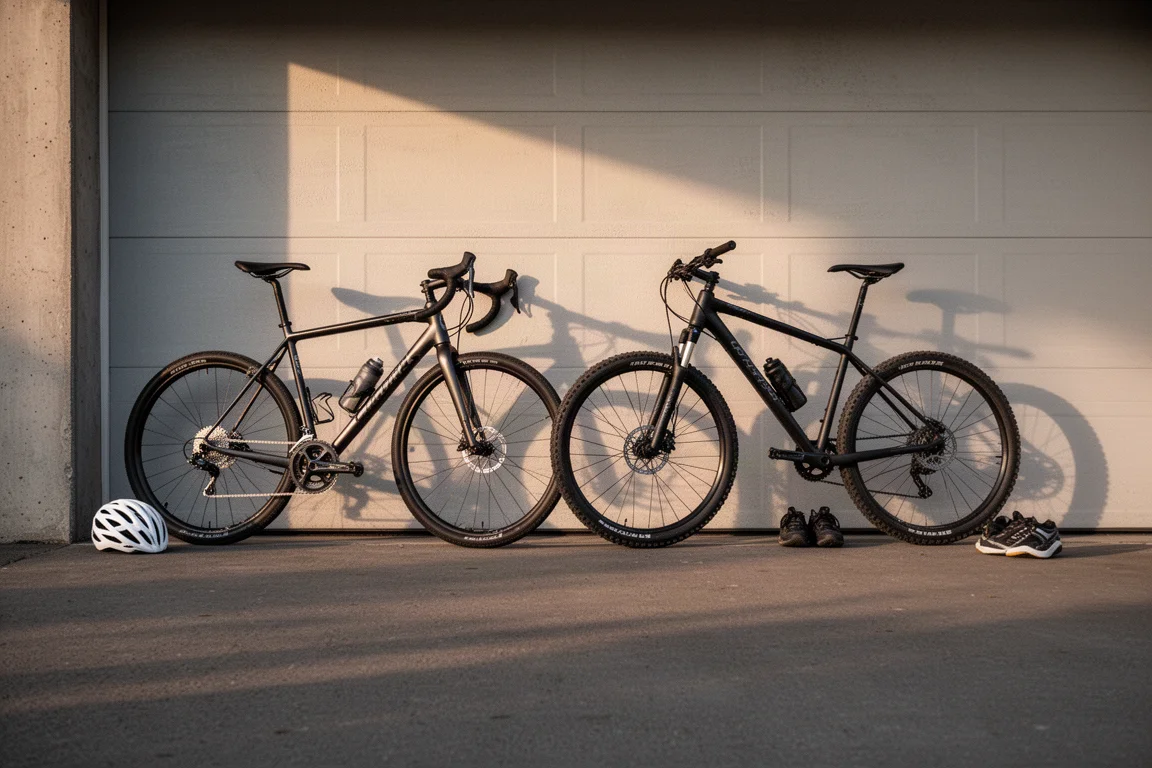
Choose the Pro MX2 if your riding is mostly off-road, or if you want one set that can move between a mountain bike and a gravel or commuting bike. Choose the Pro RS if you ride predominantly on the road and want a road pedal platform with Shimano cleat compatibility. Because the two share the same architecture, accuracy and reliability should be comparable whichever side of that divide you land on.
Conclusion
The Pro RS and Pro MX2 do not try to reinvent the power meter pedal. They take a well-sealed, fully serviceable design and offer it in road and off-road forms, with immediate pairing, dual-sided data and battery life heading towards 160 hours. For riders who want power numbers without extra maintenance rituals, both are worth a close look.
Further reading
Related Reviews

Backpacking Gear
Building a 10 lb Base Weight: An Ultralight Backpacking Gear List
A practical walkthrough of the ultralight pieces behind a 10 lb base weight, from a 765 g pack and a roomy one-person tent to a full camp chair and a dependable water filter.

Road Bikes
10 New Road Bikes Worth Watching: Aero, Titanium, Steel and Endurance Standouts
A practical roundup of 10 new road bikes, from aero flagships chasing single-watt gains to titanium, steel and endurance platforms built for real roads.
Saltwater Aquarium Setup
10 Questions About Cycling a Saltwater Aquarium: What You Need to Know
Essential questions and answers for cycling a reef tank or saltwater aquarium, from biome building to light management and bacterial supplements.