Power Meters
Favero Assioma Pro RS and Pro MX: The Power Meter Pedals to Beat
Favero's new Pro RS road pedals share the proven Pro MX spindle, adding a slimmer body, standard road Q factor, longer battery life, and swappable spindles.
Introduction
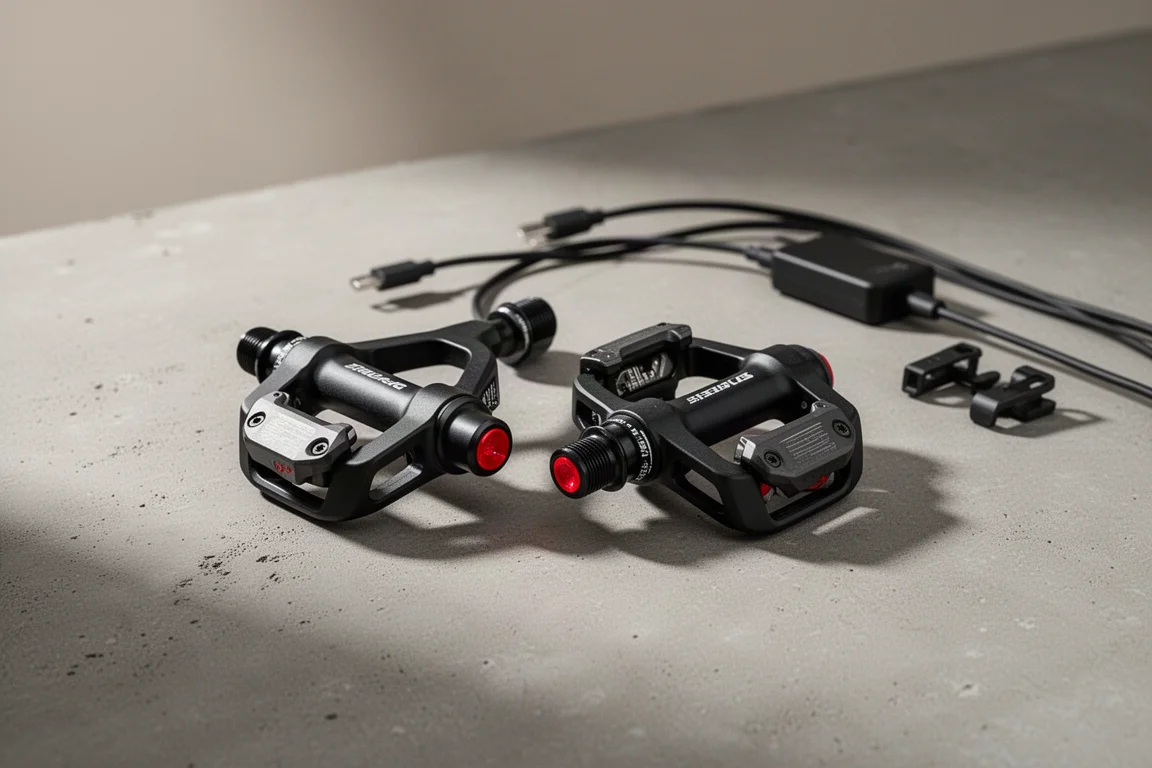
Favero’s latest road pedals, the Assioma Pro RS, are refreshingly straightforward to explain. They take the power meter spindles from the Assioma Pro MX pedals released about a year and a half ago and put them into SPD-SL style road pedal bodies. Even Favero describes it as exactly that simple, and the company notes you can do the swap yourself if you want.
The result is a road-ready power meter pedal built on a spindle design with nearly two years of strong real-world track record. The Pro RS also moves to a standardized road Q factor, claims 60 hours of rechargeable battery life, adds platform center offset via a redesigned spindle, and lets you swap spindles between road and SPD pedal body types.
What Is New on the Pro RS
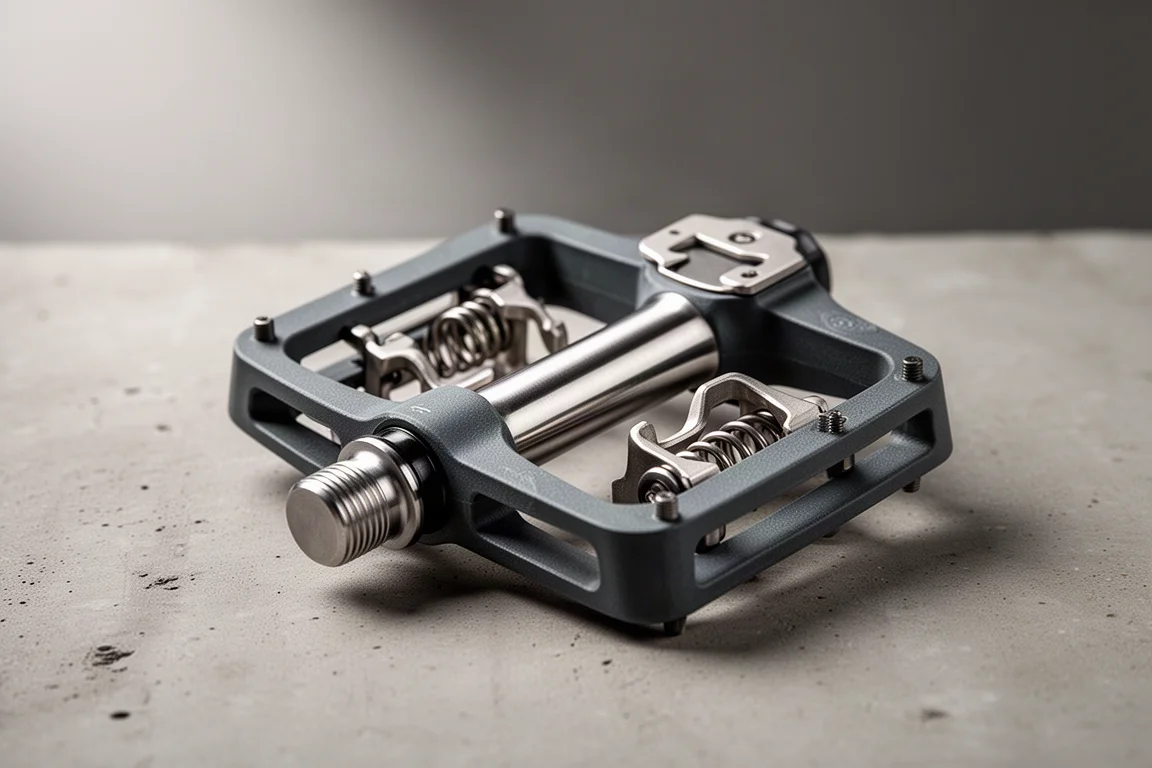
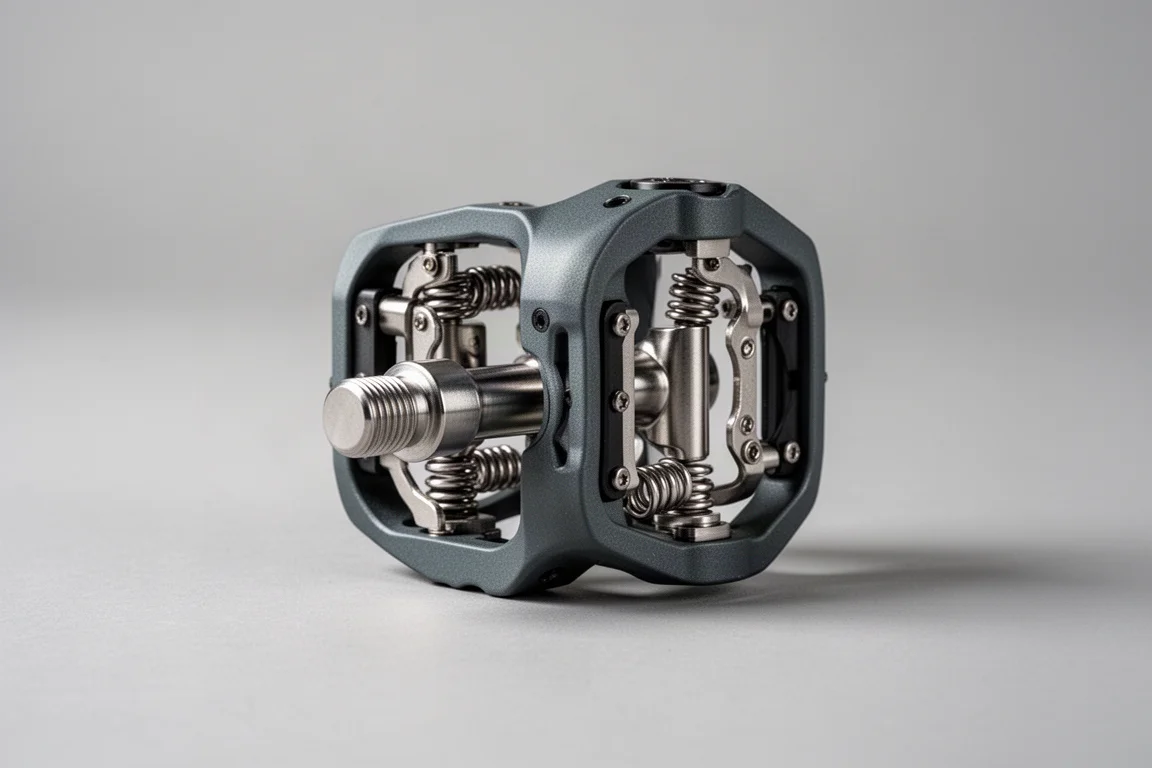
Compared with the older Assioma Duo, the pod hanging off the pedal is gone. All of those components are miniaturized and packed inside the middle of the pedal spindle. The do-it-yourself assembly of the previous SPD-SL version is also history; you now simply buy a finished pedal.
Two headline changes stand out. Battery life claims rise from 50 hours to 60 hours, which roughly matched real-world use, and charging now runs through a USB-C clip rather than micro USB. The redesigned spindle also enables platform center offset, part of the broader cycling dynamics suite that the older strain gauge layout could not support.
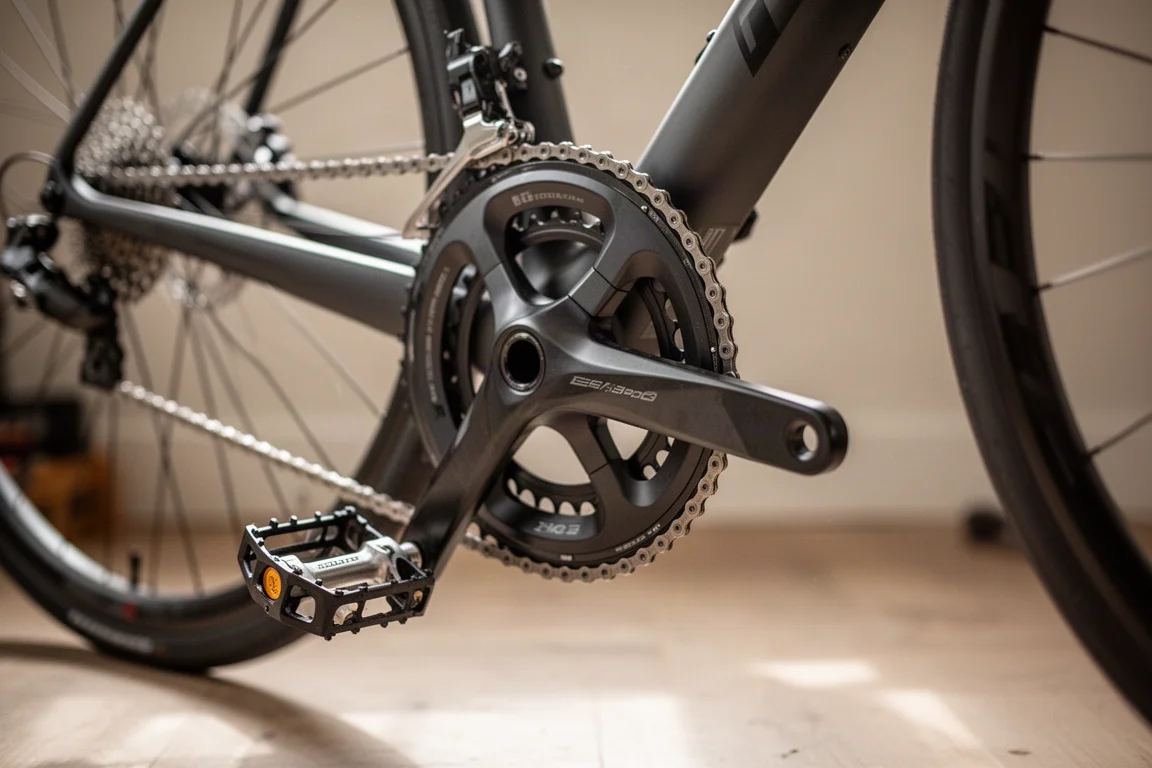
On the specs front, two numbers define the Pro RS against the shared spindle platform: stack height drops to 10.5 mm, and weight comes down to 123.5 g per pedal. That is virtually identical to Shimano’s Ultegra pedal, itself the reference point, and only around 8 to 10 grams shy of Dura Ace, despite carrying a full power meter inside. The accuracy claim is plus or minus 1%.
Setup and Everyday Use
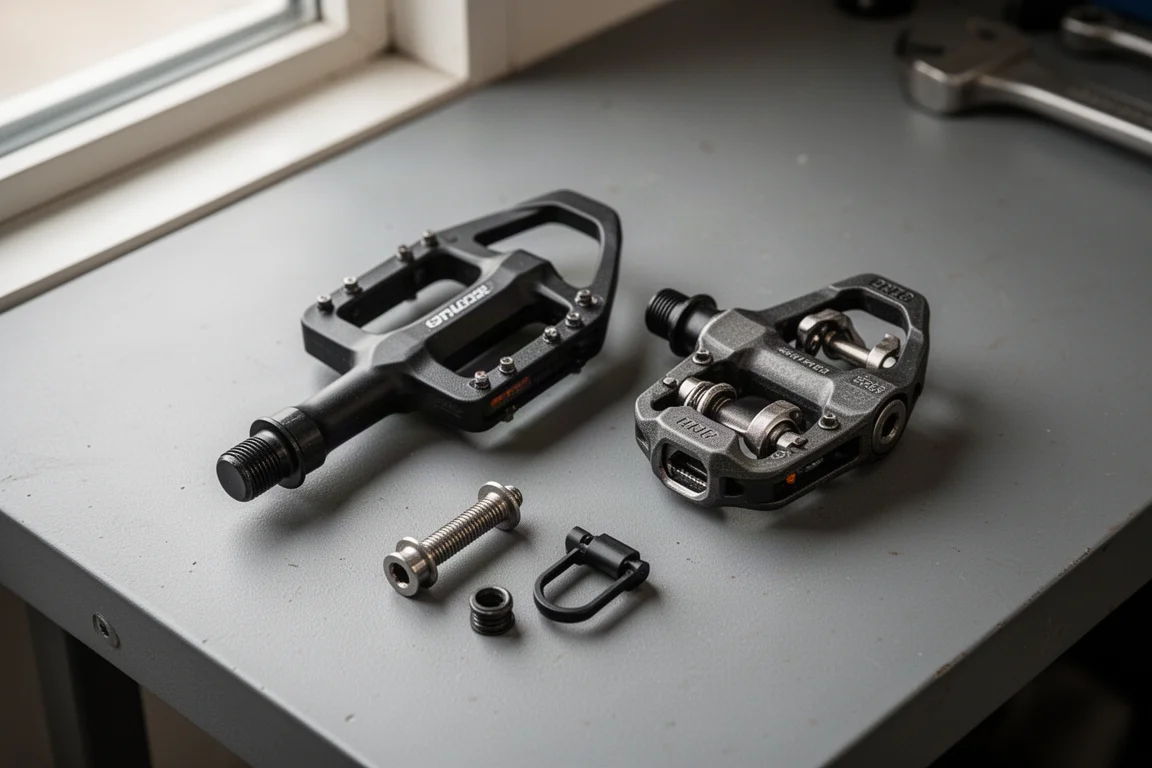
Inside the box you get the pedals, a charging cable with removable connectors (so you can use your own USB-C cable if you like), a pair of Shimano SPD-SL cleats, a small grease kit, and paperwork. Installation uses a pedal wrench, and a few short sprints after mounting helps seat them properly.
First use requires a cable connection to wake the pedals from sleep mode, then a quick pass through the Favero app. Setting crank length correctly is the critical step here; it is printed inside the crank arm, and getting it wrong makes the power readings inaccurate.
The pedals connect via ANT Plus or Bluetooth Smart. ANT Plus carries more data, and on Garmin devices even more again, since Garmin is currently the only head unit maker that has implemented the full cycling dynamics standard, including pedal smoothness, torque effectiveness, and platform center offset. Wahoo units capture power, cadence, and left-right balance, which covers most practical needs.
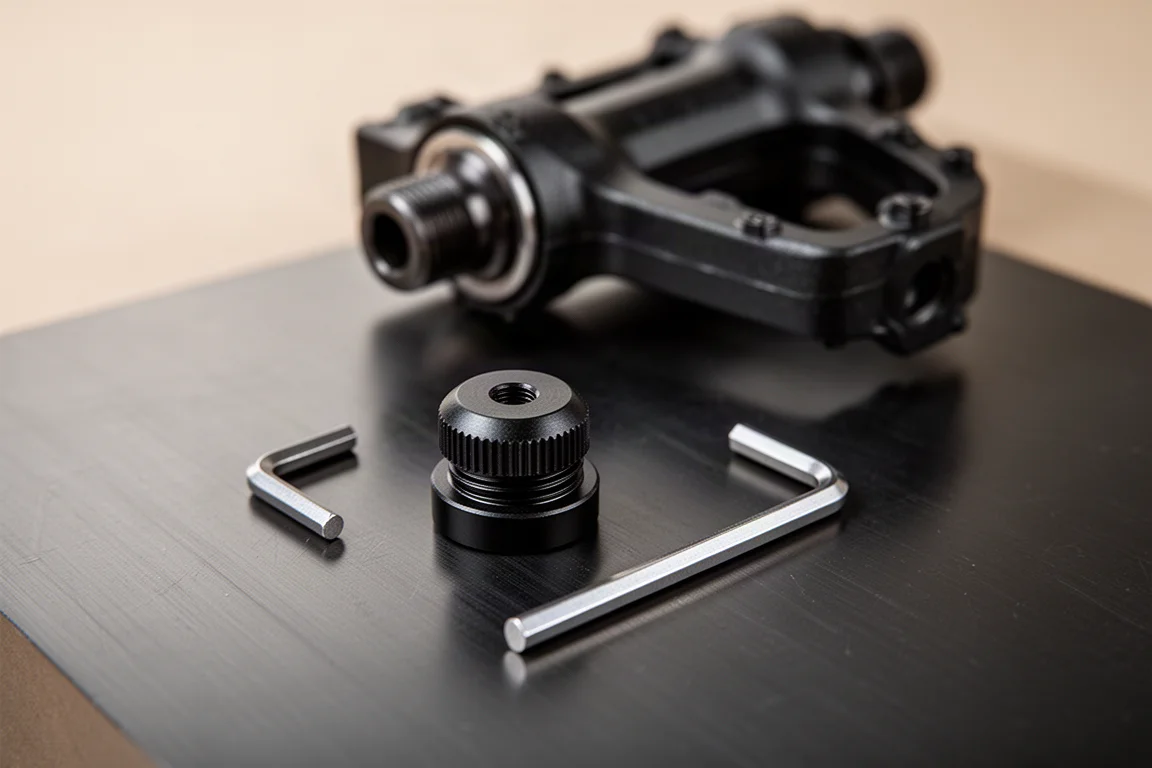
One of the best parts of this spindle platform is its flexibility. With an Allen key, you can pop the cap off a pedal body and slide the spindle out in seconds, then drop it into an SPD body purchased separately. The red cap can even be swapped for black if that suits your bike better.
Accuracy Testing
Accuracy testing across structured indoor workouts, indoor simulation rides, and multiple outdoor rides shows the spindle design performing extremely well. Against a smart trainer in structured workouts, the pedals tracked virtually identically, with only slight differences at the top end of the mean max curve from the rawer, less-smoothed pedal data.

On simulation workouts and a 90 km outdoor ride against a rival crank-based power meter, the pedals stayed within a couple of watts across the board, with long 5 and 10 minute efforts roughly a watt and a half apart on a mountain ride. The rival unit occasionally showed a zero-offset quirk after standing stops; the Favero pedals never showed it across nearly two years of data on this spindle design.
Buying Advice
The Pro RS and Pro MX are hard to argue with. Compared with Garmin’s Rally pedals, battery life is roughly half, but Garmin uses coin cells while Favero uses a sealed rechargeable design, and dropout issues on coin-cell pedals were solved years ago, so this is largely a preference choice.
The more relevant difference is price. These pedals cost a couple hundred dollars less than Garmin’s, work just as well, and replacement parts are far cheaper: a replacement pedal body from Favero is $49 versus $129 to $199 from Garmin, and the same gap applies across much of the accessories list.
For riders who value affordable replacement parts and a proven, accurate spindle, these are the power meter pedals to buy.
Conclusion
The Assioma Pro RS is less a revolution than a refinement: the trusted Pro MX spindle in a lighter, slimmer road body with standard Q factor, longer battery life, USB-C charging, and full cycling dynamics support. With accuracy that rivals anything tested and a clear cost advantage on both the pedals and their parts, they earn an easy recommendation for most riders.
Further reading
Related Reviews
Power Meters
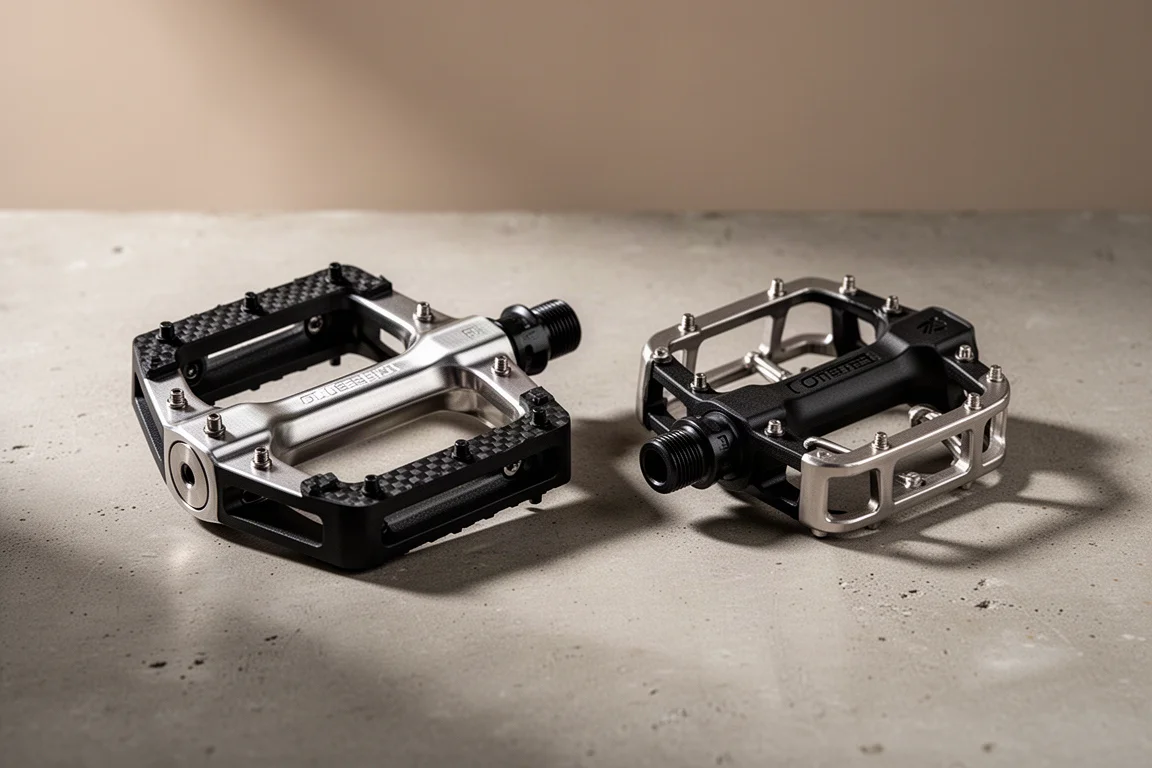
Favero Pro RS and Pro MX2 Power Meter Pedals: Two Systems, One Architecture
A practical look at Favero's road and off-road power meter pedal systems, covering shared build quality, durability, fit, battery life after the firmware update, and value.
Power Meters
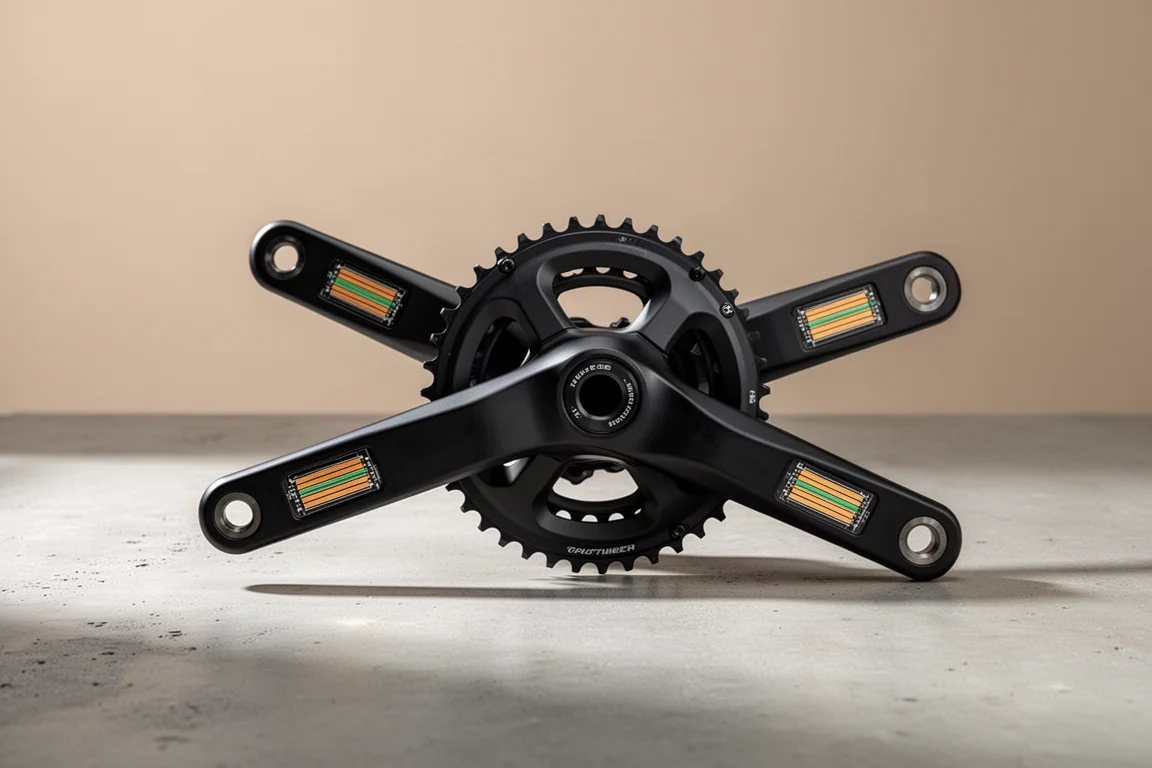
Shimano Power Meter Review: An Accuracy Problem You Should Know About Before Buying
Eight months of side-by-side testing against trusted power meters and smart trainers reveals serious, repeatable accuracy problems with the Shimano power meter.
Cycling
2026 Bike of the Year and the Cycling Gear Worth Watching
A drop bar roundup for 2026 covering the Ridley Kanzo Fast 2.0, Shimano Dura-Ace Di2 R9300, Trek Checkpoint ALR Gen 3, Specialized Tarmac SL9, Garmin Fenix 9 and Insta360 X6.