Gravel Bike Groupsets
Shimano GRX RX825 Di2 Review: Wireless 12-Speed for Gravel
A clear look at Shimano's 12-speed electronic gravel groupset, from wireless shifters and a clutch rear derailleur to weights, gearing limits, and launch pricing.
Introduction
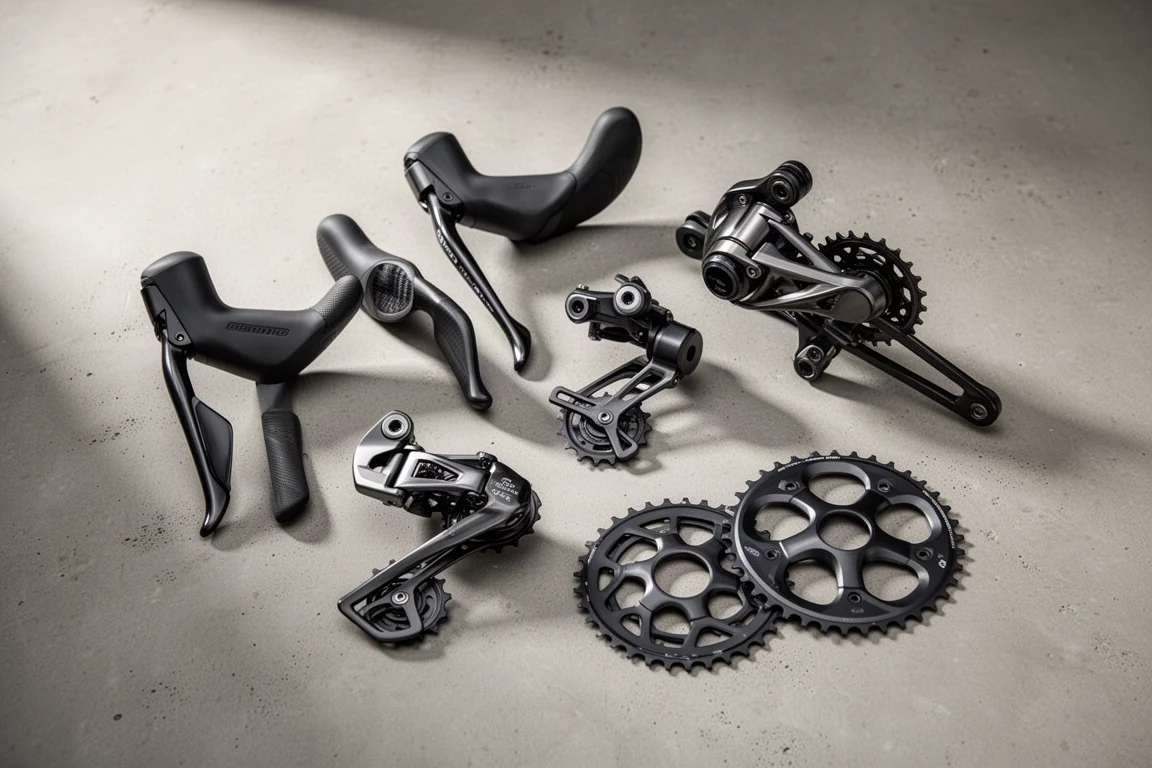
Shimano’s GRX range has always been a blend. Gravel riding mixes road and dirt, so the line has drawn from both road and mountain bike components, with bespoke gravel parts appearing only where they genuinely changed the ride. The new RX825 Di2 follows that logic, but it also brings something the range has not had before: wireless shifters.
Only three parts here are completely new, namely the levers, the rear derailleur, and the front derailleur. Everything else is shared with existing Shimano platforms, which is why a Shimano chain remains a Shimano chain and works with a Shimano cassette whether that cassette came from a road or a mountain bike groupset.
The headline is that this is a 12-speed electronic gravel groupset with wireless controls, a clutch rear derailleur, and gearing aimed squarely at mixed surfaces. Below is what the specification actually means in practice.
Who This Groupset Is For
This groupset is for gravel riders who want electronic shifting with a clean, wireless cockpit and hardware that was designed around dirt rather than adapted from a road setup.
It will appeal most to riders who spend long days on loose surfaces and value reliable shifting under load, chain control over rough ground, and lever ergonomics that suit flared drop bars. The electronic platform also suits riders who like the idea of being able to program their controls rather than accept a fixed layout.

It is a less natural fit for anyone committed to a single chainring drivetrain. The rear derailleur accepts cassettes up to 11-36, which is generous but not large enough to drop the front derailleur and run one ring for most riders, so this generation of GRX Di2 is a two-by system.
Wireless Shifting With a Central Battery
The shifters communicate wirelessly with the rear derailleur, which acts as the master unit of the system. That derailleur is then wired to a centrally mounted battery, which in turn is wired to the front derailleur.
Shimano’s stated advantage of this arrangement is that the central battery can be larger, which makes it more powerful and longer lasting, and that there is only one battery to charge rather than two. Charging happens through a port on the rear derailleur itself.
The levers run on coin cell batteries instead. Shimano quotes a lifespan of roughly three and a half to four years for those cells, so the day-to-day charging routine is limited to a single point on the bike.
This is not a fully wireless system, since the derailleurs still depend on a central battery and wiring, but the cockpit is free of shift cables and the charging burden is consolidated.
Lever Ergonomics and the Third Button
The levers are the most distinctive part of any groupset, because they are the component you are in contact with even when you are neither shifting nor braking. The overall silhouette here is close to the previous generation, with a few small but meaningful changes.
Fitting the coin cell batteries made the top of the lever slightly larger, which adds a couple of welcome extra hand positions. The lever shape has also been revised to work better with flared drop bars, which are common on gravel bikes. The lever body is twisted slightly so that it still sits comfortably in the palm on a flared bar, and the lever blade flares outward to place the reach more naturally under the fingers.
Shimano has also applied an anti-slip coating to the brake levers. It is not rough and not sticky, but once you know it is there the lever surface feels noticeably grippier. The technology behind it came across from Shimano’s fishing division.
Then there is the third button, mounted on the side of the lever. Through the Shimano E-Tube app it can be programmed to do almost anything sensible. It can act as an additional shift button, or it can be paired with a third-party device such as a head unit so you can scroll through screens without moving your hands off the bars.
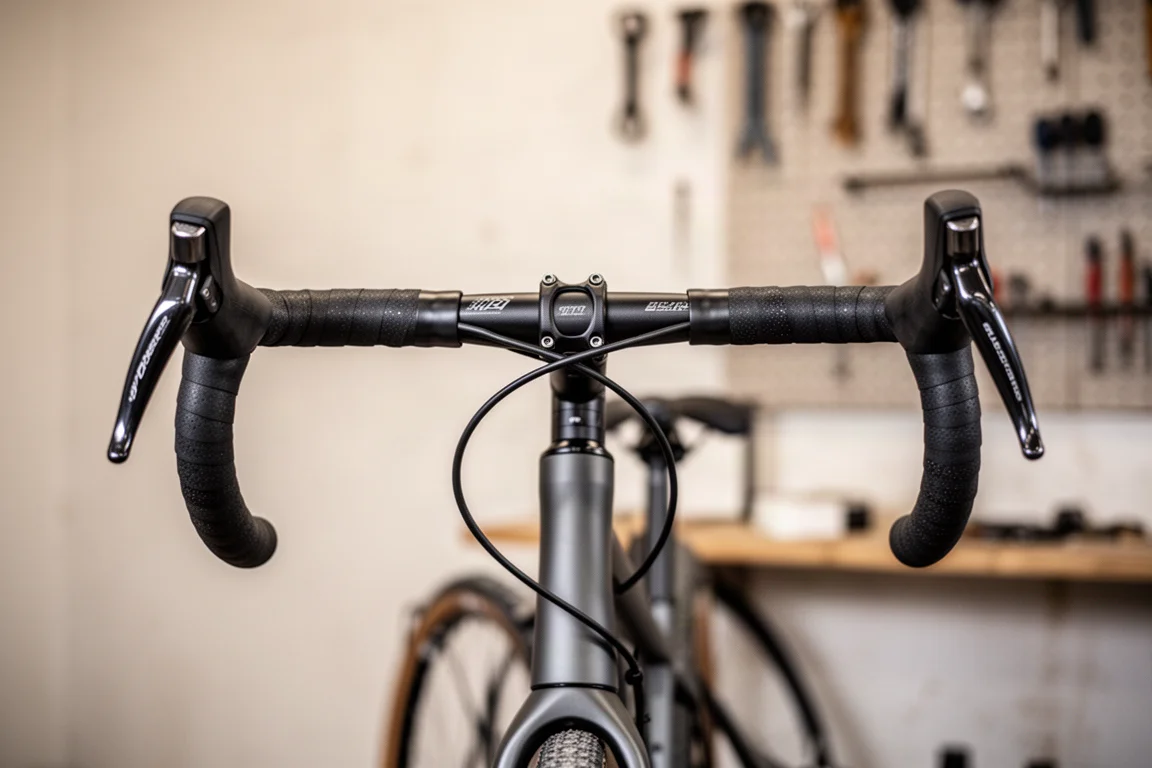
That level of configurability is unusual on a gravel groupset, and it is the part of the design most likely to change how you set up your bike rather than simply how it performs.
Clutch Rear Derailleur and Gravel Gearing
As with previous GRX rear derailleurs, this one differs from a road equivalent by including a clutch mechanism, which keeps the chain under control on bumpy terrain. A small switch lets you turn the clutch off, which makes removing and refitting the rear wheel easier.
The derailleur accepts 11-34 and 11-36 cassettes. Both are borrowed from the road range, and the 11-34 brings Shimano’s Hyperglide+ technology with it. That system smooths shifting under load into harder gears, while the long-standing Hyperglide design handles shifts under load into easier gears.
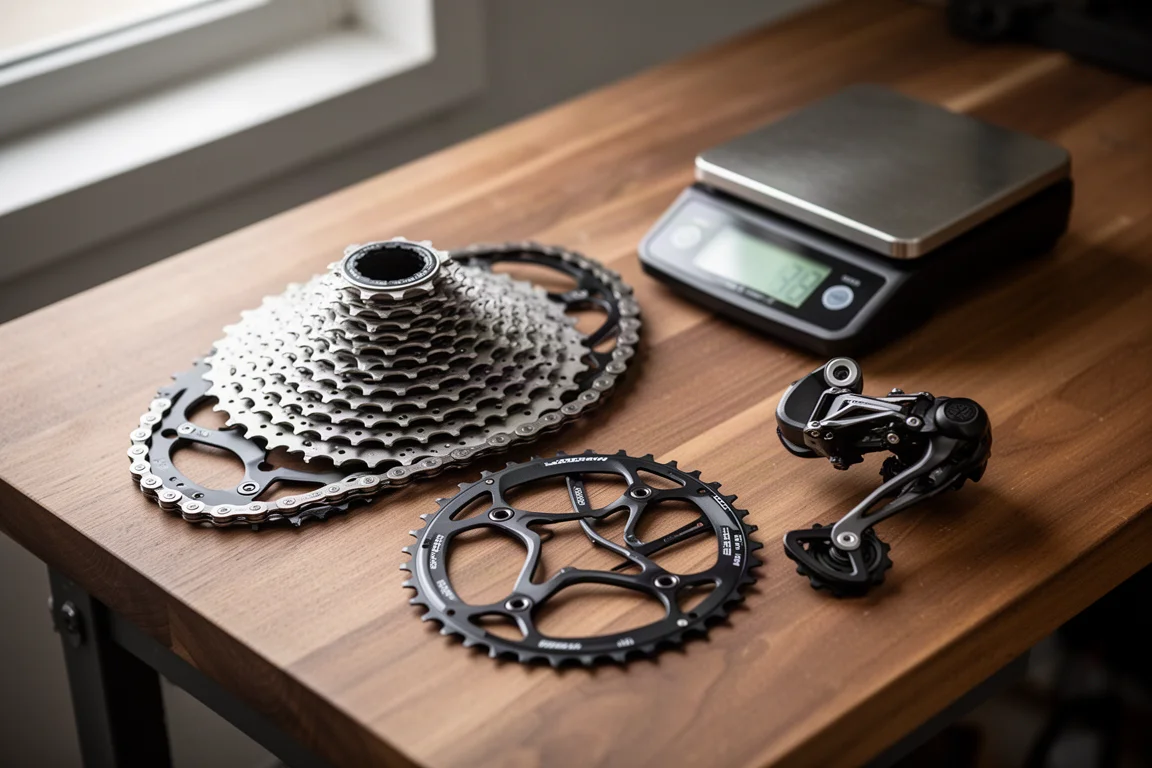
The rear derailleur pairs with the RX820 chainset released the previous year, which uses 48/31 chainrings. Riders who want slightly smaller gearing can use the RX610 chainset from the tier below, which runs 46/30 rings.
The front derailleur has been tweaked as well. Its chainline has been moved outboard by 2.5 mm, which creates clearance for wider tyres and improves mud clearance.
Weights, Pricing, and Front Shift Next
The three new components carry modest weight differences compared with the road equivalents. The levers are quoted at 410 g for the pair, roughly 20 g more than the equivalent road levers. The rear derailleur is about 50 g heavier than its road counterpart, a difference explained by the clutch mechanism that matters off road. The front derailleur is listed at 42 g and is broadly unchanged from the previous generation.
Pricing for a brand new standalone groupset always sounds high, and it is worth remembering that comparisons with discounted outgoing GRX stock are not like for like. The recommended retail price is €2,499 in euros and $2,533 in dollars, with UK pricing not announced at the time of launch.
For most riders the more relevant figure is the bike rather than the boxed groupset. Complete bikes equipped with this groupset are expected to sell for prices similar to builds with the outgoing 11-speed GRX Di2.
There is also a software feature worth knowing about. A Shimano E-Tube app update introduces Front Shift Next, which lets you program any button on the levers to act as a front shift button, both up and down. Shimano says this makes shifting simpler for less experienced riders, speeds up decision making for experienced ones, and leaves you with a spare button to reassign. The update arrives as a free firmware upgrade for all 12-speed drop bar Di2 groupsets, not just this one.
Small details have been addressed too. The pedals now carry GRX graphics for the first time, while underneath they remain a Shimano XT mountain bike pedal, so they match the rest of the groupset visually without changing the platform.
Things to Consider Before Buying
The most important limitation is drivetrain format. With a maximum cassette of 11-36, this is effectively a two-by groupset for most riders. Anyone who wants a single chainring with a very wide cassette range will need to look at a different solution.
The second consideration is the battery architecture. The cockpit is wireless, but the derailleurs rely on a centrally mounted battery and internal wiring, so installation and maintenance still involve routing and a charging port on the rear derailleur.
The third is the price of the standalone groupset. At €2,499 and $2,533 in recommended retail terms, buying the components separately is a significant outlay, and it is worth checking what a complete bike costs before committing.
Finally, the levers depend on coin cell batteries that Shimano expects to last three and a half to four years. That is a long interval, but it is still a service item to remember rather than a permanent solution.
Buying Advice
If you ride gravel seriously, want electronic shifting, and like the idea of a cockpit free from shift cables, this groupset is a well-reasoned option. The clutch rear derailleur is a genuine benefit on rough ground, the lever shape was clearly designed with flared bars in mind, and the programmable third button gives you room to set the bike up the way you want it.
The case for buying the groupset on its own is weaker than the case for buying a complete bike. Given that build prices are expected to be close to the outgoing 11-speed GRX Di2 bikes, a whole bicycle is often the more sensible route into this platform.
If you are committed to a single chainring setup, or you need a cassette larger than 11-36, this is not the groupset for you. For everyone else who wants two-by gearing, dependable shifting under load, and a wireless cockpit, the specification holds together well.
Conclusion
The GRX RX825 Di2 is an understated groupset. There are no dramatic gestures here, just a refinement of technology that Shimano has already proven elsewhere, applied to the specific demands of gravel riding. Grade A lever ergonomics, wireless controls, a clutch rear derailleur, and bombproof shifting are a genuinely coherent package.
The main things to weigh up are the two-by only format, the central battery wiring, and the price of buying components separately. If those points suit your riding and your budget, this is a confident, well-executed choice.
Product link
View more details for Shimano GRX RX825 Di2 Groupset
This product is mentioned in the review. Check the specifications, options, and compatibility before buying.
View more details for Shimano GRX RX825 Di2 GroupsetFurther reading
Related Reviews
Gravel Bike Groupsets
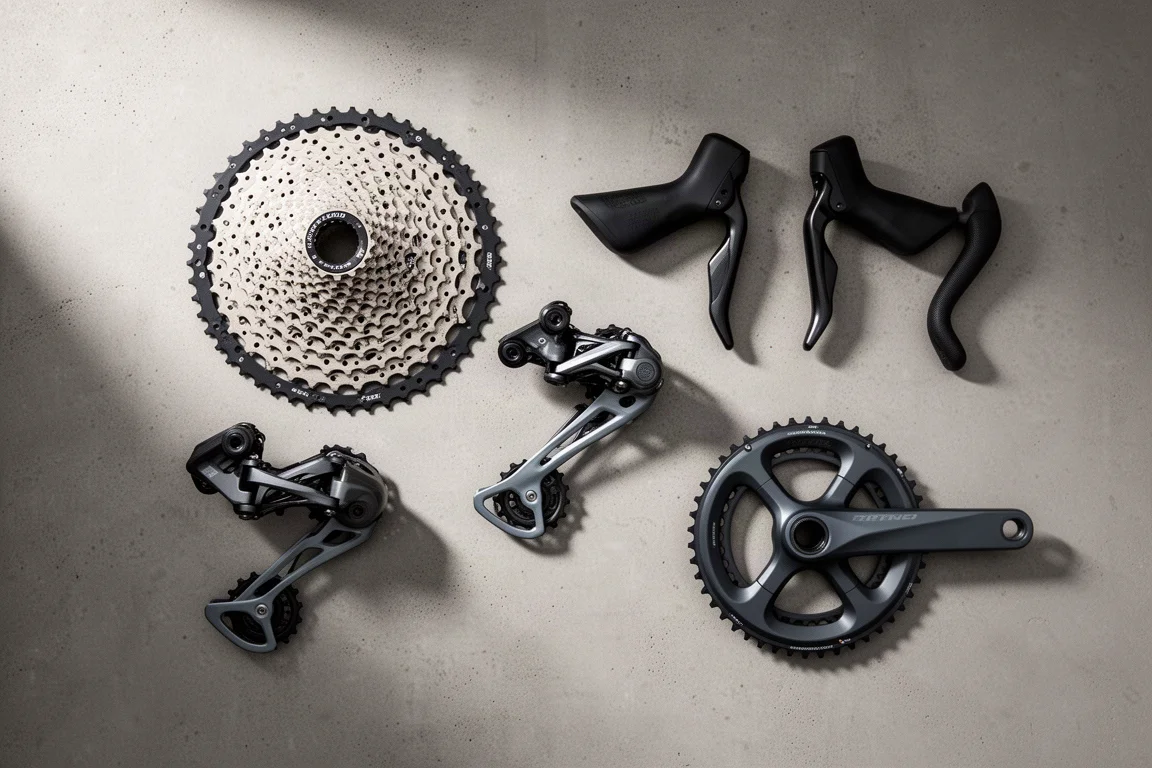
Shimano GRX 12-Speed Review: Mechanical Gravel Gearing With a 10-51 Cassette
Shimano's mechanical 12-speed GRX brings a 10-51 tooth cassette and wide-range 1x gearing to gravel and bikepacking bikes. Here is what it offers, and who it suits.
Gravel Bike Groupsets
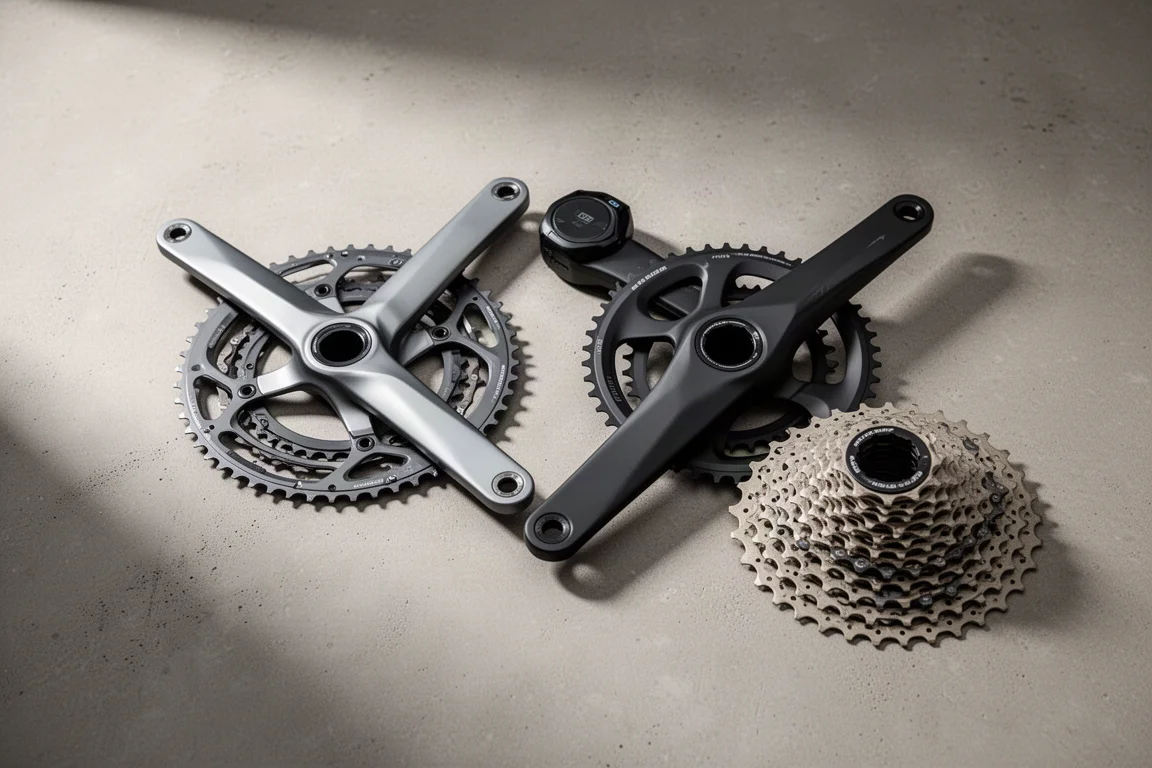
Shimano GRX 400 vs SRAM Red Eagle XX1 Mullet: Does a Premium Groupset Ride Better?
Two identical gravel bikes, one with a roughly £600 Shimano GRX 400 build and one with a roughly £3,500 SRAM Red Eagle XX1 mullet build. Here is what the gap in price actually buys.
Gravel Bike Groupsets
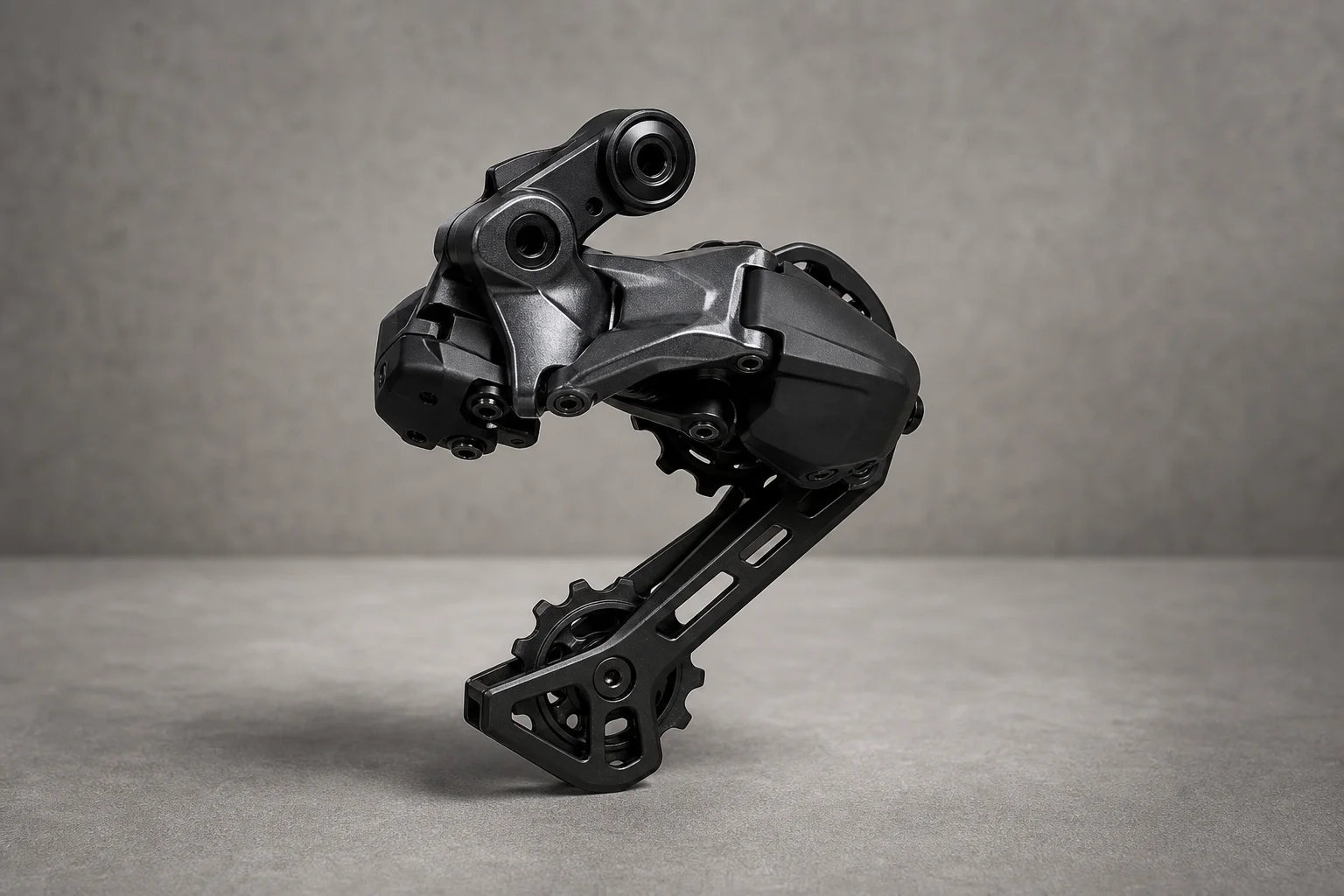
Shimano GRX Di2 Wireless Review: Fast Shifting, Real Trade-Offs
Shimano's first wireless drop-bar groupset delivers very fast shifting and a wide 1x range, but the rear derailleur design and missing options deserve a close look.