Cycling Components
Shimano Dura-Ace Di2 R9200 vs SRAM Red AXS: Which Flagship Groupset Comes Out on Top?
A round-by-round comparison of Shimano Dura-Ace Di2 R9200 and SRAM Red AXS covering shifting, braking, setup, gearing, apps, weight, finish and price.
Introduction
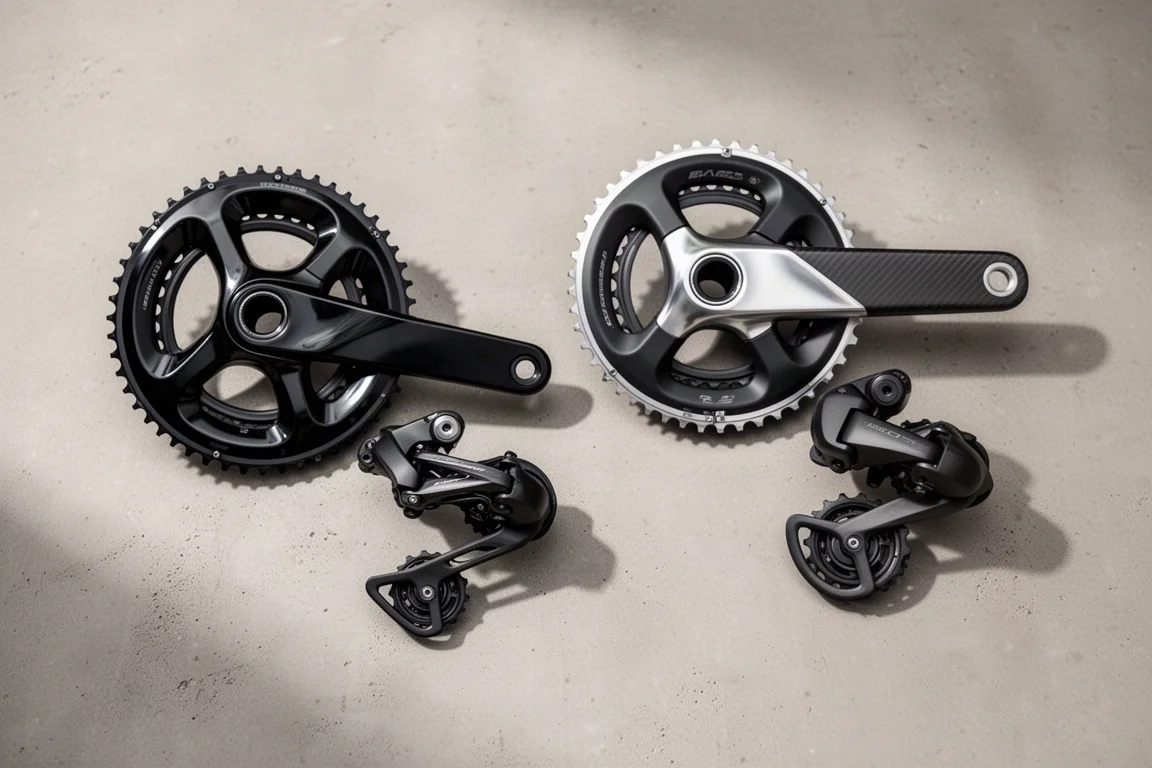
Shimano Dura-Ace Di2 and SRAM Red AXS have been fighting for the top of the road groupset market for more than fifteen years. The latest generations share far more than they used to: both are 12-speed electronic groupsets aimed at elite riders, both now offer refined hydraulic disc braking, and both support power meters, satellite shifters and companion apps.
The differences are still meaningful, though, and they show up in shifting feel, setup, gearing range, weight, finish and price. This comparison works through those areas one by one to show where each groupset earns its keep.
Shimano Dura-Ace Di2 R9200: Shifting and Drivetrain Feel
Dura-Ace Di2 has set the benchmark for shift quality for several generations, and the current version keeps that reputation intact. The chain glides smoothly across the cassette, and the front derailleur delivers a fast, forceful shove that feels urgent in both directions. At the rear, shifting is quiet and quick, and it is at its very best when the chain moves up the cassette rather than down it.
The levers include hidden hood-top buttons that can be assigned to shift duties, which adds a genuinely useful extra control point for riders who like to shift without leaving the hoods. The smallest sprocket is an 11-tooth, and that contributes to a slightly smoother sensation through the pedals than a 10-tooth design.
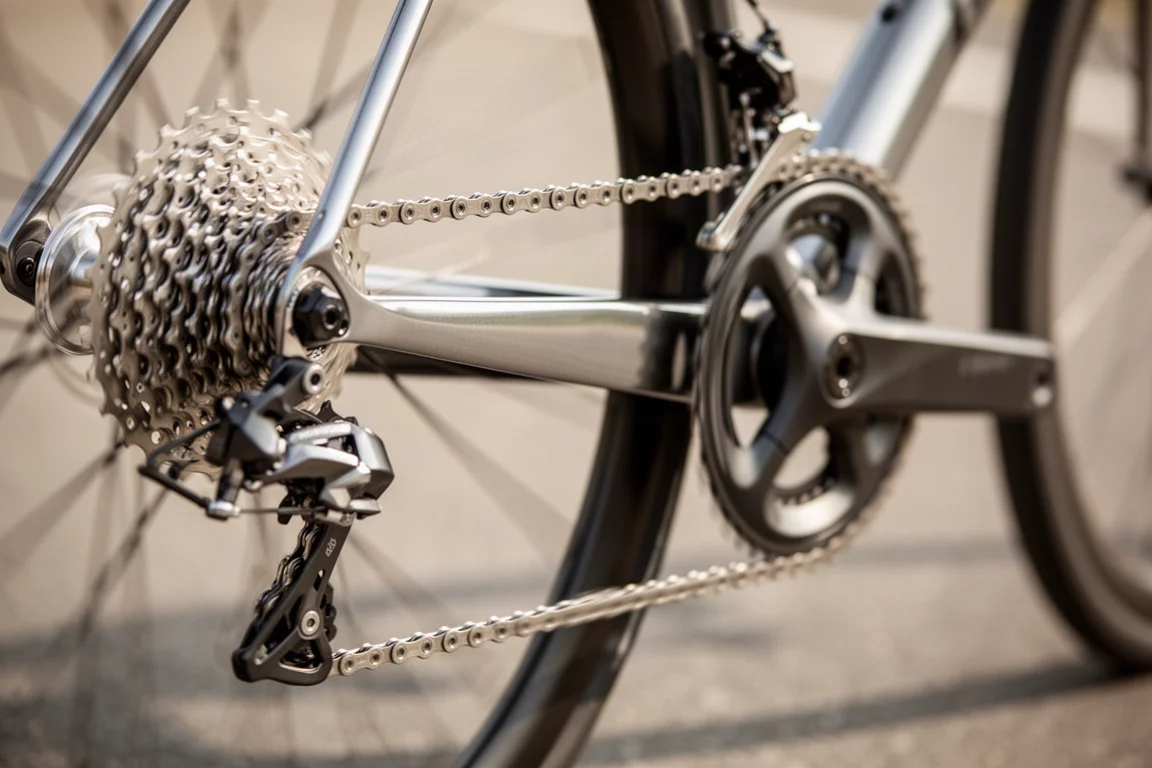
Taken together, that combination of speed, quietness and refinement is what keeps Dura-Ace Di2 ahead in the shifting comparison. Riders who want a drivetrain that feels precise and almost silent will find very little to fault here.
SRAM Red AXS: Shifting and Drivetrain Feel
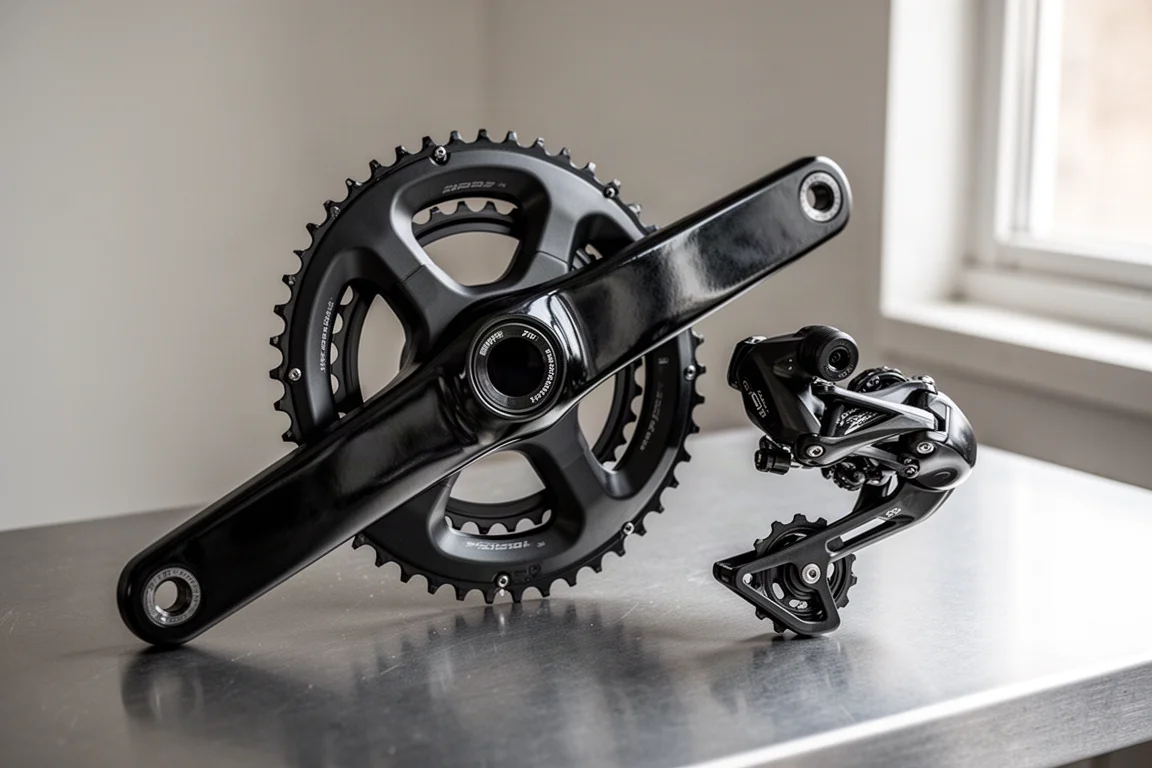
SRAM Red AXS has closed the gap considerably. The redesigned front derailleur uses a narrower cage that pushes the chain sooner, so it now feels close to Shimano in urgency and moves the chain quickly in either direction. Shift speed at the rear is impressive too, and the chain is nearly as quick moving down the cassette, though a little more feedback comes through as it settles onto each sprocket.
SRAM tackled the slightly rougher feel of its 10-tooth smallest sprocket by adopting a larger lower pulley on the rear derailleur, which creates a smoother path for the chain and is noticeable in use. The new shifters also add a bonus button, similar in spirit to the hidden hood-top buttons on Dura-Ace, and it can be assigned to shift duties as well.
Braking Performance and Lever Ergonomics
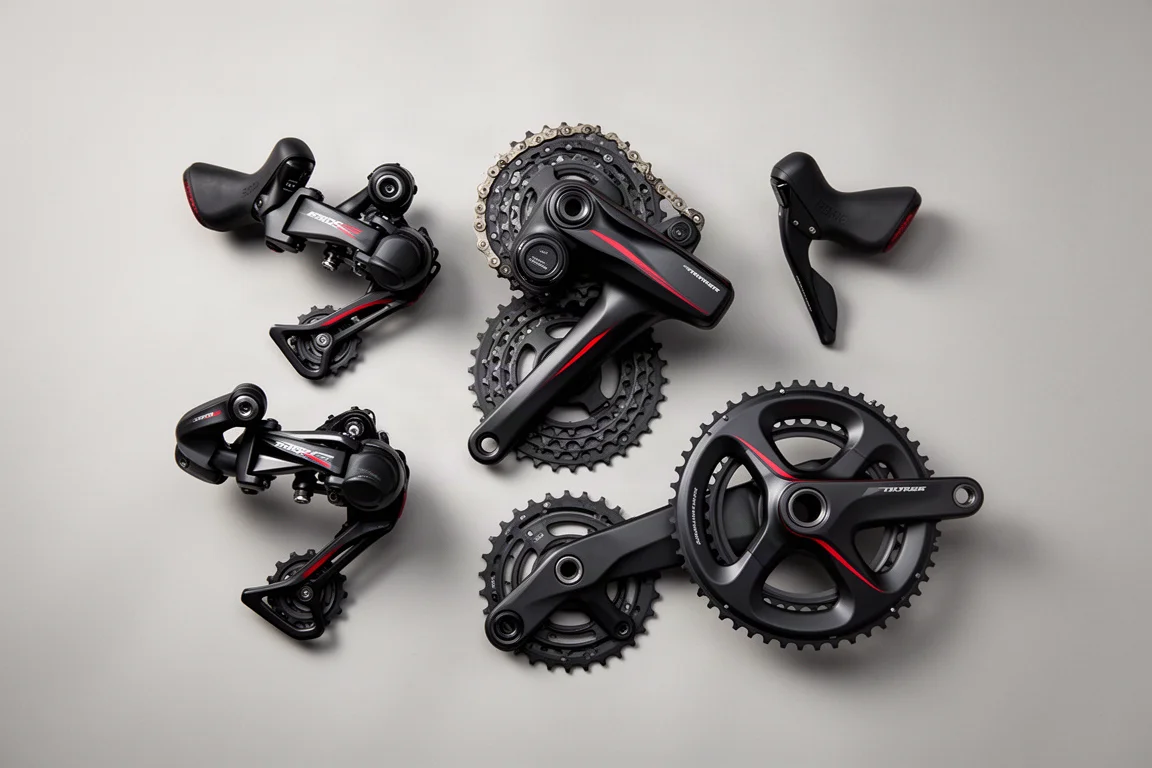
Shimano’s Servo Wave technology gives Dura-Ace a non-linear relationship between lever and caliper travel, so less force is needed to apply the brakes from the hoods. In practice that means speed can be scrubbed off efficiently while the feeling through the lever stays excellent. Caliper spacing is wider than before, which largely removes the rotor scrape that used to appear in wet conditions, and the RT-CL900 rotors are stiffer as well.

The previous generation of SRAM Red eTap AXS lagged behind here. Power was never the issue, but modulation and lever feel seemed less refined and more on/off. The new Red AXS is a different story. A horizontal piston arrangement allowed SRAM to raise the lever pivot, slim the hoods down to Dura-Ace dimensions, and reprofile the lever so it kinks gently outwards for an easier grasp from the drops. A shaped depression in the top third of the lever gives fingertips somewhere to rest on the hoods, and SRAM claims 33 percent less effort in the drops and 80 percent less from the hoods. Single-finger braking from the hoods is possible, and the redesigned monobloc two-piece caliper centralises pad pressure on the rotor’s braking surface.
In use, Red AXS braking feels as good as Dura-Ace, with a similar slickness from the drops and from the hoods. Both groupsets offer plenty of adjustment: four-point contact and reach adjustment on Red AXS, and reach plus free stroke adjustment on Dura-Ace. Neither showed brake squeal in wet conditions, which is a meaningful improvement for SRAM. This round is a draw.
Installation, Setup, and Battery Life
Dura-Ace Di2 is semi-wireless. The derailleurs are wired to a central battery, while coin cell powered levers pair wirelessly to the rear derailleur, which holds the brains of the system. Internal routing can be tricky, and getting the correct wire length matters, with options running from 150 mm to 1,600 mm.
SRAM Red AXS is simpler to install. Bolt both derailleurs in place, charge and clip on the external batteries, then pair them to the shifters. Front derailleur setup, historically one of the fiddliest parts of a Red build, is now straightforward thanks to a new setup guide tool.
Battery life is hard to compare directly. Shimano’s battery is rated for roughly 1,000 km, while SRAM claims enough charge for 60 hours of riding. In reality, neither is likely to become a problem, because recharging is a regular habit before big rides. Shimano’s single hidden battery gives a sleeker look, but SRAM’s modular batteries are easy to swap, which offsets that advantage. Red AXS takes this round.
Gearing Options and Customisation
Dura-Ace cranksets come in 50/34, 52/36 and 54/40 versions, with a dual-sided power meter option available. Because Shimano has stuck with a 4-bolt 110 mm bolt circle diameter, there is plenty of scope to customise using aftermarket chainrings. Crank arms run from 160 mm to 177.5 mm in 2.5 mm increments, and the CS-R9200 cassette is offered in 11-30 and 11-34 versions.
SRAM offers a much wider spread. There are six 2x chainring options, with 50/37, 48/35 and 46/33 available both as original equipment on complete bikes and aftermarket, plus larger 52/39, 54/41 and 56/43 versions. Red AXS can also be run 1x, with single chainring options from 42 to 52 teeth in two-tooth increments. Integrated spider-based power meters are available across the range, crank lengths run from 160 mm to 175 mm in 2.5 mm increments, and there are twice as many cassette choices: 10-28, 10-30, 10-33 and 10-36.
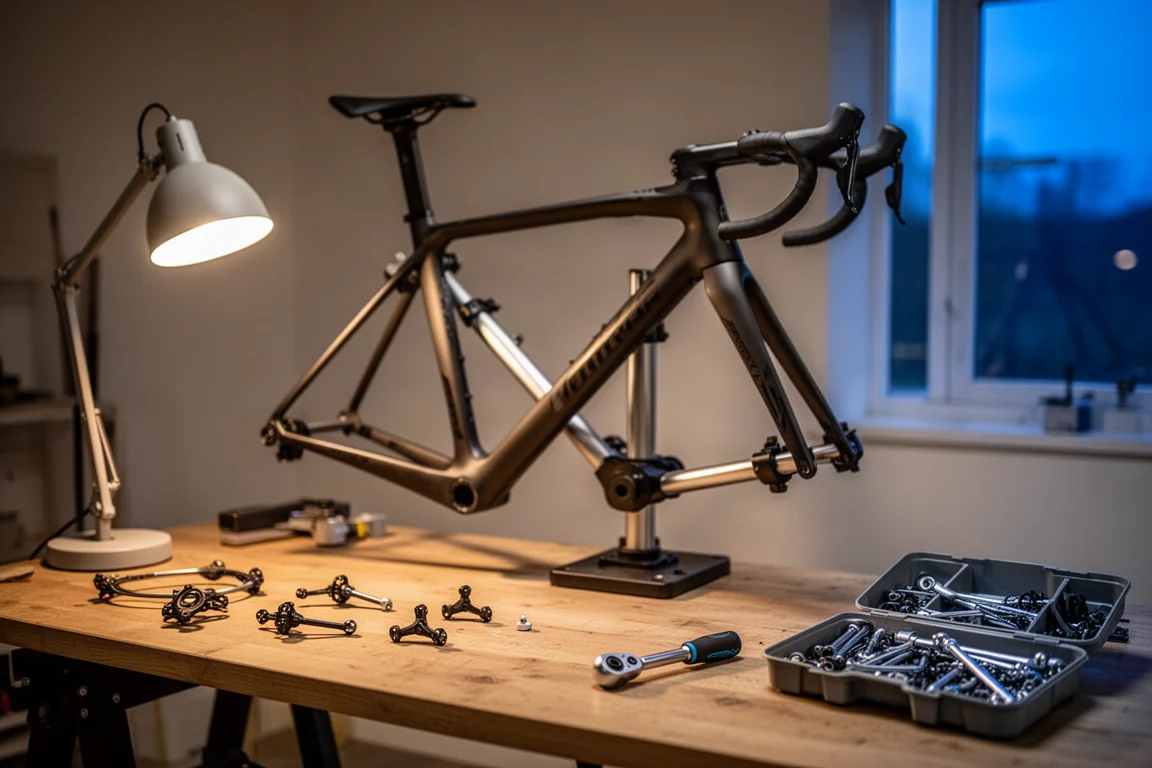
Red AXS is also backwards compatible with all previous 12-speed AXS groupsets regardless of level, which opens up cheaper component-by-component upgrade paths rather than forcing a full groupset purchase. Satellite shifters follow the same pattern: Shimano’s are wired plug-in units that run off the shifter batteries and two can be used, while SRAM uses wireless blips with a claimed 10-year battery life and supports up to six in one setup. Some riders may still prefer the mechanical efficiency of Shimano’s 11-tooth sprocket, but the breadth of SRAM’s range takes this round.
Apps, Rider Data, and Ecosystem
Shimano’s E-Tube app has improved considerably, with a much better interface, and Bluetooth is built into the Dura-Ace rear derailleur so the system can be accessed and adjusted easily from a phone.
SRAM’s AXS app remains the more polished of the two. The interface is cleaner, and alongside the maintenance and setup functions you can create multiple bike profiles if you own more than one AXS-equipped bike. It also records a lot of detail for riders who enjoy data, including GPS ride metrics and time spent in each gear, and it can add power and heart rate data into the mix. The Hammerhead Karoo computer is now bundled with Red AXS groupsets, which brings everything together in one ecosystem. SRAM takes this round as well.
Weight and Finish
Both groupsets are impressively light, as you would expect at this level. A Dura-Ace Di2 groupset with a 52/36 power meter crankset and an 11-34 cassette weighed 2,579 g, while a Red AXS groupset with a 46/33 power meter crankset and a 10-33 cassette came in at 2,548 g. That is a 31 g advantage for SRAM, roughly the weight of a slice of bread, so weight is unlikely to be the deciding factor for anyone.
On appearance, the two take different approaches. Dura-Ace has a clean glossy black finish across its components, though it can read as understated for a flagship groupset. The gloss on the chainset can be dulled by a rub from a shoe or winter overshoes, and the sharper edges on the rear derailleur body can be prone to chipping and scuffing.
Red AXS has more visual presence, with polished silver accents, carbon crank arms, subtler chrome logos that sit well with the machined outer chainring, and a chrome-finished chain. A rainbow oil slick finish is available on the chain and cassette if you want to lean further into it. The one component that looks slightly out of step is the matte textured front derailleur. SRAM wins on looks, although the smaller derailleurs of Dura-Ace may suit riders who prefer a more discreet build.
Pricing, Value, and Buying Advice
Pricing depends heavily on where you live. On UK prices, a complete Dura-Ace Di2 groupset is listed at £4,243.89, or $5,458, and Shimano holds the advantage. The SRAM Red AXS setup is priced at $4,590 in the US, where the advantage swings the other way, and that figure includes the latest Hammerhead Karoo computer, which would cost £449.99 or $474 on its own. If you are not committed to another bike computer brand, that bundling is a real bonus.
Complete bikes show a similar regional split. A Specialized S-Works Tarmac with Dura-Ace Di2 is listed at around £12,000 and comes with a 4iiii Precision Pro dual-sided power meter. The new limited edition S-Works Tarmac with Red AXS is around £12,500 and includes a power meter crankset, the Hammerhead Karoo computer and a cockpit mount for it. The standard S-Works Tarmac with Red AXS was previously priced the same as the Dura-Ace version. Real world prices of groupsets vary widely, so it is worth checking how retailers price complete bikes before deciding.
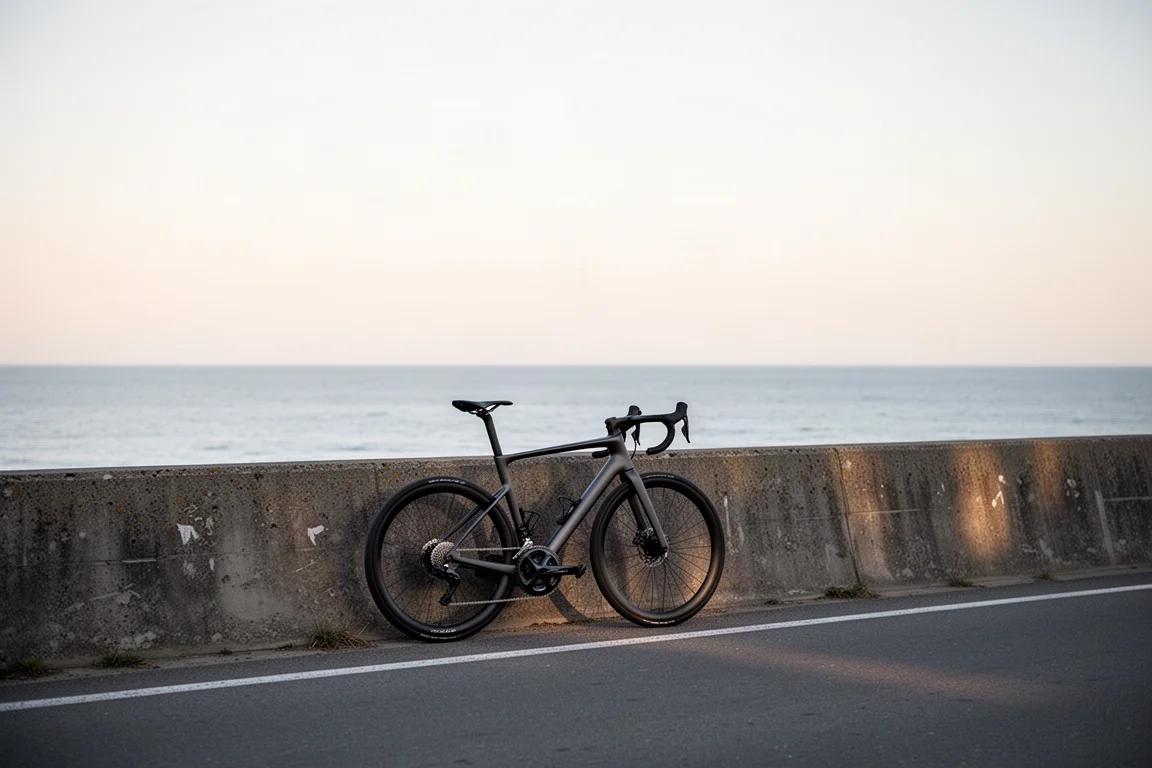
Which one you buy comes down to priorities. Choose Dura-Ace Di2 if shift precision, front derailleur speed and braking feel matter most, or if you are buying in the UK. Choose Red AXS if you want fully wireless installation, the widest spread of gearing options, the most complete app and data ecosystem, and a groupset that stands out on the bike.
Conclusion
After eight rounds, Shimano Dura-Ace Di2 R9200 edges the overall result, helped by its shifting advantage and its UK pricing, even though SRAM Red AXS wins on gearing range, setup simplicity, app depth, weight and finish. It was an extremely tight contest, and the two groupsets are closer than they have ever been.
If you are buying in the US, the Red AXS price, which includes the Hammerhead Karoo computer, makes it the stronger value proposition. In the UK, Dura-Ace Di2 is the more affordable route to flagship performance. Either way, both groupsets deliver elite-level shifting and braking, so the decision is less about compromise and more about which set of strengths fits your riding.
Further reading
Related Reviews
Cycling Components
A 20,000-Mile Budget Race Bike Build: Five Parts Worth Knowing
A rim brake race bike assembled from low-cost components and ridden for 20,000 miles. Here is what delivered real speed, what caused problems, and what to weigh before copying the formula.
Cycling Components
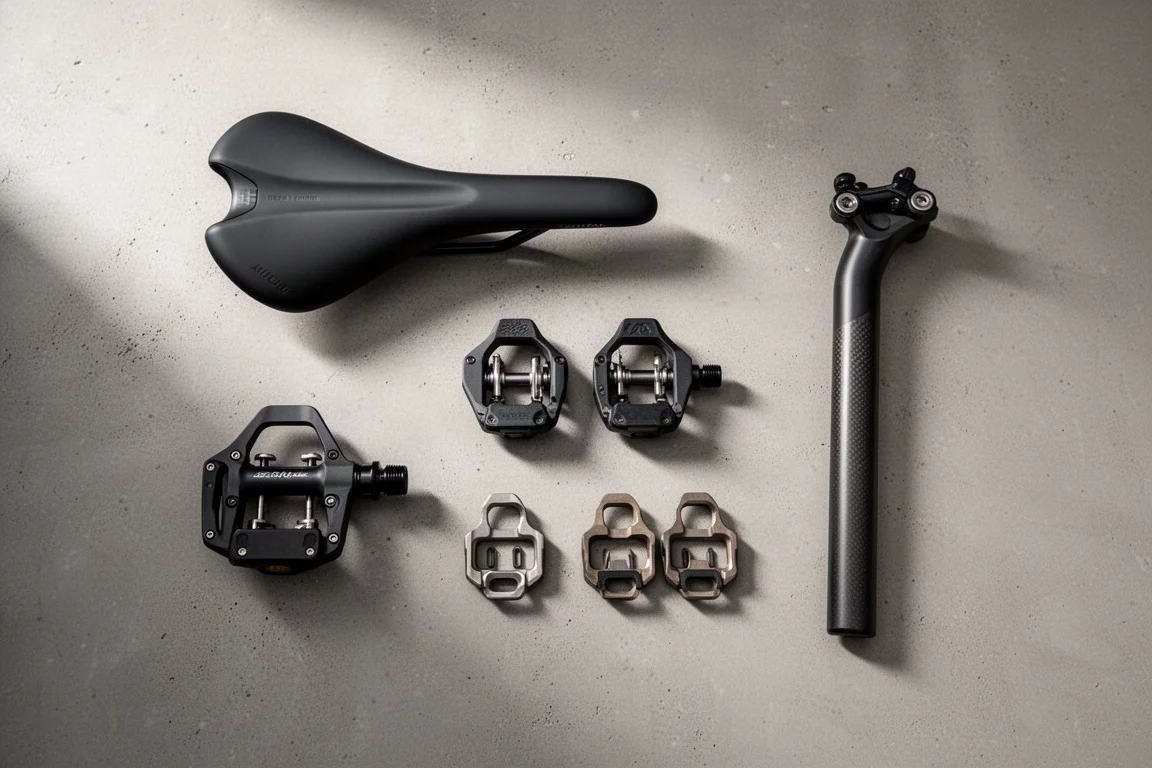
7 Bike Fit Products Fitters Avoid: What to Check Before You Buy
Seven bike components that regularly cause knee, foot and saddle problems, with the specific concerns behind each one and what to look for instead.
Cycling Components
Four Affordable Bike Upgrades That Improve Ride Feel
Four low-cost cycling products that make a real difference to ride feel, plus the free setup changes worth trying first.