Cycling Groupsets
Shimano 105 Di2 vs SRAM Rival AXS: Which Electronic Groupset Is Right for You?
A practical comparison of Shimano 105 Di2 and SRAM Rival AXS covering shifting, gearing, braking, weight, connectivity, and price.
Introduction
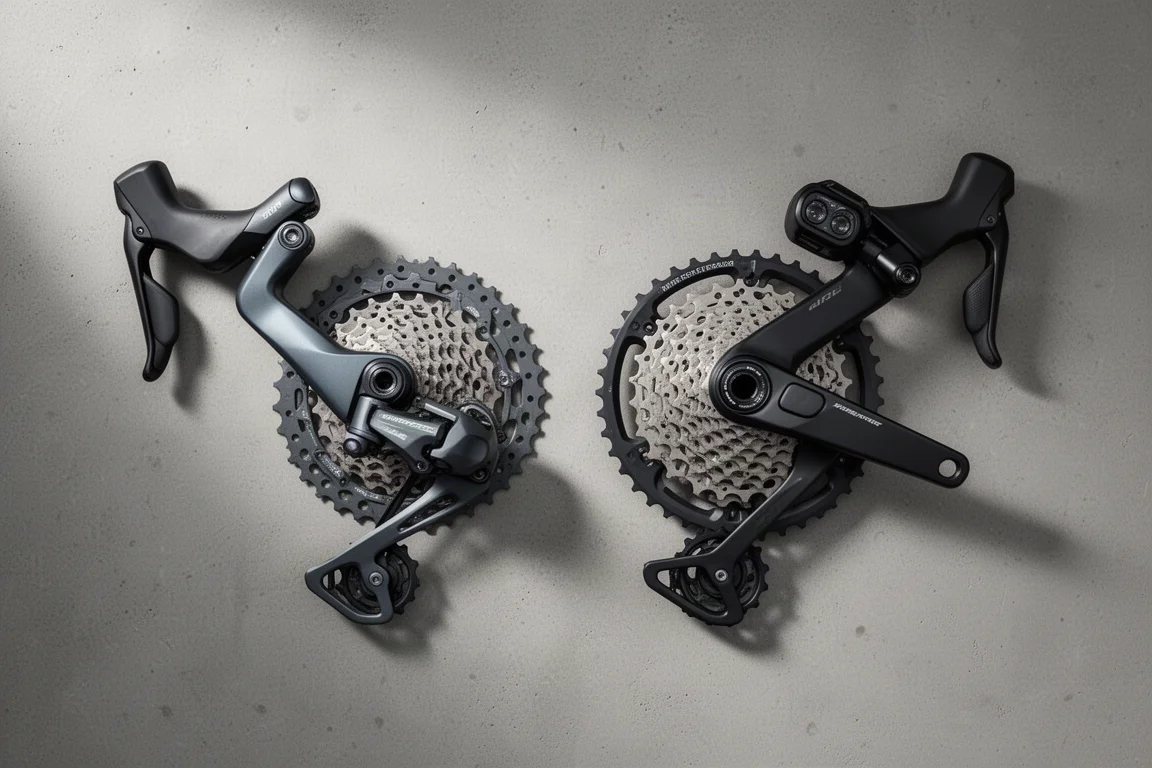
For years, Shimano insisted that electronic shifting would stay in its premium tiers. The arrival of 105 Di2 changed that, bringing 12-speed electronic shifting to a much broader range of road bikes. Its closest rival is SRAM Rival AXS, a groupset that shares its motors and electronics with SRAM’s more expensive Force and Red AXS tiers and has been a fixture on complete bikes for several seasons.
Both systems are now 12-speed, both shift electronically, and both appear on widely sold road bikes. The differences lie in gearing range, braking feel, shift logic, connectivity, weight, and price. This guide works through those differences so you can decide which one suits the way you ride.
Shimano 105 Di2: Shifting and Braking Strengths
Shimano has been building electronic groupsets for far longer than SRAM, and that experience shows. The motor-activated rear derailleur shifts with the speed and accuracy of Shimano’s higher-end groups, to the point where it is difficult to tell apart from Ultegra Di2 in normal riding. Front shifts are a different story. 105 Di2 shifts like the previous generation rather than the newest one, and the front derailleur carries a strong resemblance to the earlier Di2 design rather than the more compact Ultegra shape. The widely quoted 45 percent reduction in shift time does not come through as clearly here.

Gearing is straightforward, with two cassette options (11-34 and 11-36) and two chainring options (50-34 and 52-36). Hydraulic disc braking is a genuine strength. Shimano’s drop-bar brakes borrow Servo Wave technology from its mountain bike range, so braking begins earlier in the lever travel and builds progressively, and the increased gap between pad and rotor over the previous design helps keep rotor rub out of the picture. The system is also lighter overall: a complete 105 Di2 setup including cables comes in at 2,962.5 grams.
Bluetooth is built into the 12-speed Di2 groups, so you can pair with a companion app to adjust settings and run firmware updates, and connect to a head unit. The levers do not include the hidden top buttons found further up the range, and there are no accessory ports for satellite shifters. Automated Synchro and semi-synchro modes handle front and rear shifts for you when you want them.
SRAM Rival AXS: Simplicity and Wider Range
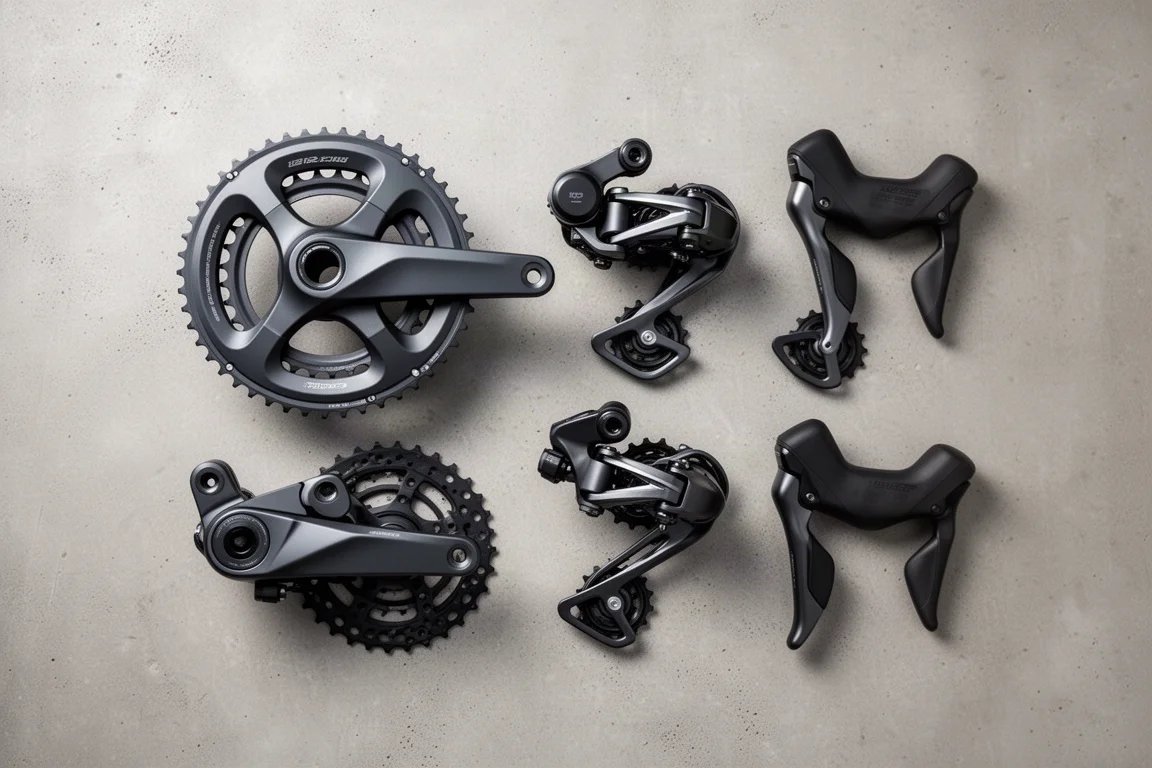
Rival AXS uses the same motors and electronics as SRAM’s Force and Red AXS groups, so shifting is rapid and accurate in the same way. Its clearest functional advantage is chain management. The rear derailleur has a built-in sprung clutch that tensions the chain, which all but eliminates chain slap on rough surfaces. The standard Rival AXS handles gravel, cobbles, and poorly surfaced roads without complaint, and a dedicated Explorer version goes further for gravel and adventure riding with cassettes up to 10-44.
SRAM’s gearing philosophy differs from Shimano’s. Cassettes start at 10 teeth, with 10-30 and 10-36 options, giving a wider overall range with a bigger top gear and a lighter bottom gear than the equivalent Shimano setup. Braking has been consistently strong, with plenty of power and enough feel to avoid locking a wheel in wet or frosty conditions. There is a slight light score on the rotors, but it has not changed braking feel. On very wet rides the front pad and rotor can be vocal for the first few kilometres.
Shift logic is the other major difference. The right-hand button gives you a harder gear, the left gives you an easier one, and pressing both at once shifts the front derailleur. Sequential and compensation modes mirror Shimano’s automated options. Rival AXS shifters also omit accessory ports, but SRAM offers a workaround in the form of Wireless Blips, which add shift capability on the drops, the tops, or bar extensions.
The extras are where Rival AXS pulls ahead. A companion app records component data such as how often you shift, time spent in each gear, and distance covered in each gear, along with firmware updates. The optional single-sided power meter is built into the left crank arm and chainset axle, runs on a single AAA battery, indicates its status with an LED on the left axle cap, and connects to common head units. It is among the cheapest power meter options available and has stayed consistent through frosty winter rides and hot summer conditions.
Gearing and Range Compared
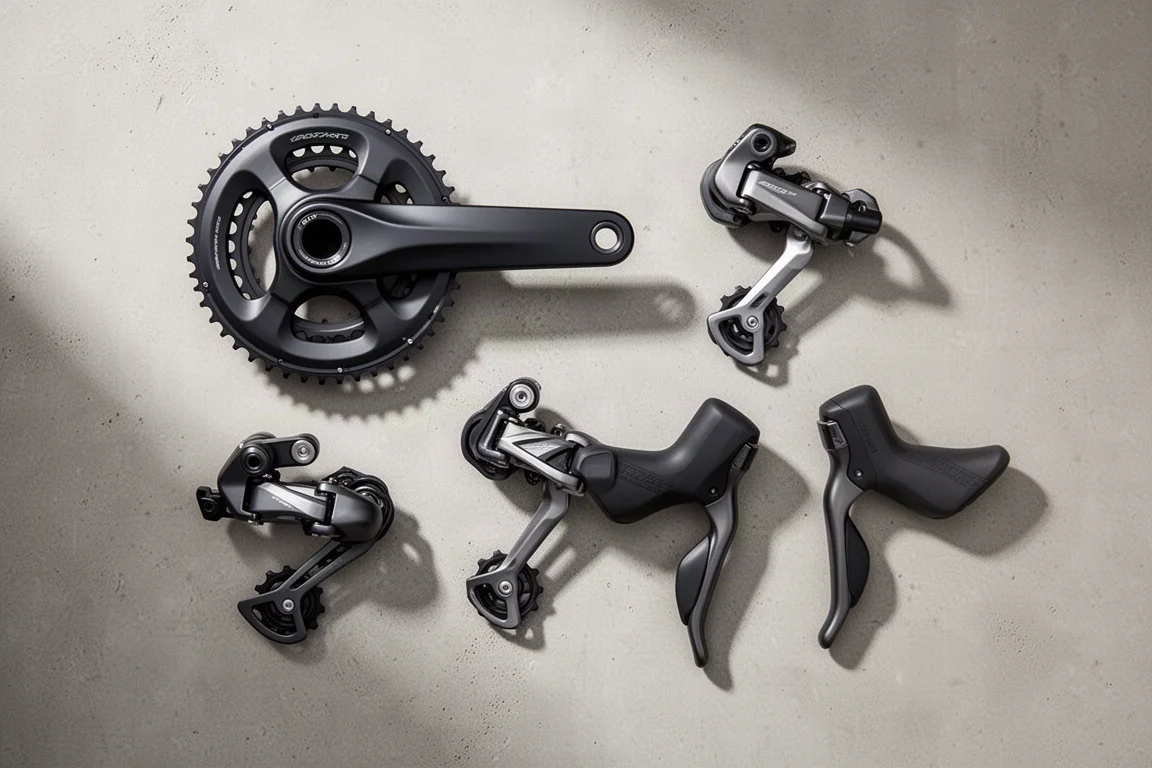
Both groupsets are 12-speed, and that is roughly where the similarity ends. Shimano offers 11-34 and 11-36 cassettes with 50-34 or 52-36 chainrings. SRAM starts at 10 teeth and offers 10-30 and 10-36 cassettes, plus a 10-44 option through the Rival AXS Explorer rear derailleur.
In practice, SRAM’s approach delivers a wider spread, with both a bigger gear at the top end and a lighter gear at the bottom. Riders who want the broadest usable range from a single setup, or who plan to mix road and gravel use, will find more room to work with on the SRAM side. Shimano’s options cover typical road riding well, but they are narrower.
Braking Performance
Shimano takes this category. Servo Wave braking brings the pads into contact earlier in the lever stroke and builds power progressively, which gives the brake more feel and makes it easier to modulate. The larger pad-to-rotor gap introduced over the previous generation also reduces the rubbing that has occasionally been an issue on earlier setups.
SRAM’s braking is excellent in its own right. With a 160 mm front rotor and a 140 mm rear, the system has ample power while retaining enough feel to avoid locking up in poor conditions. The rear brake has been flawless, and the only real complaint is a little noise from the front pad and rotor during the first few kilometres of a wet ride. The margin between the two is small, but Shimano’s edge in feel is consistent.
Ergonomics and Shift Logic
Shimano chose to emulate the ergonomics of its mechanical groups. Each lever has dual buttons, the right-hand lever handles the rear derailleur, and the left-hand lever controls the front. Riders who have spent years on Shimano will feel at home immediately.
SRAM reimagined shift logic around simplicity. One button for harder, one for easier, both together for the front derailleur. It takes only a few hundred metres for that logic to feel second nature, and that simplicity is the system’s real strength.
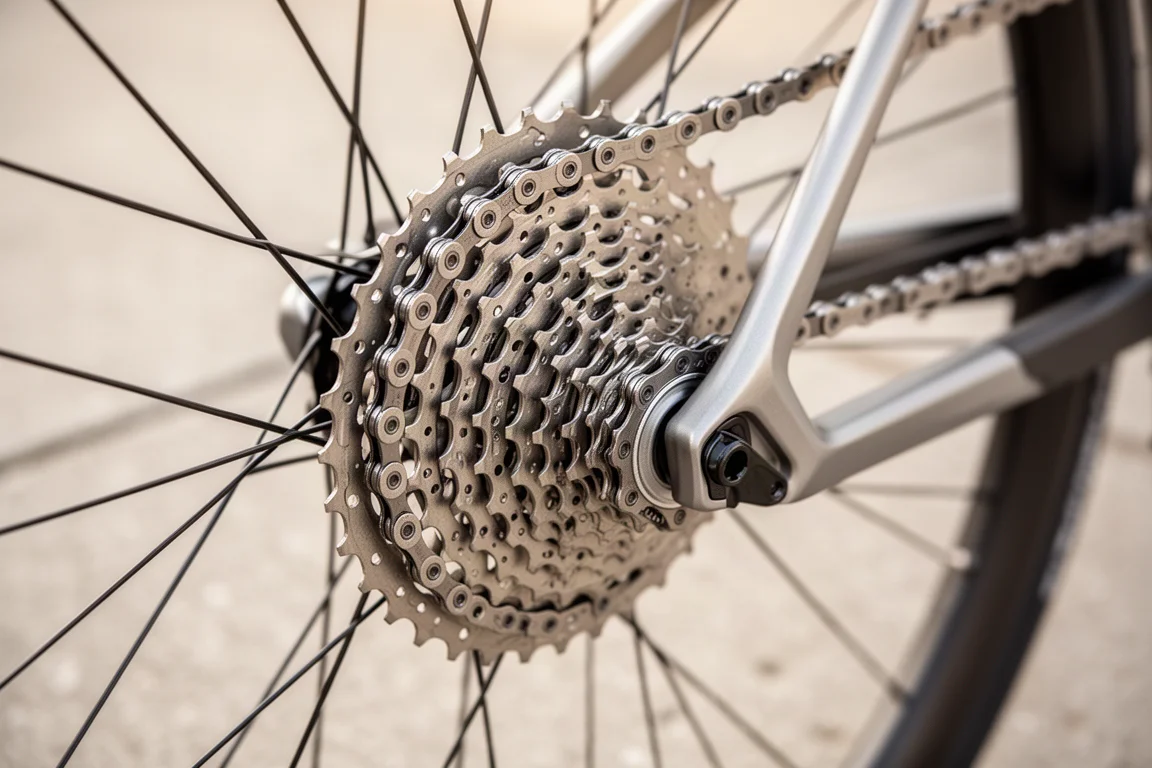
On the road, both shift smoothly, accurately, and quickly. The choice here comes down to familiarity rather than performance. Long-time Shimano riders will value the continuity, while newcomers and riders who switch between bikes may prefer how little there is to remember on SRAM.
Weight, Connectivity, and Extras
Weight arguments rarely survive contact with real riding, but the numbers are worth stating. A complete 105 Di2 system including cables weighs 2,962.5 grams, against 3,076 grams for SRAM Rival AXS. That makes 105 Di2 about 113.5 grams lighter overall, roughly the weight of an average banana. SRAM counters with a lighter cassette and chain, and no wires or large battery to account for.
Connectivity is a genuine differentiator. Shimano’s 12-speed Di2 groups include Bluetooth, so you can adjust settings, change preferences, run updates, and pair with a head unit, although 105 levers miss the hidden top buttons found higher in the range. SRAM’s companion app goes further on data, logging shift counts, time in each gear, and distance in each gear, and recording power if you add the power meter. Firmware updates are handled for all electronic components.
SRAM also wins on expandability. Wireless Blips add remote shift points for around £90 or $100 a pair, and the single-sided power meter is available as an upgrade for around £230 or $249, or £320 or $349 with a full chainset. Shimano 105 Di2 offers neither option.
Price, Value, and Buying Advice
This is where the two systems separate most clearly. Shimano 105 Di2 is priced at around £1,730 or $1,890, which places it above SRAM’s higher-tier Force AXS by roughly £80. SRAM Rival AXS undercuts it significantly at around £1,314 or $1,140. Even adding the Rival AXS power meter and a set of Wireless Blips leaves it about £214, or roughly $240, cheaper.

Complete bikes change the picture slightly. 105 Di2 equipped bikes often look cheaper than most Rival AXS models, reflecting the scale of Shimano’s original equipment supply. SRAM’s position is strengthened by brands such as Trek and Canyon including the power meter as part of their Rival AXS builds, something Shimano does not offer at this tier.
If braking feel and low weight matter most, 105 Di2 is the stronger pick, and its familiarity will suit long-time Shimano riders. If value, wider gearing, rough-road chain management, richer ride data, and an affordable power meter matter more, Rival AXS makes the better case. Our own preference leans toward Rival AXS for its app connectivity, the depth of data it provides, and a power meter that has proven reliable, consistent, and inexpensive.
Conclusion
There is very little to split these two groupsets on outright shift performance. Shimano 105 Di2 is lighter and brakes better. SRAM Rival AXS is cheaper, offers a wider gear range, handles poor surfaces more confidently, and provides more data and more upgrade options. Neither choice is a mistake. The right one depends on which of those priorities matters most to you.
Further reading
Related Reviews
Cycling Groupsets
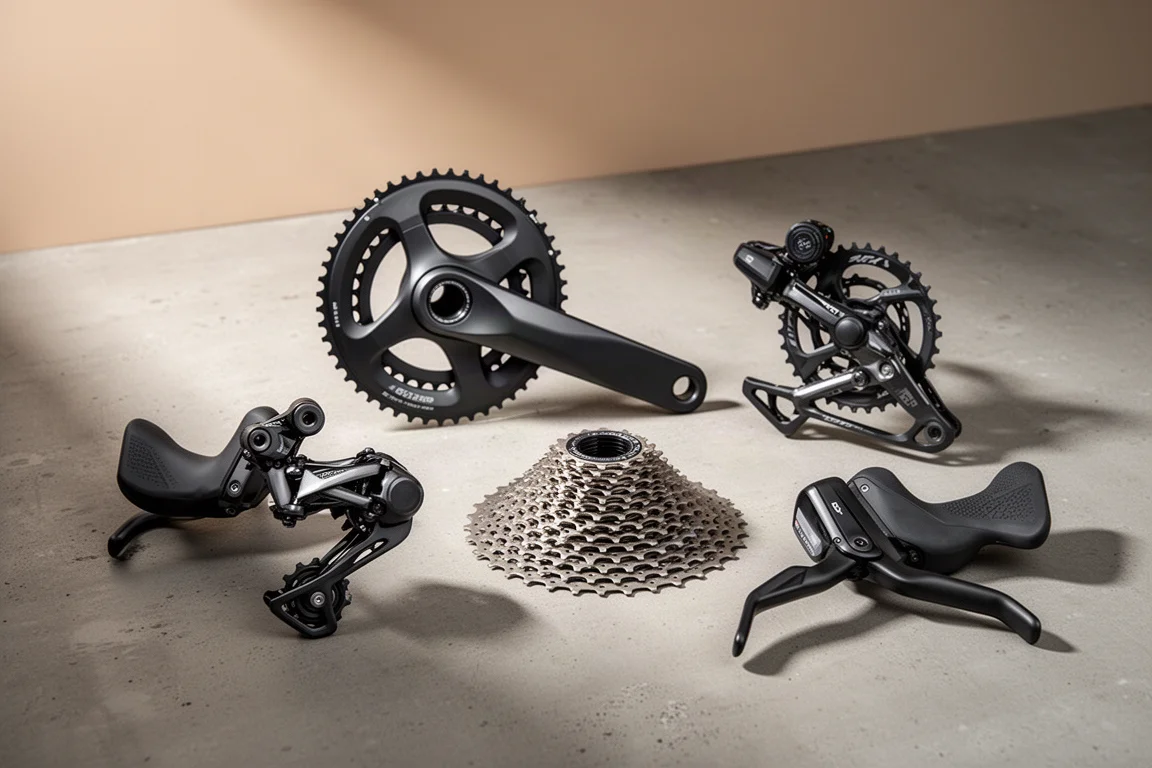
Affordable Road Bike Groupsets: Shimano 105 and SRAM AXS Compared
Shimano 105 Di2, SRAM Apex AXS and SRAM Rival AXS deliver close to flagship performance at a fraction of the price. Here is what to weigh before your next upgrade.
Cycling Groupsets
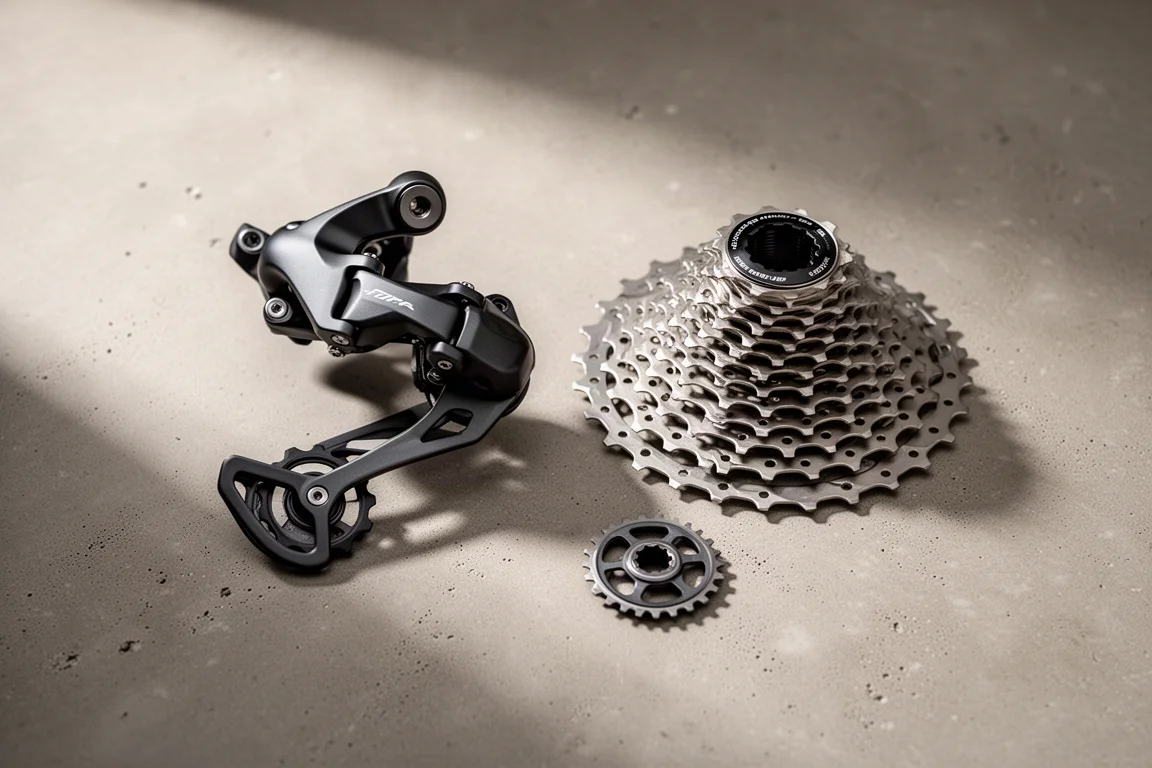
Shimano XT vs SRAM XPLR: Running a 1x Groupset on a Drop Bar Bike
A practical look at two 1x drivetrain routes for all-road and light gravel bikes: a Shimano XT mountain bike derailleur with a 9-45 cassette, and SRAM's dedicated XPLR 1x13 setup.
Cycling Groupsets
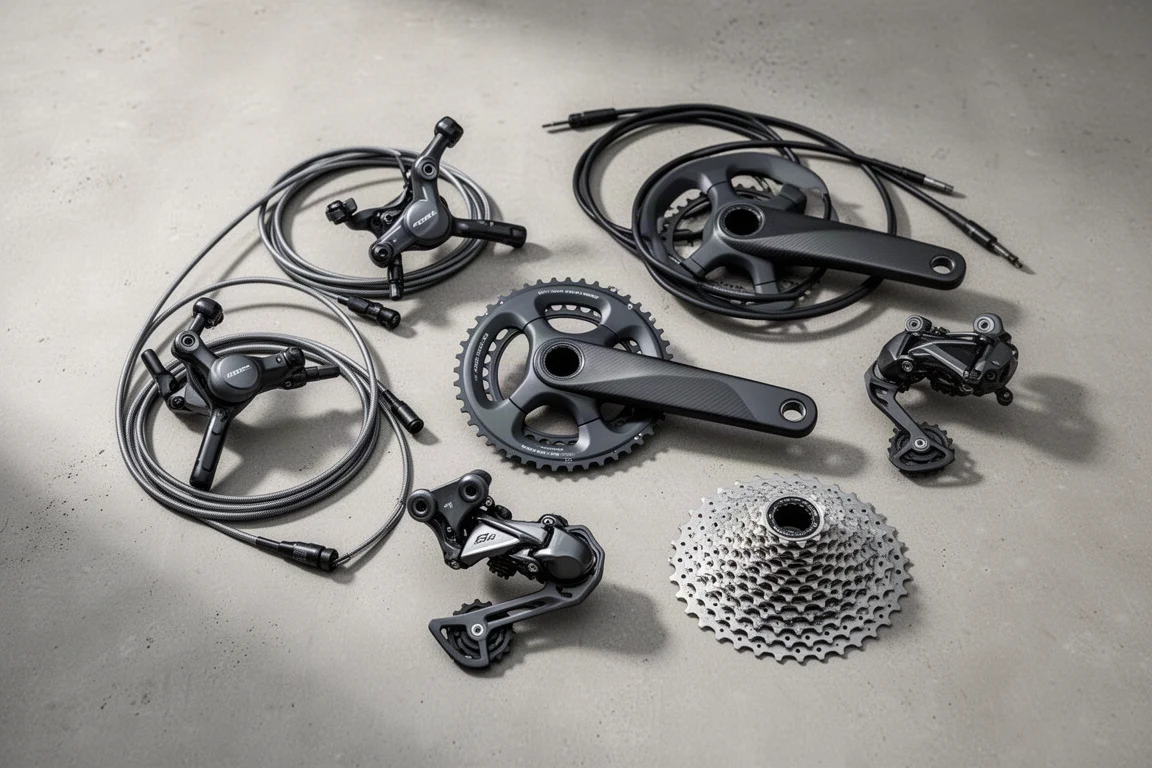
SRAM Force AXS vs Shimano Ultegra Di2: Weights, Changes and What to Buy
A component-by-component weight comparison of the SRAM Force AXS and Shimano Ultegra Di2 groupsets, plus the design changes worth understanding before you commit to either.