Cycling Components
Shimano 105 Di2 R7100 Review: Electronic 12-Speed Without the Flagship Price
A close look at Shimano 105 Di2 R7100, from its semi-wireless layout and hood ergonomics to the shifting, braking and cassette trade-offs worth knowing before you buy.
Introduction
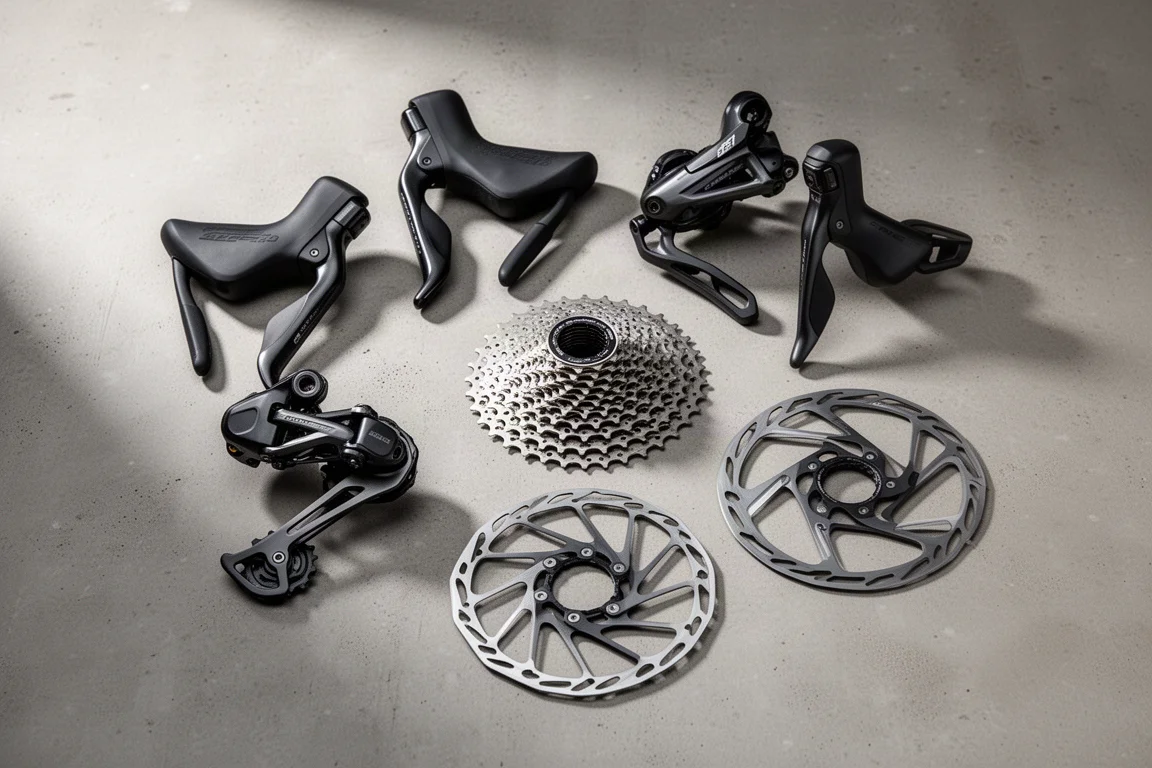
Shimano 105 Di2 R7100 brings the brand’s electronic 12-speed platform down to its third-tier road groupset, and it arrives carrying much of the visual and functional language of the current Ultegra and Dura-Ace designs. Set the three side by side and they read as one family, which in turn makes a bike look considerably more expensive than its groupset tier suggests.
The layout is semi-wireless rather than fully wireless. A single wire links the rear derailleur to the battery in the seat tube, and the same arrangement runs from the front derailleur to that battery. The only cables that need routing at home are the hoses from the levers to the brake calipers, which is normal practice across high-end road groupsets. It is tidy, simple and heavily integrated in appearance.
In the UK the groupset sits at around the £1,700 mark depending on the spec you choose, which puts it squarely against SRAM Rival.
Who This Groupset Is For
This is the groupset for riders who want electronic shifting and a 12-speed drivetrain without stepping up to Ultegra or Dura-Ace money. It also makes a clear statement on a frameset, because the finish and integration separate it visually from the mechanical version of 105, so the bike reads as something more special than its price point implies.
Cassette options are narrower than the flagship tiers, with 11-34 and 11-36 available at this level.

Riders coming from mechanical 105 will feel the biggest change in shifting character and drivetrain layout rather than in outright braking performance, which stays close to what they already know.
Main Strengths
The strongest argument for this groupset is that so much of it is inherited from above. The shared design DNA with Ultegra and Dura-Ace is obvious at a glance, and the hood shape in particular follows the same design language as those two tiers.
Shifting and Drivetrain Feel
The core benefit of Di2 is present and working as expected. What is missing is Hyperglide+, which Ultegra and Dura-Ace carry. This groupset runs Hyperglide instead, so shifts remain smooth but are not quite as smooth and seamless as on the two tiers above it. That is a reasonable outcome for a third-tier groupset, though the gap is real.
Out on the road the difference shows up as a more metallic drivetrain note, an almost pinging sound as the chain runs across the cassette. Shifting feels marginally less smooth, and shift speed feels ever so slightly slower through the legs because engagement does not arrive quite as quickly.
The 12-speed platform still delivers the tighter gear ratios that make a 12-speed setup worthwhile, and that advantage carries through here.
Ergonomics and Control
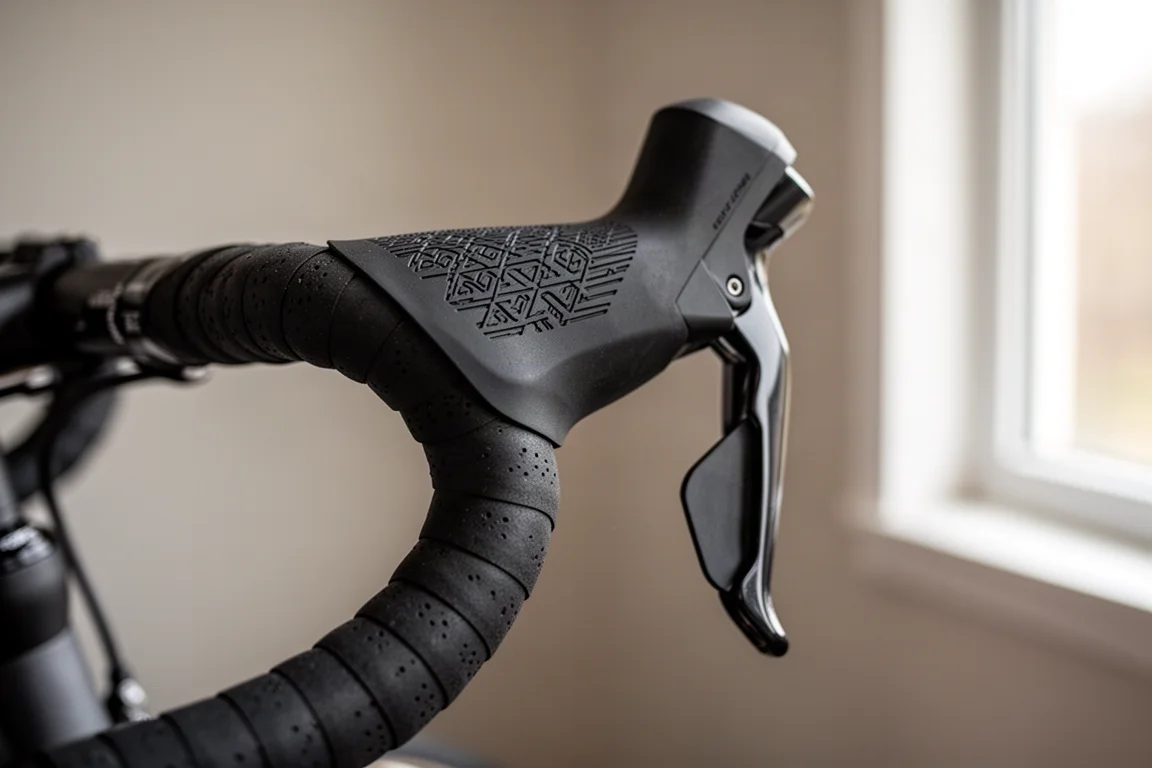
The hoods are a genuine highlight. An engraved pattern in the rubber adds grip and contributes to a premium feel, and there is plenty of room for your hands. The space between the bar and the back of the lever is larger, which matters when you are wearing gloves. The shifter paddles are generously sized, so hitting the right button is easy, gloves or not.
The reservoirs on top form two humps that give you something solid to grip when you move onto the tops of the hoods for an aerodynamic position. Control of shifting stays intact while you hold that position, which is exactly what you want from a hood design.
Braking Performance
Braking is where the cost cutting is most visible. Ultegra and Dura-Ace use Servo Wave to help modulate the brakes and put more power through with less effort. That technology is absent here, so although you can extract the same level of power, you have to pull noticeably harder on the levers to get it.
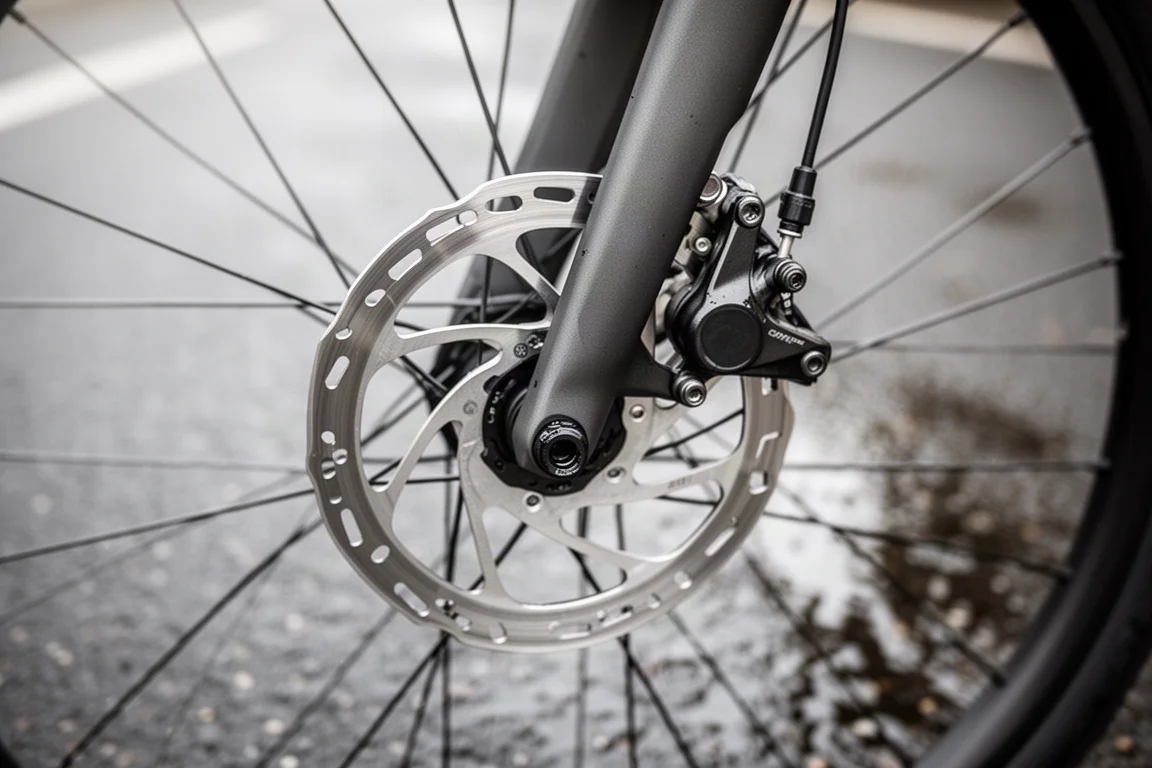
The rotors are the same 105 rotors used on the mechanical version of the groupset. They look slightly clunky next to the sleeker SRAM offering, and they carry no cooling fins, though SRAM Rival rotors do not have cooling fins either, so that particular point is close to a wash.
What matters more is that actual braking power matches the mechanical 105 groupset rather than improving on it. It has neither improved nor regressed. On its own terms that is respectable and entirely fine, but the leaps made at the higher tiers make the absence of Servo Wave easier to notice.
In practice the levers still deliver dependable, predictable stopping power once you accept the extra effort required at the lever.
Things to Consider Before Buying
Two functional features have been left off. There is no support for satellite shifters, and there are no programmable buttons on top of the reservoirs, both of which Ultegra and Dura-Ace offer. That omission is amplified by the fact that SRAM Rival can run satellite shifters, so it becomes a point that plays against this groupset rather than simply being a missing extra.
Cassette compatibility also narrows your options in one direction. If you want an 11-30 on this groupset you can run one, but you would need to buy an Ultegra or Dura-Ace level cassette to do it. Going the other way is not possible: a 105 11-36 cannot be used on Ultegra or Dura-Ace.
Buying Advice
At around £1,700 in the UK depending on spec, this groupset has a genuine rival in SRAM Rival, which comes in roughly £400 cheaper. That is a considerable gap, and it is worth weighing carefully.
Against that, this groupset is around 100 grams lighter than SRAM Rival in a similar spec build. In visual terms it looks noticeably better to many eyes, though whether it looks £400 better is a personal judgement. Braking may be slightly better on SRAM Rival, but the difference is extremely narrow and hard to call.
Simplicity is the other consideration. SRAM’s system uses one shift to go up, one shift to go down, and both together to move the front ring, which is very easy to grasp and arguably better suited to beginners. The Shimano platform is more complex by comparison. Removable batteries on the SRAM side are a practical bonus as well.
If the Shimano platform and the cleaner look appeal to you, this groupset is a defensible choice. If lowest cost, the simplest shifting logic and removable batteries matter most, the alternative deserves a serious look.
Conclusion
This groupset was always going to be good, and the surprise at launch was the price rather than the performance. The savings had to come from somewhere, and they appear to have been taken in sensible places: the braking system stays exactly as it is on the mechanical version, while the effort went into moving to wireless 12-speed shifting.
That trade means you keep the same level of braking power you would expect from mechanical 105 and gain the benefits of a 12-speed electronic drivetrain. The main obstacle this groupset faces is the existence of SRAM Rival, and not only because of the price difference. Simplicity of use and the practicality of removable batteries are real advantages on the other side of the comparison.
For riders who like the Shimano platform and want a bike that looks and shifts a class above its price, there is plenty here to feel confident about. For everyone else, the decision comes down to how much you value the lighter weight and the cleaner aesthetics against a meaningful saving and a simpler system.
Product link
View more details for Shimano 105 Di2 R7100
This product is mentioned in the review. Check the specifications, options, and compatibility before buying.
View more details for Shimano 105 Di2 R7100Further reading
Related Reviews
Cycling Components
A 20,000-Mile Budget Race Bike Build: Five Parts Worth Knowing
A rim brake race bike assembled from low-cost components and ridden for 20,000 miles. Here is what delivered real speed, what caused problems, and what to weigh before copying the formula.
Cycling Components
7 Bike Fit Products Fitters Avoid: What to Check Before You Buy
Seven bike components that regularly cause knee, foot and saddle problems, with the specific concerns behind each one and what to look for instead.
Cycling Components
Four Affordable Bike Upgrades That Improve Ride Feel
Four low-cost cycling products that make a real difference to ride feel, plus the free setup changes worth trying first.