CD Players
Shanling SCD 3.3 Review: A Top-Loading CD and SACD Player With an R2R Ladder DAC and Tubes
A top-loading CD and SACD player built around a discrete 24-bit R2R ladder DAC, a tube-buffered output stage, and a 5-inch touchscreen, plus the trade-offs worth weighing before you buy.
Introduction
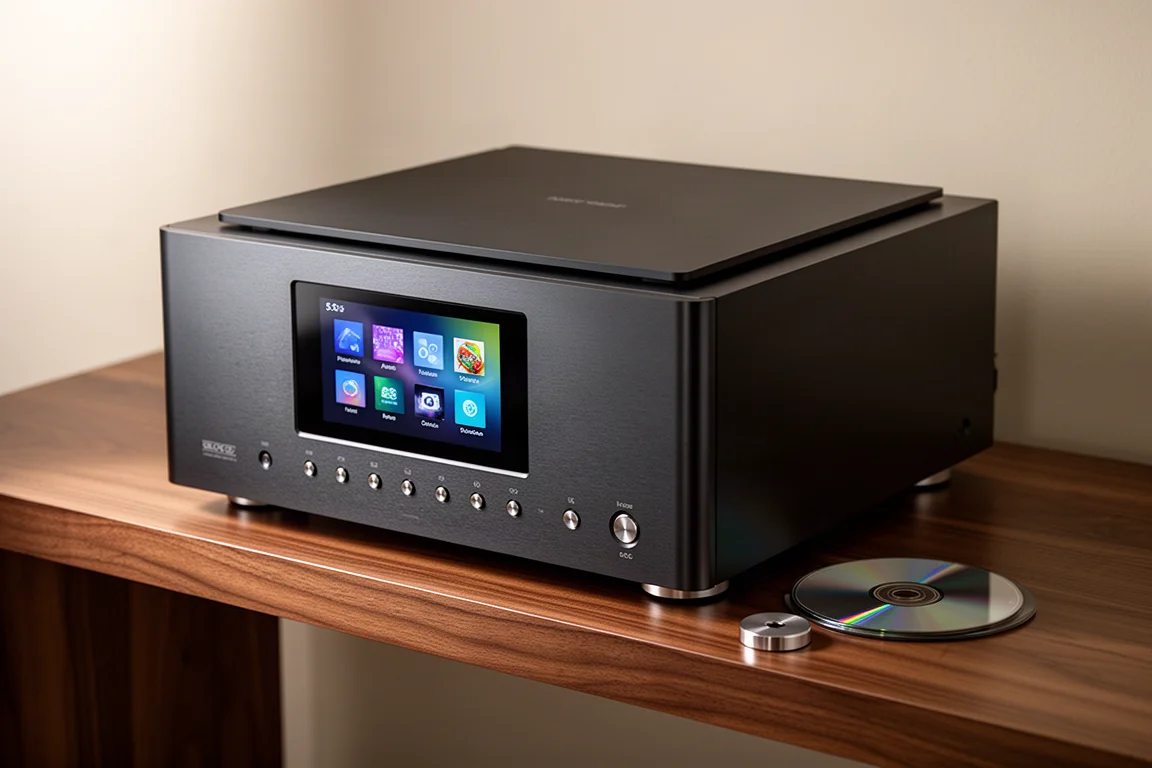
The Shanling SCD 3.3 is a top-loading CD and SACD player built around a discrete 24-bit R2R ladder DAC and a tube-buffered output stage. It adds a 5-inch touchscreen for playback control and source selection, handles basic file playback, and can serve as a standalone DAC. Pricing sits at around 3,800 euros or 3,900 US dollars.
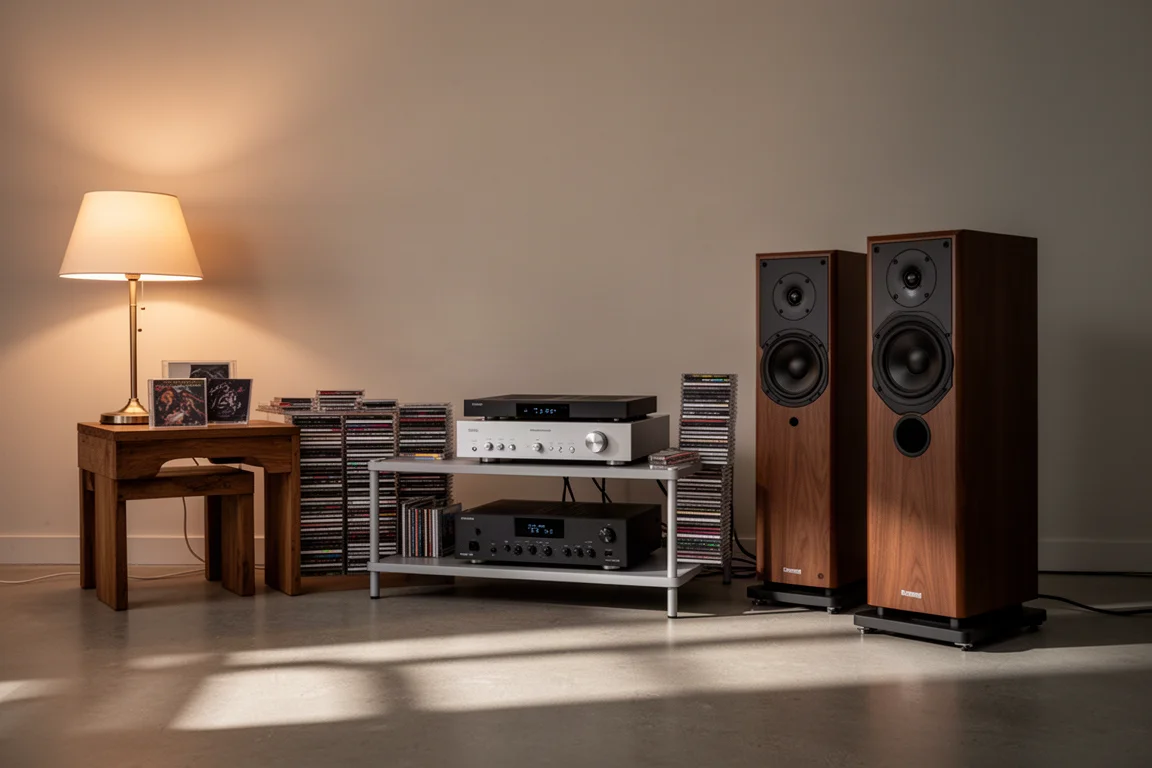
That places it firmly in premium territory, and the specification list explains why: coaxial and USB digital inputs, aptX HD and LDAC Bluetooth, a 10 kg chassis, and a tube stage that stays in the signal path at all times. What follows is a closer look at how it is built, how it sounds, and where it asks for a compromise.
Who This Product Is For
The SCD 3.3 suits listeners who put compact discs first. If your library is mostly CDs and you want an R2R ladder DAC and tubes in the signal path rather than a chip-based converter, this player was designed with exactly that priority in mind.
It also makes sense for anyone who wants one box that can read discs and act as a DAC for other sources. Because it accepts coaxial and USB digital inputs, it can sit at the centre of a simple system and take a feed from a network streamer or a computer.
Owners who treat SACD support as a bonus will be happiest. The player reads the stereo layer of an SACD, but that DSD stream is converted to PCM before it reaches the R2R ladder, so anyone who insists on native DSD decoding straight from a disc should plan on an external DAC or look at other options.
Main Strengths: R2R Ladder DAC and Tube Output Stage
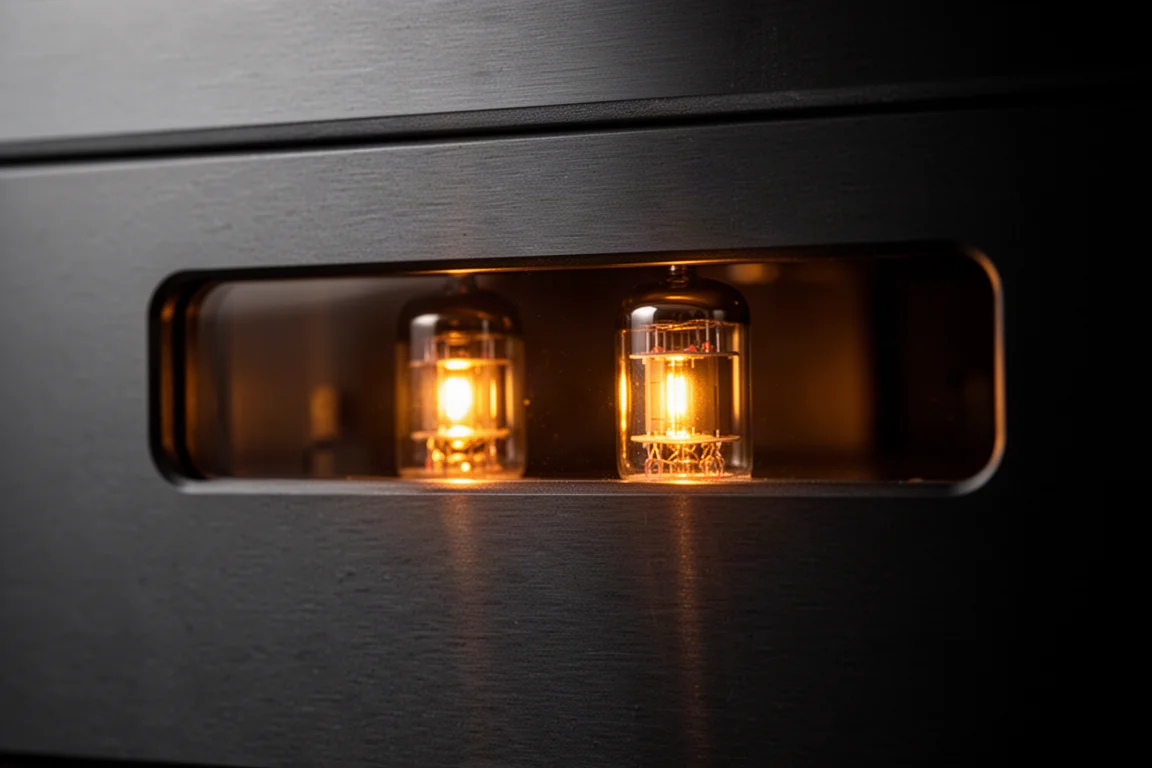
The headline specification is a discrete 24-bit R2R ladder DAC paired with a tube-buffered analog output stage. A pair of tubes feeds the RCA and the XLR outputs, and they glow behind a small viewing window to the left of the touchscreen. There is no way to bypass them, so a disc passes through the ladder DAC and the tubes before it reaches your ears.
A separate isolated power module keeps digital processing noise away from the tubes in the output stage, which is sensible housekeeping inside a player carrying this much circuitry.
In listening, the result is a sound with weight and authority. Set against the Project CD Box RS2 Tube, the SCD 3.3 comes across as weightier and more dynamically punchy. On the 2023 remaster of New Order’s Substance, it rounds off some of the harder edges without tipping into a light or fluffy presentation. Dense DJ mixes arrive with real intensity, and the sparse instrumentation at the heart of Talk Talk’s Spirit of Eden gains solidity and presence, anchoring the record in front of the listener.
It also helps recordings that need a little assistance. Robyn Hitchcock’s Shufflemania is a fairly flat record, and it sounds less flat through this player, which lends it some spatial depth. The electric guitar interplay on the SACD stereo layer of Matthew Sweet’s Altered Beast takes on a hint of richness without any loss of speed or urgency. Brightness is simply not part of the picture here, even on material chosen to expose it.
Design, Build Quality, and the Top-Loading Ritual
At 10 kg with a chassis close to 10 cm tall, the SCD 3.3 looks and feels like a serious piece of equipment. Much of that mass comes from the Sanyo HD850 laser mechanism and a dual transformer array. Build quality lands on par with the Project CD Box RS2 Tube, which is to say very good indeed.
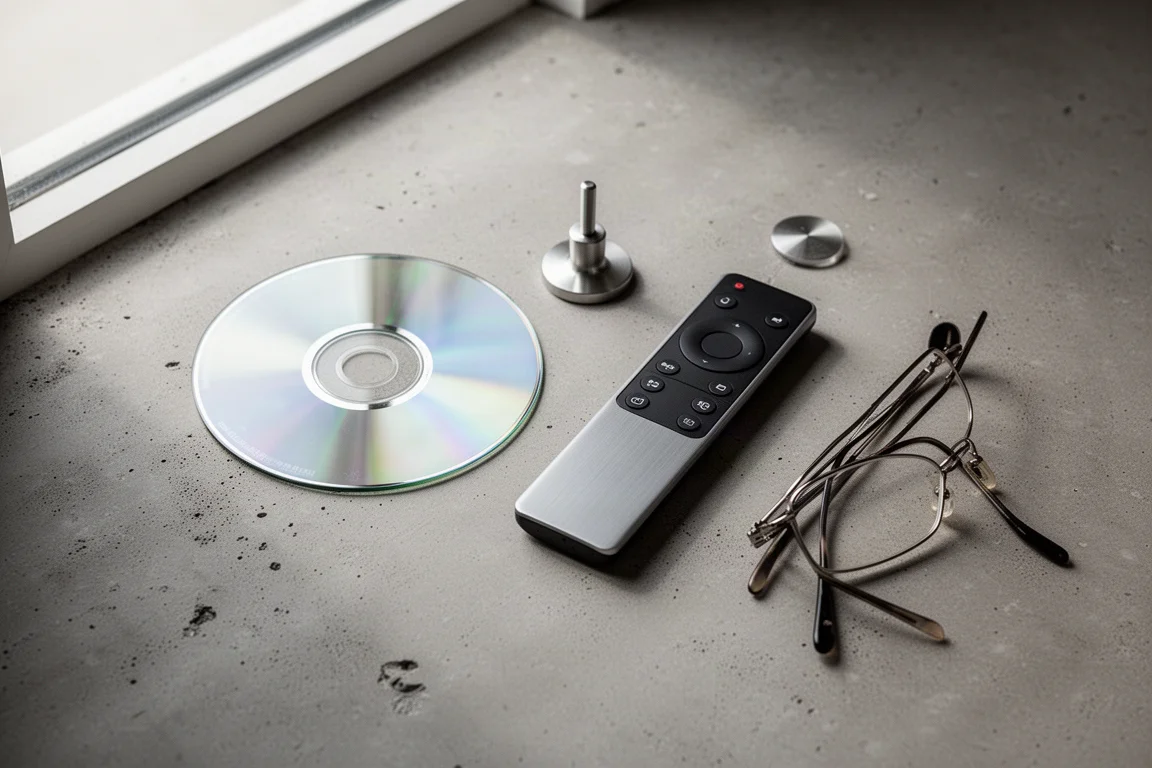
The hands-on experience is not quite as satisfying, mainly because the lid does not lift clean off. It sits on a hinge, and that hinge feels weak, so it rewards careful handling. The touchscreen, by contrast, works as advertised, and the control buttons next to it feel satisfying to press. The supplied remote has a metal front and plenty of small buttons; it works, but it does not feel as luxurious as the player it controls.
The top-loading ritual itself remains intact. Dropping a disc into the cavity and setting the magnetic puck on top is a satisfying way to begin a listening session. Shanling says the puck improves disc stability during playback and can reduce read errors. Because there is no slide-out drawer mechanism to wear out over time, a top loader has the potential to age better than a tray-fed design. Just do not lose the puck.
Features, Inputs, and System Flexibility
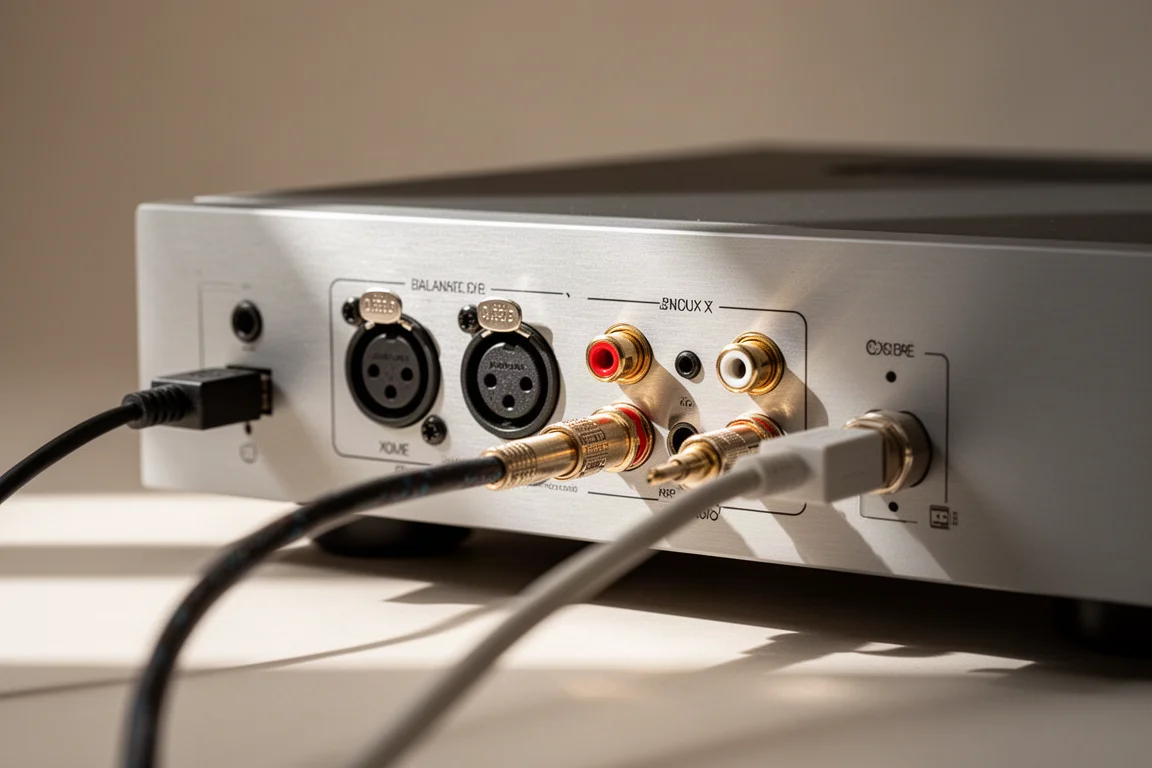
The SCD 3.3 doubles as a standalone DAC through its USB and coaxial digital inputs. There is no Toslink input, which is a real limitation if you want to run television audio through it. A workable solution is a network streamer such as the WiiM Pro Plus used as a digital-to-digital converter: optical out of the television into the streamer, coaxial out of the streamer into the Shanling.
Bluetooth with aptX HD and LDAC is included for casual listening. On the output side there is an I2S socket with a choice of 10 pinout options for sending native DSD to an external DAC, a coaxial output that supports DSD64 over DoP, and a USB output, which is rarely seen on a CD transport. That USB output handles CDs only and not SACD, but it is useful if you have spare dongle DACs on hand.
The front panel adds a USB-A socket for file playback. Virtual VU meters appear only when you play files from a drive connected to that socket; they do not show up for disc playback or for the rear digital inputs. Song and album selection from a connected drive is handled by the Edict Player app, whose interface is basic.
The coaxial input also makes it straightforward to feed a network streaming setup into the player. Roon playback does not require Roon’s own server hardware, for example: a reasonably capable Mac or PC with a hard drive attached will scan and sort a library without renaming or moving files, and streaming accounts can be blended into the same library.
Things to Consider Before Buying
The most important consideration is how you feel about SACD. The SCD 3.3 reads the stereo layer of an SACD, but that DSD stream is converted to PCM before it reaches the R2R DAC. Shanling states plainly that the DSD layer is converted to PCM and run on the R2R ladder. Anyone who wants native DSD out of an SACD must send the signal to an external DAC through the I2S socket. That is a genuine limitation for SACD purists.
It is also worth being realistic about the format itself. SACD remains a niche with a limited catalogue, and desirable titles can command high prices on the secondhand market. If you own only a handful of SACDs, the conversion to PCM is unlikely to be the deciding factor.
A few smaller points deserve a mention. The hinged lid feels fragile. The Edict Player app is basic. The virtual VU meters are limited to playback from the front USB socket. And there is no Toslink input, so optical sources need an adapter or a streamer in between. At almost 3,900 US dollars, roughly double the price of the CD Box RS2 Tube, this is a considered purchase rather than an impulse one.
Buying Advice
Buy the SCD 3.3 if you are a CD-first listener who wants an R2R ladder DAC and tubes in the signal path, and if you are comfortable treating SACD playback as a bonus rather than the main event. In that role it is a very strong performer, and the sound carries the weight and authority to justify its position at the top of the range.
If native DSD decoding from an SACD is non-negotiable, this is not your player. In that case, either route the signal through the I2S output to an external DAC or look elsewhere.
It is also worth thinking about the rest of your system. The SCD 3.3 accommodates streaming transports such as the WiiM or an EverSolo T8, so it can act as the digital and analog heart of a setup that mixes discs with network streaming. If you already own a CD Box RS2 Tube, the move here is a genuine step up in price and, for many listeners, in sound. If you are starting fresh and discs come first, the SCD 3.3 earns its place.
Conclusion
The Shanling SCD 3.3 is a top-loading CD and SACD player that gets the important things right. The discrete R2R ladder DAC and the tube output stage give compact discs a weight and presence that a chip-based player struggles to match, the chassis is substantial, and the ability to work as a standalone DAC with coaxial, USB, and Bluetooth inputs makes it far more versatile than a disc-only machine.
Its compromises are clear and specific: PCM conversion for SACD, a fragile-feeling hinge, a basic control app, VU meters that only appear for front USB playback, and no Toslink input. For CD-first listeners who want tubes and an R2R ladder in the signal path, those are easy to live with. For anyone who needs native DSD from a disc, they are not.
Product link
View more details for Shanling SCD 3.3
This product is mentioned in the review. Check the specifications, options, and compatibility before buying.
View more details for Shanling SCD 3.3Further reading
Related Reviews
CD Players
Advance Paris X-CD9 Review: A Tube CD Player That Also Works as a Transport
A close look at the Advance Paris X-CD9, a tube CD player that doubles as a CD transport, with listening notes, handling details, and a comparison against an external DAC.
CD Players
Best CD Players and DACs in 2026: Five Ways to Get Great CD Sound
Five CD player and converter options from roughly $80 to $600, plus what actually matters for sound quality and how buying discs supports the artists you love.
CD Players
Best CD Players Compared: Budget, Mid-Range, and High-End Picks
A practical comparison of four CD players across price points, from an entry-level deck to a reference-grade player that doubles as a DAC and headphone amplifier.