CD Players
Best CD Players and DACs in 2026: Five Ways to Get Great CD Sound
Five CD player and converter options from roughly $80 to $600, plus what actually matters for sound quality and how buying discs supports the artists you love.
Introduction
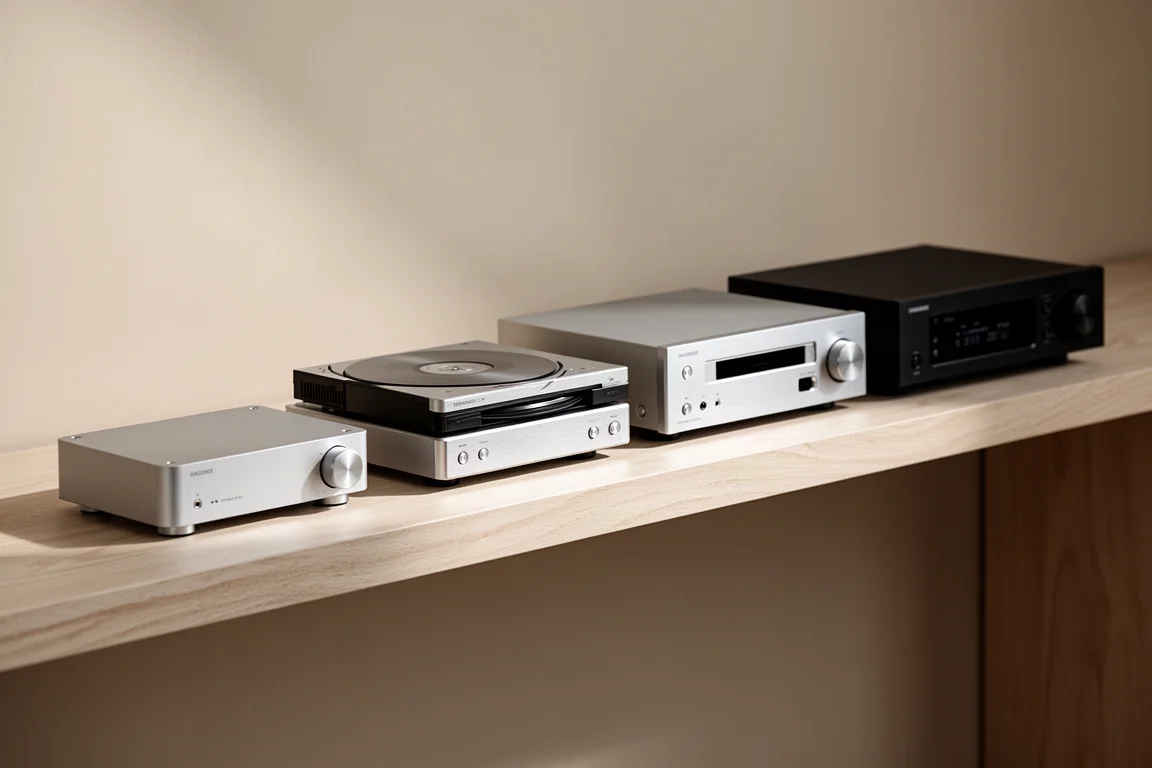
Compact discs are having an unlikely second act. Prices have stayed low, used copies turn up for next to nothing, and plenty of listeners have decided that a disc sounds better than a stream. If you have a shelf of CDs in the garage and nothing to play them on, the only real question left is which machine to buy.
This guide covers five options spanning roughly $80 to $600, from a small external converter that upgrades almost any inexpensive player to a full-width single-disc unit built for people who want one box and no fuss.
Why CDs Are Worth Buying Again
Three arguments come up again and again, and they hold up.
The first is sound. Many listeners who compare the two directly say a CD sounds better than the same album streamed. Getting the most out of that difference takes a decent player or converter, which is what the rest of this guide is about.
The second is artist support. Streaming pays artists somewhere between $0.003 and $0.005 per stream, while buying a new CD directly from a band is roughly equivalent to 6,000 to 10,000 streams. That is not a guarantee that a favourite act keeps recording, but it is a meaningful contribution.
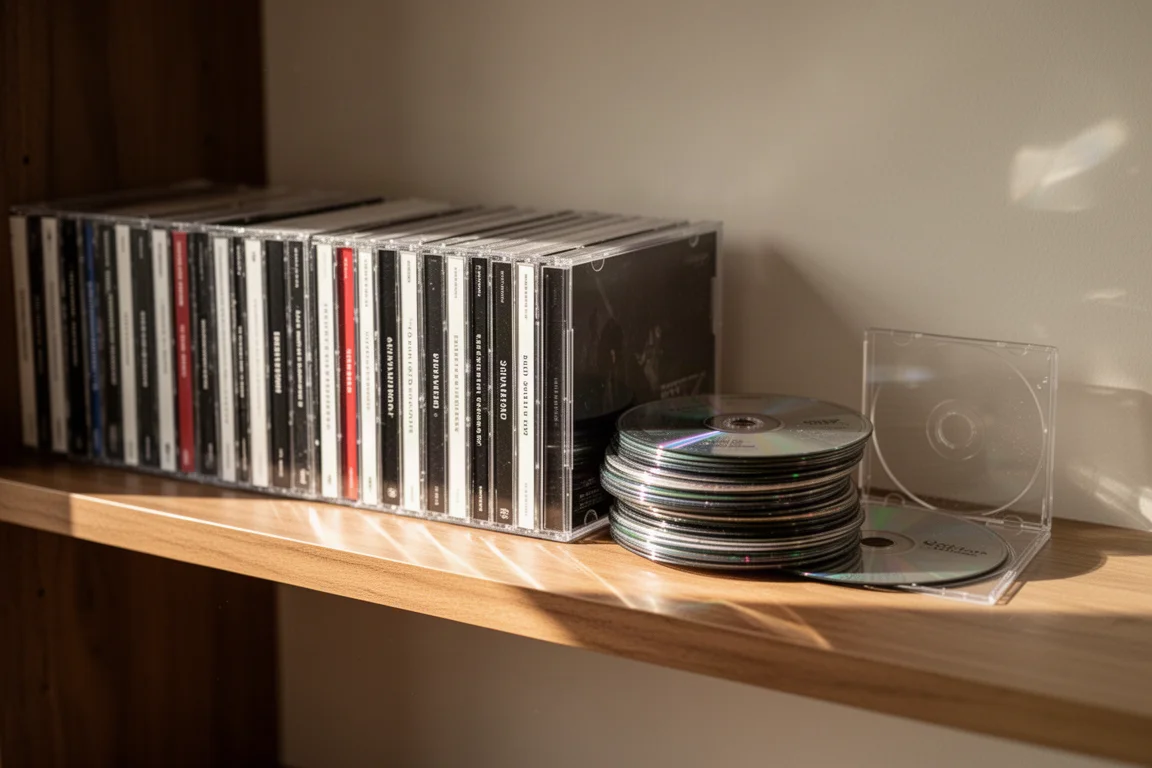
The third is that physical media keeps working when nothing else does. During a multi-day power outage, a small generator was enough to keep a CD player running while streaming services stayed unreachable. That is a niche argument until the day it is not.
There is also the ritual: choosing a disc, reading the sleeve, hearing an album in order rather than skipping through a playlist. The economics are unusually friendly too. A new CD in 1987 cost between $13 and $20, while a new CD in 2025 typically runs $10 to $13, and sometimes as little as $8. Used discs at thrift stores and charity shops regularly sell for around 99 cents, which makes browsing a low-risk habit.
What to Look For in a CD Player
Four things decide how a player will fit into a system.
Built-in conversion quality matters most if you plan to run the player straight into an amplifier. A good internal digital-to-analog converter is the difference between a machine that sounds fine out of the box and one that needs help.
A digital output is the upgrade path. If the player has a coaxial or optical output on the back, you can add an external converter later without replacing the player itself.
Convenience decides the format. A single-disc player is simple and quick, while a carousel holds several discs and suits long listening sessions. An all-in-one unit avoids extra boxes and cables, while a separate player and converter can cost less for the same sound.
Power requirements are easy to overlook. Some compact players need a specific adapter rating rather than the 5V chargers most households already own, and that is a small extra cost worth checking before you order.
Best Budget Upgrade Path: SMSL SU-1
The cheapest route into CD playback starts with a used DVD player, often around $5 at a thrift store, or a new one for roughly $30. These will read a CD out of the box, but on their own they sound poor, which defeats the purpose for anyone buying into discs for the sound.
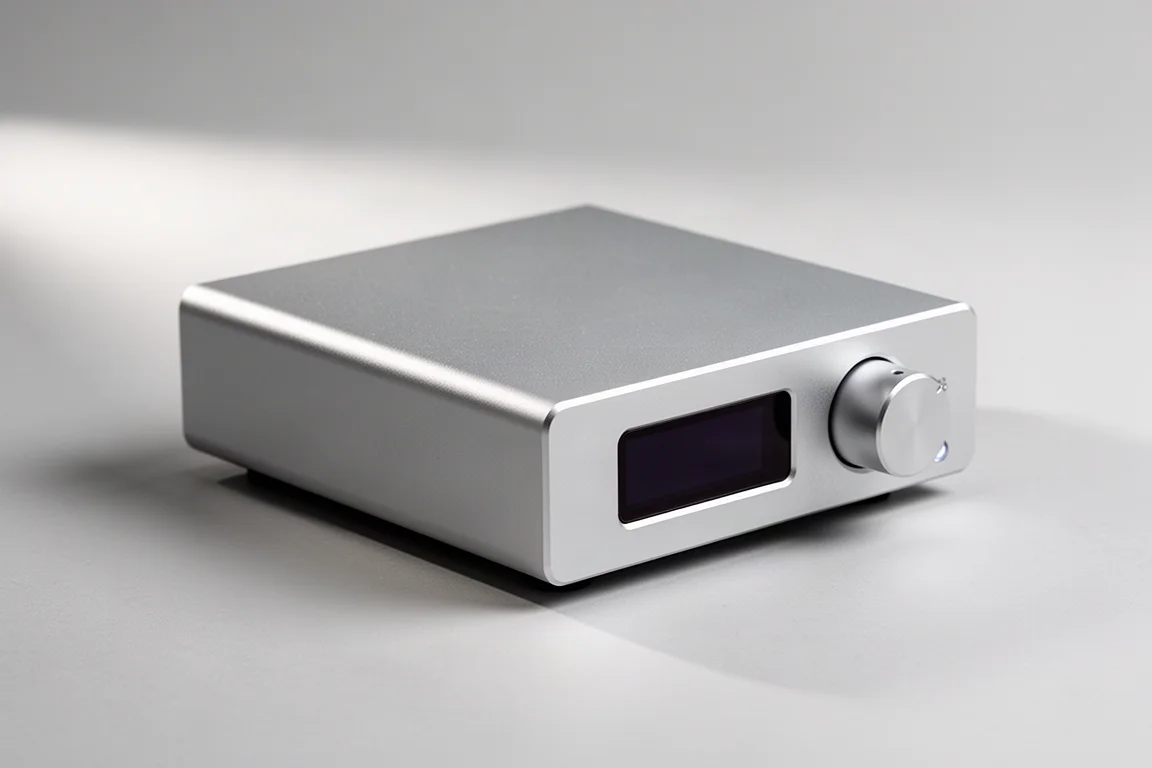
The fix is the digital output on the back. If the player has a coaxial or optical output, you can send the signal to an external digital-to-analog converter instead of relying on the player’s own analogue stage. The SMSL SU-1 is one of the more affordable converters at about $80. Connect the player’s digital output to the converter’s digital input, then run the converter’s analogue outputs, the white and red connections, into a receiver or integrated amplifier. A cheap player suddenly sounds far better than its price suggests.
Best All-in-One Budget Player: SMSL PL100
If the two-box approach sounds like more fiddling than you want, the SMSL PL100 folds it into a single unit. It is an all-in-one CD player with a decent built-in converter, so it sounds considerably better than a bare DVD player without any extra hardware, and it lands at around $100, close to the cost of a cheap player plus an external converter.
There is one detail to plan for. The PL100 uses a 5V power supply rated at 2.2 amps, and most spare 5V phone chargers are rated between 1 and 2 amps. Budget roughly $10 for a correctly rated adapter. The player also includes a digital output, so a better external converter remains an option later.
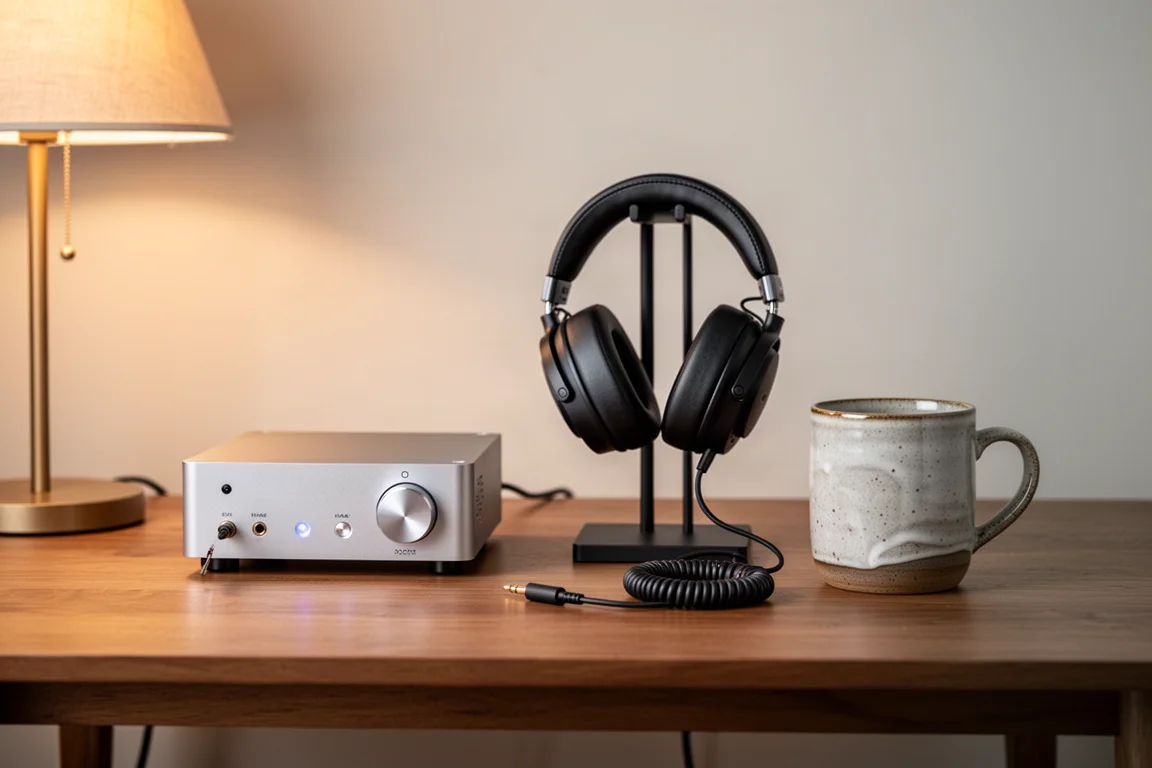
For a first player in a small room, that combination is hard to argue with: one compact box, one cable to the amplifier, and nothing you will notice missing in daily use.
Best Mid-Priced Traditional Player: Cambridge Audio AXC35
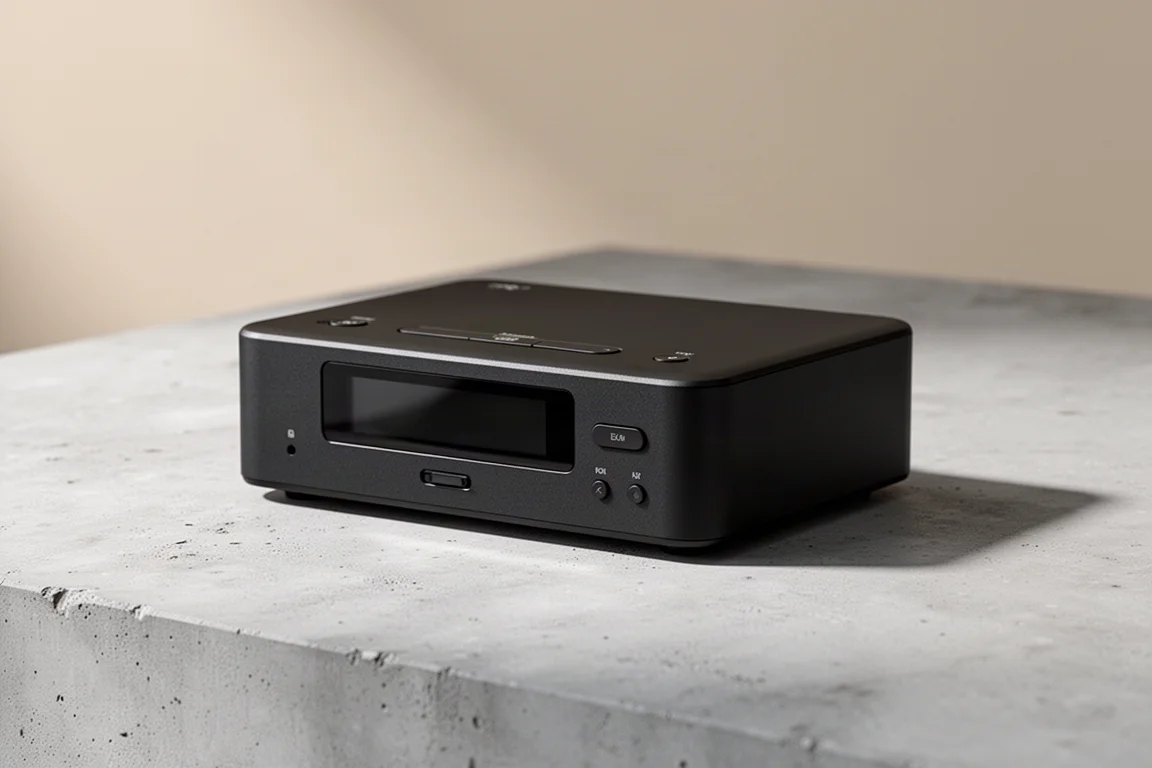
At $399, the Cambridge Audio AXC35 is the point where the hardware starts to feel like proper hi-fi rather than a desktop accessory. It is a traditional full-width CD player of the kind that filled stereo racks in the 1980s and 1990s, with a very good internal converter, so it sounds right with nothing added.
It also includes a digital output. If you later decide to try a more expensive external converter, the AXC35 can feed it, which keeps the player useful as your system grows.
Best Step-Up Single-Disc Player: Rotel CD11 Mark II
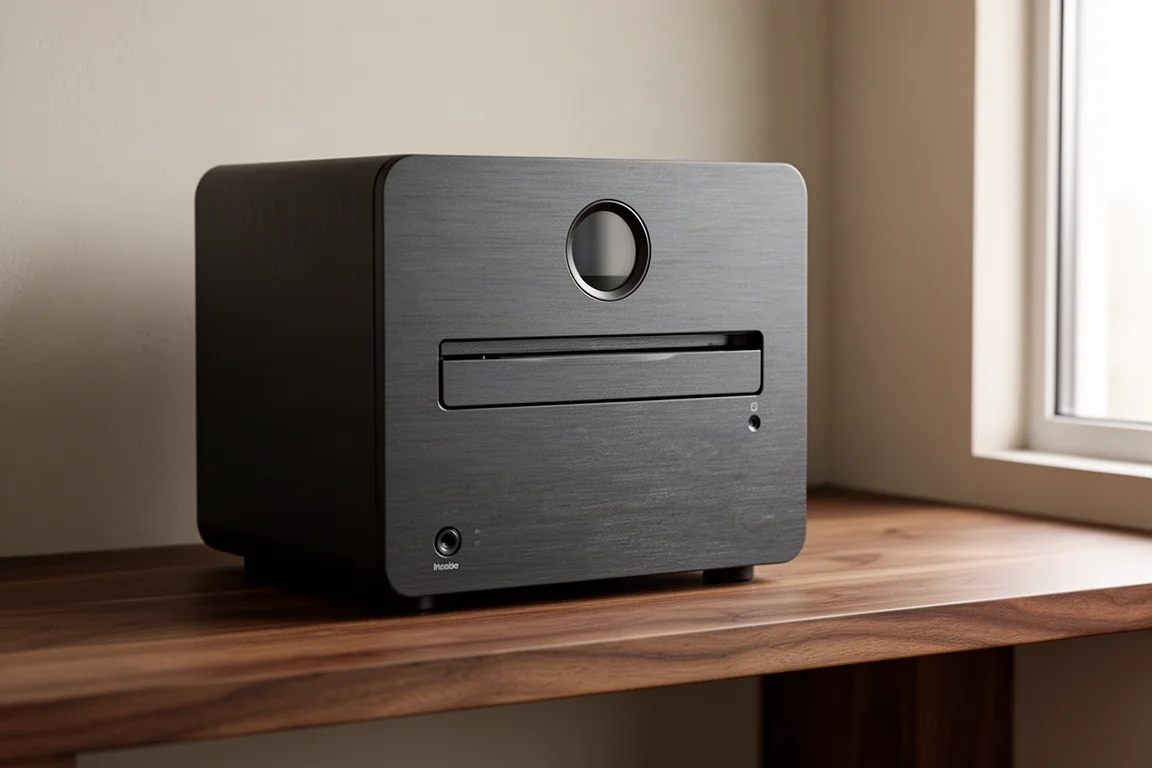
The Rotel CD11 Mark II sits at $600 and keeps things deliberately simple: a single-disc player with a great converter inside, designed to be connected to a stereo or integrated amplifier and then left alone. There is no learning curve and no menu to explore.
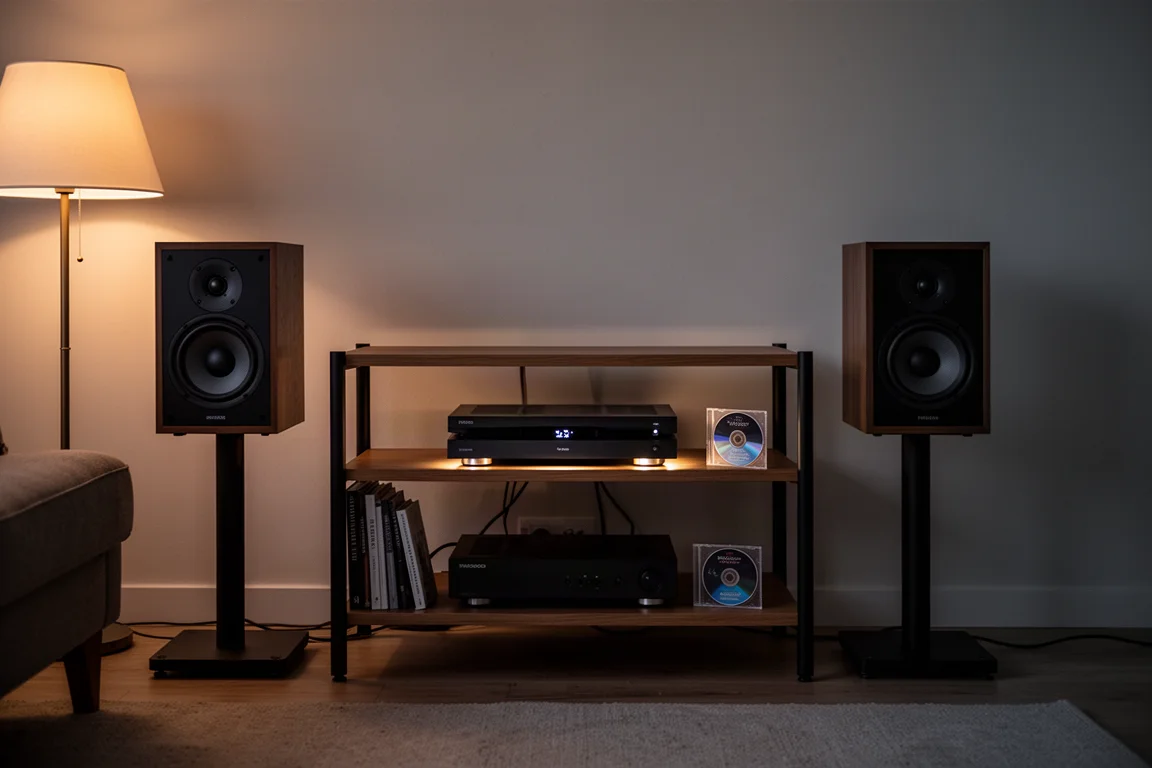
That simplicity is the appeal. If your goal is a well-built player that handles one disc at a time and asks nothing more of you, this is the category where the extra spend buys build quality and a reassuringly conventional experience rather than extra features.
Best Carousel Option: Onkyo DX-C390
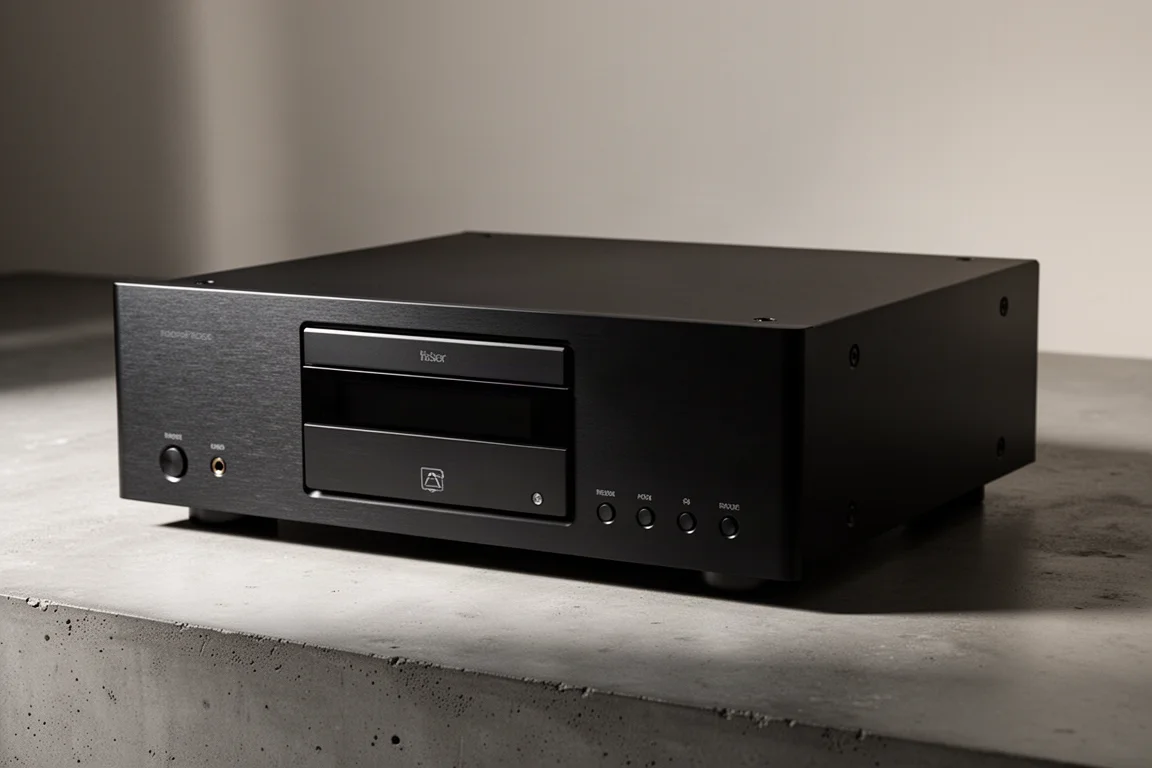
For listeners who like to load up and let an evening run, the Onkyo DX-C390 is a six-disc carousel changer in the old-school mould. At $349 it undercuts the single-disc players above while offering something they cannot: five more discs ready to go.
It includes a digital output as well, so it can scale with a better converter down the line instead of being locked to its internal stage.
The Biggest Takeaway: You Do Not Need to Spend a Lot
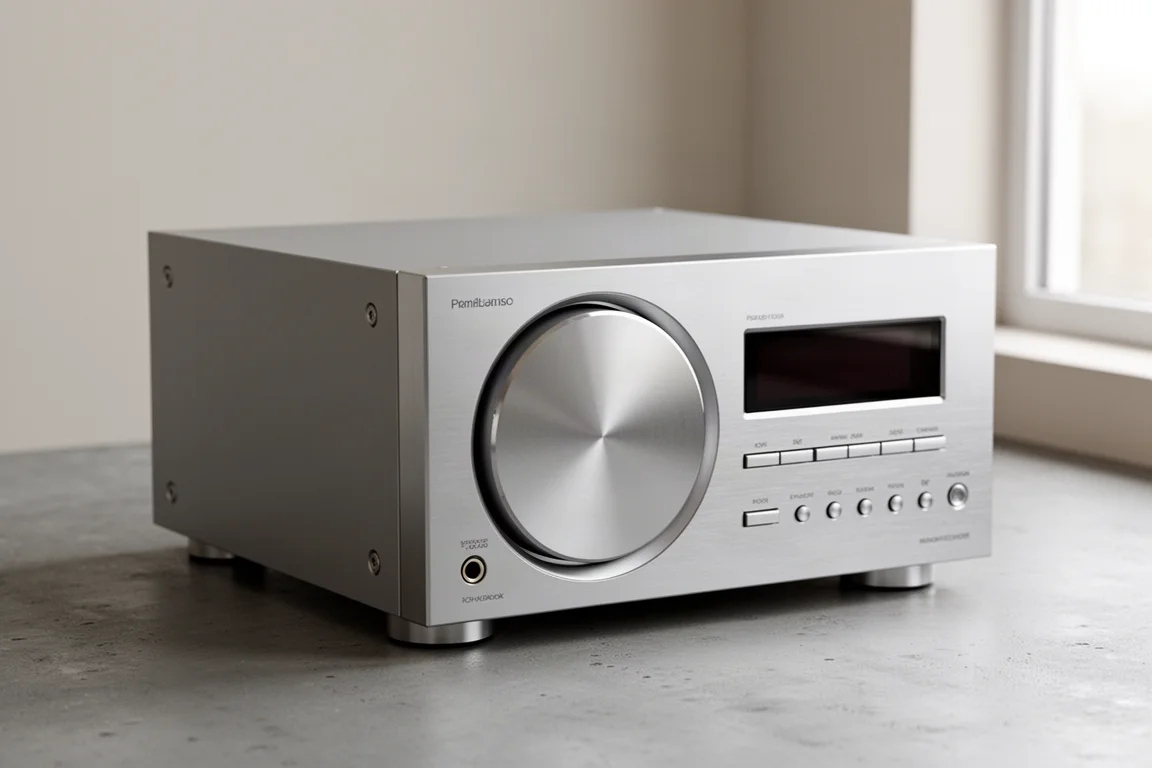
The most useful thing to know about this category is how little the spending matters for sound quality. Comparing a $30 DVD player connected to an external converter against a $600 CD player, the two were indistinguishable. Once the conversion is handled well, the player itself contributes far less than the price tags suggest.
That does not make the more expensive machines pointless. Buyers who want a solid chassis, a familiar full-width design, a single box with no extra cables, or simply the confidence of a purpose-built component are paying for those things, and they are real. But if sound quality is the only criterion, a modest player plus a good converter gets you there for a fraction of the cost.
Buying Advice
Start from how you actually listen. If you want the lowest possible cost of entry and do not mind two boxes, an inexpensive player with a digital output plus the SMSL SU-1 is the value pick. If you want one small unit that sounds good immediately, the SMSL PL100 is the simpler version of the same idea, once you have the right power adapter. If you want a traditional player that can accept a future converter upgrade, the Cambridge Audio AXC35 sits in the middle of the range. If you want one well-made single-disc machine and no fuss, the Rotel CD11 Mark II is the step up. And if you have a large collection and want changer convenience, the Onkyo DX-C390 covers six discs at a lower price than most single-disc options here.
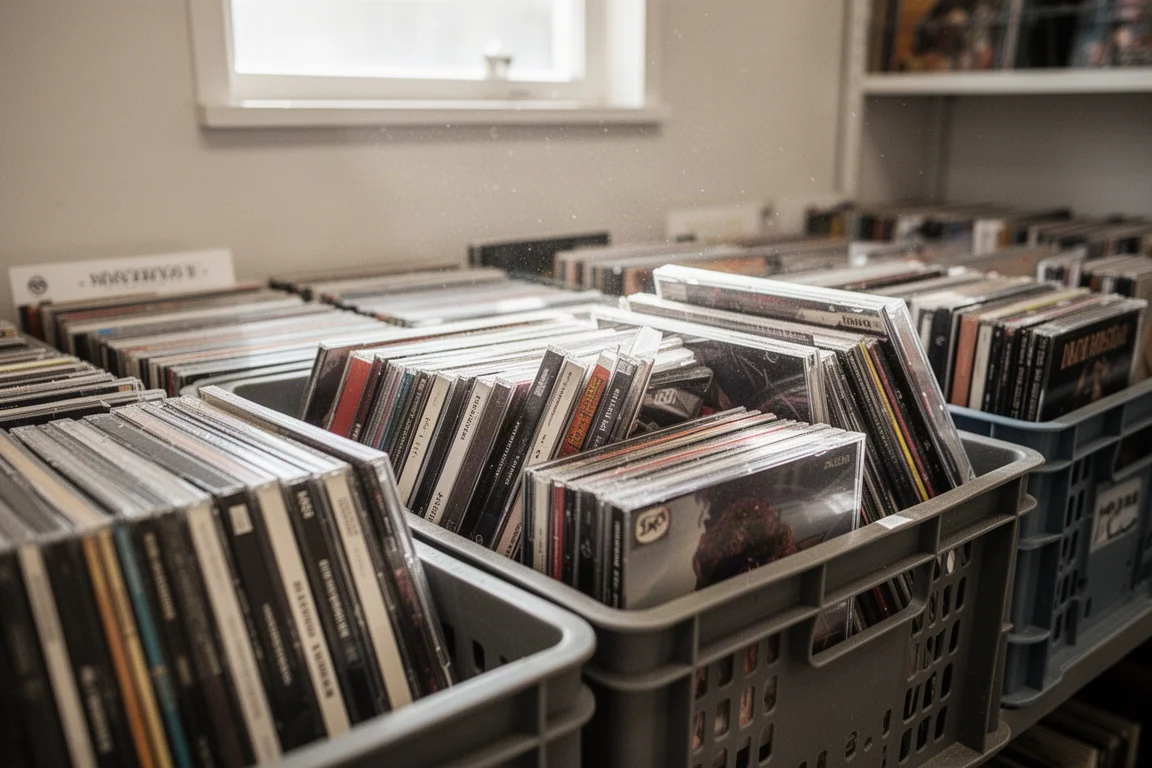
Two timing notes are worth keeping in mind. Some of the compact players come from brands that ship direct from China, and tariffs could shift pricing and availability, so if one of those is on your shortlist, buying sooner is the safer choice. The other is that discs themselves are unusually cheap right now, both new and used, which will not necessarily last as the format’s revival continues.
Conclusion
Getting into CDs does not require a big budget or an audiophile vocabulary. A player with a clean digital output, a good converter, and a stack of second-hand discs will outperform most expectations, and the more expensive machines exist for people who want build quality, convenience, or a single box that does everything.
Pick the option that matches how you listen, buy a few discs from the artists you want to keep around, and the rest takes care of itself.
Further reading
Related Reviews
CD Players
Advance Paris X-CD9 Review: A Tube CD Player That Also Works as a Transport
A close look at the Advance Paris X-CD9, a tube CD player that doubles as a CD transport, with listening notes, handling details, and a comparison against an external DAC.
CD Players
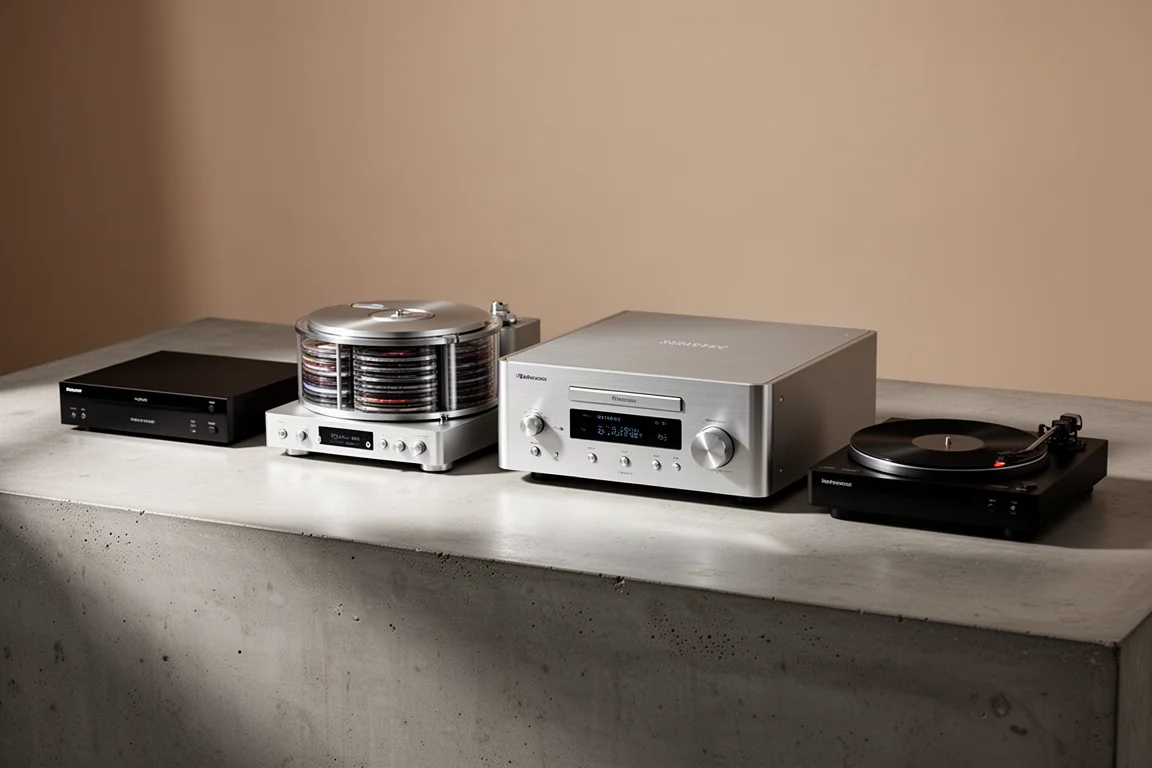
Best CD Players Compared: Budget, Mid-Range, and High-End Picks
A practical comparison of four CD players across price points, from an entry-level deck to a reference-grade player that doubles as a DAC and headphone amplifier.
CD Players
Best Cheap CD Players in 2026: Four Affordable Picks and a Budget DAC Upgrade
Four affordable CD players plus a budget external DAC, with the strengths, trade-offs, and upgrade paths that matter before you buy.