Hi-Fi Audio
Shanling ONIX Zenith XST20 Review: An SACD Transport Built Around DAC Flexibility
A practical look at the Shanling ONIX Zenith XST20 SACD transport, covering its top-loading design, native DSD64 over I2S, ten pinout configurations, and the limits worth knowing before buying.
Introduction
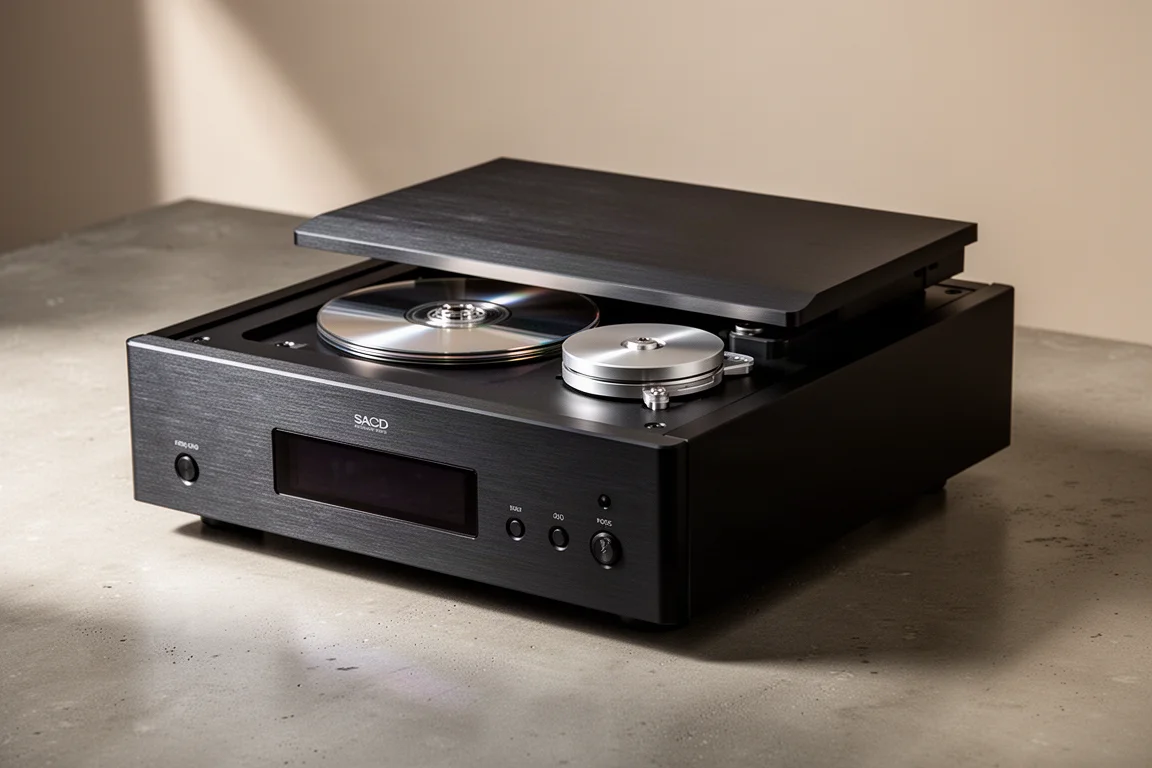
The Shanling ONIX Zenith XST20 is a dedicated SACD transport rather than a one-box CD player, and that distinction shapes everything about how it is used. It is built into an aluminium chassis that feels considerably more expensive than its position in the market suggests, and it uses a top-loading mechanism with a magnetic puck that clamps the disc in place before the lid closes. It plays SACDs, hybrid SACDs, and ordinary CDs.
Shanling has spent recent years building CD playback hardware that delivers well beyond its price bracket, and the Zenith XST20 sits at the top of that line-up. Its job is not to convert digital audio into an analogue signal. Its job is to read a disc as accurately as possible and hand the data off to a DAC of your choosing, which is precisely why it carries an unusually broad set of digital outputs.
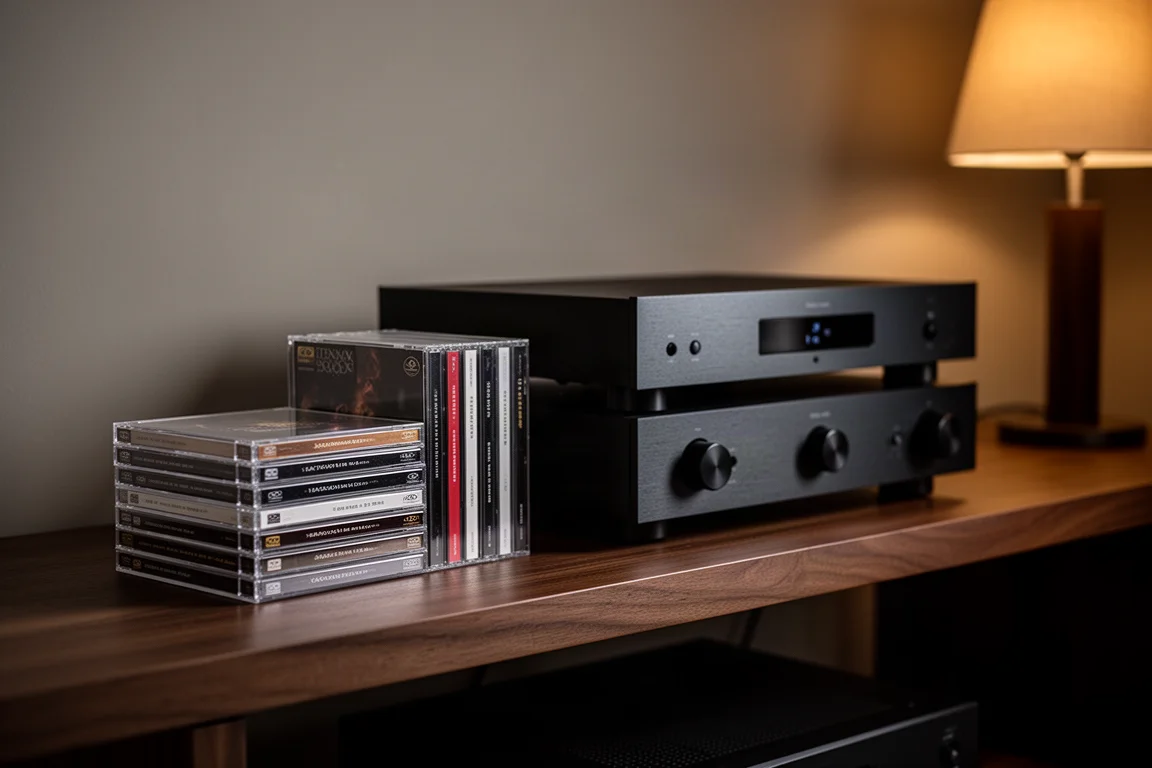
This article covers what the transport does particularly well, who it genuinely suits, and the limitations that are worth understanding before you commit to it. None of those limitations are dealbreakers for the right listener, but they do define who that listener is.
Who This Product Is For
If you already own a collection of SACDs, or you intend to build one, and you have an external DAC with an I2S input that supports DSD, the Zenith XST20 is aimed squarely at you. It gives that library a proper purpose and keeps the conversion stage entirely under your control.
It also appeals to listeners who prefer a top-loading mechanism. A top loader with a magnetic clamp tends to hold up better over years of use than a drawer mechanism, which can become loose or flimsy over time. That is a durability argument rather than a sonic one, but it matters for anyone buying hardware they intend to keep.
It is a less obvious fit for listeners who want a single box they can connect straight to an amplifier. There is no internal DAC here, so an external converter is not optional. And anyone who owns no SACDs at all may find that a lower-cost CD transport covers their needs just as well.
Main Strengths: Native DSD Over I2S and Wide Compatibility
The difference between a transport and a player comes down to one component. A CD player contains a digital-to-analogue converter inside, which makes it a plug-and-play device. A transport, like the Zenith XST20, has no converter at all. That sounds like a subtraction, but it is really a form of flexibility: it lets you pair the disc mechanism with whatever external DAC matches your taste and budget, rather than accepting whatever converter fits inside a small chassis.
That flexibility depends on the digital connection between the two boxes. Most of these links have traditionally run over coaxial cable, and USB has only recently become common on transports. Coaxial connections were rarely able to carry the full bandwidth of SACD content in native form, which is roughly comparable to owning a graphics card that can output 4K while the cable in the box cannot carry that much data. The result is a reduced signal rather than the full one.
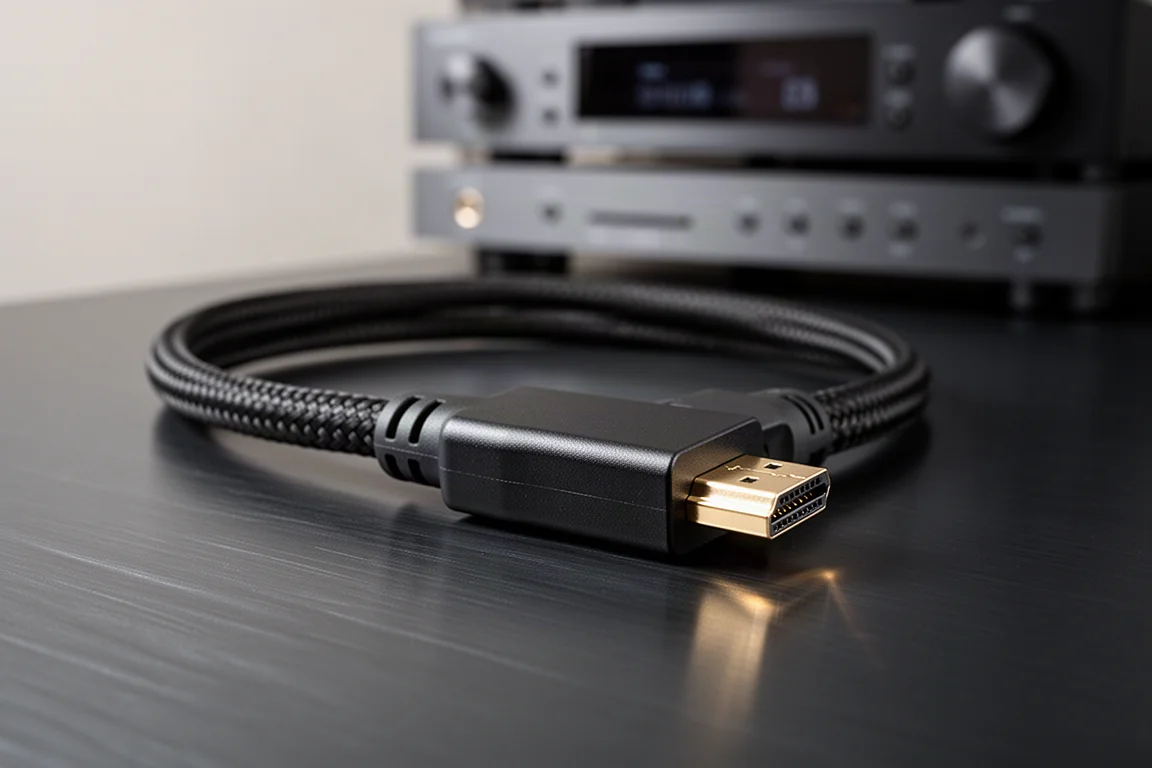
The I2S connection is what changed the situation. Even though the socket resembles an HDMI port, it is not HDMI. It is an audio transmission interface developed by Philips, and it now appears on a wide range of DACs, including affordable ones. That means you can pair an SACD transport with almost any DAC that offers I2S and DSD support, rather than being locked into one manufacturer’s ecosystem. Some brands went the other way, using proprietary links that effectively required you to buy their DAC as well.
Two problems remained, and the Zenith XST20 addresses both. The first is cost. I2S-equipped SACD transports have historically been expensive, with the least costly comparable option sitting around $7,000. The Zenith XST20 is priced just above $2,000, which makes native DSD64 output over I2S accessible at a fraction of that figure.
The second problem is more subtle and more consequential. Because there is no agreed standard for I2S pinouts, many manufacturers define their own, which quietly limits which DACs will actually work with a given transport. Shanling takes the opposite approach here, using FPGA assistance to support ten different pinout configurations. That is the feature that makes this transport genuinely unusual, and it is the main reason it can be matched with a broad range of external DACs instead of a narrow list.
On outputs, the Zenith XST20 sends native DSD64 over I2S. Every other digital output carries DOP64, which stands for DSD over PCM. That is not a conversion from DSD to PCM, as is sometimes assumed. It is DSD packaged inside a PCM container so it can travel over connections such as coaxial and optical. The trade-off is efficiency: packaging DSD this way requires roughly double the bandwidth of the original signal, and not every DAC can handle that. USB is the exception here, and it carries PCM only.
Design, Build, and the Top-Loading Mechanism
The chassis is aluminium, and the styling choices give it a distinctly high-end presence. The mechanism is top-loading, which is the configuration many long-term listeners prefer, because there is less to wear out than in a drawer-based design. A magnetic puck holds the disc securely in place before the lid closes, which keeps the disc properly seated during playback.
That combination of materials and mechanism is what separates the Zenith XST20 from cheaper transports in practical terms. It is not a piece of equipment that feels like a compromise, and the physical design supports the argument that this is a component intended to stay in a system for years.
How It Sounds
The sound signature is neutral, accurate, transparent, and uncolored. That is a virtue rather than a limitation, because it means the transport does not impose a character on your system. If you want more nuance and micro detail, you can choose a DAC that leans that way. If you want more warmth and body, a warmer DAC will deliver it. If you prefer to keep the neutrality intact, a neutral DAC preserves it. The transport simply gets out of the way.
Against the Shanling ET3, the Zenith XST20 improves in two specific areas. The first is transparency and detail retrieval: micro details and fine nuances are more readily audible, and that holds true both for SACDs and for ordinary CDs. The second is the soundstage and overall sense of spaciousness, which is noticeably more open and natural. The ET3 never sounded particularly digital, but the Zenith XST20 is on a different level, presenting music as a performance in the room rather than as a sequence of notes. Despite the detail on offer, it never becomes fatiguing, bright, or brittle. There is no digital edge to it.
Native DSD64 playback also compares well with upsampled playback. The ET3’s internal upsampling engine, which reaches up to 512, is a capable piece of engineering, yet native DSD64 through the Zenith XST20 came across as more natural, more open, and more real. That reflects a broader view held by many engineers in this field: any conversion, up or down, tends to cost something. It is also worth noting that the Zenith XST20 holds its own against far more expensive streaming hardware, including a reference network streamer costing roughly six times as much.
Things to Consider Before Buying
The clearest limitation is the DSD ceiling. The Zenith XST20 outputs native DSD64 over I2S and DOP64 over its other digital outputs, and it does not support DSD128, DSD256, or DSD512. For listeners who have built their systems around higher DSD rates, that is a real restriction, even though DSD64 already runs at roughly 64 times the sampling rate of a standard CD.
USB behaviour is the second thing to check. USB on this unit handles PCM only, with no DSD, while optical and the other outputs do carry DOP64. It is an unusual arrangement and worth planning around if USB is your preferred connection.
The third consideration is the absence of an internal DAC. This is a transport by design, so you will need an external converter with an I2S input and DSD capability to get the most from SACD playback. If you do not already own one, factor that into the total cost.
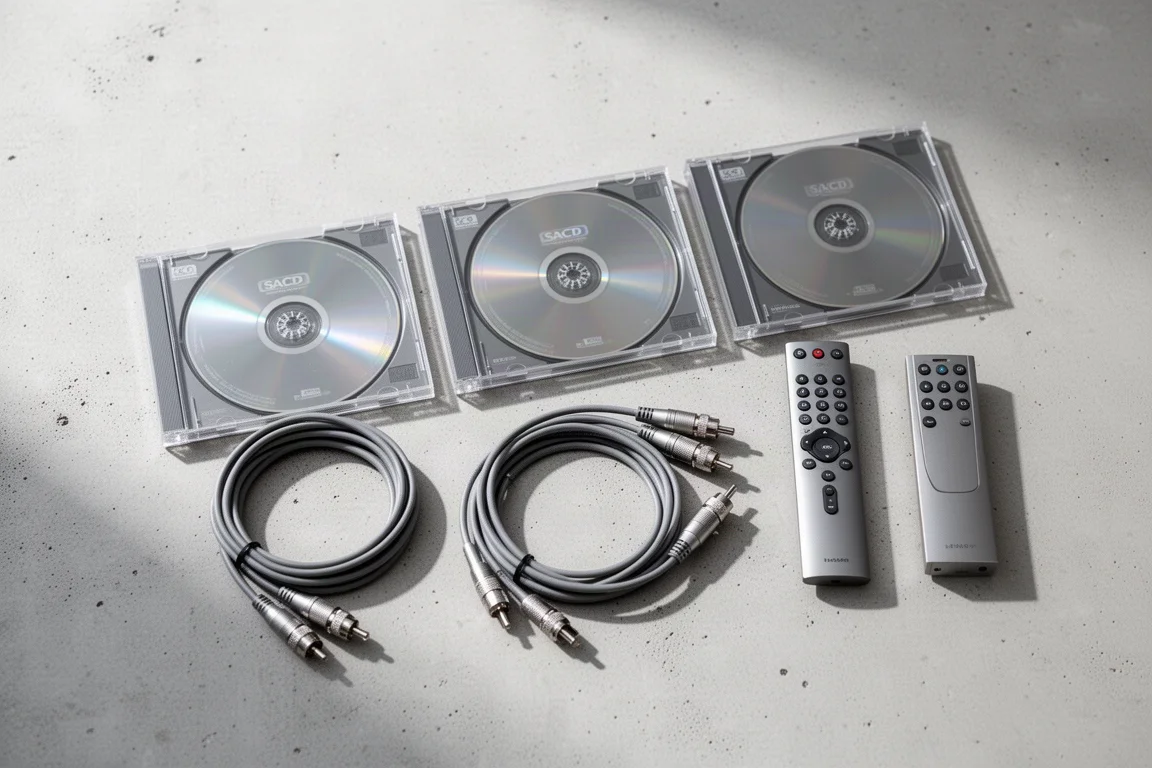
Finally, the price. Just above $2,000 is a significant amount of money, even though it is far below the roughly $7,000 entry point for comparable I2S-equipped SACD transports. And if you own no SACDs, a CD transport such as the Shanling ET3 costs about a third as much while still offering an I2S connection and an upsampling engine.
Buying Advice
If you have SACDs and an external DAC with I2S and DSD support, the Zenith XST20 is an easy recommendation. It is the least expensive route to native DSD64 from an SACD transport over I2S that this category currently offers, and the ten supported pinout configurations remove most of the guesswork from matching it to a DAC. The neutrality of the transport also makes it a safe long-term choice, because you can change the character of your system later by changing the converter rather than the disc mechanism.
If you do not own SACDs, the Shanling ET3 remains the stronger value at roughly one third of the price. It also carries an I2S connection and a capable upsampling engine, and for standard CD playback it covers the fundamentals well. The Zenith XST20 is a meaningful step up in detail retrieval and spaciousness, but it is not three times the sound for three times the money.
Whichever way you go, plan the DAC pairing alongside the purchase. Because the transport is uncolored, the converter you choose will define the character of the system, so it is worth selecting one deliberately rather than by default.
Conclusion
The Shanling ONIX Zenith XST20 is not a perfect SACD transport. Its DSD support stops at 64, its USB output is PCM only, and it requires an external DAC to function at all. Those are genuine constraints, and they will rule it out for some listeners.
For everyone else, the case is straightforward. The build quality is high, the top-loading mechanism is the durable choice, the FPGA-assisted compatibility with ten I2S pinout configurations makes DAC matching far easier than usual, and the sound is neutral, detailed, and spacious without ever turning harsh. It delivers native DSD64 over I2S for a fraction of what that capability has typically cost, and for listeners with an SACD collection and a suitable converter, that combination is difficult to argue with.
Product link
View more details for Shanling ONIX Zenith XST20
This product is mentioned in the review. Check the specifications, options, and compatibility before buying.
View more details for Shanling ONIX Zenith XST20Further reading
Related Reviews
Hi-Fi Audio
Accuphase C-57 vs Allnic H-7000V: Two High-End Phono Stages Compared
A fully balanced solid-state phono stage with a pitch-black noise floor meets a tube design built for well-loved records. Here is how to choose between them.
Hi-Fi Audio
Active vs Passive Hi-Fi: Five Components for a Modern System
Five components that define modern active and passive hi-fi systems, with the strengths, trade-offs and setup details worth weighing before you buy.
Hi-Fi Audio
Advance Paris A10 Apex Review: A Hybrid Integrated Amplifier That Covers a Lot of Ground
A French hybrid integrated amplifier with a class A tube preamp stage, analogue power meters, and an internal DAC and phono stage good enough to make extra boxes unnecessary.