Hi-Fi Audio
Shanling ET3 Review: A Compact CD Transport With High-End Ambitions
A top-loading CD transport with an I2S connection, DSD512 upsampling over USB and I2S, and a solid aluminium build, priced around $730.
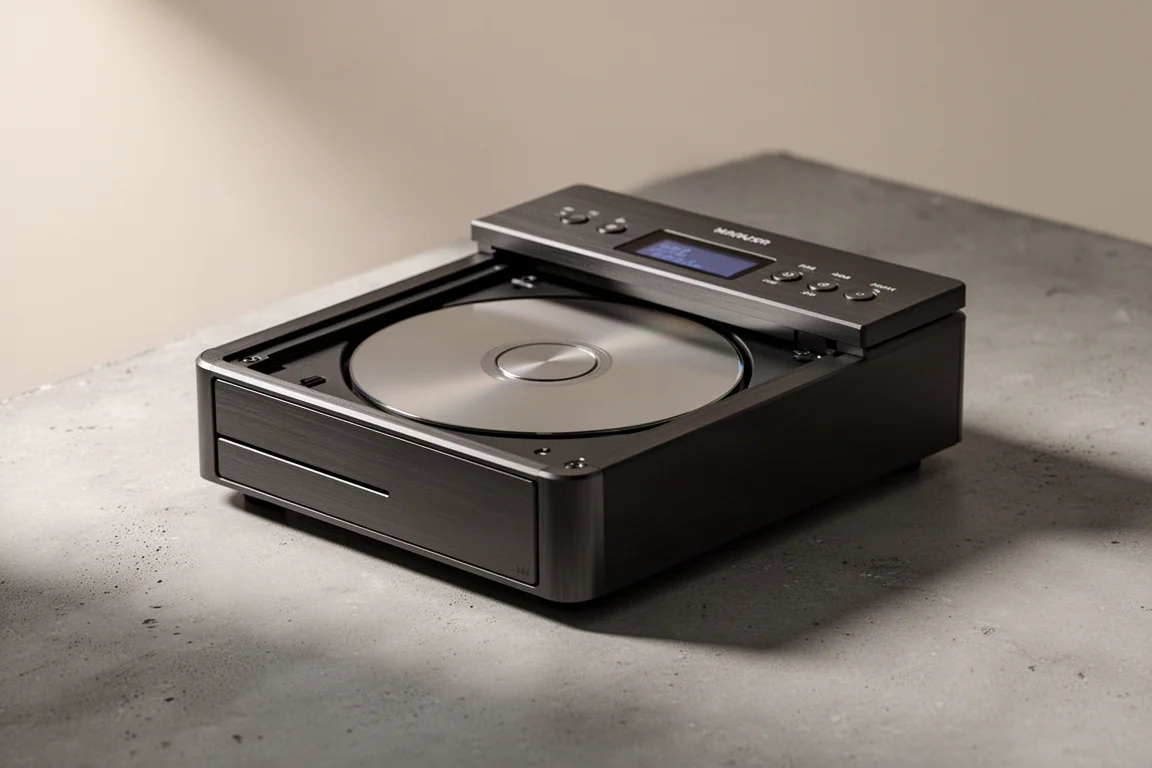
Introduction
The Shanling ET3 is a compact, top-loading CD transport built for listeners who already own a capable external DAC. At around $730 it occupies an interesting position: it skips the internal conversion stage entirely and concentrates on reading discs cleanly and passing a high-quality digital signal downstream. For anyone with a large CD collection and a serious digital front end, that is exactly the right trade-off.
Its appeal is not limited to entry-level systems. The ET3 carries features that are unusual at this price, including an I2S connection and an upsampling engine that can reach DSD512 over USB and I2S. That combination makes it a credible source component in a high-end setup rather than a stopgap.
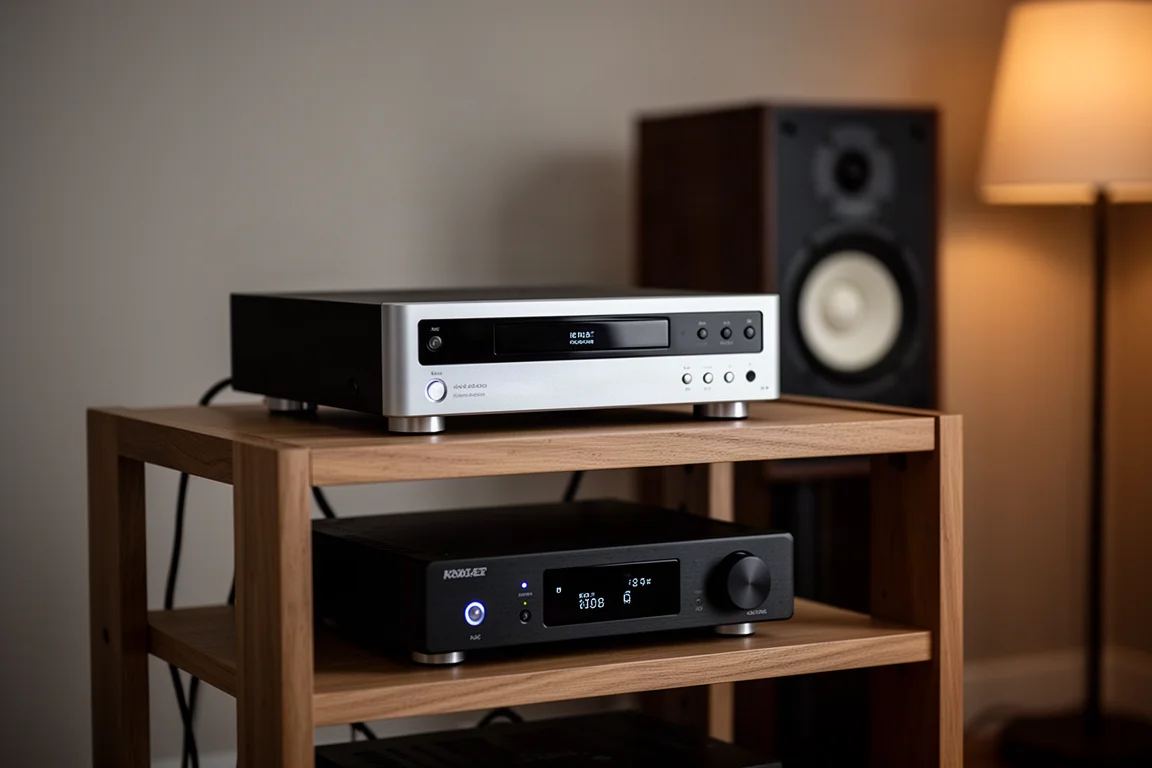
Handling is a big part of the story as well. The lid uses a puck in its centre to clamp the disc in place, a detail normally reserved for considerably more expensive players, and the chassis is cut from aluminium. The result is a transport that feels purposeful rather than plasticky, which matters when the drawer mechanism of a cheaper player is often the first thing to wear out.
Who This CD Transport Is For
This is not a CD player. There is no DAC inside, so the ET3 must be paired with an external converter, ideally one with an I2S input. If you want a single box that reads a disc and outputs analogue audio, a Shanling CD player such as the EC3 is the more appropriate choice. The ET3 is aimed squarely at listeners who already own a separate DAC and want to keep using it.
It also suits people who treat CD as a primary source rather than a nostalgic extra. The upsampling engine, the I2S connection, and the physical controls all point to a user who wants to sit down, load a disc, and listen seriously. If that describes your system, the ET3 deserves a close look.
Main Strengths
Three areas stand out: the mechanical design, the digital feature set, and the way the transport behaves once it is fed into a resolving system.
Top-Loading Design and Build Quality
Top-loading transports sidestep the mechanical weakness of drawer mechanisms, which can loosen or stick over years of use. The ET3 uses a Philips drive unit under a hinged lid, and the disc is held by a puck set into the centre of that lid to keep it seated and help control vibration. This is a feature usually found on much more expensive players, and it appears here at a price where it is genuinely unexpected.
Build quality is solid throughout. The chassis is aluminium, and the top panel carries physical control buttons that feel tactile and pleasant to use. A small digital display adds a clean, modern touch. Those buttons are also reachable through the companion app and through streaming services on a phone or tablet, but having them on the unit itself is a real convenience.
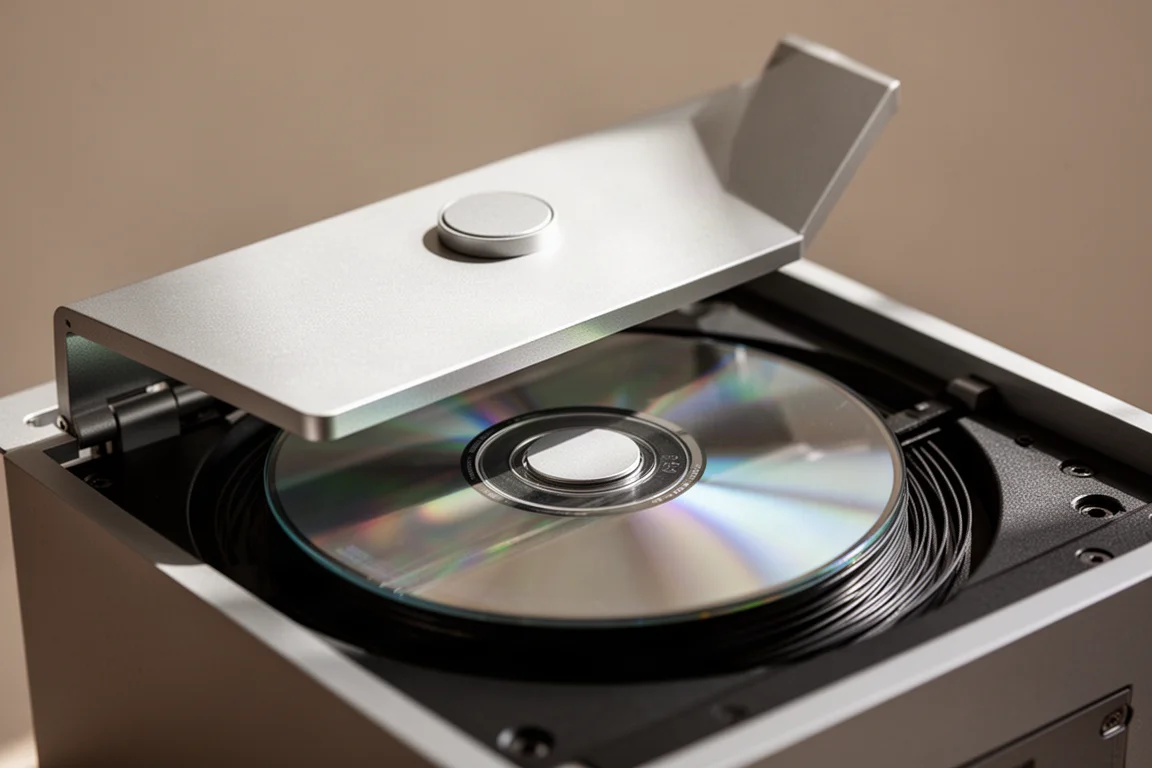
Taken together, the design signals a component that is meant to be lived with for years. Nothing about the ET3 feels like a corner cut purely to hit a price.
Digital Connections and the Upsampling Engine
The ET3 offers USB, coaxial, optical, and I2S digital connections. I2S is the standout, since it is rare at this price and is widely regarded as a high-quality link between a transport and a DAC. Listeners with an I2S-equipped converter will find it the most natural way to use the ET3.
Shanling’s upsampling engine is configurable, and its ceiling depends on the connection in use. USB and I2S support upsampling up to DSD512, while the other digital outputs are limited to DSD64. The transport is also compatible with MQA CDs, which matters to listeners who own them.
Because the upsampling behaviour changes with the connection, it is worth testing both states rather than settling on a default. The audible difference is not subtle, and the higher capability of USB and I2S is a strong argument for pairing the ET3 with a DAC that accepts them.
Sound Character in Practice
Used as a transport with a capable external DAC, the ET3 comes across as accurate, transparent, and quick. Attack and decay are crisp, and micro-detail and fine nuance come through clearly. What keeps it from sounding clinical is that it does not strip musicality out of the signal; instead it adds resolution and depth on top of the character of the system around it.
With upsampling engaged, the presentation grows noticeably. The soundstage becomes wider, deeper, and more spacious, with more air around instruments and a larger sense of scale. Bass in particular gains fullness and extension, and the overall result sounds more refined and more natural. Without upsampling the transport is already good; with it, the sound moves into higher-end territory.
Scale and low-end weight still depend on the rest of the chain, so a preamplifier, amplifier, and speakers that can already deliver those qualities will show the ET3 at its best.
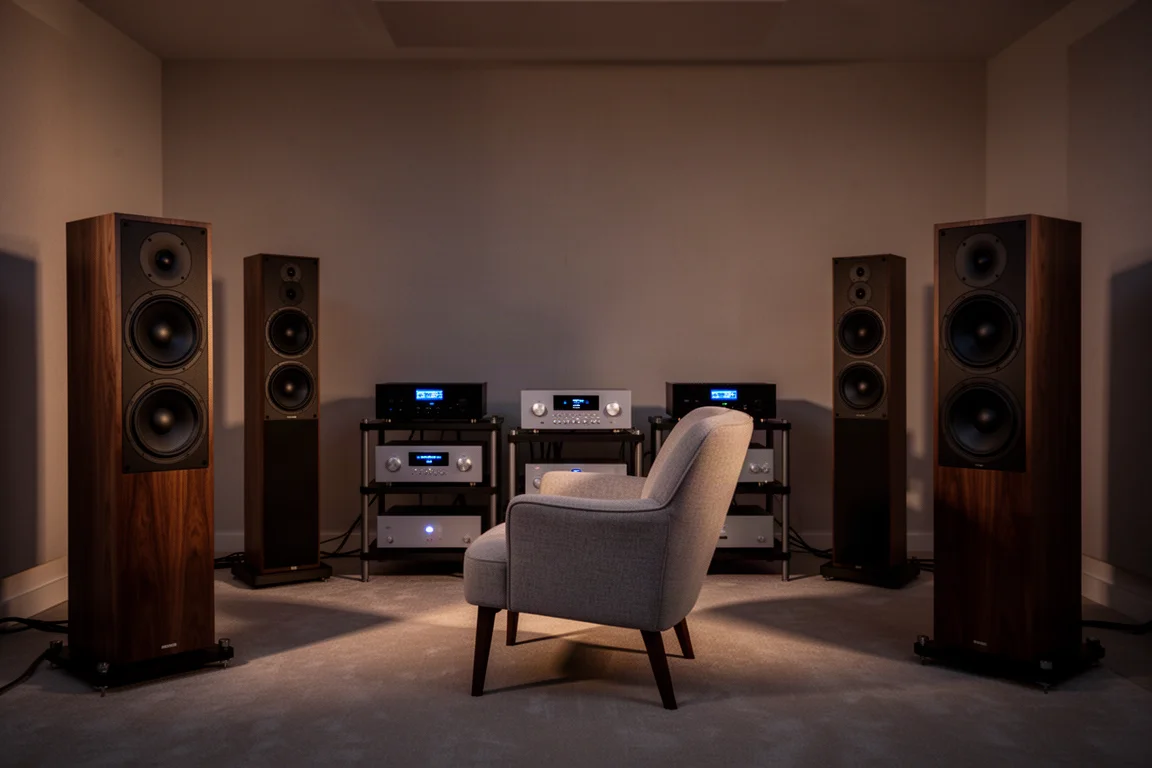
Compared with a considerably more expensive dedicated streamer feeding the same DAC, preamplifier, amplifier, and speakers, the ET3 gives up some ground in attack, decay, nuance, and bass texture when upsampling is switched off. Switch the upsampling on and the gap narrows to a surprising degree for a transport at this price.
Things to Consider Before Buying
The most important limitation is the absence of an internal DAC. If you do not already own an external converter, budget for one, because the ET3 cannot output analogue audio on its own.
The built-in streaming section is best treated as a bonus rather than a core feature. It supports AirPlay for iOS devices and DLNA for Android, and it can act as a NAS server with USB drives. It is Wi-Fi only, with no Ethernet connection, and Wi-Fi-only streaming in this class is prone to occasional dropouts. It works when it works, but it is not a substitute for a full-featured streamer, and buyers looking for a transport and a complete network player in one box should look elsewhere.
Bluetooth is available as a fallback, with Bluetooth 5.0 and support for LDAC and AAC. That connection is stable and free of dropouts, which makes it a useful backup when the network is misbehaving.
Finally, the ET3 will not manufacture bass or scale that your system cannot already produce. Its contribution is resolution, openness, and a cleaner view into the recording, and those benefits only appear in a chain capable of resolving them.
Buying Advice
At around $730, the ET3 delivers a combination that is hard to find elsewhere: a top-loading Philips drive unit, an aluminium chassis with proper physical controls, I2S connectivity, and an upsampling engine that reaches DSD512 over USB and I2S. For a listener with a capable external DAC and a CD collection worth playing properly, that is a strong proposition.
It also works as a step into high-end digital rather than a temporary fix. In a resolving system the transport does not act as a bottleneck; it adds resolution, depth, and scale. Listeners who want that high-end experience without spending heavily on a disc spinner are the natural audience, and the value on offer here is excellent rather than merely acceptable.
If you need an all-in-one solution or a fully featured network streamer, this is not the unit for you. If you want a focused transport that lets an external DAC do the conversion work, the ET3 is easy to recommend.
One practical note before you buy: pair it with a DAC that offers I2S if you can. That is the connection where the ET3 makes the most sense, and it is the configuration in which its upsampling capability is fully available. Also spend time with the upsampling engine in both states, since it changes the character of the sound more than most settings do.
Conclusion
The Shanling ET3 is a compact CD transport that punches well above its price in both features and execution. Its top-loading design, aluminium build, I2S connection, and DSD512-capable upsampling set it apart from typical budget transports, while its accurate, transparent, and musical character makes it a credible source in a serious system. The trade-offs are clear: no internal DAC, a limited Wi-Fi-only streaming section, and a need for capable downstream components. For listeners who already own an external DAC and a real CD collection, those trade-offs are easy to accept.
Product link
View more details for Shanling ET3
This product is mentioned in the review. Check the specifications, options, and compatibility before buying.
View more details for Shanling ET3Further reading
Related Reviews
Hi-Fi Audio
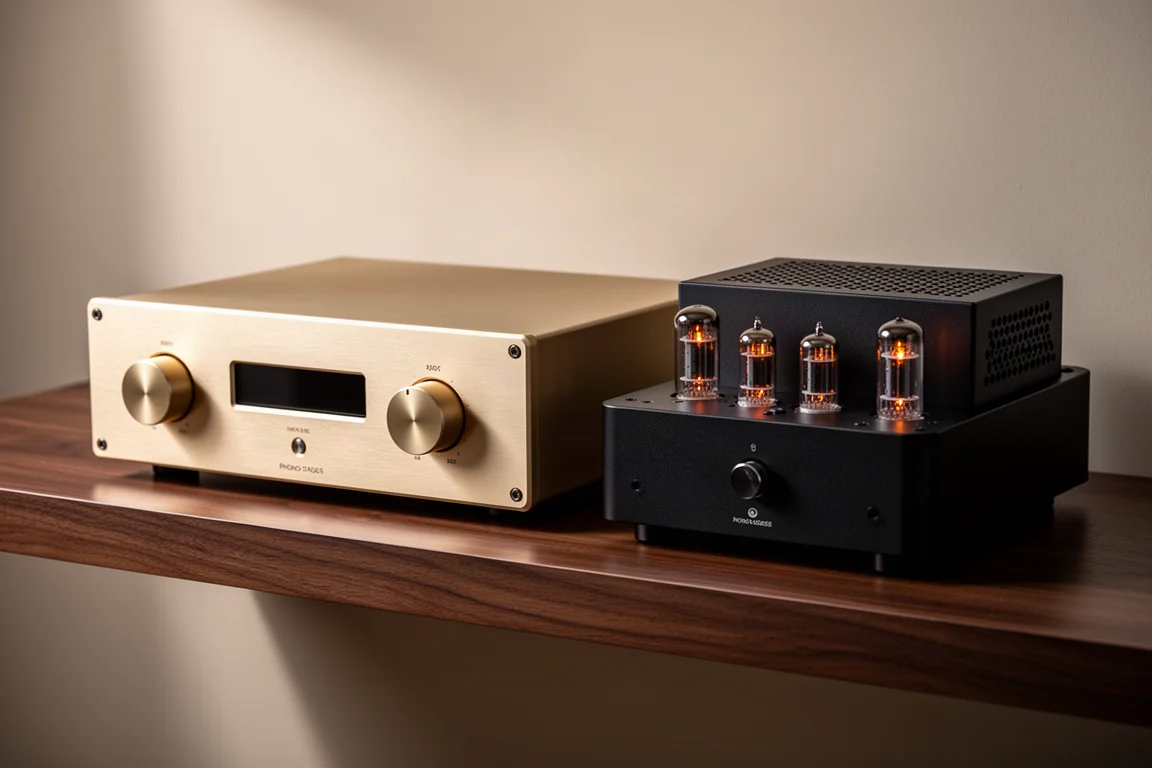
Accuphase C-57 vs Allnic H-7000V: Two High-End Phono Stages Compared
A fully balanced solid-state phono stage with a pitch-black noise floor meets a tube design built for well-loved records. Here is how to choose between them.
Hi-Fi Audio
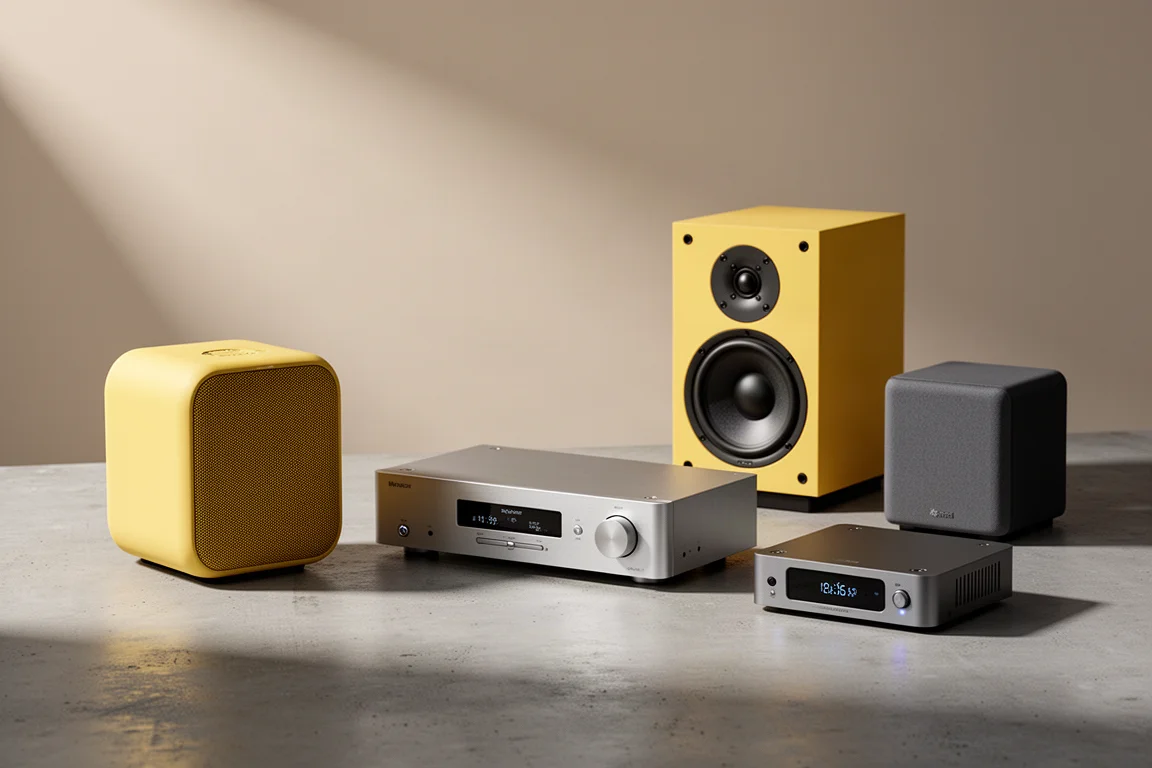
Active vs Passive Hi-Fi: Five Components for a Modern System
Five components that define modern active and passive hi-fi systems, with the strengths, trade-offs and setup details worth weighing before you buy.
Hi-Fi Audio
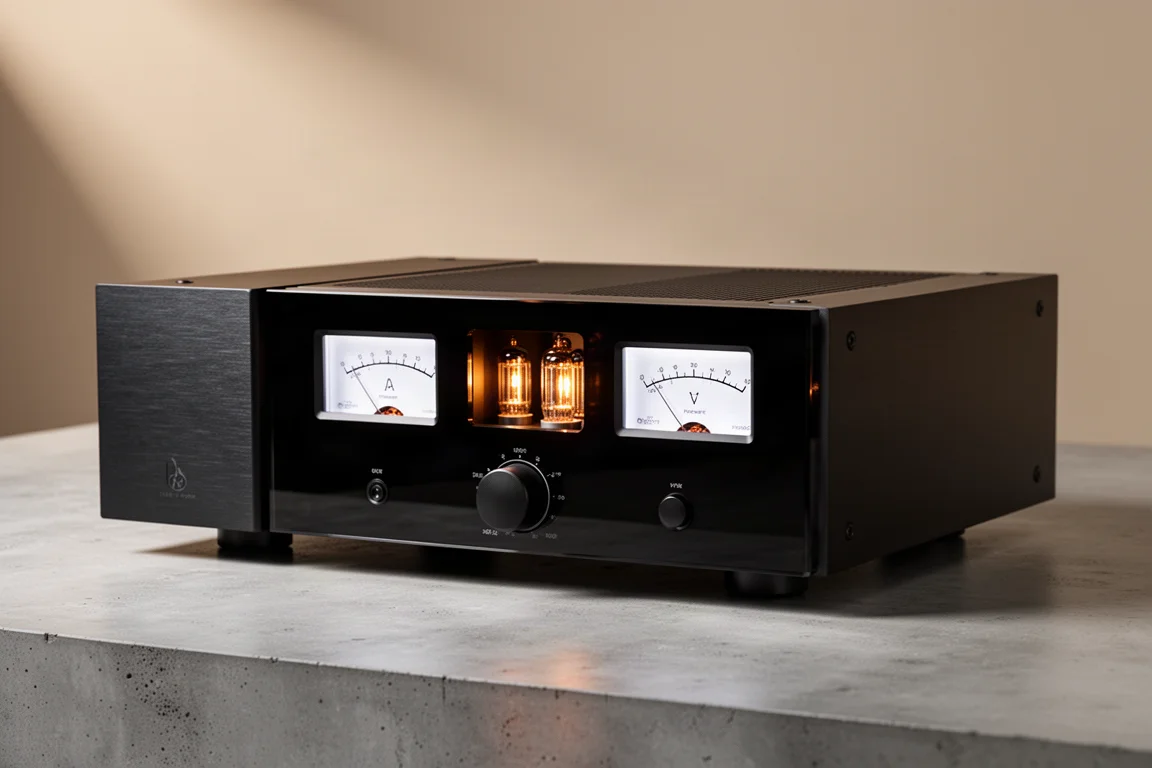
Advance Paris A10 Apex Review: A Hybrid Integrated Amplifier That Covers a Lot of Ground
A French hybrid integrated amplifier with a class A tube preamp stage, analogue power meters, and an internal DAC and phono stage good enough to make extra boxes unnecessary.