Cycling Buying Guide
Seven Bike Builds That Show How Riders Make Any Bike Work
Seven real-world bike builds, from a two-wheelset carbon gravel bike to an alloy frame stretched to fit a very tall rider, with what each one gets right and what to check before copying it.
Introduction
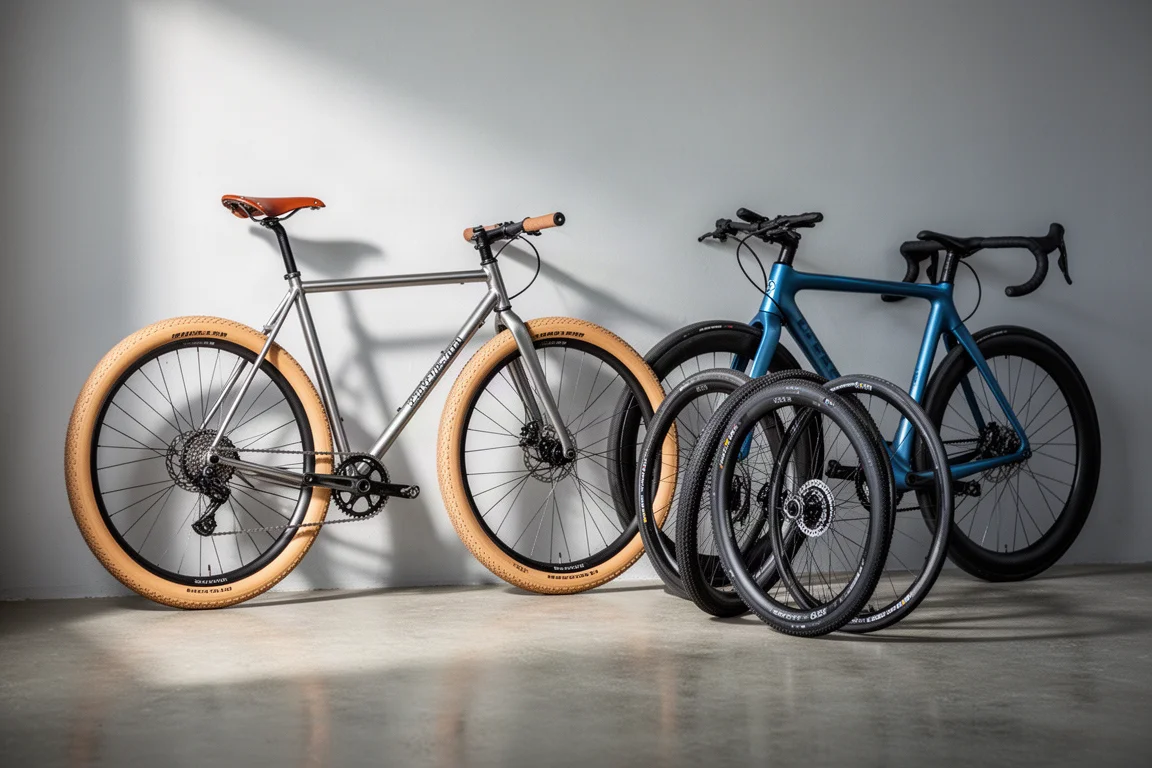
Most bike advice starts with the bike. The builds in this roundup start with the rider instead. One exists because its owner has neck problems and could not hold a low road position. Another exists because its owner is far taller than most production frames allow. A third runs two complete wheelsets so the same frame can be ridden on tarmac one weekend and rough gravel the next.
What they have in common is pragmatism. None of these bikes is a catalogue build, and several use parts that were never designed to sit on the same bike. That is exactly why they are worth studying: they show what a bike looks like when fit, terrain and budget are treated as the starting point rather than an afterthought.
What These Builds Have in Common
Four themes run through all seven builds.
The first is fit. Two of these bikes were altered with stems, handlebars and crank lengths rather than replaced with custom frames. A higher front end and a shallower bar drop can solve reach problems that would otherwise end a rider’s time on a road bike.
The second is drivetrain pragmatism. Wide-range cassettes, mullet setups, gearboxes and mechanical modifications all appear here, and each one is chosen for the terrain its owner actually rides rather than for what looks tidy in a specification table.
The third is wheel serviceability. Wheels with easily sourced freehubs and spare parts stay useful for years, which matters far more on a long-term build than a small weight saving.
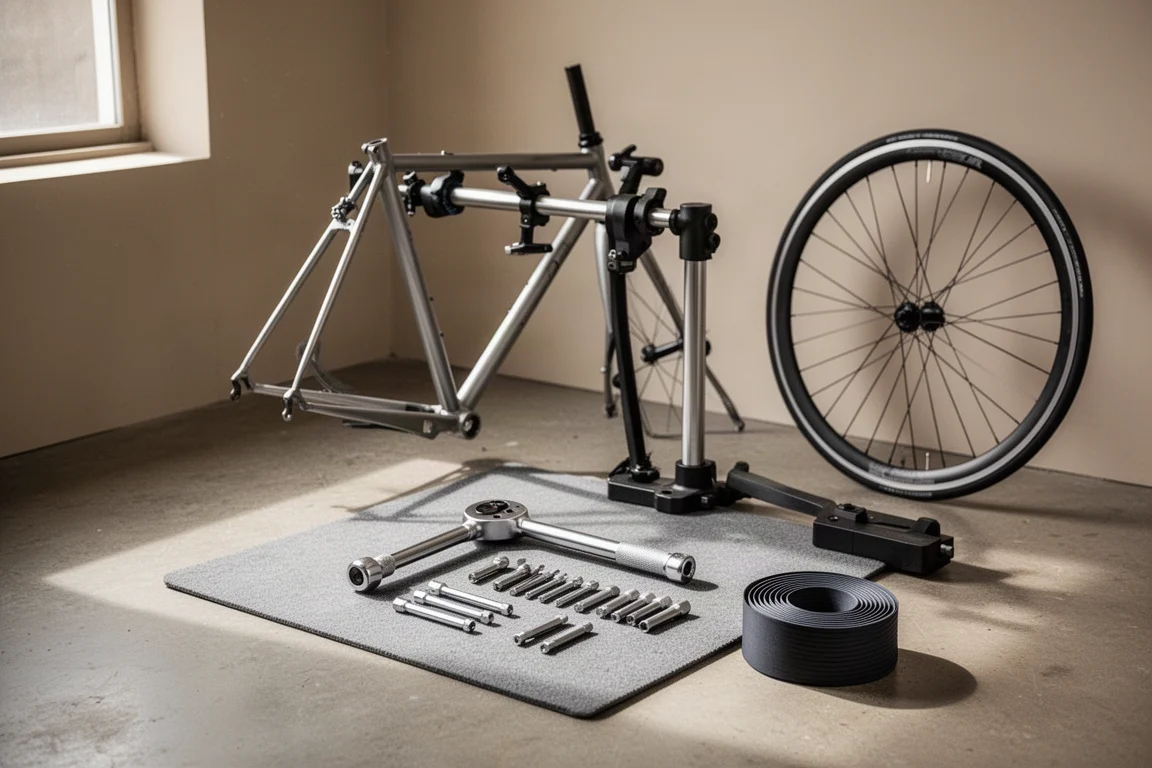
The fourth is comfort hardware. Stems with built-in compliance, wide tyres and shallow-drop bars show up repeatedly, and they change how a bike feels over long distances more than most frame upgrades do.
If you are planning something similar, the useful test for any part is not whether it is fashionable today, but whether you can still buy a replacement for it in three years.
Look 765 Gravel RS: One Frame, Two Wheelsets
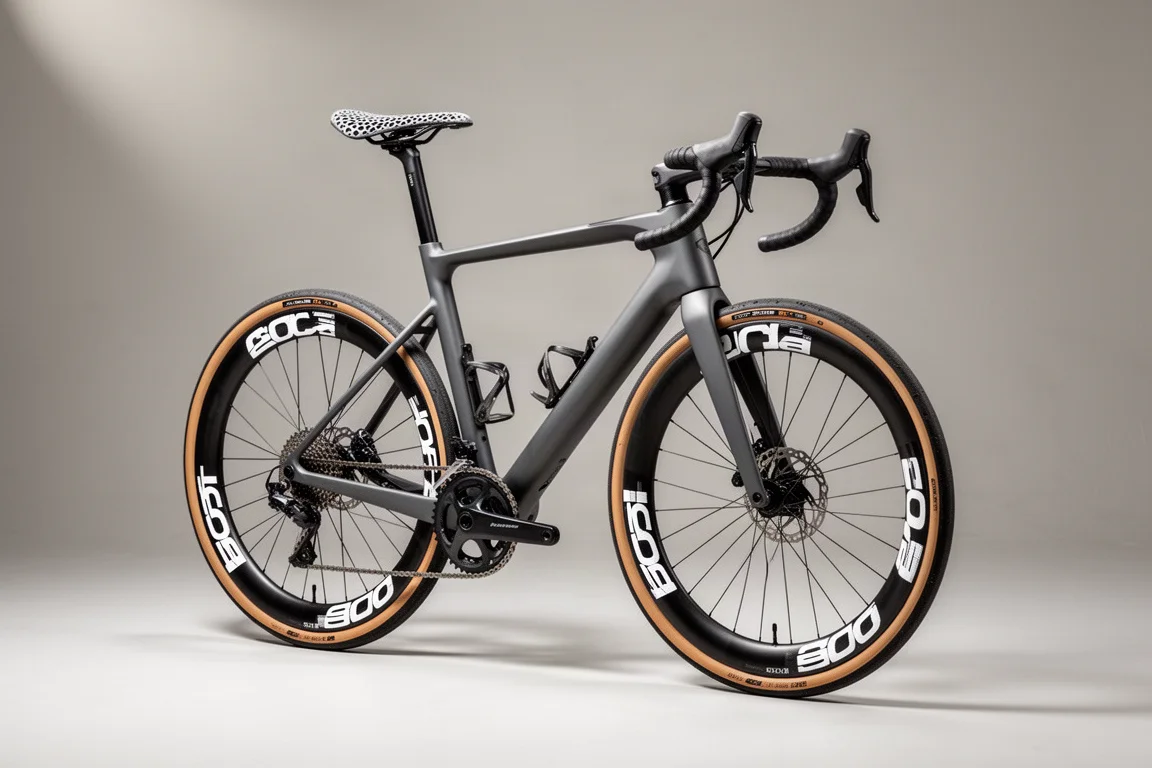
A carbon gravel frameset built around two complete wheel setups. The road-oriented set uses Zipp 303 S wheels, and a second 650b set is kept for rougher surfaces. The drivetrain is a mullet mix of SRAM Rival and Force with an SRAM Eagle rear derailleur, and the build carries a Quarq power meter, Silca titanium bottle cages and Exposure lights, a UK lighting brand.
The wide gearing suits steady riding across mixed surfaces, where a single shift produces a clearly different gear. Riders who race may find the jumps between sprockets larger than they would like, but for general gravel riding the trade-off works well.
One detail to check before copying the spec is the 3D printed Fizik Vento Argo R3 saddle. The textured surface holds a rider in place on rough ground, but it also grips clothing and collects dirt, which makes it a less obvious choice for muddy gravel conditions.
Two wheelsets effectively turn one frame into two bikes, and that is the strongest argument for this build.
Bombtrack Hook EXT: Steel Versatility With Wide Tyres
A steel Bombtrack Hook EXT frameset assembled with SRAM Force, DT Swiss Spline 1800 wheels, a Redshift stem and wide tyres. Several parts were carried over from an older bike, including Dura-Ace cranks, which keeps the cost of a first steel build within reach.
DT Swiss wheels are a sensible long-term choice. Freehubs can be swapped or replaced, spare parts are widely available, and the hubs tolerate hard use. They are not the most exciting wheels to look at, and that is a fair trade for how easy they are to live with.
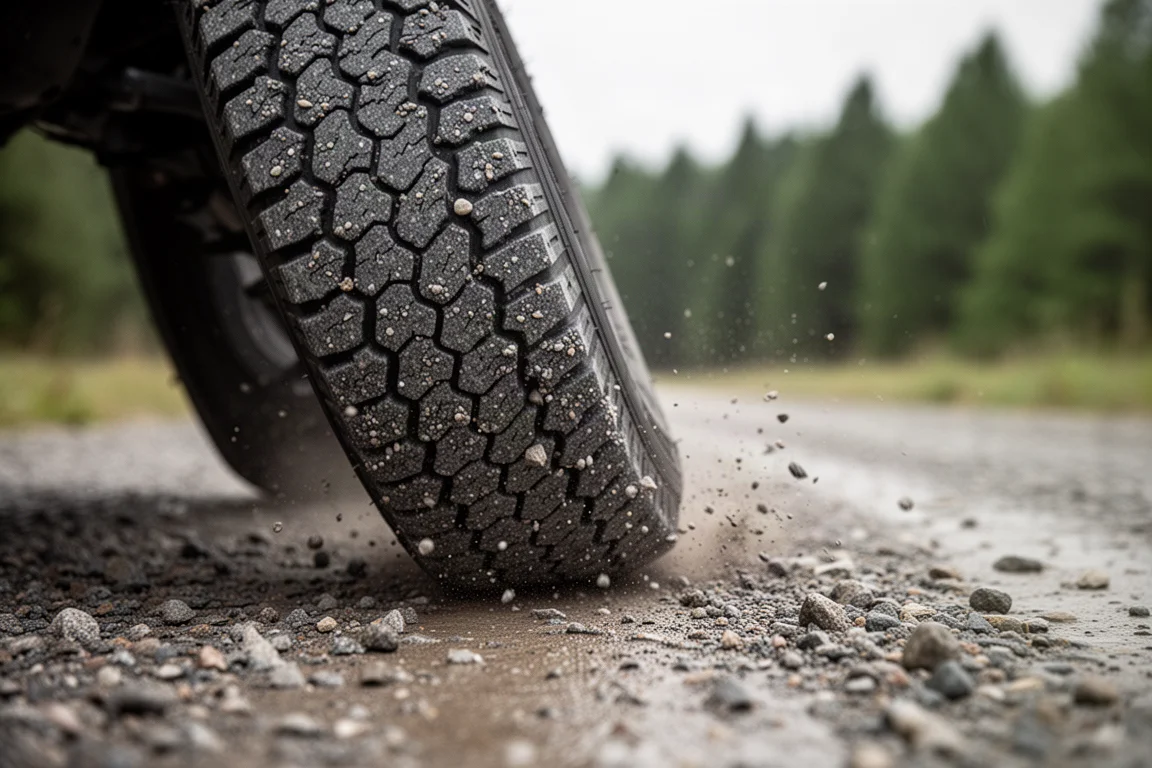
The Redshift stem adds front-end compliance, which is a genuine benefit on a stiff steel frame running wide tyres over long distances. The seat post branding is unusually large and partly hidden by the saddle, a small cosmetic detail rather than a functional one.
As a package, this is a versatile bike that will handle rough surfaces and loaded rides without asking much in return.
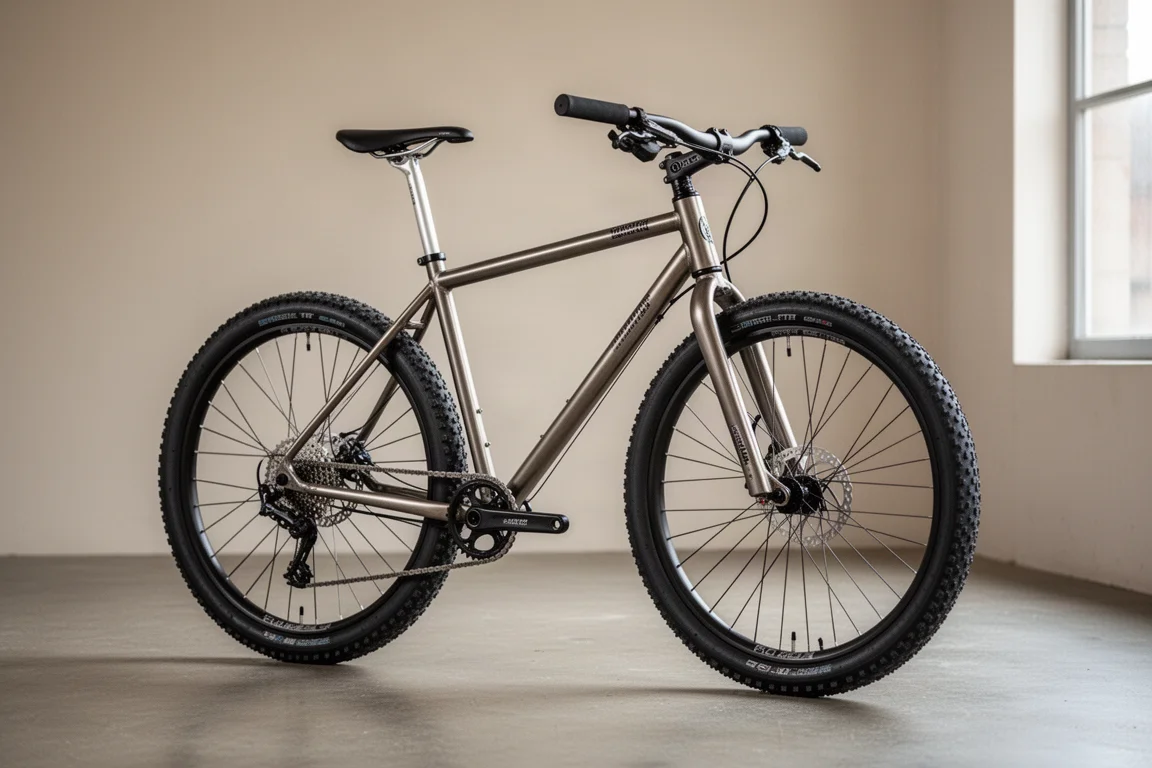
Reynolds 853 Custom Build: Gearbox, Belt Drive and Long Chainstays
A Reynolds 853 steel frame with a carbon fork, built around a Pinion gearbox and a belt drive instead of a conventional derailleur and chain. The parts list is deliberately unusual: Astral Serpentine wheels, a dynamo front hub, a Paul Components Tall and Handsome seat post, TRP brakes with Hope rotors measuring 200mm at the front and 180mm at the rear, and a custom frame bag with two separate food pouches.
The geometry is the interesting part. Long chainstays and a long wheelbase make the bike very stable when weight is carried, which is exactly what a load-carrying adventure bike should do.
Steel is durable but not eternal. Rust is a long-term reality on a frame used in wet conditions, although a steel frame can be repaired in ways that a carbon one cannot.
This is a niche machine, and that is the point: belt drive and an internally geared gearbox trade familiarity for low maintenance.
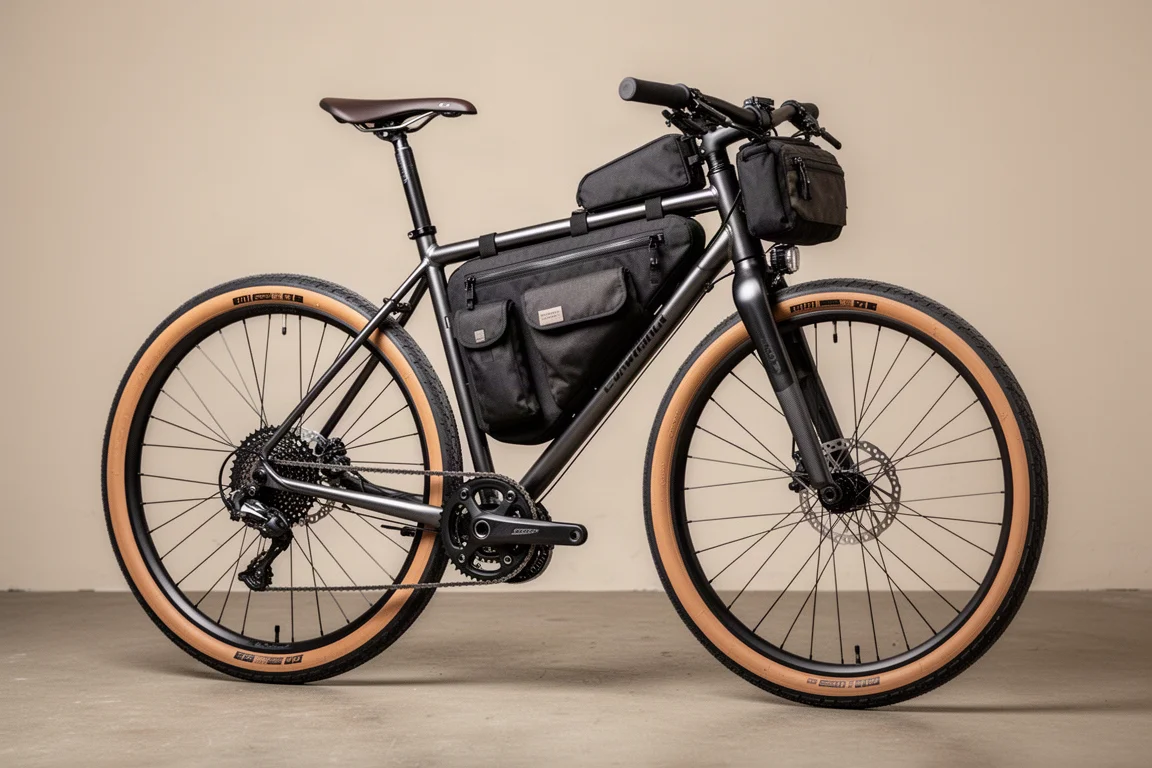
Specialized Roubaix Comp: Endurance Geometry, Adapted
A 2020 Specialized Roubaix Comp, sized up for a higher stack and then modified further. The stem is a 90mm Zipp Service Course at a plus 25 degree rise, and the handlebar is a Ritchey WCS Beacon chosen for its shallow drop. Shorter cranks and long-spindle SPD-SL pedals complete the fit changes.
This build matters because it shows a stock endurance bike being adapted rather than replaced. Riders with neck or reach limitations are often told that only a custom frame will work, and here an upright stem and a shallow bar achieve a similar result for a fraction of the cost.
The luggage setup is built for long solo days: a top tube bag, a saddle bag, a Fidlock frame bag and a bottle mounted on the top tube so it can be reached without leaning far forward.
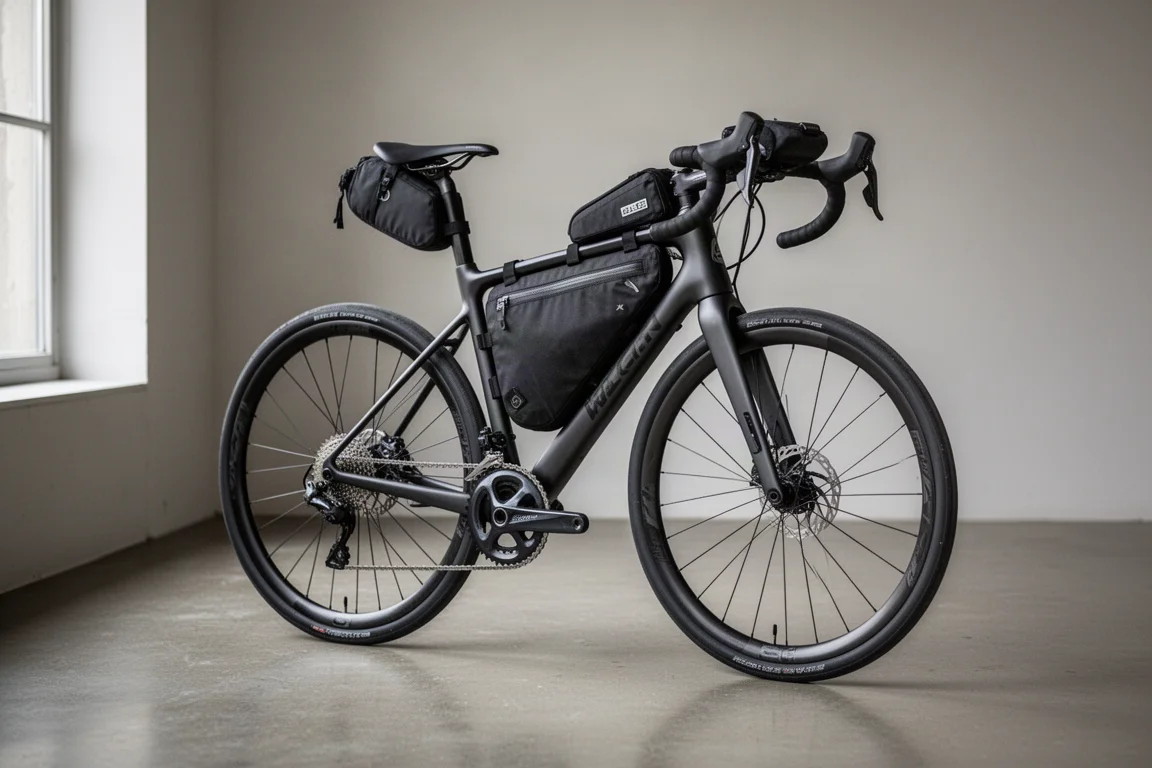
Pinarello X5: An Endurance-First First Road Bike
A Pinarello X5 in size 53, chosen for its friendly endurance geometry as a first road bike. The stock wheels and Pirelli P7 tyres were replaced with DT Swiss ER 1400 Dicut wheels and Pirelli P Zero Road tubeless tyres, Shimano 105 was swapped for Ultegra with a power meter, and Dura-Ace rotors were fitted. A one-piece bar and stem is the next planned change, which is a costly step.
There is a useful lesson in the sequencing. Replacing wheels, tyres, groupset and rotors within weeks of buying a first road bike means paying twice for the same bike, and spending that money on frame and fit first usually delivers more.
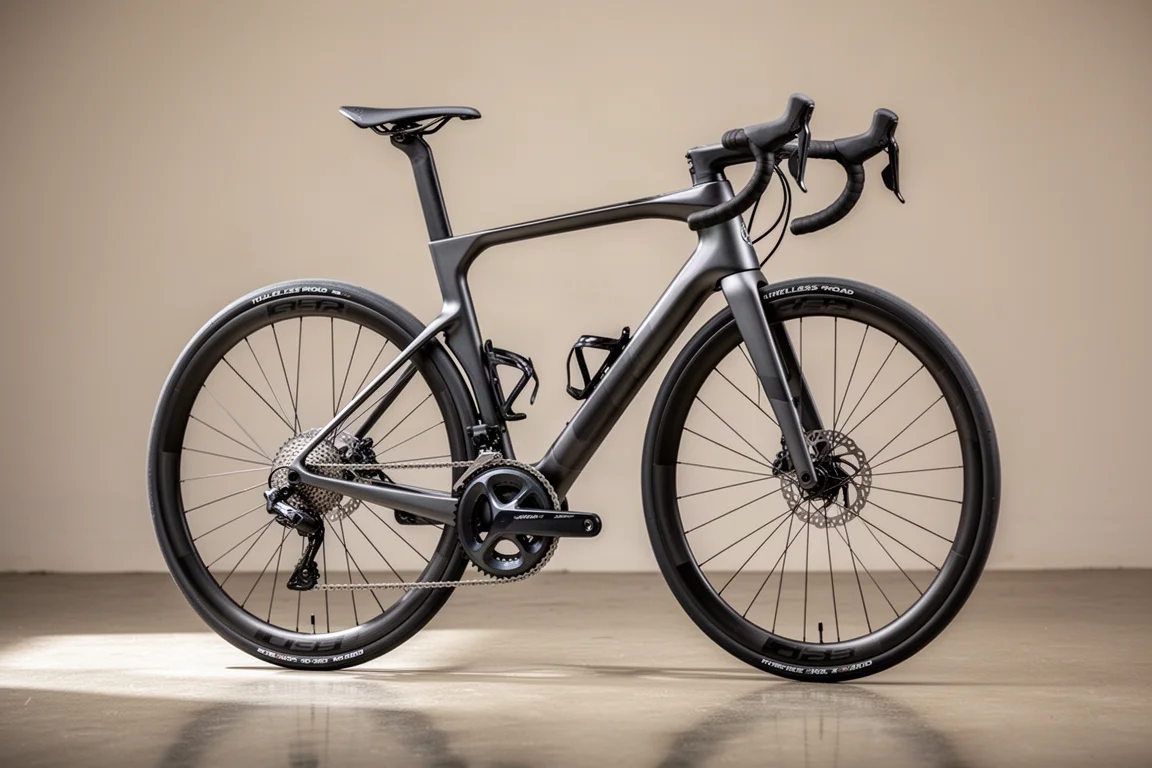
The X-shaped seat stay detail divides opinion, and it is the one part of the frame that is difficult to change later. Everything else on this bike is straightforward to upgrade or replace, and the X range is produced in small sizes that suit shorter riders, something not every brand offers.
Marin Gestalt X11: A Build for a Very Tall Rider
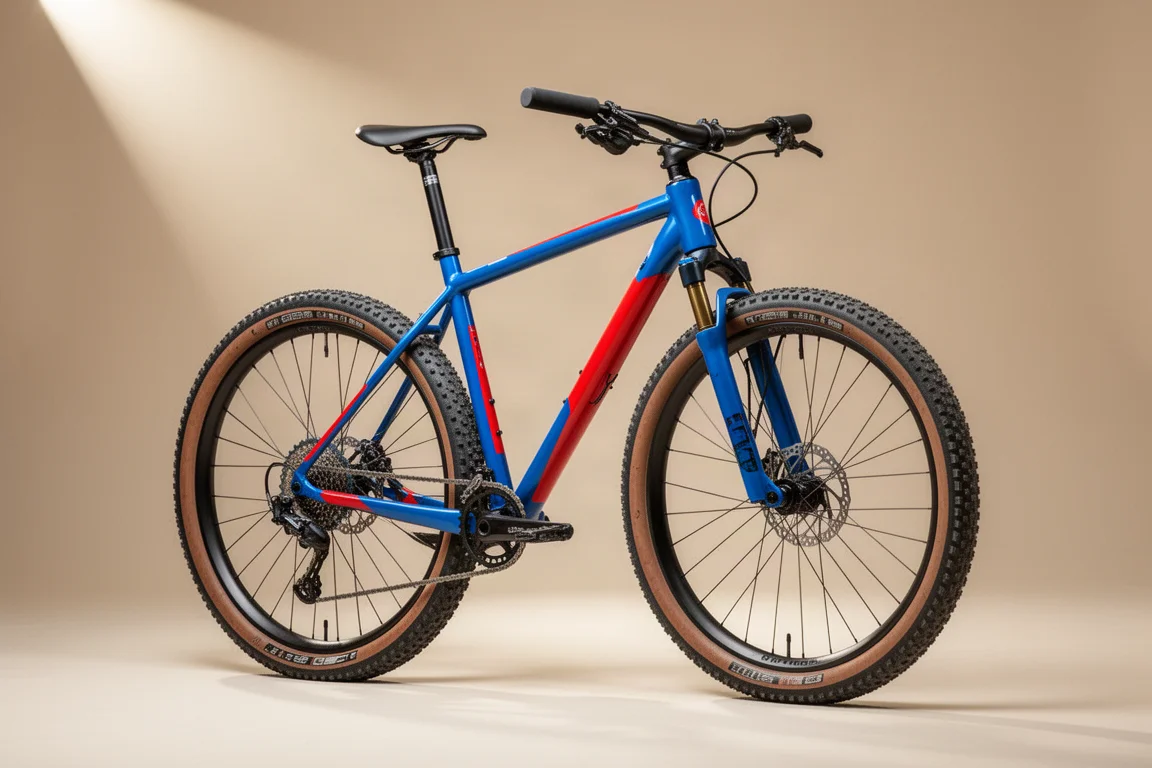
A Marin Gestalt X11 alloy frame with a carbon fork in size 61, the tallest frame its owner could find at six feet seven inches. It runs Hunt Four Season wide alloy wheels, TRP Hy/Rd mechanical disc brakes with 160mm rotors, Control Tech gravel riser bars with 20mm of rise and a 40cm width, and a short riser stem.
The shifting is where the build gets inventive. A SRAM Rival left shifter is stripped of its shifting duties to operate a Kind Shock dropper post, while the right shifter is paired with a 12-speed SRAM GX Eagle shifter using parts from Ratio Technology, a small UK company. The result is a completely mechanical bike where every function still works as intended.
The broader lesson is about proportions. It is far easier to make a frame that is slightly too small fit a taller rider than to shrink a frame that is too large, and a long dropper post and a long seat post can close the gap that most brands leave open at the top of their size ranges. Modified shifters will not be covered by warranty, which is worth knowing before attempting the same setup.
Trek 5200: A Classic Carbon Road Bike Worth Keeping
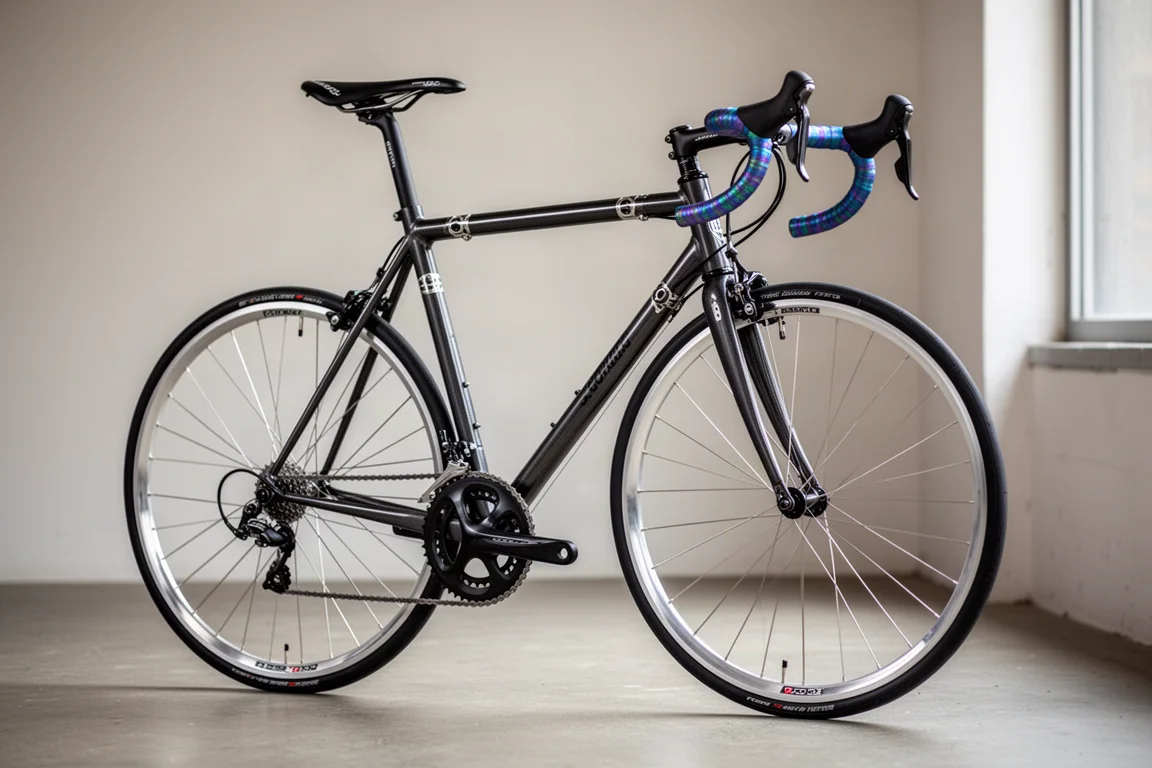
A 2004 Trek 5200 carbon frame, built up over time with Shimano 105 R7000 and kept clean by an owner who has run out of parts to upgrade. The result is the closest thing cycling has to a well-kept classic car: a bike that is ridden occasionally, looked after carefully and never treated roughly.
Frames like this suit shallow rims. Deep-section wheels look out of place on thin-tubed, rim-brake road bikes, and shallow alloy or low-profile carbon wheels preserve the proportions the frame was designed around.
The practical caveat is wheel supply. Rim-brake wheelsets, particularly performance-oriented ones, are getting harder to find new, and the second-hand market carries the risk of worn braking surfaces. Buyers should check rim wear carefully before committing to a classic rim-brake build.
How to Choose the Right Build
Start with the riding, not the parts list. A bike used twice a week on mixed surfaces needs different priorities from one that is raced, and a build that ignores that distinction becomes expensive to correct later.
Fit comes next, and it is usually cheaper to fix than most riders expect. Stems, handlebars, crank lengths and saddle position can all be changed on a stock frame, and only after those options are exhausted does a custom frame become the sensible answer.
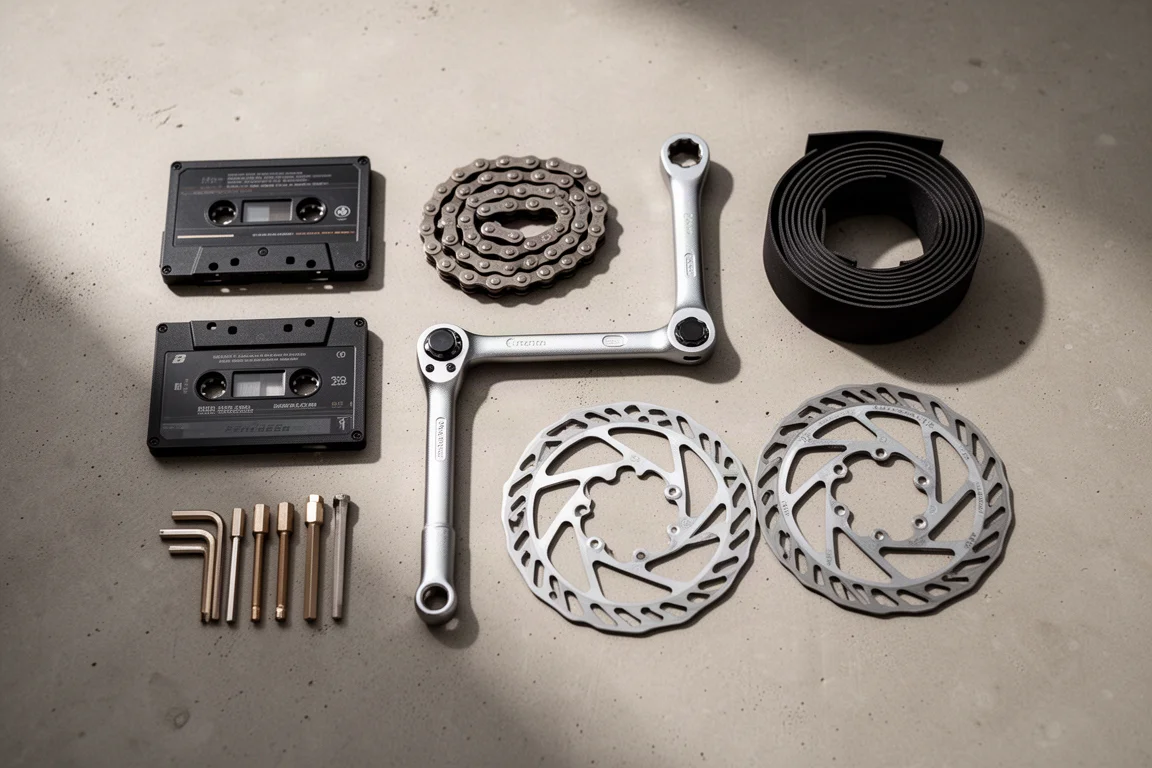
Then look at serviceability. Wheels with replaceable freehubs, brakes with readily available pads and rotors, and drivetrain parts that are still in production will keep a bike on the road far longer than a lighter component that cannot be repaired.
Finally, be honest about budget sequencing. Upgrading a bike in stages is enjoyable and often sensible, but replacing parts that were perfectly good a few weeks earlier is the most common way to spend more than necessary.
A build that fits, uses serviceable components and matches the terrain it is ridden on will always be worth more than one that only looks right in a photograph.
Conclusion
These seven builds share a single idea: a bike should be shaped around the person riding it. A carbon gravel frame with two wheelsets, a steel adventure bike with a gearbox and belt drive, an endurance road bike adapted with an upright stem, and an alloy gravel bike stretched to fit a very tall rider all arrive at the same place by different routes.
If there is one habit worth borrowing from this collection, it is patience with the frame and curiosity about the parts. Frames are hard to change. Almost everything else can be adjusted, replaced or rethought until the bike works the way you need it to.
Further reading
Related Reviews
Cycling Buying Guide
Big Bike Brands Explained: Where to Look Before You Buy
A practical guide to the biggest bike brands, what each one is known for, and how to decide where to spend your money.
Cycling Buying Guide
Bike of the Year 2025: The Best Gravel, Race, and Endurance Bikes
Three category winners from a year of testing, plus what to check before you buy a gravel, race, or endurance road bike.
Cycling Buying Guide
Bike Types Explained: Five Models That Show What Each Category Does Best
A practical walk through the main bike categories, using five well-known models to show what each type is built for and who it suits.