Cycling Buying Guide
Bike of the Year 2025: The Best Gravel, Race, and Endurance Bikes
Three category winners from a year of testing, plus what to check before you buy a gravel, race, or endurance road bike.
Introduction
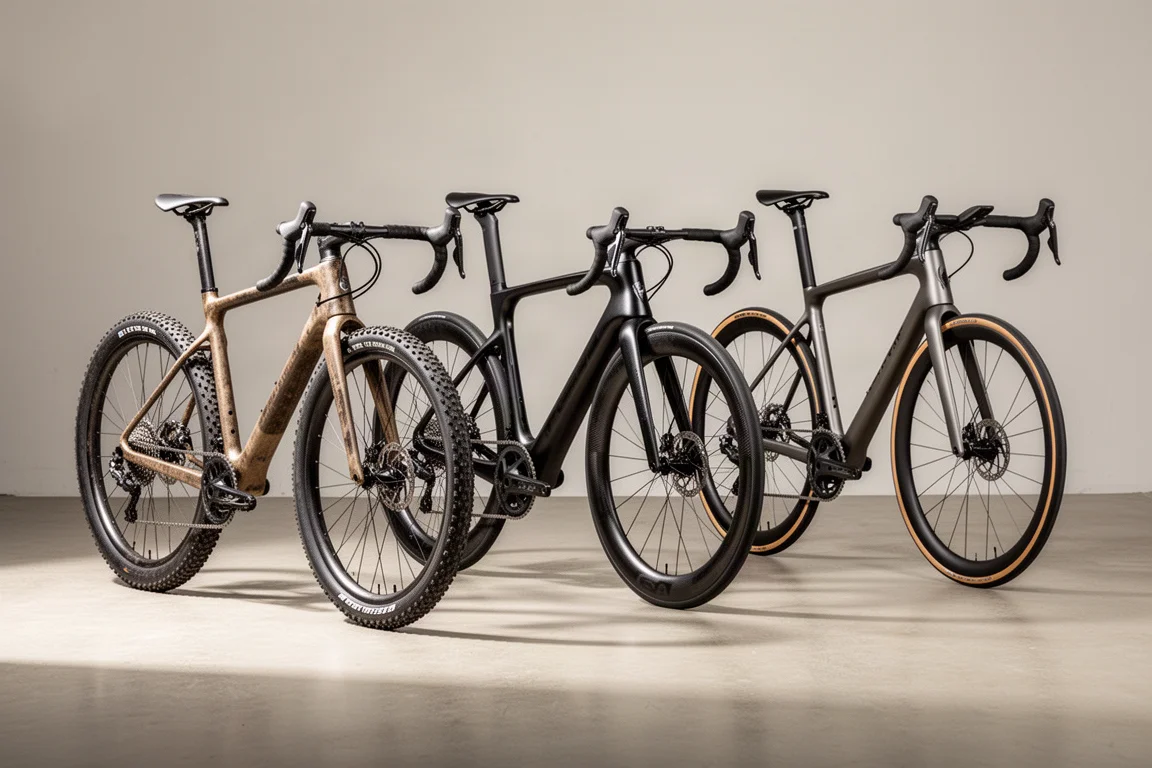
This year’s Bike of the Year testing covered thousands of miles and three categories: gravel, race and endurance road. A winner was crowned in each category, and one of those bikes was then named overall Bike of the Year.
What follows is a practical look at the three winners, what each one does well, the trade-offs behind them, and the alternatives that stood out along the way.
How the 2025 Test Was Run
Rather than starting from scratch, the 2025 test drew on bikes that had already been ridden and assessed over the previous year. That created a broad back catalogue to work from, and the finalists were selected from the most innovative, the most impressive and the most practical machines of the last twelve months.
Each finalist was then ridden again, in several cases in a different build or specification to the one originally assessed, so the comparison reflected something closer to what a buyer would actually find in a shop. Gravel, race and endurance road were chosen because they are the three categories riders read about most, and endurance road in particular is the biggest-selling road category for most major brands.
It is also worth noting what changed in the format. Instead of crowning a winner simply because nothing had beaten it, the test focused only on bikes that arrived in the year just gone. That keeps the results tied to what is genuinely current.
Best Gravel Bike: Parlee Taos
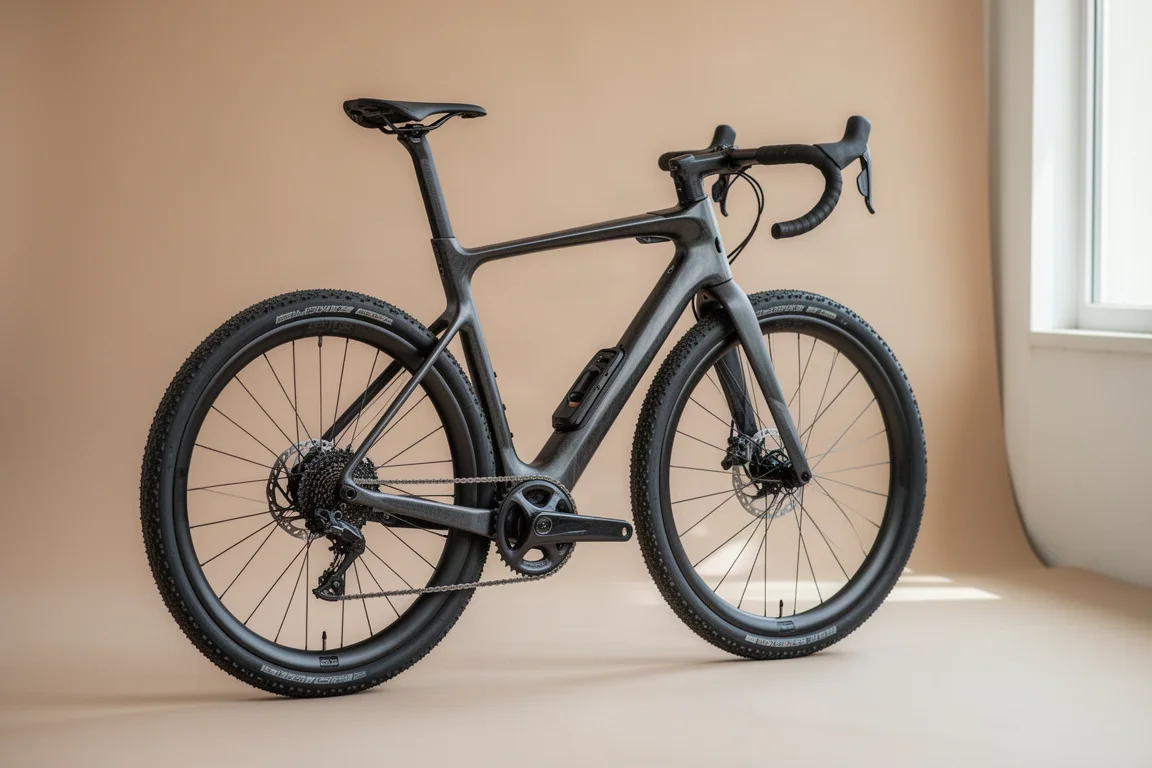
The gravel category came down to a head-to-head between the Parlee Taos and the Mondraker Arid RR Carbon. The two share very similar geometry and a similar intent, but they come from different places. Mondraker’s design leans on its mountain bike background and favours technical terrain, while Parlee pitched the Taos as an all-rounder that can be raced and still taken onto trails.
The Parlee won on refinement. It was slightly better behaved on the road between gravel sectors, and its frame felt more composed when pushed to the limit. The Arid RR Carbon is efficient and quick, but the stiffness built into it can feel jarring on rougher surfaces. Both bikes ran SRAM Force AXS with carbon components throughout, and the Parlee’s edge also came down to a better wheelset.
Neither bike left the test feeling like it needed suspension, although both are suspension corrected, so a suspension fork could be fitted later if a rider wanted to go that route.
The Taos is manufactured in Portugal, a move away from the brand’s previous Far Eastern production. The frames cost around 35 percent more to make than the Asian-made versions, and the raw carbon finish on the test bike makes the construction easy to inspect. The wax finish is a practical touch as well, since light scuffs can be buffed out rather than repaired.
By the end of testing, the Taos was described as the best all-round gravel bike ridden to date, taking over from a Cannondale Topstone Lab 71.
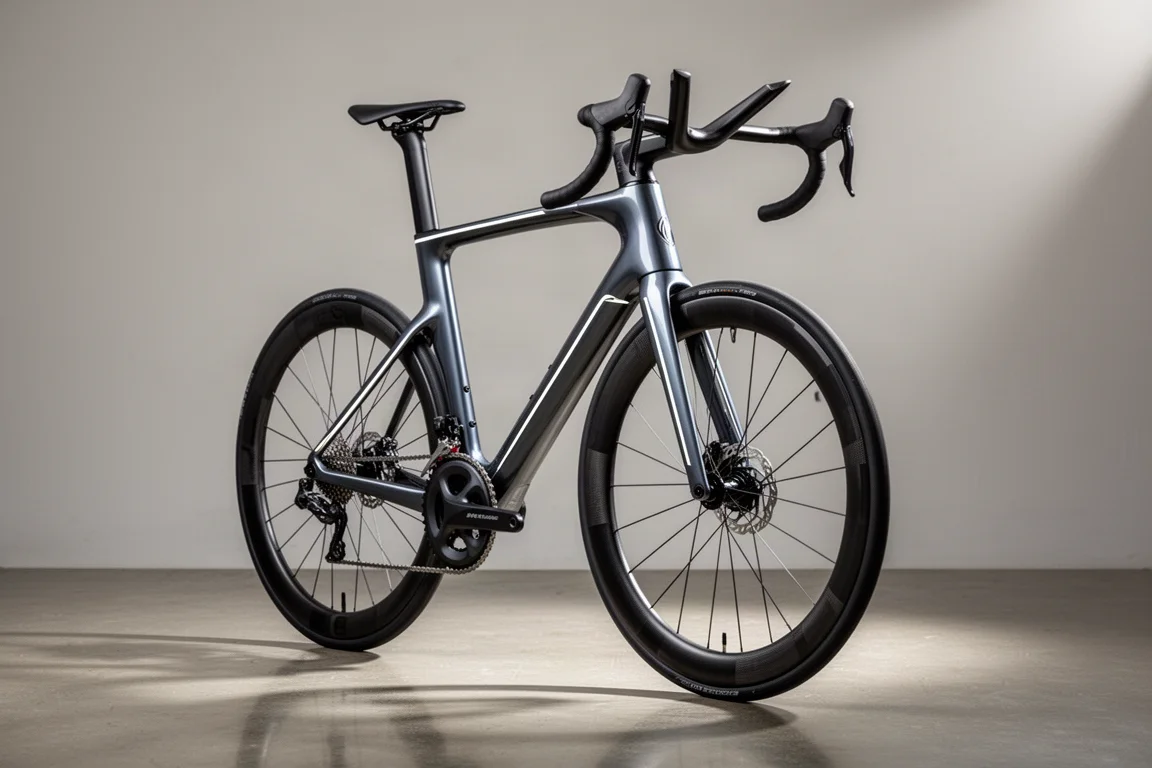
Best Race Bike: Cervélo S5
The race category had five contenders, with three earning commendation: the Scott Addict RC, the Van Rysel RCR Pro and the Trek Madone SLR. The final head-to-head came down to the two bikes that dominated the year’s racing headlines, the Cervélo S5 and the Colnago Y1 RS.
Both take a similar approach at the front, using bayonet-style forks with a free-floating front end that extends forward without moving the steering axis. Out back they diverge, with the Y1 RS using an offset seat tube while the S5 wraps its rear end closely around the wheel.
On the road the differences were small. The S5 felt slightly more refined, a touch more stable in crosswinds and noticeably stiffer through a very large bottom bracket area. Neither bike could be called compliant, but the S5 was the more rounded of the two.
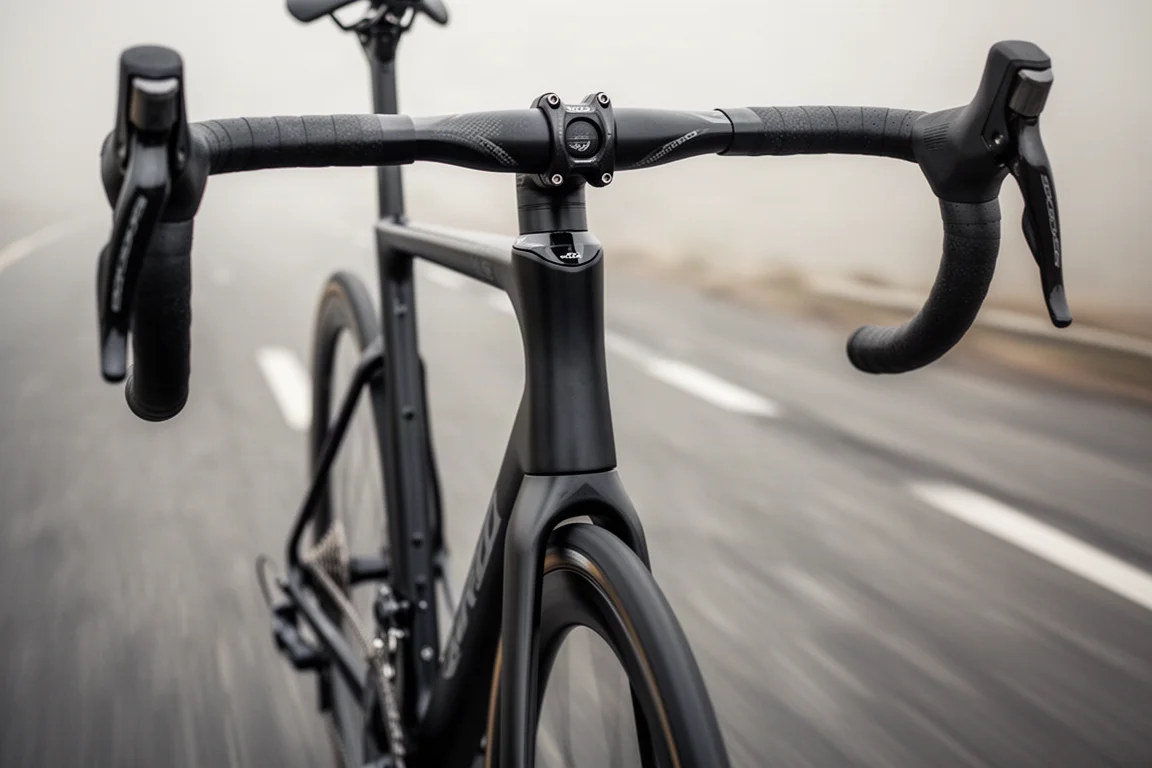
Specification settled it. The two builds were priced one pound apart, at around £12,000 for the S5 and £11,999 for the Y1 RS, yet the S5 came with a stronger wheelset, better tyres and a dual-sided power meter. Its new Reserve wheels were developed alongside the frame, with a claimed 6.3 watts saving at 50km/h. The Y1 RS can be specified through a custom programme with Enve SES 4.5 wheels and an aftermarket power meter, but that pushes the spend towards £15,000.
For riders who do not need the flagship build, the S5 is also offered lower in the range with Ultegra Di2 and DT Swiss 240 hubs rather than 180s, a swap many riders would make anyway. The S5 has evolved from the original bayonet-fronted design of around 2017, and it remains one of the most usable aero race bikes on the market.
Best Endurance Bike and Overall Winner: Cannondale Synapse
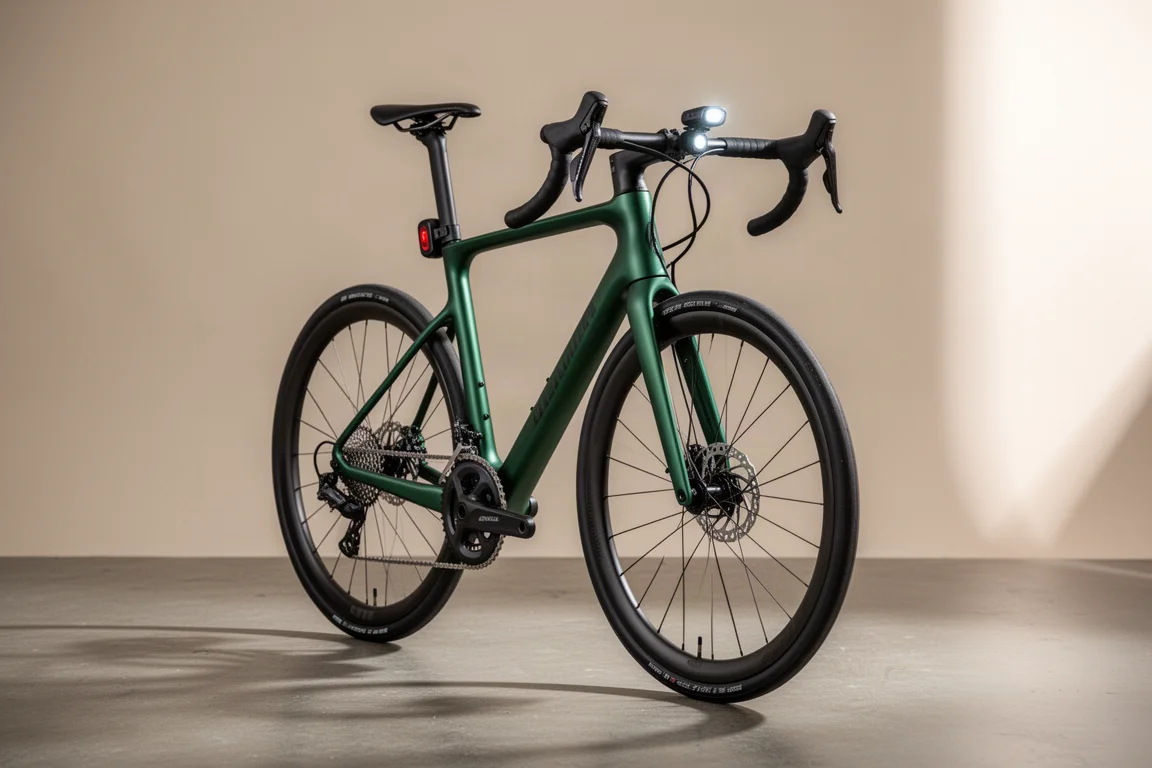
The Synapse took the endurance category and then the overall title. It was tested in Carbon 2 Smart Sense trim with SRAM Force AXS, and the integrated smart system is the main reason it stood out.
Smart Sense runs from a single central battery stored in the down tube compartment, and powers a front light, a rear light and a rear-facing radar. The radar warns of traffic approaching from behind at speed, with audible alerts. Everything is managed through an app that handles light modes, including a peloton mode that dims the front light and stops the rear flashing during group rides. The same app locks the bike when it is parked and reports system errors.
Compared with the previous generation, the integration is far neater. The lights and radar are now difficult to spot at a glance, which was not true of the earlier system with its external battery and bulkier front light. The down tube compartment even lights up when it is opened.
The frame borrows its front end from the SuperSix EVO and its rear end from the SuperX gravel race bike. On 32mm tyres that measure over 35mm on the wide rims, it was smooth, comfortable and stable, with plenty of grip and confident descending. A back-to-back comparison with the Boardman SLR 9.4 Limited, swapping wheelsets between the two, confirmed that the Synapse’s composure came from the frame rather than the tyres.
An earlier test of the Lab 71 version, with a one-by drivetrain, showed how quick the platform can be, having been used for a record-setting lap of Australia. The current Synapse is regarded as the best version since the 2014 model, which also won Bike of the Year.
Other Bikes That Stood Out in 2025
Gravel had a huge year. The Wilier Rave SLR ID2 is a striking aero gravel bike with generous tyre clearance that is quick on the road and still very good off it. The Cervélo Áspero 5 mixes elements of the brand’s road range into a gravel platform and is far more capable off-road than the early aero gravel bikes. The BMC Kaius remains a good illustration of the trade-off, fast on tarmac and smooth gravel but far less comfortable once the surface gets rough. At the more affordable end, the Focus Atlas, the Boardman ADV and the alloy Specialized Crux all impressed, with the Boardman costing only just over £1,000.
In the race category, the Scott Addict RC was called one of the most refined lightweight road bikes, the Van Rysel RCR Pro scored extremely well and was praised as outstanding value, and the Trek Madone SLR continues to develop its IsoFlow seat tube design.
Endurance riders have plenty of choice too. The Cervélo Caledonia 5 has moved back towards road manners with slightly more aggressive geometry and more attention to aerodynamics, the Cube Attain C62 offers remarkable value, the Ribble Allroad SLR is available in titanium with 3D printed lugs, and the Surly Midnight Special remains a lovely steel option. The Giant Defy, last year’s winner, is still a benchmark.
The Boardman SLR 9.4 Limited deserves particular attention. At £3,100 it comes with 50mm deep carbon wheels, SRAM Rival AXS and a one-piece carbon bar of the type used on WorldTour bikes. The SLR 9.2, at £2,500 with Shimano 105 Di2, is the cheaper route into the same platform.
Where Bike Design Is Heading
Three clear trends emerged across this year’s testing.
Aero race bikes are converging with all-round race bikes. Where they were once specialist tools that were only enjoyable at speed, they are now rounded enough to race, train and ride every day. Geometry and cockpit design have become more forgiving along the way.
Endurance bikes have pulled back from the all-road experiment. Adding bikepacking mounts and extra weight made them worse at the job they were designed for, and the best models are once again pure road bikes for riders who do not race. The Synapse, the Caledonia 5 and the Cube Attain all reflect that thinking.
Gravel has settled after pushing in both directions. Long, slack, gravity-focused designs and aero race gravel bikes both had their moment, and the strongest bikes now sit in a more usable middle ground. Integrated systems like Smart Sense look like the next area where mainstream bikes will change.
Buying Advice
If you ride a mix of surfaces and want one bike that can race and explore, the Parlee Taos is the reference point from this year’s test. It sits at the top of the gravel price range, but the frame quality, the wheelset and the on-road manners justify the position for riders who want a single do-everything gravel bike.
If you race and want the fastest package straight out of the box, the Cervélo S5 is the pick, and its lower Ultegra Di2 build carries the same frame with a hub choice most riders would be happy with anyway. It is still an expensive bike, but it is the more complete race package of the two finalists.
If speed, comfort and practical safety technology matter more than outright race pace, the Cannondale Synapse is the most complete endurance option here. Smart Sense adds lighting and rear radar without cluttering the bike, and the ride quality stands up to direct comparison with rivals.
If budget is the deciding factor, the Boardman SLR 9.4 Limited at £3,100 is exceptional value and a limited edition that is likely to sell out, with the SLR 9.2 at £2,500 as a cheaper entry into the same platform. For gravel riders on a tighter budget, the Boardman ADV and the Focus Atlas are worth a look.
Conclusion
The 2025 winners point in the same direction. The Parlee Taos shows how refined an all-round gravel bike can be, the Cervélo S5 shows that an aero race bike no longer has to be a specialist tool, and the Cannondale Synapse shows how much practical value integrated lighting, radar and battery management can add to an everyday road bike. Match the category to how you actually ride, and any of the three will serve you well for years.
Further reading
Related Reviews
Cycling Buying Guide
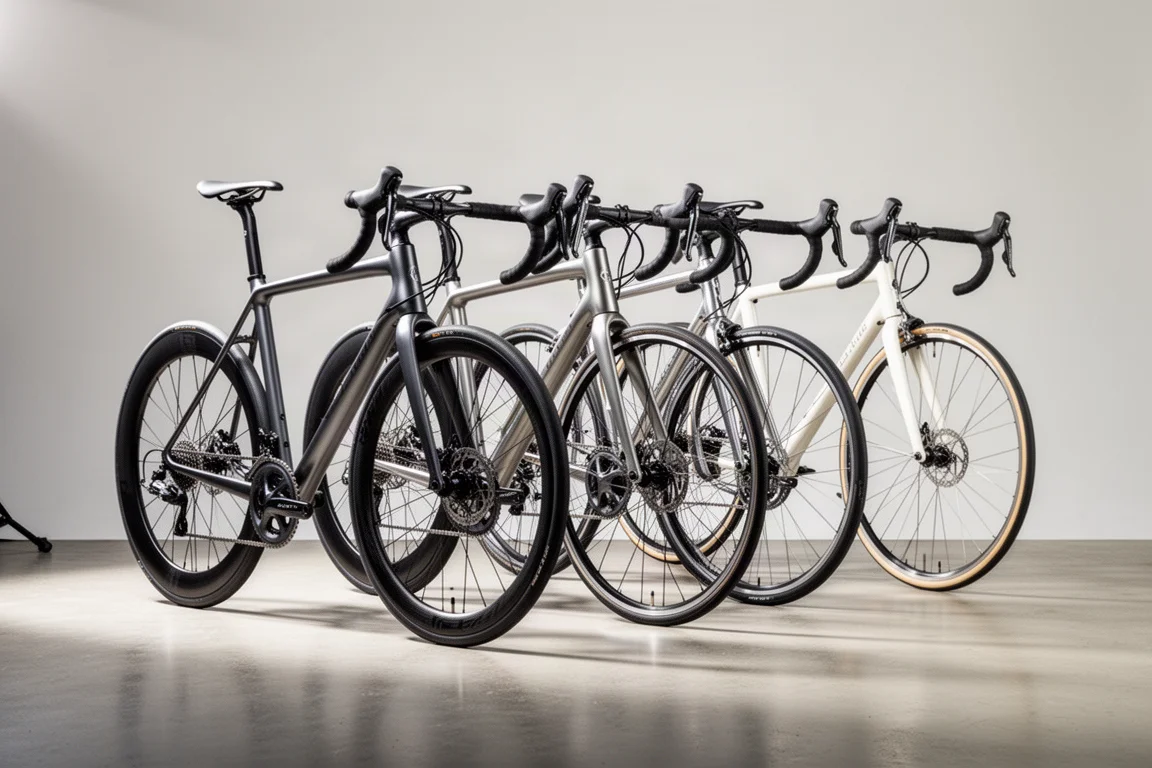
Big Bike Brands Explained: Where to Look Before You Buy
A practical guide to the biggest bike brands, what each one is known for, and how to decide where to spend your money.
Cycling Buying Guide
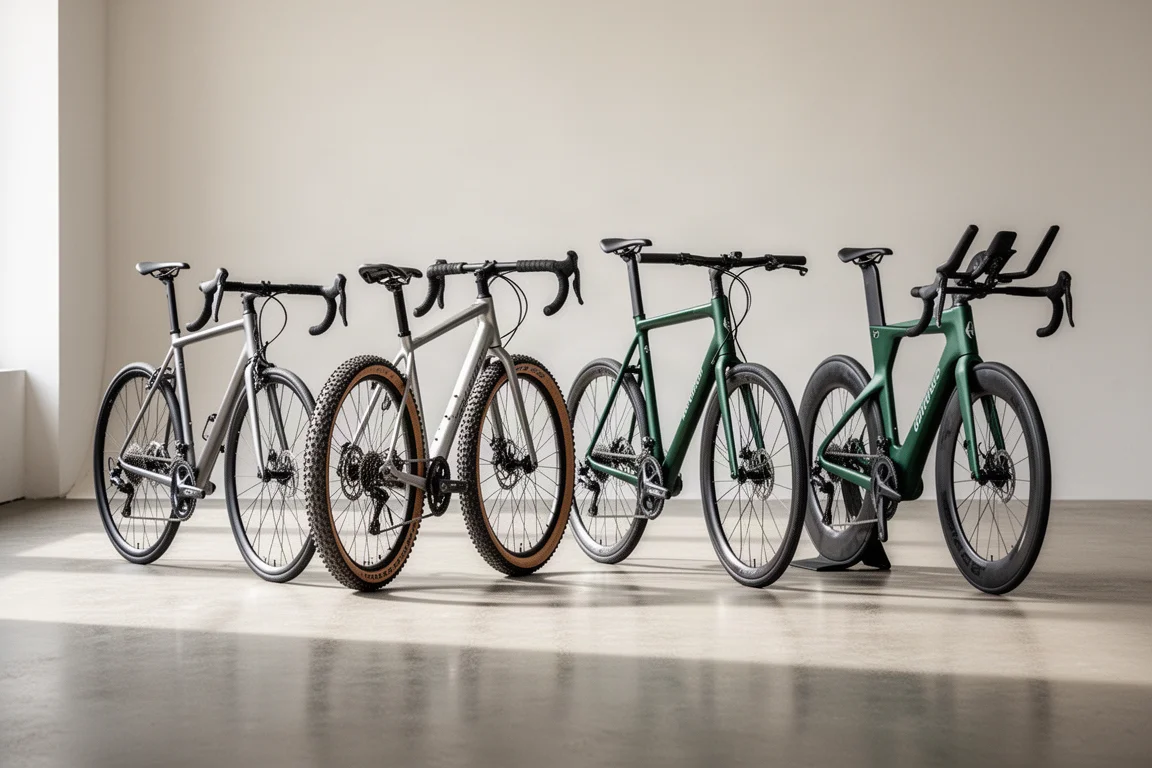
Bike Types Explained: Five Models That Show What Each Category Does Best
A practical walk through the main bike categories, using five well-known models to show what each type is built for and who it suits.
Cycling Buying Guide
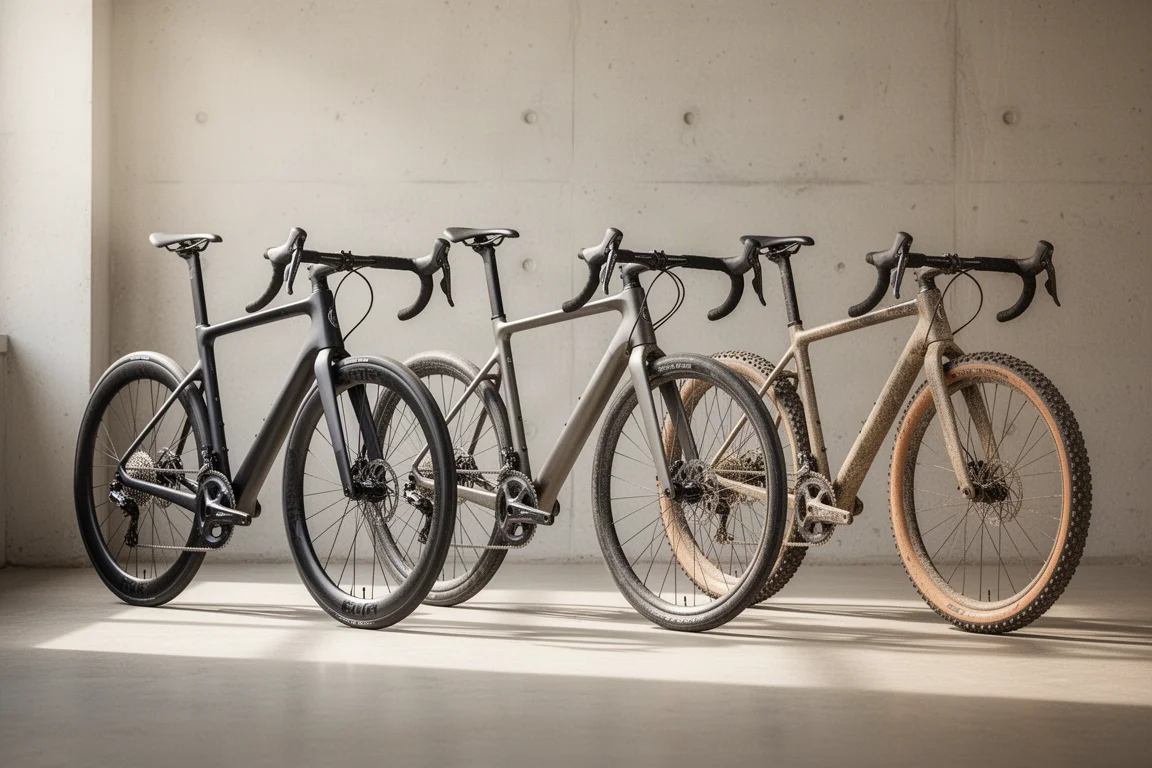
Drop-Bar Bike Types Explained: Racing, Endurance, Cyclocross and Gravel
Racing, endurance, cyclocross and gravel bikes all use drop bars, but their geometry suits very different riders. Here is how to tell the categories apart and choose the right one.