Cycling Buying Guide
Big Bike Brands Explained: Where to Look Before You Buy
A practical guide to the biggest bike brands, what each one is known for, and how to decide where to spend your money.
Introduction
Walk into any bike shop or scroll through any online retailer and the sheer number of brand names is the first thing that hits you. The logos matter less than what sits behind them: where the frames are made, how the brand positions its range, how it sells, and how it treats the people who buy from it. This guide covers some of the biggest names in cycling, what each one is known for, and what that means when you are deciding where to spend your money.
How to Judge a Bike Brand Before You Buy
A handful of practical questions separate brands faster than any marketing claim.
Where are the frames made? Most large brands have their frames produced in factories in Taiwan or China, while a smaller group builds in Europe or the United States. Neither approach is automatically better, but it shapes price, availability, and the way a brand talks about itself.
Does the brand sell through shops or direct? Direct-to-consumer brands cut out the middleman, which tends to lower prices, but it also means you deal with the brand for support or pay a local shop separately for assembly and help.
What does the range cover? Some brands span everything from entry-level commuters to top-end race bikes, while others build performance models only. A narrow range is not a problem if you already know what you want.
What is the component specification? Groupsets, wheels, and finishing kit come from a small number of suppliers, so the same drivetrain can appear on bikes from several brands at very different prices.
Business reputation counts too. A brand can make excellent products and still be known for aggressive legal tactics, or for owning the factories that build its rivals’ bikes. Knowing that before you buy is simply part of the research.
Specialized: Cutting-Edge Performance With a Premium Price
Specialized is one of the most recognisable names in cycling and a big American bike brand. It made the first mass-produced mountain bike and has evolved into one of the biggest performance bike brands in the world.
There is no denying that Specialized sits at the cutting edge of bike technology, and it has produced some of the fastest bikes ever made. The company also makes pretty much everything else bike related, and it does so to a very high standard at a very high price.
It is not only good products that got Specialized to its current size. The brand has a reputation for cutthroat business practices and for suing people, which is exactly why some riders choose to look elsewhere.
Giant: The World’s Largest Bike Maker
Giant is aptly named. It is the largest bike brand in the world, and it is large enough that it builds bikes for other brands in its own factories in Taiwan and China.
That scale comes with a reputation. Some riders find Giant boring, safe, or a bit beige. On the flip side, the brand is known for pretty good value, which makes it a sensible starting point for buyers who care more about the bike than the badge.
Trek: Huge Range and a Deep Racing History
Trek is another big American bike brand, born around the same time as Specialized. It exploded in popularity largely because of its sponsorship of Lance Armstrong, and although that relationship ended badly when he lost his Tour de France titles after a doping case, Trek benefited overall from the exposure.
Today the brand covers a huge range, from top-end race bikes to commuters and mountain bikes. It also runs a sub-brand called Bontrager that sells all kinds of accessories, which makes it easier to kit out a new bike from a single source.
Colnago: Italian Heritage and Modern Race Success
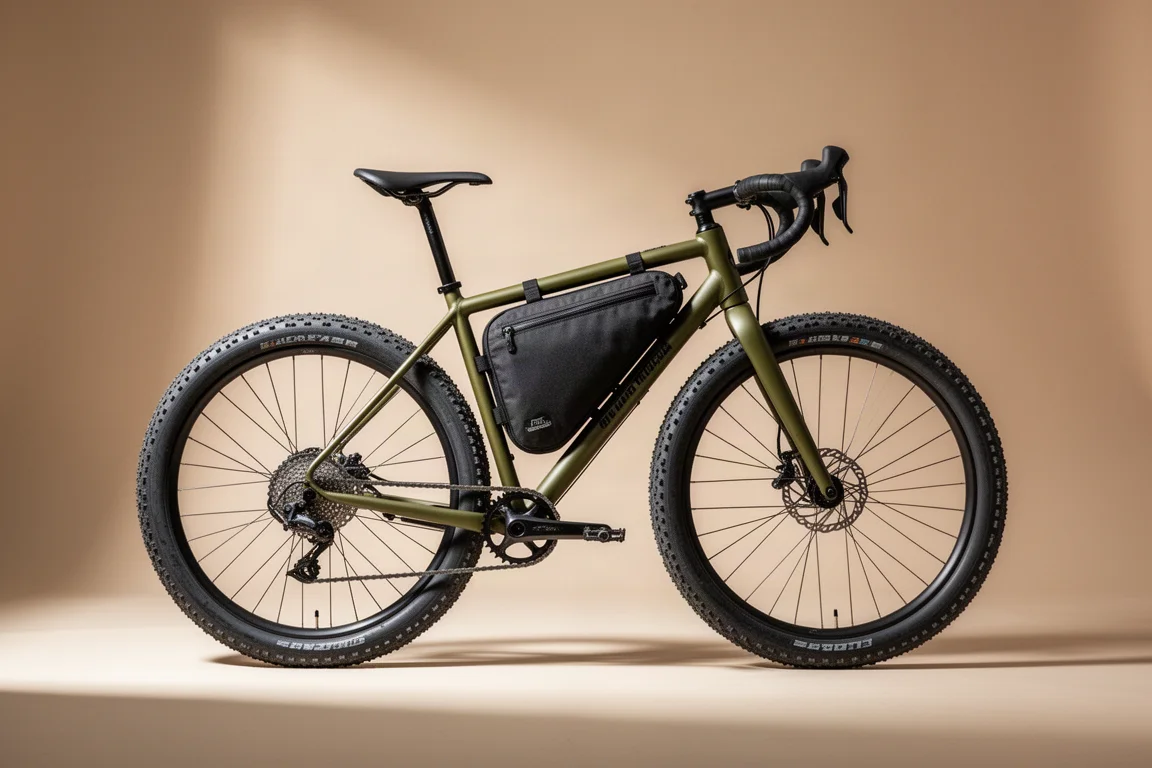
Colnago is the highest-profile Italian bike brand at the moment, thanks in large part to the success of its sponsored team. Sales have skyrocketed, although the brand always had a devout customer base and has always made lovely bikes.
Most Colnago models are made in the Far East, with the C68 as the notable exception. Styling has traditionally been classic, right up until the Y1 RS arrived and changed the conversation.
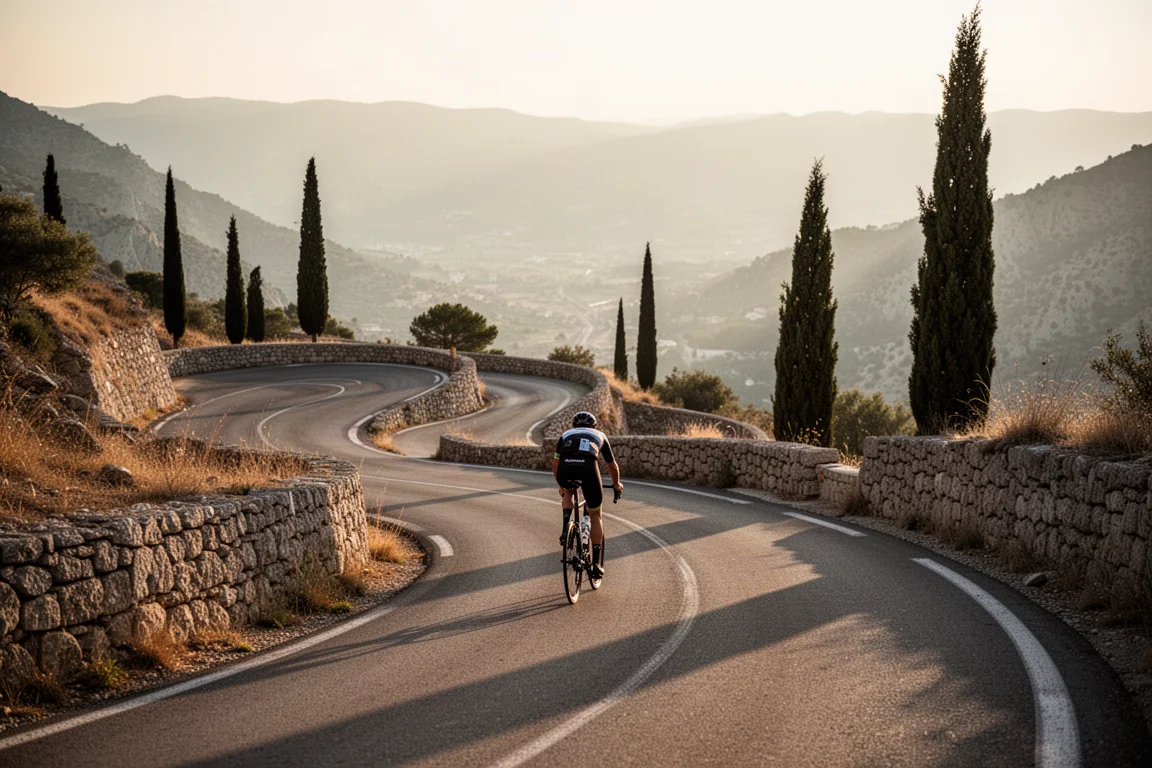
For buyers, Colnago represents Italian heritage with modern racing results behind it. That combination is a large part of why the brand commands the attention it does.
Cervélo: Aero First, Triathlon and Pro Racing Focus
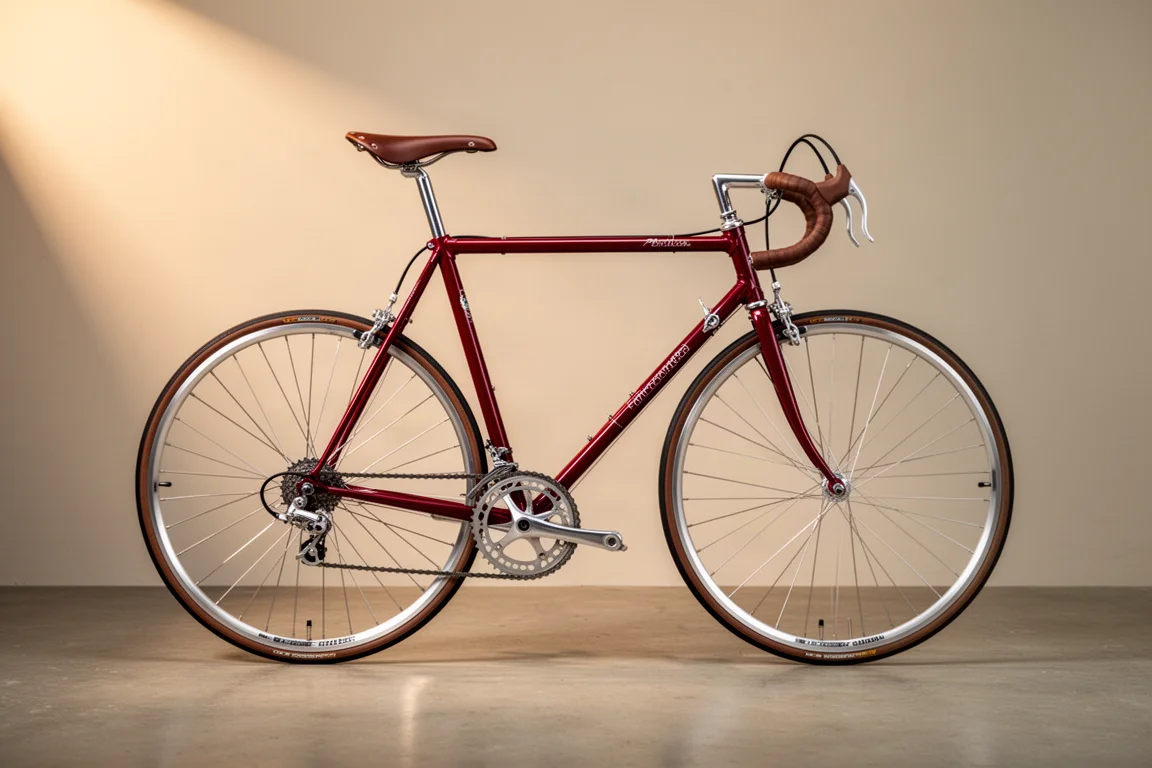
Cervélo is a Canadian brand known for very aero designs, and it is massive in triathlon and professional bike racing. It does not make a cheap bike; the whole range is performance oriented.
The brand built aero bikes well ahead of their time, and it was the first bike brand to run a professional cycling team as well as a dedicated women’s team, which was also ahead of its time. Riders who want a pure performance machine tend to end up looking here.
Bianchi: The Oldest Bike Brand in the World
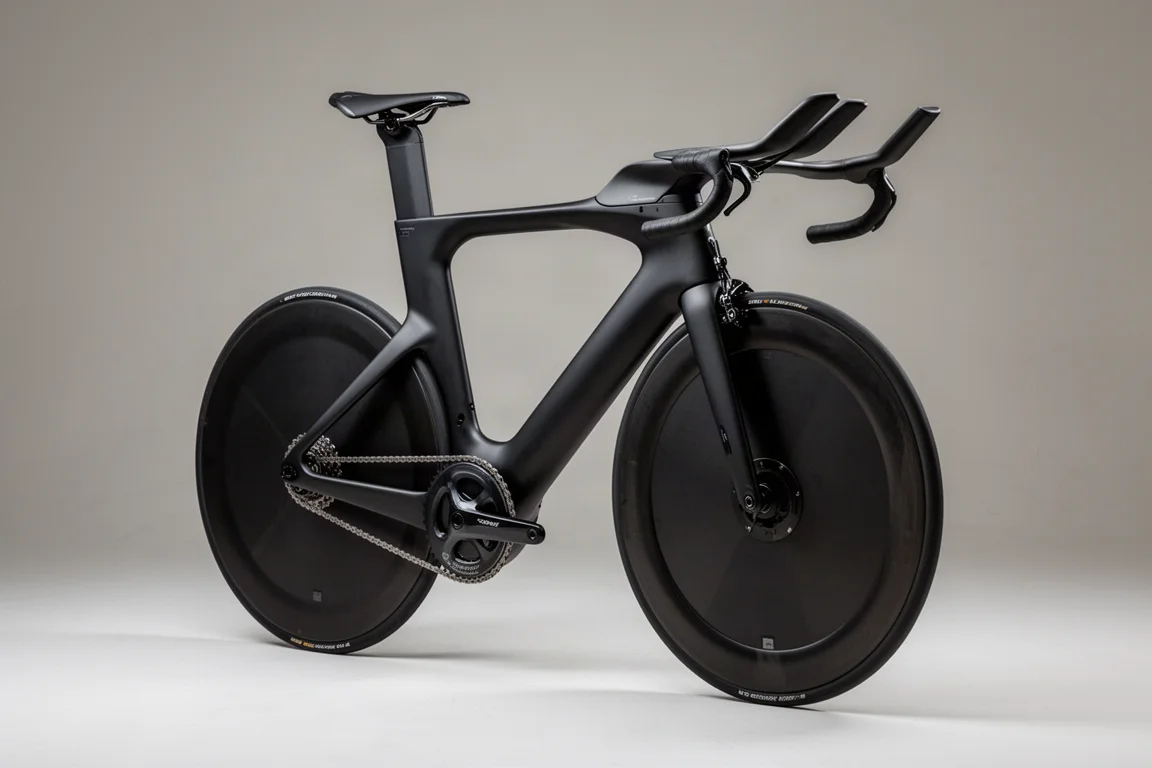
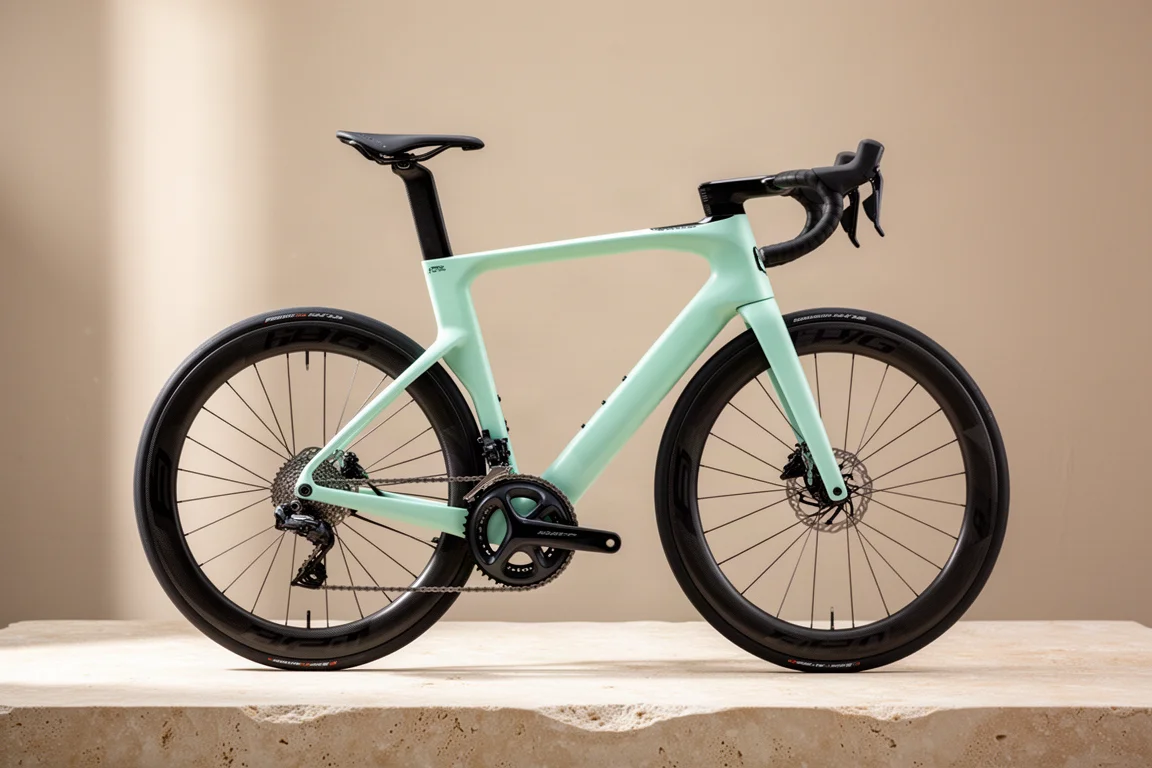
Bianchi was founded in 1885, making it the world’s oldest bike brand. It is based in Italy and is famous for its celeste green colour, a shade that has attracted a real cult following.
The range focuses mainly on high-end race bikes, and the brand has deep road racing heritage. Bianchi is also reportedly bringing production of its frames back to Italy, which would be significant given that most big bike brands have their frames made in factories in China or Taiwan.
Shimano: The Groupset Standard
Shimano is a huge fishing rod company that also makes bike parts, and it makes a lot of them. It holds around 80% of the groupset market, covering chains, cassettes, and brake systems.
You will see Shimano on high-end bikes and on entry-level bikes alike, and it has a reputation for reliability and high quality. There was one notable exception: older cranksets had a habit of snapping, and the problem led to a massive recall. The newer ones should be fine.
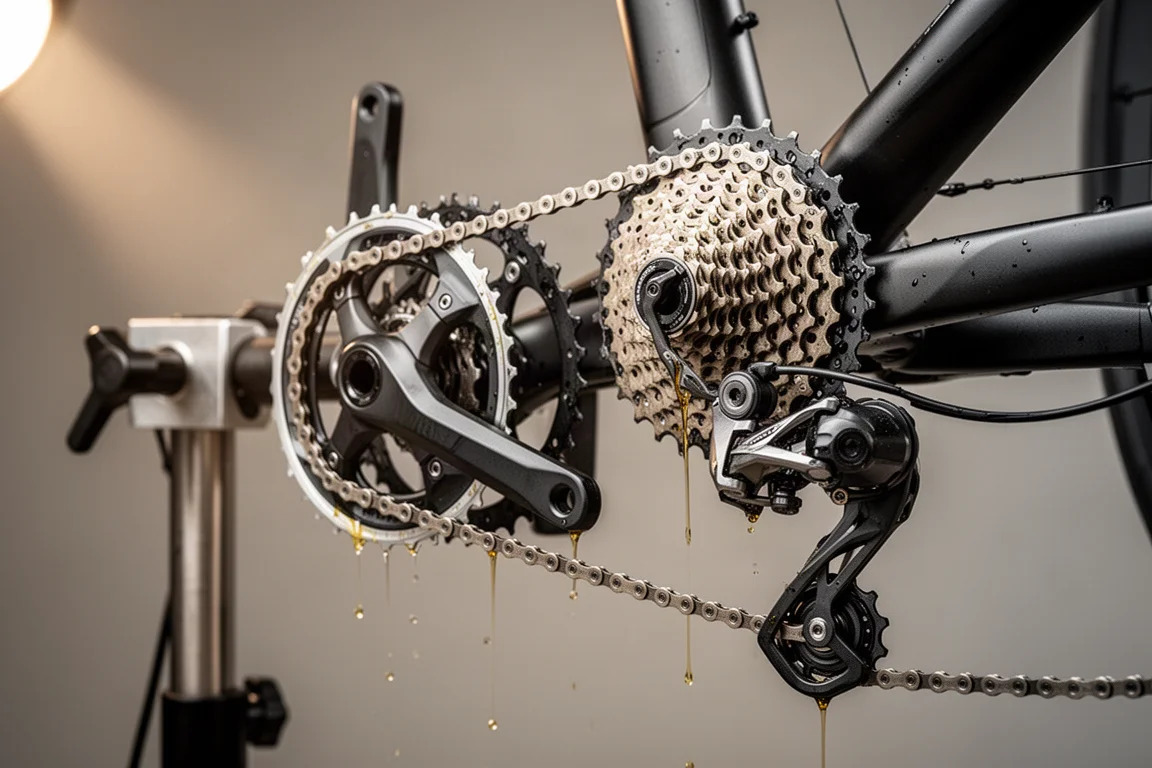
For most riders, Shimano is the safe default because it is everywhere, which makes servicing, spare parts, and upgrades straightforward.
SRAM: Wireless Performance and Strong Braking
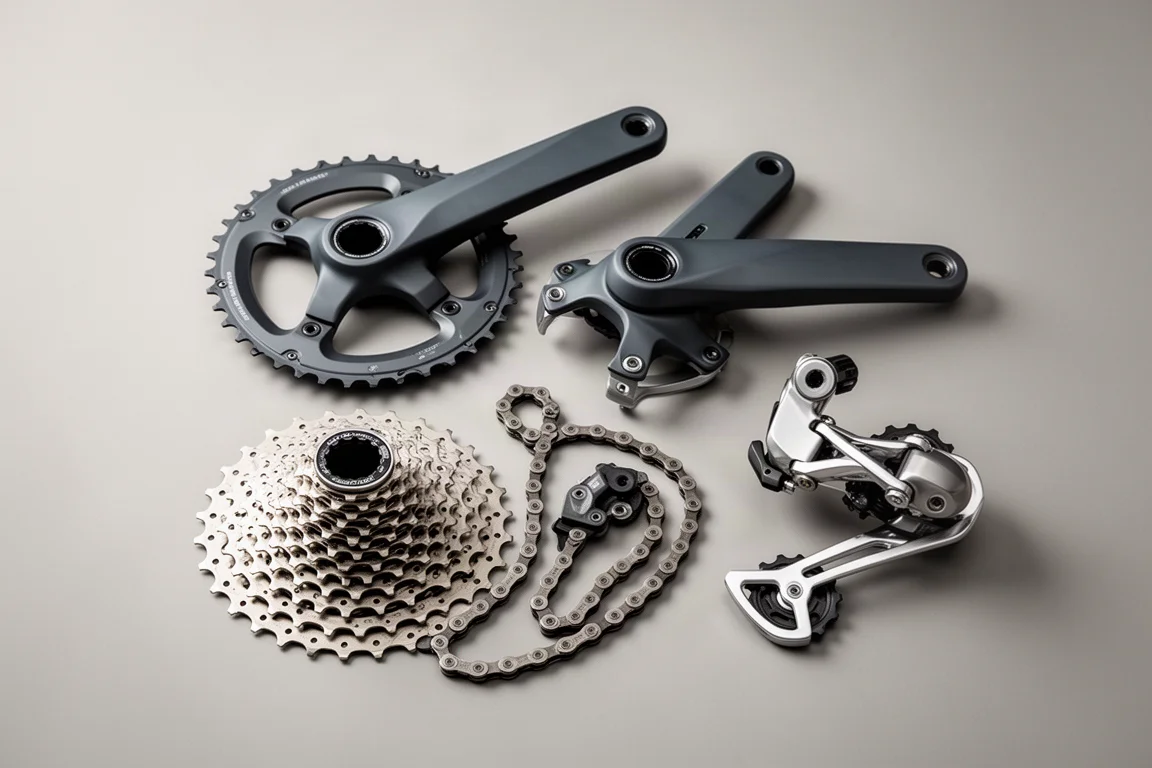
SRAM is the American answer to Shimano, and it focuses on performance products only. Its groupsets use wireless shifting, offer very wide gear ranges, and connect to an app so you can adjust settings on the bike.
Riders used to complain about front derailleur performance, but the newest iterations have addressed that. The latest versions are also described as offering the best braking you can buy, which matters on long descents and in poor weather.
Other Brands Worth Knowing
Beyond the names above, the market runs deep. Italian premium specialists such as Pinarello and Wilier carry their own followings, with Pinarello known for distinctive wavy forks and chain stays, Italian threaded bottom brackets, and the most Tour de France wins of any brand in the modern era. Wheel and component specialists including Mavic, Corima, Zipp, Enve, DT Swiss, HED, and Campagnolo serve riders who want to upgrade rather than replace a whole bike, and Campagnolo remains a favourite for Italian builds.
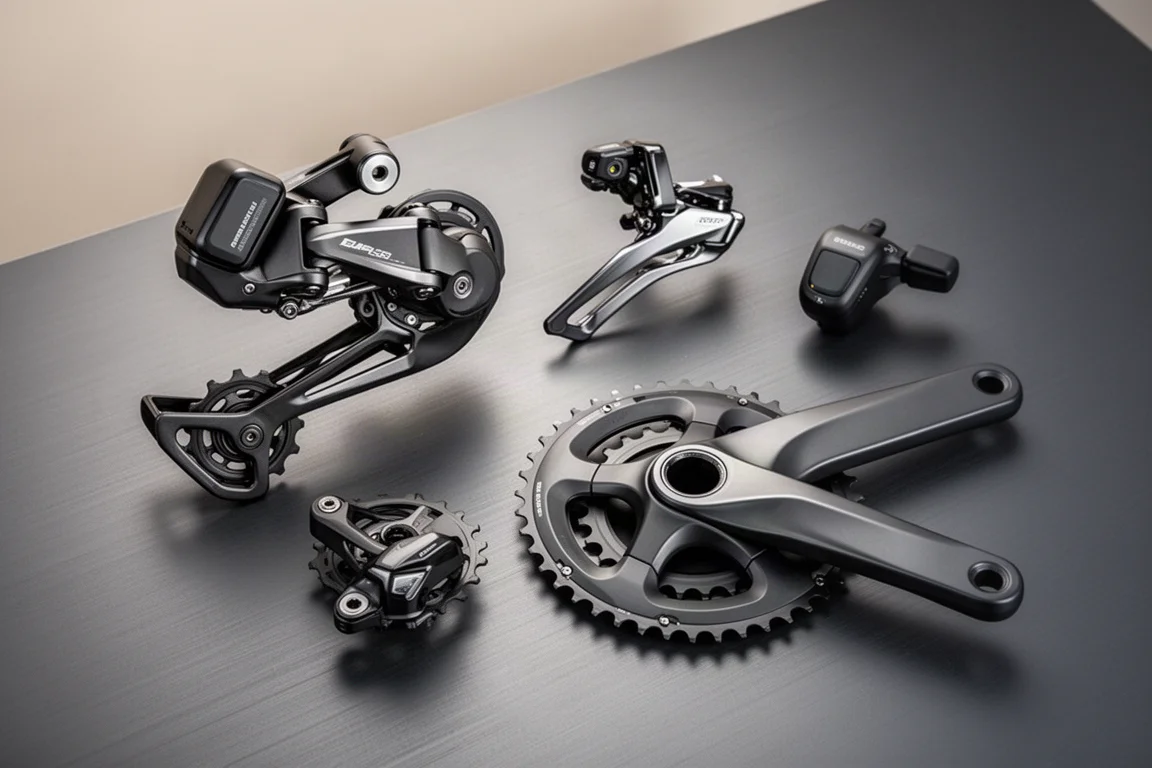
On the value side, Canyon sells direct to consumer from Germany, Cube offers strong specifications at keen prices when stock allows, and the Triban range has been replaced by Van Rysel for higher-end models and Riverside for commuter and gravel bikes. Microshift covers budget-friendly groupsets and continues to support mechanical shifting, while FSA, 3T, Rotor, Look, Time, Fizik, Selle Italia, and Selle San Marco supply the cranks, bars, pedals, saddles, and finishing kit that appear across many complete bikes.
There are also large manufacturers that fly under the radar. Merida is the second biggest bike brand in the world, builds bikes for many other companies, and owns 49% of Specialized. Orbea, Ridley, Scott, BMC, Focus, Lapierre, Argon 18, Felt, and Winspace all occupy their own corners of the market, from European race specialists to direct-selling newcomers.
Buying Advice: Matching Brand to Budget and Use
The brand on the down tube should follow from how you ride, not the other way around. If you want the fastest race bike you can afford and you value cutting-edge development, the performance-first names in this guide are the obvious places to look. If value and availability matter more, the largest manufacturers and the direct-to-consumer brands usually deliver more bike for the money.
Think about support as well as specification. A bike bought from a shop comes with a local point of contact, while a direct-to-consumer purchase means handling more of the setup and servicing yourself. It is also worth checking stock before you fall in love with a particular model, since some well-priced brands are hard to find simply because they sell out.
Finally, look at what you can adjust at the point of purchase. Brands that offer customisation on crank length, bar width, and similar fit details save you money and hassle later, because swapping parts after delivery often costs more than getting them right the first time.
Conclusion
Every brand here earned its position for a reason, whether that is racing results, manufacturing scale, component reliability, or straightforward value. Decide what matters most to you, whether that is speed, price, support, or heritage, then choose the brand that matches it. The right logo is the one attached to the bike that fits you and the riding you actually do.
Further reading
Related Reviews
Cycling Buying Guide
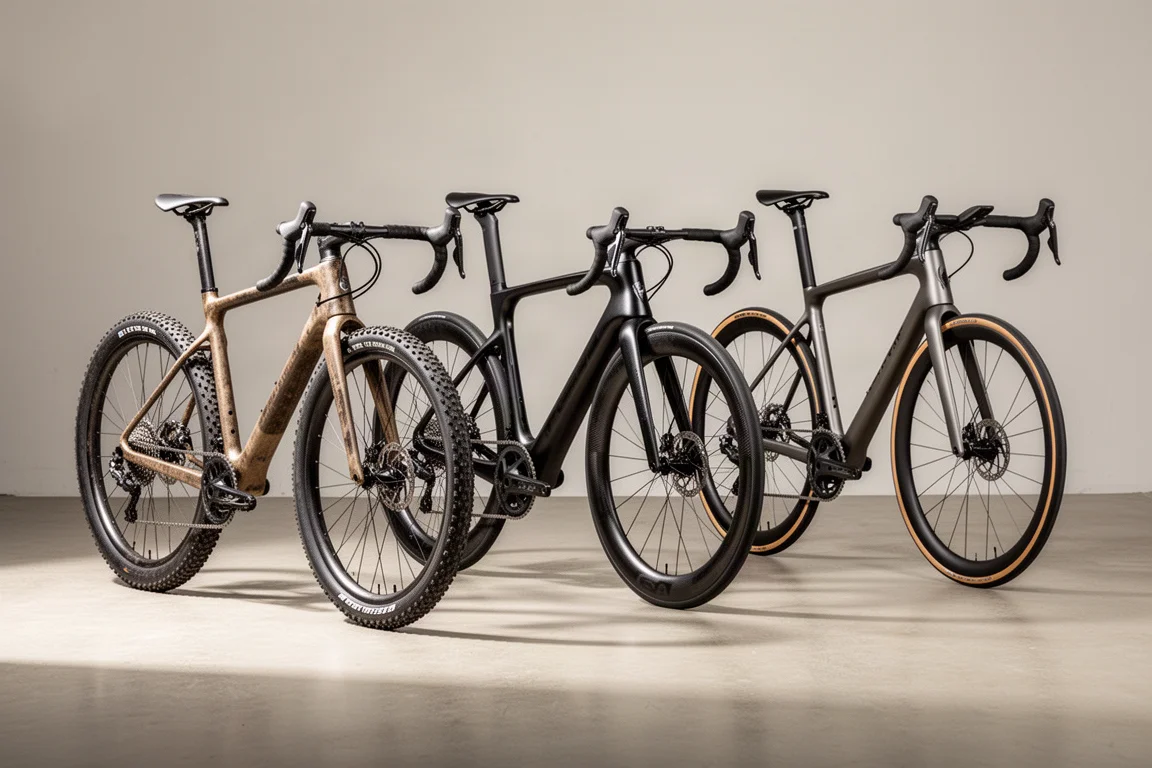
Bike of the Year 2025: The Best Gravel, Race, and Endurance Bikes
Three category winners from a year of testing, plus what to check before you buy a gravel, race, or endurance road bike.
Cycling Buying Guide
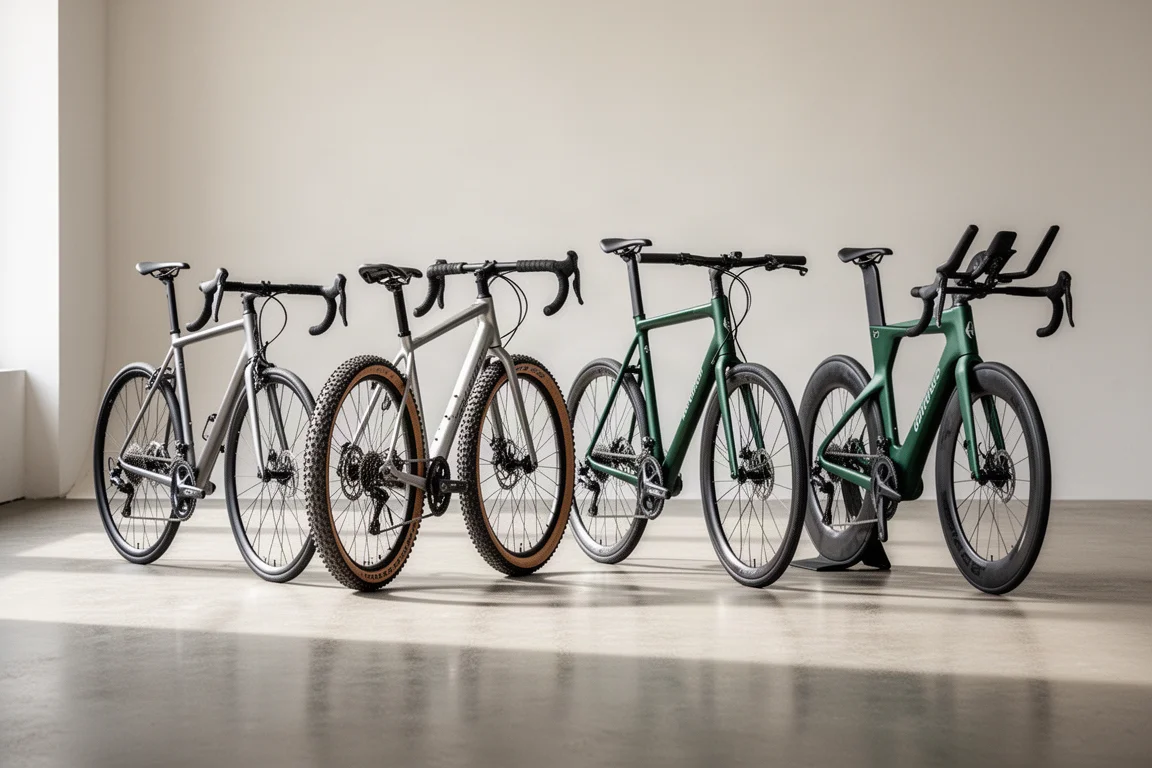
Bike Types Explained: Five Models That Show What Each Category Does Best
A practical walk through the main bike categories, using five well-known models to show what each type is built for and who it suits.
Cycling Buying Guide
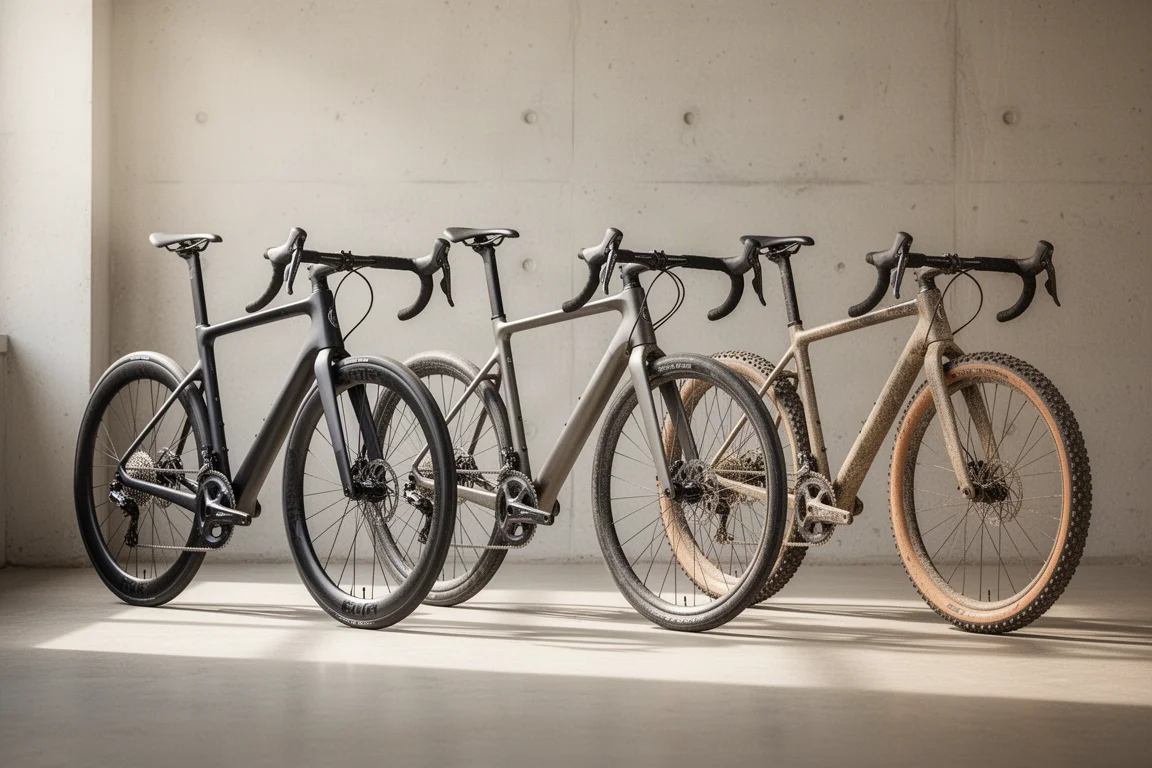
Drop-Bar Bike Types Explained: Racing, Endurance, Cyclocross and Gravel
Racing, endurance, cyclocross and gravel bikes all use drop bars, but their geometry suits very different riders. Here is how to tell the categories apart and choose the right one.