Cycling Buying Guide
Bike Types Explained: Five Models That Show What Each Category Does Best
A practical walk through the main bike categories, using five well-known models to show what each type is built for and who it suits.
Introduction
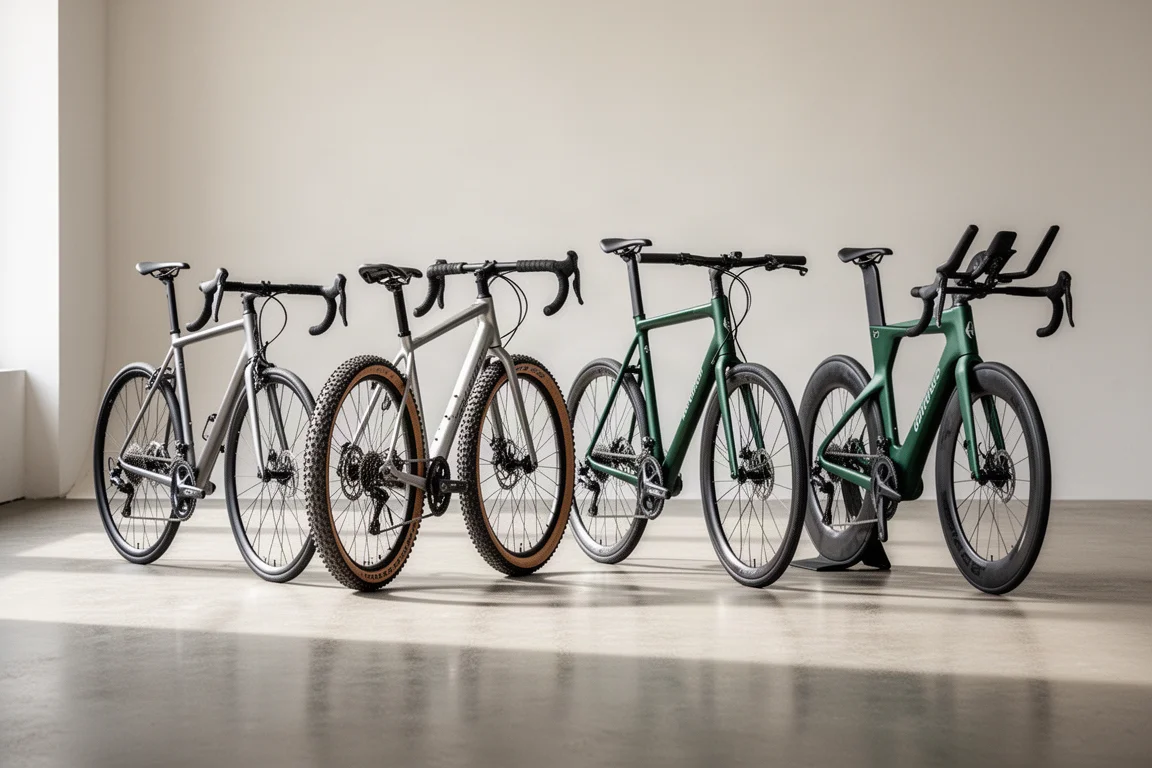
Bike categories have multiplied to the point where the names alone can be confusing. The bicycle industry keeps inventing new labels, and some of them mean very little in practice. The more useful approach is to look at what a bike is actually built to do: how it fits you, which surfaces it handles, and how it feels after an hour in the saddle.
This guide walks through the main families of bikes and uses five well-known models to show where each category sits. Several categories overlap heavily, so treat the names as a starting point rather than a strict rule.
How to Read Bike Categories Before You Buy
Three things separate most bike categories, and they matter far more than the marketing name printed on the frame.
The first is geometry, which simply means the frame angles and tube lengths. Geometry decides how a bike fits and how it rides. A long, low frame places the handlebars further away and lower down, which suits riders who are experienced, strong, and flexible. A shorter, taller frame puts you in a more relaxed position and suits almost everyone else.
The second is tire clearance. Most road bikes fit tires up to roughly 30 mm, although that figure has been trending upward. Narrow, slick, smooth tires are what make a road bike fast on tarmac, but they also limit which surfaces you can ride with confidence.
The third is the handlebar. Drop handlebars, the curved shape, put your hands in a natural position and keep your body narrow so you cut through the wind. They also offer several places to put your hands, which makes them versatile. Flat handlebars give easy control and an upright position, but you sit up like a parachute and catch the wind.
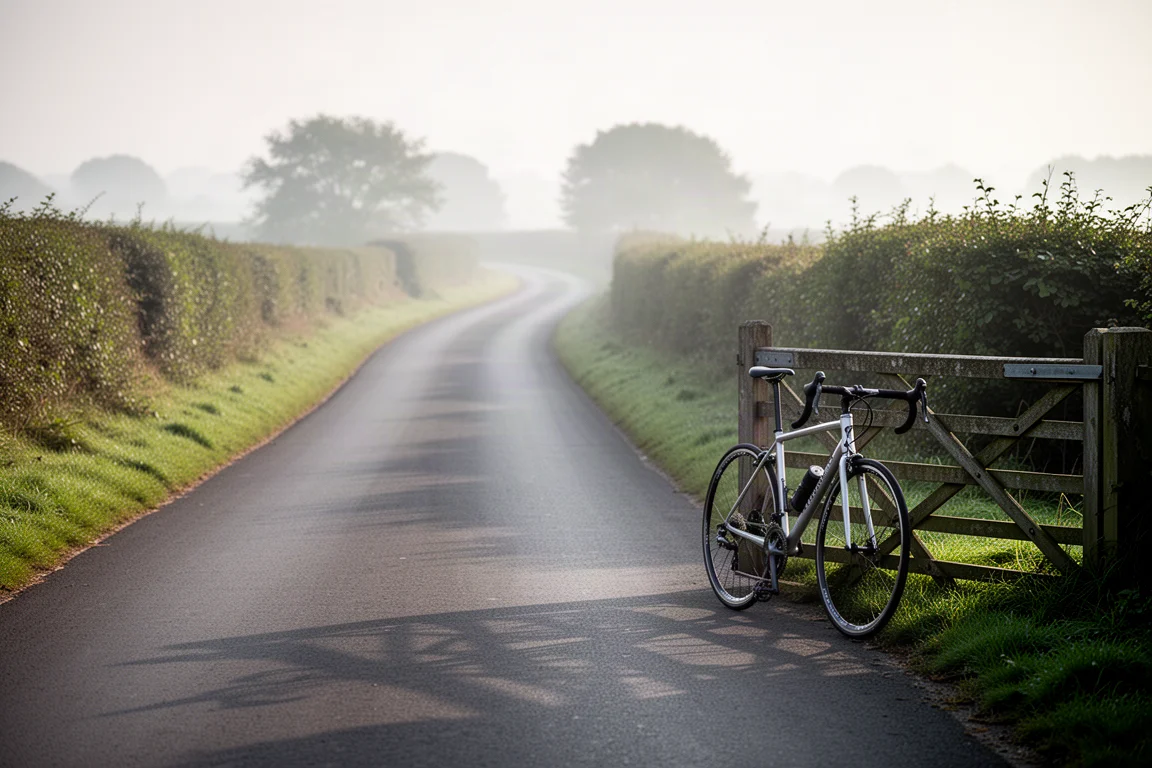
Gearing and wheelbase complete the picture. A longer wheelbase feels stable and planted, while easier gearing helps on steeper climbs or when the bike is loaded with bags. Once you know which of these traits you actually need, the category names start to make sense.
Best Race Road Bike: Specialized Tarmac
Race bikes are the long and low end of the road category. The handlebars sit further from the rider and lower down, which rewards experienced, strong, and flexible riders. You can still ride one if you are not in that group, but comfort may suffer, so it is worth being honest about your riding position before committing.
Road bikes as a whole are built for speed on tarmac. Narrow, slick tires and drop handlebars make them the fastest practical option when going fast is the goal, and they are the bikes used at the biggest road races. The trade-off is surface flexibility: with clearance around 30 mm, you are limited in where you can ride with confidence.
The Specialized Tarmac is one of the established examples of a race road bike, and it represents the aggressive end of road geometry rather than the relaxed end.
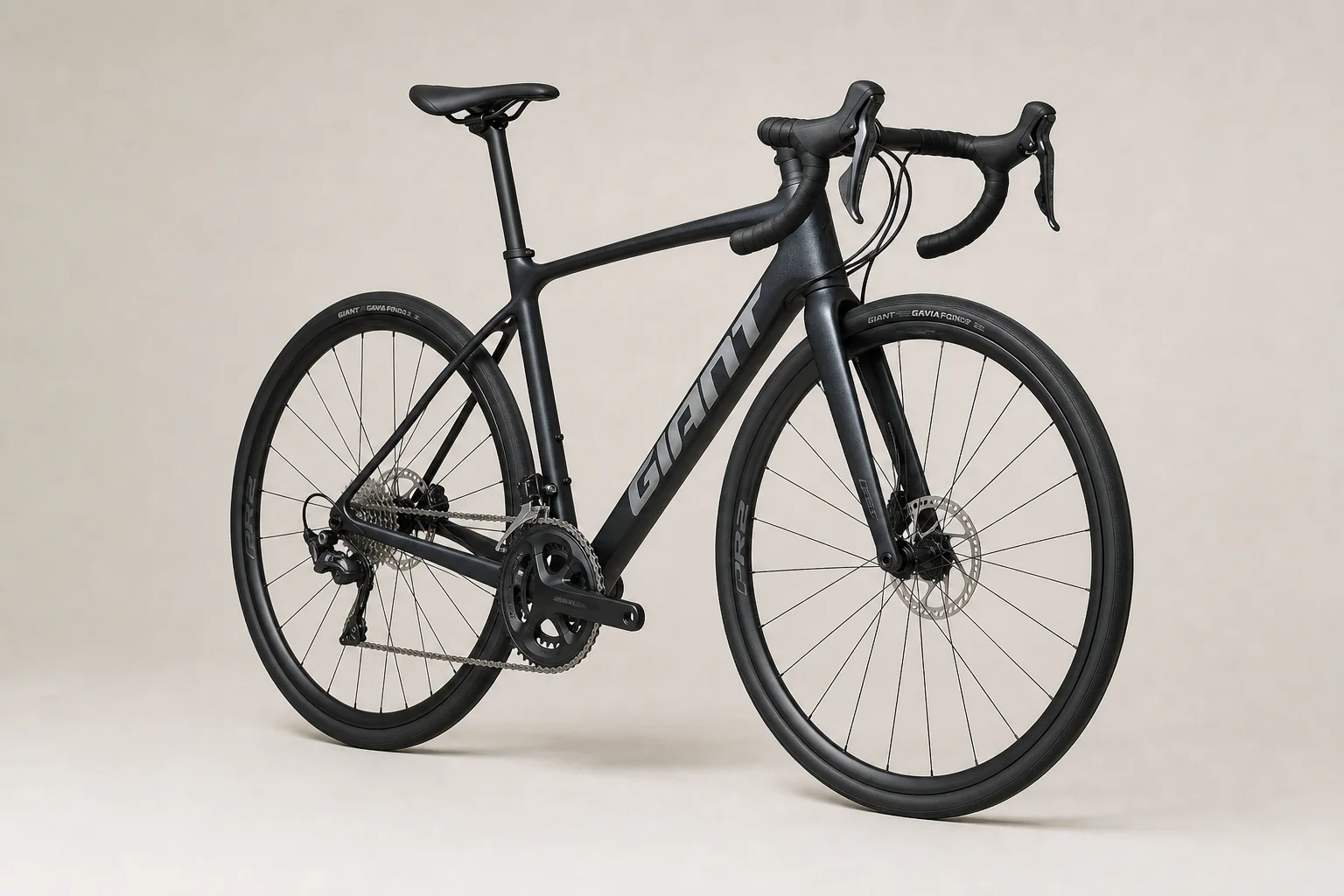
Best Endurance Road Bike: Giant Defy
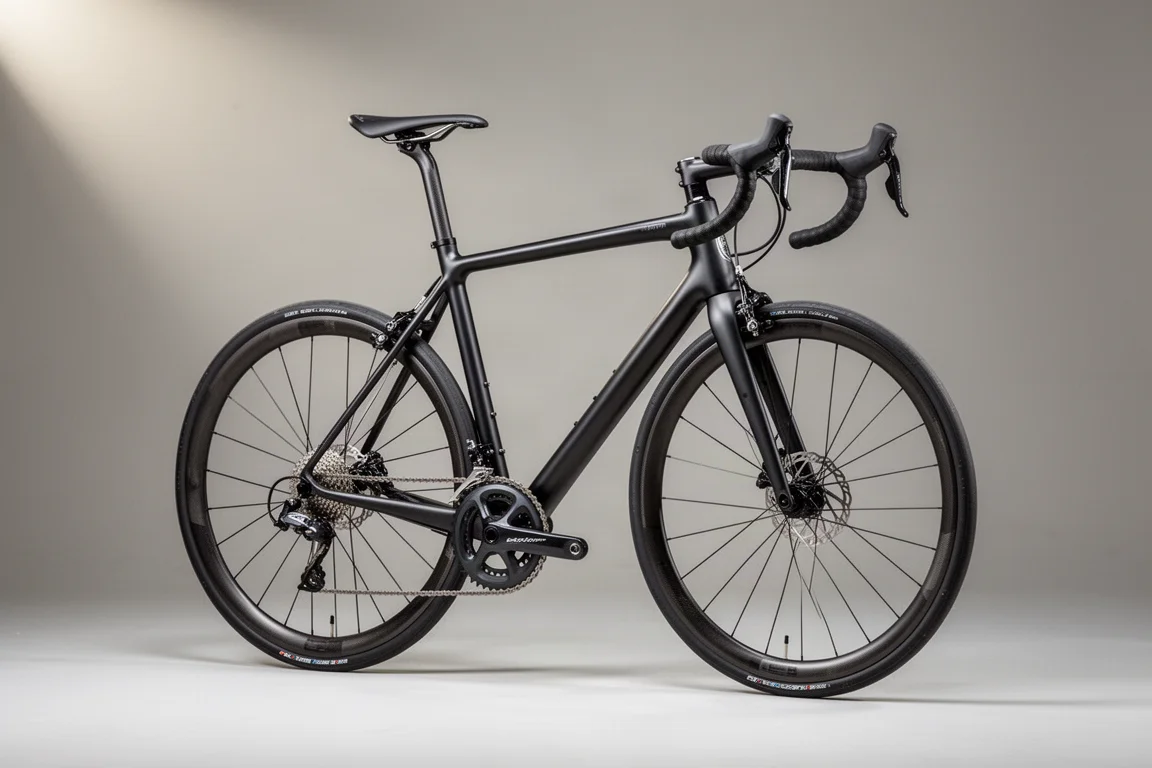
Endurance bikes sit at the opposite end of the road spectrum. They are shorter and taller than race bikes and put the rider in a more relaxed position, which suits everyone who is not chasing a race fit. They often have a little more tire clearance as well, and most entry-level road bikes use endurance geometry.
That combination makes endurance models the safer default for most riders. You keep the speed and efficiency of a road bike on tarmac, but you gain a position you can hold for longer rides and slightly more room to run wider tires.
The Giant Defy is a well-known example of the category, and it is the type of bike to look at if you want road pace without a race position.
As with any bike, fit matters more than the label. An endurance frame that is too large for you will still be uncomfortable, so prioritise sizing over the category name.
Best Gravel Bike: Canyon Grail
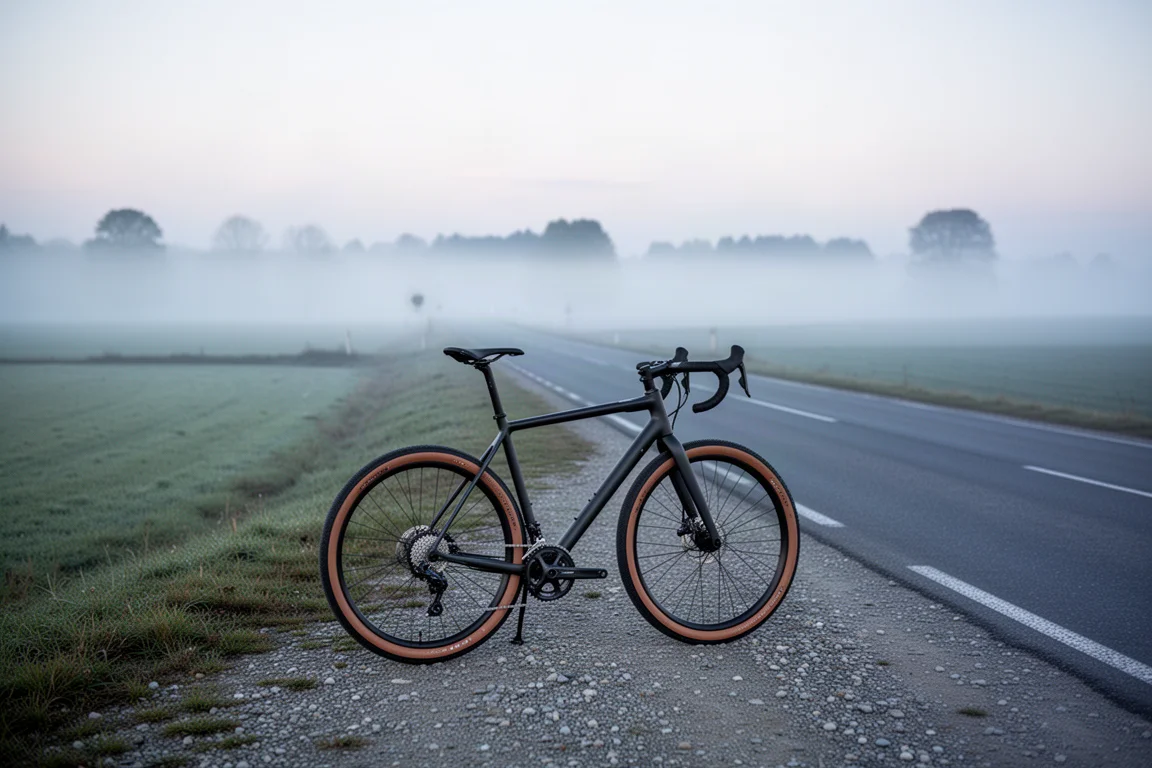
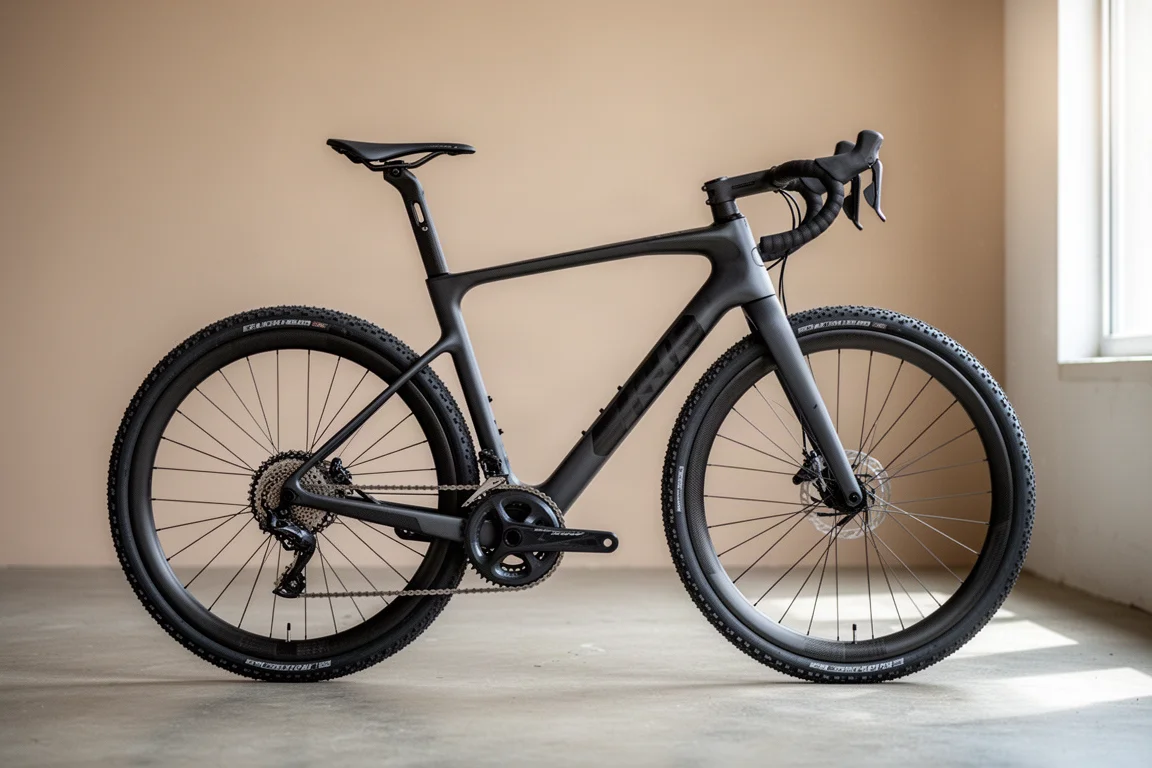
Gravel bikes are road bikes with big tire clearance that you can ride off-road. They generally keep drop handlebars, add more relaxed geometry and a longer wheelbase for stability, and use easier gearing so you can climb steeper terrain. Bigger tires let you ride rougher surfaces with more comfort and grip, assuming you set the air pressure correctly.
The most useful thing about the category is that it is not annoying on the road. You can fit slick tires and ride a gravel bike much like a road bike, and while it may not be quite as fast, it will be very close. That versatility is why the category has grown so quickly.
Gravel is a spectrum rather than a single thing. At one end are adventure-style bikes with big tires and relaxed geometry, capable of handling mountain bike tracks in skilled hands. At the other end are racing gravel bikes that are lighter, more aggressive, and closer to road bikes. The Canyon Grail sits at the racing end, which makes it quick but also means the position can be long and low. If that sounds like too much, a middle-ground option such as the Canyon Grizl may suit better.
Best Hybrid and Urban Bike: Trek FX
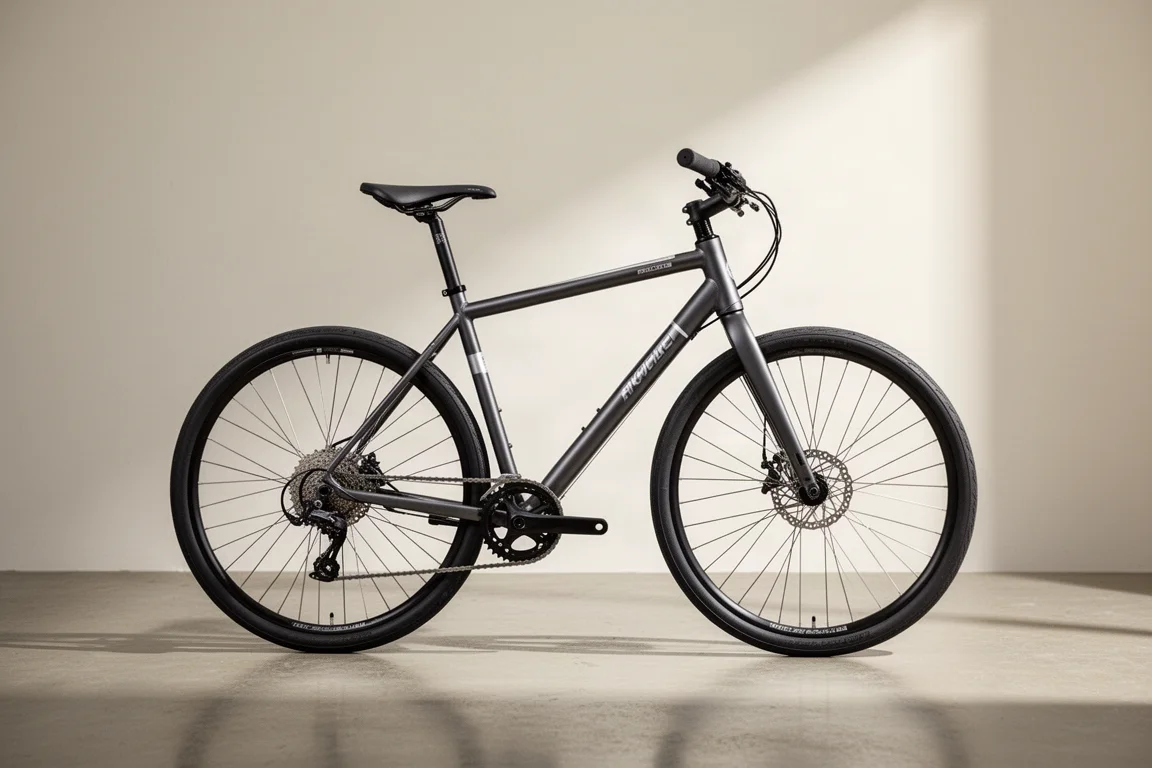
Hybrid, urban, and city are three names for roughly the same thing, and manufacturers use them interchangeably. These are flat-handlebar utility bikes with medium-width tires. They are not exciting, but they work extremely well for everyday riding: commuting, shopping, and recreational cycling at normal speeds.
The flat bar is the main reason these bikes are so approachable. Most people learn to ride on a flat-bar bike as a child, so a full-size version feels familiar straight away. For the vast majority of riders, that familiarity plus an upright position covers almost everything they need.
The Trek FX is a widely available example of the format. It is worth knowing the limits, though. Sitting upright means you catch the wind, and your hands rest in a less natural position, which can cause problems for some riders on longer rides.
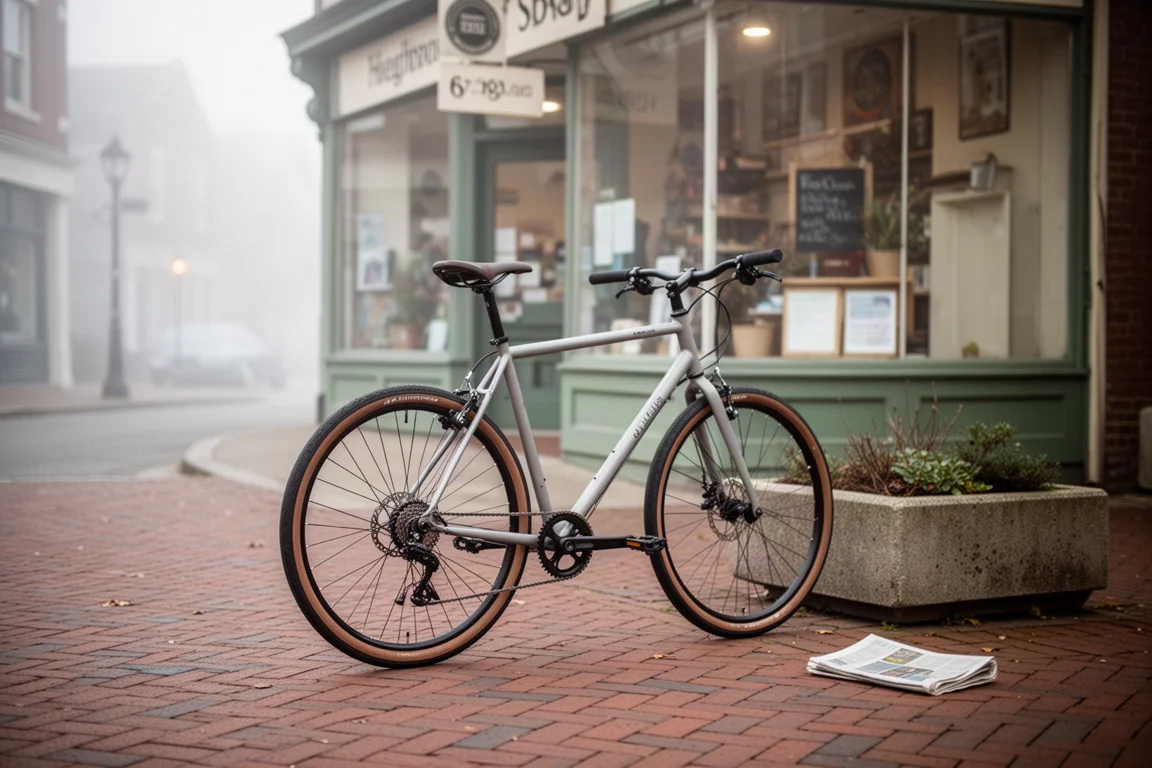
Storage and braking are areas where flat bars have a genuine advantage, since there is more space to mount bags and the brakes are easy to reach from an upright position.
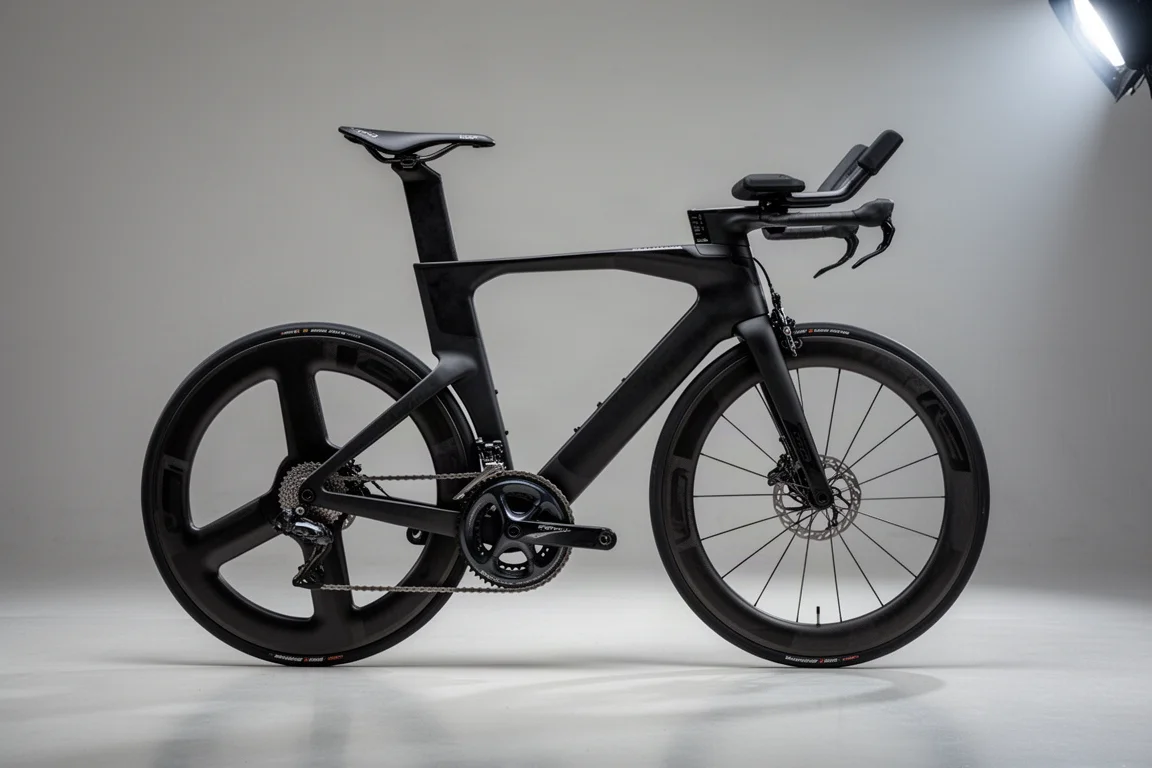
Best Triathlon Bike: Canyon Speedmax
Time trial bikes are built for racing against the clock. They use narrow, extended handlebars to put the rider in a very aerodynamic position, and they are fast, but they are also impractical. You do not have access to your brakes while holding the fast position, they are heavy going uphill, and they are not especially comfortable. Most people buy one as a second bike, after they already own a road bike for normal riding and riding with other people.
Triathlon bikes are closely related but not identical. Because they do not have to follow the same equipment rules, they can be shaped more freely and often end up faster. They typically add storage for food and other items, and they often seat the rider further forward so the legs are fresher for the run that follows.
The Canyon Speedmax is offered in two versions, one built to the standard equipment rules and one for triathlon. That distinction matters: you can ride a time trial bike in a triathlon, but you cannot always ride a triathlon bike in a time trial, so choose carefully if you plan to do both.
Buying Advice: Matching a Category to Your Riding
Start with the surface you actually ride and the distance you actually cover, not the category that sounds most exciting.
If your riding is almost entirely on tarmac and speed is the priority, a road bike makes sense. Choose race geometry only if you are comfortable in a long, low position. Otherwise, endurance geometry is the more forgiving choice, and it is what most entry-level road bikes already use.
If you want one bike that handles tarmac and rougher surfaces, gravel is the most flexible answer. Decide where you sit on the spectrum: adventure-style bikes favour comfort and capability, while racing gravel bikes favour speed and a more aggressive position.
If your rides are short, practical, and mostly around town, a hybrid or urban bike is genuinely hard to beat. It is simple, familiar, and effective. The same applies to very upright city bikes if that position is your preference.
For racing against the clock or competing in triathlon, a dedicated time trial or triathlon bike is a specialist tool. It is usually a second bike rather than a first one, and the storage and forward seating of a triathlon model are aimed squarely at the demands of multi-sport racing.
One point applies across every category: fit comes first. A bike that matches your riding and your body will always outperform a more exotic one that does not.
Conclusion
Bike categories exist to describe trade-offs, not to rank bikes. Road bikes trade surface flexibility for speed. Endurance road bikes trade a little pace for comfort. Gravel bikes trade outright road speed for versatility. Hybrids trade performance for practicality. Time trial and triathlon bikes trade almost everything for aerodynamic efficiency.
Once you know which trade-off matches your riding, the shortlist gets much shorter, and the model names start to mean something useful.
Further reading
Related Reviews
Cycling Buying Guide
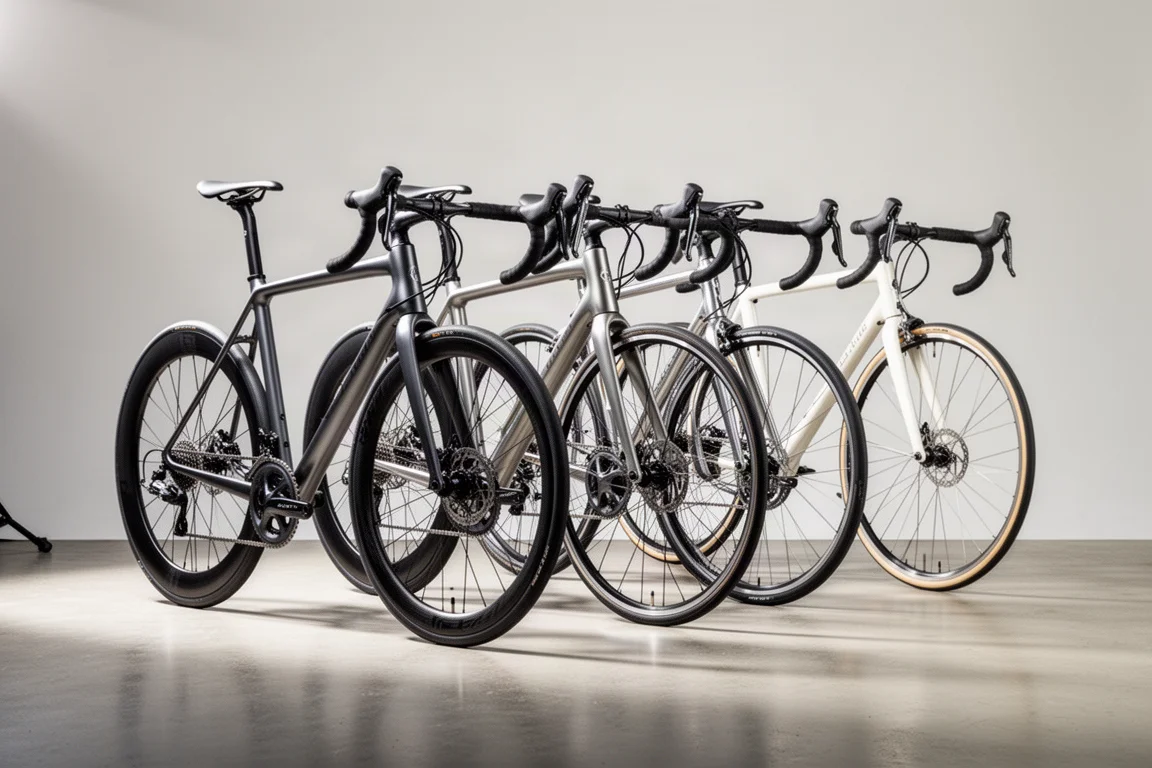
Big Bike Brands Explained: Where to Look Before You Buy
A practical guide to the biggest bike brands, what each one is known for, and how to decide where to spend your money.
Cycling Buying Guide
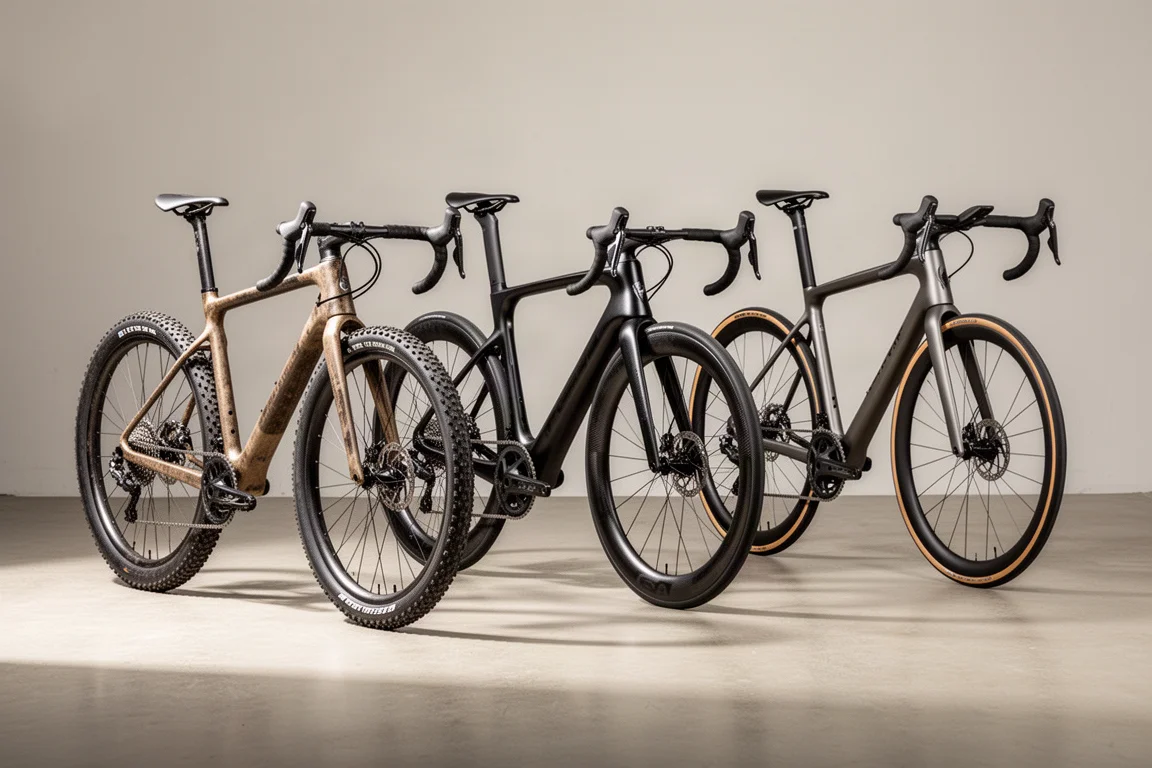
Bike of the Year 2025: The Best Gravel, Race, and Endurance Bikes
Three category winners from a year of testing, plus what to check before you buy a gravel, race, or endurance road bike.
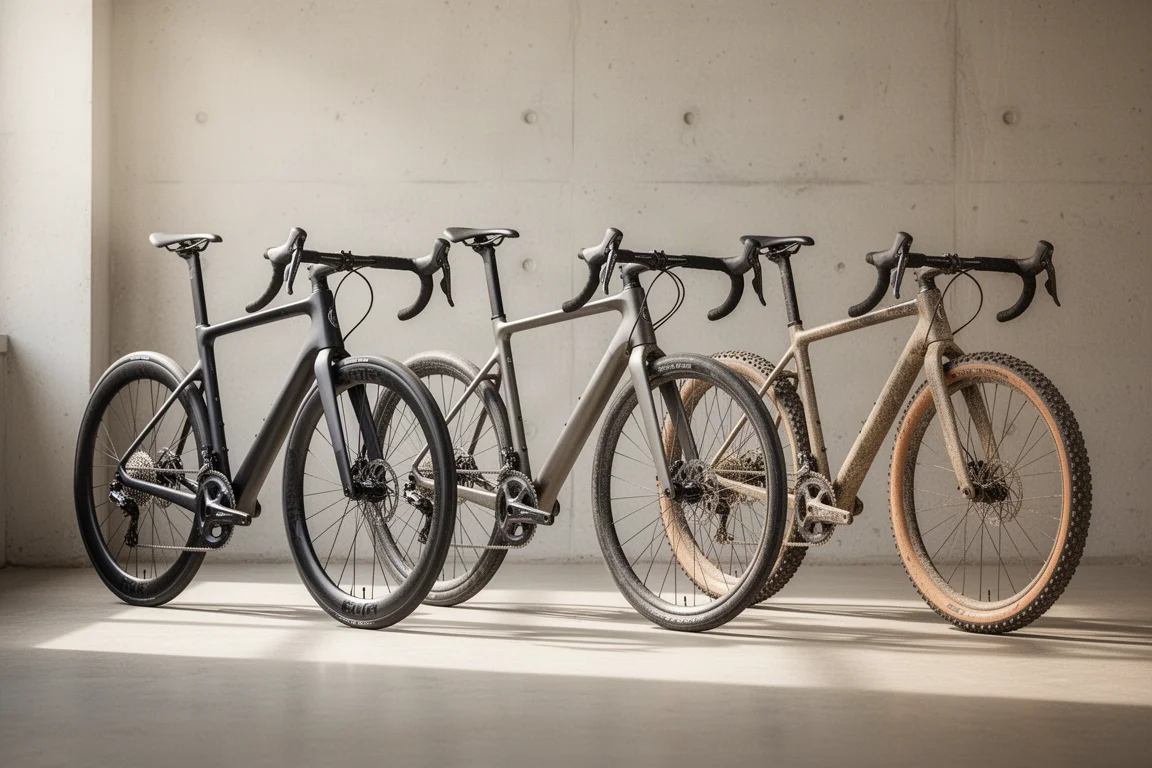
Cycling Buying Guide
Drop-Bar Bike Types Explained: Racing, Endurance, Cyclocross and Gravel
Racing, endurance, cyclocross and gravel bikes all use drop bars, but their geometry suits very different riders. Here is how to tell the categories apart and choose the right one.