Hi-Fi Audio
Seven Analog Hi-Fi Components Worth Building a System Around
A practical guide to seven analog-first hi-fi components, from a long-serving moving-coil turntable and a tube phono stage to a broadcast-grade cassette deck.
Introduction
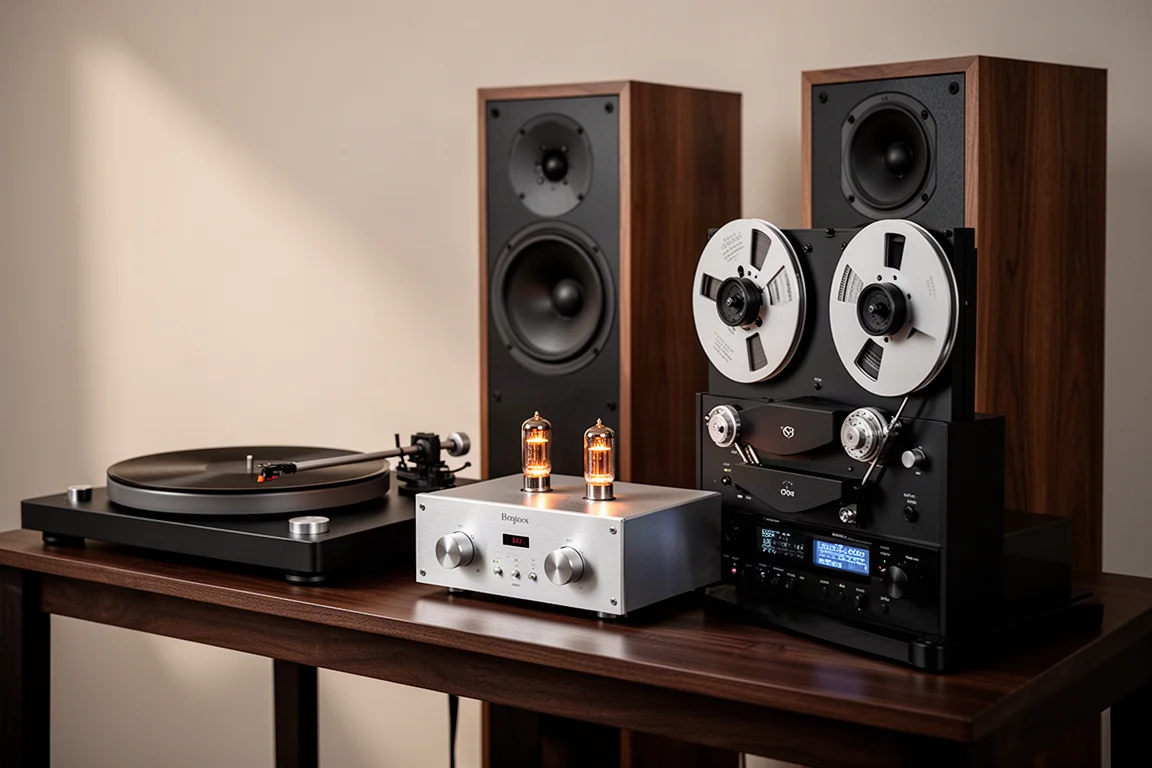
An analog-first system is built in stages. Each component has to earn its place, and the ones that last are usually the ones that ask the least of you over time. The seven pieces below cover a complete vinyl and tape chain: a moving-coil turntable that has been in service for five years, a step-up transformer that removes the guesswork from cartridge matching, a tube phono stage with an unusually flexible tube layout, a pair of horn-loaded floorstanders, a modified reel-to-reel deck, a budget tube DAC, and a broadcast-grade cassette deck.
Not every item here is expensive in absolute terms, and not every item is easy to find. What they share is a clear role in the signal path and a set of trade-offs worth understanding before you commit.
How These Components Fit Together
The chain starts at the turntable and ends at the speakers, with the tape machines feeding the same line stage. Vinyl runs from the moving-coil cartridge into a step-up transformer, then into the phono stage, then to the line input. Tape decks bypass the phono stage entirely and connect at line level.
That structure explains why the choices here lean toward tubes. A phono stage and a tape stage both handle very small signals, and both benefit from a power supply that stays quiet under load. Everything in this system that carries a low-level signal uses a tube somewhere in the circuit, which also means tube selection becomes part of the tuning process rather than a maintenance chore.
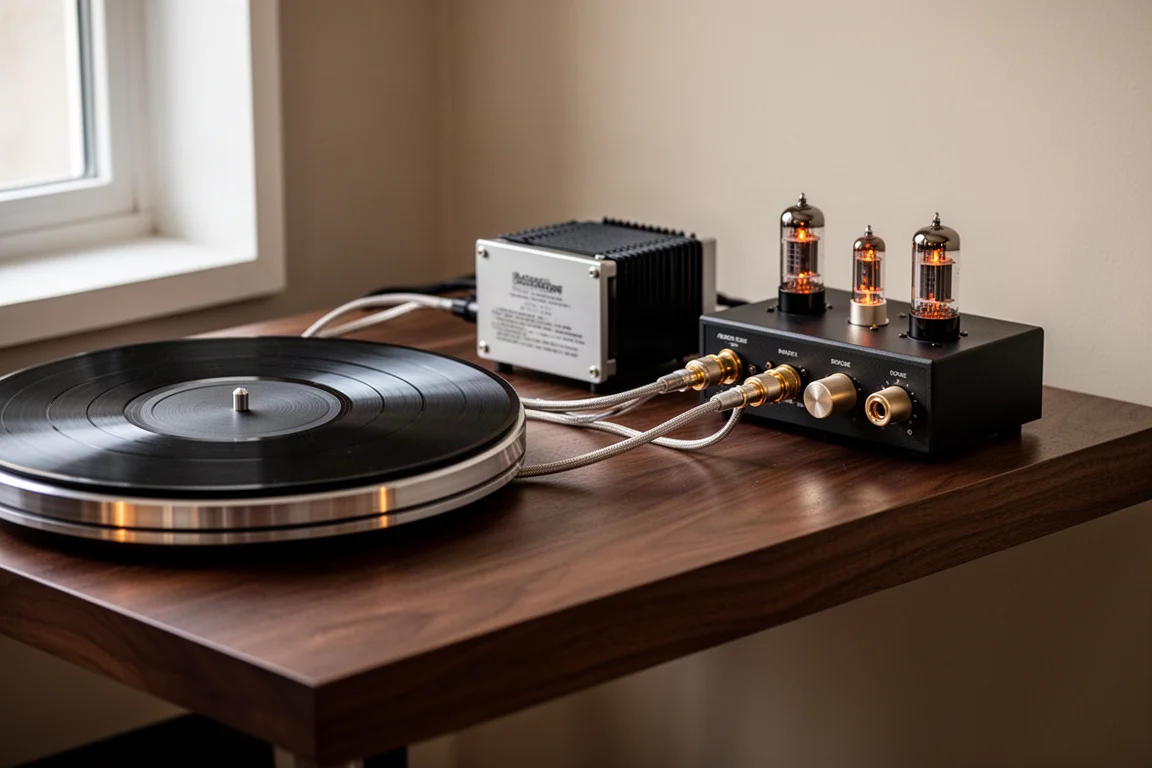
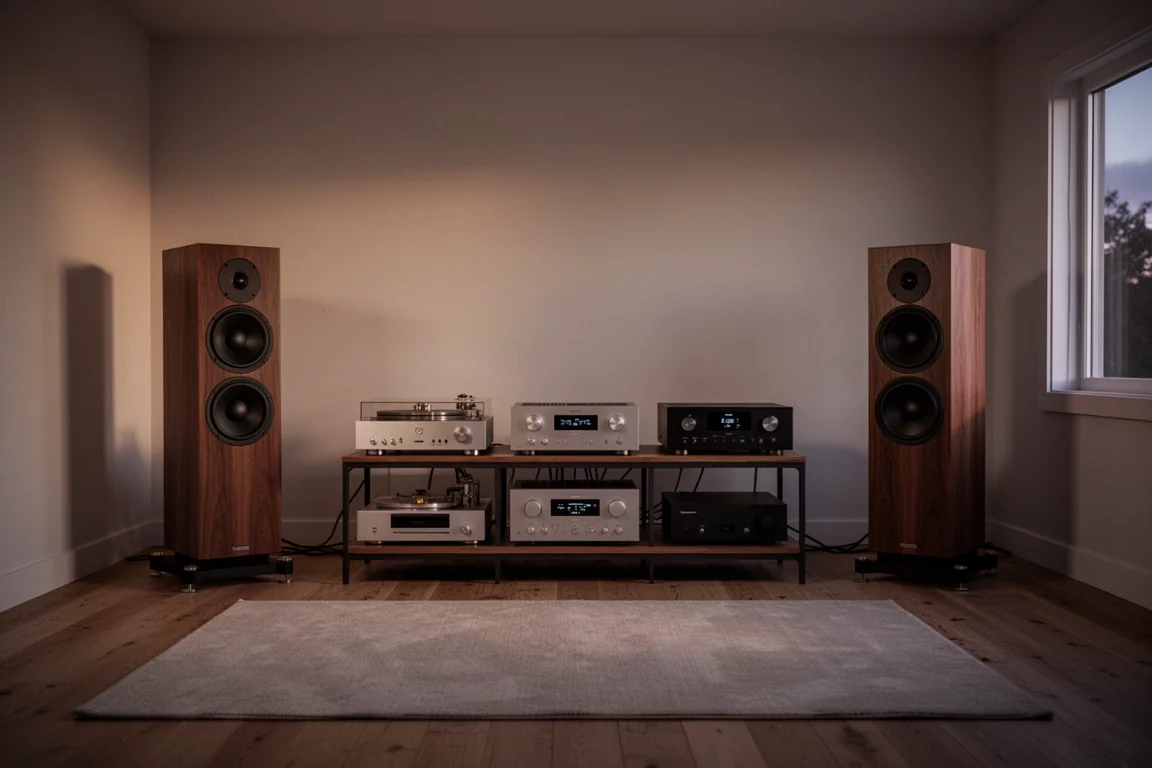
Placement and room treatment matter as much as the electronics in a system like this. Speaker position, listening distance, and simple absorption at the first reflection points change the presentation more than most component swaps.
Clearaudio Concept MC: A Turntable That Keeps Going
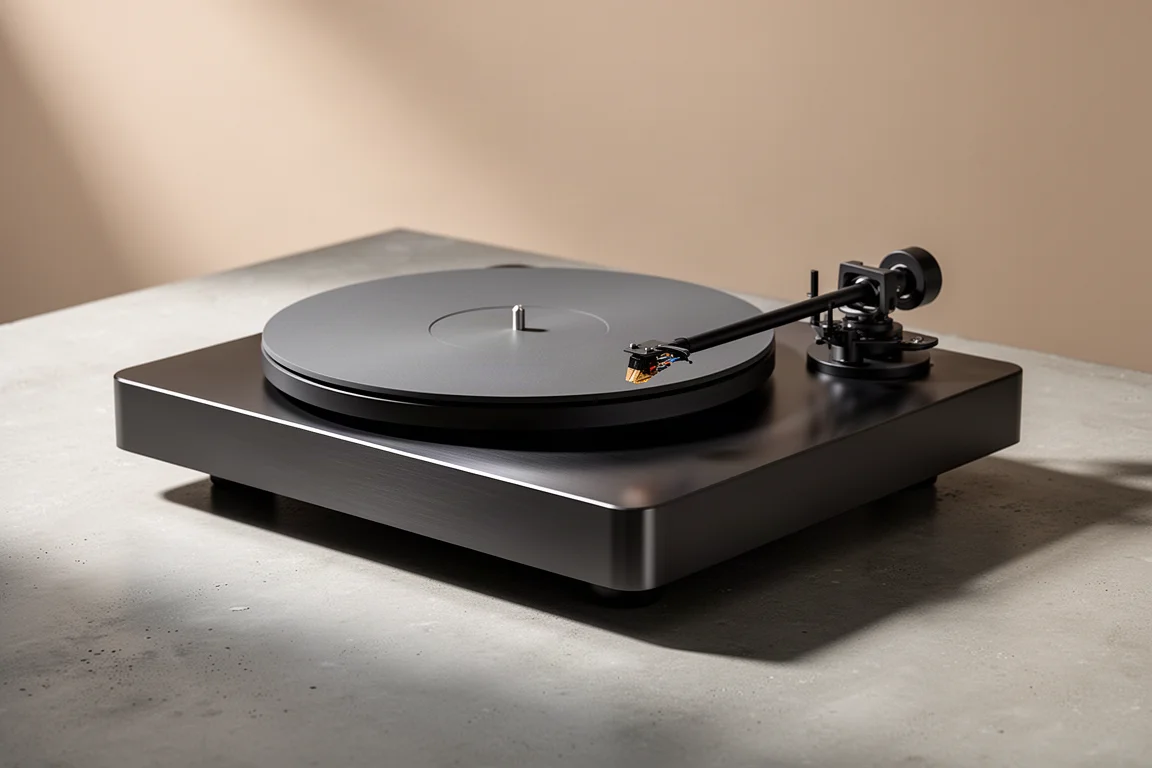
The Concept MC has served as the vinyl front end for five years of continuous use with no failures, which is a rare thing to be able to say about any mechanical component. The plinth is compact, the platter uses a synthetic damping material, and the whole assembly is stable enough that it simply keeps working.
Upgrade attempts have been unusually unrewarding, and that is worth knowing before you buy. Aftermarket feet made the sound worse by letting the deck bounce, a turntable mat degraded the presentation compared with the bare platter, and a linear power supply measured no differently from the stock supply across repeated tests. A record weight is the one change that earns its place.
The value argument is the strongest part of the story. The deck delivers more than its price suggests, and the moving-coil cartridge tracks well enough that longer, quieter grooves can catch a listener off guard when the music finally arrives.
Bob’s Devices MC Step-Up Transformer: Matching Made Simple
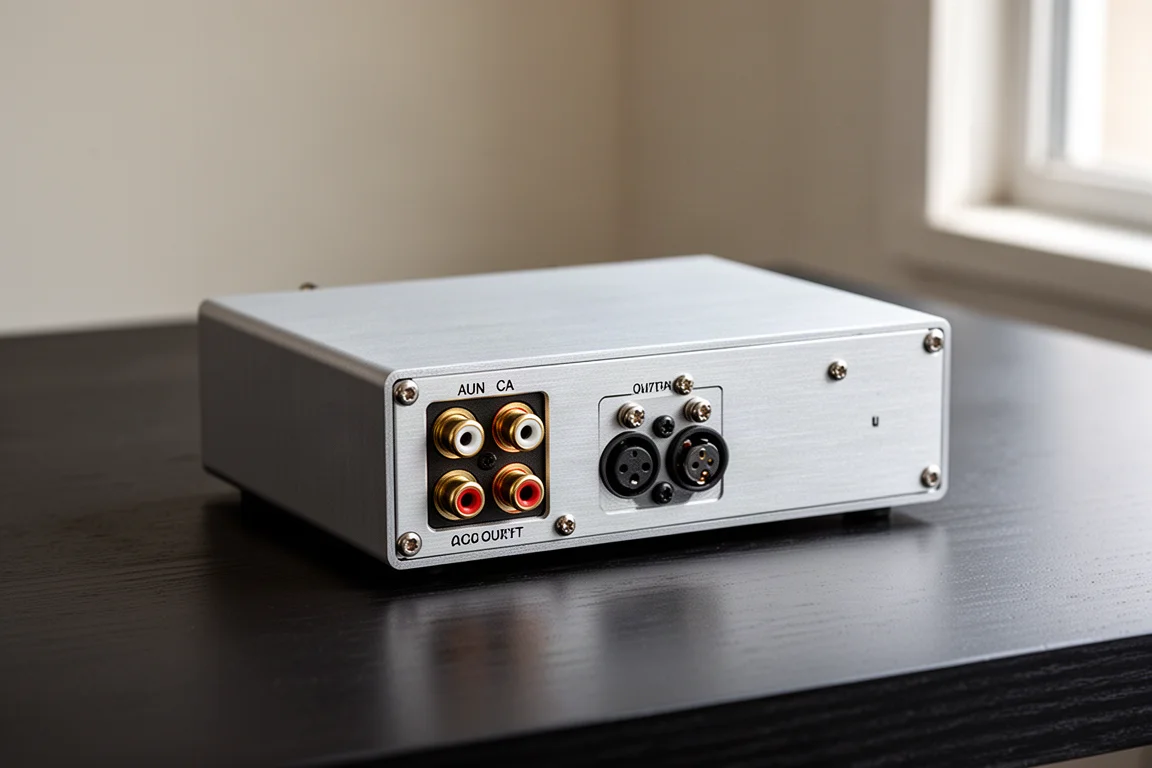
Matching a moving-coil cartridge to a phono stage involves cartridge impedance, transformer loading, and gain, and getting it wrong is easy. This step-up transformer, built around a Cinemag core, sidesteps most of that arithmetic. The design approach is well documented, the loading is sensible, and the result is a clean, quiet handoff from cartridge to phono stage.
It is a deliberately narrow product. It exists to raise a low-output moving-coil signal to something a phono stage can work with, and it does that one job without adding controls or options. If your cartridge is moving magnet, or your phono stage already has enough gain and the right loading, this is not the part you need.
For anyone who has spent an evening comparing loading resistors and impedance figures, the appeal is obvious: one less variable, and a cleaner path to the phono stage.
Decware ZP3: A Tube Phono Stage Worth the Wait
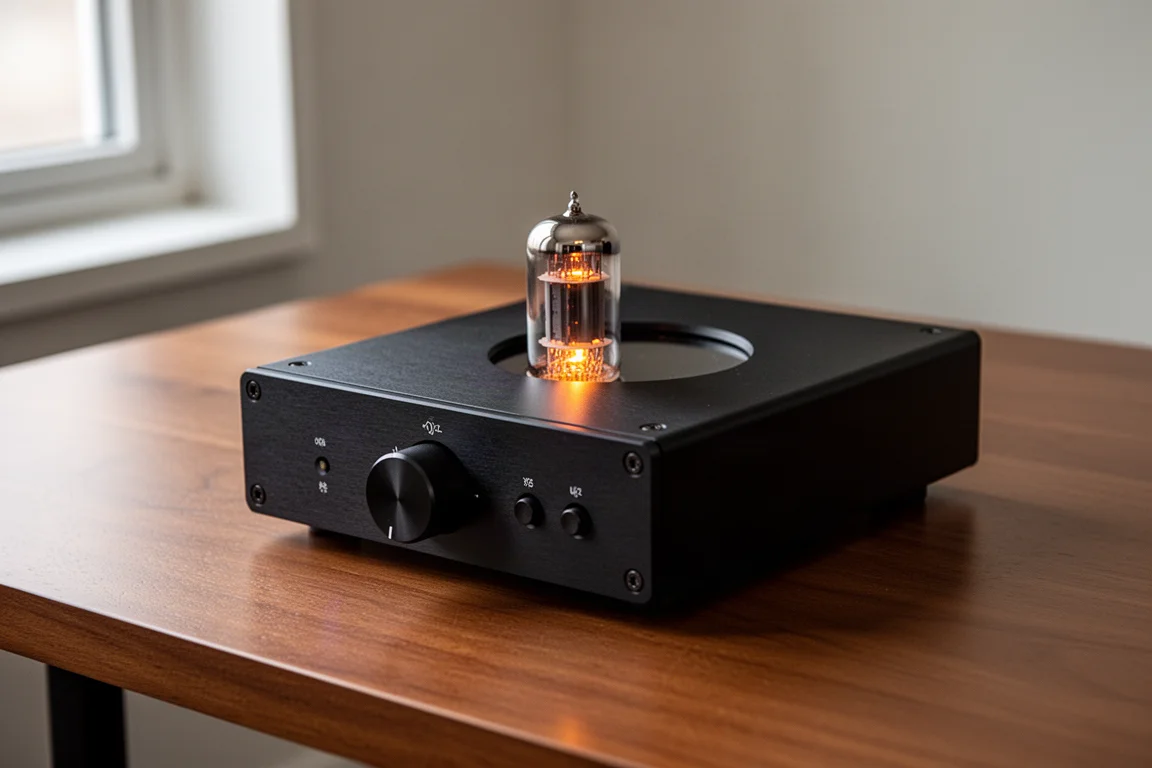
The ZP3 is a tube phono stage built around an unusually generous power supply. The filtering section is heavily overbuilt for the current draw, which means the stage stays quiet even with long, dynamic grooves that would otherwise expose noise.
The tube layout is the more interesting detail. Each channel uses one section of a tube for the first stage and then moves to a separate tube for the next stage, so left and right channels are handled within a single envelope. The practical result is that you do not have to match tubes across positions. Two 12AX7s and a 12AU7 give you room to experiment, and swapping a single tube changes the character of the stage without breaking channel balance.
Wait times have historically run into several months, and demand has grown. Output capacitors can be upgraded, and replacing the stock parts with Arizona Blue Green Cactus capacitors produced a clear improvement in this example. Decware also offers a factory Jupiter upgrade for buyers who would rather not modify the unit themselves.
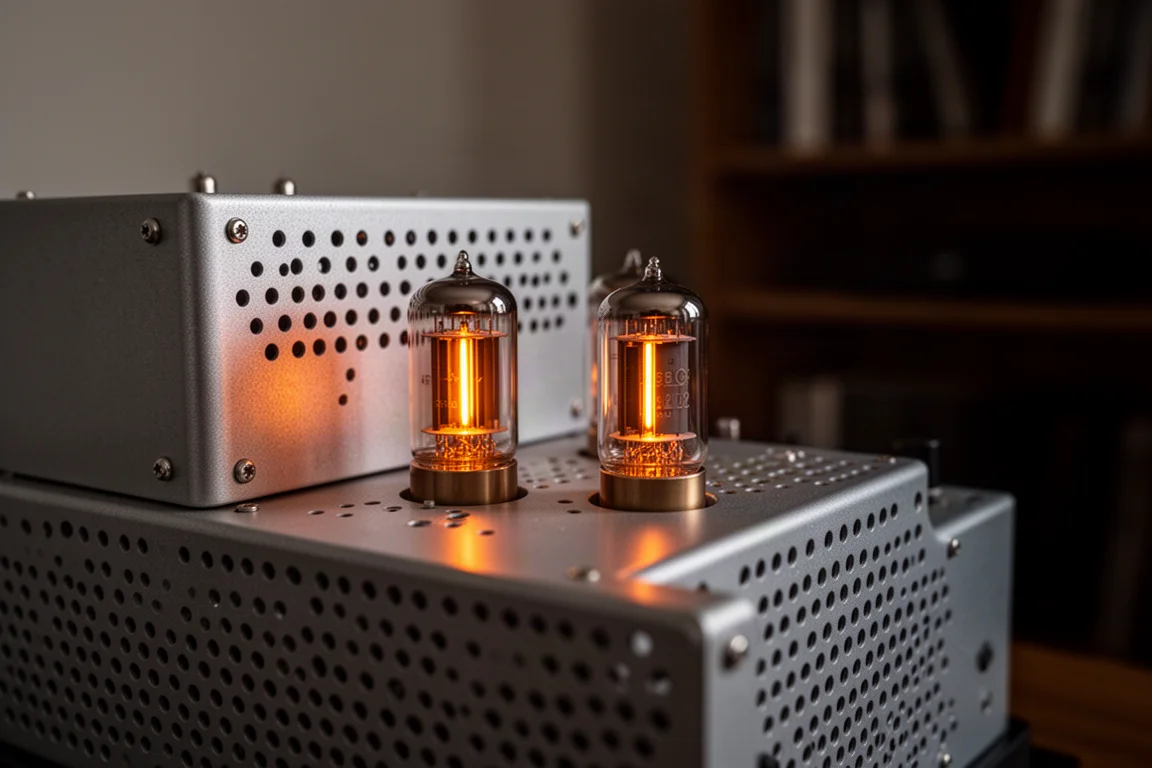
The payoff is a phono stage that can sound startlingly quiet on clean pressings, to the point where a long run-in groove can seem to have arrived with the volume turned down.
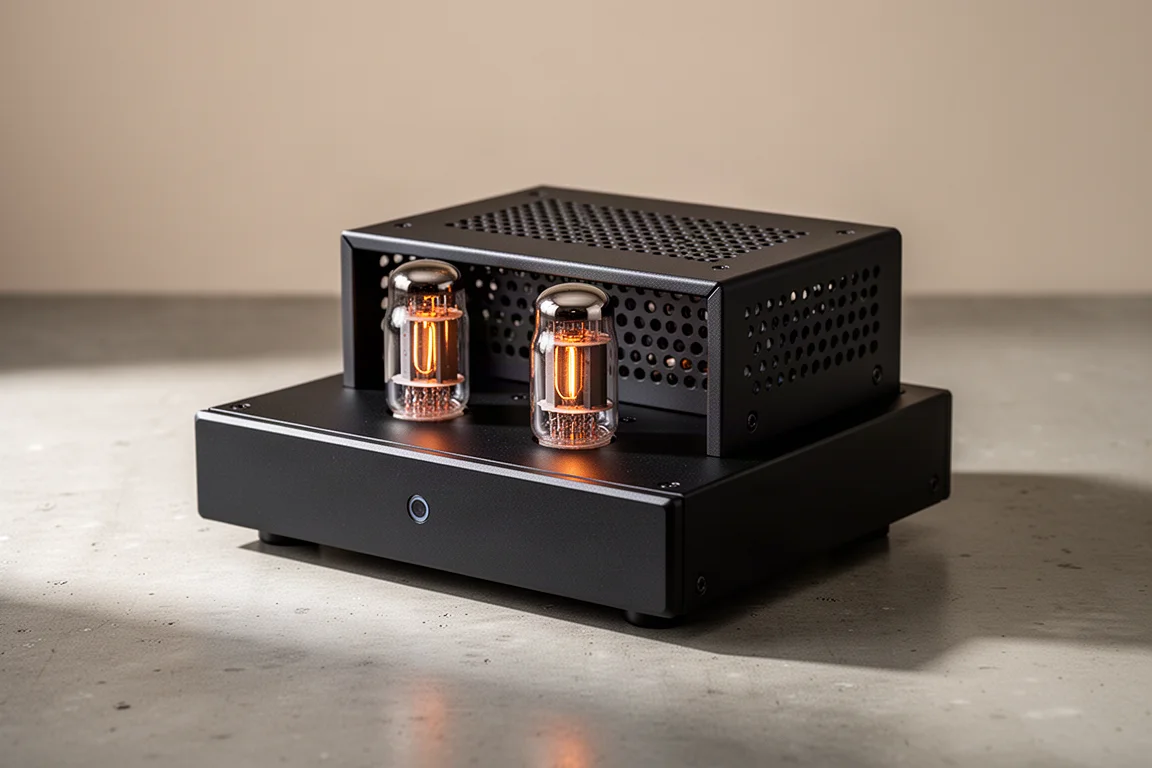
Klipsch Forte III: The Speaker Foundation
The Forte III is a horn-loaded three-way floorstander, and it responds to attention. In this system the speakers have been heavily modified, and the crossover still offers room for further work, but the current setup is warm, full, and detailed, with bass that carries both weight and texture. Instrument timbre is a particular strength.
The soundstage stays inside the speaker positions in this room, which is a placement and treatment outcome rather than a limitation of the design. Adding depth through positioning and absorption brought the stage forward and improved separation, and the presentation is now lush without losing detail.
These are speakers that reward patience. If you want a component that sounds its best straight out of the box with no further involvement, this is not the most natural fit. If you enjoy working with crossover components and room setup, the Forte III gives you a lot to work with.
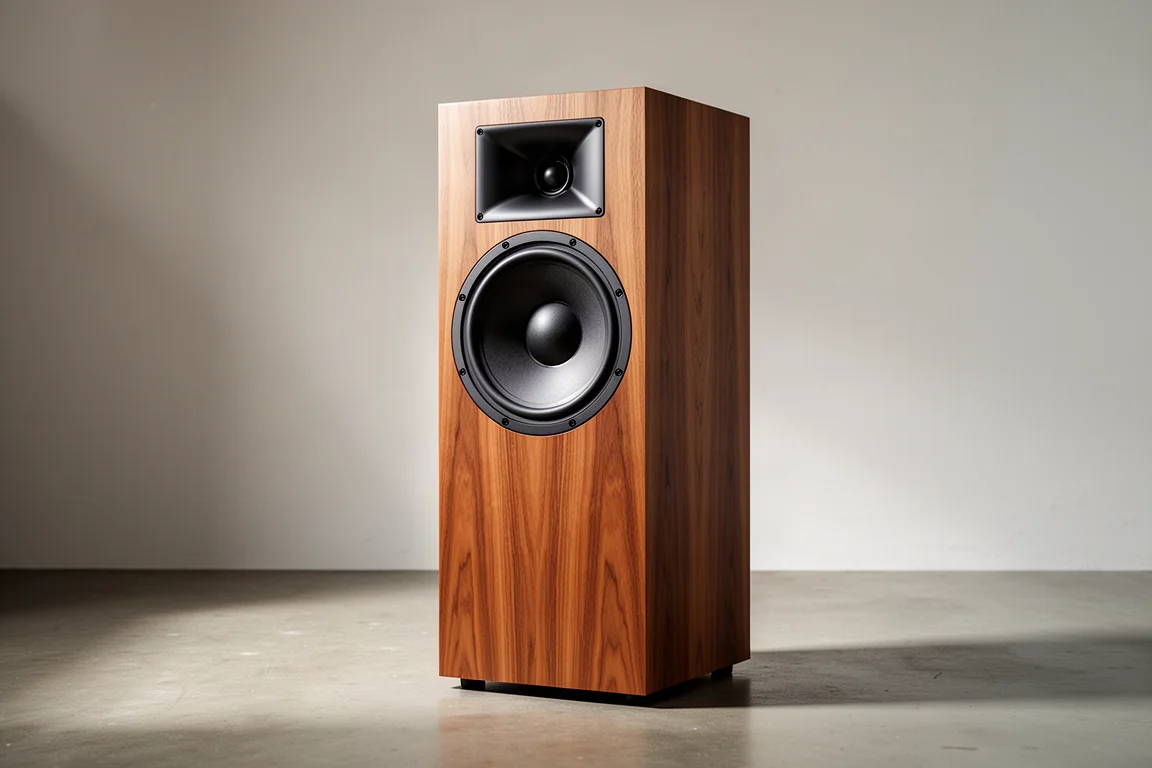
Technics RS-1500: Reel-to-Reel With a Tube Tape Stage
The RS-1500 dates from the late 1970s and remains a serious transport. This example has been modified with custom parts in the tape path and a Flux Magnetics direct-out head, and it feeds a Bottlehead Eros tape stage built from a kit. Signal-path capacitors, including Arizona Green Cactus parts and Miflex copper output caps, along with some power supply smoothing work, complete the package.
The stock internal electronics are the weak point. They sound bright and sterile compared with the tube stage, which is why the direct-out route makes sense. Through the tube stage, the deck sounds natural and full.
Tape itself is the real cost. Reel-to-reel recordings are expensive, the catalogue is limited, and the secondhand market carries authenticity risk, so buying blind from auction listings is a poor strategy. Reissue labels such as The Tape Project, 2xHD, and Acoustic Sounds produce high-quality releases, and International Phonograph material is highly regarded, but you have to genuinely like the music that is available. The format rewards commitment more than curiosity.
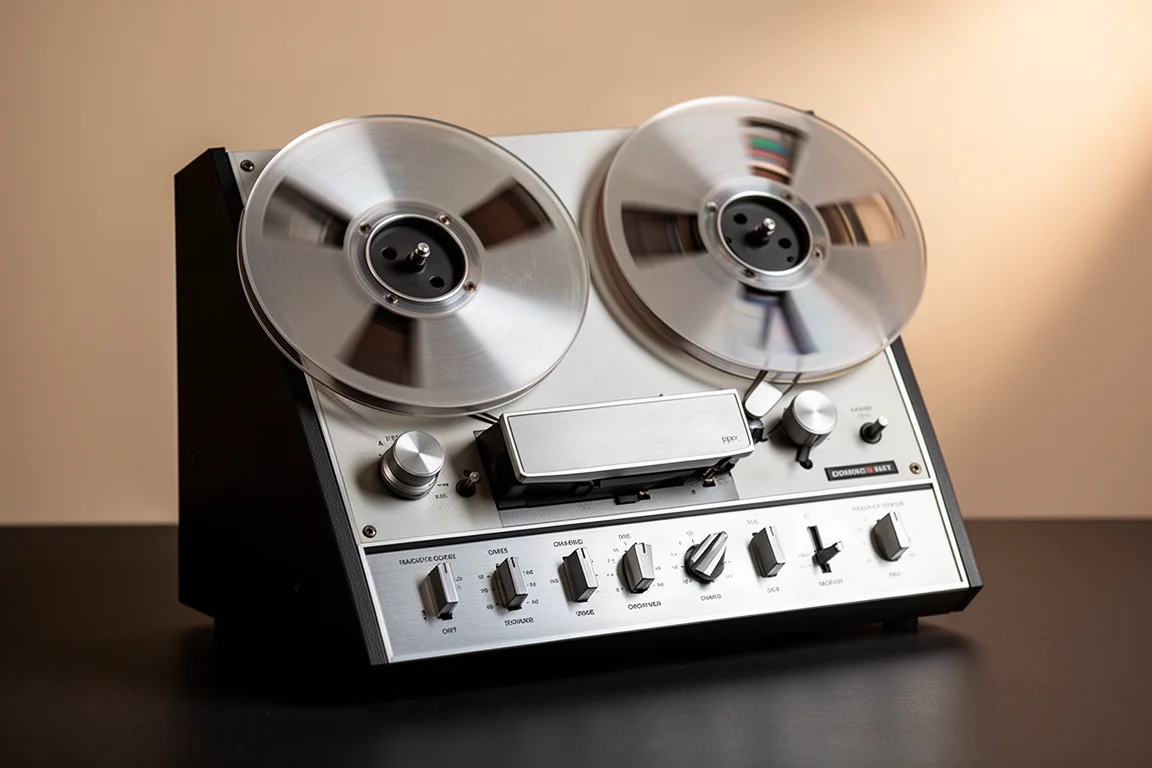
Maverick Audio TubeMagic D1 Plus: The Digital Exception
The TubeMagic D1 Plus is a small DAC with a tube buffer running at 80 volts, ordered directly from Hong Kong or Taiwan for a couple of hundred dollars. It is not a digital flagship, and it does not pretend to be. What it offers is a genuinely useful platform for modification.
The output capacitors can be swapped for Mundorf EVO Oil parts, and the op-amps are easy to roll. A modified example with roughly a hundred dollars of parts added held its own against DACs costing several times as much, and the difference in favour of the more expensive units was smaller than the price gap suggested.
Used as a background listening source, it is more than good enough to be considered audiophile level. Feed it from a laptop with clean USB power and it stays dependable, which is more than can be said for some dedicated streamers.
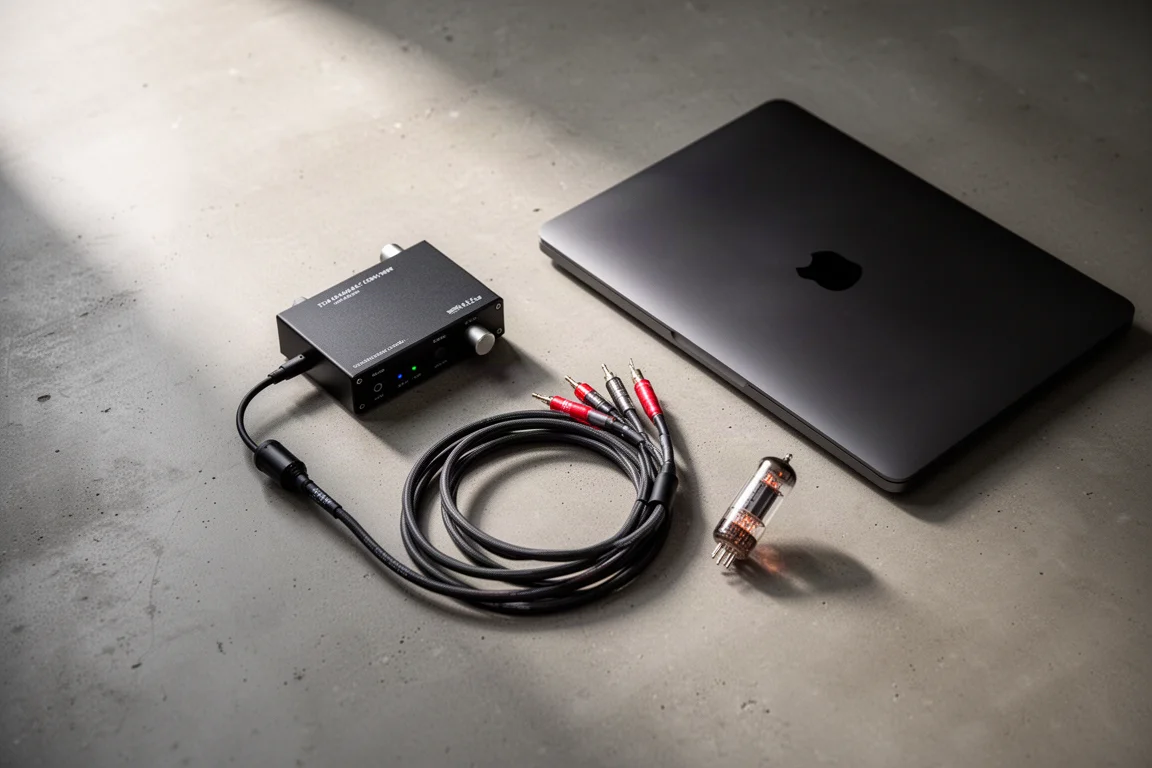
That reliability is part of the appeal. A simple, low-cost digital front end that keeps working is a better long-term companion than a more ambitious one that does not.
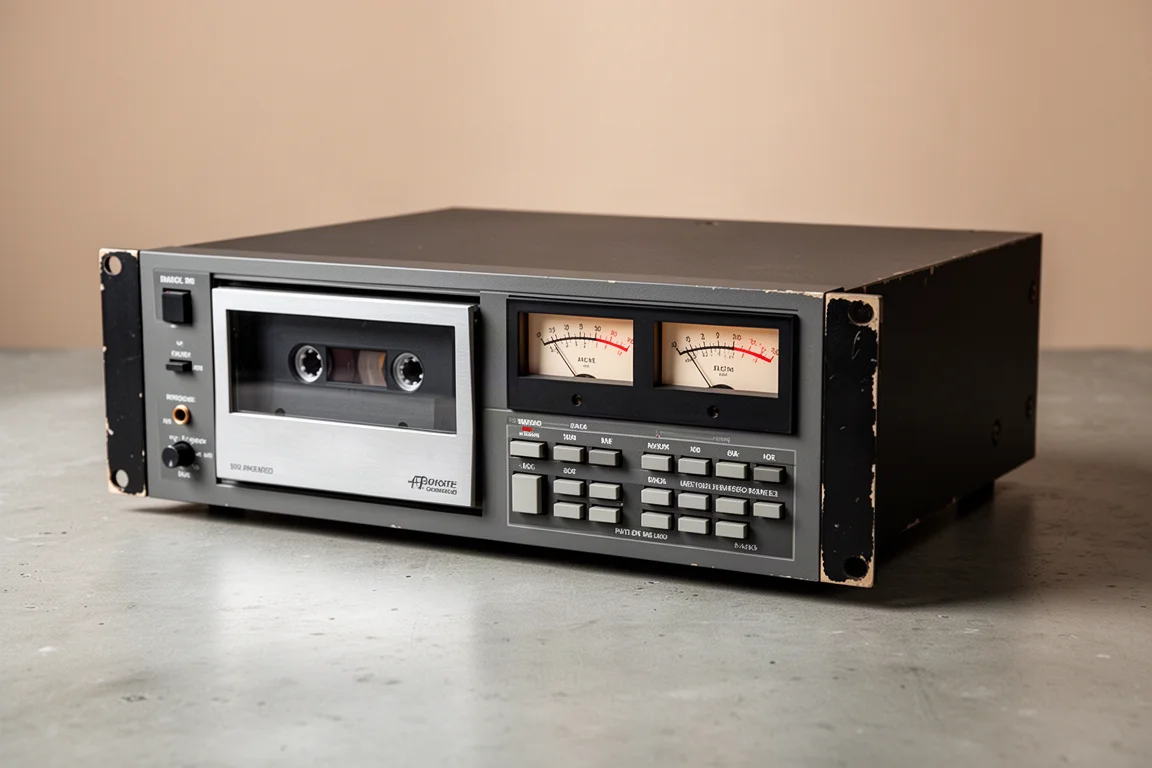
Tascam 122 MkII: Broadcast-Grade Cassette
The 122 MkII is a rack-mount cassette deck built for broadcast use, and that heritage shows in the transport and the meters. Two units were sourced from a radio station, functionally sound but cosmetically worn, at a fraction of typical used prices for a single deck.
The two units differ. One has balanced inputs and outputs, while the other uses unbalanced connections and a slightly different mechanism. Both sound excellent, and the plan is for one to stay in this system and one to move on to a second setup. Recording from the reel-to-reel through good preamps produces results that justify keeping a cassette deck in a modern analog chain.
Cosmetic condition is the main caveat with ex-broadcast gear. Function matters far more than appearance here, and worn panels are part of the deal.
What to Know Before You Buy
Start with the parts of the chain that constrain everything else. The cartridge and phono stage determine how much noise and gain management you will need, and the speakers determine how much of that detail you will actually hear. Step-up transformers, tube phono stages, and tape stages are all low-level devices, so power supply quality and tube condition matter more than feature lists.
Then think about the format you actually listen to. Reel-to-reel delivers exceptional quality, but it is expensive, the catalogue is narrow, and secondhand tape carries real authenticity risk. Cassette is cheaper to enter and still benefits from a broadcast-grade transport. Vinyl remains the most practical analog format, and a stable turntable with a good cartridge will outperform a fussier one that needs constant attention.
Finally, budget time rather than money for setup. Speaker placement, room treatment, and tube selection all cost nothing but patience, and in this kind of system they change the result more than another box in the rack.
Modifications are worth approaching carefully. Capacitor upgrades and op-amp swaps can deliver real gains on affordable gear, but not every change helps. Feet, mats, and power supplies that look like upgrades can leave the sound unchanged or worse, and measuring before and after is the only reliable way to know.
Conclusion
This system works because every piece has a defined job and none of them demand constant attention. The turntable is stable and resistant to pointless upgrades, the step-up transformer removes a matching headache, the phono stage offers genuine tube-rolling flexibility, the speakers reward setup work, the tape machines cover both reel and cassette formats, and the DAC proves that a modest digital front end can stay in a serious analog chain without embarrassment.
If you are building something similar, start with the front end and the speakers, then add tape only when you are certain about the music you want to hear.
Further reading
Related Reviews
Hi-Fi Audio
Accuphase C-57 vs Allnic H-7000V: Two High-End Phono Stages Compared
A fully balanced solid-state phono stage with a pitch-black noise floor meets a tube design built for well-loved records. Here is how to choose between them.
Hi-Fi Audio
Active vs Passive Hi-Fi: Five Components for a Modern System
Five components that define modern active and passive hi-fi systems, with the strengths, trade-offs and setup details worth weighing before you buy.
Hi-Fi Audio
Advance Paris A10 Apex Review: A Hybrid Integrated Amplifier That Covers a Lot of Ground
A French hybrid integrated amplifier with a class A tube preamp stage, analogue power meters, and an internal DAC and phono stage good enough to make extra boxes unnecessary.