Wireless Headphones
Sennheiser Momentum 4 Wireless Review: Clean Sound, 60-Hour Battery
A close look at the Sennheiser Momentum 4 Wireless: layered sound, 60-hour battery life with noise cancelling on, and call handling that survives the wind.
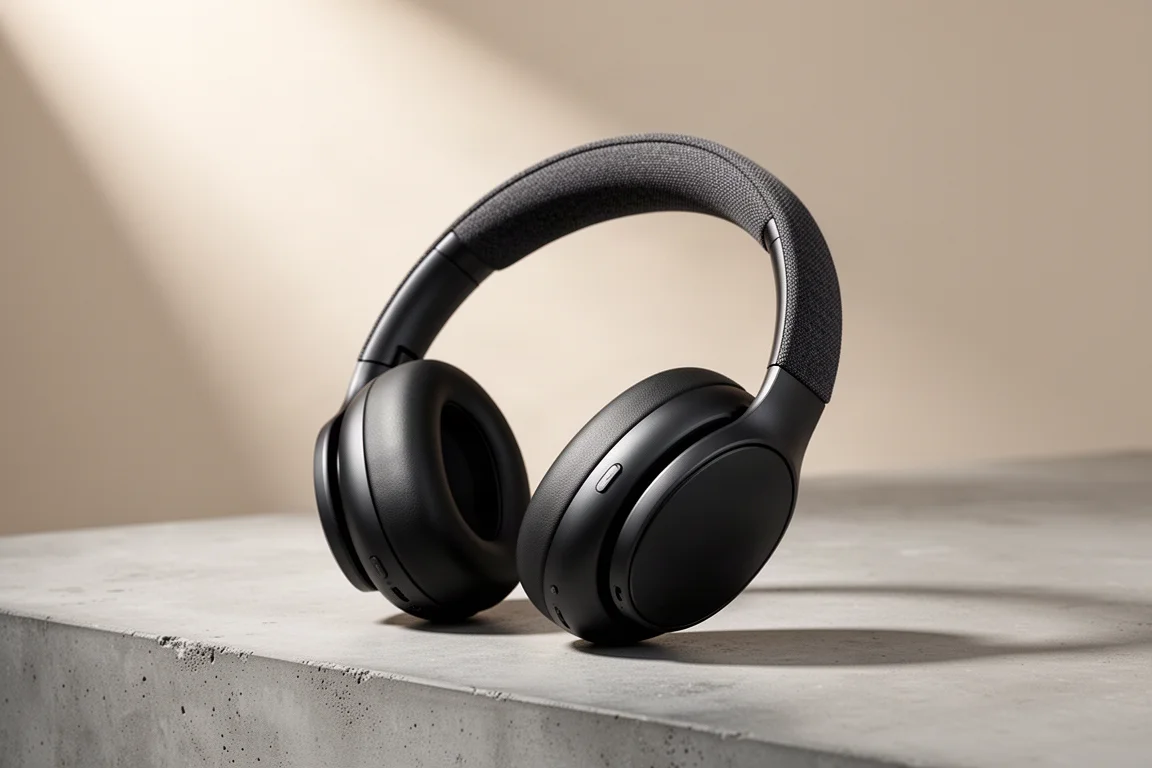
Introduction
The Sennheiser Momentum 4 Wireless arrives in a category where most headphones ask you to choose a single priority: the strongest possible noise cancelling, the most luxurious materials, or the most refined sound. This model takes a slightly different route. It pairs a clean, spacious presentation with a 60 hour battery figure and call handling that shrugs off wind, and it does so for less money than its closest rivals.
That combination shapes almost every decision you will make about this headphone, so it is worth examining section by section.
Who the Momentum 4 Wireless Is For
This headphone makes most sense for listeners who care about how music is layered. The Momentum 4 Wireless carves out a clean space around bass notes and kick drums, and it lets smaller details come to life and fade away again with clarity. If that kind of microdynamic detail matters more to you than a punchy, mid-forward vocal, this belongs on your shortlist.
It also suits anyone who spends a lot of time on calls outdoors. Wind rejection is one of its strongest attributes, and it holds up even in genuinely blustery conditions. And it suits people who dislike charging: 60 hours of playback with noise cancelling active means roughly a week of daily listening between charges.

It is less obviously aimed at listeners who want the absolute strongest noise cancelling available, since a couple of rivals still pull ahead there, or at buyers who judge a headphone mainly by the feel of its materials.
Design, Comfort, and Build
The build has a plastic character to it, and that is the first thing to accept. The fabric covered headband lifts the look above the plainest options in this class, and the headphone feels more substantial in the hand than the Sony WH-1000XM5. It is not as heavy as the Bowers & Wilkins PX7 S2, though the two sit close together, with the Sennheiser landing near 300 grams.
Weight distribution is where the design earns its keep. There is no pressure point at the top of the head, which was an issue on the earlier Momentum 3 Wireless, and side clamping sits between the lighter Sony and the firmer grip of the Bowers & Wilkins. Lean forward and it stays in place.
Aesthetically this is a sleek, minimal, consumer-focused design. It drops the more ostentatious look of its predecessor, a change that will suit some buyers and disappoint others.
Sound Quality
Sonically, the Momentum 4 Wireless behaves like a halfway house between the Bowers & Wilkins PX7 S2 and the Focal Bathys. It carries some of the PX7 S2 bass lift, then adds spaciousness and layer separation closer to what the Bathys deliver. What it does not take from the Bathys is the mid-bass enrichment, which is absent here.
Compared with the Sony WH-1000XM5, the Sony pushes the mid-range and vocals a little further forward, but it cannot match the Sennheiser on basic cleanliness. Around bass notes, kick drums and anything carrying low-end weight, the Momentum 4 Wireless carves a tidier space. Only the Focal Bathys betters it there, and only just.
Internal spaciousness is a strong point, close to the Focal Bathys, though the headstage does not extend quite as far. Alongside the Focal Bathys and the Mark Levinson No. 5909, this is one of the closest Bluetooth headphones to the presentation of a loudspeaker hi-fi system, particularly in dynamics and microdynamics. It is also simply an exciting headphone to listen to, more so than the Sony and slightly more than the Bowers & Wilkins, whose appeal leans on low-end impact.
Noise Cancelling and Call Clarity
Noise cancelling on the Momentum 4 Wireless is very good, but it is not the class leader. The Sony WH-1000XM5 and the Apple AirPods Max both suppress more, and the Sennheiser lands closer to the Focal Bathys.
Where it does stand out is the companion app, which lets you adjust the intensity of the noise cancelling and the intensity of wind reduction. Those two controls matter more than they might sound, because they let you tune the headphone to the environment instead of accepting a single fixed profile.
Call quality is the real surprise. Wind rejection is excellent, on par with the Sony WH-1000XM5 and possibly better. In a call taken during a heavy windstorm, the person on the other end reported hearing the voice clearly, with only occasional oddness rather than the roar you would expect.
Controls and Everyday Usability
Controls run through a touch panel, and the gesture recognition here is superb, noticeably more accurate than the Sony equivalent. Swipe up for volume up and down for volume down, both of which work flawlessly. A single tap plays or pauses, and a double tap engages and disengages noise cancelling. For daily use, that combination is a genuine pleasure.
One feature is missing: there is no hand-to-ear-cup gesture to momentarily activate transparency, which the Sony offers. Physical controls are minimal, with a single button on the back of the right ear cup handling power and Bluetooth pairing.

The companion app is the same one used with the Momentum True Wireless 3 in-ear models. It can be a little slow to connect, but there is little else to criticise once it is running.
Battery Life and Charging
Battery life is the headline. The Momentum 4 Wireless runs for 60 hours between charges with noise cancelling switched on, which is double the runtime of the Sony WH-1000XM5 and the Bowers & Wilkins models. Used for roughly an hour a day over several weeks, it did not need a single recharge.
Auto power off supports that figure in practice. Leave the headphone on a table untouched and it switches itself off after 15 minutes, then wakes when you pick it up and tap the side. It is a small convenience that makes the long battery figure easier to live with day to day.
Things to Consider Before Buying
- The build leans plastic rather than premium. If material feel matters to you, the Bowers & Wilkins PX7 S2 offers a more luxurious impression.
- Noise cancelling is very good but not the strongest available. The Sony WH-1000XM5 and the Apple AirPods Max suppress more.
- There is no hand-to-ear transparency shortcut.
- The app can be slow to connect at times.
- Physical controls are limited to a single power and pairing button, so everything else depends on the touch panel.
Buying Advice
On price, the Momentum 4 Wireless undercuts its closest rivals at retail by roughly 80 euros, which makes the value case straightforward: you spend less and, on sound quality, you get more. If your priorities are clean layering, strong call performance in wind, and battery life you rarely have to think about, this is the easiest recommendation in its class.

That does not make it the right answer for everyone. If maximum noise cancelling and a more forward mid-range matter most, the Sony WH-1000XM5 remains the stronger pick. If you want a firmer, more luxurious object in your hands, the Bowers & Wilkins PX7 S2 makes its own case. And if you are willing to spend more for extra refinement in certain areas, the Focal Bathys sits above both. The Momentum 4 Wireless is the most balanced package of the group for the money.
Conclusion
The Sennheiser Momentum 4 Wireless wins on the things that shape everyday ownership: sound that stays clean and layered, calls that survive a windstorm, and 60 hours of battery that takes charging out of your routine. The plastic build and the very good rather than best-in-class noise cancelling are the compromises, and both are visible before you buy. For the price, that trade is a good one.
Product link
View more details for Sennheiser Momentum 4 Wireless
This product is mentioned in the review. Check the specifications, options, and compatibility before buying.
View more details for Sennheiser Momentum 4 WirelessFurther reading
Related Reviews
Wireless Headphones
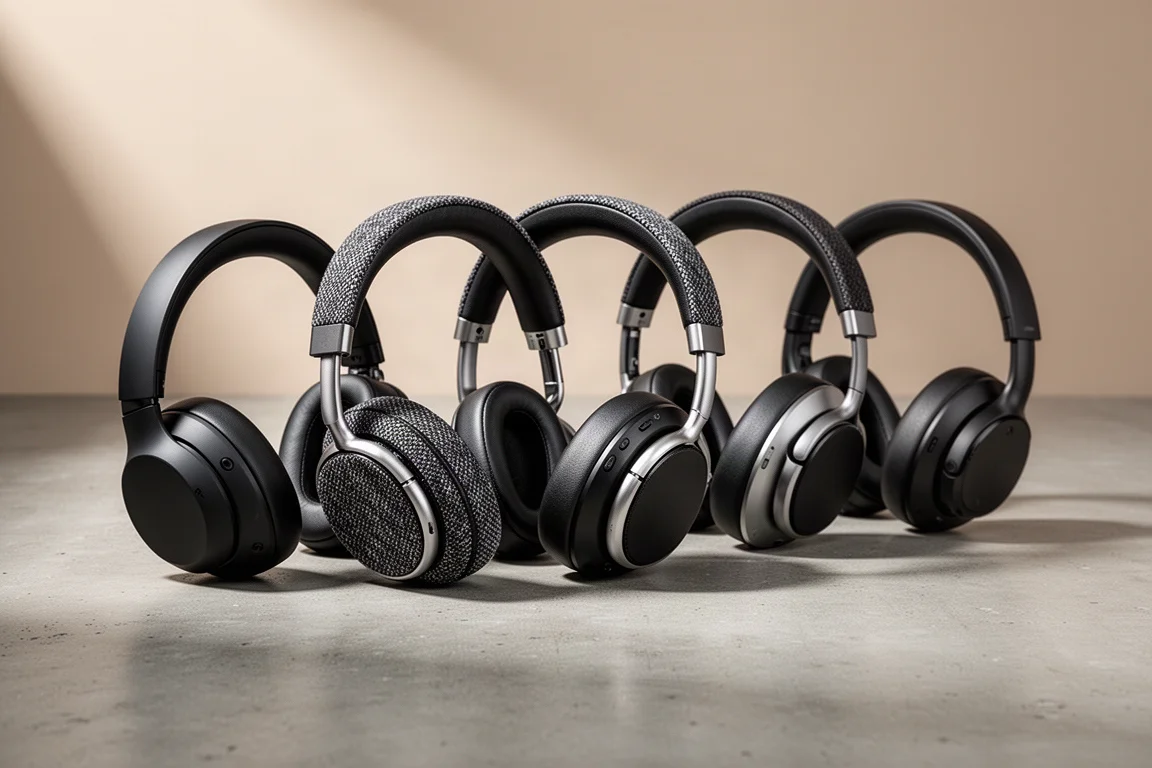
Best Wireless Over-Ear Headphones 2026: Five Top Picks for Different Listeners
Five wireless over-ear headphones that stood out in extended listening, with clear guidance on which one suits noise cancellation, musicality, detail, luxury, or pure sound quality.
Wireless Headphones
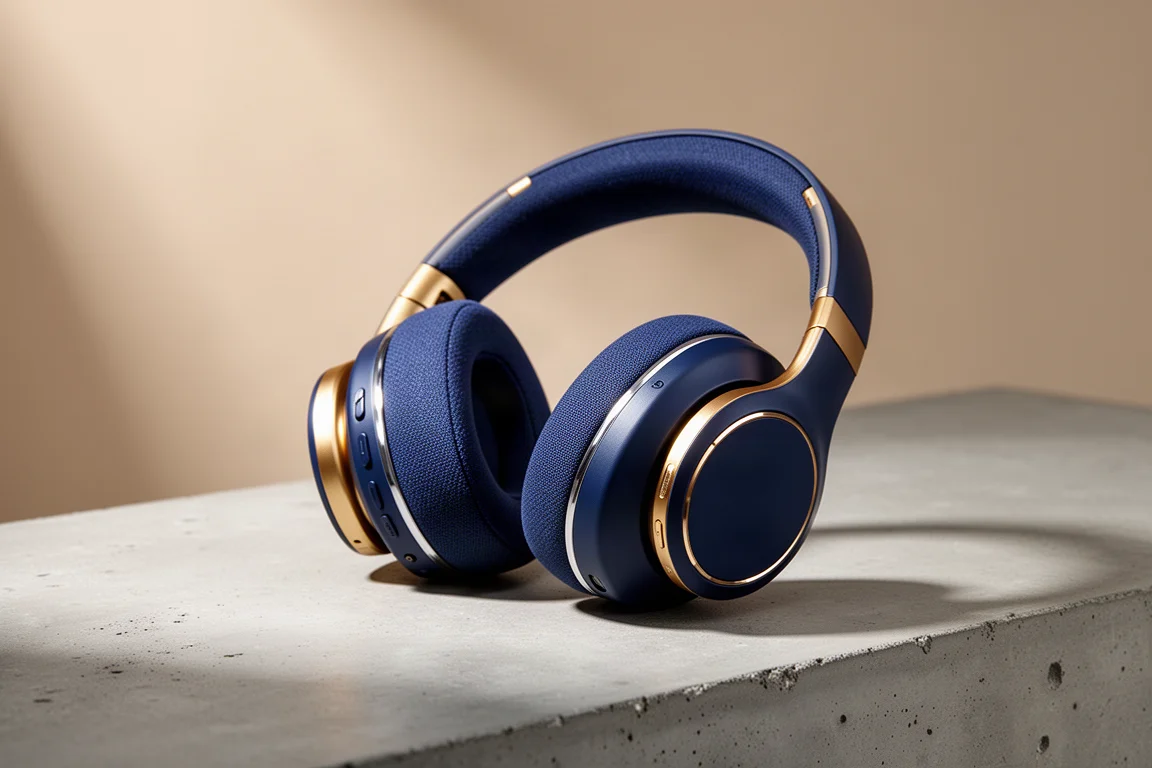
Bowers & Wilkins Px7 S2 Review: Refined Wireless Noise Cancelling
A detailed look at the Bowers & Wilkins Px7 S2, covering its redesigned build, comfort, app features, battery life, sound quality, and noise cancelling performance.
Wireless Headphones
Bowers & Wilkins Px8 vs Px7 S2: Which Wireless Headphone Is Worth It?
Two closely related over-ear headphones share the same app, controls and comfort padding. Here is what the Px8 adds for the extra spend, and when the Px7 S2 is the smarter buy.