Cycling Components
Selle Italia SLR Boost S3 Review: A New Generation That Keeps What Works
A measured look at the new Selle Italia SLR Boost S3, covering weight, pressure mapping, shape changes and who the narrow 135 mm platform suits.
Introduction
The Selle Italia SLR Boost has been a benchmark short-nose road saddle for years, and the new SLR Boost S3 arrives with the familiar claims of being lighter, better finished and more comfortable. The more useful question is whether any of that changes how the saddle actually behaves under a rider.
After roughly a month of daily use on a commuting bike, plus bench measurements and pressure mapping against the previous generation, the answer is reassuring. The new SLR Boost S3 keeps everything that made the original shape work and wraps it in a sharper, more modern finish. Riders who already get along with the SLR Boost have very little to worry about.
Who This Saddle Is For
The S3 designation refers to the saddle’s width: 135 mm across the widest point at the wings. That narrow platform encourages a more rearward seating position, which in turn provides support without forcing the thighs to rub against the wings as the pedal stroke passes the nose. Riders with wider thighs, or anyone who has dealt with chafing at the front of a saddle, tend to notice the benefit quickly.
A larger L3 version is also available at 145 mm across the widest point. The smaller S3 accounts for the overwhelming majority of sales, with the large version moving at roughly a fifth of that volume or less.
The padding is deliberately firm. That matters, because it keeps the saddle honest: if a rider hangs off one side of it, the problem lies in the position rather than the foam.
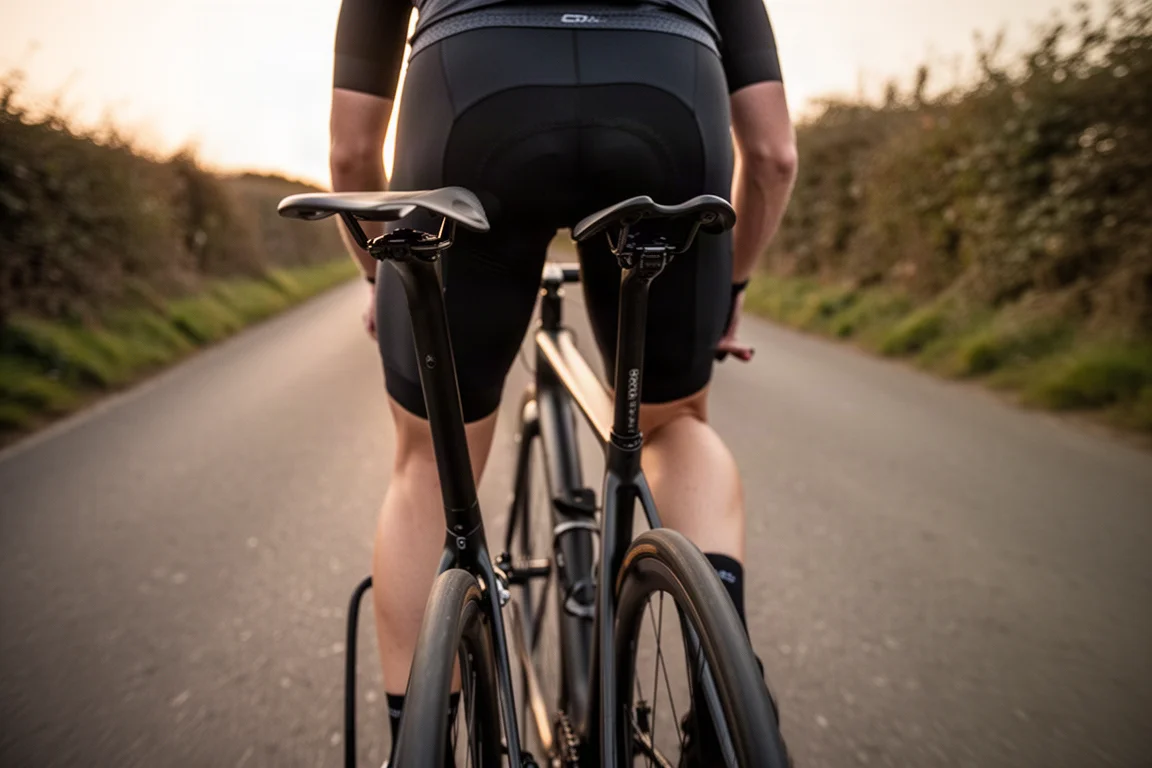
The short overall length also reduces the chance of the nose interfering with the thighs, and the shape has held up over very long days in the saddle rather than only short, aggressive efforts.
Shape and Finish: What the New Generation Changes
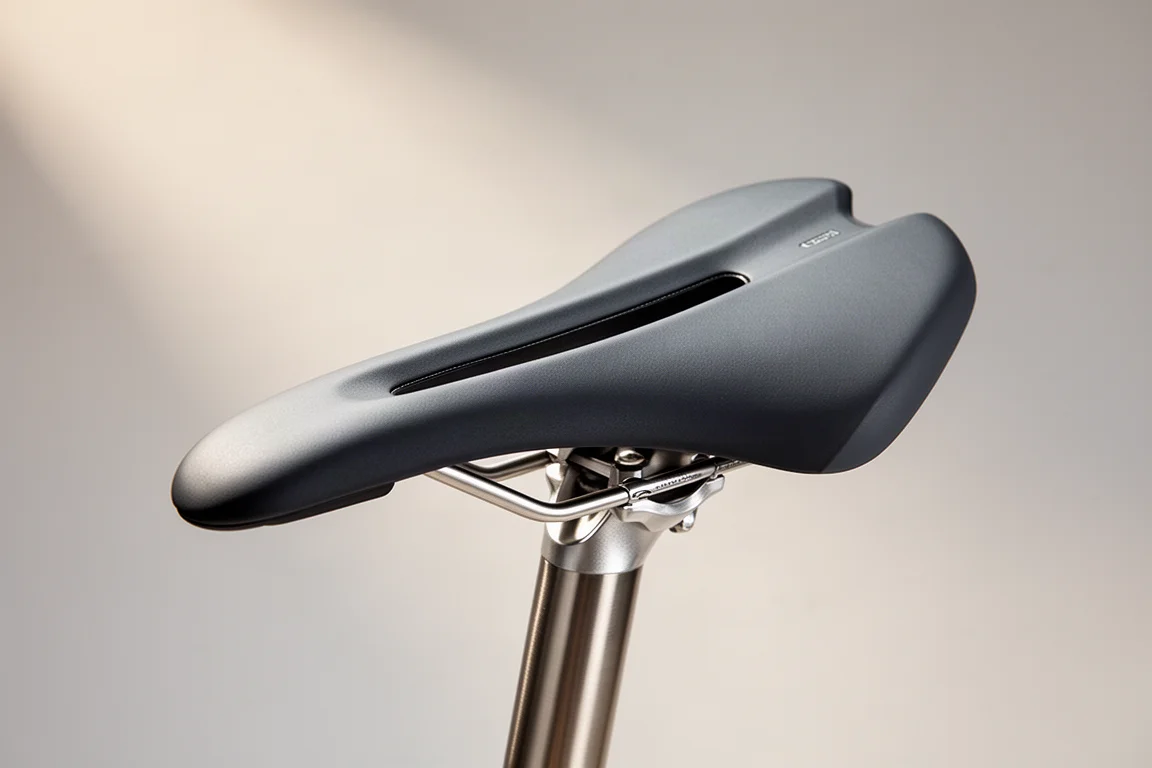
Visually the new saddle looks more modern. Where the previous generation has a flowing, organic outline, the new one is more angular, and it appears slightly shorter. The tail sits lower, and the nose is both lower in profile and narrower when viewed from above, which further reduces the chance of contact with the thighs.
Flip the saddle over and the difference becomes clearer. The older version uses a hull that looks fairly plain, the same basic shell carried across most of the range. The new version is noticeably better finished underneath and reads as a more premium product. The rail angle has also changed, which is worth remembering when swapping saddles on an existing bike.
Main Strengths
The defining feature is the large central pressure relief channel. Combined with the narrow wings and firm padding, it creates a stable, flat platform that supports the sit bones rather than cradling them.

That combination has proven durable over real distance. This shape has been ridden across entire countries without saddle sores, numbness or the kind of lingering discomfort that sends riders hunting for a different saddle, and the new version carries the same behaviour onto the bike.
Weight and Pressure Mapping: The Measured Results
On digital scales the previous generation S3 came in at 123.7 g, which is genuinely light for a saddle with this much support. The new version weighed in at exactly the same figure, to the decimal. Caliper checks on the two saddles returned identical figures as well.
Pressure mapping told a similar story. The new saddle showed a slight reduction in overall pressure and slightly more pressure at the nose, but the differences are negligible, and the nose reading is complicated by the fact that the rail angle differs, so saddle pitch had to be adjusted for the test. Pressure mapping is never perfectly repeatable anyway, since a rider does not settle in exactly the same way every time.
Things to Consider Before Buying
Saddle choice is more subjective than it is often made out to be, and no single measurement settles it. A shape that suits one rider can be wrong for another, so width, position and rail material matter more than which generation is on the shelf.
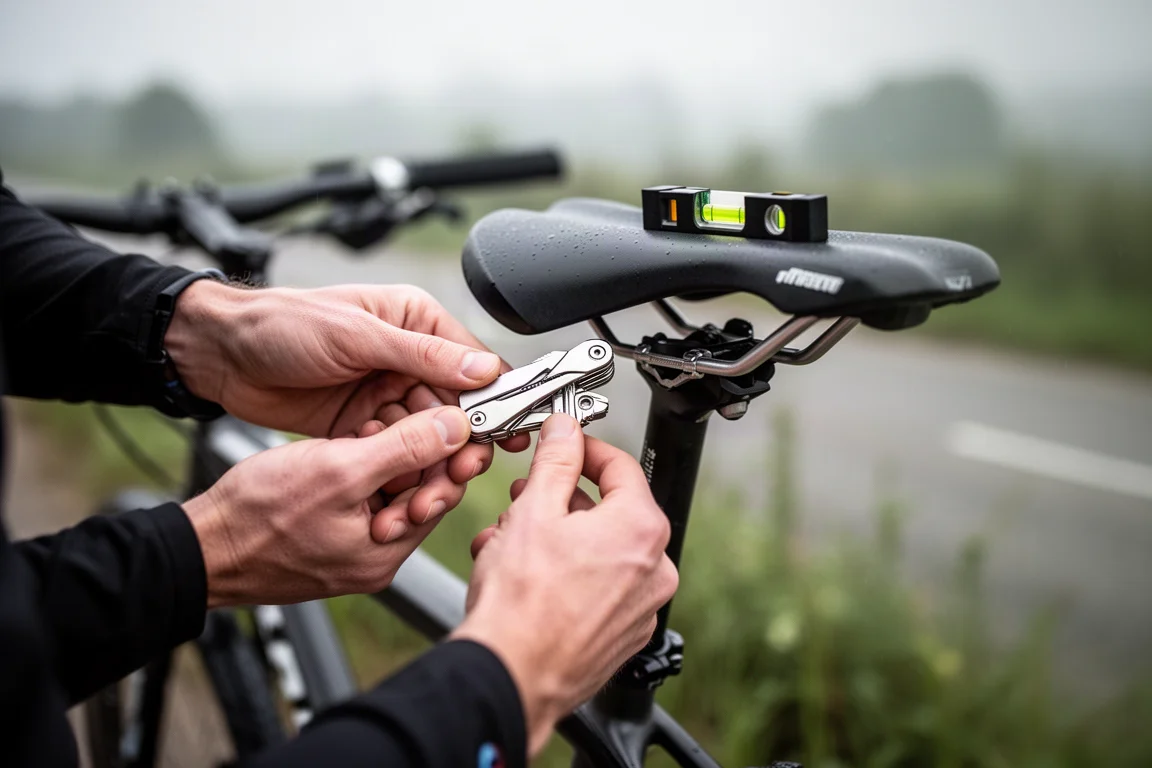
Swapping between the two generations is not a straight like-for-like job. The rail angle differs, so saddle pitch needs to be reset, and any fit numbers carried over from an older saddle are better rechecked than assumed.
Colour is a practical consideration too. The range has historically been black, with white limited editions appearing alongside it, which matters to riders who build a bike around a particular look.
Rail Options and Saddle Variants
The SLR Boost family spans a wide range, from entry-level chromoly rails up to carbonio versions with carbon fibre rails. The carbon rail models offer a noticeably larger range of fore and aft adjustment, which is useful for riders who sit at the extremes of a fit window. Metal rail versions cannot move as far.
The top of the range comes with either a conventionally padded cover or a 3D printed top. The 3D printed option has a strong following but also firm detractors, so it is worth trying before committing.
Buying Advice
For anyone who already likes the SLR Boost, there is no reason to rush. The new generation performs essentially the same as the old one, so the decision comes down to finish and appearance rather than a meaningful change in comfort or weight.
Riders choosing between the two should start with width. The 135 mm S3 suits most people, and the 145 mm L3 exists for those who need it. From there, rail material and top finish are the real variables. If the sharper, more modern look of the new saddle appeals, it is a safe purchase, and if the previous generation is still available, it remains just as capable.
Either way, a proper fit check and a few rides to fine-tune pitch will do more for comfort than any difference between the two generations.
Conclusion
The new Selle Italia SLR Boost S3 does not reinvent a proven saddle, and that is the right outcome. Weight is unchanged, pressure distribution is effectively unchanged, and the ride feel is unchanged. What has changed is the finish, the profile and the way the saddle looks on a modern bike, which is a genuine improvement rather than a marketing one. Riders who like the original will like this one too, and anyone shopping for a narrow, firm, short-nose saddle now has one more well-resolved option to consider.
Product link
View more details for Selle Italia SLR Boost S3
This product is mentioned in the review. Check the specifications, options, and compatibility before buying.
View more details for Selle Italia SLR Boost S3Further reading
Related Reviews
Cycling Components
A 20,000-Mile Budget Race Bike Build: Five Parts Worth Knowing
A rim brake race bike assembled from low-cost components and ridden for 20,000 miles. Here is what delivered real speed, what caused problems, and what to weigh before copying the formula.
Cycling Components
7 Bike Fit Products Fitters Avoid: What to Check Before You Buy
Seven bike components that regularly cause knee, foot and saddle problems, with the specific concerns behind each one and what to look for instead.
Cycling Components
Four Affordable Bike Upgrades That Improve Ride Feel
Four low-cost cycling products that make a real difference to ride feel, plus the free setup changes worth trying first.