Smart Telescopes
Seestar S50 Scenery Mode: A Smart Telescope That Doubles as a Super-Telephoto Camera
Using the Seestar S50's scenery mode for daytime landscape and long-range viewing, from setup and firmware updates to zooming in on distant lighthouses.
Introduction
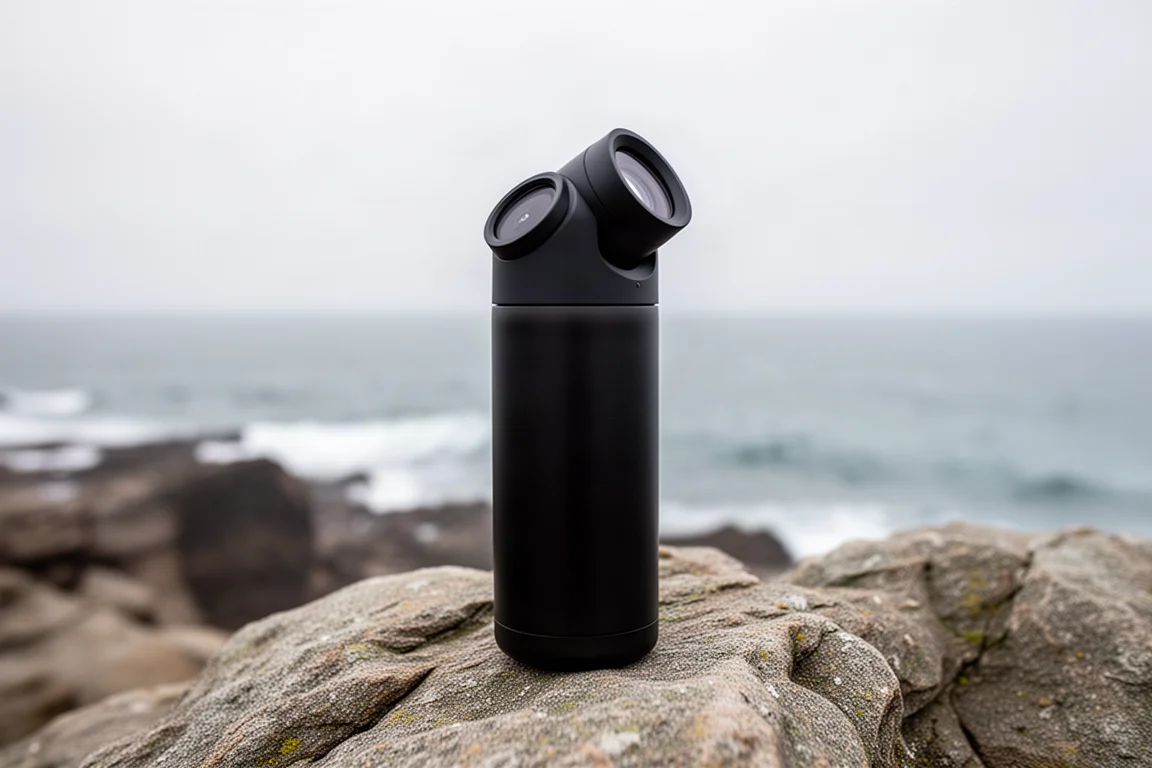
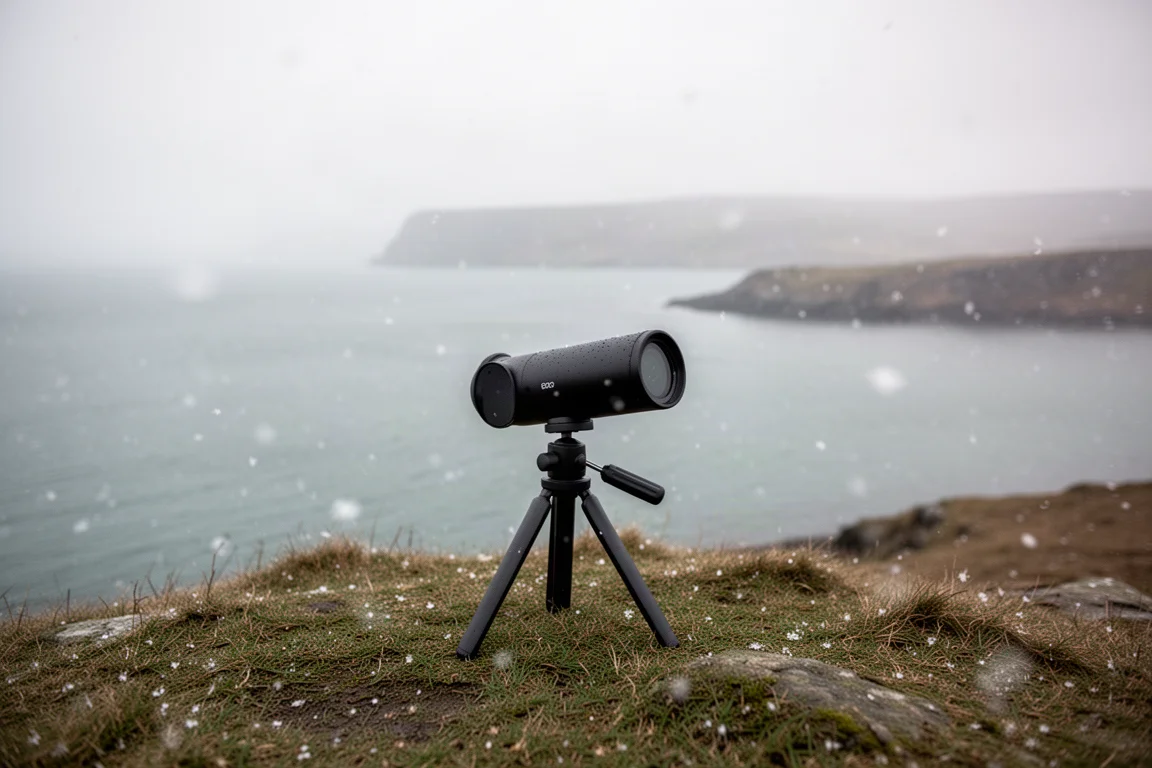
The Seestar S50 is built for stargazing, but its scenery mode makes it a surprisingly fun daytime companion. To put that to the test, we brought it to a stargazing plateau in Nova Scotia on a strange day when snow was falling while the sun still shone, with temperatures sitting around 1 degree Celsius. The goal was simple: see how well the telescope handles terrestrial viewing, zoom, and photo capture when the stars are nowhere in sight.
Setup and First Impressions
Getting started is straightforward. With the only Wi-Fi network in the area being the telescope’s own, the app connects directly, prompts you to explore, and then offers a firmware update. The status light makes the process easy to follow: a rapid flashing yellow while firmware updates, a solid yellow when complete, and solid orange in standby.
The app interface is clean and approachable. Scenery mode lets you hold the on-screen circle to drag the view up and down, with autofocus and brightness adjustment built in. One quirk worth knowing: there is no sighting aid on the body, and in daytime there are no stars to align to. You either look down the top of the device to judge where it is pointed or rely on the live screen, which can be tricky given the magnification. Our first autofocus returned nothing because the telescope was aimed too far up; nudging the view down fixed it immediately.
Daytime Zoom and Landscape Shots
Once pointed at the lake, the magnification becomes the star of the show. From roughly 300 metres away, the zoom proved almost too powerful for wide landscape framing, pulling in distant houses and terrain with dramatic compression. Switching between photo, slow, and fast pan speeds changes the character of the view: slow keeps things composed, while fast whips across the scene quickly, perhaps a touch too quickly. A medium speed between the two would be a welcome addition.

The real highlight was watching a belt of snow move across the lake in real time, its distance and scale rendered beautifully on screen. Autofocus completed quickly once the target was framed, and capturing a photo is a single tap. For distant subjects like a house on the horizon, the results are genuinely impressive.
The combination of high magnification and a live screen also suggests interesting pairings. If a bird appears in the distance, this kind of viewing makes identification and capture possible in a way a regular camera setup does not.
Long-Range Shots at a Mile Away
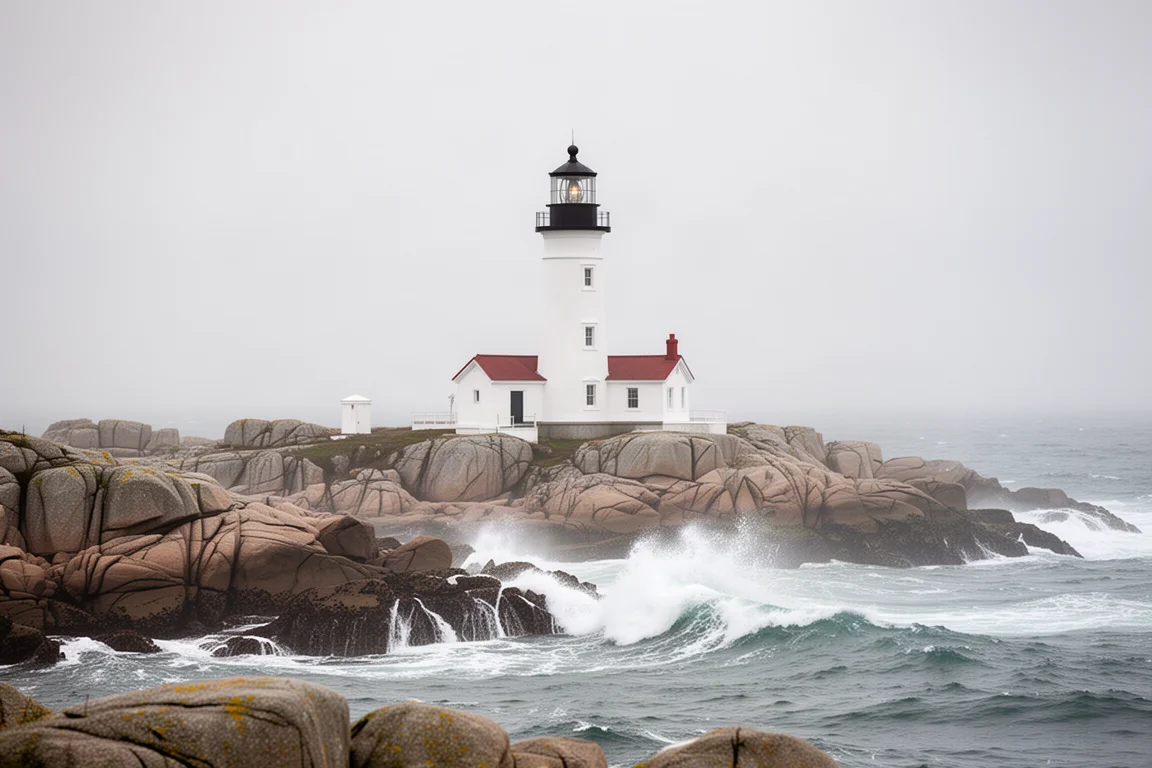
The next test pushed the distance further. Set up near the Swiss Air 111 Memorial with Peggy’s Cove visible in the distance, the telescope was aimed at the lighthouse roughly a mile away. At that range, the zoom is genuinely powerful, and panning at fast speed overshot easily; slow speed made fine framing possible.
The payoff is a shot of the lighthouse that looks close and detailed despite the distance. Autofocus completed after framing, the video capture worked well, and the results from a mile away were a lot of fun to review. This is the kind of terrestrial use that most people never expect from a telescope.
Things to Consider Before Buying
Scenery mode is a bonus rather than the core purpose of this telescope, so keep expectations realistic:
- Daytime alignment takes patience because there are no stars to reference, and the lack of a sighting aid means framing relies on the screen or the device’s direction.
- Fast pan speed is very quick; slow speed is the practical choice for precise framing, and a middle speed would help.
- At moderate distances the zoom can be too strong for wide landscape compositions, so it favours distant, specific subjects rather than sweeping vistas.
Everyday Enjoyment and Practical Takeaways
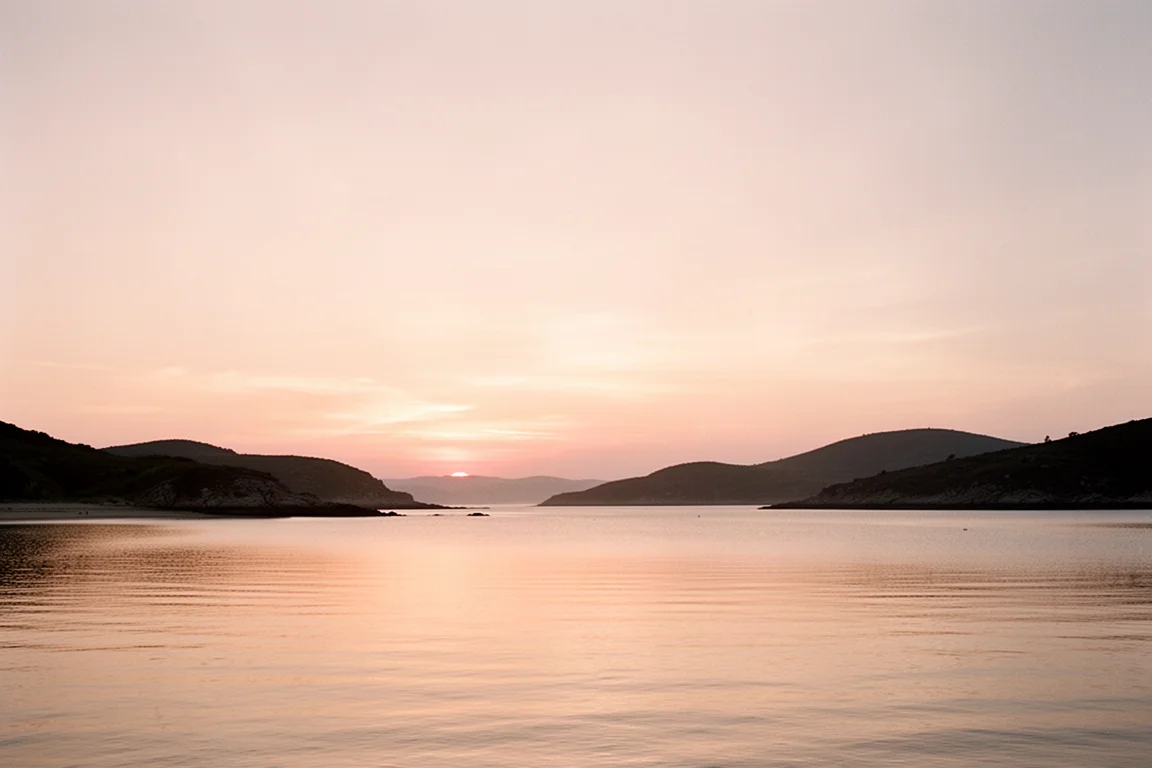
What stands out most is how much fun the experience is. Capturing a sunset over the water as a final shot felt like a natural way to end the session, and the whole workflow, from firmware update to autofocus to capture, stayed approachable throughout.
For anyone who wants a smart telescope primarily for the night sky but values a capable long-range daytime viewer as a second use, the Seestar S50’s scenery mode adds genuine versatility. It rewards a little patience with framing and gives you shots, at 300 metres or a mile, that would otherwise require dedicated telephoto equipment.
Conclusion
The Seestar S50 earns its keep as a stargazing instrument first, but scenery mode turns it into an entertaining super-telephoto viewer for landscapes, distant landmarks, and wildlife moments. If your interests span both the night sky and the daytime horizon, it covers more ground than its telescope label suggests.
Product link
View more details for Seestar S50
This product is mentioned in the review. Check the specifications, options, and compatibility before buying.
View more details for Seestar S50Further reading
Related Reviews
Smart Telescopes
Vaonis Vespera 3 Review: A Premium Smart Telescope With Excellent Optics
A detailed look at the Vaonis Vespera 3 smart telescope, covering its standout hardware, impressive multi-night observations, and the software trade-offs to weigh before buying.
Smart Telescopes
Best Smart Telescopes Compared: Seestar S50 Pro, S50, S30 Pro, S30, and Dwarf Mini
Five of the most popular smart telescopes tested side by side in the desert: what they share, how they differ, and which one suits your budget and targets.
Smart Telescopes
Best Smart Telescopes: Four Scopes That Make Astrophotography Easy
Four smart telescopes that put detailed, color-rich night sky photos within reach of complete beginners, from ultra-portable to full home observatory.