Smart Telescopes
Seestar S30 Pro vs Dwarf II: Which Smart Telescope Should You Buy?
A direct comparison of two beginner-friendly smart telescopes, covering portability, setup, ease of use, and astrophotography performance.
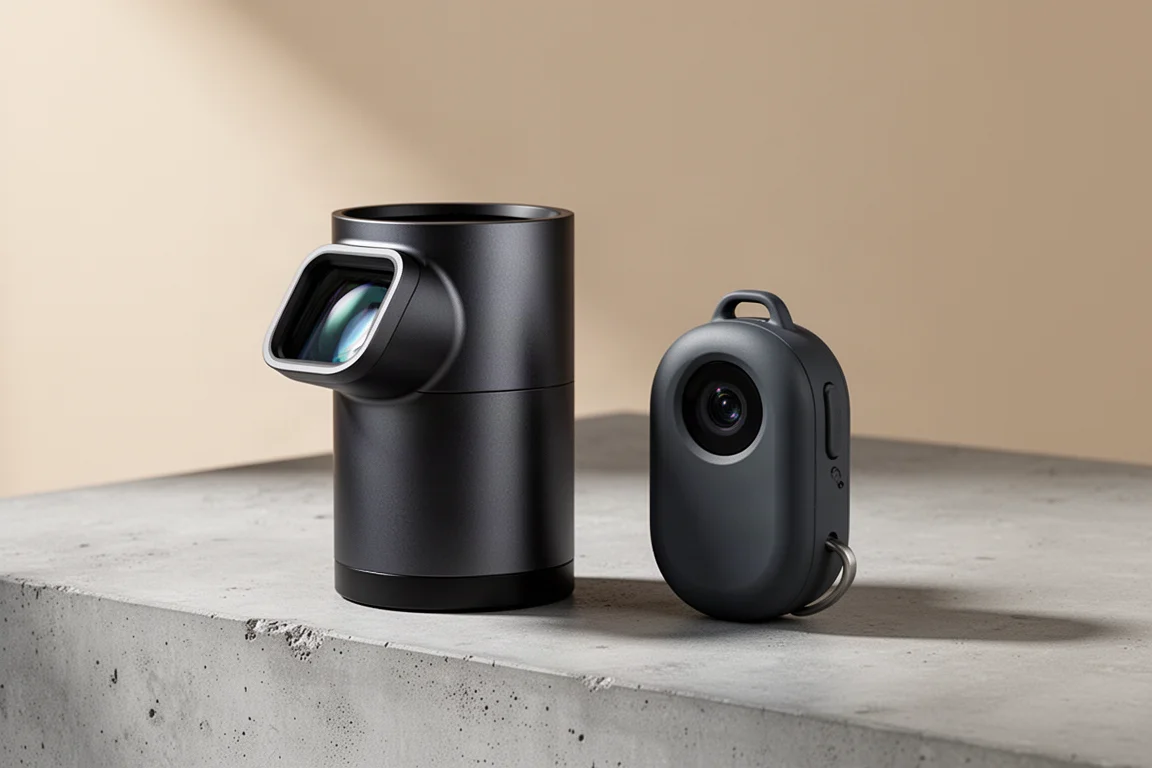
Introduction
Smart telescopes have completely changed beginner astronomy over the last few years, and that is a genuinely good thing. Not long ago, getting into astrophotography meant dealing with complicated mounts, polar alignment, calibration frames, adapters, and enough cables to test anyone’s patience. Now, systems like the Seestar S30 Pro and the Dwarf II make astronomy and astrophotography dramatically easier and more approachable.
Both are aimed at beginners, but they focus on very different priorities. A smart telescope combines a tracking mount, a telescope, a camera, and a computer into one complete system. You connect with your smartphone or tablet, pick an object, and the telescope handles most of the difficult work: it aligns itself, tracks objects across the sky, and stacks images in real time. That is light-years easier than what astrophotography used to involve.
The Dwarf II heavily prioritizes portability, convenience, versatility, and fun, while the Seestar S30 Pro leans much harder into imaging performance and maximizing photo results. This comparison covers setup, portability, ease of use, and astrophotography performance to help you decide which one fits you.
Portability: Dwarf II vs Seestar S30 Pro
This is most likely the Dwarf II’s biggest advantage. It is incredibly portable, and online photos simply do not communicate how small it actually is. You can throw it in a backpack, and at only 1.9 lb it completely changes how likely you are to actually use it. Beginners often underestimate how much that matters, because the reality is simple: the best telescope is the one you bring outside. Larger beginner astronomy gear tends to get used less over time, while the Dwarf II feels almost effortless to bring places.
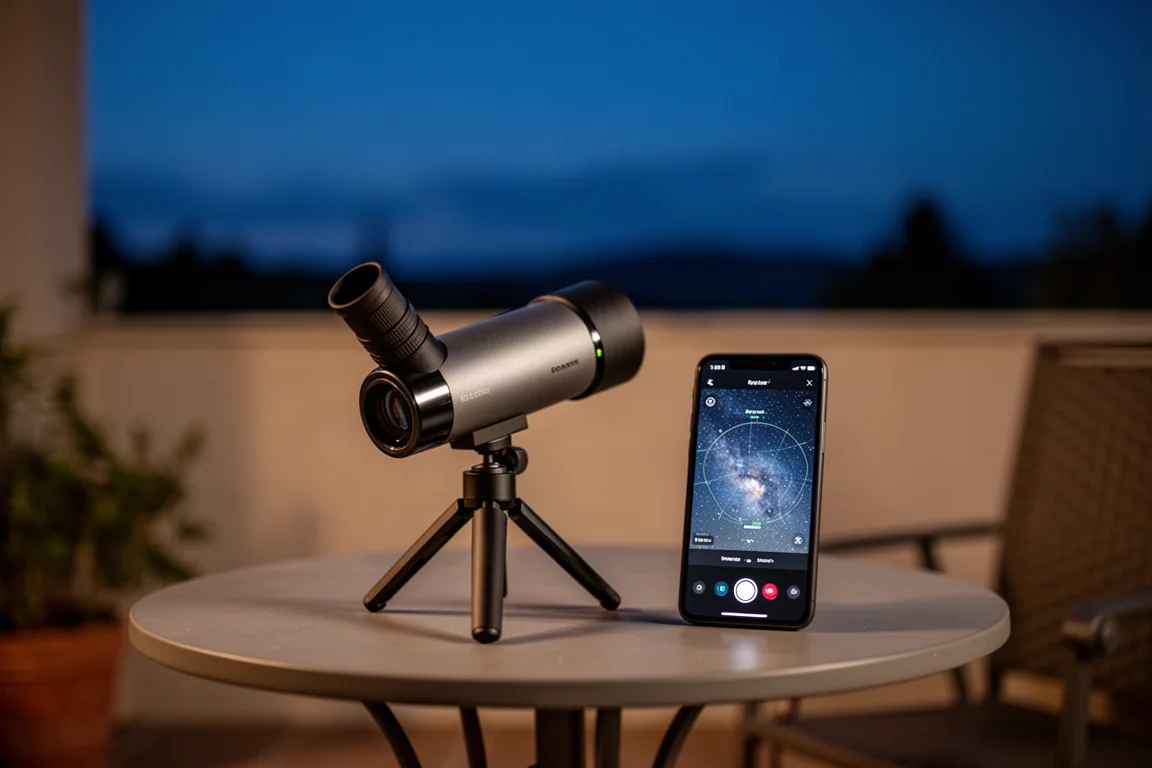
That said, the S30 Pro is still portable. It is compact, easy to transport, and dramatically smaller than a traditional astrophotography setup. It is larger and heavier at 3.6 lb, but the Seestar feels more like a dedicated imaging platform, and that is a deliberate trade-off. Portability matters, but many beginners come to care more about image quality over time, and the S30 Pro is built around that.
Ease of Use and Setup
One thing the S30 Pro absolutely nails is the setup experience. The app is polished and streamlined: place the telescope down, connect your phone, and within minutes you are imaging objects you cannot see with the naked eye, or that would require a massive telescope to see. The experience feels less like operating astronomy equipment and more like using modern consumer technology, which is a huge advantage for beginners just getting started.
The Dwarf II setup experience is also extremely approachable, but in a different way. It can be manually moved, making it quicker and honestly just more fun. Its unique sky finder mode lets you point the telescope anywhere in the sky and see exactly what is out there to view: click and go. That makes it one of the most unintimidating smart telescopes available, letting beginners feel comfortable exploring the night sky immediately.
Astrophotography Performance
This is where the Seestar really shows its strengths. With a highly sensitive 4K Sony IMX585 sensor at 8.29 megapixels, the S30 Pro consistently produces stronger deep sky images: better detail, sharper stars, and genuinely more impressive results. This little scope has even won an APOD, an Astronomy Picture of the Day. If your main goal is capturing incredible data to process, whether galaxies, nebulae, or star clusters, the S30 Pro gives you much more headroom to grow over time. It also supports star trails and Milky Way photography, bringing it closer to a beginner-friendly astrophotography platform.
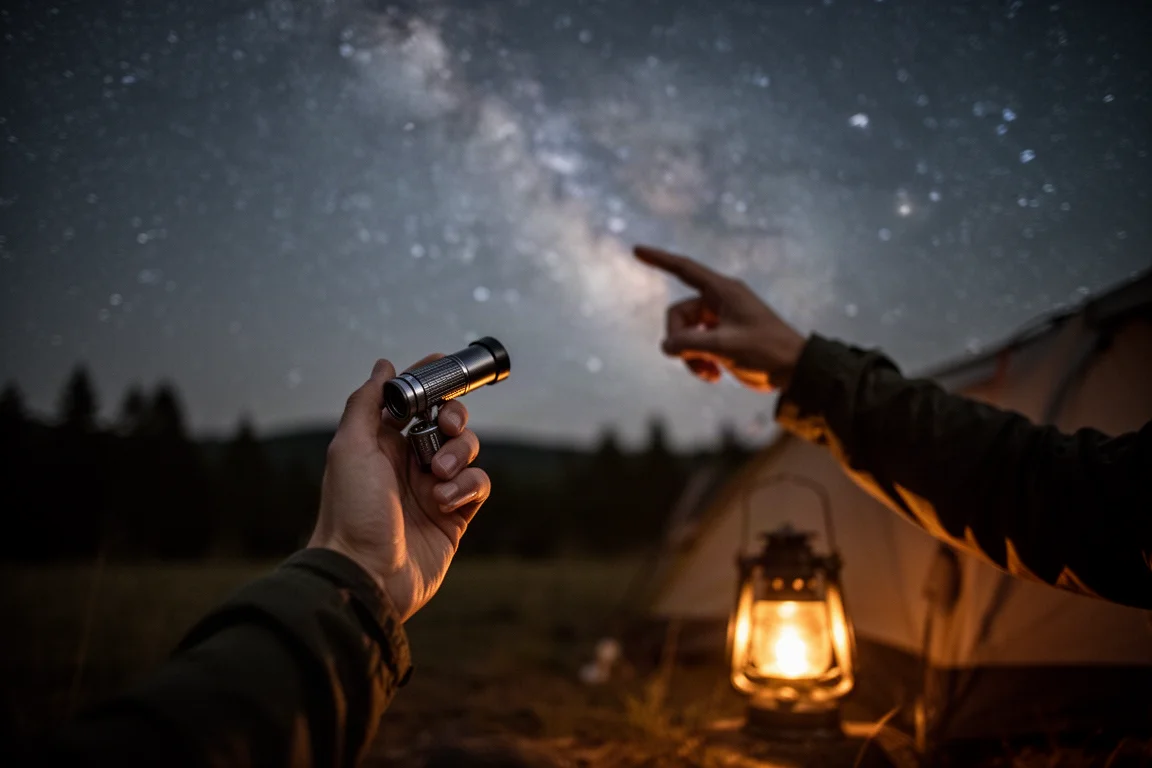
It is important not to overlook the Dwarf II, though. With its 1080p highly sensitive Sony IMX662 sensor, it can still produce stunning deep sky photos, epic star trail animations, Milky Way shots, and even photos of comets, all perfect for sharing on social media. And unlike the S30 Pro, you can still put the Dwarf II in your pocket.
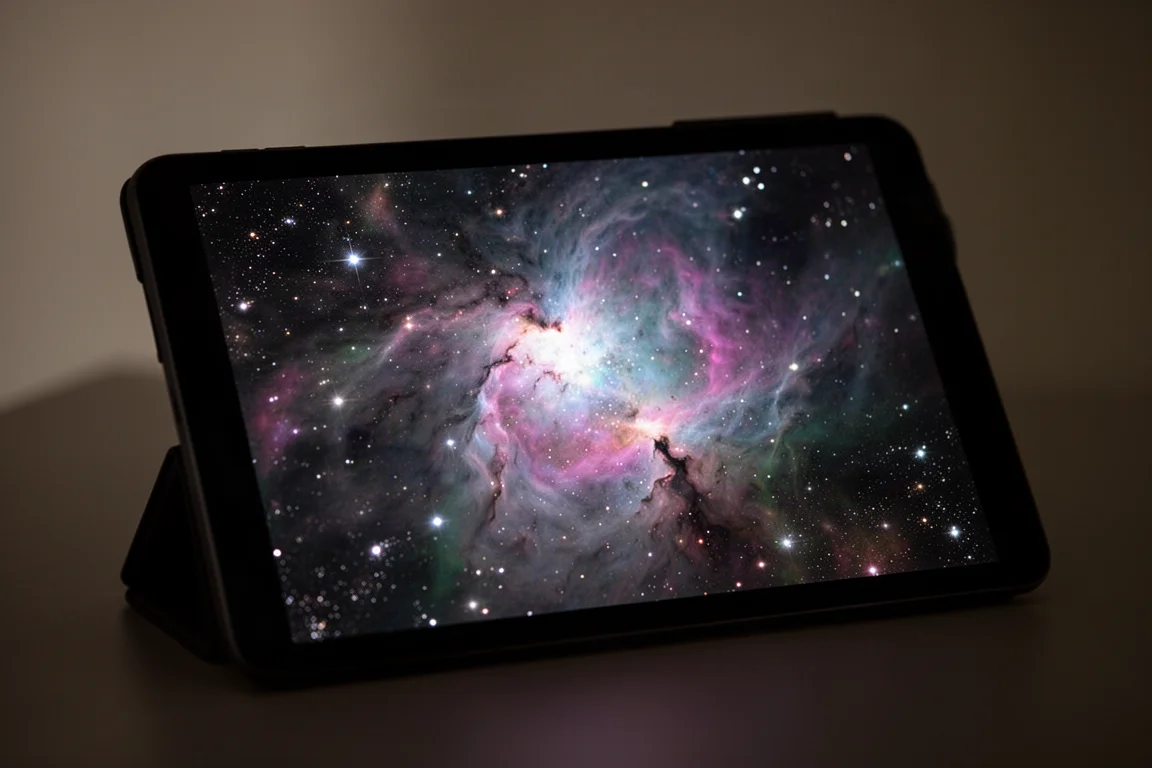
Having spent time under the night sky with both, it is hard not to notice that the Dwarf II is simply less complicated and more fun, which is saying something coming from dedicated astrophotographers. For a beginner just entering the hobby, the fun factor should be near the top of the priority list, and the telescope you bring out the most is the one that wins.
Which Smart Telescope Should You Buy?
The Seestar S30 Pro is the better choice for the photographer, or for anyone who already knows astrophotography is their main goal. If you care heavily about ultimate image quality, more headroom to grow, and stronger deep-sky performance, you simply cannot beat the S30 Pro.
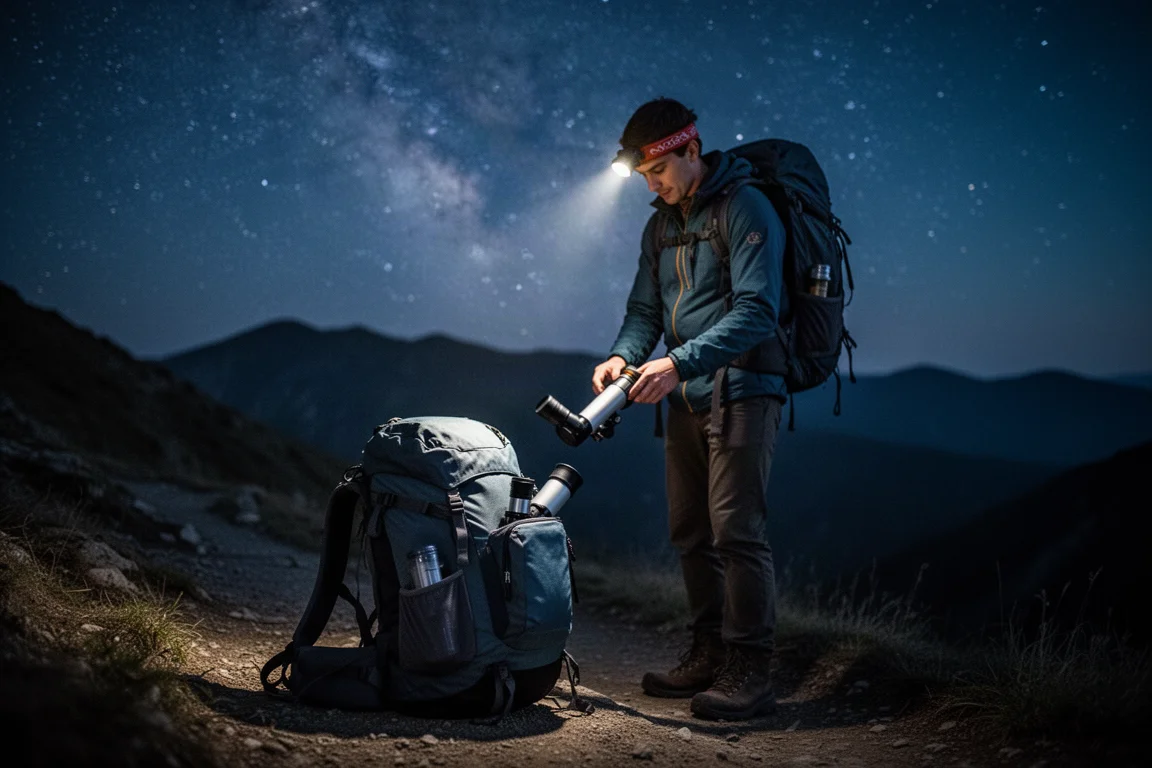
On the other hand, the Dwarf II is the better pick for the explorer: someone who values convenience, portability, fun factor, and versatility above everything else. If you like to travel, camp, and hike, and want a telescope you can take just about anywhere while still capturing awesome astrophotos, the Dwarf II is a very compelling choice.
Conclusion
Both scopes make astronomy dramatically easier, but they serve different people. The Dwarf II makes getting into astronomy easier and is the clear pick for travelers and explorers who want maximum portability and fun. The Seestar S30 Pro makes getting into astrophotography easier, with a 4K sensor and stronger deep-sky results for anyone chasing the best possible images. Decide which camp you are in, and either choice will serve you well.
Product link
View more details for Seestar S30 Pro
This product is mentioned in the review. Check the specifications, options, and compatibility before buying.
View more details for Seestar S30 ProFurther reading
Related Reviews
Smart Telescopes
Vaonis Vespera 3 Review: A Premium Smart Telescope With Excellent Optics
A detailed look at the Vaonis Vespera 3 smart telescope, covering its standout hardware, impressive multi-night observations, and the software trade-offs to weigh before buying.
Smart Telescopes
Best Smart Telescopes Compared: Seestar S50 Pro, S50, S30 Pro, S30, and Dwarf Mini
Five of the most popular smart telescopes tested side by side in the desert: what they share, how they differ, and which one suits your budget and targets.
Smart Telescopes
Best Smart Telescopes: Four Scopes That Make Astrophotography Easy
Four smart telescopes that put detailed, color-rich night sky photos within reach of complete beginners, from ultra-portable to full home observatory.