Automotive Care
SeaFoam Top Engine Cleaner and Lube Review: A Simple Intake Clean That Delivered Noticeable Results
We followed the directions word for word on a first-gen Tacoma SR5 to see whether this popular cleaner and lube actually makes a difference at the throttle body.
Introduction
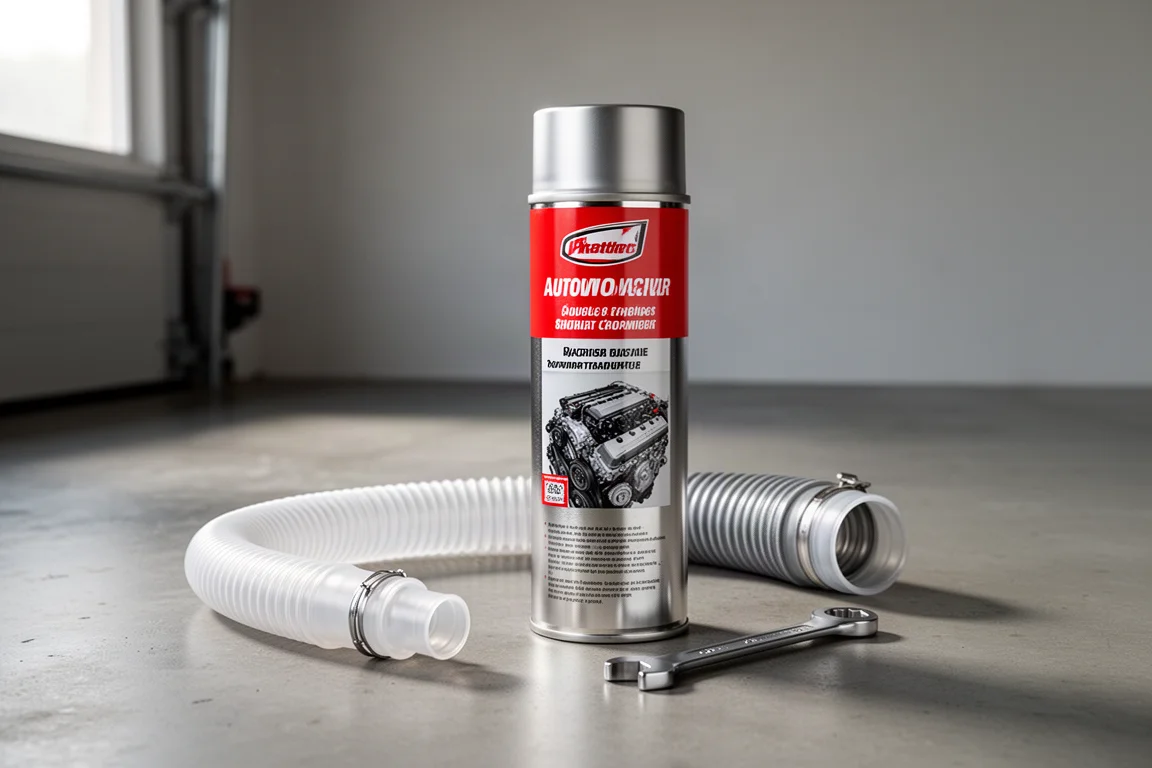
SeaFoam Top Engine Cleaner and Lube is one of those products that has built a reputation almost entirely on word of mouth, and the process behind it is refreshingly simple. For this test we ran it exactly as the directions describe on a first-generation Toyota Tacoma SR5, a four-cylinder with no shortcuts and no improvising. The idea is straightforward: the cleaner is fed directly into the throttle body while the engine runs, dissolving carbon buildup in the intake and upper combustion areas, and the lube component helps protect the surfaces it passes through.
If your engine has been feeling a little flat, hesitant, or noisier than it used to be, this is the kind of low-cost maintenance task that promises a meaningful refresh without disassembly. Here is how the full process went and whether it delivered.
Getting Started: Preparation Matters
The directions call for the engine to be brought up to operating temperature before anything else, so the first step is simply letting the truck warm through. The product can also be added to the fuel tank ahead of a fill-up, which was done here as well, so the fuel system side of the treatment was already covered before the intake work began.
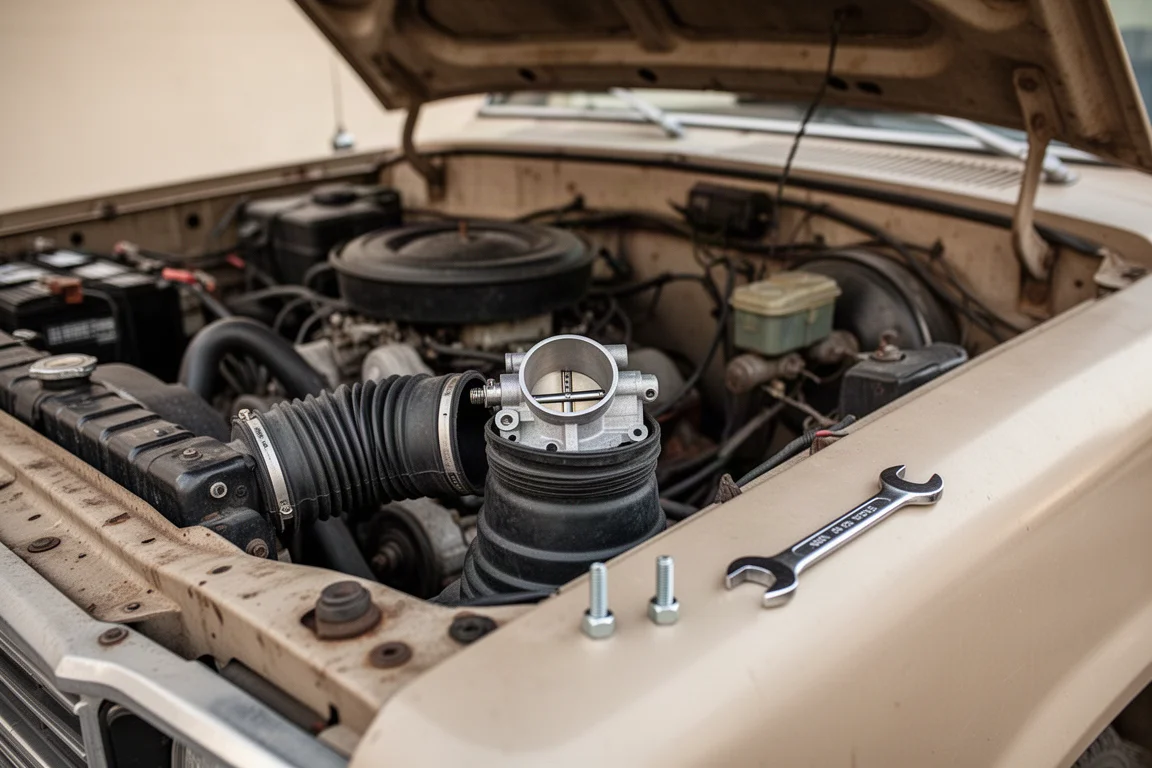
The hardest part of the whole job, as the product itself warns, is removing the air intake. On a first-gen Tacoma this turned out to be easy: two bolts hold the intake boot at the throttle body, and once they come out the rubber boot loosens enough to give clear access. The included hose should be checked before you start, since it can arrive detached in the box. Position it so a short end sits in the can side and the majority of the hose runs toward the throttle body.
One clever trick worth borrowing: adjusting the idle screw to raise the idle to around 1,950 RPM means you do not need a second person holding the throttle down during the pour. With the vehicle in park and the parking brake applied, everything is set for the treatment.
Applying It Through the Throttle Body
With the engine idling high and the hose positioned in the throttle body, the process is simply to empty the contents of the bottle slowly into the running engine. Keeping the engine at around 2,000 RPM during this stage helps it draw the cleaner in steadily without stalling.
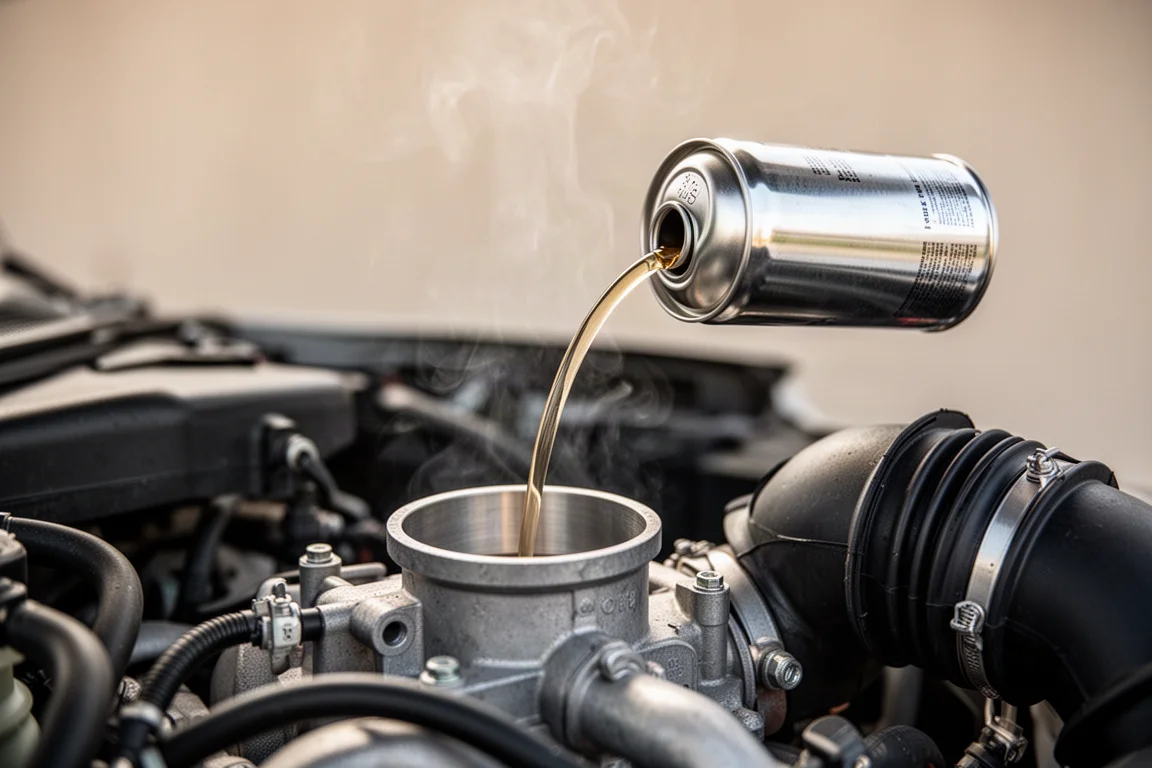
The manufacturer’s own instructional material is genuinely good at walking through these steps, and following it closely removes most of the guesswork. Once the can is empty, which takes roughly seven minutes, turn the engine off, resecure the intake boot, and let the engine hot soak.
The Hot Soak and Spirited Drive
The soak stage lasts exactly ten minutes. This is where the cleaner sits in the warm engine, working on deposits before it is burned off. After the ten minutes are up, the directions call for driving the vehicle under load for about ten minutes or longer, using spirited acceleration to push the treatment through the combustion chambers and exhaust.
Expect a lot of white smoke from the exhaust during this phase. It is best to do this well away from any house, garage, or bystanders, with the exhaust facing open space. In this test the engine ran so cleanly that the smoke show never really appeared, which turned out to be a good sign rather than a problem.
A related note for off-road vehicles with a clogged catalytic converter: this Tacoma had been stalling due to a badly clogged cat. Removing it entirely, replacing the section with a new flange, a length of standard exhaust pipe, and one clamp, cost about 75 dollars in parts, and the old converter was sold for the same amount, making the repair effectively free. The truck ran noticeably better afterward. This only applies to vehicles that will not be registered for road use, since removing emissions equipment is not legal on-road.
Results: Was It Worth It?
The verdict after the full treatment: this was a success. The engine genuinely feels a little peppier, with more noticeable response under acceleration, and it even sounds like it is running more smoothly. On a truck that had already received fresh spark plugs, a fuel filter change, and SeaFoam in the fuel tank over prior maintenance, the intake treatment added a visible layer of polish to how the whole engine feels.

For anyone whose engine feels sluggish or hesitant, following the directions word for word on this product is a reasonable, low-effort way to restore some of that lost snap. No shortcuts are needed, and the entire job is well within reach of a beginner with basic hand tools.
Buying Advice
This is a product where patience pays off. Warm the engine fully, raise the idle so you can pour hands-free, respect the ten-minute soak, and drive hard enough afterward to burn everything through. If you have someone to hold the throttle instead, that works too, but the idle screw adjustment makes the job genuinely solo-friendly.
Conclusion
SeaFoam Top Engine Cleaner and Lube did exactly what it promises on a first-gen Tacoma SR5: a smoother, more responsive engine with a bit more zest under acceleration, achieved with a simple, methodical process. For the price of a can and about half an hour of attention, it is an easy maintenance win for older engines in particular.
Product link
View more details for SeaFoam Top Engine Cleaner and Lube
This product is mentioned in the review. Check the specifications, options, and compatibility before buying.
View more details for SeaFoam Top Engine Cleaner and LubeFurther reading
Related Reviews
Automotive Care
Best Fuel Stabilizers and Headlight Restoration Kits: A 5-Year Long-Term Test
Seven fuel stabilizers and seven headlight restoration kits tested over five years, including corrosion, stale-fuel, and generator running tests plus a full year of UV exposure on restored headlights.
Automotive Maintenance
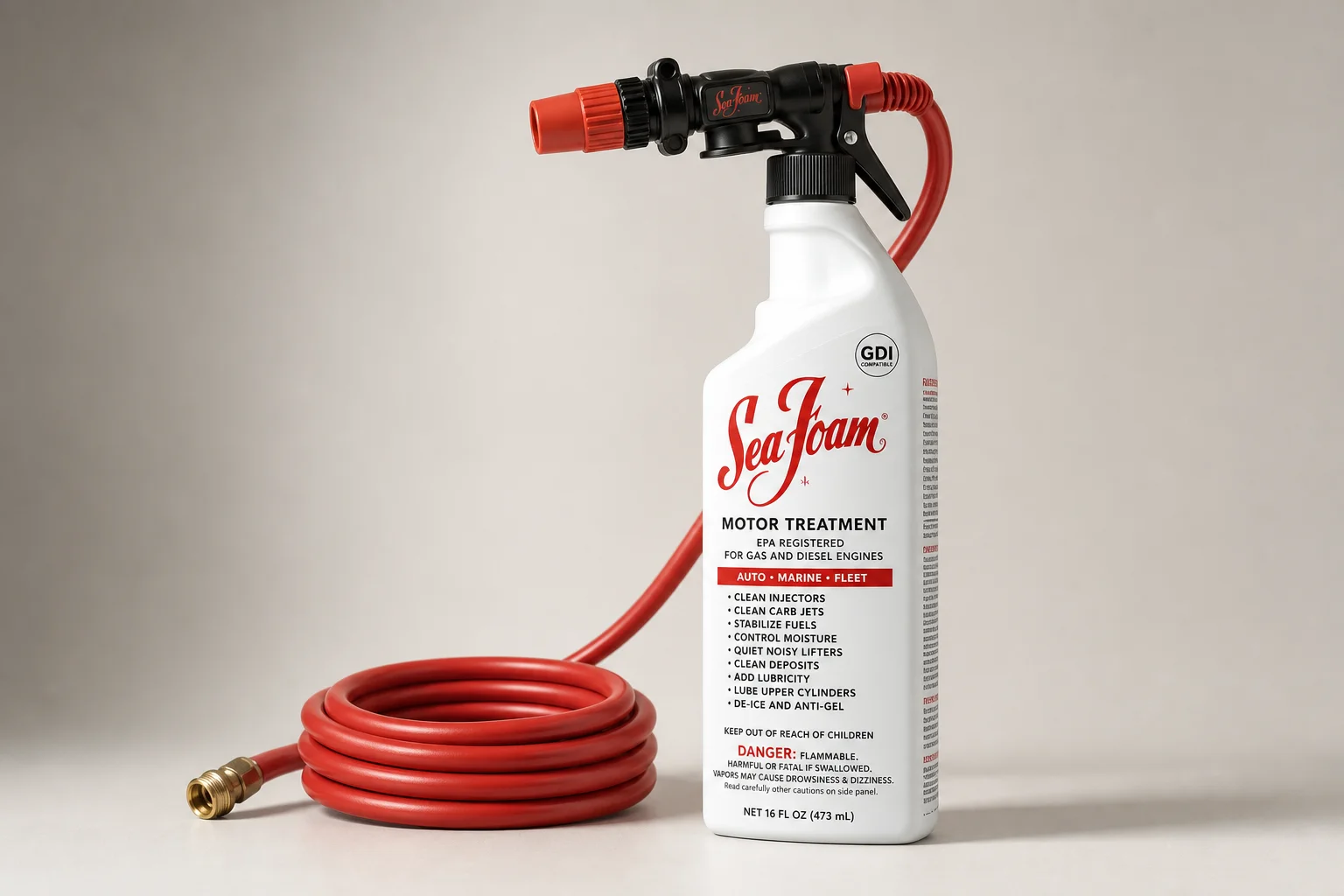
Sea Foam Spray Engine Cleaner: Real-World Test Results on a Modern Car Engine
A practical test of Sea Foam intake spray on a 2008 Honda Civic Si reveals measurable carbon removal from pistons and combustion chambers using borescope inspection.
Tool Care
Build a Better Multi-Tool Maintenance Kit for $70 or Less
A Leatherman-branded maintenance kit costs $70, but a smarter DIY setup covers more ground for less money. Here is what goes in it and why.